
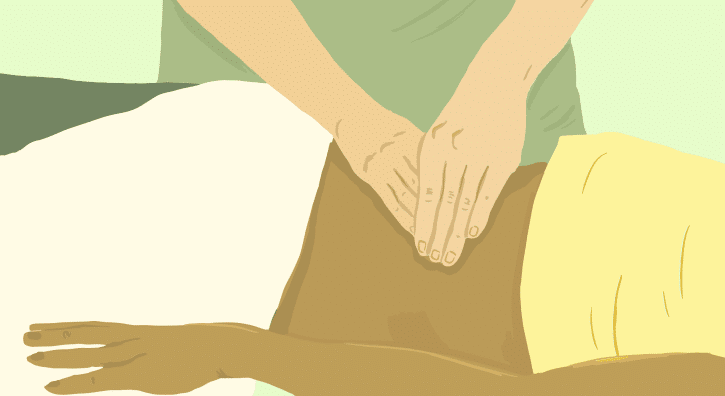
Symptoms
- Pelvic pain typically describes burning, itching, aching, or similar discomfort located in the vulva, vagina, perineum, or anus.
- Women experiencing this pain often describe painful intercourse, hypersensitivity to clothing, or difficulty sitting comfortably.
- Physical exertion, including exercise, may worsen or directly provoke symptoms.
- Common urinary-related issues include urgency, frequency, painful urination, and occasional leakage.
- Abdominal bloating, constipation, and other gastrointestinal distress are frequently present alongside pelvic pain.
- Symptoms may occur when provoked, such as with tampon use or penetrative intercourse, or may appear spontaneously without a clear cause.
- Patterns vary: some women live with constant discomfort, while others experience symptoms intermittently

Symptoms
- Pelvic pain typically describes burning, itching, aching, or similar discomfort located in the vulva, vagina, perineum, or anus.
- Women experiencing this pain often describe painful intercourse, hypersensitivity to clothing, or difficulty sitting comfortably.
- Physical exertion, including exercise, may worsen or directly provoke symptoms.
- Common urinary-related issues include urgency, frequency, painful urination, and occasional leakage.
- Abdominal bloating, constipation, and other gastrointestinal distress are frequently present alongside pelvic pain.
- Symptoms may occur when provoked, such as with tampon use or penetrative intercourse, or may appear spontaneously without a clear cause.
- Patterns vary: some women live with constant discomfort, while others experience symptoms intermittently.
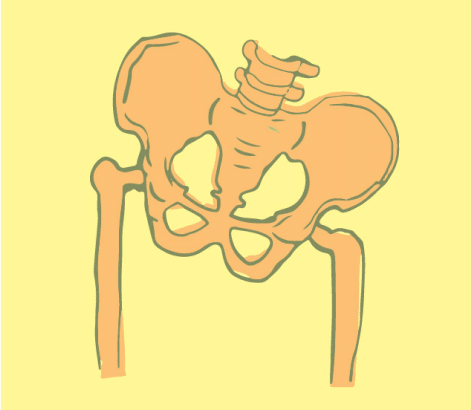
Associated Diagnoses
Diagnoses such as Endometriosis, Vulvodynia, Interstitial Cystitis/Painful Bladder Syndrome, Pudendal Neuralgia, Lichen Sclerosus, Lichen Planus, and Irritable Bowel Syndrome are associated with pelvic pain and pelvic floor dysfunction.


Causes of Pelvic Pain
- Repetitive vaginal and/or bladder infections and/or gynecologic, urologic, dermatologic or gastrointestinal conditions
- The majority of women with pelvic pain have pelvic floor dysfunction
- Prescription medications such as oral contraceptives, acne medications, and hormonal suppressive therapies for diseases such as Endometriosis and Polycystic Ovarian Syndrome (PCOS)
- Surgical trauma (childbirth, pelvic organ prolapse repair, hysterectomy)
- Orthopedic injuries or traumas
- Biomechanical or structural dysfunction (hip dysfunction, sacro-iliac joint dysfunction, piriformis syndrome, scoliosis, leg length discrepancy)
- Vaginal childbirth
- Menopause
- Genital cutting or genital mutilation
Causes of Pelvic Pain
- Repetitive vaginal and/or bladder infections and/or gynecologic, urologic, dermatologic or gastrointestinal conditions
- The majority of women with pelvic pain have pelvic floor dysfunction
- Prescription medications such as oral contraceptives, acne medications, and hormonal suppressive therapies for diseases such as Endometriosis and Polycystic Ovarian Syndrome (PCOS)
- Surgical trauma (childbirth, pelvic organ prolapse repair, hysterectomy)
- Orthopedic injuries or traumas
- Biomechanical or structural dysfunction (hip dysfunction, sacro-iliac joint dysfunction, piriformis syndrome, scoliosis, leg length discrepancy)
- Vaginal childbirth
- Menopause
- Genital cutting or genital mutilation
Diagnostic Challenges
Scientific studies confirm that the road to a correct diagnosis for women experiencing pelvic pain is long and difficult, with the average timeframe being five years. For Endometriosis, this process is significantly longer, with many women waiting up to 11 years to obtain an explanation for their suffering. The challenge arises because the signs of pelvic pain closely mimic those of other conditions, including urinary tract infections, yeast infections, bladder disorders, and sexually transmitted infections. If the pelvic floor is at fault, tests for these suspected issues consistently return negative results, leading to confusion for both the medical provider and the patient. A lack of widespread knowledge about pelvic floor dysfunction among healthcare professionals further complicates the process, as many do not consider it as a potential source of pain. Similarly, women themselves rarely connect their symptoms to the need for physical or occupational therapy. It is not unusual for our patients to tell us they were unaware of the pelvic floor until they began facing health challenges.
Diagnostic Challenges
Scientific studies confirm that the road to a correct diagnosis for women experiencing pelvic pain is long and difficult, with the average timeframe being five years. For Endometriosis, this process is significantly longer, with many women waiting up to 11 years to obtain an explanation for their suffering. The challenge arises because the signs of pelvic pain closely mimic those of other conditions, including urinary tract infections, yeast infections, bladder disorders, and sexually transmitted infections. If the pelvic floor is at fault, tests for these suspected issues consistently return negative results, leading to confusion for both the medical provider and the patient. A lack of widespread knowledge about pelvic floor dysfunction among healthcare professionals further complicates the process, as many do not consider it as a potential source of pain. Similarly, women themselves rarely connect their symptoms to the need for physical or occupational therapy. It is not unusual for our patients to tell us they were unaware of the pelvic floor until they began facing health challenges.
Treatment:
How We Can Help You
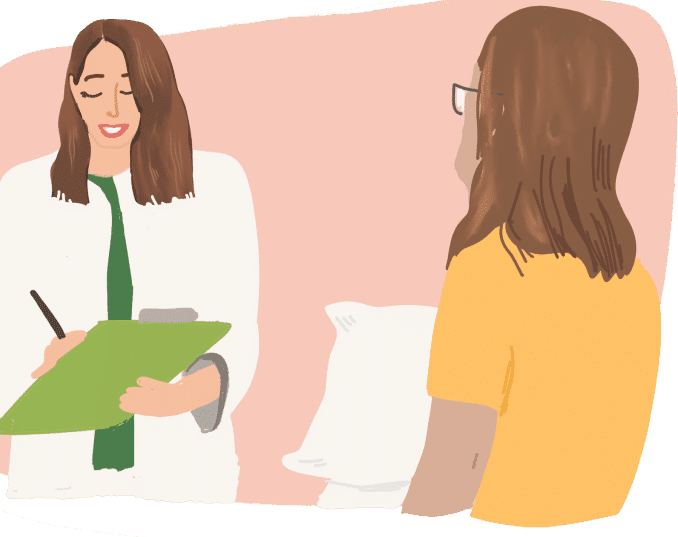
In Belmont, women who experience pelvic pain can find effective solutions through an evaluation with pelvic floor physical and occupational therapists who are highly trained in addressing this condition. During the evaluation, the therapists will talk with you about your history, your current symptoms, and any previous diagnoses you may have received. They will also ask about the treatments you have undergone in the past, and whether or not those treatments helped to improve your condition. We know that many women come to us feeling worn down by years of discomfort, and we want you to know that we listen and understand. A physical examination will then be conducted to assess the health of your muscles, tissues, joints, nerves, and how your body moves.
After this thorough evaluation, the therapists will review their findings with you, clearly explaining how your pain may have developed. Based on this information, they will create a personalized treatment plan with both short-term and long-term goals to support your recovery. In most cases, therapy sessions are scheduled once or twice per week over the course of approximately twelve weeks. You will also receive a home exercise program to support your in-office treatments. Your therapists will coordinate care with other providers on your medical team, ensuring you are supported every step of the way. Our practice is here to help you overcome pelvic pain and return to living with greater comfort and confidence.
Treatment:
How We Can Help You
In Belmont, women who experience pelvic pain can find effective solutions through an evaluation with pelvic floor physical and occupational therapists who are highly trained in addressing this condition. During the evaluation, the therapists will talk with you about your history, your current symptoms, and any previous diagnoses you may have received. They will also ask about the treatments you have undergone in the past, and whether or not those treatments helped to improve your condition. We know that many women come to us feeling worn down by years of discomfort, and we want you to know that we listen and understand. A physical examination will then be conducted to assess the health of your muscles, tissues, joints, nerves, and how your body moves.
After this thorough evaluation, the therapists will review their findings with you, clearly explaining how your pain may have developed. Based on this information, they will create a personalized treatment plan with both short-term and long-term goals to support your recovery. In most cases, therapy sessions are scheduled once or twice per week over the course of approximately twelve weeks. You will also receive a home exercise program to support your in-office treatments. Your therapists will coordinate care with other providers on your medical team, ensuring you are supported every step of the way. Our practice is here to help you overcome pelvic pain and return to living with greater comfort and confidence.
How Can We Help You?
Use the form below if you would like to send us any questions or comments. In order to hear back from us, please remember to include your e-mail address. Your privacy matters to us, and all of your details will be handled with complete confidentiality.


Join The Newsletter. Win a copy of our book, “Pelvic Pain Explained!”
We love connecting with the visitors who come to our site. Let us know a little more about you, and sign up to receive the PHRC e-newsletter for the latest information and helpful resources.
*Subscribers automatically eligible to win our book, “Pelvic Pain Explained.”

At its heart, Pelvic Pain Explained illustrates the journey many patients face, beginning with the development of pelvic pain, the challenges of reaching a diagnosis, the complex process of selecting from multiple treatment paths, and the way an “invisible” condition shapes not only health but also relationships and daily experiences.