
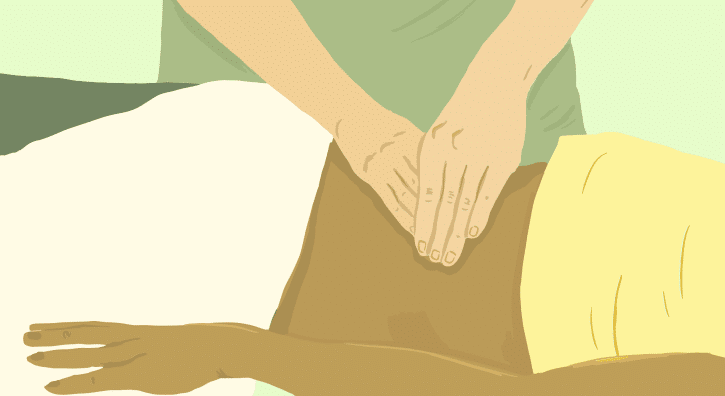
Have you been dealing with tailbone pain that just will not go away? Many people do not realize that tailbone pain, also known as coccydynia, often comes from pelvic floor dysfunction rather than a direct injury to the coccyx itself. Tight or uncoordinated pelvic floor muscles can pull on the tailbone, irritate nearby nerves, and trigger pain that shows up every time you sit, stand, or move.
At PHRC, pelvic floor physical and occupational therapy can address these muscular patterns, improve coordination through the pelvis and core, and help reduce the discomfort that has been limiting your daily life.
Symptoms of Tailbone Pain
Tailbone pain can feel sharp, aching, or deep, and it often shows up most clearly when you sit, stand up from sitting, or lean back. Because the pelvic floor attaches directly to the coccyx, tension or weakness in these muscles can send pain into the tailbone or make it flare during daily activities. The pattern looks slightly different in people assigned female at birth and people assigned male at birth, but both groups can experience symptoms related to pelvic floor dysfunction.
In people assigned female at birth:
Symptoms often show up in several areas because pelvic floor muscle tension, trigger points, or weakness can refer pain throughout the pelvis. You might notice:
- Aching, burning, or sharp tailbone pain when sitting
- Pain that worsens during sex, tampon use, or pelvic exams
- Pressure or heaviness in the pelvic floor that feels internal
- Pain that spreads to the hips, low back, or lower abdomen
- Pelvic pain during urination or bowel movements
- Pain that increases after long periods of sitting or exercise
- Flare-ups connected to childbirth, perimenopause, or changes in posture or activity
In people assigned male at birth:
Men often feel tailbone pain together with urinary, sexual, or gastrointestinal symptoms because the pelvic floor plays a role in all of those functions. You might notice:
- Tailbone pain that worsens with sitting or certain clothing
- Urinary urgency, frequency, hesitancy, or a slower stream
- Pain in the penis, scrotum, or perineum during or after ejaculation
- Reduced ejaculation strength or signs of erectile dysfunction
- Lower abdominal or pelvic aching that comes and goes
- Bloating, constipation, or gastrointestinal discomfort that flares with exercise or ejaculation
- Deep pelvic or rectal pressure when sitting for long periods
Causes of Tailbone Pain
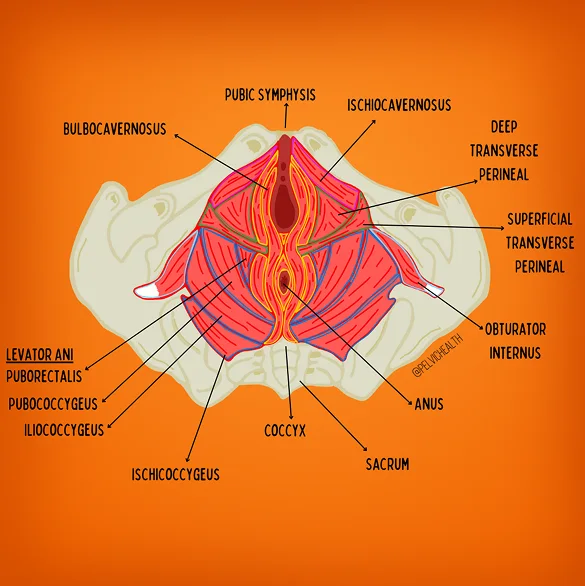
Tailbone pain develops when the structures that support the coccyx become irritated, strained, or overloaded. The coccyx connects to the pelvic floor, ligaments, and surrounding muscles, so any disruption in these areas can create pain when you sit, stand, or move. Many people assume the tailbone must be bruised or fractured, but in most cases, the pain comes from issues in the soft tissues around it rather than the bone itself.
Pelvic floor dysfunction is one of the most common contributors. Tight pelvic floor muscles can pull the coccyx forward and irritate nearby nerves, while weak or uncoordinated muscles can stop the pelvis from absorbing pressure during sitting. Trigger points in the pelvic floor can also refer pain directly to the tailbone.
Other factors can add strain to the coccyx, including falls onto the tailbone, prolonged sitting on hard surfaces, childbirth, posture changes, and increased tension in the hips or lower back. Some people develop inflammation in the joints that connect the coccyx to the sacrum, which makes sitting especially uncomfortable. Tailbone pain often reflects a combination of muscular, joint, and nerve irritation rather than a single cause.
Causes of Tailbone Pain
Tailbone pain develops when the structures that support the coccyx become irritated, strained, or overloaded. The coccyx connects to the pelvic floor, ligaments, and surrounding muscles, so any disruption in these areas can create pain when you sit, stand, or move. Many people assume the tailbone must be bruised or fractured, but in most cases, the pain comes from issues in the soft tissues around it rather than the bone itself.
Pelvic floor dysfunction is one of the most common contributors. Tight pelvic floor muscles can pull the coccyx forward and irritate nearby nerves, while weak or uncoordinated muscles can stop the pelvis from absorbing pressure during sitting. Trigger points in the pelvic floor can also refer pain directly to the tailbone.
Other factors can add strain to the coccyx, including falls onto the tailbone, prolonged sitting on hard surfaces, childbirth, posture changes, and increased tension in the hips or lower back. Some people develop inflammation in the joints that connect the coccyx to the sacrum, which makes sitting especially uncomfortable. Tailbone pain often reflects a combination of muscular, joint, and nerve irritation rather than a single cause.
How Does the Pelvic Floor Contribute to Tailbone Pain?
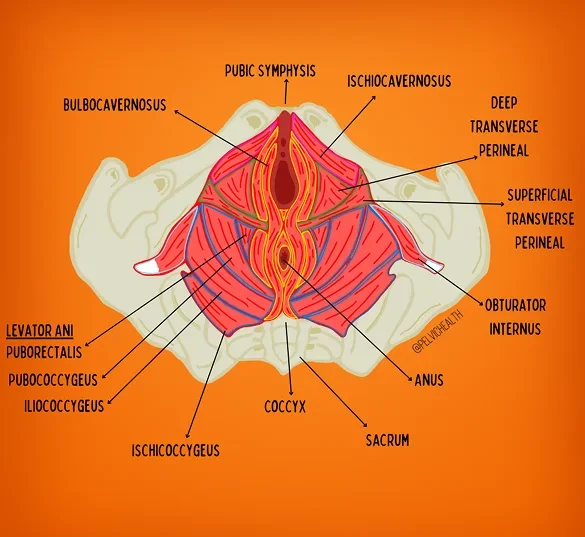
The pelvic floor connects directly to the tailbone and plays a major role in how the coccyx moves and absorbs pressure. These muscles support the pelvic organs, guide bladder and bowel function, and stabilize the pelvis during daily activity. When the pelvic floor stops working the way it should, the tailbone can become one of the first places you feel discomfort.
Tight or overactive pelvic floor muscles can pull on the coccyx and create sharp, aching, or burning tailbone pain. Trigger points in these muscles can refer pain directly to the coccyx and make sitting feel unbearable. On the other hand, weak or underactive pelvic floor muscles can fail to support the pelvis, which increases strain on the joints that hold the tailbone in place.
Pelvic floor dysfunction also affects the nerves that travel through the pelvis. Irritated or compressed nerves can send pain into the coccyx, rectum, hips, or low back. At PHRC, we address the full picture by treating muscular imbalance, joint irritation, and the nervous system patterns that keep tailbone pain active.
Associated Diagnoses
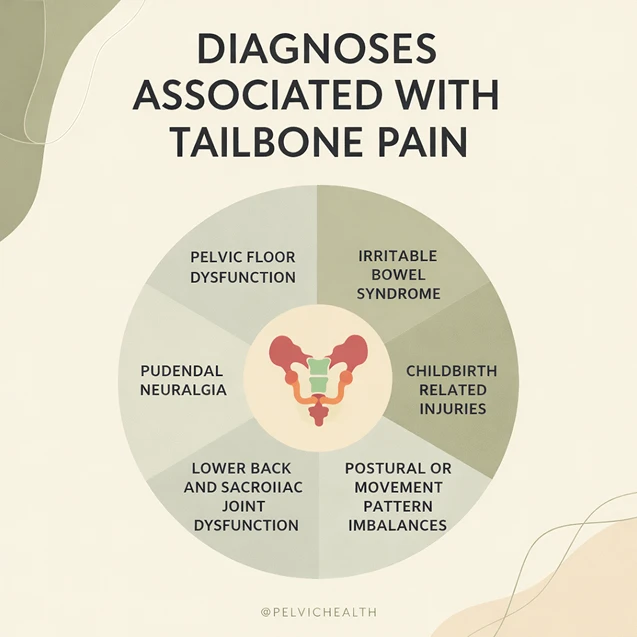
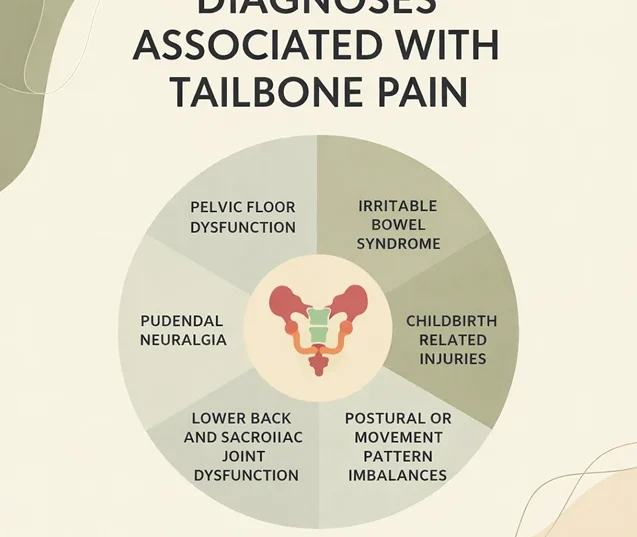
People with tailbone pain often live with other pelvic or musculoskeletal conditions that influence how their symptoms develop and how they respond to treatment. These conditions can add layers of tension, instability, or nerve irritation that make coccyx pain more persistent or complex. Common associated diagnoses include:
- Pelvic Floor Dysfunction: Patterns of tightness, weakness, or poor coordination in the pelvic floor muscles that can pull on the coccyx, irritate nerves, and refer pain to the hips, low back, or genitals.
- Pudendal Neuralgia: Irritation of the pudendal nerve that can cause burning pain, numbness, or sharp sensations in the tailbone, pelvis, rectum, or perineum
- Lower Back and Sacroiliac Joint Dysfunction: Issues in the lumbar spine or SI joints can shift pressure to the coccyx and contribute to lingering tailbone pain, especially during sitting.
- Postural or Movement Pattern Imbalances: Slumped sitting, prolonged pressure on the tailbone, or increased tension in the hips, glutes, or core muscles can worsen coccyx pain over time.
- Childbirth Related Injuries: People assigned female at birth may experience coccyx pain after pregnancy or labor due to ligament strain, muscle injury, or direct pressure on the tailbone during delivery.
- Irritable Bowel Syndrome: Chronic constipation, diarrhea, or straining can increase pelvic floor tension and irritate the tissues around the coccyx, creating or worsening pain.
These conditions often overlap and influence one another, so effective care requires an evaluation that examines the full pelvic system rather than treating the tailbone in isolation.
Diagnostic Challenges
Diagnosing tailbone pain can be surprisingly difficult, especially when the pain is not linked to an obvious fall or injury. As mentioned, many people falsely assume the coccyx must be fractured or bruised, yet most cases arise from soft tissue irritation, pelvic floor dysfunction, or nerve involvement rather than the bone itself. Because these patterns do not appear on standard X-rays or MRIs, patients often move from provider to provider without any clear answers.
And because tailbone pain also overlaps with several conditions that create similar symptoms (lower back issues, sacroiliac joint dysfunction, pelvic organ disorders, and bowel dysfunction), many people are misdiagnosed or told that their symptoms are “normal” or unrelated to the pelvic floor. This can delay effective care and leave patients feeling completely unheard.
At PHRC, we take a detailed and trauma-informed approach to evaluation. We listen closely to your history, examine how your pelvic floor, spine, hips, and posture work together, and collaborate with other specialists when needed. This comprehensive view helps us identify the true contributors to your tailbone pain and build a treatment plan that supports long-term recovery.
Diagnostic Challenges
Diagnosing tailbone pain can be surprisingly difficult, especially when the pain is not linked to an obvious fall or injury. As mentioned, many people falsely assume the coccyx must be fractured or bruised, yet most cases arise from soft tissue irritation, pelvic floor dysfunction, or nerve involvement rather than the bone itself. Because these patterns do not appear on standard X-rays or MRIs, patients often move from provider to provider without any clear answers.
And because tailbone pain also overlaps with several conditions that create similar symptoms (lower back issues, sacroiliac joint dysfunction, pelvic organ disorders, and bowel dysfunction), many people are misdiagnosed or told that their symptoms are “normal” or unrelated to the pelvic floor. This can delay effective care and leave patients feeling completely unheard.
At PHRC, we take a detailed and trauma-informed approach to evaluation. We listen closely to your history, examine how your pelvic floor, spine, hips, and posture work together, and collaborate with other specialists when needed. This comprehensive view helps us identify the true contributors to your tailbone pain and build a treatment plan that supports long-term recovery.
How Our Team at PHRC Can Help You
Treating tailbone pain requires more than addressing the coccyx itself. At PHRC, we look at how your pelvic floor, spine, hips, nervous system, and movement patterns all interact to create discomfort. Our treatment goes far beyond simple exercises or stretches. We take a personalized, hands-on, and collaborative approach designed to reduce pain, improve function, and help you return to the activities you want to do.
We start with a detailed one-on-one evaluation. Your pelvic floor physical and occupational therapist takes time to understand when your pain started, what makes it flare, how it affects sitting and daily activity, and whether urinary, bowel, or sexual symptoms might be involved. Many people with tailbone pain have been told there is “nothing wrong” because imaging often appears normal, so we listen closely and take your symptoms seriously. From there, we build a care plan that fits your body, your goals, and the way your pain behaves.

How Our Team at PHRC Can Help You
Treating tailbone pain requires more than addressing the coccyx itself. At PHRC, we look at how your pelvic floor, spine, hips, nervous system, and movement patterns all interact to create discomfort. Our treatment goes far beyond simple exercises or stretches. We take a personalized, hands-on, and collaborative approach designed to reduce pain, improve function, and help you return to the activities you want to do.
We start with a detailed one-on-one evaluation. Your pelvic floor physical and occupational therapist takes time to understand when your pain started, what makes it flare, how it affects sitting and daily activity, and whether urinary, bowel, or sexual symptoms might be involved. Many people with tailbone pain have been told there is “nothing wrong” because imaging often appears normal, so we listen closely and take your symptoms seriously. From there, we build a care plan that fits your body, your goals, and the way your pain behaves.
At PHRC, we use an individualized, evidence-informed approach to treat tailbone pain and the pelvic floor dysfunction that often drives it. Our care blends manual therapy, movement retraining, and education so you can understand why your pain is happening and what steps will help you move forward.Treatment options include:
- Pelvic Floor Physical and Occupational Therapy: One-on-one sessions that assess and treat muscle tension, trigger points, nerve irritation, and coordination issues in the pelvic floor that can pull on the tailbone or send pain into the coccyx.
- Myofascial and Trigger Point Release: Hands-on techniques that reduce tightness in the pelvic floor, glutes, low back, and hips to ease pressure on the coccyx and improve mobility.
- Stability and Strength Training: Targeted exercises that build support through the core, hips, and pelvic floor so your body can handle sitting, standing, and movement without overloading the tailbone.
- Pain Management Strategies: Tools to calm irritated nerves, reduce flare-ups, and help you feel more comfortable during daily activities.
- Posture and Movement Retraining: Guidance on sitting, bending, walking, and exercise patterns that may be placing excess stress on the coccyx.
- Functional Rehabilitation: A gradual return to the activities you want to do, including exercise routines, work tasks, or daily sitting demands.
- Education and Support: Clear explanations about how tailbone pain develops, what triggers it, and which habits and routines will support long-term improvement.
- Collaborative Care: When needed, we communicate with pelvic pain specialists, pain management physicians, or orthopedic providers to create a fully integrated plan.
Most treatment plans involve weekly or biweekly sessions over several weeks or months, along with a personalized home program. Every case of tailbone pain is different, and we tailor your care accordingly. At PHRC, our goals are to reduce your pain, help you feel more supported in your body, and regain the freedom to sit, move, and live without constant discomfort.
Find Relief at PHRC
At PHRC, our goal is to provide compassionate and comprehensive care to help you manage and overcome tailbone pain. By understanding the underlying causes and providing targeted treatments, we work to improve your quality of life and restore your health.
We also recognize the challenges some people might face in accessing in-person care, which is why we offer virtual sessions through telehealth after your initial consultation with a pelvic floor physical therapist. These sessions allow for continuity of care and accessibility for those unable to travel to one of our clinics.
Find Relief at PHRC
At PHRC, our goal is to provide compassionate and comprehensive care to help you manage and overcome tailbone pain. By understanding the underlying causes and providing targeted treatments, we work to improve your quality of life and restore your health.
We also recognize the challenges some people might face in accessing in-person care, which is why we offer virtual sessions through telehealth after your initial consultation with a pelvic floor physical therapist. These sessions allow for continuity of care and accessibility for those unable to travel to one of our clinics.