
Symptoms
- The term pelvic pain covers a variety of sensations, such as burning, itching, aching, or other painful feelings in the vulva, vagina, perineal region, or anus.
- This condition may include pain with sexual intercourse, difficulty wearing pants or underwear due to sensitivity, and pain with sitting.
- Exercising or engaging in physical activity may lead to the onset of symptoms or worsen them.
- Women may also struggle with urinary urgency, frequent urination, painful urination, and occasional leakage.
- Digestive symptoms such as abdominal bloating, constipation, and overall gastrointestinal distress may accompany pelvic pain.
- In some cases, symptoms are provoked by tampon insertion or intercourse, while in others, they appear suddenly and spontaneously.
- The pattern may be constant and ongoing, or it may present itself intermittently.

Symptoms
- The term pelvic pain covers a variety of sensations, such as burning, itching, aching, or other painful feelings in the vulva, vagina, perineal region, or anus.
- This condition may include pain with sexual intercourse, difficulty wearing pants or underwear due to sensitivity, and pain with sitting.
- Exercising or engaging in physical activity may lead to the onset of symptoms or worsen them.
- Women may also struggle with urinary urgency, frequent urination, painful urination, and occasional leakage.
- Digestive symptoms such as abdominal bloating, constipation, and overall gastrointestinal distress may accompany pelvic pain.
- In some cases, symptoms are provoked by tampon insertion or intercourse, while in others, they appear suddenly and spontaneously.
- The pattern may be constant and ongoing, or it may present itself intermittently.
Associated Diagnoses
Diagnoses such as Endometriosis, Vulvodynia, Interstitial Cystitis/Painful Bladder Syndrome, Pudendal Neuralgia, Lichen Sclerosus, Lichen Planus, and Irritable Bowel Syndrome are associated with pelvic pain and pelvic floor dysfunction.


Causes of Pelvic Pain
- Repetitive vaginal and/or bladder infections and/or gynecologic, urologic, dermatologic or gastrointestinal conditions
- The majority of women with pelvic pain have pelvic floor dysfunction
- Prescription medications such as oral contraceptives, acne medications, and hormonal suppressive therapies for diseases such as Endometriosis and Polycystic Ovarian Syndrome (PCOS)
- Surgical trauma (childbirth, pelvic organ prolapse repair, hysterectomy)
- Orthopedic injuries or traumas
- Biomechanical or structural dysfunction (hip dysfunction, sacro-iliac joint dysfunction, piriformis syndrome, scoliosis, leg length discrepancy)
- Vaginal childbirth
- Menopause
- Genital cutting or genital mutilation
Causes of Pelvic Pain
- Repetitive vaginal and/or bladder infections and/or gynecologic, urologic, dermatologic or gastrointestinal conditions
- The majority of women with pelvic pain have pelvic floor dysfunction
- Prescription medications such as oral contraceptives, acne medications, and hormonal suppressive therapies for diseases such as Endometriosis and Polycystic Ovarian Syndrome (PCOS)
- Surgical trauma (childbirth, pelvic organ prolapse repair, hysterectomy)
- Orthopedic injuries or traumas
- Biomechanical or structural dysfunction (hip dysfunction, sacro-iliac joint dysfunction, piriformis syndrome, scoliosis, leg length discrepancy)
- Vaginal childbirth
- Menopause
- Genital cutting or genital mutilation
Diagnostic Challenges
Research demonstrates that for many women living with pelvic pain, the process of reaching a correct diagnosis can take as long as five years. For women struggling with Endometriosis, the timeline can extend even further, averaging up to 11 years before receiving an accurate answer. This delay is largely due to the fact that the symptoms of pelvic pain frequently resemble those of other conditions such as urinary tract infections, yeast infections, bladder disorders, and sexually transmitted infections. When the true source is dysfunction of the pelvic floor, standard diagnostic tests for these other conditions come back negative, leaving both patients and medical providers puzzled. Unfortunately, many healthcare professionals are still unaware that pelvic floor dysfunction can be the underlying cause of pelvic pain, and women themselves rarely consider physical and occupational therapy as an option for these symptoms. It is common for our patients to share that they had never even heard of the pelvic floor until they began experiencing serious problems.
Diagnostic Challenges
Research demonstrates that for many women living with pelvic pain, the process of reaching a correct diagnosis can take as long as five years. For women struggling with Endometriosis, the timeline can extend even further, averaging up to 11 years before receiving an accurate answer. This delay is largely due to the fact that the symptoms of pelvic pain frequently resemble those of other conditions such as urinary tract infections, yeast infections, bladder disorders, and sexually transmitted infections. When the true source is dysfunction of the pelvic floor, standard diagnostic tests for these other conditions come back negative, leaving both patients and medical providers puzzled. Unfortunately, many healthcare professionals are still unaware that pelvic floor dysfunction can be the underlying cause of pelvic pain, and women themselves rarely consider physical and occupational therapy as an option for these symptoms. It is common for our patients to share that they had never even heard of the pelvic floor until they began experiencing serious problems.
Treatment:
How We Can Help You
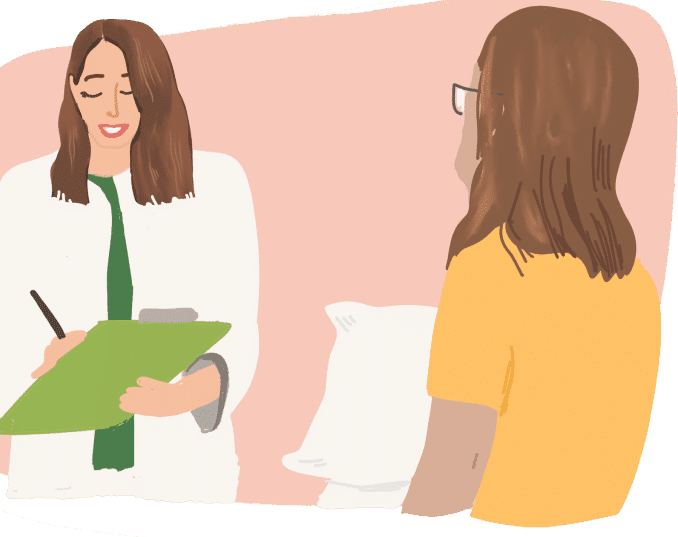
In Mountain View, women experiencing pelvic pain can benefit from an in-depth evaluation with pelvic floor physical and occupational therapists who are experienced in this specialized field. During your evaluation, the therapists will review your health history, current symptoms, and any previous diagnoses. They will also take time to discuss the treatments you have tried before and whether or not they were successful. We understand that many women come to us feeling frustrated by years of discomfort, and we want you to know that your concerns will be taken seriously. The physical examination includes a close look at your muscles, tissues, joints, nerves, and how your body moves as a whole.
After the exam is completed, your therapists will share their findings and explain the likely causes of your pain. They will then create a comprehensive treatment plan with short-term and long-term goals specifically tailored to you. Most patients attend sessions one or two times per week for about twelve weeks, and a home exercise program is provided to reinforce progress between visits. To ensure your care is seamless, the therapists will coordinate with other healthcare providers involved in your treatment. Our clinic is here to support your healing, restore your comfort, and help you move forward with renewed confidence in your health.
Treatment:
How We Can Help You
In Mountain View, women experiencing pelvic pain can benefit from an in-depth evaluation with pelvic floor physical and occupational therapists who are experienced in this specialized field. During your evaluation, the therapists will review your health history, current symptoms, and any previous diagnoses. They will also take time to discuss the treatments you have tried before and whether or not they were successful. We understand that many women come to us feeling frustrated by years of discomfort, and we want you to know that your concerns will be taken seriously. The physical examination includes a close look at your muscles, tissues, joints, nerves, and how your body moves as a whole.
After the exam is completed, your therapists will share their findings and explain the likely causes of your pain. They will then create a comprehensive treatment plan with short-term and long-term goals specifically tailored to you. Most patients attend sessions one or two times per week for about twelve weeks, and a home exercise program is provided to reinforce progress between visits. To ensure your care is seamless, the therapists will coordinate with other healthcare providers involved in your treatment. Our clinic is here to support your healing, restore your comfort, and help you move forward with renewed confidence in your health.
How Can We Help You?
Please use the form below to reach us with any questions or comments you may have. Be sure to include your e-mail address so that we can send you a timely response. Your privacy is our priority, and all information submitted will remain fully confidential.


Join The Newsletter. Win a copy of our book, “Pelvic Pain Explained!”
We always enjoy connecting with our website visitors. Tell us a little more about who you are, and consider signing up for the PHRC e-newsletter to stay informed with the latest updates and educational content.
*Subscribers automatically eligible to win our book, “Pelvic Pain Explained.”

At its foundation, Pelvic Pain Explained highlights the patient journey, showing how pelvic pain develops, the struggles both patients and providers face during diagnosis and treatment, the challenge of exploring multiple treatment options, and the significant impact that an “invisible” condition has on relationships, health, and overall quality of life.