
Symptoms
- The term pelvic pain broadly covers sensations of burning, itching, aching, or other pain felt in the vaginal, vulvar, perineal, or anal regions.
- This condition may cause significant discomfort during intercourse, heightened sensitivity to pants or underwear, and pain when sitting.
- Activities such as exercising can make symptoms worse or provoke new episodes of pain.
- Urinary difficulties are also common, including urgency, frequent trips to the bathroom, painful urination, and urinary leakage.
- Digestive issues such as bloating, constipation, and general gastrointestinal upset may accompany pelvic pain.
- Triggers may be provoked by specific events like tampon insertion or penetrative sexual activity, but pain can also occur spontaneously.
- Symptoms vary in pattern, sometimes appearing sporadically and sometimes persisting constantly.

Symptoms
- The term pelvic pain broadly covers sensations of burning, itching, aching, or other pain felt in the vaginal, vulvar, perineal, or anal regions.
- This condition may cause significant discomfort during intercourse, heightened sensitivity to pants or underwear, and pain when sitting.
- Activities such as exercising can make symptoms worse or provoke new episodes of pain.
- Urinary difficulties are also common, including urgency, frequent trips to the bathroom, painful urination, and urinary leakage.
- Digestive issues such as bloating, constipation, and general gastrointestinal upset may accompany pelvic pain.
- Triggers may be provoked by specific events like tampon insertion or penetrative sexual activity, but pain can also occur spontaneously.
- Symptoms vary in pattern, sometimes appearing sporadically and sometimes persisting constantly.
Associated Diagnoses
Diagnoses such as Endometriosis, Vulvodynia, Interstitial Cystitis/Painful Bladder Syndrome, Pudendal Neuralgia, Lichen Sclerosus, Lichen Planus, and Irritable Bowel Syndrome are associated with pelvic pain and pelvic floor dysfunction.


Causes of Pelvic Pain
- Repetitive vaginal and/or bladder infections and/or gynecologic, urologic, dermatologic or gastrointestinal conditions
- The majority of women with pelvic pain have pelvic floor dysfunction
- Prescription medications such as oral contraceptives, acne medications, and hormonal suppressive therapies for diseases such as Endometriosis and Polycystic Ovarian Syndrome (PCOS)
- Surgical trauma (childbirth, pelvic organ prolapse repair, hysterectomy)
- Orthopedic injuries or traumas
- Biomechanical or structural dysfunction (hip dysfunction, sacro-iliac joint dysfunction, piriformis syndrome, scoliosis, leg length discrepancy)
- Vaginal childbirth
- Menopause
- Genital cutting or genital mutilation
Causes of Pelvic Pain
- Repetitive vaginal and/or bladder infections and/or gynecologic, urologic, dermatologic or gastrointestinal conditions
- The majority of women with pelvic pain have pelvic floor dysfunction
- Prescription medications such as oral contraceptives, acne medications, and hormonal suppressive therapies for diseases such as Endometriosis and Polycystic Ovarian Syndrome (PCOS)
- Surgical trauma (childbirth, pelvic organ prolapse repair, hysterectomy)
- Orthopedic injuries or traumas
- Biomechanical or structural dysfunction (hip dysfunction, sacro-iliac joint dysfunction, piriformis syndrome, scoliosis, leg length discrepancy)
- Vaginal childbirth
- Menopause
- Genital cutting or genital mutilation
Diagnostic Challenges
Findings show that it can take as much as five years for a woman experiencing pelvic pain to receive an accurate diagnosis. For those suffering with Endometriosis, the wait is typically much longer, averaging around 11 years. This prolonged process occurs because the symptoms of pelvic pain can appear similar to those of urinary tract infections, yeast infections, bladder conditions, and sexually transmitted infections. When pelvic floor dysfunction is the true cause, diagnostic testing for these other suspected problems tends to return negative results, leaving both patients and providers uncertain. Many doctors have limited training in identifying pelvic floor dysfunction as a source of pelvic pain, and women themselves rarely think of physical or occupational therapy as the right avenue for treatment. Most of our patients report that they did not even know the pelvic floor existed as a critical part of their body until things began to go wrong.
Diagnostic Challenges
Findings show that it can take as much as five years for a woman experiencing pelvic pain to receive an accurate diagnosis. For those suffering with Endometriosis, the wait is typically much longer, averaging around 11 years. This prolonged process occurs because the symptoms of pelvic pain can appear similar to those of urinary tract infections, yeast infections, bladder conditions, and sexually transmitted infections. When pelvic floor dysfunction is the true cause, diagnostic testing for these other suspected problems tends to return negative results, leaving both patients and providers uncertain. Many doctors have limited training in identifying pelvic floor dysfunction as a source of pelvic pain, and women themselves rarely think of physical or occupational therapy as the right avenue for treatment. Most of our patients report that they did not even know the pelvic floor existed as a critical part of their body until things began to go wrong.
Treatment:
How We Can Help You
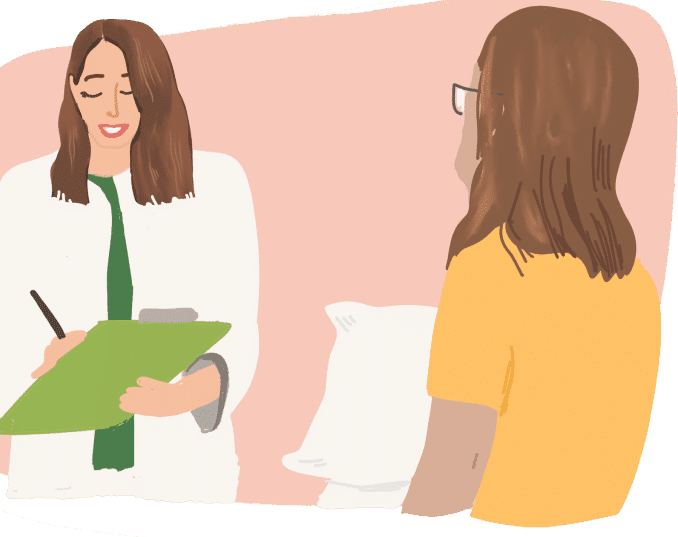
For women in Oakland dealing with pelvic pain, an evaluation with pelvic floor physical and occupational therapists who specialize in treating pelvic conditions can be an important step toward healing. During this evaluation, your therapists will take the time to discuss your medical history, the symptoms you are experiencing, and the treatments you have tried in the past along with how well they have worked for you. We understand the challenges you have faced and recognize that by the time many women arrive at our clinic, they are often discouraged and searching for answers. The physical examination will involve a careful assessment of your muscles, tissues, joints, nerves, and movement patterns to provide clarity about what is happening in your body.
Once the exam is complete, your therapists will explain their findings and help you understand the likely causes of your pain. From there, a treatment plan will be created that includes both short-term and long-term goals. Therapy sessions are generally scheduled one to two times per week for a period of about twelve weeks, with a customized home exercise program given to reinforce progress between visits. Your therapists will also communicate with other members of your healthcare team to ensure every aspect of your care is coordinated. Our clinic is committed to supporting your recovery and helping you return to the quality of life you deserve.
Treatment:
How We Can Help You
For women in Oakland dealing with pelvic pain, an evaluation with pelvic floor physical and occupational therapists who specialize in treating pelvic conditions can be an important step toward healing. During this evaluation, your therapists will take the time to discuss your medical history, the symptoms you are experiencing, and the treatments you have tried in the past along with how well they have worked for you. We understand the challenges you have faced and recognize that by the time many women arrive at our clinic, they are often discouraged and searching for answers. The physical examination will involve a careful assessment of your muscles, tissues, joints, nerves, and movement patterns to provide clarity about what is happening in your body.
Once the exam is complete, your therapists will explain their findings and help you understand the likely causes of your pain. From there, a treatment plan will be created that includes both short-term and long-term goals. Therapy sessions are generally scheduled one to two times per week for a period of about twelve weeks, with a customized home exercise program given to reinforce progress between visits. Your therapists will also communicate with other members of your healthcare team to ensure every aspect of your care is coordinated. Our clinic is committed to supporting your recovery and helping you return to the quality of life you deserve.
How Can We Help You?
If you would like to reach out, please use the form below to send your questions or comments. To ensure we can provide a response, your e-mail address must be included. All of your information will remain strictly confidential, so you can share with complete confidence.


Join The Newsletter. Win a copy of our book, “Pelvic Pain Explained!”
We always look forward to hearing from our visitors and learning more about your story. Please tell us about yourself, and be sure to subscribe to the PHRC e-newsletter so that you can receive the latest updates and insights.
*Subscribers automatically eligible to win our book, “Pelvic Pain Explained.”

At its essence, Pelvic Pain Explained, captures the journey of how pelvic pain arises, the many difficulties patients and healthcare professionals encounter during the process of diagnosis and treatment, the challenge of sorting through an overwhelming range of treatment options, and the lasting impact that an “invisible” condition can have on the life and relationships of every patient who experiences it.