
Symptoms
- The description of pelvic pain often involves sensations such as burning, itching, aching, or discomfort located in the vulva, vagina, perineum, or anus.
- Women frequently struggle with pain during intercourse, oversensitivity to tight clothing, and significant discomfort while sitting.
- Physical activity, particularly exercise, is known to bring on or worsen symptoms.
- Additional symptoms often include urinary frequency, urgency, painful urination, or involuntary leakage.
- Digestive issues like constipation, abdominal bloating, and gastrointestinal upset may accompany pelvic pain.
- Symptoms can be provoked, such as by tampon insertion or penetrative intercourse, or they may occur without warning.
- Women may live with persistent, ongoing symptoms or find that the pain occurs intermittently

Symptoms
- The description of pelvic pain often involves sensations such as burning, itching, aching, or discomfort located in the vulva, vagina, perineum, or anus.
- Women frequently struggle with pain during intercourse, oversensitivity to tight clothing, and significant discomfort while sitting.
- Physical activity, particularly exercise, is known to bring on or worsen symptoms.
- Additional symptoms often include urinary frequency, urgency, painful urination, or involuntary leakage.
- Digestive issues like constipation, abdominal bloating, and gastrointestinal upset may accompany pelvic pain.
- Symptoms can be provoked, such as by tampon insertion or penetrative intercourse, or they may occur without warning.
- Women may live with persistent, ongoing symptoms or find that the pain occurs intermittently
Associated Diagnoses
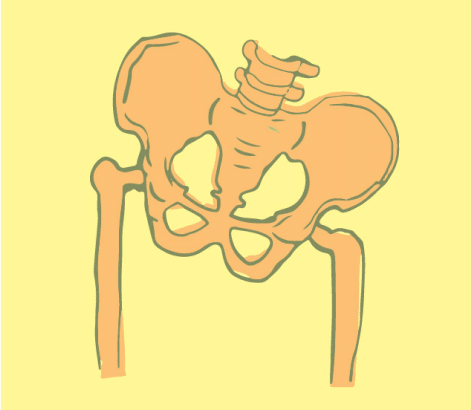
Diagnoses such as Endometriosis, Vulvodynia, Interstitial Cystitis/Painful Bladder Syndrome, Pudendal Neuralgia, Lichen Sclerosus, Lichen Planus, and Irritable Bowel Syndrome are associated with pelvic pain and pelvic floor dysfunction.


Causes of Pelvic Pain
- Repetitive vaginal and/or bladder infections and/or gynecologic, urologic, dermatologic or gastrointestinal conditions
- The majority of women with pelvic pain have pelvic floor dysfunction
- Prescription medications such as oral contraceptives, acne medications, and hormonal suppressive therapies for diseases such as Endometriosis and Polycystic Ovarian Syndrome (PCOS)
- Surgical trauma (childbirth, pelvic organ prolapse repair, hysterectomy)
- Orthopedic injuries or traumas
- Biomechanical or structural dysfunction (hip dysfunction, sacro-iliac joint dysfunction, piriformis syndrome, scoliosis, leg length discrepancy)
- Vaginal childbirth
- Menopause
- Genital cutting or genital mutilation
Causes of Pelvic Pain
- Repetitive vaginal and/or bladder infections and/or gynecologic, urologic, dermatologic or gastrointestinal conditions
- The majority of women with pelvic pain have pelvic floor dysfunction
- Prescription medications such as oral contraceptives, acne medications, and hormonal suppressive therapies for diseases such as Endometriosis and Polycystic Ovarian Syndrome (PCOS)
- Surgical trauma (childbirth, pelvic organ prolapse repair, hysterectomy)
- Orthopedic injuries or traumas
- Biomechanical or structural dysfunction (hip dysfunction, sacro-iliac joint dysfunction, piriformis syndrome, scoliosis, leg length discrepancy)
- Vaginal childbirth
- Menopause
- Genital cutting or genital mutilation
Diagnostic Challenges
Evidence shows that women who experience pelvic pain often face a diagnostic delay of several years, with the average time being around five years to reach a proper diagnosis. For women diagnosed with Endometriosis, the wait is typically even longer, often extending to 11 years. This long process occurs because pelvic pain frequently mirrors the symptoms of urinary tract infections, yeast infections, bladder conditions, or sexually transmitted infections. In cases where the pelvic floor is the true source of the problem, testing for these suspected conditions generally comes back negative, leaving both the healthcare provider and the patient without answers. A significant barrier is the lack of awareness among many providers that pelvic floor dysfunction can present as pelvic pain. Furthermore, women themselves rarely associate these symptoms with the need for physical or occupational therapy. The majority of patients who come to us admit that they had no understanding of the pelvic floor’s role until health problems made it unavoidable.
Diagnostic Challenges
Evidence shows that women who experience pelvic pain often face a diagnostic delay of several years, with the average time being around five years to reach a proper diagnosis. For women diagnosed with Endometriosis, the wait is typically even longer, often extending to 11 years. This long process occurs because pelvic pain frequently mirrors the symptoms of urinary tract infections, yeast infections, bladder conditions, or sexually transmitted infections. In cases where the pelvic floor is the true source of the problem, testing for these suspected conditions generally comes back negative, leaving both the healthcare provider and the patient without answers. A significant barrier is the lack of awareness among many providers that pelvic floor dysfunction can present as pelvic pain. Furthermore, women themselves rarely associate these symptoms with the need for physical or occupational therapy. The majority of patients who come to us admit that they had no understanding of the pelvic floor’s role until health problems made it unavoidable.
Treatment:
How We Can Help You
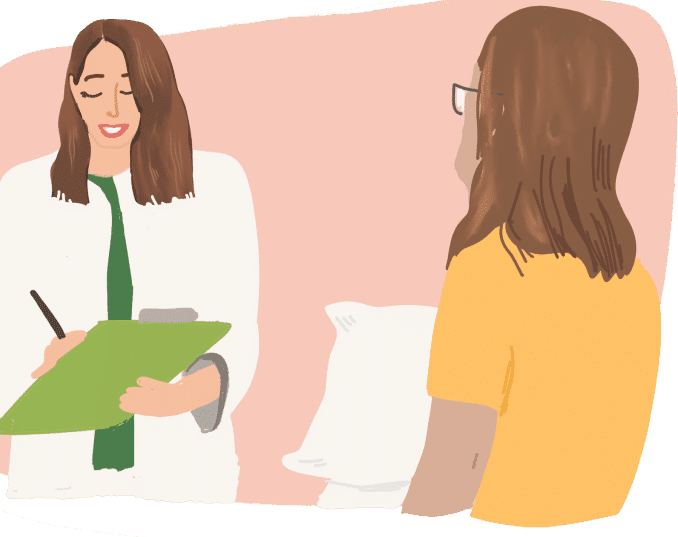
In Palo Alto, women who live with pelvic pain can benefit from a comprehensive evaluation conducted by pelvic floor physical and occupational therapists with expertise in this area. This evaluation begins with an in-depth review of your history and the symptoms you are currently experiencing. Your therapists will discuss any diagnoses you may have received in the past, as well as the treatments you have undergone and their level of success. We understand that many women arrive at our clinic feeling frustrated and worn down, and we want you to know that we truly listen. A thorough physical examination follows, focusing on muscles, tissues, joints, nerves, and movement patterns.
When the examination is complete, your therapists will carefully explain their findings and provide insight into how your pain developed. They will then create an individualized treatment plan that includes both immediate goals and long-term objectives. In most cases, therapy is scheduled one to two times weekly for a duration of about twelve weeks. You will also receive a home exercise program to complement your in-office sessions. Your therapists will stay in communication with other members of your care team to ensure your recovery is well-coordinated. Our team is here to support your healing process and help you move toward greater health and comfort.
Treatment:
How We Can Help You
In Palo Alto, women who live with pelvic pain can benefit from a comprehensive evaluation conducted by pelvic floor physical and occupational therapists with expertise in this area. This evaluation begins with an in-depth review of your history and the symptoms you are currently experiencing. Your therapists will discuss any diagnoses you may have received in the past, as well as the treatments you have undergone and their level of success. We understand that many women arrive at our clinic feeling frustrated and worn down, and we want you to know that we truly listen. A thorough physical examination follows, focusing on muscles, tissues, joints, nerves, and movement patterns.
When the examination is complete, your therapists will carefully explain their findings and provide insight into how your pain developed. They will then create an individualized treatment plan that includes both immediate goals and long-term objectives. In most cases, therapy is scheduled one to two times weekly for a duration of about twelve weeks. You will also receive a home exercise program to complement your in-office sessions. Your therapists will stay in communication with other members of your care team to ensure your recovery is well-coordinated. Our team is here to support your healing process and help you move toward greater health and comfort.
How Can We Help You?
If you would like to contact us, please fill out the form below with your questions or comments. Do not forget to include your e-mail address so that we can send you a reply. We treat your information with care, and all submissions remain private and confidential.


Join The Newsletter. Win a copy of our book, “Pelvic Pain Explained!”
We are always eager to hear from those who visit our site. Share something about yourself, and sign up to receive the PHRC e-newsletter with timely updates and helpful resources.
*Subscribers automatically eligible to win our book, “Pelvic Pain Explained.”

At its essence, Pelvic Pain Explained provides a detailed look into how pelvic pain begins, the obstacles patients and clinicians encounter during the diagnosis and treatment process, the confusion of navigating various treatment choices, and the serious effects that an “invisible” condition can have on personal relationships and overall life experiences.