
Symptoms
- Pelvic pain can manifest as burning, itching, aching, or various other discomforts located in the vulva, vagina, perineal area, or around the anus.
- Many women report painful intercourse, hypersensitivity to clothing such as underwear or pants, and difficulty sitting for extended periods.
- Exercise routines or physical activity often bring on or intensify pelvic pain symptoms.
- Additional challenges may include urinary urgency, frequent urination, discomfort during urination, or unexpected urinary leakage.
- Women may also deal with abdominal bloating, bowel-related difficulties, constipation, and general gastrointestinal distress.
- Symptoms may arise in response to a trigger such as tampon use or penetrative intercourse, or they may appear without any clear cause.
- For some, symptoms are ongoing and constant, while others experience them only intermittently

Symptoms
- Pelvic pain can manifest as burning, itching, aching, or various other discomforts located in the vulva, vagina, perineal area, or around the anus.
- Many women report painful intercourse, hypersensitivity to clothing such as underwear or pants, and difficulty sitting for extended periods.
- Exercise routines or physical activity often bring on or intensify pelvic pain symptoms.
- Additional challenges may include urinary urgency, frequent urination, discomfort during urination, or unexpected urinary leakage.
- Women may also deal with abdominal bloating, bowel-related difficulties, constipation, and general gastrointestinal distress.
- Symptoms may arise in response to a trigger such as tampon use or penetrative intercourse, or they may appear without any clear cause.
- For some, symptoms are ongoing and constant, while others experience them only intermittently
Associated Diagnoses
Diagnoses such as Endometriosis, Vulvodynia, Interstitial Cystitis/Painful Bladder Syndrome, Pudendal Neuralgia, Lichen Sclerosus, Lichen Planus, and Irritable Bowel Syndrome are associated with pelvic pain and pelvic floor dysfunction.


Causes of Pelvic Pain
- Repetitive vaginal and/or bladder infections and/or gynecologic, urologic, dermatologic or gastrointestinal conditions
- The majority of women with pelvic pain have pelvic floor dysfunction
- Prescription medications such as oral contraceptives, acne medications, and hormonal suppressive therapies for diseases such as Endometriosis and Polycystic Ovarian Syndrome (PCOS)
- Surgical trauma (childbirth, pelvic organ prolapse repair, hysterectomy)
- Orthopedic injuries or traumas
- Biomechanical or structural dysfunction (hip dysfunction, sacro-iliac joint dysfunction, piriformis syndrome, scoliosis, leg length discrepancy)
- Vaginal childbirth
- Menopause
- Genital cutting or genital mutilation
Causes of Pelvic Pain
- Repetitive vaginal and/or bladder infections and/or gynecologic, urologic, dermatologic or gastrointestinal conditions
- The majority of women with pelvic pain have pelvic floor dysfunction
- Prescription medications such as oral contraceptives, acne medications, and hormonal suppressive therapies for diseases such as Endometriosis and Polycystic Ovarian Syndrome (PCOS)
- Surgical trauma (childbirth, pelvic organ prolapse repair, hysterectomy)
- Orthopedic injuries or traumas
- Biomechanical or structural dysfunction (hip dysfunction, sacro-iliac joint dysfunction, piriformis syndrome, scoliosis, leg length discrepancy)
- Vaginal childbirth
- Menopause
- Genital cutting or genital mutilation
Diagnostic Challenges
Extensive research points out that women struggling with pelvic pain often face years of uncertainty before receiving a correct diagnosis, with an average wait time of five years. For women living with Endometriosis, this wait is much longer, often stretching to 11 years. This happens because pelvic pain presents in ways that are often indistinguishable from urinary tract infections, yeast infections, bladder problems, or sexually transmitted infections. If the pelvic floor is responsible, testing for these other possibilities generally comes back negative, which adds to the confusion for both the patient and the medical provider. Unfortunately, awareness that pelvic floor dysfunction can be a direct cause of pelvic pain is still limited within the medical field, and women themselves rarely think of consulting physical or occupational therapy when these symptoms begin. Many of the women we see share that they had never even heard of their pelvic floor until significant dysfunction developed.
Diagnostic Challenges
Extensive research points out that women struggling with pelvic pain often face years of uncertainty before receiving a correct diagnosis, with an average wait time of five years. For women living with Endometriosis, this wait is much longer, often stretching to 11 years. This happens because pelvic pain presents in ways that are often indistinguishable from urinary tract infections, yeast infections, bladder problems, or sexually transmitted infections. If the pelvic floor is responsible, testing for these other possibilities generally comes back negative, which adds to the confusion for both the patient and the medical provider. Unfortunately, awareness that pelvic floor dysfunction can be a direct cause of pelvic pain is still limited within the medical field, and women themselves rarely think of consulting physical or occupational therapy when these symptoms begin. Many of the women we see share that they had never even heard of their pelvic floor until significant dysfunction developed.
Treatment:
How We Can Help You
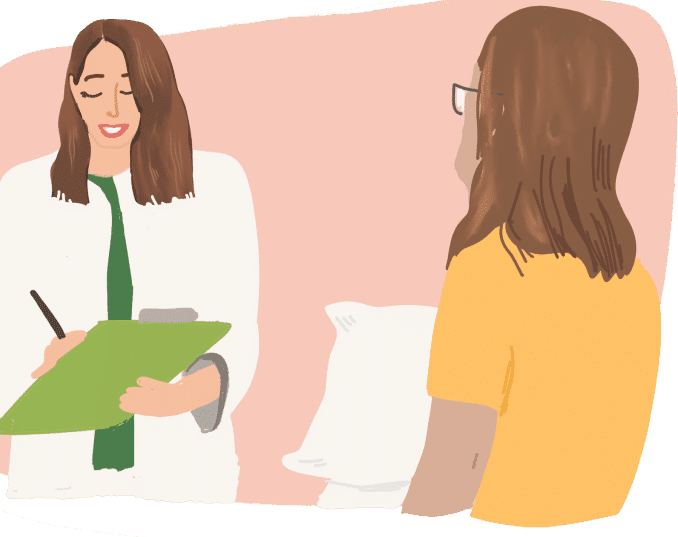
Women in San Mateo who experience pelvic pain can benefit greatly from a thorough evaluation with pelvic floor physical and occupational therapists who specialize in this area of care. During your initial visit, the therapists will carefully review your health history and discuss the symptoms you are experiencing, including past diagnoses, prior treatments, and whether those treatments were effective or ineffective. We recognize how exhausting this process can be, and we understand that many women arrive at this stage already feeling frustrated and overlooked. A physical examination is performed that takes into account your muscles, tissues, joints, nerves, and movement patterns to identify the root causes of your pain.
Following this examination, the therapists will share their findings with you in detail and explain how your pain may have developed over time. They will then create a treatment plan with both short-term and long-term goals tailored to your unique needs. Most patients attend physical and occupational therapy one to two times per week for approximately twelve weeks. You will also receive a structured home exercise program designed to support the work done in your sessions. Throughout your care, the therapists will coordinate with other providers on your treatment team to ensure your recovery progresses smoothly. Our team is here to help you regain comfort and live your life with greater ease.
Treatment:
How We Can Help You
Women in San Mateo who experience pelvic pain can benefit greatly from a thorough evaluation with pelvic floor physical and occupational therapists who specialize in this area of care. During your initial visit, the therapists will carefully review your health history and discuss the symptoms you are experiencing, including past diagnoses, prior treatments, and whether those treatments were effective or ineffective. We recognize how exhausting this process can be, and we understand that many women arrive at this stage already feeling frustrated and overlooked. A physical examination is performed that takes into account your muscles, tissues, joints, nerves, and movement patterns to identify the root causes of your pain.
Following this examination, the therapists will share their findings with you in detail and explain how your pain may have developed over time. They will then create a treatment plan with both short-term and long-term goals tailored to your unique needs. Most patients attend physical and occupational therapy one to two times per week for approximately twelve weeks. You will also receive a structured home exercise program designed to support the work done in your sessions. Throughout your care, the therapists will coordinate with other providers on your treatment team to ensure your recovery progresses smoothly. Our team is here to help you regain comfort and live your life with greater ease.
How Can We Help You?
Please take a moment to fill out the form below with any questions or comments you may have. In order for us to respond, your e-mail address must be included. Rest assured that every detail you provide will remain completely confidential and will never be shared.


Join The Newsletter. Win a copy of our book, “Pelvic Pain Explained!”
We love getting to know our website visitors. Please tell us a little bit about yourself and get the latest info via PHRC e-newsletter!
*Subscribers automatically eligible to win our book, “Pelvic Pain Explained.”

This book, Pelvic Pain Explained, traces the journey many patients take—from the onset of pelvic pain to the missteps and misdiagnoses they face, the overwhelming treatment choices available, and the unseen but significant burden this condition places on their lives and connections with others.