
Symptoms
- Pelvic pain is typically described as burning, itching, aching, or other types of pain felt in the vulva, vagina, perineum, or anal region.
- Painful intercourse, hypersensitivity to underwear or pants, and discomfort when sitting are among the most common experiences.
- Many women notice that exercise worsens or provokes their pain.
- Issues with urination, including urgency, frequent bathroom trips, painful urination, or leakage, often accompany pelvic pain.
- Other concerns include constipation, bloating, and various types of gastrointestinal distress.
- Pain may appear when provoked by tampon use or sexual penetration, or it may arise suddenly without any obvious trigger.
- Symptoms differ widely, being either constant and unrelenting or irregular and intermittent.

Symptoms
- Pelvic pain is typically described as burning, itching, aching, or other types of pain felt in the vulva, vagina, perineum, or anal region.
- Painful intercourse, hypersensitivity to underwear or pants, and discomfort when sitting are among the most common experiences.
- Many women notice that exercise worsens or provokes their pain.
- Issues with urination, including urgency, frequent bathroom trips, painful urination, or leakage, often accompany pelvic pain.
- Other concerns include constipation, bloating, and various types of gastrointestinal distress.
- Pain may appear when provoked by tampon use or sexual penetration, or it may arise suddenly without any obvious trigger.
- Symptoms differ widely, being either constant and unrelenting or irregular and intermittent.
Associated Diagnoses
Diagnoses such as Endometriosis, Vulvodynia, Interstitial Cystitis/Painful Bladder Syndrome, Pudendal Neuralgia, Lichen Sclerosus, Lichen Planus, and Irritable Bowel Syndrome are associated with pelvic pain and pelvic floor dysfunction.


Causes of Pelvic Pain
- Repetitive vaginal and/or bladder infections and/or gynecologic, urologic, dermatologic or gastrointestinal conditions
- The majority of women with pelvic pain have pelvic floor dysfunction
- Prescription medications such as oral contraceptives, acne medications, and hormonal suppressive therapies for diseases such as Endometriosis and Polycystic Ovarian Syndrome (PCOS)
- Surgical trauma (childbirth, pelvic organ prolapse repair, hysterectomy)
- Orthopedic injuries or traumas
- Biomechanical or structural dysfunction (hip dysfunction, sacro-iliac joint dysfunction, piriformis syndrome, scoliosis, leg length discrepancy)
- Vaginal childbirth
- Menopause
- Genital cutting or genital mutilation
Causes of Pelvic Pain
- Repetitive vaginal and/or bladder infections and/or gynecologic, urologic, dermatologic or gastrointestinal conditions
- The majority of women with pelvic pain have pelvic floor dysfunction
- Prescription medications such as oral contraceptives, acne medications, and hormonal suppressive therapies for diseases such as Endometriosis and Polycystic Ovarian Syndrome (PCOS)
- Surgical trauma (childbirth, pelvic organ prolapse repair, hysterectomy)
- Orthopedic injuries or traumas
- Biomechanical or structural dysfunction (hip dysfunction, sacro-iliac joint dysfunction, piriformis syndrome, scoliosis, leg length discrepancy)
- Vaginal childbirth
- Menopause
- Genital cutting or genital mutilation
Diagnostic Challenges
Studies indicate that it can often take up to five years for a woman suffering from pelvic pain to be properly diagnosed, and in the case of Endometriosis, that time frame can stretch up to 11 years. One of the main reasons for this long delay is that pelvic pain symptoms closely resemble those seen in other conditions, including urinary tract infections, bladder infections, yeast infections, and various sexually transmitted infections. When the pelvic floor is actually responsible, diagnostic tests for these other conditions consistently return negative results, creating ongoing confusion for both the provider and the patient. Many physicians have not been trained to recognize that pelvic floor dysfunction can be the root cause of persistent pain, and few women themselves would think to seek physical or occupational therapy when such symptoms occur. Most of the women we treat admit they were unaware of the pelvic floor as an important structure in their bodies until significant health issues appeared.
Diagnostic Challenges
Studies indicate that it can often take up to five years for a woman suffering from pelvic pain to be properly diagnosed, and in the case of Endometriosis, that time frame can stretch up to 11 years. One of the main reasons for this long delay is that pelvic pain symptoms closely resemble those seen in other conditions, including urinary tract infections, bladder infections, yeast infections, and various sexually transmitted infections. When the pelvic floor is actually responsible, diagnostic tests for these other conditions consistently return negative results, creating ongoing confusion for both the provider and the patient. Many physicians have not been trained to recognize that pelvic floor dysfunction can be the root cause of persistent pain, and few women themselves would think to seek physical or occupational therapy when such symptoms occur. Most of the women we treat admit they were unaware of the pelvic floor as an important structure in their bodies until significant health issues appeared.
Treatment:
How We Can Help You
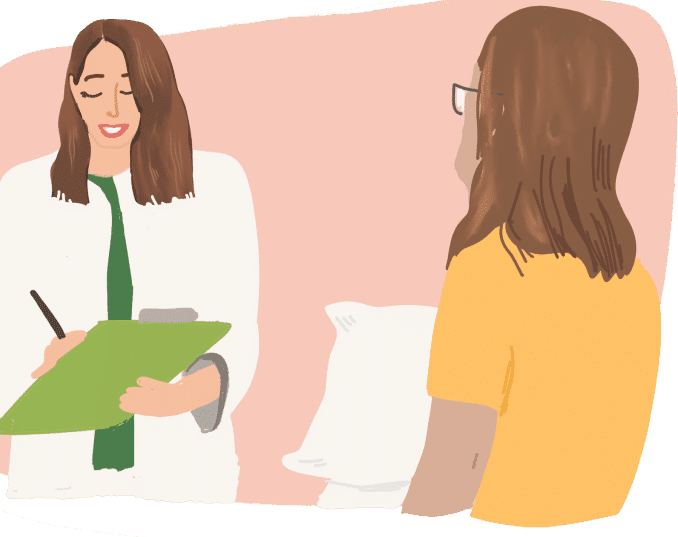
Women in Stanford who experience pelvic pain may find meaningful relief through an evaluation with pelvic floor physical and occupational therapists who specialize in pelvic health conditions. During the evaluation, your therapists will review your history, current symptoms, and previous diagnoses, while also discussing the treatments you have already tried and whether they were effective. We know how discouraging this journey can be, and we want you to feel understood and supported. A physical examination will then be performed to evaluate your muscles, tissues, joints, nerves, and overall movement patterns.
Once the exam is complete, the therapists will review their findings with you and explain how your pain may have developed over time. They will then design a treatment plan that includes both short-term and long-term goals tailored to your needs. Typically, therapy is scheduled once or twice per week for approximately twelve weeks. You will also be provided with a home exercise program to help reinforce your progress between sessions. Your therapists will work closely with other professionals involved in your care to ensure a unified approach to your recovery. At our location, we are dedicated to guiding you toward greater well-being and helping you live a life with less pain and more comfort.
Treatment:
How We Can Help You
Women in Stanford who experience pelvic pain may find meaningful relief through an evaluation with pelvic floor physical and occupational therapists who specialize in pelvic health conditions. During the evaluation, your therapists will review your history, current symptoms, and previous diagnoses, while also discussing the treatments you have already tried and whether they were effective. We know how discouraging this journey can be, and we want you to feel understood and supported. A physical examination will then be performed to evaluate your muscles, tissues, joints, nerves, and overall movement patterns.
Once the exam is complete, the therapists will review their findings with you and explain how your pain may have developed over time. They will then design a treatment plan that includes both short-term and long-term goals tailored to your needs. Typically, therapy is scheduled once or twice per week for approximately twelve weeks. You will also be provided with a home exercise program to help reinforce your progress between sessions. Your therapists will work closely with other professionals involved in your care to ensure a unified approach to your recovery. At our location, we are dedicated to guiding you toward greater well-being and helping you live a life with less pain and more comfort.
How Can We Help You?
To get in touch, please complete the form below with any questions or comments. Your e-mail address must be included so we can send a reply. Everything you share is safeguarded, and your information is kept completely confidential.


Join The Newsletter. Win a copy of our book, “Pelvic Pain Explained!”
We value every visitor to our website and enjoy getting to know you. Please tell us a little about yourself, and sign up for the PHRC e-newsletter to receive new information and resources as they become available.
*Subscribers automatically eligible to win our book, “Pelvic Pain Explained.”

At its heart, Pelvic Pain Explained reflects the experience of living with pelvic pain, the barriers patients and providers must work through during diagnosis and treatment, the complex process of identifying the right therapies, and the way an “invisible” condition impacts daily life, health, and interpersonal connections.