
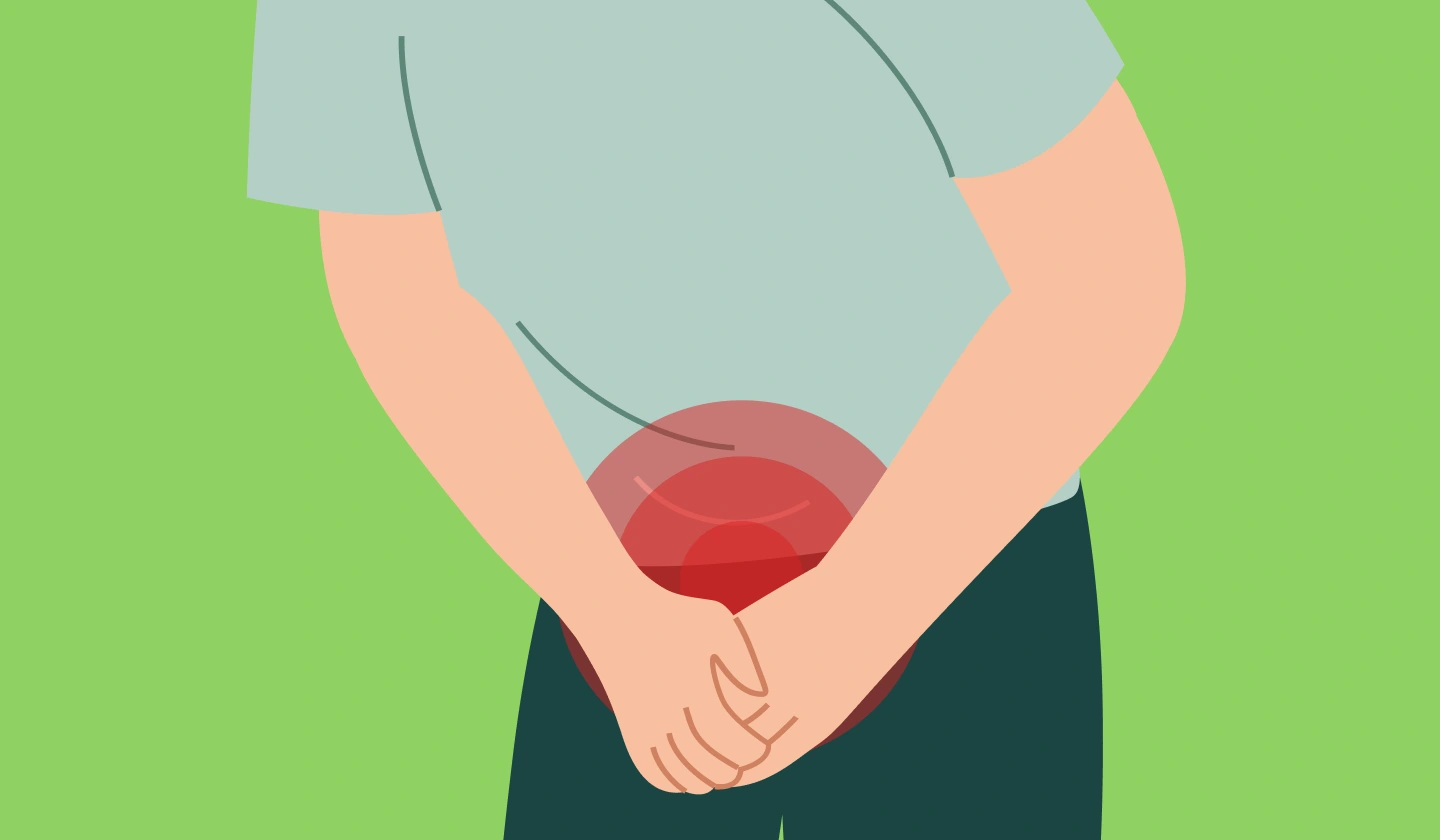
If you are a man in Agoura Hills experiencing persistent pelvic discomfort, urinary pain, or sexual dysfunction, you are not alone in facing these challenges. Many men encounter these problems due to a condition called chronic prostatitis, or Chronic Prostatitis/Chronic Pelvic Pain Syndrome (CP/CPPS), which affects roughly 10% of men in their lifetime.
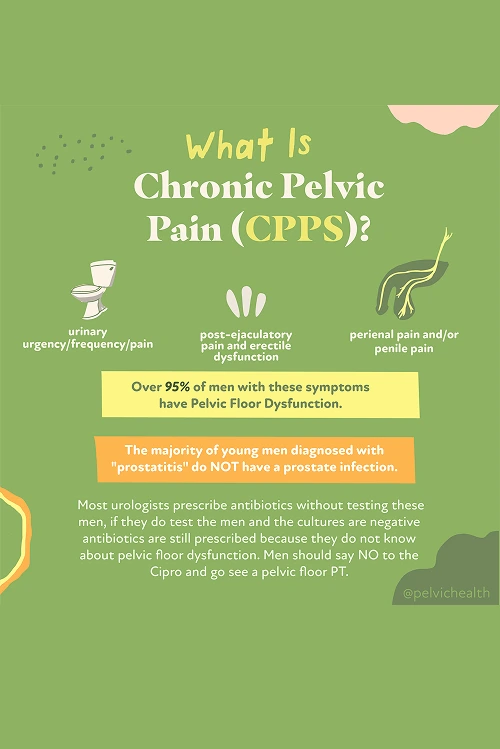
Research has shown that about 97% of men with these symptoms do not actually have a bladder or prostate infection, although antibiotics are often prescribed. Instead, the discomfort is commonly caused by issues within the pelvic floor muscles. Tight, inflamed, or poorly coordinated muscles in this region can mimic the pain typically associated with prostate problems.
For Agoura Hills residents struggling with these persistent symptoms, PHRC’s pelvic floor physical and occupational therapy provides a targeted solution. Our skilled physical and occupational therapists work to relieve tension, restore mobility, and improve muscular coordination. By addressing the root muscular causes of pain, we help men achieve lasting relief and improved daily function.
What are the Causes of Chronic Pelvic Pain Syndrome in Men?
Chronic Pelvic Pain Syndrome seldom arises from a prostate infection, despite what many men are told. The condition is more commonly linked to issues within the pelvic floor and its connection to other body systems.
-
- Lumbar pathology: Nerves that supply the pelvis originate in the lower spine. Spinal problems such as disc herniation, arthritis, or nerve irritation can send pain into the pelvic region, simulating prostate discomfort.
- Vascular pathology:Circulatory irregularities like varicoceles or pelvic venous congestion can produce pressure, heaviness, or aching sensations that resemble prostate pain.
- Pelvic floor pathology: The pelvic floor muscles create a supportive layer under the pelvis. When these muscles tighten, spasm, or become uncoordinated, they can irritate nerves and produce pain that feels like it originates from the prostate or bladder, while the muscles themselves are often the underlying cause.
Other contributing factors may include:
- Past surgeries such as vasectomy or prostate procedures
- Structural issues like hip dysfunction, scoliosis, or leg length differences
- Excessive or sudden changes in exercise
- Long hours of sitting
- Chronic constipation or frequent straining
- Trauma or stress to the pelvic area
While multiple factors may worsen chronic pelvic pain, most men, especially those with urinary or bowel disturbances, have an underlying problem in the pelvic floor.
Symptoms of Chronic Pelvic Pain Syndrome
CPPS symptoms often resemble prostate or bladder issues, even when the real source is the muscles of the pelvic floor. Men may notice:
- Sharp, aching, or pressing sensations in the lower abdomen, pubic area, or perineum
- Discomfort appearing in the urethra, testicles, or tip of the penis
- Urgency, frequent urination, weak urine stream, or incomplete emptying of the bladder
- Stinging or burning sensations despite no infection
- Pain during or after ejaculation, erectile challenges, or diminished sexual pleasure
- Tightness or ongoing pelvic pain
- Heaviness or pressure in the pelvic floor
Associated Diagnoses
Chronic pelvic pain in men may be associated with several recognized medical conditions. Some derive from the spine, others involve blood vessels, and many are directly linked to the pelvic floor muscles.
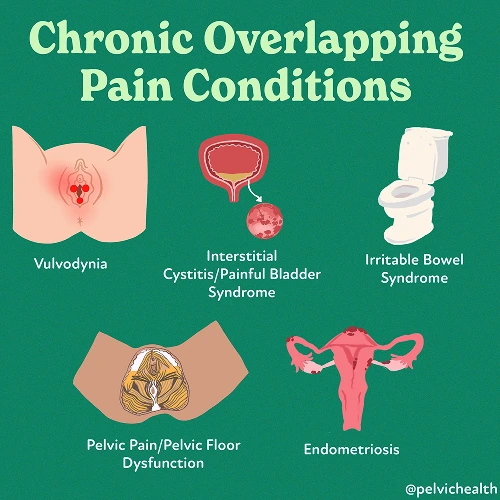
Problems in the lower back, such as nerve compression, disc degeneration, or spinal arthritis, can irritate nerves that serve the pelvis, producing sensations similar to prostate pain. Vascular issues, including varicocele, pelvic venous congestion, or testicular torsion, can cause pressure, heaviness, or sharp stinging discomfort. While Chronic Pelvic Pain Syndrome is the most frequently diagnosed condition, pelvic floor dysfunction frequently coexists with pudendal neuralgia, painful bladder syndrome, or hard flaccid syndrome.
For many men, the pelvic floor itself becomes the primary source of pain. Dysfunction in these muscles can generate pain directly or amplify discomfort originating from spinal or vascular problems, making treatment of the pelvic floor essential.
Diagnostic Challenges
Men struggling with CPPS often endure years of misdiagnosis before the condition is correctly identified. Many are mistakenly told they have prostatitis and are treated with antibiotics despite negative tests. Research indicates that approximately ninety percent of men with pelvic or urogenital discomfort do not have a bacterial infection in the prostate.
Most of these men are classified as Category III according to the NIH prostatitis classification. The five categories include:
- Category I: Acute bacterial prostatitis (true infection, sudden and severe)
- Category II: Chronic bacterial prostatitis (chronic infection, often with repeat UTIs)
- Category IIIa: Inflammatory CPPS (white blood cells seen on testing, but no bacteria)
- Category IIIb: Non-inflammatory CPPS (no white blood cells or infection, but symptoms are present)
- Category IV: Asymptomatic inflammatory prostatitis (inflammation without symptoms)

Most of these men are classified as Category III according to the NIH prostatitis classification. The five categories include:
- Category I: Acute bacterial prostatitis (true infection, sudden and severe)
- Category II: Chronic bacterial prostatitis (chronic infection, often with repeat UTIs)
- Category IIIa: Inflammatory CPPS (white blood cells seen on testing, but no bacteria)
- Category IIIb: Non-inflammatory CPPS (no white blood cells or infection, but symptoms are present)
- Category IV: Asymptomatic inflammatory prostatitis (inflammation without symptoms)

Chronic pelvic discomfort in men can be confusing because imaging and lab tests often show nothing abnormal. This is frequently because pain originating from spinal or vascular conditions can feel like it comes from the pelvic floor. As a result, men are often passed between doctors and given antibiotics that fail to improve their symptoms. Pelvic floor therapy, including both physical and occupational approaches, directly targets the underlying causes of pain, helping men achieve long-lasting relief and restored function.
Symptoms of Chronic Pelvic Pain Syndrome
Because most cases of CPPS are not infection-related, treatment emphasizes restoring normal function and addressing contributing factors in the body rather than relying on antibiotics. The goal is to ease nerve irritation, improve pelvic floor performance, and treat other systems that may amplify pain.
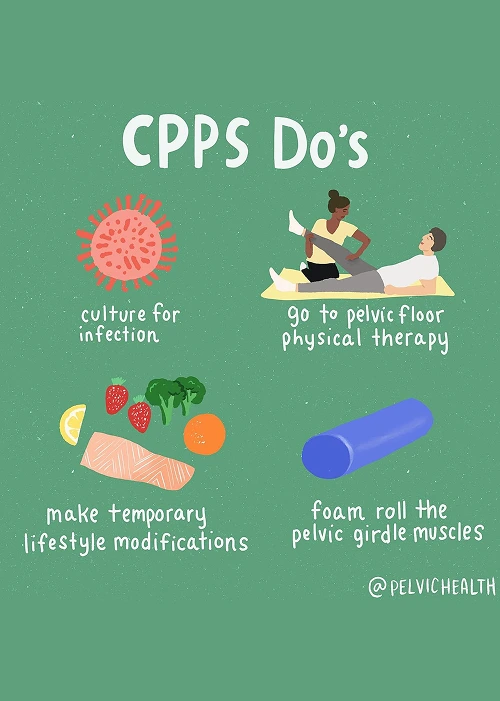
- Pelvic floor physical and occupational therapy: The primary treatment method involves releasing tight pelvic muscles, improving coordination, and soothing nerves, all of which can reduce discomfort and restore daily function.
- Spine and back treatment: Pain originating from the lower back or sciatic nerves is addressed through posture correction, mobility work, spinal alignment, and occasionally anti-inflammatory injections.
- Vascular-related treatment: Circulatory disturbances may worsen symptoms. Therapy focuses on improving blood flow and vein health using posture, breathing, and relaxation techniques.
- Biomechanical support: Ensuring proper hip and pelvic alignment and correcting movement limitations distributes pressure evenly, reducing strain on the pelvic region.
- Lifestyle adjustments: Daily habits such as limiting sitting, gentle movement, and bowel care are critical in managing CPPS symptoms.
How We Can Help with Your Chronic Pelvic Pain
For men in Agoura Hills facing chronic pelvic pain, the journey toward relief can seem endless. Many have tried antibiotics and consulted multiple specialists without finding lasting solutions. PHRC’s pelvic floor physical and occupational therapists focus on men’s pelvic health to provide thorough evaluations and targeted treatment plans.
Evaluations start with a comprehensive discussion about your symptoms, prior treatments, and medical history. Therapists take care to understand how the condition affects daily life, work, and relationships. We prioritize open communication, empathy, and patience throughout the process.

How We Can Help with Your Chronic Pelvic Pain
For men in Agoura Hills facing chronic pelvic pain, the journey toward relief can seem endless. Many have tried antibiotics and consulted multiple specialists without finding lasting solutions. PHRC’s pelvic floor physical and occupational therapists focus on men’s pelvic health to provide thorough evaluations and targeted treatment plans.
Evaluations start with a comprehensive discussion about your symptoms, prior treatments, and medical history. Therapists take care to understand how the condition affects daily life, work, and relationships. We prioritize open communication, empathy, and patience throughout the process.

During the physical exam, the therapist evaluates the pelvic floor muscles, nerves, connective tissues, and movement patterns to identify dysfunction. Once the evaluation is complete, findings are reviewed and explained to provide insight into the cause of your pain. A personalized treatment plan is then developed for both short-term and long-term improvement.
Therapy is usually scheduled one or two times weekly over twelve weeks and supported by a home exercise program. PHRC therapists coordinate care with other medical providers to ensure a holistic approach. Our goal is to help men in Agoura Hills experience meaningful relief and regain control over their lives.