
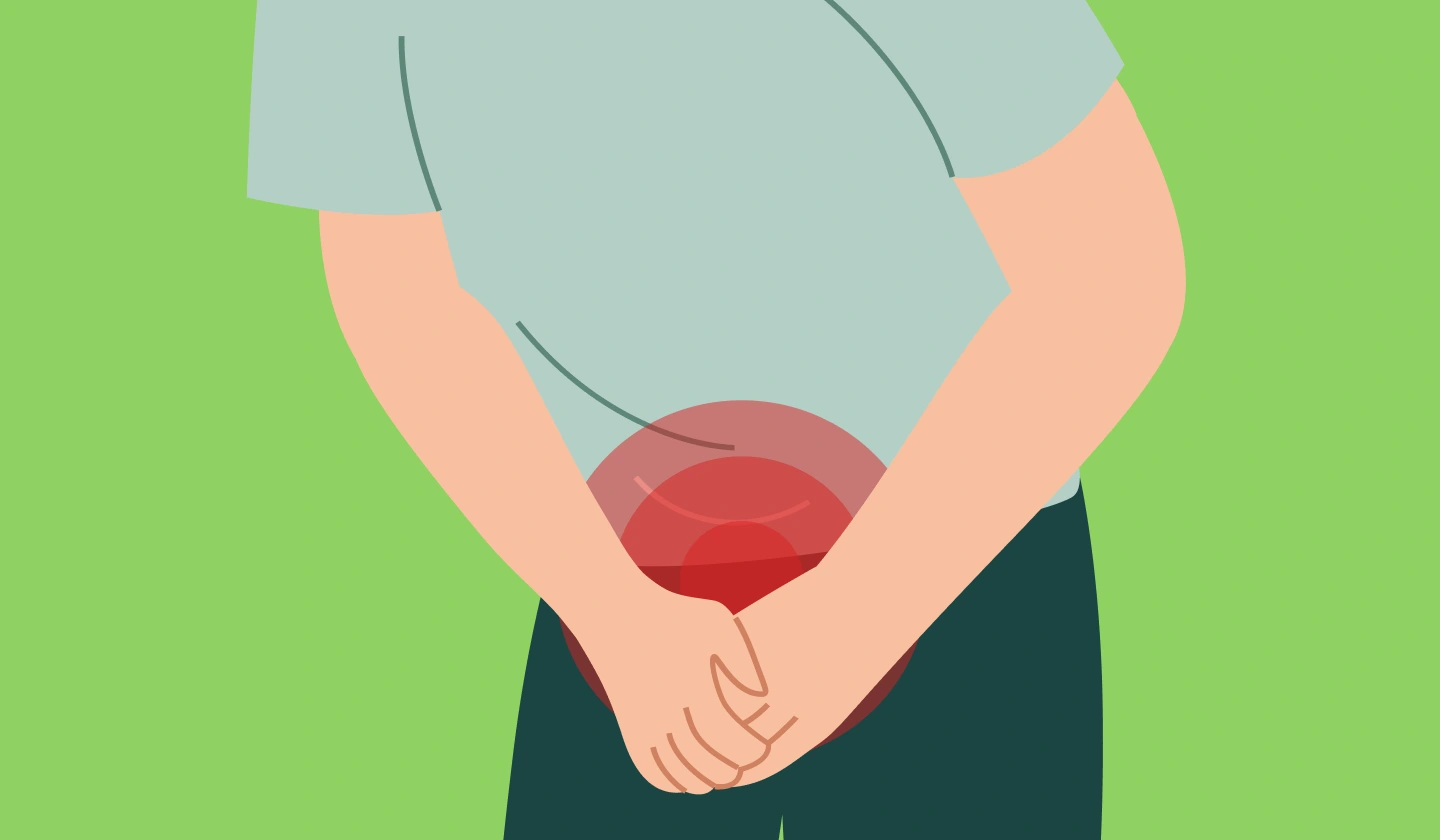
If you are a male Calabasas resident experiencing ongoing pelvic pain, urinary issues, or sexual difficulties, you are not the only one facing these challenges. Many men have similar complaints caused by chronic prostatitis, also referred to as Chronic Prostatitis/Chronic Pelvic Pain Syndrome (CP/CPPS), which affects approximately 10% of men during their lifetime.
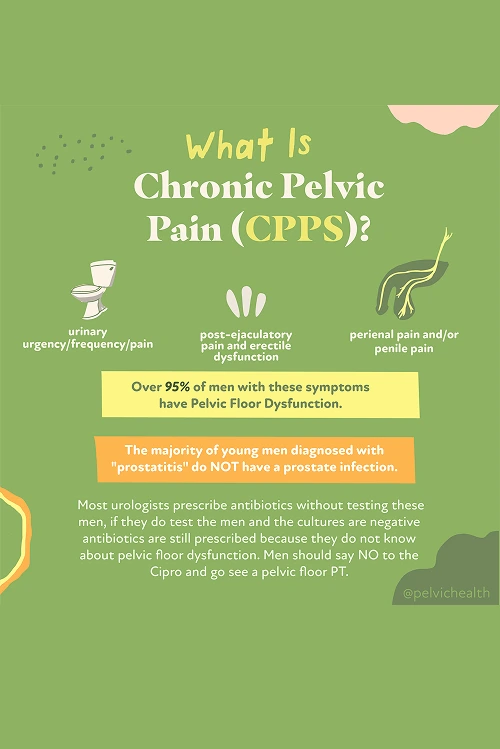
Research indicates that about 97% of men with these symptoms do not have an actual prostate or bladder infection, even though antibiotics are commonly prescribed. Instead, the discomfort is often rooted in the pelvic floor muscles. Tight, inflamed, or uncoordinated muscles can create sensations that mimic prostate problems.
PHRC provides pelvic floor physical and occupational therapy for men in Calabasas, offering a path to relief. Our experienced therapists focus on restoring muscle function, reducing pelvic tension, and improving mobility. By treating the root muscular cause, men can experience lasting relief and improved quality of life.
What are the Causes of Chronic Pelvic Pain Syndrome in Men?
Chronic Pelvic Pain Syndrome generally does not stem from a prostate infection, even though antibiotics are often prescribed unnecessarily. Most cases are caused by issues with the pelvic floor and related systems.
-
- Lumbar pathology: Nerves that serve the pelvic area come from the lower spine. Herniated discs, arthritis, or nerve irritation can radiate pain into the pelvis, making it feel like the prostate is the source.
- Vascular pathology: Circulatory disturbances, including varicoceles or pelvic venous congestion, can create sensations of pressure, heaviness, or aching that mimic prostate-related discomfort.
- Pelvic floor pathology: The pelvic floor muscles form a supportive structure beneath the pelvis. When they spasm, tighten, or lack proper coordination, they can irritate nerves and create pain that feels like it is coming from the prostate or bladder, though the muscles are often the primary source.
Other contributing factors may include:
- Past surgeries such as vasectomy or prostate procedures
- Structural issues like hip dysfunction, scoliosis, or leg length differences
- Excessive or sudden changes in exercise
- Long hours of sitting
- Chronic constipation or frequent straining
- Trauma or stress to the pelvic area
Even though many factors may influence chronic pelvic pain, most men, particularly those dealing with urinary or bowel difficulties, experience a primary issue originating from the pelvic floor.
Symptoms of Chronic Pelvic Pain Syndrome
Men with CPPS often face symptoms that look like prostate or bladder problems, while the underlying cause is muscular. Signs may include:
- Pressure, aching, or sharp sensations in the pubic area, perineum, or lower abdomen
- Discomfort that feels as if it is coming from the tip of the penis, urethra, or testicles
- Frequent urination, urgency, weak stream, or difficulty fully emptying the bladder
- Stinging or burning sensations without infection
- Pain during or after ejaculation, erectile difficulties, or reduced sexual satisfaction
- Tightness or ongoing discomfort in pelvic muscles
- Heaviness, pressure, or tension in the pelvic floor
Associated Diagnoses
Chronic pelvic pain among men can stem from several well-known medical issues. Some problems originate from the spine, others from the vascular system, and many involve the pelvic floor muscles themselves.
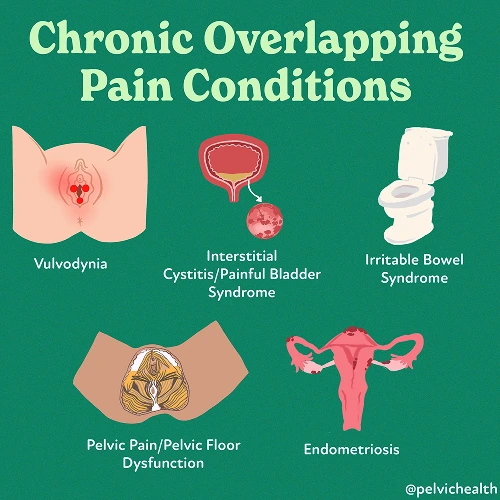
Spinal conditions, including lumbar nerve compression, disc degeneration, or joint arthritis, can irritate nerves that run to the pelvic region. These issues often produce discomfort that feels like prostate pain. Circulatory problems such as varicoceles, pelvic venous congestion, or testicular torsion may cause aching, pressure, or stinging sensations. While Chronic Pelvic Pain Syndrome is the most commonly recognized diagnosis, pelvic floor dysfunction frequently accompanies pudendal neuralgia, painful bladder syndrome, or hard flaccid syndrome.
In many cases, dysfunction of the pelvic floor becomes the connecting factor. The muscles themselves can produce pain or exacerbate symptoms from spinal or vascular sources, making treatment of the pelvic floor muscles essential for long-term relief.
Diagnostic Challenges
Many men with CPPS live with uncertainty for years before receiving the proper diagnosis. Being told that the problem is prostatitis and being treated with antibiotics is common, even when testing does not indicate infection. Research shows that more than ninety percent of men with pelvic or urogenital pain do not have a bacterial prostate infection.
Most men with these symptoms are categorized under Category III according to the NIH prostatitis classification. The five NIH categories are:
- Category I: Acute bacterial prostatitis (true infection, sudden and severe)
- Category II: Chronic bacterial prostatitis (chronic infection, often with repeat UTIs)
- Category IIIa: Inflammatory CPPS (white blood cells seen on testing, but no bacteria)
- Category IIIb: Non-inflammatory CPPS (no white blood cells or infection, but symptoms are present)
- Category IV: Asymptomatic inflammatory prostatitis (inflammation without symptoms)

Most men with these symptoms are categorized under Category III according to the NIH prostatitis classification. The five NIH categories are:
- Category I: Acute bacterial prostatitis (true infection, sudden and severe)
- Category II: Chronic bacterial prostatitis (chronic infection, often with repeat UTIs)
- Category IIIa: Inflammatory CPPS (white blood cells seen on testing, but no bacteria)
- Category IIIb: Non-inflammatory CPPS (no white blood cells or infection, but symptoms are present)
- Category IV: Asymptomatic inflammatory prostatitis (inflammation without symptoms)

Persistent pelvic discomfort can be challenging for men because diagnostic testing often does not reveal the underlying issue. Pain from spinal or vascular sources can closely resemble pelvic floor pain, causing many men to feel confused and frustrated. They may be referred to multiple specialists and treated with antibiotics that fail to relieve symptoms. Pelvic floor physical and occupational therapy identifies and treats the root muscular causes, helping men regain comfort, mobility, and confidence in their daily lives.
Symptoms of Chronic Pelvic Pain Syndrome
Since CPPS is typically not the result of infection, treatment focuses on restoring pelvic floor function and overall body balance rather than prescribing antibiotics. The goal is to calm irritated nerves, relieve tension, and treat additional physical contributors to pain.

- Pelvic floor physical and occupational therapy: Core to treatment, therapy releases muscle tightness, improves coordination, and reduces nerve irritation, providing long-lasting relief and improved function.
- Spine and back treatment: Dysfunction in the lower back or sciatic nerves is addressed through mobility work, posture correction, and spinal alignment. Some cases may include anti-inflammatory injections.
- Vascular-related treatment: Circulatory issues, such as venous congestion, can increase pain. Therapy focuses on improving blood flow through relaxation, posture, and breathing exercises.
- Biomechanical support: Proper hip and pelvic alignment, along with corrected movement patterns, prevents uneven pressure and added strain on the pelvic floor.
- Lifestyle adjustments: Incorporating gentle daily activity, reducing sitting time, and managing bowel habits all support effective symptom management.
How We Can Help with Your Chronic Pelvic Pain
Men in Calabasas dealing with chronic pelvic pain often feel frustrated and uncertain about treatment. Many have tried antibiotics and consulted several doctors without meaningful improvement. PHRC offers expert evaluations led by pelvic floor physical and occupational therapists specializing in men’s pelvic health to provide clarity and effective care.
The evaluation process begins with a thorough conversation about symptoms, medical history, and previously attempted treatments. Therapists take the time to understand the impact on work, relationships, and everyday life, prioritizing empathy and clear communication throughout.

How We Can Help with Your Chronic Pelvic Pain
Men in Calabasas dealing with chronic pelvic pain often feel frustrated and uncertain about treatment. Many have tried antibiotics and consulted several doctors without meaningful improvement. PHRC offers expert evaluations led by pelvic floor physical and occupational therapists specializing in men’s pelvic health to provide clarity and effective care.
The evaluation process begins with a thorough conversation about symptoms, medical history, and previously attempted treatments. Therapists take the time to understand the impact on work, relationships, and everyday life, prioritizing empathy and clear communication throughout.

During the examination, the therapist evaluates the pelvic floor muscles, nerves, connective tissues, and movement patterns. Findings are discussed and a personalized treatment plan is created to target both short-term relief and long-term recovery.
Therapy sessions are typically held once or twice per week over about twelve weeks, complemented by a home exercise program to maintain progress. Coordination with other healthcare professionals ensures comprehensive care. Our aim is to help men in Calabasas reduce pain and improve quality of life.