
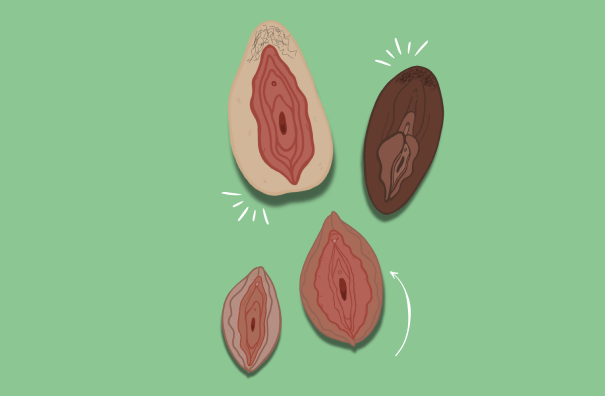
Clitoral Pain Explained
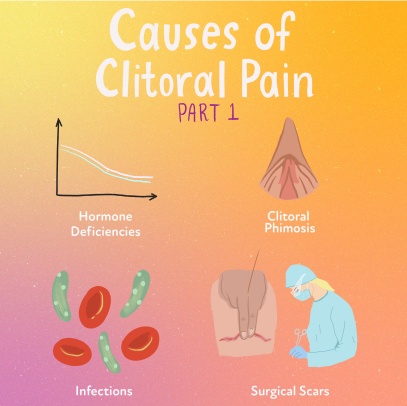
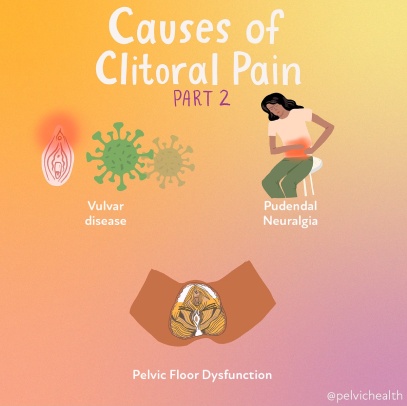
Pain or discomfort in the clitoral area can signal a variety of health conditions, including pelvic floor dysfunction, neuralgias, vulvar disorders, infections around the clitoris, vulvovaginal infections, spinal abnormalities, or clitoral phimosis. Keratin pearls are another possible cause. Pinpointing the exact cause is essential for finding the right treatment approach. At PHRC, our clinicians have undergone advanced training to diagnose the root cause of your clitoral pain and create a personalized plan to relieve your discomfort.
Clitoral pain, which is part of the broader diagnosis of Vulvodynia, describes discomfort or pain affecting the clitoris and the clitoral hood. This pain can manifest in two primary ways: as provoked pain, triggered by touch or pressure, or as unprovoked pain, occurring spontaneously without physical contact. In some cases, both types of pain can be experienced together. The intensity can range from mild to severe, varying greatly among individuals based on the underlying causes and personal sensitivity.
Clitoral Pain Explained
Pain or discomfort in the clitoral area can signal a variety of health conditions, including pelvic floor dysfunction, neuralgias, vulvar disorders, infections around the clitoris, vulvovaginal infections, spinal abnormalities, or clitoral phimosis. Keratin pearls are another possible cause. Pinpointing the exact cause is essential for finding the right treatment approach. At PHRC, our clinicians have undergone advanced training to diagnose the root cause of your clitoral pain and create a personalized plan to relieve your discomfort.
Clitoral pain, which is part of the broader diagnosis of Vulvodynia, describes discomfort or pain affecting the clitoris and the clitoral hood. This pain can manifest in two primary ways: as provoked pain, triggered by touch or pressure, or as unprovoked pain, occurring spontaneously without physical contact. In some cases, both types of pain can be experienced together. The intensity can range from mild to severe, varying greatly among individuals based on the underlying causes and personal sensitivity.
The symptoms of clitoral pain can include:
- Persistent throbbing or stabbing pain around the clitoris
- A sensation of burning in the clitoral area
- Pain or discomfort caused by tight clothing
- Extreme sensitivity to even light touch
- Pain while urinating
- Itchiness in and around the clitoral region
- Symptoms associated with urinary tract infections
- Pain during or following sexual intercourse
- Inability to achieve orgasm
- Discomfort during and after arousal or orgasm
- Continuous arousal without relief (Persistent Genital Arousal Disorder)
How Pelvic Floor Therapy Treatment Can Help
If the pelvic floor muscles become overly tight, they may press on adjacent nerves, which can affect the clitoral area by causing ongoing pain and decreased blood flow. This nerve compression can make the clitoris extremely sensitive or painful. Moreover, dysfunction in these muscles may result in referred pain, where discomfort in the clitoral area is actually caused by an issue originating from another part of the pelvic floor but is felt in the clitoris due to the central nervous system’s pathways.
Muscle imbalances in the pelvic region can throw off your alignment and disrupt normal pelvic function, making activities like sex painful. Addressing these issues with manual therapy, specific exercises, and pain management techniques can significantly ease clitoral discomfort while improving pelvic health. Our team provides a comprehensive treatment approach that tackles both the symptoms and the underlying causes, helping you achieve long-term relief and wellness.

How Pelvic Floor Therapy Treatment Can Help
If the pelvic floor muscles become overly tight, they may press on adjacent nerves, which can affect the clitoral area by causing ongoing pain and decreased blood flow. This nerve compression can make the clitoris extremely sensitive or painful. Moreover, dysfunction in these muscles may result in referred pain, where discomfort in the clitoral area is actually caused by an issue originating from another part of the pelvic floor but is felt in the clitoris due to the central nervous system’s pathways.
Muscle imbalances in the pelvic region can throw off your alignment and disrupt normal pelvic function, making activities like sex painful. Addressing these issues with manual therapy, specific exercises, and pain management techniques can significantly ease clitoral discomfort while improving pelvic health. Our team provides a comprehensive treatment approach that tackles both the symptoms and the underlying causes, helping you achieve long-term relief and wellness.
What To Expect During Your Appointment
At your initial visit to PHRC in Los Angeles, we will undertake a detailed investigation of your pelvic area to identify the root cause of your clitoral pain. We will review your sexual health background, any history of pelvic injuries, and any medical conditions that may affect the area. This thorough assessment is essential for detecting issues such as nerve pain or extensive pelvic discomfort that might be causing your clitoral pain.
Our approach during your sessions will involve a tailored treatment plan that may feature specific exercises for the pelvic floor and manual therapy to relieve muscle tightness. Specialized pelvic physical and occupational therapy can significantly ease clitoral pain by addressing the underlying muscle spasms and tension that typically lead to discomfort.
Our support will extend to advising you on sexual arousal and techniques for participating in gentler sexual practices. We’ll also share methods to manage your sexual activity effectively, ensuring that your symptoms do not worsen.
In Los Angeles, we center our personalized care on reducing your discomfort and providing support for effective health management.
Treat Your Clitoral Pain Today
At PHRC in Los Angeles, we focus on delivering compassionate and thorough care to address clitoral pain effectively. By diagnosing the underlying issues and offering specialized treatments, we are dedicated to improving your quality of life and revitalizing your sexual health.
We are aware that some individuals might face barriers to in-person care, so we offer virtual consultations via telehealth following your initial visit. This service helps maintain continuous care and provides accessibility for those who cannot visit our clinics directly.
Reclaim Comfort and Confidence
How Can We Help You?
Please use the form below to send us any questions or comments. You must include your e-mail address in order for us to send a response. Please be assured that all of your information will be kept confidential.


Join The Newsletter. Win a copy of our book, “Pelvic Pain Explained!”
We love getting to know our website visitors. Please tell us a little bit about yourself and get the latest info via PHRC e-newsletter!
*Subscribers automatically eligible to win our book, “Pelvic Pain Explained.”
