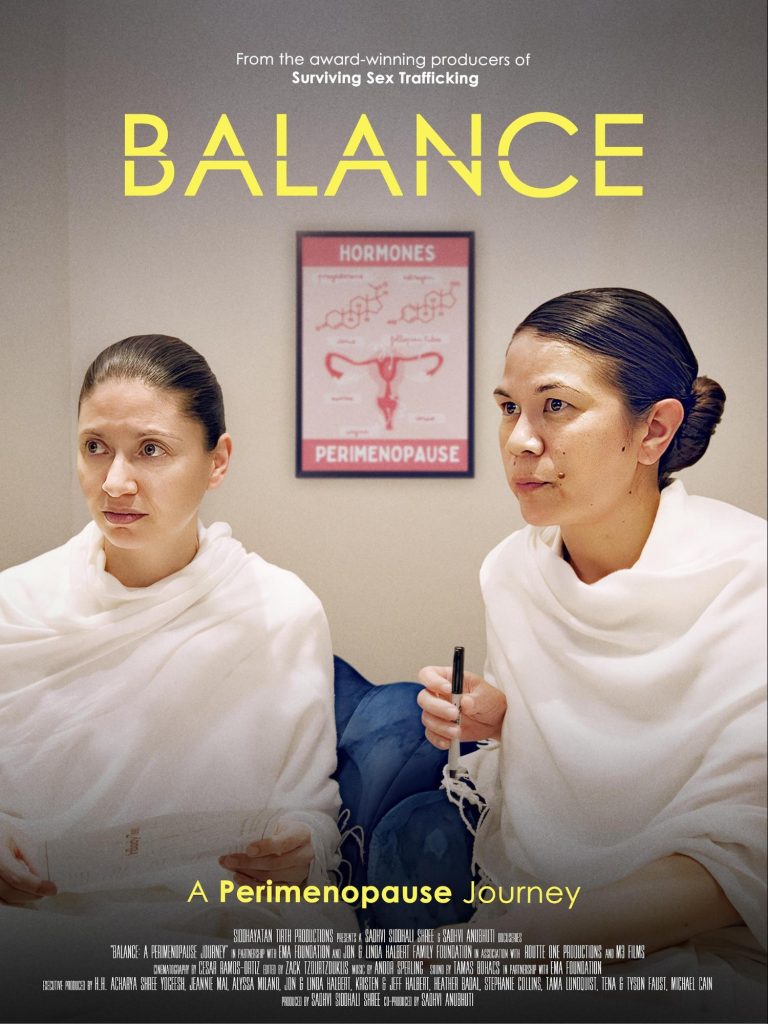
PerimenopauseMenopause Pelvic Floor Physical and Occupational Therapy

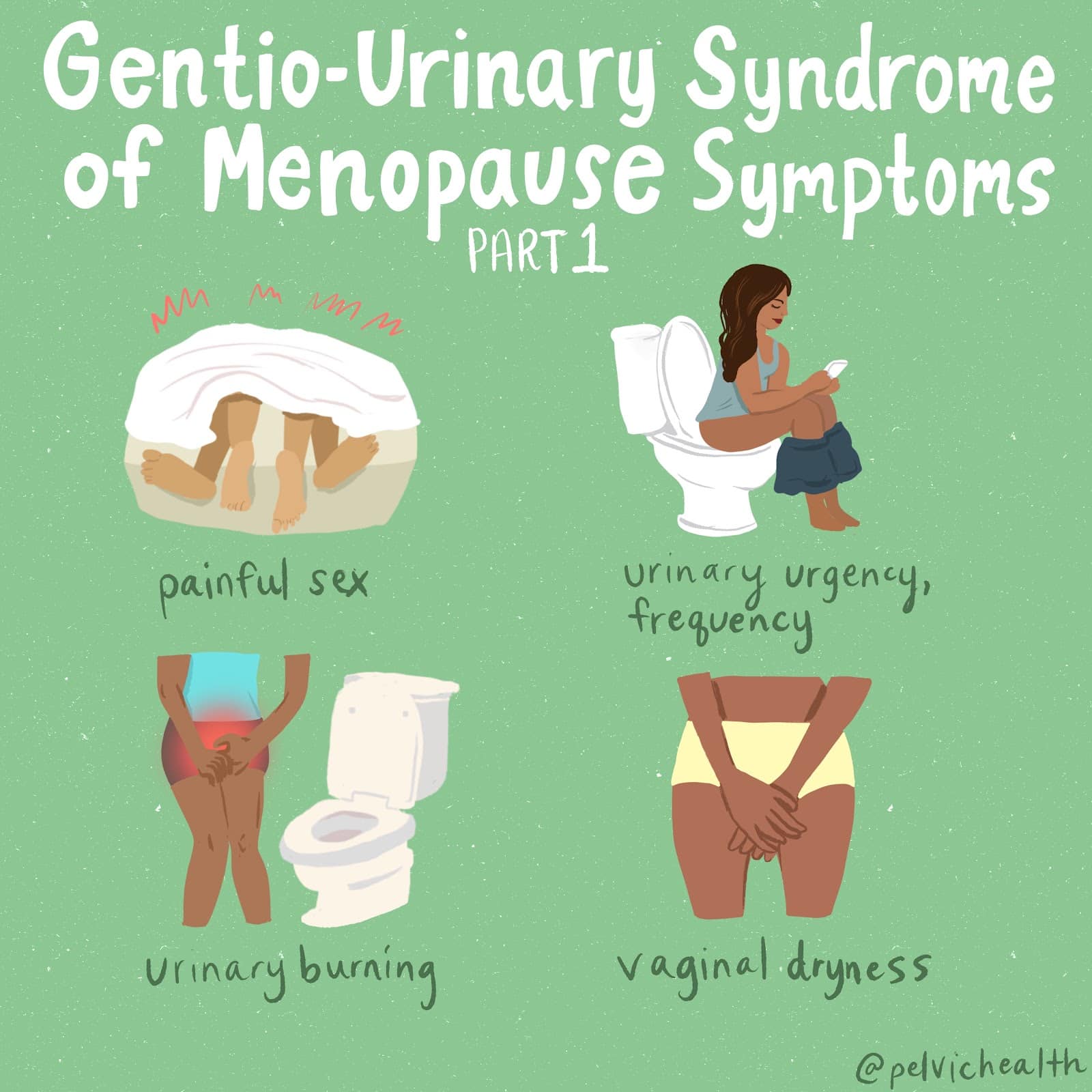
Don’t overlook the true impact of menopause! Despite affecting half the population, there’s a widespread lack of knowledge about menopause and effective treatments. Countless people are needlessly suffering. Perimenopause, the lead-up to menopause, typically begins in a person’s 40s, with most women entering menopause in their early 50s. Alongside the well-known symptoms of menopause, individuals will also experience subtler genitourinary symptoms that worsen over time if left untreated. These symptoms include painful sex, urinary urgency, frequency, leakage, burning, recurrent infections, and vaginal dryness, collectively known as the Genitourinary Syndrome of Menopause (GSM). It’s important to note that these symptoms overlap with pelvic floor dysfunction, a condition that nearly 50% of women experience by their 50s.

For menopause symptoms, systemic hormonal therapy is commonly used. However, this may not be enough for those experiencing GSM symptoms. To address this, the North American Menopause Society suggests using vaginal estrogen in menopausal women to alleviate GSM symptoms.

Differential Diagnosis:
GSM or Pelvic Floor Dysfunction

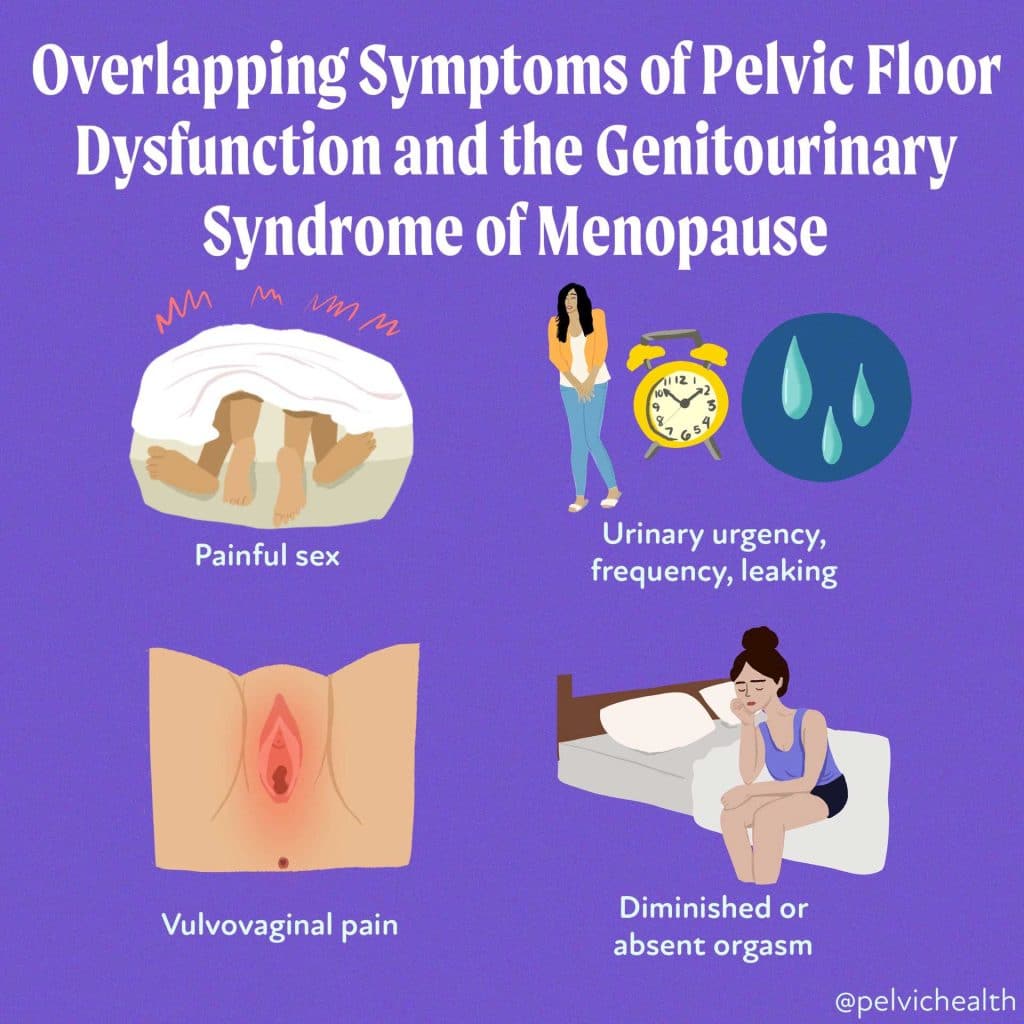
Pelvic floor dysfunction and genitourinary syndrome of menopause (GSM) can cause the following symptoms:

  • Frequent and urgent need to urinate, along with a burning sensation and waking up frequently at night to use the bathroom.
  • Experiencing pressure in the bladder or pelvic area.
  • Pain or discomfort during sexual intercourse.
  • Difficulty achieving orgasm or a decrease in sexual pleasure.
  • Trouble with bowel movements and feeling unable to fully empty the bowels.
  • Pain, burning, or discomfort in the vulva and vagina.
  • Pain while sitting.
Pelvic Floor Dysfunction

A knowledgeable healthcare provider, such as a pelvic floor physical and occupational therapists or medical doctor at Menopause Pelvic Floor Physical and Occupational Therapy in San Francisco, can conduct various examinations to assess vaginal and pelvic health. These include visual examinations, q-tip tests to identify pain areas, and manual examinations to detect issues like pelvic floor dysfunction, hormonal deficiencies, and pelvic organ prolapse. It’s important to note that all women may experience genitourinary syndrome of menopause (GSM) if not properly managed by medical professionals. Interestingly, many people aren’t aware that menopausal women can benefit from pelvic floor physical and occupational therapy, which can address musculoskeletal factors that contribute to discomfort. The combination of pelvic floor physical and occupational therapy and medical management at Menopause Pelvic Floor Physical and Occupational Therapy in San Francisco, is crucial in restoring enjoyable sexual experiences and resolving urinary and bowel concerns.

Why didn’t someone tell me?

Many people have asked us why they weren’t informed earlier. The term GSM wasn’t recognized officially until 2014. Leading organizations have been advocating for better understanding of the hormonal needs of the genitourinary tract. Although pelvic floor physical and occupational therapy is becoming more popular, there is still a lack of awareness and skilled providers to support patients in need.

gentio-urinary 1
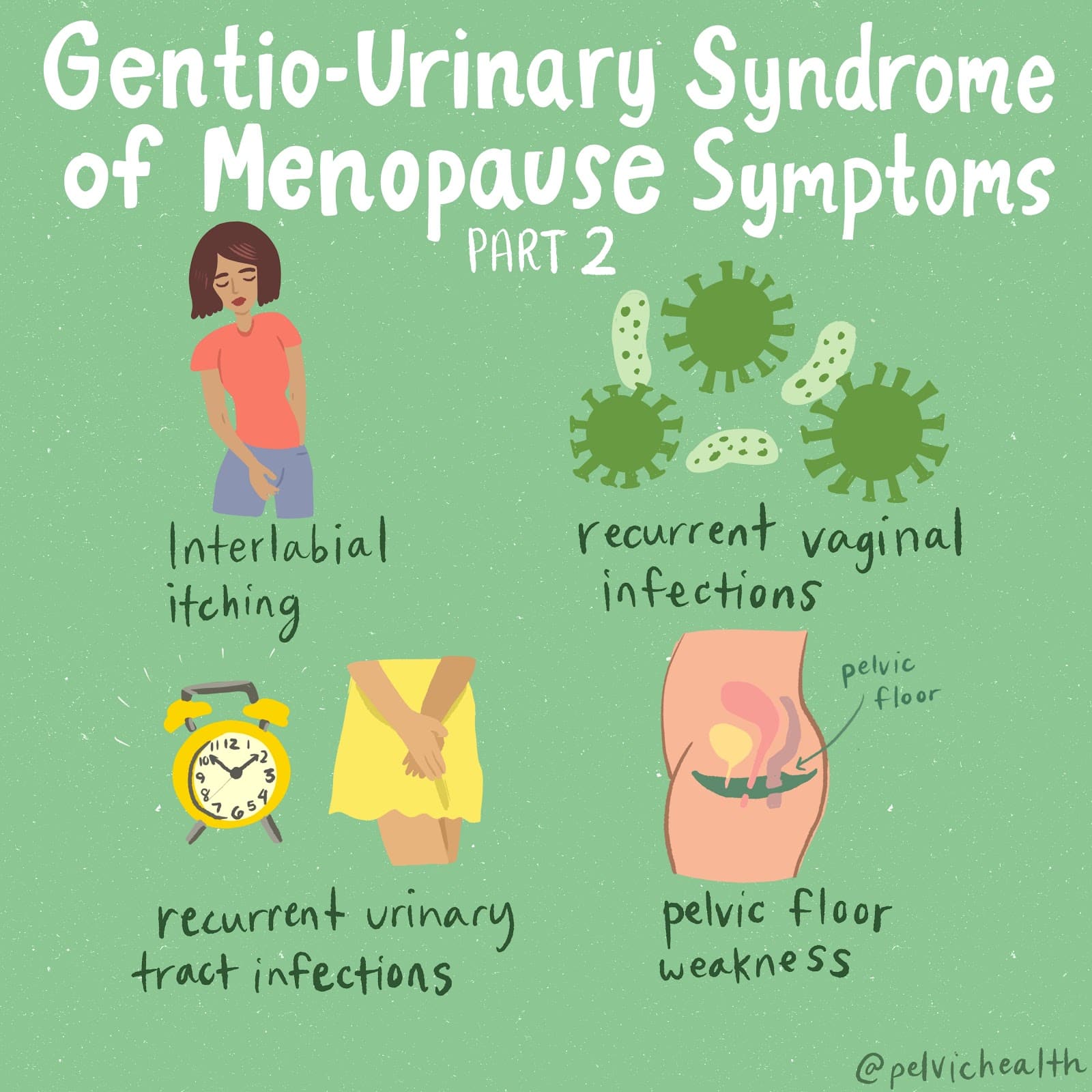
gentio-urinary 2

Hormone insufficiency can cause itching in the areas between the labia and vagina. It’s important to note that there are other skin conditions, such as Lichen Sclerosus and yeast infections, that should also be taken into account.

Menopausal women are at risk of recurring vaginal and urinary tract infections due to three main factors:

  • Changes in pH and tissue
  • Incomplete bladder emptying
  • Pelvic organ prolapse affecting urinary function

Recurrent infections can cause pelvic floor dysfunction, a common issue. It is important to address these infections promptly to prevent further pain and dysfunction once the infection is treated. If left untreated without hormone therapy, infections can continue to occur and result in serious consequences. Women may experience unprovoked pain, difficulty with sex, and undetected UTIs can lead to kidney problems and other health issues. Taking action is crucial to minimize the negative effects of these infections.

Consulting a menopause expert at Menopause Pelvic Floor Physical and Occupational Therapy in San Francisco, is vital for monitoring, preventing, and treating these significant and treatable issues. Let’s remove the stigma surrounding GSM and openly discuss its effects; there’s no need for embarrassment. With proper care, individuals with vulvas can lead fulfilling lives. Pelvic floor physical and occupational therapy and medical management complement each other effectively.

Treatment:
How We Can Help You
pelvic pain rehab

Get evaluated by a therapist for pelvic floor therapy at Menopause Pelvic Floor Physical and Occupational Therapy in San Francisco, if you’re having issues with your sexual function. They will assess your pelvic floor and determine the contributing factors. The therapist will discuss your medical history, previous treatments, and their effectiveness. The evaluation will include an examination of your nerves, muscles, joints, tissues, and movement patterns. Afterwards, the therapist will review the results with you and establish short-term and long-term therapy goals. Physical therapy treatments are typically done once or twice a week for 12 weeks. Your therapist will coordinate your recovery with other professionals on your treatment team. They will provide you with exercises to do at home and in-person sessions. Our goal is to help you improve and live your best life.

Check out our IC/PBS Resource List for more information about IC/PBS.

A girl with writting Board
Treatment:
How We Can Help You

Related Blogs:


CONTACT US

My name is Stephanie Prendergast. I am a pelvic floor physical therapist, co-founder of the Pelvic Health and Rehabilitation Center, past-President of the International Pelvic Pain Society, and faculty for the International Society for the Study of Women’s Sexual Health. Over the course of my career I have cared for thousands of women and educated countless medical providers. I am also in perimenopause myself, and a daughter, niece, and friend to many women who have faced these challenges.

In our clinics, we treat women suffering from vaginal dryness, dyspareunia, bladder irritation, and recurrent urinary and vaginal infections—conditions that frequently overlap with pelvic floor dysfunction. Physical and occupational pelvic health therapists are trained to differentiate musculoskeletal causes from hormonal deficiencies, but our ability to help patients is undermined when safe, effective treatment—vaginal estrogen—is stigmatized by inaccurate labeling.

The current FDA labeling creates fear and confusion. Patients read warnings that contradict decades of clinical evidence, and physicians—many of whom already lack training in menopause care—often tell women that vaginal estrogen causes cancer or other health problems. This is simply not true. Yet the weight of FDA labeling and a physician’s authority outweighs the reassurance of any physical or occupational therapist, no matter how experienced. This labeling is harming women’s health and must be corrected.

I also write to you as a daughter. Several years ago, my mother developed severe symptoms that were repeatedly misdiagnosed or worse, undiagnosed all together. It turned out the problem was recurrent urinary tract infections. She was treated with rounds of antibiotics that destroyed her gut, caused weight loss, and left her debilitated. Despite seeing gynecologists, urologists, and primary care physicians, she was never offered hormonal therapy. At age 70, after months of suffering, she finally received vaginal estrogen under my advocacy. Within one month, her symptoms resolved. She has thrived ever since—yet even now, she faces ongoing barriers: physicians unwilling to prescribe it, pharmacies accusing her of “overuse,” and the stress of navigating a system shaped by misinformation. If I had not been able to advocate for her, I fear her decline would have continued.

My mother’s story is not unique. I see these patterns in my patients daily. Safe, effective, low-dose vaginal estrogen restores health and dignity, yet women are denied it because of misleading FDA labeling.

On behalf of my patients, my profession, and my family, I urge the FDA to correct this error. Accurate labeling will empower women, guide providers, and reduce unnecessary suffering. As healthcare providers, we fight many uphill battles for our patients—please make this one easier.

Everyone deserves pelvic comfort, health, and wellbeing. Please do the right thing and change the label.

Respectfully,
Stephanie Prendergast, PT, MPT
Make your Voice heard

calendar-11-1

Due 9/24/25 11:59pm EDT

Still time to rally!

It’s super easy

Click → “Comment” → Follow the prompts.

Graphic

By Stephanie Prendergast, MPT, PHRC Pasadena

Pain science education (PSE)—sometimes called pain neuroscience education—aims to help people understand what pain is, how it’s produced by the nervous system, and why it can persist even after tissues have healed. In chronic pelvic pain, where biological, psychological, and social factors often intertwine, that reconceptualization can be powerful: it can lower fear, boost self-efficacy, and open the door to graded movement, pelvic floor relaxation, and other active strategies. But how strong is the evidence specifically for pelvic pain?

What PSE is (and isn’t)

PSE is not a pep talk and it’s not a substitute for medical work-up. It’s structured learning about pain biology that targets threat appraisal, catastrophic thinking, and protective behaviors (like over-guarding the pelvic floor). A recent international e-Delphi study distilled 92 clinician-endorsed learning points for pelvic pain into 13 core concepts—e.g., “pelvic pain involves changes in the nervous system,” “pain ≠ damage,” “many factors (sleep, stress, hormones, pelvic floor tone) can amplify pain,” and “pelvic pain can change and improve.” It also highlights pelvic-specific themes such as cross-organ sensitization and why flares don’t necessarily mean disease is worsening. These clinician-derived concepts provide a concrete curriculum to guide care and future trials. Frontiers

Do guidelines recommend education for pelvic pain?

Yes. A systematic review of 17 international clinical practice guidelines for benign gynecologic and urologic conditions associated with persistent pelvic pain found that two-thirds explicitly recommend patient education, though they vary on what to teach and how to deliver it (e.g., written materials, support groups). The authors also noted guideline quality was mixed and called for better, tailored education interventions. PubMed

For men with chronic pelvic pain/chronic prostatitis, the 2025 American Urological Association guideline similarly emphasizes a biopsychosocial approach that includes patient education and psychological therapies such as CBT, alongside pelvic floor therapy and other modalities. American Urological Association

What’s the direct evidence for PSE in pelvic pain?

Although the pelvic-specific PSE literature is still maturing, early data are encouraging:

  • Knowledge changes after a single seminar. In a pre–post study of women with chronic pelvic pain, a 90-minute neuroscience-based seminar significantly improved scores on the Neurophysiology of Pain Questionnaire and deepened conceptual understanding. Knowledge isn’t a clinical endpoint, but it’s a key mechanism target for PSE. Sydney Pelvic Clinic
  • Randomized trial in genito-pelvic pain/penetration disorder (GPPPD). A three-arm RCT tested four weekly educational workshops (covering pelvic anatomy, pain neuroscience, and sexuality) delivered face-to-face or online versus waitlist. Both active formats improved pain intensity, pain-related outcomes (e.g., catastrophizing), and sexual function—benefits that did not depend on socioeconomic status. While the package included anatomy and sexuality content alongside PSE, it’s a rare randomized signal that an education-centric program can improve clinically meaningful outcomes in pelvic pain. SpringerLink
  • Biopsychosocial programs where PSE is a core component. A 2025 systematic review of 14 RCTs in women with chronic pelvic pain found CBT and ACT-based approaches, mindfulness, and physiotherapy-based programs reduced pain and improved emotional outcomes. Across intervention types, two elements kept showing up as important: pain science education and structured exposure/engagement with valued activity. This points to PSE as a common “active ingredient” in effective multimodal care. PMC

Taken together, these findings suggest PSE helps patients reconceptualize their pain and, when paired with active strategies, can contribute to reductions in pain and distress in pelvic pain populations. The evidence base is still smaller than in back or neck pain, but it’s growing.

What about the much larger (non-pelvic) PSE literature?

Zooming out helps calibrate expectations. An umbrella review across chronic musculoskeletal pain concluded that PSE added to active treatments (most often exercise) tends to yield greater improvements—especially for psychosocial targets like catastrophizing and kinesiophobia—than the same treatments without PSE. By contrast, PSE alone shows inconsistent effects on pain and disability. The message is clear: use PSE as a catalyst within a broader active plan, not as a standalone. Frontiers

What patients say they need from PSE

A 2024 qualitative study asked women with “improved” pelvic pain what PSE ideas mattered most. Four themes stood out: (1) a sensitized nervous system can become overprotective (validation), (2) pain doesn’t always mean damage (reassurance and reduced fear), (3) thoughts, feelings, and attention can amplify pain (self-management levers), and (4) pain can change, slowly (hope plus a realistic time course). These patient-voiced concepts align well with the clinician-derived curriculum above and reinforce the need for tailored, stigma-reducing language. PubMed

Practical takeaways for clinicians and patients

  • Tailor the content. Start with core concepts (pain ≠ damage; sensitization; many contributors) and add pelvic-specific pieces: pelvic floor guarding and down-training, cross-organ sensitization (e.g., bladder–bowel–pelvic floor “crosstalk”), hormonal influences (adolescence, perimenopause), and how flares can be managed without panic. The new pelvic pain PSE curriculum is a helpful scaffold. Frontiers
  • Pair PSE with active strategies. Use education to lower threat and increase confidence, then lock in gains with graded movement, pelvic floor relaxation training, sexual pain pacing strategies, sleep/stress skills, and goal-oriented exposure to valued activities. This mirrors what effective RCT programs actually do. PMC
  • Mind the psychosocials. Catastrophizing, fear-avoidance, and low self-efficacy are common in pelvic pain and are responsive targets for PSE and CBT-style skills. Major guidelines recommend integrating behavioral therapies and patient education into care plans. PubMedAmerican Urological Association
  • Delivery can be flexible. Group workshops (with partner inclusion), one-to-one sessions, printed/online materials, and telehealth can all work. The GPPPD RCT suggests online and face-to-face education can be similarly effective when content and structure are sound. SpringerLink

Where the evidence is still thin

We still need larger, high-quality pelvic-specific RCTs that isolate the contribution of PSE, report core outcomes, and test dose, timing, and delivery (individual vs group; in-person vs digital). Encouragingly, researchers have now defined what to teach; the next step is rigorous trials testing how best to teach it and for whom. Meanwhile, multimodal programs that include PSE remain the most evidence-aligned option. FrontiersPMC

References 

American Urological Association. (2025). Male chronic pelvic pain guideline. https://www.auanet.org/guidelines-and-quality/guidelines/male-chronic-pelvic-pain-guideline American Urological Association

James, A., Thompson, J., Neumann, P., & Briffa, K. (2019). Change in pain knowledge after a neuroscience education seminar for women with chronic pelvic pain. Australian and New Zealand Continence Journal, 25(2), 39–44. (PDF). Sydney Pelvic Clinic

Johnson, S., Bradshaw, A., Bresnahan, R., Evans, E., Herron, K., & Hapangama, D. K. (2025). Biopsychosocial approaches for the management of female chronic pelvic pain: A systematic review. BJOG, 132(3), 266–277. https://doi.org/10.1111/1471-0528.17987 (Open Access). PMC

Mardon, A. K., Leake, H. B., Szeto, K., Moseley, G. L., & Chalmers, K. J. (2024). Recommendations for patient education in the management of persistent pelvic pain: A systematic review of clinical practice guidelines. Pain, 165(6), 1207–1216. https://doi.org/10.1097/j.pain.0000000000003137 PubMed

Mardon, A. K., Leake, H. B., Wilson, M. V., Karran, E. L., Parker, R., Malani, R., Moseley, G. L., & Chalmers, K. J. (2025). Pain science education concepts for pelvic pain: An e-Delphi of expert clinicians. Frontiers in Pain Research, 6, 1498996. https://doi.org/10.3389/fpain.2025.1498996 (Open Access). Frontiers

Mardon, A. K., Chalmers, K. J., Heathcote, L. C., et al. (2024). “I wish I knew then what I know now”—Pain science education concepts important for female persistent pelvic pain: A reflexive thematic analysis. Pain, 165(9), 1990–2001. https://doi.org/10.1097/j.pain.0000000000003205 PubMed

Cuenca-Martínez, F., et al. (2023). Pain neuroscience education in patients with chronic musculoskeletal pain: An umbrella review. Frontiers in Neuroscience, 17, 1272068. https://doi.org/10.3389/fnins.2023.1272068 (Open Access). Frontiers

Lopez-Brull, A., Pérez-Domínguez, B., Cantón-Vitoria, L., Plaza-Carrasco, M., & Nahon, I. (2023). Association levels between results from a therapeutic educational program on women suffering from genito-pelvic pain/penetration disorder and their socioeconomic status. Sexuality Research and Social Policy, 20, 1180–1187. https://doi.org/10.1007/s13178-023-00790-7 (Open Access; includes RCT methods and outcomes). SpringerLink

______________________________________________________________________________________________________________________________________

Check out our recently published e-book titled “Vulvodynia, Vestibulodynia, and Vaginismus,” designed to empower and inform individuals on their journey towards healing and understanding.

Are you unable to come see us in person in the Bay Area, Southern California or New England?  We offer virtual physical and occupational therapy appointments too!

Virtual sessions are available with PHRC pelvic floor physical and occupational therapistss via our video platform, Zoom, or via phone. For more information and to schedule, please visit our digital healthcare page.

Do you enjoy or blog and want more content from PHRC? Please head over to social media!

Facebook, YouTube Channel, Twitter, Instagram, Tik Tok

By Stephanie Prendergast, MPT, PHRC Pasadena

In our last blog post we summarized general benefits of manual therapy for myofascial pain. In this post, we are going to take a deeper dive and explore the benefits of manual therapy for myofascial pelvic pain syndromes. This will be a three part series, our next post examines the evidence behind Pain Science Education (PSE) for people recovering from pelvic pain syndromes. 

I’m honored to be speaking at PelviCon 2025, an outstanding event created by Nicole Cozean and Jessica Reale for clinicians passionate about pelvic health. Each speaker will be delivering two lectures, and one of mine is titled:

“Pain Science Education vs. Manual Therapy: A Practitioner’s Dilemma”

To hear more about the dilemma, please check out my Pelvic PT Rising podcast interview with PelviCon Cofounder Nicole Cozean! But for now, let’s look at more evidence.

Unlocking Relief: Manual Therapy’s Role in Treating Pelvic Pain

Pelvic pain is a pervasive issue affecting many individuals—women and men alike—across their lifespan. From dyspareunia and endometriosis to myofascial pelvic pain and chronic pelvic floor dysfunction, manual therapy is gaining recognition as a valuable component in multimodal treatment plans. Let’s explore what recent studies say about its effectiveness and where evidence remains inconclusive.

What Is Manual Therapy?

Manual therapy encompasses hands-on techniques—such as manipulation, mobilization, soft‑tissue techniques, and muscle‑energy methods—administered by trained professionals (e.g., physical and occupational therapistss, osteopaths, massage therapists) to treat musculoskeletal conditions by enhancing mobility, reducing pain, and restoring function BioMed Central+7MDPI+7PMC+7Wikipedia+1.

Evidence Highlights and Recent Findings

1. Dyspareunia (Painful Intercourse)

A systematic review spanning 1997–2018 found limited but positive results: although only three observational studies and one randomized trial were included, all reported significant reductions in pain levels on the Female Sexual Function Index, supporting manual therapy’s potential benefits. However, study quality varied and sample sizes were small PMC+1.

2. Pelvic Pain in Endometriosis

A more controlled, recent RCT (2023) tested a six-week protocol combining soft tissue and articulatory techniques for women with chronic pelvic pain due to endometriosis. It produced a 30.8 % pain reduction immediately after treatment and 27.3 % at one-month follow‑up, suggesting promising effects.ScienceDirect+3MDPI+3ScienceDirect+3.

3. Myofascial Pelvic Pain (MFPP)

A narrative review and case series (2023) summarized ten manual techniques — including myofascial trigger point release, Thiele massage, perineal massage, connective tissue manipulation, visceral therapy, scar release, and coccyx manipulation. The evidence supports pelvic floor manual therapy as a promising, effective, and safe recommendation for MFPP, though more rigorous trials are needed ResearchGate.

4. Chronic Pelvic Pain More Broadly

A 2025 systematic review and meta-analysis found that multimodal physical and occupational therapy, which often includes manual interventions, demonstrated high-certainty effectiveness in women with chronic pelvic pain. ScienceDirect.

6. Case Highlight: Male Pelvic Floor Dysfunction

While not a formal study, a 2025 Business Insider story illustrates real-world impact: a man suffered for six years from pelvic symptoms before being correctly diagnosed with a tight pelvic floor. Bi‑weekly manual therapy and tailored exercises resolved his symptoms within six months—highlighting manual therapy’s relevance for men as well Business Insider.

Techniques in Focus

Manual therapy for pelvic pain may include:

  • Soft tissue and articulatory techniques: Target the pelvic floor, fascia, and joints directly. 
  • Trigger point release & Thiele massage: Focused pressure to reduce hyperirritability in muscles. 
  • Muscle energy techniques (METs): Involve patient‑initiated movement against resistance to normalize muscle function. 
  • Other supportive modalities: Scar release, connective tissue manipulation, visceral work, even coccyx mobilization—all aiming to restore mobility and reduce nociceptive input.

Why Manual Therapy May Help

Manual therapy may help pelvic pain through several mechanisms:

  1. Muscle relaxation and trigger point deactivation, reducing localized pain and tension. 
  2. Improved mobility of restricted joints or fascial planes. 
  3. Modulation of pain signaling, potentially through neurologic or biopsychosocial pathways. 
  4. Multimodal synergy: When combined with exercise, education, and psychosocial interventions, manual therapy enhances the overall effectiveness of treatment obgyn.onlinelibrary.wiley.com+12ScienceDirect+12PMC+12PMC+3Scholars@Duke+3BioMed Central+3. 


Take-Home Points for Clinicians and Readers

  • Manual therapy offers real promise for various types of pelvic pain—especially when integrated into tailored, patient-centered treatment plans. 
  • Current evidence is supportive but preliminary. More high-quality RCTs are vital to confirm efficacy, optimize protocols, and identify which techniques work best for specific conditions. 
  • Clinician training matters. Therapy success depends significantly on provider skill, technique selection, and patient responsiveness. 
  • Approach pelvic pain holistically. Addressing physical, psychological, and social contributors can magnify benefits and improve outcomes MDPIPubMedjmig.orgResearchGateself.com+6Business Insider+6health.com+6. 

References (APA Style)

  • Bishop, M. D. (2020). Maximizing Effects of Manual Therapies for Pelvic Pain. Journal of Pelvic Health. 
  • Deodato, M. (2023). Efficacy of manual therapy and pelvic floor exercises for [abstract]. Journal of Women’s Health. 
  • González-Mena, Á. (2024). Treatment of Women With Primary Dysmenorrhea With Manual Therapy. Physical and Occupational Therapy Journal, 104(5), pzae019. 
  • Hall, H. (2016). The effectiveness of complementary manual therapies… Journal of Pregnancy Pain Management. 
  • Johnson, S. (2025). Biopsychosocial Approaches for the Management of Female CPP. BJOG: An International Journal of Obstetrics & Gynaecology. 
  • Muñoz-Gómez, E., et al. (2023). Effectiveness of a Manual Therapy Protocol in Women with Pelvic Pain Due to Endometriosis: A Randomized Clinical Trial. Journal of Clinical Medicine, 12(9), 3310. 
  • Sarrel, S. (2017). Physical and Occupational Therapy and Endometriosis: Using Manual Techniques. Journal of Minimally Invasive Gynecology. 
  • Trahan, J. (2019). The Efficacy of Manual Therapy for Treatment of Dyspareunia: Systematic Review. Journal of Women’s Sexual Health. 
  • Youssef, A. A., et al. (2023). Manual therapy for myofascial pelvic pain: A case report and narrative review. Pelvic Pain Journal. 
  • Anonymous. (2025, July). A man had to organize his day around restroom trips… Business Insider.


______________________________________________________________________________________________________________________________________

Check out our recently published e-book titled “Vulvodynia, Vestibulodynia, and Vaginismus,” designed to empower and inform individuals on their journey towards healing and understanding.

Are you unable to come see us in person in the Bay Area, Southern California or New England?  We offer virtual physical and occupational therapy appointments too!

Virtual sessions are available with PHRC pelvic floor physical and occupational therapistss via our video platform, Zoom, or via phone. For more information and to schedule, please visit our digital healthcare page.

Do you enjoy or blog and want more content from PHRC? Please head over to social media!

Facebook, YouTube Channel, Twitter, Instagram, Tik Tok