

Among the most common symptoms are:
- Sensations of pain, burning, or irritation in the genitals, perineum, or anal area
- Worsening symptoms due to long periods of sitting or tight-fitting garments
- Urinary concerns like needing to go often or struggling with a weak stream
- Pelvic pain associated with ejaculation or after sexual activity
- Reduced sexual performance, including trouble with erections or ejaculation strength
- GI issues such as bloating or constipation that correlate with pelvic pain episodes
- Random or triggered flare-ups of discomfort
- Unpredictable symptom patterns that vary in intensity day to day
Men in Calabasas experiencing these issues may benefit greatly from targeted pelvic floor therapy, which helps restore comfort and improve everyday life.
Among the most common symptoms are:
- Sensations of pain, burning, or irritation in the genitals, perineum, or anal area
- Worsening symptoms due to long periods of sitting or tight-fitting garments
- Urinary concerns like needing to go often or struggling with a weak stream
- Pelvic pain associated with ejaculation or after sexual activity
- Reduced sexual performance, including trouble with erections or ejaculation strength
- GI issues such as bloating or constipation that correlate with pelvic pain episodes
- Random or triggered flare-ups of discomfort
- Unpredictable symptom patterns that vary in intensity day to day
Men in Calabasas experiencing these issues may benefit greatly from targeted pelvic floor therapy, which helps restore comfort and improve everyday life.
Associated Diagnoses
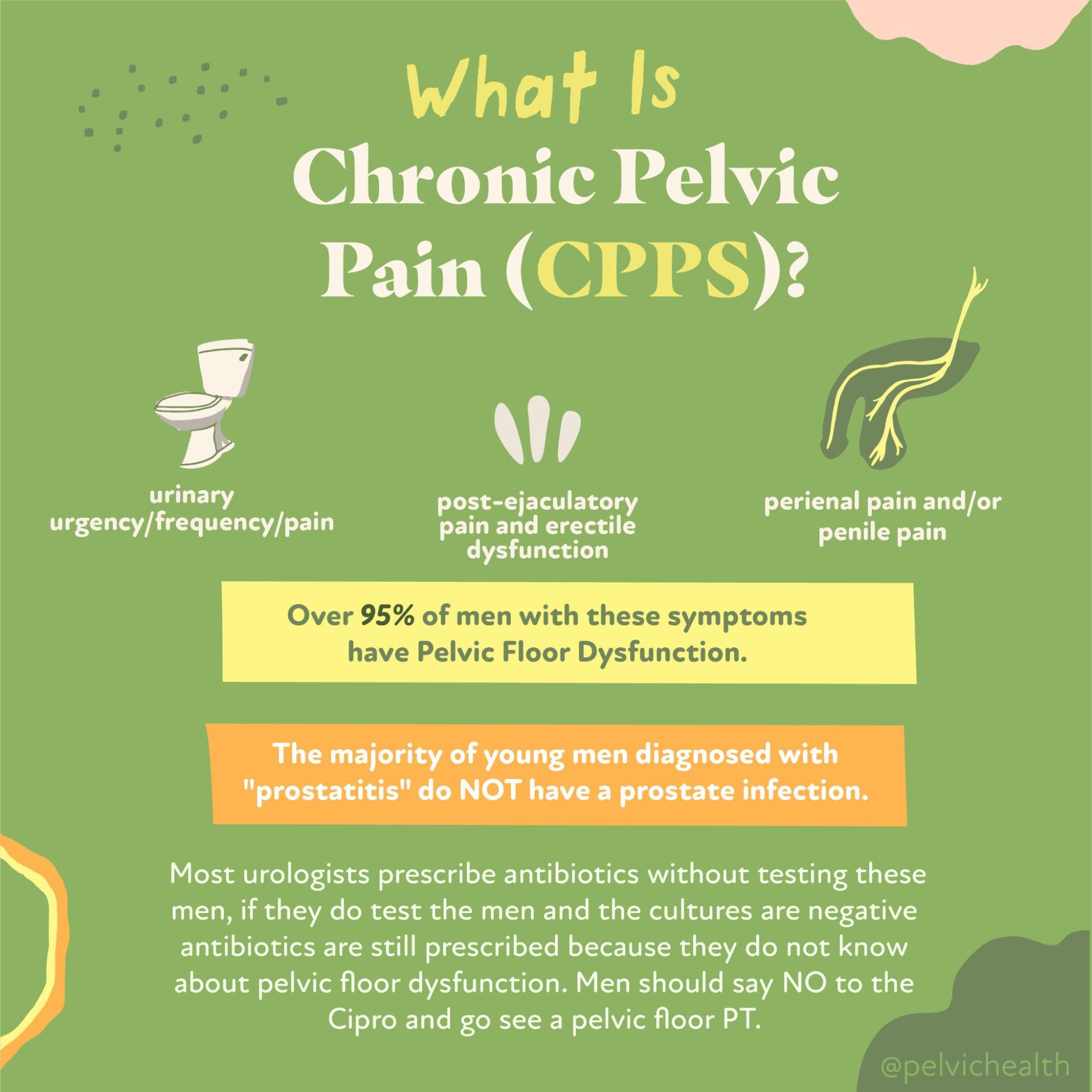
Chronic Pelvic Pain Syndrome/Male Pelvic Pain, Chronic Nonbacterial Prostatitis, Pudendal Neuralgia, Hard Flaccid Syndrome and Interstitial Cystitis/Painful Bladder Syndrome are all pain syndromes that cause pelvic pain due to pelvic floor dysfunction.
Associated Diagnoses
Chronic Pelvic Pain Syndrome/Male Pelvic Pain, Chronic Nonbacterial Prostatitis, Pudendal Neuralgia, Hard Flaccid Syndrome and Interstitial Cystitis/Painful Bladder Syndrome are all pain syndromes that cause pelvic pain due to pelvic floor dysfunction.
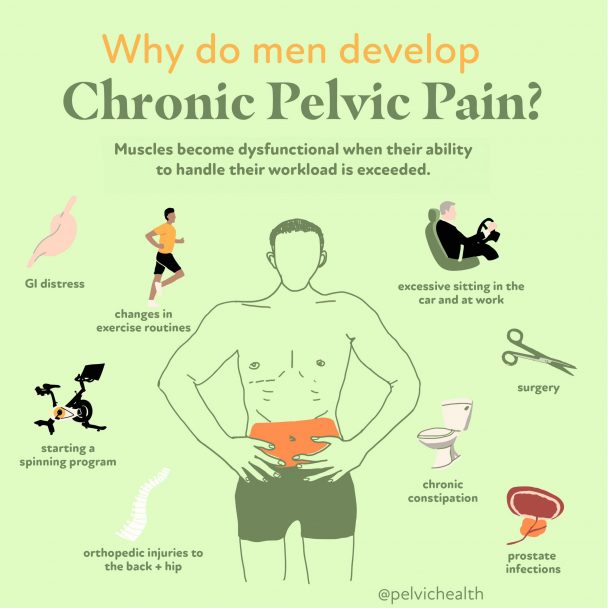
- Surgical trauma (vasectomy, benign prostatic hyperplasia (BPH) interventions, prostatectomy)
- Orthopedic injuries or other traumas (spine, hip, knee, and/or ankle injuries/pathology, accidents)
- Biomechanical or structural dysfunction (hip dysfunction, piriformis syndrome, scoliosis, leg length discrepancy)
- Excessive exercise or changes to exercise routine
- Excessive sitting
- Chronic constipation and straining
- Jelqing and/or attempts at gential enhancement or foreskin regeneration
- In rare cases, bladder, prostate, or sexually transmitted infections after successful resolution of infection
- The majority of men with pelvic pain, with or without urinary or bowel complaints, have pelvic floor dysfunction

Causes of Pelvic Pain
- Surgical trauma (vasectomy, benign prostatic hyperplasia (BPH) interventions, prostatectomy)
- Orthopedic injuries or other traumas (spine, hip, knee, and/or ankle injuries/pathology, accidents)
- Biomechanical or structural dysfunction (hip dysfunction, piriformis syndrome, scoliosis, leg length discrepancy)
- Excessive exercise or changes to exercise routine
- Excessive sitting
- Chronic constipation and straining
- Jelqing and/or attempts at gential enhancement or foreskin regeneration
- In rare cases, bladder, prostate, or sexually transmitted infections after successful resolution of infection
- The majority of men with pelvic pain, with or without urinary or bowel complaints, have pelvic floor dysfunction
Diagnostic Challenges
The path to properly diagnosing pelvic pain in men can be surprisingly long—research indicates it often takes up to seven years. Much of this delay is due to the way male pelvic symptoms mimic other conditions, such as bladder infections, prostatitis, or sexually transmitted diseases. In many cases, healthcare professionals opt for antibiotics without thorough investigation, leaving pelvic floor dysfunction undetected. To make matters worse, few physical and occupational therapistss are equipped to treat male pelvic health issues, as the field traditionally focuses on women. At PHRC, we’ve responded to this imbalance by cultivating a practice deeply rooted in male pelvic care. We understand the nuances of these conditions and are proud to treat a largely male population with the knowledge and sensitivity they deserve.
Men with chronic pelvic pain often find themselves stuck in a cycle of ineffective treatment. Doctors frequently reach for antibiotics, assuming a bacterial cause, but research shows that in more than 90% of cases, no bacteria are found. The true culprit is frequently Chronic Pelvic Pain Syndrome (CPPS), especially under NIH Categories IIIa or IIIb—non-bacterial disorders driven by muscle tension or nerve irritation. These require physical and occupational therapy or other targeted interventions rather than antibiotics.
The National Institutes of Health provides this classification of prostatitis:
Category I: Acute bacterial prostatitis—sudden and severe symptoms with lab-confirmed urinary infection.
Category II: Chronic bacterial prostatitis—ongoing symptoms with repeated detection of bacteria.
Category IIIa: Inflammatory CPPS—marked by pain and visible immune response (white blood cells) in fluids.
Category IIIb: Non-inflammatory CPPS—symptoms persist, but lab results do not indicate immune system activity.
Category IV: Asymptomatic inflammatory prostatitis—silent inflammation detected during exams unrelated to pelvic pain.
Diagnostic Challenges
The path to properly diagnosing pelvic pain in men can be surprisingly long—research indicates it often takes up to seven years. Much of this delay is due to the way male pelvic symptoms mimic other conditions, such as bladder infections, prostatitis, or sexually transmitted diseases. In many cases, healthcare professionals opt for antibiotics without thorough investigation, leaving pelvic floor dysfunction undetected. To make matters worse, few physical and occupational therapistss are equipped to treat male pelvic health issues, as the field traditionally focuses on women. At PHRC, we’ve responded to this imbalance by cultivating a practice deeply rooted in male pelvic care. We understand the nuances of these conditions and are proud to treat a largely male population with the knowledge and sensitivity they deserve.
Men with chronic pelvic pain often find themselves stuck in a cycle of ineffective treatment. Doctors frequently reach for antibiotics, assuming a bacterial cause, but research shows that in more than 90% of cases, no bacteria are found. The true culprit is frequently Chronic Pelvic Pain Syndrome (CPPS), especially under NIH Categories IIIa or IIIb—non-bacterial disorders driven by muscle tension or nerve irritation. These require physical and occupational therapy or other targeted interventions rather than antibiotics.
The National Institutes of Health provides this classification of prostatitis:
Category I: Acute bacterial prostatitis—sudden and severe symptoms with lab-confirmed urinary infection.
Category II: Chronic bacterial prostatitis—ongoing symptoms with repeated detection of bacteria.
Category IIIa: Inflammatory CPPS—marked by pain and visible immune response (white blood cells) in fluids.
Category IIIb: Non-inflammatory CPPS—symptoms persist, but lab results do not indicate immune system activity.
Category IV: Asymptomatic inflammatory prostatitis—silent inflammation detected during exams unrelated to pelvic pain.
Treatment:
How We Can Help You

Persistent pelvic pain can be frustrating and isolating for men in Calabasas, but a comprehensive evaluation by a pelvic floor physical and occupational therapists offers a constructive path forward. This initial session is not just about assessment—it’s about listening to your full health journey. Your therapist will ask about your symptoms, prior medical evaluations, diagnoses, and previous treatments, paying close attention to what helped and what didn’t. Many Calabasas patients express how dismissed they’ve felt before finding specialized care, and we aim to change that experience.
The physical exam focuses on evaluating muscle tone, nerve involvement, surrounding joint structures, and your body’s movement and alignment. These factors are essential to pinpointing the true cause of your pain. Following the assessment, the therapist will discuss the results with you and develop a customized care plan. Most individuals participate in therapy once or twice a week for about 12 weeks, supported by a home exercise regimen. Coordination with other providers on your care team is standard. In Calabasas, we are proud to offer the specialized expertise and support men need to finally feel seen, understood, and on the path to healing.

Treatment:
How We Can Help You
Persistent pelvic pain can be frustrating and isolating for men in Calabasas, but a comprehensive evaluation by a pelvic floor physical and occupational therapists offers a constructive path forward. This initial session is not just about assessment—it’s about listening to your full health journey. Your therapist will ask about your symptoms, prior medical evaluations, diagnoses, and previous treatments, paying close attention to what helped and what didn’t. Many Calabasas patients express how dismissed they’ve felt before finding specialized care, and we aim to change that experience.
The physical exam focuses on evaluating muscle tone, nerve involvement, surrounding joint structures, and your body’s movement and alignment. These factors are essential to pinpointing the true cause of your pain. Following the assessment, the therapist will discuss the results with you and develop a customized care plan. Most individuals participate in therapy once or twice a week for about 12 weeks, supported by a home exercise regimen. Coordination with other providers on your care team is standard. In Calabasas, we are proud to offer the specialized expertise and support men need to finally feel seen, understood, and on the path to healing.
How Can We Help You?
We’d love to hear from you—please use the form below to send us any questions, comments, or feedback you may have. Don’t forget to enter your email address so that we can respond without delay. Your privacy matters to us, and we promise that all personal data will be used only to respond to your message and kept strictly confidential.


Join The Newsletter. Win a copy of our book, “Pelvic Pain Explained!”
We love getting to know our website visitors. Please tell us a little bit about yourself and get the latest info via PHRC e-newsletter!
*Subscribers automatically eligible to win our book, “Pelvic Pain Explained.”

Pelvic Pain Explained is a revealing and compassionate guide that explores the lived reality of chronic pelvic pain sufferers. It documents the uphill battle to be accurately diagnosed, the frequent runaround in the medical system, and the overwhelming amount of contradictory information patients must navigate. Beyond the clinical facts, it sensitively portrays how pelvic pain disrupts emotional stability, daily functioning, and personal relationships.