


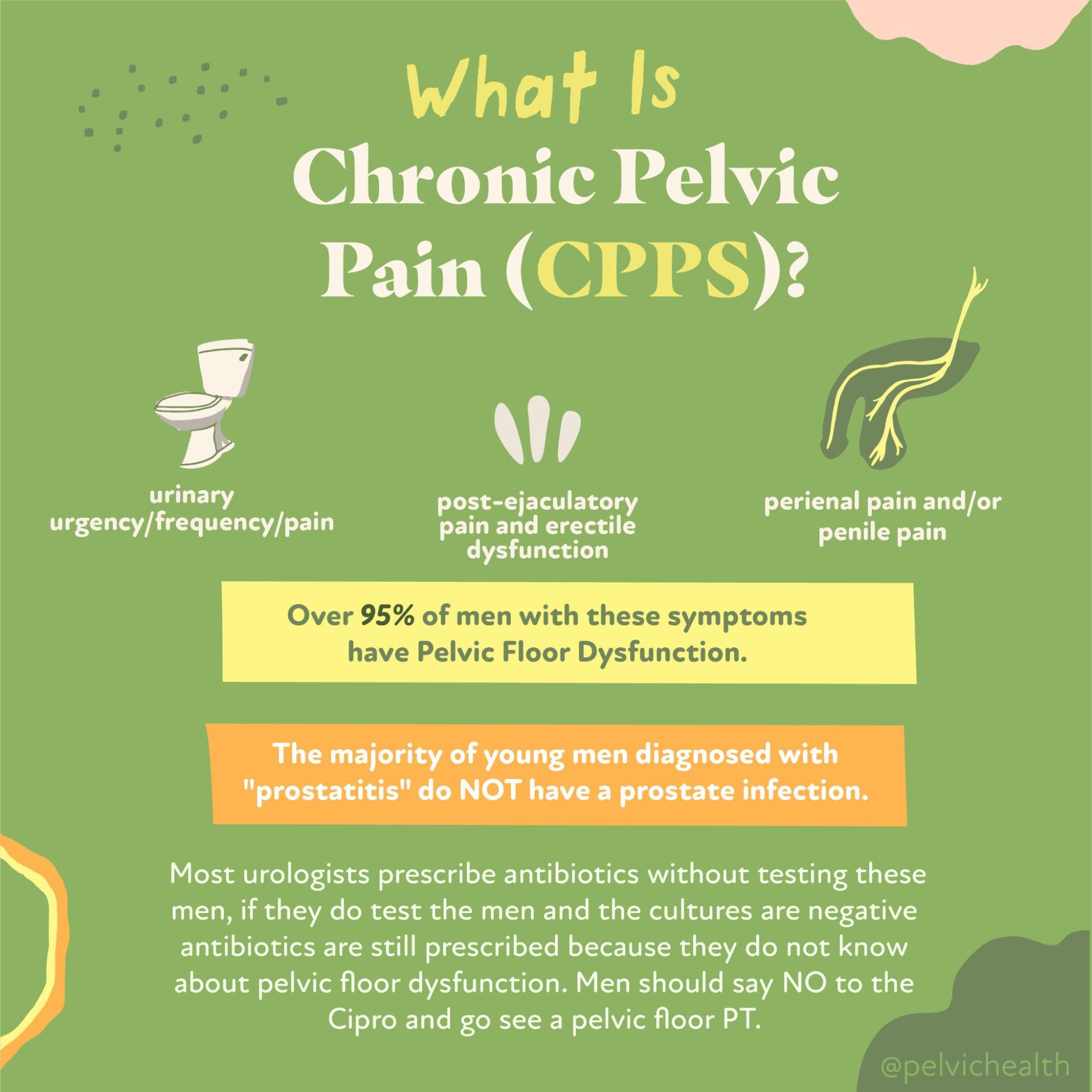
Symptoms frequently reported by men include:
- Burning, tingling, or aching sensations in the genital area, perineum, or around the anus
- Discomfort made worse by prolonged sitting, restrictive clothes, or physical activity
- Problems with urination, like needing to go urgently, going often, or difficulty with flow
- Painful climax or discomfort following ejaculation centered in the pelvic area
- Erectile performance concerns, including reduced strength or trouble maintaining an erection
- Bowel-related symptoms, such as gas or constipation, that align with pelvic pain
- Flare-ups that appear unexpectedly or after certain triggers
- Day-to-day variation in symptoms—some days are manageable, while others are difficult
In Culver City, men experiencing these symptoms can benefit from pelvic floor therapy, a proven method to ease discomfort and improve everyday function.
Symptoms frequently reported by men include:
- Burning, tingling, or aching sensations in the genital area, perineum, or around the anus
- Discomfort made worse by prolonged sitting, restrictive clothes, or physical activity
- Problems with urination, like needing to go urgently, going often, or difficulty with flow
- Painful climax or discomfort following ejaculation centered in the pelvic area
- Erectile performance concerns, including reduced strength or trouble maintaining an erection
- Bowel-related symptoms, such as gas or constipation, that align with pelvic pain
- Flare-ups that appear unexpectedly or after certain triggers
- Day-to-day variation in symptoms—some days are manageable, while others are difficult
In Culver City, men experiencing these symptoms can benefit from pelvic floor therapy, a proven method to ease discomfort and improve everyday function.
Associated Diagnoses
Chronic Pelvic Pain Syndrome/Male Pelvic Pain, Chronic Nonbacterial Prostatitis, Pudendal Neuralgia, Hard Flaccid Syndrome and Interstitial Cystitis/Painful Bladder Syndrome are all pain syndromes that cause pelvic pain due to pelvic floor dysfunction.
Associated Diagnoses
Chronic Pelvic Pain Syndrome/Male Pelvic Pain, Chronic Nonbacterial Prostatitis, Pudendal Neuralgia, Hard Flaccid Syndrome and Interstitial Cystitis/Painful Bladder Syndrome are all pain syndromes that cause pelvic pain due to pelvic floor dysfunction.
- Surgical trauma (vasectomy, benign prostatic hyperplasia (BPH) interventions, prostatectomy)
- Orthopedic injuries or other traumas (spine, hip, knee, and/or ankle injuries/pathology, accidents)
- Biomechanical or structural dysfunction (hip dysfunction, piriformis syndrome, scoliosis, leg length discrepancy)
- Excessive exercise or changes to exercise routine
- Excessive sitting
- Chronic constipation and straining
- Jelqing and/or attempts at gential enhancement or foreskin regeneration
- In rare cases, bladder, prostate, or sexually transmitted infections after successful resolution of infection
- The majority of men with pelvic pain, with or without urinary or bowel complaints, have pelvic floor dysfunction

Causes of Pelvic Pain
- Surgical trauma (vasectomy, benign prostatic hyperplasia (BPH) interventions, prostatectomy)
- Orthopedic injuries or other traumas (spine, hip, knee, and/or ankle injuries/pathology, accidents)
- Biomechanical or structural dysfunction (hip dysfunction, piriformis syndrome, scoliosis, leg length discrepancy)
- Excessive exercise or changes to exercise routine
- Excessive sitting
- Chronic constipation and straining
- Jelqing and/or attempts at gential enhancement or foreskin regeneration
- In rare cases, bladder, prostate, or sexually transmitted infections after successful resolution of infection
- The majority of men with pelvic pain, with or without urinary or bowel complaints, have pelvic floor dysfunction

Diagnostic Challenges
It’s not uncommon for men experiencing pelvic pain to go undiagnosed or misdiagnosed for several years. On average, it may take up to seven years to pinpoint the actual problem. This is primarily because the symptoms can easily be mistaken for prostatitis, bladder infections, or STIs, leading doctors to prescribe antibiotics without sufficient testing. Unfortunately, this often masks the real culprit—dysfunction in the pelvic floor muscles. What makes things even harder is that few physical and occupational therapistss specialize in male pelvic health, since the majority of training and practice traditionally focuses on women. At PHRC, we recognize this shortfall and have committed ourselves to offering expert, targeted care for men, who make up a significant portion of the individuals we treat.
Many men endure long stretches of discomfort without a clear resolution. The default medical response often involves antibiotics, assuming an underlying infection. However, clinical studies show that more than 90% of such cases do not involve bacterial pathogens. Instead, the root cause is frequently Chronic Pelvic Pain Syndrome (CPPS), especially in its non-infectious forms—NIH Categories IIIa and IIIb. These types stem from issues such as muscle tightness or nerve hypersensitivity, which antibiotics do not address.
The National Institutes of Health outlines the prostatitis spectrum like this:
Category I: Acute bacterial prostatitis—includes intense pain, systemic illness like fever, and verifiable urinary tract infection.
Category II: Chronic bacterial prostatitis—defined by recurrent infections and persistent bacterial colonies in the prostate.
Category IIIa: Inflammatory CPPS—where white blood cells are found in bodily fluids, pointing to an ongoing immune response.
Category IIIb: Non-inflammatory CPPS—displays the same symptoms but without immune markers such as white blood cells.
Category IV: Asymptomatic inflammatory prostatitis—identified during routine exams when inflammation is present but the patient reports no symptoms.
Diagnostic Challenges
It’s not uncommon for men experiencing pelvic pain to go undiagnosed or misdiagnosed for several years. On average, it may take up to seven years to pinpoint the actual problem. This is primarily because the symptoms can easily be mistaken for prostatitis, bladder infections, or STIs, leading doctors to prescribe antibiotics without sufficient testing. Unfortunately, this often masks the real culprit—dysfunction in the pelvic floor muscles. What makes things even harder is that few physical and occupational therapistss specialize in male pelvic health, since the majority of training and practice traditionally focuses on women. At PHRC, we recognize this shortfall and have committed ourselves to offering expert, targeted care for men, who make up a significant portion of the individuals we treat.
Many men endure long stretches of discomfort without a clear resolution. The default medical response often involves antibiotics, assuming an underlying infection. However, clinical studies show that more than 90% of such cases do not involve bacterial pathogens. Instead, the root cause is frequently Chronic Pelvic Pain Syndrome (CPPS), especially in its non-infectious forms—NIH Categories IIIa and IIIb. These types stem from issues such as muscle tightness or nerve hypersensitivity, which antibiotics do not address.
The National Institutes of Health outlines the prostatitis spectrum like this:
Category I: Acute bacterial prostatitis—includes intense pain, systemic illness like fever, and verifiable urinary tract infection.
Category II: Chronic bacterial prostatitis—defined by recurrent infections and persistent bacterial colonies in the prostate.
Category IIIa: Inflammatory CPPS—where white blood cells are found in bodily fluids, pointing to an ongoing immune response.
Category IIIb: Non-inflammatory CPPS—displays the same symptoms but without immune markers such as white blood cells.
Category IV: Asymptomatic inflammatory prostatitis—identified during routine exams when inflammation is present but the patient reports no symptoms.
Treatment:
How We Can Help You

Ongoing pelvic pain in men is more common than many think, and for those living in Culver City, a specialized evaluation with a pelvic floor physical and occupational therapists can be a valuable first step toward recovery. Your initial appointment is designed to uncover what’s really going on—far beyond a surface-level diagnosis. The therapist will begin by reviewing your complete medical history, including symptoms, timelines, previous diagnoses, and how well different interventions have worked—or failed. By the time they arrive at our clinic, many Culver City patients are understandably exhausted from years of unanswered questions.
Your evaluation will include a physical examination of the pelvic floor muscles, connective tissues, posture, joint movement, and nerve responses. Movement testing may reveal compensations or patterns contributing to your discomfort. Once the assessment is complete, the therapist will go over your results and recommend a treatment plan made just for you. Most clients attend weekly sessions for roughly 12 weeks, paired with at-home strategies to support long-term progress. We also ensure that communication with any other healthcare providers on your team is seamless. In Culver City, our goal is to provide compassionate, specialized care that restores both comfort and quality of life.

Treatment:
How We Can Help You
Ongoing pelvic pain in men is more common than many think, and for those living in Culver City, a specialized evaluation with a pelvic floor physical and occupational therapists can be a valuable first step toward recovery. Your initial appointment is designed to uncover what’s really going on—far beyond a surface-level diagnosis. The therapist will begin by reviewing your complete medical history, including symptoms, timelines, previous diagnoses, and how well different interventions have worked—or failed. By the time they arrive at our clinic, many Culver City patients are understandably exhausted from years of unanswered questions.
Your evaluation will include a physical examination of the pelvic floor muscles, connective tissues, posture, joint movement, and nerve responses. Movement testing may reveal compensations or patterns contributing to your discomfort. Once the assessment is complete, the therapist will go over your results and recommend a treatment plan made just for you. Most clients attend weekly sessions for roughly 12 weeks, paired with at-home strategies to support long-term progress. We also ensure that communication with any other healthcare providers on your team is seamless. In Culver City, our goal is to provide compassionate, specialized care that restores both comfort and quality of life.
How Can We Help You?
Feel free to get in touch with us by filling out the form below if you have any feedback or questions. Providing your email address will allow us to follow up with you directly and efficiently. We respect your privacy, and any information you share will remain strictly confidential, used only for the purpose of communicating with you about your message.


Join The Newsletter. Win a copy of our book, “Pelvic Pain Explained!”
We love getting to know our website visitors. Please tell us a little bit about yourself and get the latest info via PHRC e-newsletter!
*Subscribers automatically eligible to win our book, “Pelvic Pain Explained.”

Pelvic Pain Explained provides a thorough examination of the journey many individuals endure while coping with ongoing pelvic pain. It covers the lengthy delays in diagnosis, the complexity of finding appropriate treatment, and the mental exhaustion caused by conflicting or misleading information. The book also takes time to address how this pain affects a person’s emotional health, lifestyle, and connections with loved ones.