

Typical symptoms may include:
- Pain or discomfort (burning, aching, itching) in the penis, scrotum, perineum, or anal area
- Symptoms intensified by prolonged sitting, exercise, or tight-fitting clothing
- Problems urinating, such as urgency, frequency, or a slow or hesitant stream
- Pain linked to ejaculation or sexual activity
- Erectile challenges, sometimes with a reduced sensation during orgasm
- Gastrointestinal symptoms such as gas, bloating, or constipation
- Unpredictable symptom patterns—some days are better than others
- Triggers like ejaculation or workouts making symptoms worse
If you’re located in Los Feliz and are dealing with these issues, it’s worth exploring pelvic floor physical and occupational therapy, which addresses the actual causes of your discomfort—not just the symptoms.
Typical symptoms may include:
- Pain or discomfort (burning, aching, itching) in the penis, scrotum, perineum, or anal area
- Symptoms intensified by prolonged sitting, exercise, or tight-fitting clothing
- Problems urinating, such as urgency, frequency, or a slow or hesitant stream
- Pain linked to ejaculation or sexual activity
- Erectile challenges, sometimes with a reduced sensation during orgasm
- Gastrointestinal symptoms such as gas, bloating, or constipation
- Unpredictable symptom patterns—some days are better than others
- Triggers like ejaculation or workouts making symptoms worse
If you’re located in Los Feliz and are dealing with these issues, it’s worth exploring pelvic floor physical and occupational therapy, which addresses the actual causes of your discomfort—not just the symptoms.
Associated Diagnoses
Chronic Pelvic Pain Syndrome/Male Pelvic Pain, Chronic Nonbacterial Prostatitis, Pudendal Neuralgia, Hard Flaccid Syndrome and Interstitial Cystitis/Painful Bladder Syndrome are all pain syndromes that cause pelvic pain due to pelvic floor dysfunction.
Associated Diagnoses
Chronic Pelvic Pain Syndrome/Male Pelvic Pain, Chronic Nonbacterial Prostatitis, Pudendal Neuralgia, Hard Flaccid Syndrome and Interstitial Cystitis/Painful Bladder Syndrome are all pain syndromes that cause pelvic pain due to pelvic floor dysfunction.
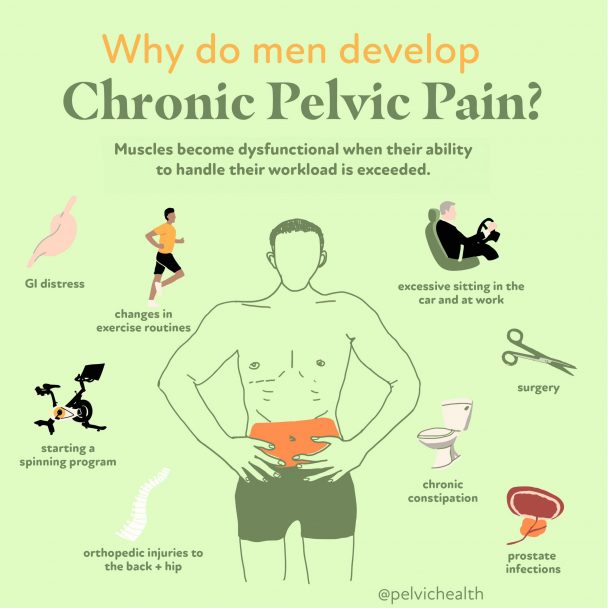
- Surgical trauma (vasectomy, benign prostatic hyperplasia (BPH) interventions, prostatectomy)
- Orthopedic injuries or other traumas (spine, hip, knee, and/or ankle injuries/pathology, accidents)
- Biomechanical or structural dysfunction (hip dysfunction, piriformis syndrome, scoliosis, leg length discrepancy)
- Excessive exercise or changes to exercise routine
- Excessive sitting
- Chronic constipation and straining
- Jelqing and/or attempts at gential enhancement or foreskin regeneration
- In rare cases, bladder, prostate, or sexually transmitted infections after successful resolution of infection
- The majority of men with pelvic pain, with or without urinary or bowel complaints, have pelvic floor dysfunction

Causes of Pelvic Pain
- Surgical trauma (vasectomy, benign prostatic hyperplasia (BPH) interventions, prostatectomy)
- Orthopedic injuries or other traumas (spine, hip, knee, and/or ankle injuries/pathology, accidents)
- Biomechanical or structural dysfunction (hip dysfunction, piriformis syndrome, scoliosis, leg length discrepancy)
- Excessive exercise or changes to exercise routine
- Excessive sitting
- Chronic constipation and straining
- Jelqing and/or attempts at gential enhancement or foreskin regeneration
- In rare cases, bladder, prostate, or sexually transmitted infections after successful resolution of infection
- The majority of men with pelvic pain, with or without urinary or bowel complaints, have pelvic floor dysfunction
Diagnostic Challenges
Getting to the bottom of pelvic pain can be a long, frustrating process for many men. According to studies, it may take up to seven years to receive an accurate diagnosis. This delay is often due to the way pelvic pain mimics the symptoms of other medical conditions, such as prostatitis, urinary tract infections, or sexually transmitted infections. Rather than pursue detailed diagnostic testing, many physicians rely on guesswork, prescribing antibiotics as a catch-all solution. The unfortunate result is that the real problem—pelvic floor dysfunction—remains undiagnosed and untreated. Compounding the issue, the majority of pelvic floor physical and occupational therapistss have training geared toward treating women, which makes it harder for men to find appropriate care. At PHRC, we’ve made male pelvic health a priority, and it’s common for our therapists to treat more male patients than female ones on any given day.
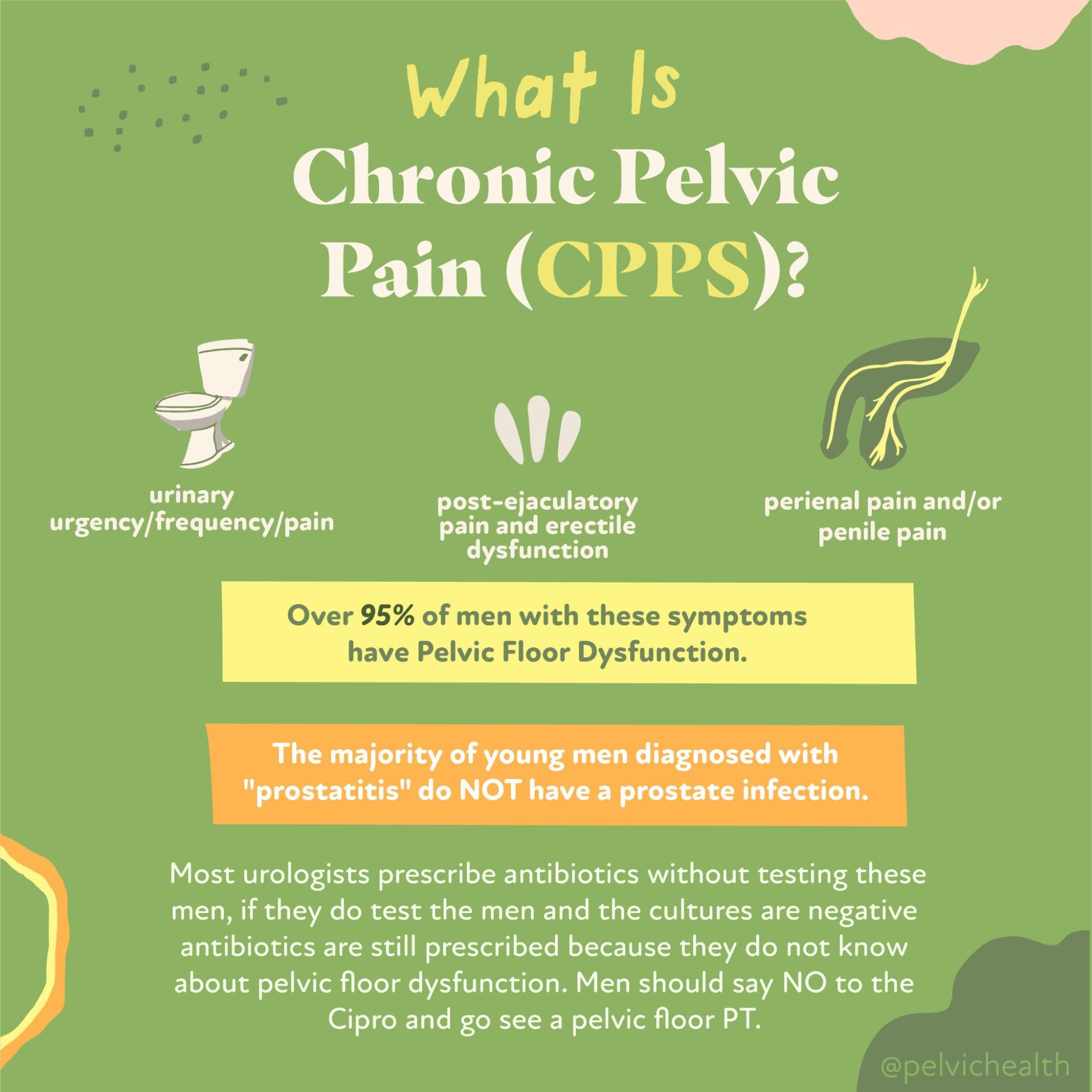
It’s a frustrating reality for many men with pelvic discomfort to be told they have “prostatitis” and be handed antibiotics that don’t help. The reason? In more than 90% of such cases, there’s no bacterial infection to treat. Instead, these symptoms often stem from Chronic Pelvic Pain Syndrome (CPPS), specifically forms labeled as Category IIIa or IIIb by the National Institutes of Health. CPPS is typically non-bacterial and can result from muscle tightness, nerve issues, or chronic inflammation—factors that are overlooked when antibiotics are used as a default treatment.
The NIH provides the following prostatitis classifications:
Category I: Acute bacterial prostatitis – involves high-intensity symptoms, fever, and a confirmed bacterial urinary tract infection.
Category II: Chronic bacterial prostatitis – presents as long-term bacterial presence in the prostate and ongoing urinary symptoms.
Category IIIa: Inflammatory CPPS – inflammation is evident via immune cells in prostate-related fluids.
Category IIIb: Non-inflammatory CPPS – similar in symptoms to IIIa, but with no white blood cells detected in tests.
Category IV: Asymptomatic inflammatory prostatitis – found through lab work, even if the patient reports no symptoms at all.
Diagnostic Challenges
Getting to the bottom of pelvic pain can be a long, frustrating process for many men. According to studies, it may take up to seven years to receive an accurate diagnosis. This delay is often due to the way pelvic pain mimics the symptoms of other medical conditions, such as prostatitis, urinary tract infections, or sexually transmitted infections. Rather than pursue detailed diagnostic testing, many physicians rely on guesswork, prescribing antibiotics as a catch-all solution. The unfortunate result is that the real problem—pelvic floor dysfunction—remains undiagnosed and untreated. Compounding the issue, the majority of pelvic floor physical and occupational therapistss have training geared toward treating women, which makes it harder for men to find appropriate care. At PHRC, we’ve made male pelvic health a priority, and it’s common for our therapists to treat more male patients than female ones on any given day.
It’s a frustrating reality for many men with pelvic discomfort to be told they have “prostatitis” and be handed antibiotics that don’t help. The reason? In more than 90% of such cases, there’s no bacterial infection to treat. Instead, these symptoms often stem from Chronic Pelvic Pain Syndrome (CPPS), specifically forms labeled as Category IIIa or IIIb by the National Institutes of Health. CPPS is typically non-bacterial and can result from muscle tightness, nerve issues, or chronic inflammation—factors that are overlooked when antibiotics are used as a default treatment.
The NIH provides the following prostatitis classifications:
Category I: Acute bacterial prostatitis – involves high-intensity symptoms, fever, and a confirmed bacterial urinary tract infection.
Category II: Chronic bacterial prostatitis – presents as long-term bacterial presence in the prostate and ongoing urinary symptoms.
Category IIIa: Inflammatory CPPS – inflammation is evident via immune cells in prostate-related fluids.
Category IIIb: Non-inflammatory CPPS – similar in symptoms to IIIa, but with no white blood cells detected in tests.
Category IV: Asymptomatic inflammatory prostatitis – found through lab work, even if the patient reports no symptoms at all.
Treatment:
How We Can Help You
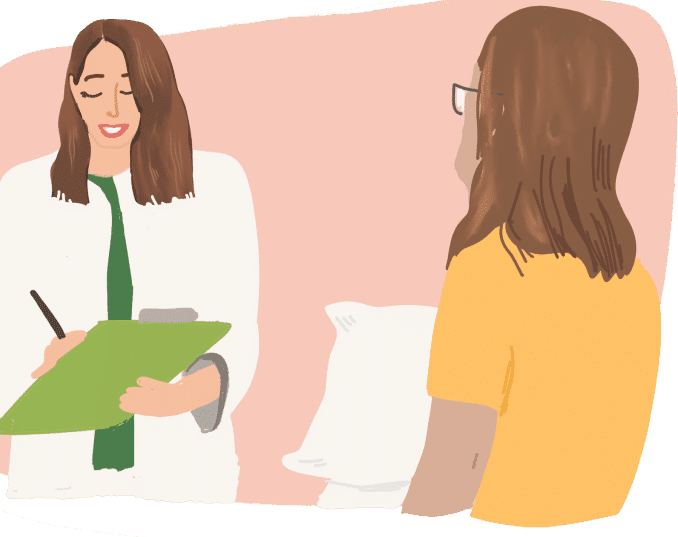
For men living in Los Feliz who are experiencing persistent pelvic pain, scheduling an evaluation with a pelvic floor physical and occupational therapists may be one of the most important steps you take. During the first session, your therapist will gather detailed insights into your health background, the nature and timeline of your symptoms, past diagnoses, and treatments you’ve pursued. Many of the men we see from Los Feliz share that they’ve felt misunderstood or overlooked in the healthcare system until now—and we aim to change that.
Your assessment will include a careful review of the pelvic muscles, joints, nerve pathways, connective tissues, and movement mechanics to identify what might be contributing to your discomfort. Once the findings are explained, your therapist will create a treatment plan tailored to your specific needs and recovery goals. Therapy typically involves attending sessions once or twice a week for a period of around 12 weeks, supported by an individualized home exercise program. If needed, your therapist will collaborate with your other healthcare providers to ensure a unified approach. Our mission is to help men in Los Feliz reclaim their comfort and confidence.

Treatment:
How We Can Help You
For men living in Los Feliz who are experiencing persistent pelvic pain, scheduling an evaluation with a pelvic floor physical and occupational therapists may be one of the most important steps you take. During the first session, your therapist will gather detailed insights into your health background, the nature and timeline of your symptoms, past diagnoses, and treatments you’ve pursued. Many of the men we see from Los Feliz share that they’ve felt misunderstood or overlooked in the healthcare system until now—and we aim to change that.
Your assessment will include a careful review of the pelvic muscles, joints, nerve pathways, connective tissues, and movement mechanics to identify what might be contributing to your discomfort. Once the findings are explained, your therapist will create a treatment plan tailored to your specific needs and recovery goals. Therapy typically involves attending sessions once or twice a week for a period of around 12 weeks, supported by an individualized home exercise program. If needed, your therapist will collaborate with your other healthcare providers to ensure a unified approach. Our mission is to help men in Los Feliz reclaim their comfort and confidence.
How Can We Help You?
We’d love to hear from you! Please complete the form below if you have any questions, comments, or thoughts to share. Don’t forget to include your email address so we can follow up with a reply. Rest assured, any information you provide will be handled with full confidentiality and never shared without your consent.


Join The Newsletter. Win a copy of our book, “Pelvic Pain Explained!”
We love getting to know our website visitors. Please tell us a little bit about yourself and get the latest info via PHRC e-newsletter!
*Subscribers automatically eligible to win our book, “Pelvic Pain Explained.”

Pelvic Pain Explained provides an in-depth narrative of the patient journey, illuminating the struggles of those who suffer from chronic pelvic pain. It thoughtfully examines the delays and detours that frequently occur on the path to a correct diagnosis, the confusion surrounding treatment choices, and the barriers both patients and providers must navigate. Most importantly, it highlights the emotional and psychological toll of living with a condition that often goes unseen by others, yet deeply affects every facet of a person’s life—including work, relationships, and self-worth.