

Recurring symptoms in men may include:
- Aching, burning, or itching sensations around the penis, scrotum, perineum, or rectal area
- Pain intensifying after long periods of sitting, tight clothes, or physical strain
- Urinary difficulties like an urgent or frequent need to go and weak urine flow
- Pain during ejaculation or persistent soreness afterward in the pelvic region
- Erectile dysfunction or noticeably weaker ejaculation
- Digestive concerns—like bloating or constipation—that align with pelvic pain
- Symptoms that spike following specific triggers or without clear warning
- Fluctuating discomfort—days with fewer issues followed by painful flare-ups
Pelvic floor physical and occupational therapy is a valuable option for men in Sherman Oaks dealing with these challenges, offering a path to comfort and improved quality of life.
Recurring symptoms in men may include:
- Aching, burning, or itching sensations around the penis, scrotum, perineum, or rectal area
- Pain intensifying after long periods of sitting, tight clothes, or physical strain
- Urinary difficulties like an urgent or frequent need to go and weak urine flow
- Pain during ejaculation or persistent soreness afterward in the pelvic region
- Erectile dysfunction or noticeably weaker ejaculation
- Digestive concerns—like bloating or constipation—that align with pelvic pain
- Symptoms that spike following specific triggers or without clear warning
- Fluctuating discomfort—days with fewer issues followed by painful flare-ups
Pelvic floor physical and occupational therapy is a valuable option for men in Sherman Oaks dealing with these challenges, offering a path to comfort and improved quality of life.
Associated Diagnoses
Chronic Pelvic Pain Syndrome/Male Pelvic Pain, Chronic Nonbacterial Prostatitis, Pudendal Neuralgia, Hard Flaccid Syndrome and Interstitial Cystitis/Painful Bladder Syndrome are all pain syndromes that cause pelvic pain due to pelvic floor dysfunction.
Associated Diagnoses
Chronic Pelvic Pain Syndrome/Male Pelvic Pain, Chronic Nonbacterial Prostatitis, Pudendal Neuralgia, Hard Flaccid Syndrome and Interstitial Cystitis/Painful Bladder Syndrome are all pain syndromes that cause pelvic pain due to pelvic floor dysfunction.
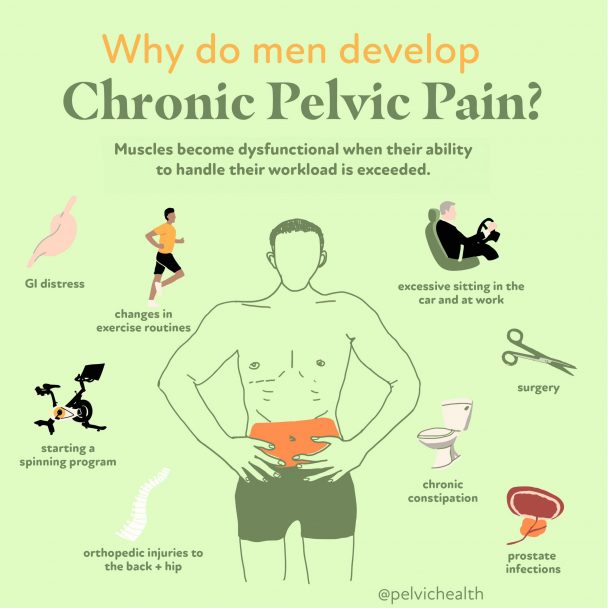
- Surgical trauma (vasectomy, benign prostatic hyperplasia (BPH) interventions, prostatectomy)
- Orthopedic injuries or other traumas (spine, hip, knee, and/or ankle injuries/pathology, accidents)
- Biomechanical or structural dysfunction (hip dysfunction, piriformis syndrome, scoliosis, leg length discrepancy)
- Excessive exercise or changes to exercise routine
- Excessive sitting
- Chronic constipation and straining
- Jelqing and/or attempts at gential enhancement or foreskin regeneration
- In rare cases, bladder, prostate, or sexually transmitted infections after successful resolution of infection
- The majority of men with pelvic pain, with or without urinary or bowel complaints, have pelvic floor dysfunction

Causes of Pelvic Pain
- Surgical trauma (vasectomy, benign prostatic hyperplasia (BPH) interventions, prostatectomy)
- Orthopedic injuries or other traumas (spine, hip, knee, and/or ankle injuries/pathology, accidents)
- Biomechanical or structural dysfunction (hip dysfunction, piriformis syndrome, scoliosis, leg length discrepancy)
- Excessive exercise or changes to exercise routine
- Excessive sitting
- Chronic constipation and straining
- Jelqing and/or attempts at gential enhancement or foreskin regeneration
- In rare cases, bladder, prostate, or sexually transmitted infections after successful resolution of infection
- The majority of men with pelvic pain, with or without urinary or bowel complaints, have pelvic floor dysfunction
Diagnostic Challenges
Pelvic pain in men is a condition that often goes misdiagnosed or untreated for years. On average, it can take nearly seven years to finally identify pelvic floor dysfunction as the root cause. This is because the symptoms can closely resemble infections or prostate issues, which results in a cycle of misdirected treatments—usually antibiotics—without clear diagnostic testing. Sadly, this detour does little to address the actual problem, and men are left suffering. Another major obstacle is the limited number of therapists with expertise in male pelvic health; most providers are trained with female patients in mind. PHRC stands apart by offering specialized care designed for men. In fact, male patients are the majority in our practice, and we’ve built our services to meet their specific needs.
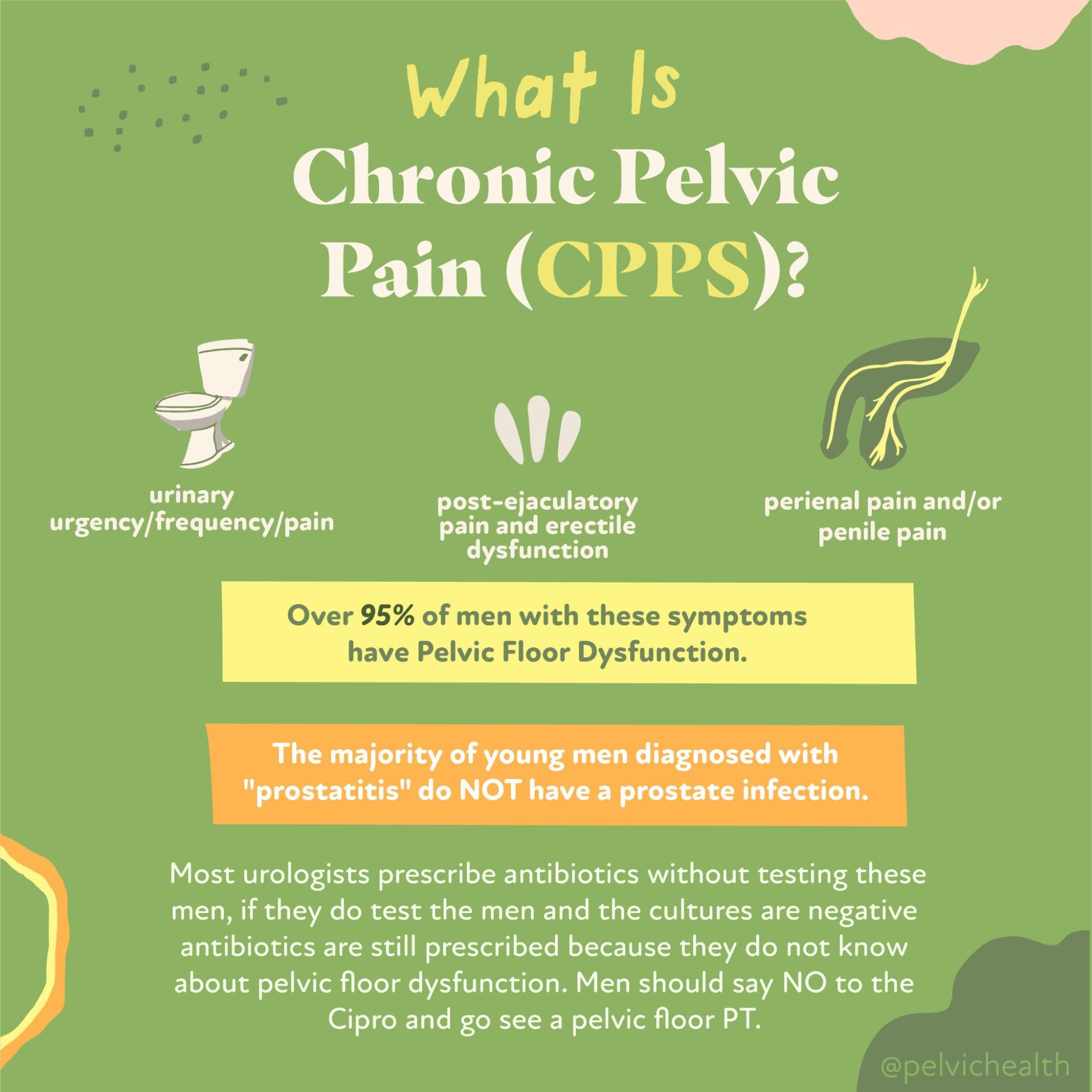
For men suffering from unexplained pelvic pain, receiving a prescription for antibiotics is all too common. Yet studies have shown that over 90% of these cases show no evidence of infection. What they’re often experiencing is Chronic Pelvic Pain Syndrome (CPPS), particularly NIH Categories IIIa and IIIb. These are not bacterial infections but disorders rooted in muscle dysfunction or nerve sensitivity—conditions that do not respond to antibiotic treatment.
According to the National Institutes of Health, prostatitis is divided into five main categories:
Category I: Acute bacterial prostatitis—comes on suddenly with pain, systemic symptoms like fever, and infection in the urinary tract.
Category II: Chronic bacterial prostatitis—features recurring infections and persistent bacteria in the prostate.
Category IIIa: Inflammatory CPPS—identified through pelvic pain plus white blood cells found in semen or urine, pointing to inflammation.
Category IIIb: Non-inflammatory CPPS—has similar symptoms but no lab evidence of inflammation.
Category IV: Asymptomatic inflammatory prostatitis—where inflammation is detected in lab tests even though the patient has no complaints.
Diagnostic Challenges
Pelvic pain in men is a condition that often goes misdiagnosed or untreated for years. On average, it can take nearly seven years to finally identify pelvic floor dysfunction as the root cause. This is because the symptoms can closely resemble infections or prostate issues, which results in a cycle of misdirected treatments—usually antibiotics—without clear diagnostic testing. Sadly, this detour does little to address the actual problem, and men are left suffering. Another major obstacle is the limited number of therapists with expertise in male pelvic health; most providers are trained with female patients in mind. PHRC stands apart by offering specialized care designed for men. In fact, male patients are the majority in our practice, and we’ve built our services to meet their specific needs.
For men suffering from unexplained pelvic pain, receiving a prescription for antibiotics is all too common. Yet studies have shown that over 90% of these cases show no evidence of infection. What they’re often experiencing is Chronic Pelvic Pain Syndrome (CPPS), particularly NIH Categories IIIa and IIIb. These are not bacterial infections but disorders rooted in muscle dysfunction or nerve sensitivity—conditions that do not respond to antibiotic treatment.
According to the National Institutes of Health, prostatitis is divided into five main categories:
Category I: Acute bacterial prostatitis—comes on suddenly with pain, systemic symptoms like fever, and infection in the urinary tract.
Category II: Chronic bacterial prostatitis—features recurring infections and persistent bacteria in the prostate.
Category IIIa: Inflammatory CPPS—identified through pelvic pain plus white blood cells found in semen or urine, pointing to inflammation.
Category IIIb: Non-inflammatory CPPS—has similar symptoms but no lab evidence of inflammation.
Category IV: Asymptomatic inflammatory prostatitis—where inflammation is detected in lab tests even though the patient has no complaints.
Treatment:
How We Can Help You
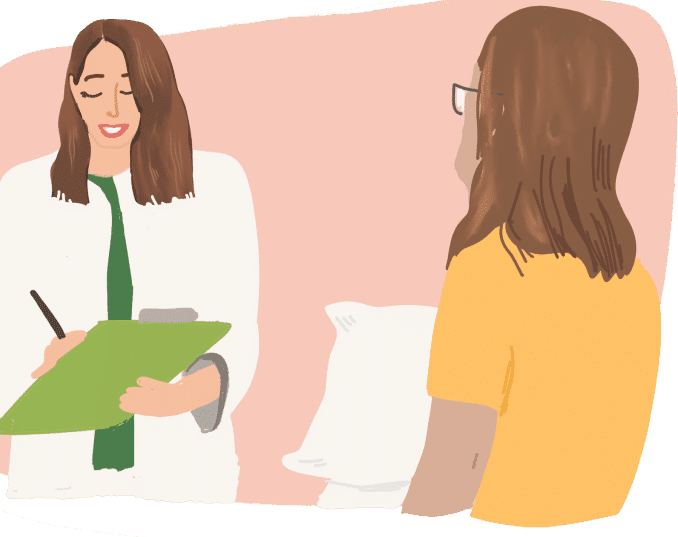
Men in Sherman Oaks who have endured persistent pelvic pain may benefit significantly from a focused evaluation with a trained pelvic floor physical and occupational therapists. This detailed first visit serves to identify the root contributors to your discomfort and create a personalized recovery roadmap. The therapist will sit down with you to understand your full medical history, the treatments you’ve undergone, and your personal experience of what has and hasn’t worked. We often hear from patients in Sherman Oaks who are tired of bouncing from doctor to doctor without real answers—this is where our work begins.
Your evaluation includes a hands-on assessment of the pelvic floor, soft tissue quality, nerve sensitivity, and joint mechanics, as well as observation of your movement patterns. Afterward, your therapist will break down what was discovered and lay out a step-by-step plan tailored to your specific situation. Typically, therapy involves sessions once or twice weekly for around 12 weeks, supported by a structured home program. We also communicate with other healthcare professionals you’re working with to provide seamless, holistic care. Our mission in Sherman Oaks is to restore not just function, but peace of mind and quality of life.

Treatment:
How We Can Help You
Men in Sherman Oaks who have endured persistent pelvic pain may benefit significantly from a focused evaluation with a trained pelvic floor physical and occupational therapists. This detailed first visit serves to identify the root contributors to your discomfort and create a personalized recovery roadmap. The therapist will sit down with you to understand your full medical history, the treatments you’ve undergone, and your personal experience of what has and hasn’t worked. We often hear from patients in Sherman Oaks who are tired of bouncing from doctor to doctor without real answers—this is where our work begins.
Your evaluation includes a hands-on assessment of the pelvic floor, soft tissue quality, nerve sensitivity, and joint mechanics, as well as observation of your movement patterns. Afterward, your therapist will break down what was discovered and lay out a step-by-step plan tailored to your specific situation. Typically, therapy involves sessions once or twice weekly for around 12 weeks, supported by a structured home program. We also communicate with other healthcare professionals you’re working with to provide seamless, holistic care. Our mission in Sherman Oaks is to restore not just function, but peace of mind and quality of life.
How Can We Help You?
You’re welcome to reach out to us by completing the form below with your inquiries or suggestions. Including your email address will help us ensure a prompt response. We are committed to protecting your privacy, and your information will be used solely to address your request and will not be shared.


Join The Newsletter. Win a copy of our book, “Pelvic Pain Explained!”
We love getting to know our website visitors. Please tell us a little bit about yourself and get the latest info via PHRC e-newsletter!
*Subscribers automatically eligible to win our book, “Pelvic Pain Explained.”

In Pelvic Pain Explained, the complex experience of dealing with long-term pelvic pain is laid bare. It takes readers step by step through the difficult path of getting an accurate diagnosis, the mixed messages encountered in treatment, and the persistent confusion around managing symptoms. The book also offers a compassionate look at how this condition affects mental health, daily routines, and personal relationships.