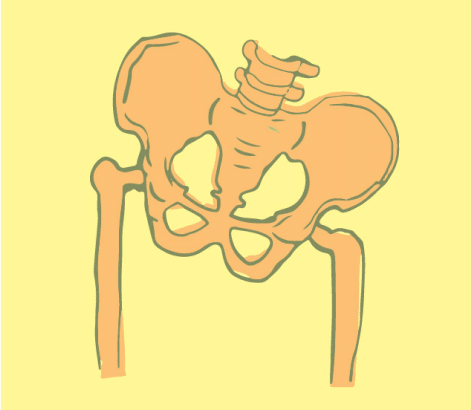
When first starting pelvic floor therapy, you can expect an initial evaluation with one of our physical and occupational therapistss. Your first appointment will be used primarily to collect information about your symptoms, medical history, prior diagnoses, and the treatments that have been attempted to resolve these issues. The pelvic floor specialist will then review their findings with you to create an individualized treatment plan.
While it is unrealistic to expect a total examination in one day, we do cover essential areas to collect necessary information before starting your physical and occupational therapy regimen. Your evaluation will include a physical examination of muscles, tissues, nerves, and joint and may include motor control and movement analysis. Common areas we examine during the initial evaluation are the inner thighs, abdomen, buttocks, and bony pelvis. When examining these areas, our specialists look for connective tissue restrictions, tight muscles, myofascial trigger points, joint dysfunction, imbalances from one side to the other, and other impairments surrounding your dysfunction/pain.
While conducting the internal pelvic floor examination, our experts are observing your trigger points, muscle tone, strength, and motor control. Some of the main symptoms that we look for are pelvic organ prolapse, dermatologic variations, skin lesions, and diastasis recti ( separating of organs in the midsection of your abdomen). We also screen patients for irritability of the peripheral nerves that are located in the pelvis along with the integrity of tissues. Throughout the evaluation, short-term and long-term goals are discussed. Depending on the severity of your dysfunction, physical and occupational therapy treatments may last a few weeks, months, or longer. Our pelvic floor specialists apply short-term goals to improve the consistency of progress while working towards the patient’s primary resolution. After the appointment has concluded and the patient is dressed, we review findings to help individuals understand their symptoms and how we can rehabilitate the issue(s). This also allows us to cooperate with any other medical providers in your healthcare team for truly comprehensive care.