

Menopause encompasses more than just hot flashes, night sweats, and mood swings. Despite being a common phase affecting roughly half of the population, menopause is often misunderstood, both by the public and many healthcare providers. This gap in knowledge can lead to unnecessary suffering, as many individuals are not fully informed about effective treatments.
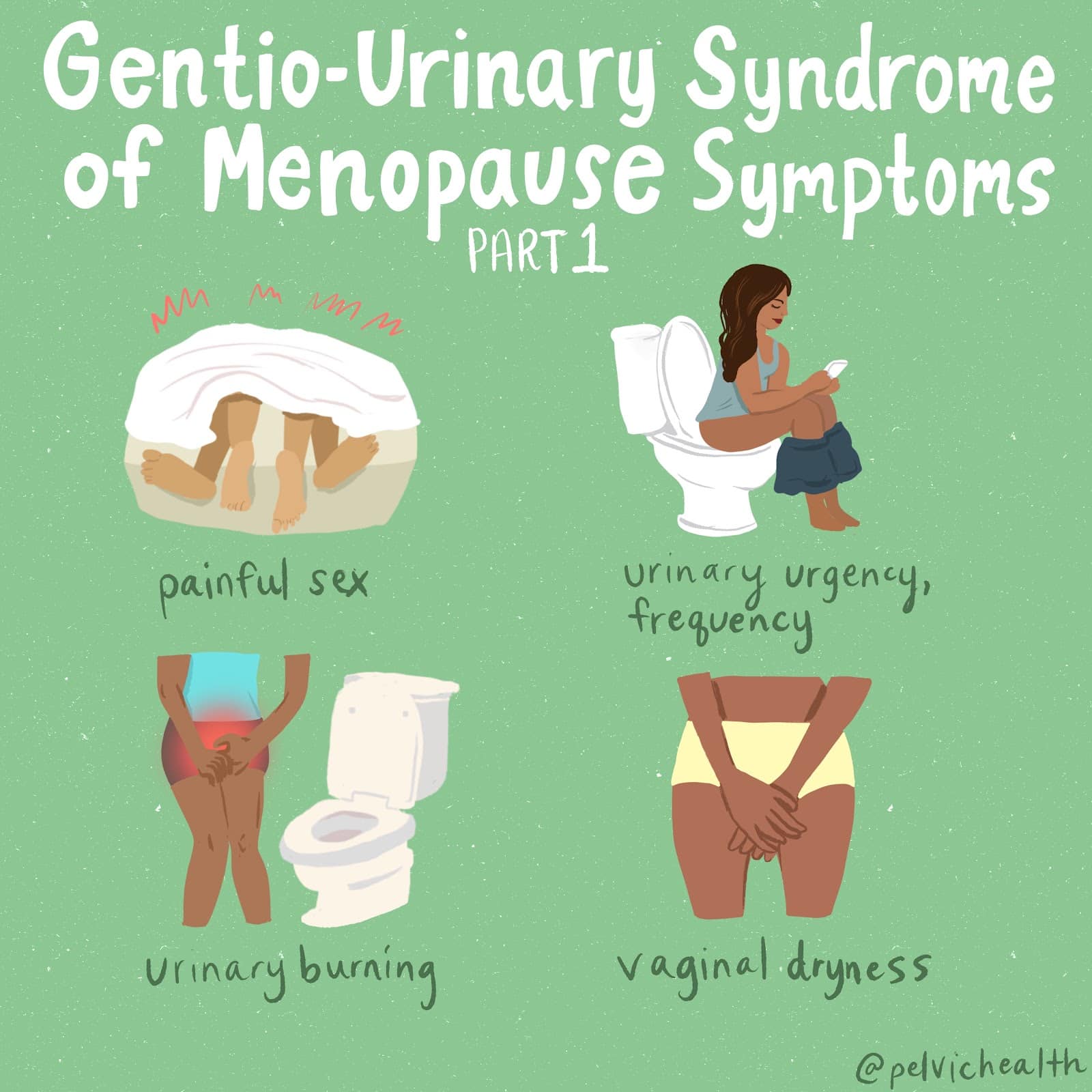
Perimenopause, the transitional phase leading up to menopause, typically begins in a person’s 40s, with menopause itself usually occurring in the early 50s. While systemic symptoms like hot flashes and mood changes are well-known, many people also experience less obvious but equally impactful genitourinary symptoms. These can include painful intercourse, urinary urgency, frequent urination, leakage, burning sensations, recurrent vaginal and urinary tract infections, and vaginal dryness. Collectively, these symptoms are part of the Genitourinary Syndrome of Menopause (GSM). Additionally, many women experience pelvic floor dysfunction, which affects nearly 50% of women by their 50s and can overlap with GSM symptoms.
While systemic hormonal therapy is commonly used to manage menopause symptoms, it may not address the specific needs of those experiencing GSM. The North American Menopause Society recommends the use of vaginal estrogen as an effective treatment for alleviating GSM symptoms and improving quality of life.
Menopause encompasses more than just hot flashes, night sweats, and mood swings. Despite being a common phase affecting roughly half of the population, menopause is often misunderstood, both by the public and many healthcare providers. This gap in knowledge can lead to unnecessary suffering, as many individuals are not fully informed about effective treatments.
Perimenopause, the transitional phase leading up to menopause, typically begins in a person’s 40s, with menopause itself usually occurring in the early 50s. While systemic symptoms like hot flashes and mood changes are well-known, many people also experience less obvious but equally impactful genitourinary symptoms. These can include painful intercourse, urinary urgency, frequent urination, leakage, burning sensations, recurrent vaginal and urinary tract infections, and vaginal dryness. Collectively, these symptoms are part of the Genitourinary Syndrome of Menopause (GSM). Additionally, many women experience pelvic floor dysfunction, which affects nearly 50% of women by their 50s and can overlap with GSM symptoms.
While systemic hormonal therapy is commonly used to manage menopause symptoms, it may not address the specific needs of those experiencing GSM. The North American Menopause Society recommends the use of vaginal estrogen as an effective treatment for alleviating GSM symptoms and improving quality of life.
Differential Diagnosis:
GSM or Pelvic Floor Dysfunction
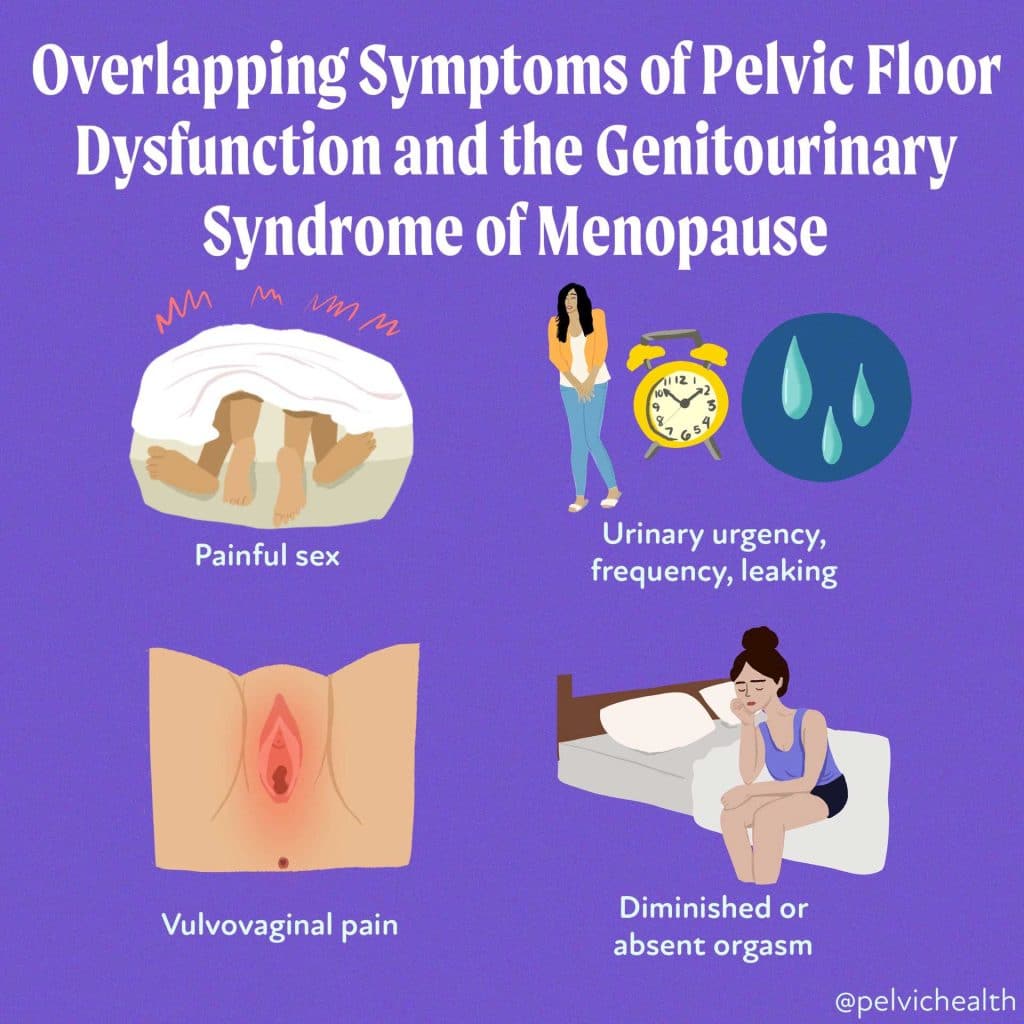
Symptoms of pelvic floor dysfunction and Genitourinary Syndrome of Menopause (GSM) can overlap and include:
- Urinary urgency, frequency, burning, nocturia
- Feelings of bladder or pelvic pressure
- Painful sex
- Diminished or absent orgasm
- Difficulty evacuating stool
- Vulvovaginal pain and burning
- Pain with sitting
An experienced healthcare provider, whether a pelvic floor physical and occupational therapists or a medical doctor, can conduct several assessments to diagnose pelvic floor dysfunction, hormonal deficiencies, and pelvic organ prolapse. These evaluations include a vulvovaginal visual examination, a Q-tip test to pinpoint areas of pain, and a digital manual examination.
Without appropriate medical management, all women may eventually experience symptoms of Genitourinary Syndrome of Menopause (GSM). Many are unaware that a pelvic floor physical and occupational therapy evaluation can be highly beneficial for addressing the musculoskeletal issues contributing to their discomfort. Combining pelvic floor physical and occupational therapy with medical treatments can be crucial for improving sexual enjoyment and resolving urinary and bowel problems.
Virtual pelvic floor therapy for menopause—contact us to get started!
FACTS
From: https://www.letstalkmenopause.org/further-reading
- Every day, approximately 6,000 women reach menopause.
- In the United States, around 50 million women are currently navigating menopause.
- About 84% of women experience genital, sexual, and urinary discomfort related to menopause, which often does not resolve without intervention, yet fewer than 25% seek assistance.
- An estimated 80% of OB-GYN residents acknowledge feeling inadequately prepared to address menopause-related issues.
- Genitourinary Syndrome of Menopause (GSM) is clinically identified in 90% of postmenopausal women, yet only one-third report experiencing symptoms in surveys.
- Barriers to treatment include women needing to initiate discussions about their symptoms, a belief that these issues are simply part of aging, and a failure to connect symptoms with menopause.
- Only 13% of healthcare providers routinely inquire about menopause-related symptoms with their patients.
- Even after a diagnosis of GSM, many women remain untreated. This is partly due to healthcare providers’ reluctance to prescribe treatments and patients’ concerns about the safety of topical vaginal therapies, despite evidence showing that GSM significantly affects quality of life.
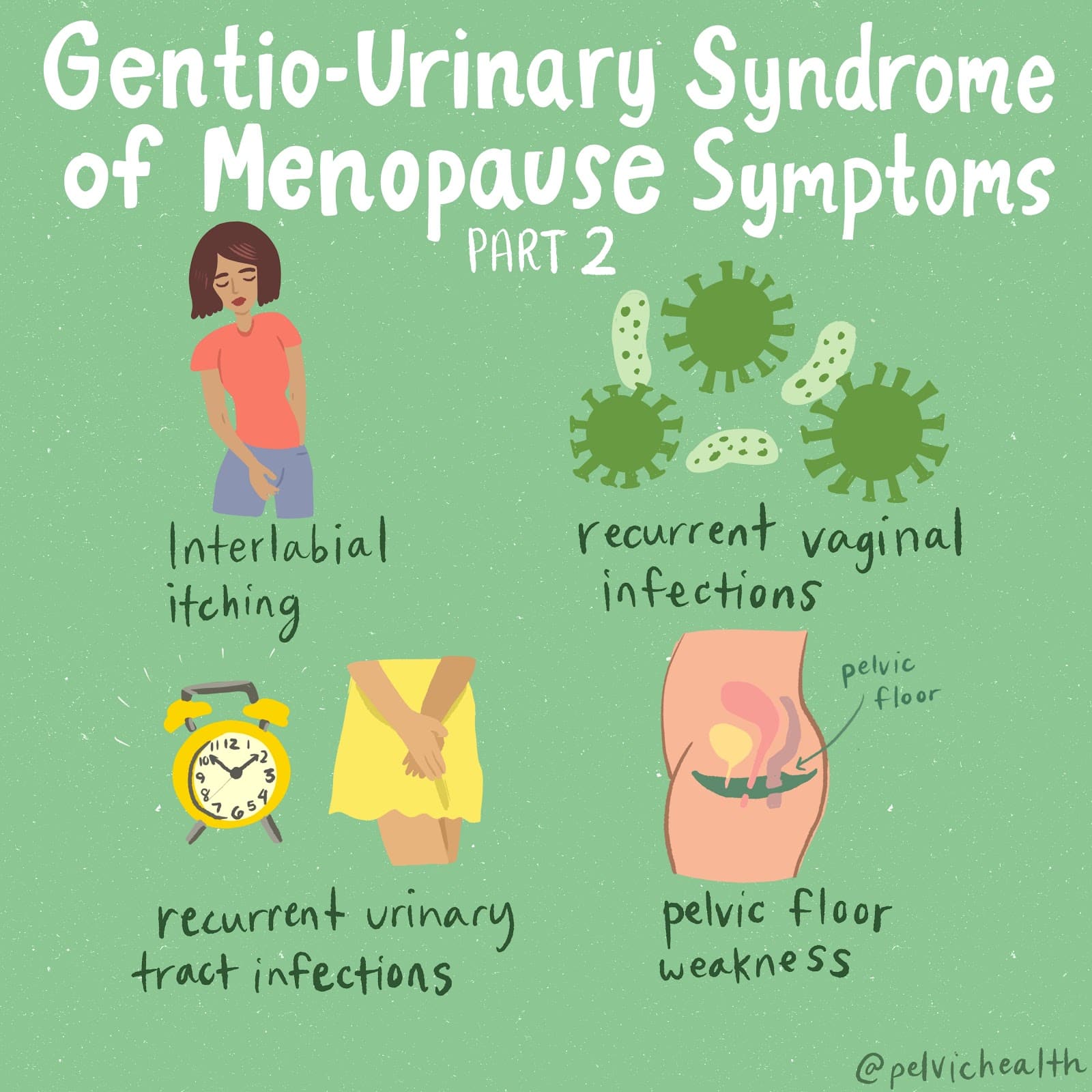
Hormone deficiency can lead to itching in the labial and vaginal areas. Additionally, other dermatological conditions, such as Lichen Sclerosus and cutaneous yeast infections, should also be considered.
During menopause, individuals are particularly susceptible to frequent vaginal and urinary tract infections due to:
- pH and tissue changes
- incomplete bladder emptying
- pelvic organ prolapse compromising urinary function
Recurrent infections are a major contributor to pelvic floor dysfunction. It’s crucial to address these infections promptly, as ongoing visceral-somatic input from untreated infections can lead to increased pain and further dysfunction even after the infection has been resolved. Without appropriate hormone therapy, infections may persist, leading to severe consequences. Untreated infections can cause unprovoked pain, make sexual activity difficult or impossible, and undiagnosed urinary tract infections (UTIs) may progress to kidney issues and other serious complications.
We recommend consulting with a menopause specialist to effectively monitor, prevent, and treat Genitourinary Syndrome of Menopause (GSM) since these issues are both significant and manageable. It’s important to normalize discussions about GSM; there’s no need for embarrassment. With appropriate care, individuals can lead fulfilling lives. Combining virtual pelvic floor physical and occupational therapy with medical management is essential for optimal results.
Treatment:
How We Can Help You
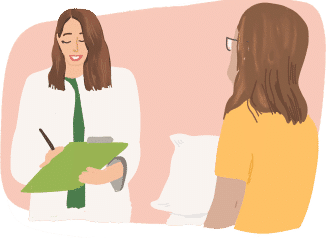
If you’re experiencing sexual dysfunction, it’s beneficial to consult a pelvic floor physical and occupational therapists online. They can assess whether any issues with your pelvic floor are contributing to your symptoms. During your initial virtual evaluation, the therapist will review your medical history, including previous diagnoses, treatments, and their effectiveness. They understand that many patients feel frustrated by the time they seek help.
The therapist will examine your nerves, muscles, joints, tissues, and movement patterns. After the assessment, they will discuss the findings with you and set both short-term and long-term therapy goals. Typically, physical and occupational therapy sessions occur once or twice a week over a period of approximately 12 weeks. Your therapist will also coordinate with other specialists on your treatment team and provide you with a personalized home exercise program. Our goal is to support your recovery and help you achieve the best possible quality of life.
Get virtual pelvic floor therapy for menopause. Book your online consultation today!
Treatment:
How We Can Help You
If you are having issues with your sexual function, it is in your best interest to get evaluated by a therapist for pelvic floor therapy, so they can establish what part, if any, of your pelvic floor may be contributing to the symptoms you are experiencing. During the course of the examination, the physical and occupational therapists will talk to you about your medical history and symptoms, including what you have been previously diagnosed with, the treatments or therapies you have had, and how effective or ineffective these therapies have been for you. It is significant to mention that we fully comprehend what you’ve been dealing with and that the majority of individuals are angry by the time they make it to see us. The physical and occupational therapists will conduct an evaluation of the patient’s nerves, muscles, joints, tissues, and movement patterns while doing the physical examination. After the examination is finished, your therapist will go over the results of the assessment with you. The physical and occupational therapists will conduct an evaluation to determine the cause of your symptoms and will establish both short-term and long-term therapy goals based on the results of the evaluation. Physical therapy treatments are typically administered between once and twice each week for a period of around 12 weeks. Your physical and occupational therapists will assist you in coordinating your recovery with all the other experts on your treatment team. They will provide you with an exercise regimen to complete at home and the sessions you attend in person. We are here to assist you in getting better and living the best life possible.
Get virtual pelvic floor therapy for menopause. Book your online consultation today!



A tampon is “a mass of absorbent material, primarily used as a feminine hygiene product.” The word tampon originated from the medieval French word “tampion,” which literally means a piece of cloth to stop a hole, stamp, plug, or stopper. Let’s break this down. The average woman menstruating for five days a month and approximately 40 years will use about 12,000 tampons or pads. With this being said, I think it’s important we know EVERYTHING about them. I mean we are inserting or placing them in direct contact with our lady parts!
First, let’s talk about the history of tampons and pads so you get a better sense about how they got to be.Women have been creating their own “absorbent material” for thousands of years. In the 15th century B.C., Egyptian women used papyrus, while women in Africa got creative with moss. Cellulose bandages were used by nurses in World War I. Women have always been inventive when coming up with ways to best manage periods. In the 1920s, Lillian Gilbreth, one of the first female engineers, was on a mission to create a better sanitary pad. While working at Johnson & Johnson, she recognized that the best ideas would come from women themselves…shocking! So why is it that men were the leaders when innovating products for women? I guess we will never know but research shows that women had been altering the pads to accommodate their needs. Research also shows that patents related to tampons granted since 1976 show that three of every four of the inventors behind the patents were men. And because men lead the tampon/sanitary pad movement, women were stuck with the “period belt,” which is essentially a jock strap with a sanitary pad between the legs. If you are having difficulty imagining it…click here . Long story short, men should not have been involved in the creation of women’s products.
Tampons are considered a Class II medical device by the Food and Drug Administration (FDA). What does this mean? It means that manufacturers do not adhere to the same chemical regulations or labeling regulations as foods, drugs, or cosmetics. Testing chemical levels of tampons is done by the manufacturer of a private researcher. So you may be asking…so what are tampons made of?!…
Tampons are made of cotton, rayon, and other synthetic fibers. Cotton is one of the most heavily sprayed crops in the world. In fact, most cotton products are now genetically modified and sprayed with glyphosate, which is then passed on to the product. According to a new study at the University of Plata in Argentina, about 85% of tampons and other cotton products contain glyphosate. The World Health Organization has ruled glyphosate as “probably carcinogenic.” In the meantime, countries like France have placed restrictions on glyphosate in order to protect human health. All of this information should be taken with a grain of salt, until more research is conducted, but it is important to note that the feminine hygiene industry does not disclose the ingredients put into pads or tampons (scary). Since 1997, legislation has tried to pass a bill that would require companies to be more transparent and disclose the complete makeup of tampons and pads. This would require companies to clearly label not only the fabric used, but also any contaminants, fragrances, preservatives and dyes. This continues to be a work in progress and the take away is, who knows what is actually in tampons, and we deserve to know. Why would we insert a tampon coated with fragrance when we do not drink perfume? The vaginal mucosa is highly permeable and absorb anything that is inserted, and this area has a direct correlation with the internal organs.
One way to work around this is by purchasing organic pads and tampons so that you KNOW the only ingredient in them is 100% cotton. Here are some alternatives to the more commonly known Playtex and Tampax brands.
Organic Tampons (Cora): A great brand of organic tampons is called Cora. Cora tampons are 100% organic with a BPA-free applicator. There are other organic brands like Seventh Generation, but they do not have an applicator for easy application and comfort. Cora offers regular and super and comes in a sleek nondescript black box so it can be stored in the open. To make it even edgier, the company provides a small, vegan leather clutch for carrying tampons in handbags. The tampons are packaged individually in a geometric black and white pattern that are inserted in black tubes that look like lipstick holders.

Taken from: https://cora.life/
Organic Pads: It is important to make sure you read the materials/ingredients to make sure they are in fact 100% organic. Honest pads are a good option. Make sure to stay away from anything scented. Scented pads are the devil due to all the chemicals involved in making your period blood smell like roses. The chemicals involved with making pads or tampons fragrant are linked to hormone disruption, dryness, and possibly infertility. But more importantly, synthetics and plastic restrict air flow and trap heat/dampness, cultivating a wonderful place for yeast and bacteria growth in the vaginal area. If you don’t like the smell and prefer not to get a yeast infection, check out the Thinx underwear (see below).

Taken from: https://www.honest.com/bath-and-body/cotton-pads
Menstrual Cups: Menstrual cups or period cups are more popular than ever these days. They are small insertable silicone cups made from non-toxic, non-absorbent and flexible materials like silicone. A popular brand is called diva cup. They are priced at about $30 to 40$ a cup and they can be used for up to 10 years making them eco-friendly. Some women notice additional discomfort due to the difficulty with inserting/removing the cup, but women did notice a decrease in odor with using them.
THINX: “Period panties for the modern women.” This is probably one of the cooler inventions. Sexy looking underwear with a built in pad, it’s a modern day miracle! THINX provide a great alternative to women who have difficulty with inserting a tampon due to pelvic pain. And believe it or not, you can get all sorts of different styles of underwear from thongs to boy shorts. They are made of four bits of tech that makes them anti-microbial, moisture wicking, absorbent, and leak resistant. You can wear them all day depending on your flow.For example, the hiphugger holds up to 2 regular tampons worth of blood and can back up one tampon and a menstrual cup on heavy days. Whereas the thong only holds ½ a regular tampon worth of blood, making it a great alternative for spotting. Also, they are great for the environment and 100% organic cotton. To reuse, simply rinse immediately after use, cold wash (waiting until laundry day is fine) and hang dry. This is also a great alternative for women that have any pelvic floor dysfunction.

Taken from: www.shethinx.com
The Tampon Tax: Also, did you know there is a LUXURY TAX on TAMPONS. Currently, the only states that do not include a tax are Massachusetts, New Jersey, Maryland, Pennsylvania, and Minnesota. On average, women in California pay about 7$ per month over 40 years of tampons and sanitary napkins. These products are a basic necessity that should not be taxed. If rogaine is not taxed, why are tampons?!
Resources:
http://www.fda.gov/MedicalDevices/Safety/AlertsandNotices/PatientAlerts/ucm070003.htm
http://www.huffingtonpost.ca/2015/10/07/menstrual-cups-review_n_8253760.html
http://www.huffingtonpost.com/nina-m-lozanoreich-phd/it-pays-to-bleed_b_9234412.html
http://www.womensvoices.org/feminine-care-products/detox-the-box/always-pads-testing-results/
http://www.cnn.com/2015/11/13/health/whats-in-your-pad-or-tampon/
FAQ
What are pelvic floor muscles?
The pelvic floor muscles are a group of muscles that run from the coccyx to the pubic bone. They are part of the core, helping to support our entire body as well as providing support for the bowel, bladder and uterus. These muscles help us maintain bowel and bladder control and are involved in sexual pleasure and orgasm. The technical name of the pelvic floor muscles is the Levator Ani muscle group. The pudendal nerve, the levator ani nerve, and branches from the S2 – S4 nerve roots innervate the pelvic floor muscles. They are under voluntary and autonomic control, which is a unique feature only they possess compared to other muscle groups.
What is pelvic floor physical and occupational therapy?
Pelvic floor physical and occupational therapy is a specialized area of physical and occupational therapy. Currently, physical and occupational therapistss need advanced post-graduate education to be able to help people with pelvic floor dysfunction because pelvic floor disorders are not yet being taught in standard physical and occupational therapy curricula. The Pelvic Health and Rehabilitation Center provides extensive training for our staff because we recognize the limitations of physical and occupational therapy education in this unique area.
What happens at pelvic floor therapy?
During an evaluation for pelvic floor dysfunction the physical and occupational therapists will take a detailed history. Following the history the physical and occupational therapists will leave the room to allow the patient to change and drape themselves. The physical and occupational therapists will return to the room and using gloved hands will perform an external and internal manual assessment of the pelvic floor and girdle muscles. The physical and occupational therapists will once again leave the room and allow the patient to dress. Following the manual examination there may also be an examination of strength, motor control, and overall biomechanics and neuromuscular control. The physical and occupational therapists will then communicate the findings to the patient and together with their patient they establish an assessment, short term and long term goals and a treatment plan. Typically people with pelvic floor dysfunction are seen one time per week for one hour for varying amounts of time based on the severity and chronicity of the disease. A home exercise program will be established and the physical and occupational therapists will help coordinate other providers on the treatment team. Typically patients are seen for 3 months to a year.
What is pudendal neuralgia and how is it treated?
Pudendal Neuralgia is a clinical diagnosis that means pain in the sensory distribution of the pudendal nerve. The pudendal nerve is a mixed nerve that exits the S2 – S4 sacral nerve roots, we have a right and left pudendal nerve and each side has three main trunks: the dorsal branch, the perineal branch, and the inferior rectal branch. The branches supply sensation to the clitoris/penis, labia/scrotum, perineum, anus, the distal ⅓ of the urethra and rectum, and the vulva and vestibule. The nerve branches also control the pelvic floor muscles. The pudendal nerve follows a tortuous path through the pelvic floor and girdle, leaving it vulnerable to compression and tension injuries at various points along its path.
Pudendal Neuralgia occurs when the nerve is unable to slide, glide and move normally and as a result, people experience pain in some or all of the above-mentioned areas. Pelvic floor physical and occupational therapy plays a crucial role in identifying the mechanical impairments that are affecting the nerve. The physical and occupational therapy treatment plan is designed to restore normal neural function. Patients with pudendal neuralgia require pelvic floor physical and occupational therapy and may also benefit from medical management that includes pharmaceuticals and procedures such as pudendal nerve blocks or botox injections.
What is interstitial cystitis and how is it treated?
Interstitial Cystitis is a clinical diagnosis characterized by irritative bladder symptoms such as urinary urgency, frequency, and hesitancy in the absence of infection. Research has shown the majority of patients who meet the clinical definition have pelvic floor dysfunction and myalgia. Therefore, the American Urologic Association recommends pelvic floor physical and occupational therapy as first-line treatment for Interstitial Cystitis. Patients will benefit from pelvic floor physical and occupational therapy and may also benefit from pharmacologic management or medical procedures such as bladder instillations.
Who is the Pelvic Health and Rehabilitation Team?
The Pelvic Health and Rehabilitation Center was founded by Elizabeth Akincilar and Stephanie Prendergast in 2006, they have been treating people with pelvic floor disorders since 2001. They were trained and mentored by a medical doctor and quickly became experts in treating pelvic floor disorders. They began creating courses and sharing their knowledge around the world. They expanded to 11 locations in the United States and developed a residency style training program for their employees with ongoing weekly mentoring. The physical and occupational therapistss who work at PHRC have undergone more training than the majority of pelvic floor physical and occupational therapistss and as a result offer efficient and high quality care.
How many years of experience do we have?
Stephanie and Liz have 24 years of experience and help each and every team member become an expert in the field through their training and mentoring program.
Why PHRC versus anyone else?
PHRC is unique because of the specific focus on pelvic floor disorders and the leadership at our company. We are constantly lecturing, teaching, and staying ahead of the curve with our connections to medical experts and emerging experts. As a result, we are able to efficiently and effectively help our patients restore their pelvic health.
Do we treat men for pelvic floor therapy?
The Pelvic Health and Rehabilitation Center is unique in that the Cofounders have always treated people of all genders and therefore have trained the team members and staff the same way. Many pelvic floor physical and occupational therapistss focus solely on people with vulvas, this is not the case here.
Do I need pelvic floor therapy forever?
The majority of people with pelvic floor dysfunction will undergo pelvic floor physical and occupational therapy for a set amount of time based on their goals. Every 6 -8 weeks goals will be re-established based on the physical improvements and remaining physical impairments. Most patients will achieve their goals in 3 – 6 months. If there are complicating medical or untreated comorbidities some patients will be in therapy longer.
By Elizabeth Akincilar-Rummer, MSPT, Cofounder, PHRC Los Angeles
When is the last time you heard a little voice inside you that tried to give you advice or warn you of danger? Some describe it as ‘butterflies,’ others a ‘gut feeling.’ That feeling can be attributed to the extremely extensive network of over 100 million neurons that make up our gut. That’s more neurons that are in our spinal cord or peripheral nervous system! Our gut is so complex it has often been referred to as our “second brain.” In fact, Michael Gershon, MD, a prominent researcher of the gastrointestinal system, entitled his book, The Second Brain. Since that book was published nearly 20 years ago, our gut has received a lot of attention. Unless you’ve been living under a rock the last few years, you’ve likely heard the somewhat disturbing, yet strangely interesting phrase, ‘fecal transplant’, which is a very successful treatment for the widely feared intestinal bacterial infection, Clostridium difficile, or, C. diff. A quick google search of the word ‘gut’ yields more than 500 million results, whereas a search for ‘low back pain’ only turns up a little more than 11 million results. Terms like ‘leaky gut’, ‘microbiota’, ‘bacteria,’ and ‘probiotics’ dominate the first page of a google search for ‘gut’. It turns out, A LOT of people are interested in their guts.
Our guts do much more than just handle digestion or raise the occasional red flag. It can alter our mood as well as play a key role in many diseases and disorders. Our “second brain” is technically known as the enteric nervous system, which measures almost 30 feet from esophagus to anus. It has its own senses and reflexes, which makes it capable of controlling our gut behavior independently of our brain. You read that correctly. Our bellies literally have a mind of their own.
If you’ve ever spent a day praying to the porcelain god because you ate a bad oyster, or if you just had an upset stomach, it’s probably safe to say that it soured your mood. However, more recent research is suggesting that our everyday mood could be relying on messages from the brain below to the brain above.
In fact, some treatment strategies for depression are identical to those for some gastrointestinal disorders. This suggests that the connection between our gut and our psychological state may be more significant than we previously thought.
The enteric nervous system, as in the brain, has more than 30 neurotransmitters. Two commonly recognized neurotransmitters are serotonin and norepinephrine because of the role they play in depression and anxiety. You’ll probably be surprised to learn that 95% of the body’s serotonin is in fact, found in the gut. More than two million people in the United States suffer from irritable bowel syndrome, which in part is a result of too much serotonin in their bowels. It could be considered a “mental illness” of the gut. Regulation of serotonin by the gut has also been linked to osteoporosis and autism.
This complicated communication is often called the brain-gut axis, which refers to the bidirectional signaling between the brain and the gut microbiota or microbiome. Joshua Lederberg coined the term microbiota as “the ecological community of commensal, symbiotic and pathogenic microorganisms that literally share our body space.” Alterations in the brain-gut microbiota have been implicated in several brain disorders such as autism and Parkinson’s, mood disorders, and chronic pain.
The adult gut microbiota is composed of trillions of microorganisms and contains 100 times as many genes as the whole genome.1 From the moment of birth, our guts are being colonized by bacteria. Many things can affect the amount and type of bacteria that set up shop in our intestines, including the way we came into this world, either through the vaginal canal or via Cesarean section. Whether we were breastfed or fed with formula will alter our microbiota. Rat studies suggest that experiencing stressors very early in life alters the types and abundance of bacteria in our intestines. In fact, these changes may be associated with exaggerated visceral (organ) pain responses, or visceral hypersensitivity, that persist into adulthood.2 Visceral hypersensitivity refers to a decreased pain threshold after a painful stimulus or an exaggerated response to a painful stimulus. There are various ways that visceral hypersensitivity can occur, one of which may include alterations in the gut microbiome. In fact, alterations in the gut microbiota are associated with changes in a variety of pain-related pathways.
So, you’re probably wondering, what impact does our gut microbiota have on pelvic pain? Good question!
In unsurprising news, there has been very little research to explore the connection between pelvic pain and our guts. It wasn’t until 2016 that any research was published on the possible connection between intestinal microbiota and pelvic pain! To date, there are two studies that specifically examined pelvic pain and the gut.
The first study looked at the role the gut microbiota may play in interstitial cystitis/painful bladder syndrome (IC/PBS). Published in Nature in 2016, they compared the DNA from stool and vaginal samples from healthy females to females with IC/PBS. They found differences that suggest that the IC microbiome may be functionally distinct from the normal adult fecal microbiome. This offers two possible exciting opportunities with further research. First, it could aid in correctly diagnosing IC/PBS, a notoriously difficult syndrome to correctly diagnose, and it suggests probiotic/prebiotic therapeutic opportunities for people suffering from IC/PBS.3
The second study studied the gut microbiome in men with chronic prostatitis/chronic pelvic pain syndrome (CP/CPPS) versus healthy men. Most men with CP/CPPS have been treated with multiple and usually unnecessary prolonged courses of antibiotics which can have an effect on the gut microbiome. It has been shown that prolonged courses of antibiotics can alter the intestinal flora, and these changes often do not return to baseline even after the antibiotics have been discontinued.4 They compared patients with CP/CPPS who were not currently taking antibiotics to healthy men. They revealed significant differences in the gut microbiomes between the two groups. Although this was the first study of its kind, this research is exciting as it could aid in better understanding the etiology of CP/CPPS as well as improve treatment strategies.
This emerging research suggesting our gut plays a key role in health and disease is extremely exciting, but before we can bust out the champagne, much more research needs to happen. However, after reviewing the current research, there are a few very interesting possible connections between the gut and chronic pelvic pain that I think are worth repeating.
- People who suffer from pelvic pain as well as other chronic pain syndromes often experience hyperalgesia (an abnormally heightened sensitivity to pain) and altered pain thresholds. Alterations in the gut are also associated with changes in pain perception in other organs.
- Patients with chronic pelvic pain often also suffer from autoimmune disorders, whether they are a contributor to pelvic pain, or a co-morbidity is unclear. The gut microbiota is involved in the development of our immune systems.
- Patients suffering from chronic pelvic pain often have depression, emotional stress, and/or catastrophizing thoughts. Stress can have an effect on the gut microbiome and the gut microbiome can have an effect on our mood and behavior.
Not only could your gut be warning you to stay away from Creeper McCreepster who was staring at you on the bus this morning, but it could also be a large part of a long-awaited solution to many other chronic health issues. Listen to your gut, because you can count on it listening to you.
- Gill SR, Pop M, Deboy RT, et al. Metagenomic analysis of the human distal gut microbiome. Science 2006;312:1355-1359.
- Barouei J, Moussavi M, Hodgson DM. Effect of maternal probiotic intervention of HPA axis, immunity and gut microbiota in a rat model of irritable bowel syndrome. PLoS One 2012;7:e46051.
- Braundmeier-Fleming A et al. Stool-based biomarkers of interstitial cystitis/bladder pain syndrome. Nature. Scientific Reports. May 2016.
- Dethlefsen L and Relman DA: Incomplete recovery and individualized responses of the human distal gut microbiota to repeated antibiotic perturbation. Proc Natl Acad Sci USA 2011;108:4554.
FAQ
What are pelvic floor muscles?
The pelvic floor muscles are a group of muscles that run from the coccyx to the pubic bone. They are part of the core, helping to support our entire body as well as providing support for the bowel, bladder and uterus. These muscles help us maintain bowel and bladder control and are involved in sexual pleasure and orgasm. The technical name of the pelvic floor muscles is the Levator Ani muscle group. The pudendal nerve, the levator ani nerve, and branches from the S2 – S4 nerve roots innervate the pelvic floor muscles. They are under voluntary and autonomic control, which is a unique feature only they possess compared to other muscle groups.
What is pelvic floor physical and occupational therapy?
Pelvic floor physical and occupational therapy is a specialized area of physical and occupational therapy. Currently, physical and occupational therapistss need advanced post-graduate education to be able to help people with pelvic floor dysfunction because pelvic floor disorders are not yet being taught in standard physical and occupational therapy curricula. The Pelvic Health and Rehabilitation Center provides extensive training for our staff because we recognize the limitations of physical and occupational therapy education in this unique area.
What happens at pelvic floor therapy?
During an evaluation for pelvic floor dysfunction the physical and occupational therapists will take a detailed history. Following the history the physical and occupational therapists will leave the room to allow the patient to change and drape themselves. The physical and occupational therapists will return to the room and using gloved hands will perform an external and internal manual assessment of the pelvic floor and girdle muscles. The physical and occupational therapists will once again leave the room and allow the patient to dress. Following the manual examination there may also be an examination of strength, motor control, and overall biomechanics and neuromuscular control. The physical and occupational therapists will then communicate the findings to the patient and together with their patient they establish an assessment, short term and long term goals and a treatment plan. Typically people with pelvic floor dysfunction are seen one time per week for one hour for varying amounts of time based on the severity and chronicity of the disease. A home exercise program will be established and the physical and occupational therapists will help coordinate other providers on the treatment team. Typically patients are seen for 3 months to a year.
What is pudendal neuralgia and how is it treated?
Pudendal Neuralgia is a clinical diagnosis that means pain in the sensory distribution of the pudendal nerve. The pudendal nerve is a mixed nerve that exits the S2 – S4 sacral nerve roots, we have a right and left pudendal nerve and each side has three main trunks: the dorsal branch, the perineal branch, and the inferior rectal branch. The branches supply sensation to the clitoris/penis, labia/scrotum, perineum, anus, the distal ⅓ of the urethra and rectum, and the vulva and vestibule. The nerve branches also control the pelvic floor muscles. The pudendal nerve follows a tortuous path through the pelvic floor and girdle, leaving it vulnerable to compression and tension injuries at various points along its path.
Pudendal Neuralgia occurs when the nerve is unable to slide, glide and move normally and as a result, people experience pain in some or all of the above-mentioned areas. Pelvic floor physical and occupational therapy plays a crucial role in identifying the mechanical impairments that are affecting the nerve. The physical and occupational therapy treatment plan is designed to restore normal neural function. Patients with pudendal neuralgia require pelvic floor physical and occupational therapy and may also benefit from medical management that includes pharmaceuticals and procedures such as pudendal nerve blocks or botox injections.
What is interstitial cystitis and how is it treated?
Interstitial Cystitis is a clinical diagnosis characterized by irritative bladder symptoms such as urinary urgency, frequency, and hesitancy in the absence of infection. Research has shown the majority of patients who meet the clinical definition have pelvic floor dysfunction and myalgia. Therefore, the American Urologic Association recommends pelvic floor physical and occupational therapy as first-line treatment for Interstitial Cystitis. Patients will benefit from pelvic floor physical and occupational therapy and may also benefit from pharmacologic management or medical procedures such as bladder instillations.
Who is the Pelvic Health and Rehabilitation Team?
The Pelvic Health and Rehabilitation Center was founded by Elizabeth Akincilar and Stephanie Prendergast in 2006, they have been treating people with pelvic floor disorders since 2001. They were trained and mentored by a medical doctor and quickly became experts in treating pelvic floor disorders. They began creating courses and sharing their knowledge around the world. They expanded to 11 locations in the United States and developed a residency style training program for their employees with ongoing weekly mentoring. The physical and occupational therapistss who work at PHRC have undergone more training than the majority of pelvic floor physical and occupational therapistss and as a result offer efficient and high quality care.
How many years of experience do we have?
Stephanie and Liz have 24 years of experience and help each and every team member become an expert in the field through their training and mentoring program.
Why PHRC versus anyone else?
PHRC is unique because of the specific focus on pelvic floor disorders and the leadership at our company. We are constantly lecturing, teaching, and staying ahead of the curve with our connections to medical experts and emerging experts. As a result, we are able to efficiently and effectively help our patients restore their pelvic health.
Do we treat men for pelvic floor therapy?
The Pelvic Health and Rehabilitation Center is unique in that the Cofounders have always treated people of all genders and therefore have trained the team members and staff the same way. Many pelvic floor physical and occupational therapistss focus solely on people with vulvas, this is not the case here.
Do I need pelvic floor therapy forever?
The majority of people with pelvic floor dysfunction will undergo pelvic floor physical and occupational therapy for a set amount of time based on their goals. Every 6 -8 weeks goals will be re-established based on the physical improvements and remaining physical impairments. Most patients will achieve their goals in 3 – 6 months. If there are complicating medical or untreated comorbidities some patients will be in therapy longer.
Lorem Ipsum is simply dummy text of the printing and typesetting industry. Lorem Ipsum has been the industry’s standard dummy text ever since the 1500s, when an unknown printer took a galley of type and scrambled it to make a type specimen book. It has survived not only five centuries, but also the leap into electronic typesetting, remaining essentially unchanged. It was popularised in the 1960s with the release of Letraset sheets containing Lorem Ipsum passages, and more recently with desktop publishing software like Aldus PageMaker including versions of Lorem Ipsum.
Lorem Ipsum is simply dummy text of the printing and typesetting industry. Lorem Ipsum has been the industry’s standard dummy text ever since the 1500s, when an unknown printer took a galley of type and scrambled it to make a type specimen book. It has survived not only five centuries, but also the leap into electronic typesetting, remaining essentially unchanged. It was popularised in the 1960s with the release of Letraset sheets containing Lorem Ipsum passages, and more recently with desktop publishing software like Aldus PageMaker including versions of Lorem Ipsum.
Lorem Ipsum is simply dummy text of the printing and typesetting industry. Lorem Ipsum has been the industry’s standard dummy text ever since the 1500s, when an unknown printer took a galley of type and scrambled it to make a type specimen book. It has survived not only five centuries, but also the leap into electronic typesetting, remaining essentially unchanged. It was popularised in the 1960s with the release of Letraset sheets containing Lorem Ipsum passages, and more recently with desktop publishing software like Aldus PageMaker including versions of Lorem Ipsum.