
Sexual dysfunction is defined as persistent, recurrent difficulty with sexual response, desire, orgasm, or pain. The pelvic floor muscles are intimately involved in sexual function. In men, they help maintain the rigidity of an erection, and in both sexes, they rapidly and repetitively contract during orgasm, and under normal circumstances, they do not hurt before, during, or after sexual activity and are a source of pleasure for people. When pelvic floor dysfunction arises, sexual pleasure is often replaced with pain and loss of normal function. The symptoms are understandably distressing for people, but the good news is that pelvic floor physical and occupational therapy can help.
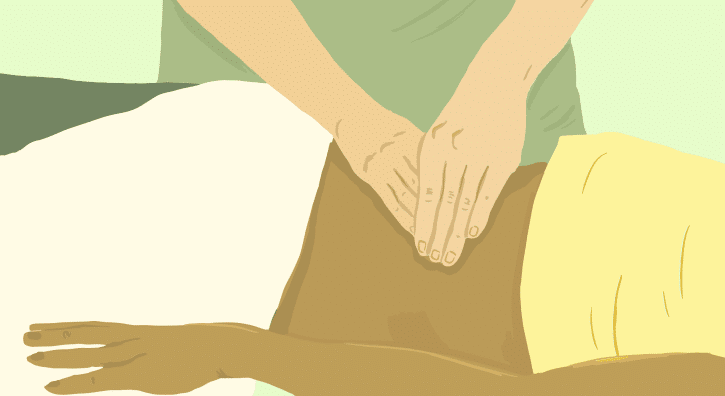

The Facts
- One in three premenopausal women will experience painful sex at some point during her life
- 15 -72% of men under 40 years old report symptoms of erectile dysfunction
- 52% of men aged 40 -70 years old experience mild to moderate erectile dysfunction
- Up to 80% of men have erectile dysfunction after prostatectomy
- 60% of women in menopause do not report painful sex to their doctors because they are embarassed
- Medications such as oral contraceptive pills and acne medications can cause vulvar pain and decreased ability to naturally lubricate
- 65% of postpartum women still experience painful sex 18 months after delivery
Sexual dysfunction is defined as persistent, recurrent difficulty with sexual response, desire, orgasm, or pain. The pelvic floor muscles are intimately involved in sexual function. In men, they help maintain the rigidity of an erection, and in both sexes, they rapidly and repetitively contract during orgasm, and under normal circumstances, they do not hurt before, during, or after sexual activity and are a source of pleasure for people. When pelvic floor dysfunction arises, sexual pleasure is often replaced with pain and loss of normal function. The symptoms are understandably distressing for people, but the good news is that pelvic floor physical and occupational therapy can help.
The Facts
- One in three premenopausal women will experience painful sex at some point during her life
- 15 -72% of men under 40 years old report symptoms of erectile dysfunction
- 52% of men aged 40 -70 years old experience mild to moderate erectile dysfunction
- Up to 80% of men have erectile dysfunction after prostatectomy
- 60% of women in menopause do not report painful sex to their doctors because they are embarassed
- Medications such as oral contraceptive pills and acne medications can cause vulvar pain and decreased ability to naturally lubricate
- 65% of postpartum women still experience painful sex 18 months after delivery
Symptoms
*Sexual Dysfunction in people with a penis
- Erectile dysfunction: poor quality, inability to achieve erection, inability to maintain erection, premature ejaculation
- Decreased force or inability to ejaculate
- Climacturia (incontinence with orgasm)
- Post ejaculatory pain: tip and/or shaft of penis, perineum, scrotum
- Discoloration in penis/scrotum/perineum
Postpartum Sexual Dysfunction
- Decreased lubrication during breastfeeding
- Perineal pain with touch from episiotomy or perineal trauma
- Diminished or absent orgasm
- Incontinence during orgasm or intercourse
- Painful sex
*Sexual Dysfunction in people with vulvas/vaginas
- Inability or decreased ability to lubricate
- Pain upon vaginal penetration, with deep penetration only, and/or continuous pain with penetration
- Clitoral pain, hypersensitivity to touch
- Pain and/or burning after sexual contact
- Inability to orgasm, diminished orgasm
- Urinary incontinence during sexual activity
- Climacturia (incontinence with orgasm)
Menopausal Sexual Dysfunction and Post-gynecologic cancer treatment
- Decreased ability to lubricate
- Inability to achieve or difficulty with vaginal penetration
- Painful sex: during and/or after
- Diminished or absent orgasm
Symptoms
*Sexual Dysfunction in people with a penis
- Erectile dysfunction: poor quality, inability to achieve erection, inability to maintain erection, premature ejaculation
- Decreased force or inability to ejaculate
- Climacturia (incontinence with orgasm)
- Post ejaculatory pain: tip and/or shaft of penis, perineum, scrotum
- Discoloration in penis/scrotum/perineum
*Sexual Dysfunction in people with vulvas/vaginas
- Inability or decreased ability to lubricate
- Pain upon vaginal penetration, with deep penetration only, and/or continuous pain with penetration
- Clitoral pain, hypersensitivity to touch
- Pain and/or burning after sexual contact
- Inability to orgasm, diminished orgasm
- Urinary incontinence during sexual activity
- Climacturia (incontinence with orgasm)
Postpartum Sexual Dysfunction
- Decreased lubrication during breastfeeding
- Perineal pain with touch from episiotomy or perineal trauma
- Diminished or absent orgasm
- Incontinence during orgasm or intercourse
- Painful sex
Menopausal Sexual Dysfunction and Post-gynecologic cancer treatment
- Decreased ability to lubricate
- Inability to achieve or difficulty with vaginal penetration
- Painful sex: during and/or after
- Diminished or absent orgasm
Associated Diagnoses
Diagnoses such as Endometriosis, Vulvodynia, Interstitial Cystitis/Painful Bladder Syndrome, Pudendal Neuralgia, Chronic Pelvic Pain Syndrome/Male Pelvic Pain, Lichen Sclerosus, Lichen Planus, Pelvic Floor Dysfunction, post-prostatectomy complications, and Genitourinary Syndrome of Menopause are all associated with sexual dysfunction and pelvic pain.
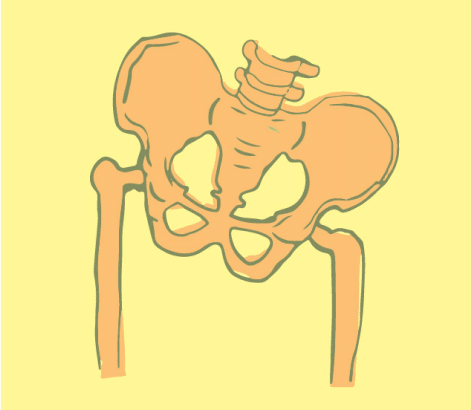
Associated Diagnoses
Diagnoses such as Endometriosis, Vulvodynia, Interstitial Cystitis/Painful Bladder Syndrome, Pudendal Neuralgia, Chronic Pelvic Pain Syndrome/Male Pelvic Pain, Lichen Sclerosus, Lichen Planus, Pelvic Floor Dysfunction, post-prostatectomy complications, and Genitourinary Syndrome of Menopause are all associated with sexual dysfunction and pelvic pain.

Causes of Sexual Dysfunction
- Pelvic pain syndromes associated with pelvic floor dysfunction (above)
- Childbirth
- Medications
- Obesity
- Cardiovascular disease
- Menopause
- Jelqing
- Genital mutilation, genital cutting
- Surgically-induced
- Pelvic Floor Reconstruction
- Prostatectomy
- Gender affirming surgery
- Episiotomy
- Vestibulectomy
- Pudendal Nerve Decompression
- Mesh excision
Causes of Sexual Dysfunction
- Pelvic pain syndromes associated with pelvic floor dysfunction (above)
- Childbirth
- Medications
- Obesity
- Cardiovascular disease
- Menopause
- Jelqing
- Genital mutilation, genital cutting
- Surgically-induced
- Pelvic Floor Reconstruction
- Prostatectomy
- Gender affirming surgery
- Episiotomy
- Vestibulectomy
- Pudendal Nerve Decompression
- Mesh excision
Diagnostic Challenges
A recent study showed that the majority of medical providers are not comfortable talking to their patients about sex, and similarly, patients are not comfortable talking to their doctors about sex. Studies also show the LGBQT community is often discriminated against and their sexual health suffers as a result. As a medical community, we must do better. It is our mission at PHRC to make sure all of our patients feel safe and supported in all aspects of pelvic health. Many people do not realize sexual health has become a medical specialty itself, and help is available! Sexual pleasure involves the body and mind and the best care to improve function is often interdisciplinary, involving medical management, behavioral health services/psychologists, and pelvic floor physical and occupational therapy.
Diagnostic Challenges
A recent study showed that the majority of medical providers are not comfortable talking to their patients about sex, and similarly, patients are not comfortable talking to their doctors about sex. Studies also show the LGBQT community is often discriminated against and their sexual health suffers as a result. As a medical community, we must do better. It is our mission at PHRC to make sure all of our patients feel safe and supported in all aspects of pelvic health. Many people do not realize sexual health has become a medical specialty itself, and help is available! Sexual pleasure involves the body and mind and the best care to improve function is often interdisciplinary, involving medical management, behavioral health services/psychologists, and pelvic floor physical and occupational therapy.
Treatment:
How We Can Help You
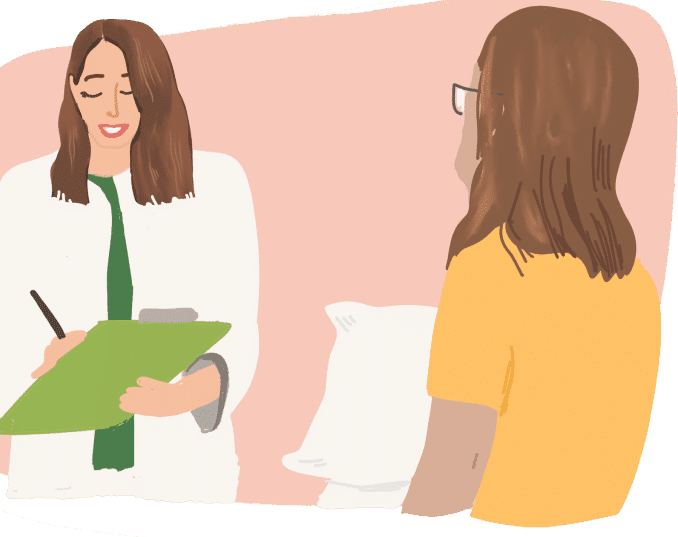
If you are experiencing sexual dysfunction, you will benefit from an evaluation with a pelvic floor physical and occupational therapist to determine the role your pelvic floor may be playing in your symptoms. During the evaluation, your physical and occupational therapist reviews your history and symptoms with you, what you have been diagnosed with in the past, the treatments you have undergone, and how effective or ineffective these treatments have been. Importantly, we understand what you have been going through and that most people are frustrated by the time they get to see us.
During the physical examination, your pelvic floor physical and occupational therapist examines muscles, tissues, joints, nerves, and movement patterns. Once the examination is complete, your therapist reviews your findings with you. They also create an assessment that explains how you developed your symptoms and create short and long-term goals for your treatment plan.
Typically, the frequency of physical and occupational therapy treatment is one to two times per week for roughly 12 weeks. You are given a home exercise program to complement your in-person sessions, and your physical and occupational therapists will help to coordinate your recovery with the other members of your treatment team. We are here to help you recover and live your best life!
Treatment:
How We Can Help You
If you are experiencing sexual dysfunction, you will benefit from an evaluation with a pelvic floor physical and occupational therapist to determine the role your pelvic floor may be playing in your symptoms. During the evaluation, your physical and occupational therapist reviews your history and symptoms with you, what you have been diagnosed with in the past, the treatments you have undergone, and how effective or ineffective these treatments have been. Importantly, we understand what you have been going through and that most people are frustrated by the time they get to see us.
During the physical examination, your pelvic floor physical and occupational therapist examines muscles, tissues, joints, nerves, and movement patterns. Once the examination is complete, your therapist reviews your findings with you. They also create an assessment that explains how you developed your symptoms and create short and long-term goals for your treatment plan.
Typically, the frequency of physical and occupational therapy treatment is one to two times per week for roughly 12 weeks. You are given a home exercise program to complement your in-person sessions, and your physical and occupational therapists will help to coordinate your recovery with the other members of your treatment team. We are here to help you recover and live your best life!
How Can We Help You?
Please use the form below to send us any questions or comments. You must include your e-mail address in order for us to send a response. Please be assured that all of your information will be kept confidential.


Join The Newsletter. Win a copy of our book, “Pelvic Pain Explained!”
We love getting to know our website visitors. Please tell us a little bit about yourself and get the latest info via PHRC e-newsletter!
*Subscribers automatically eligible to win our book, “Pelvic Pain Explained.”

At its heart, Pelvic Pain Explained is the story of how patients develop pelvic pain, the challenges patients and providers face throughout the diagnosis and treatment process, the difficult task of sifting through the different available treatment options, and the impact that an “invisible” condition has on a patient’s life and relationships, and much more.
Frequently Asked Questions
Can pelvic floor physical and occupational therapy help both men and women with sexual dysfunction?
Yes. Our team of pelvic floor physical and occupational therapists works with people of all genders who experience sexual dysfunction, including both male and female sexual dysfunction. For people with a penis, we often address concerns such as erectile dysfunction, premature ejaculation, climacturia, and post-ejaculatory pain. For people with a vulva or vagina, therapy can help with painful penetration, decreased lubrication, clitoral pain, diminished orgasm, and urinary incontinence during sexual activity. We start with a thorough evaluation of your history and symptoms, then create a pelvic floor physical and occupational therapy plan that focuses on your unique needs and goals.
Will a pelvic floor physical and occupational therapist use internal techniques?
Our team of pelvic floor physical and occupational therapists may use both external and internal techniques depending on your symptoms, comfort, and goals. Internal therapy allows us to assess the vaginal muscles, pelvic tissues, and nerve sensitivity. With your consent, this can involve gentle palpation through the vagina or rectum to release tension, improve coordination, and restore normal function. Internal treatment can reduce sexual pain and increase comfort during intimacy. We always explain what we are doing, why we are doing it, and make sure you feel comfortable and respected throughout the process.
How long does it take to see changes in sexual function?
Every person’s timeline looks different, but most of our patients begin to notice improvements within several weeks of consistent treatment. On average, sessions are scheduled one to two times per week for about 12 weeks, along with a home exercise program designed to complement in-person therapy. For some patients, progress includes reduced sexual arousal disorders, improved lubrication, and stronger orgasms. We work closely with you and your care team to track improvements and adjust the plan as needed.
Can pelvic floor physical and occupational therapy help with painful intercourse?
Yes. Painful intercourse is one of the most common reasons people come to see our pelvic floor physical and occupational therapists. Pain can be related to tight pelvic floor muscles, scar tissue, or hormonal changes. Conditions such as pelvic organ prolapse, postpartum trauma, and menopause can also contribute. We use gentle manual therapy, relaxation techniques, and exercises to help restore tissue mobility and improve comfort with sexual stimulation. Over time, these treatments can reduce pain and allow sexual activity to feel safe and enjoyable again.
Can it improve arousal and orgasm difficulties?
Yes. Our team of pelvic floor physical and occupational therapists helps many patients with diminished arousal or difficulty reaching orgasm. Your pelvic floor muscles play a very important role in sexual response, and when they are weak, tight, or uncoordinated, sexual sensation and climax can be affected. In some cases, underlying issues such as pelvic inflammatory disease or pelvic floor inflammatory disease have created lasting changes in the pelvic floor. Through hands-on therapy, muscle retraining, and exercises that improve circulation, we help support better sexual function, improved sexual desire, and more satisfying orgasms.