

Menopause encompasses more than just hot flashes, night sweats, and mood swings. Despite being a common phase affecting roughly half of the population, menopause is often misunderstood, both by the public and many healthcare providers. This gap in knowledge can lead to unnecessary suffering, as many individuals are not fully informed about effective treatments.
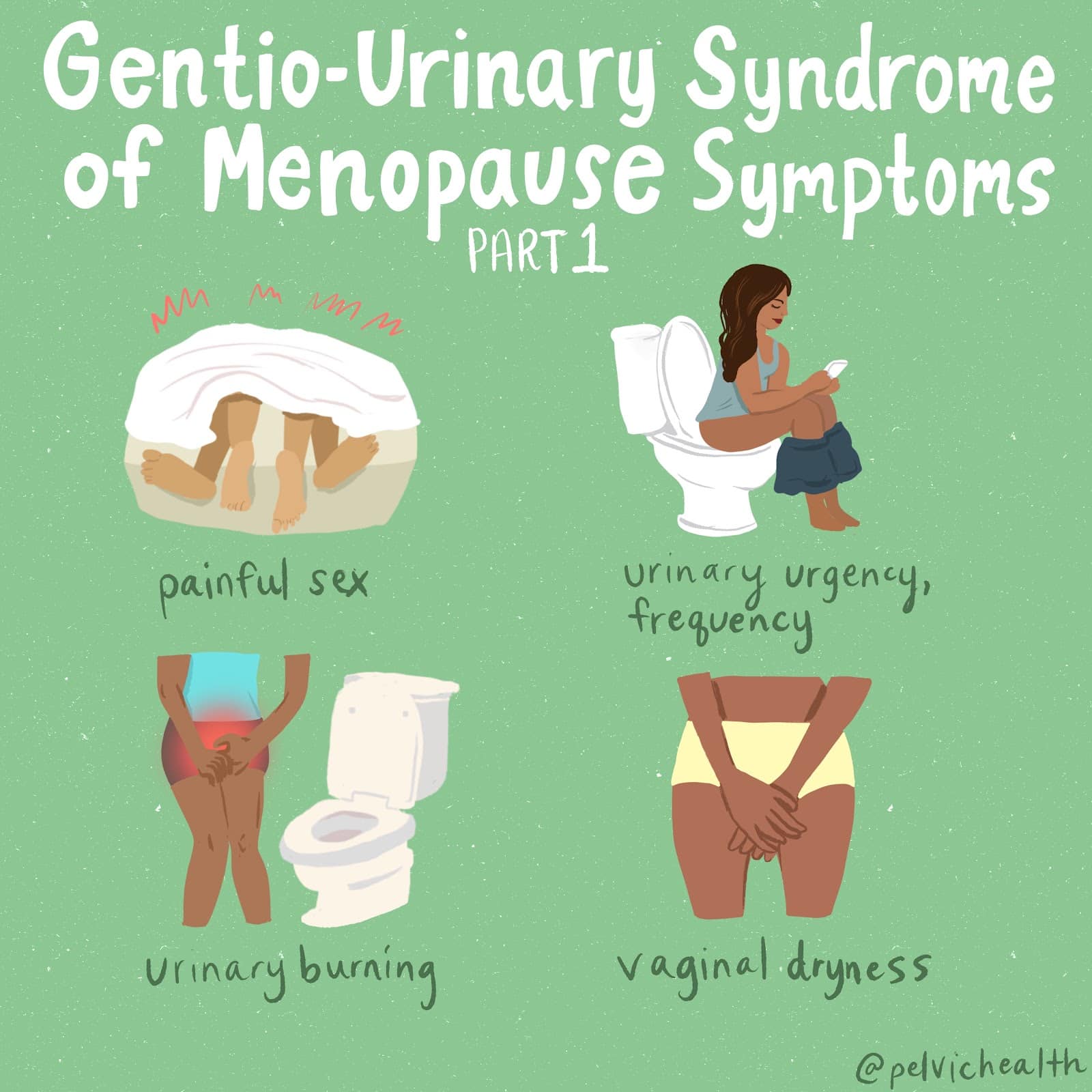
Perimenopause, the transitional phase leading up to menopause, typically begins in a person’s 40s, with menopause itself usually occurring in the early 50s. While systemic symptoms like hot flashes and mood changes are well-known, many people also experience less obvious but equally impactful genitourinary symptoms. These can include painful intercourse, urinary urgency, frequent urination, leakage, burning sensations, recurrent vaginal and urinary tract infections, and vaginal dryness. Collectively, these symptoms are part of the Genitourinary Syndrome of Menopause (GSM). Additionally, many women experience pelvic floor dysfunction, which affects nearly 50% of women by their 50s and can overlap with GSM symptoms.
While systemic hormonal therapy is commonly used to manage menopause symptoms, it may not address the specific needs of those experiencing GSM. The North American Menopause Society recommends the use of vaginal estrogen as an effective treatment for alleviating GSM symptoms and improving quality of life.
Menopause encompasses more than just hot flashes, night sweats, and mood swings. Despite being a common phase affecting roughly half of the population, menopause is often misunderstood, both by the public and many healthcare providers. This gap in knowledge can lead to unnecessary suffering, as many individuals are not fully informed about effective treatments.
Perimenopause, the transitional phase leading up to menopause, typically begins in a person’s 40s, with menopause itself usually occurring in the early 50s. While systemic symptoms like hot flashes and mood changes are well-known, many people also experience less obvious but equally impactful genitourinary symptoms. These can include painful intercourse, urinary urgency, frequent urination, leakage, burning sensations, recurrent vaginal and urinary tract infections, and vaginal dryness. Collectively, these symptoms are part of the Genitourinary Syndrome of Menopause (GSM). Additionally, many women experience pelvic floor dysfunction, which affects nearly 50% of women by their 50s and can overlap with GSM symptoms.
While systemic hormonal therapy is commonly used to manage menopause symptoms, it may not address the specific needs of those experiencing GSM. The North American Menopause Society recommends the use of vaginal estrogen as an effective treatment for alleviating GSM symptoms and improving quality of life.
Differential Diagnosis:
GSM or Pelvic Floor Dysfunction
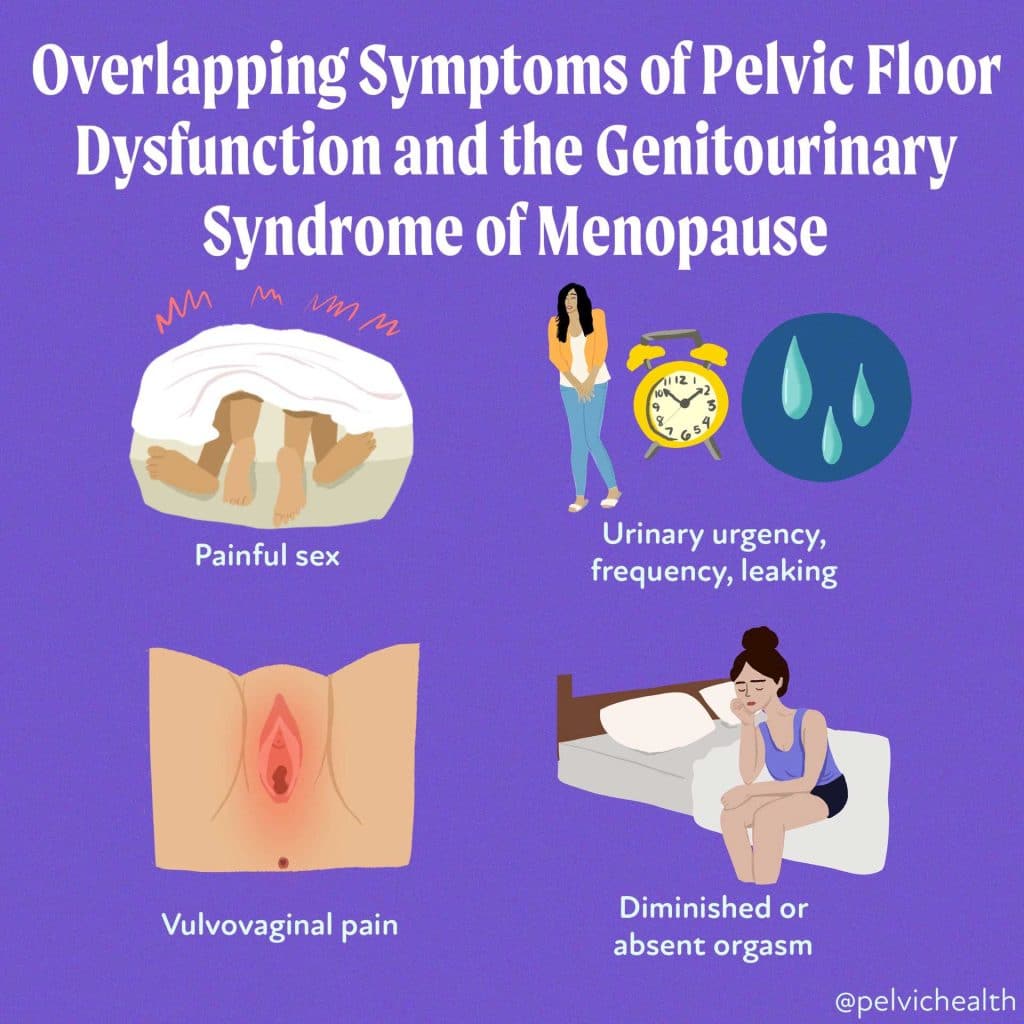
Symptoms of pelvic floor dysfunction and Genitourinary Syndrome of Menopause (GSM) can overlap and include:
- Urinary urgency, frequency, burning, nocturia
- Feelings of bladder or pelvic pressure
- Painful sex
- Diminished or absent orgasm
- Difficulty evacuating stool
- Vulvovaginal pain and burning
- Pain with sitting
An experienced healthcare provider, whether a pelvic floor physical and occupational therapists or a medical doctor, can conduct several assessments to diagnose pelvic floor dysfunction, hormonal deficiencies, and pelvic organ prolapse. These evaluations include a vulvovaginal visual examination, a Q-tip test to pinpoint areas of pain, and a digital manual examination.
Without appropriate medical management, all women may eventually experience symptoms of Genitourinary Syndrome of Menopause (GSM). Many are unaware that a pelvic floor physical and occupational therapy evaluation can be highly beneficial for addressing the musculoskeletal issues contributing to their discomfort. Combining pelvic floor physical and occupational therapy with medical treatments can be crucial for improving sexual enjoyment and resolving urinary and bowel problems.
Virtual pelvic floor therapy for menopause—contact us to get started!
FACTS
From: https://www.letstalkmenopause.org/further-reading
- Every day, approximately 6,000 women reach menopause.
- In the United States, around 50 million women are currently navigating menopause.
- About 84% of women experience genital, sexual, and urinary discomfort related to menopause, which often does not resolve without intervention, yet fewer than 25% seek assistance.
- An estimated 80% of OB-GYN residents acknowledge feeling inadequately prepared to address menopause-related issues.
- Genitourinary Syndrome of Menopause (GSM) is clinically identified in 90% of postmenopausal women, yet only one-third report experiencing symptoms in surveys.
- Barriers to treatment include women needing to initiate discussions about their symptoms, a belief that these issues are simply part of aging, and a failure to connect symptoms with menopause.
- Only 13% of healthcare providers routinely inquire about menopause-related symptoms with their patients.
- Even after a diagnosis of GSM, many women remain untreated. This is partly due to healthcare providers’ reluctance to prescribe treatments and patients’ concerns about the safety of topical vaginal therapies, despite evidence showing that GSM significantly affects quality of life.
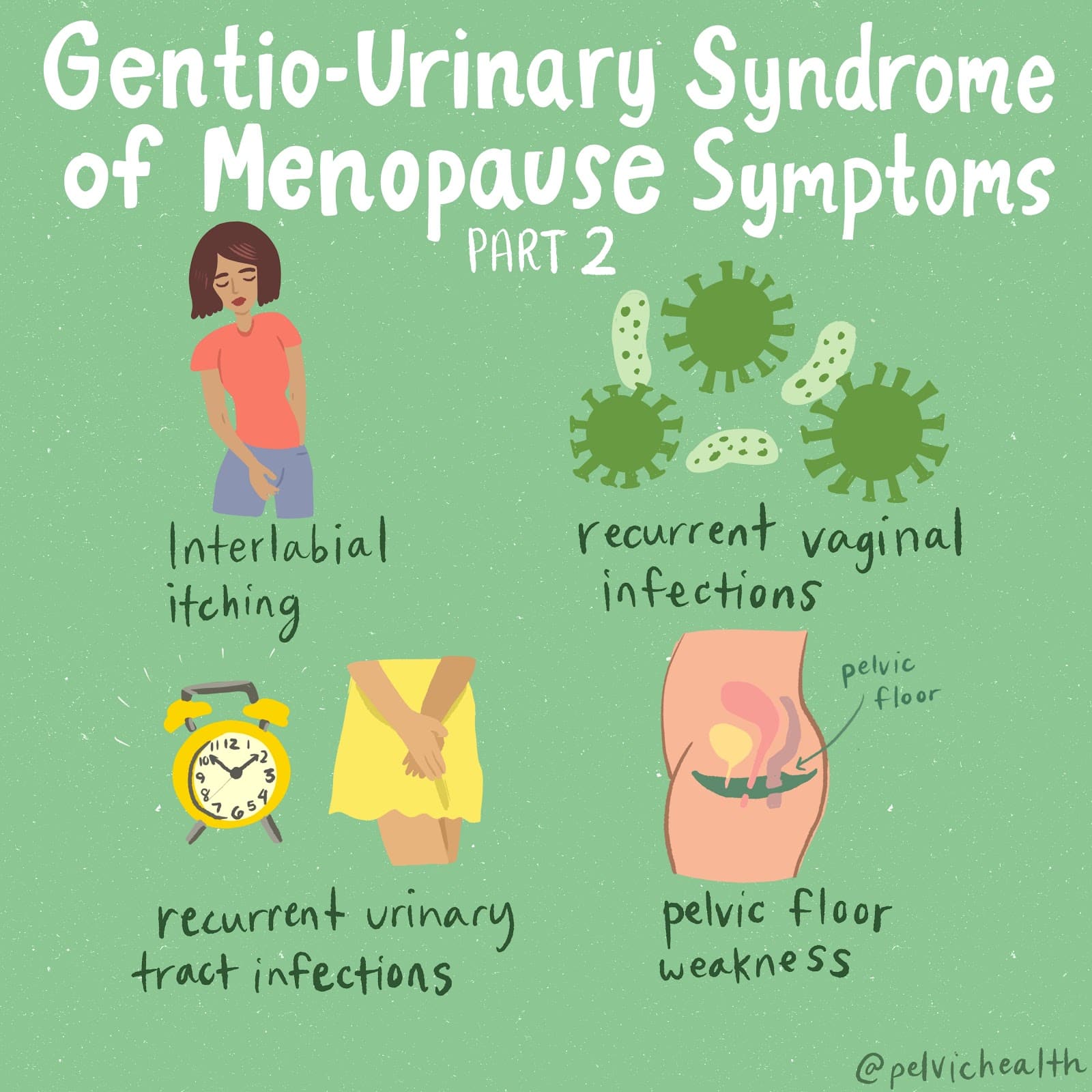
Hormone deficiency can lead to itching in the labial and vaginal areas. Additionally, other dermatological conditions, such as Lichen Sclerosus and cutaneous yeast infections, should also be considered.
During menopause, individuals are particularly susceptible to frequent vaginal and urinary tract infections due to:
- pH and tissue changes
- incomplete bladder emptying
- pelvic organ prolapse compromising urinary function
Recurrent infections are a major contributor to pelvic floor dysfunction. It’s crucial to address these infections promptly, as ongoing visceral-somatic input from untreated infections can lead to increased pain and further dysfunction even after the infection has been resolved. Without appropriate hormone therapy, infections may persist, leading to severe consequences. Untreated infections can cause unprovoked pain, make sexual activity difficult or impossible, and undiagnosed urinary tract infections (UTIs) may progress to kidney issues and other serious complications.
We recommend consulting with a menopause specialist to effectively monitor, prevent, and treat Genitourinary Syndrome of Menopause (GSM) since these issues are both significant and manageable. It’s important to normalize discussions about GSM; there’s no need for embarrassment. With appropriate care, individuals can lead fulfilling lives. Combining virtual pelvic floor physical and occupational therapy with medical management is essential for optimal results.
Treatment:
How We Can Help You
If you’re experiencing sexual dysfunction, it’s beneficial to consult a pelvic floor physical and occupational therapists online. They can assess whether any issues with your pelvic floor are contributing to your symptoms. During your initial virtual evaluation, the therapist will review your medical history, including previous diagnoses, treatments, and their effectiveness. They understand that many patients feel frustrated by the time they seek help.
The therapist will examine your nerves, muscles, joints, tissues, and movement patterns. After the assessment, they will discuss the findings with you and set both short-term and long-term therapy goals. Typically, physical and occupational therapy sessions occur once or twice a week over a period of approximately 12 weeks. Your therapist will also coordinate with other specialists on your treatment team and provide you with a personalized home exercise program. Our goal is to support your recovery and help you achieve the best possible quality of life.
Get virtual pelvic floor therapy for menopause. Book your online consultation today!

Treatment:
How We Can Help You
If you are having issues with your sexual function, it is in your best interest to get evaluated by a therapist for pelvic floor therapy, so they can establish what part, if any, of your pelvic floor may be contributing to the symptoms you are experiencing. During the course of the examination, the physical and occupational therapists will talk to you about your medical history and symptoms, including what you have been previously diagnosed with, the treatments or therapies you have had, and how effective or ineffective these therapies have been for you. It is significant to mention that we fully comprehend what you’ve been dealing with and that the majority of individuals are angry by the time they make it to see us. The physical and occupational therapists will conduct an evaluation of the patient’s nerves, muscles, joints, tissues, and movement patterns while doing the physical examination. After the examination is finished, your therapist will go over the results of the assessment with you. The physical and occupational therapists will conduct an evaluation to determine the cause of your symptoms and will establish both short-term and long-term therapy goals based on the results of the evaluation. Physical therapy treatments are typically administered between once and twice each week for a period of around 12 weeks. Your physical and occupational therapists will assist you in coordinating your recovery with all the other experts on your treatment team. They will provide you with an exercise regimen to complete at home and the sessions you attend in person. We are here to assist you in getting better and living the best life possible.
Get virtual pelvic floor therapy for menopause. Book your online consultation today!


By Melinda Fontaine
The physical and occupational therapistss at PHRC work as a team to help each other figure out the most efficient ways to help our patients. One way we share information is through weekly case studies, where one of our physical and occupational therapistss describes a patient’s case, why they chose to evaluate the structures they did, how the results of the evaluation lead to an assessment and treatment plan, and how the therapists carried out the treatment plan to help the patient reach their goals. This week’s blog features a case study by Melinda Fontaine, a PHRC physical and occupational therapists in our Berkeley location.
Here is what Melinda has to say:
ABOUT ROBERT
Robert, a healthy 34 year old man, started having pain in his tailbone, especially with sitting, driving, having sex, having bowel movements, and exercising. The only things he could think that might have contributed to his pain were heavy squats and abdominal workouts. He later started to have scrotal pain as well. Robert went to a doctor who did a pudendal nerve block. After the nerve block, he developed a rectal abscess at the site of the injection, which is an uncommon response to the procedure. This abscess then turned into a fistula, which is an abnormal tunnel between the anal canal and the skin. Fistulas are problematic because they can lead to serious infections. Because of this risk Robert underwent a fistulotomy, a surgical procedure to open a fistula and help it heal. This helped the fistula but his pain persisted. Robert started seeing a physical and occupational therapists, but had to stop because the drive was too long and he had tailbone pain with sitting.
ROBERT’S PHYSICAL THERAPY FINDINGS
Four years after the start of his pain, and with no relief, Robert decided to seek out pelvic floor physical and occupational therapy. He found PHRC on the web and came in for an evaluation. Since the pain started with heavy abdominal workouts, I examined the abdomen for a cause and found tight rectus abdominus muscles with trigger points. The rectus abdominus commonly refers pain to the genitals, so I confirmed that he should not be doing abdominal exercise until his rectus abdominus issues had been addressed. I looked at the muscles near the tailbone for sources of the tailbone pain and found left coccygeus trigger points externally that reproduced his tailbone pain. Also, Robert had fascial restrictions around his ischial tuberosities, or ‘sitz bones’. Because of his scrotal pain and urinary hesitancy, I also examined the muscles of the pelvic floor located near the urethra and found high tone in ischiocavernosus and bulbospongiosus. Because of their connections near the urethra, the ischiocavernosus muscles can lead to urinary hesitancy by not releasing fully and immediately. I also looked for any signs of the abscess and fistula and could not find any adherent scar tissue.
POTENTIAL CAUSES
I explained how repeated heavy squatting created coccygeus trigger points and fascial restrictions at the ischial tuberosities. This pulled on Robert’s tailbone creating pain. His pelvic floor started to become tight in response to the tailbone pain and new length-tension relationship in the posterior pelvic floor muscles because of the abdominal workouts. Robert reported that manual therapy had helped previously, which is often the case when there is a muscular issue. For Robert’s particular case, we don’t know if the pudendal nerve block helped because it immediately turned into an abscess. I concluded the scrotal pain and urinary hesitancy are results of the tight anterior pelvic floor muscles around the urethra and the rectus abdominis trigger points.
TREATMENT PLAN
The initial plan was to perform manual trigger point release to the rectus abdominus and coccygeus muscles, connective tissue manipulation around the ischial tuberosities, and myofascial release to the ischiocavernosus and bulbospongiosus muscles internally and externally for 8-12 weeks. Robert’s home program consisted of pelvic floor drops/releases and self myofascial release using a tennis ball around the coccygeus and pelvic girdle muscles. He was already doing a stretching routine of pigeon, butterfly, and cat/cow stretches, which he reported felt good, so he continued with these stretches.
Robert’s goals for physical and occupational therapy were:
- Tolerate sitting 1 hour at a time repeatedly for a full day of work
- Tolerate sitting 2.5 hours for car ride, which he does often with family
- Return to weight lifting without pain
- No pain with sex
- No pain with bowel movements
PROGRESS
At the third visit, Robert reported feeling “a lot better”. When the trigger points in his rectus abdominis were reduced, we started core strengthening. His transversus abdominis was weak, and I wanted it to work harder especially during his weightlifting, so that his pelvic floor did not have to work as hard, which can result in injury and likely the coccygeus, pain-causing trigger point. I waited until the point when the trigger points were relieved because I was concerned that he would activate his rectus abdominus during transversus abdominus exercises. People with pain/trigger points often have faulty motor recruitment patterns which can lead to further pain/dysfunction. When left uncorrected, the faulty motor patterns can result in normal movements causing abnormal stress on structures and subsequent impairments and pain. Once corrected, people can resume exercise without trouble. Next, we added light weight lifting exercises for the upper body in a seated position to ease the demand on the pelvic floor. At visit 4, he was sitting for 4 hours at work with standing breaks and the coccygeus trigger points were gone. Robert reported no pain with bowel movements and less pain after sex. He gradually increased the intensity of his workouts. On the 5th visit, he was sitting for a full work day with standing breaks. On the 9th visit, he increased exercises too much and felt a pull in his abdominal muscles. I treated the attachment of rectus abdominis at the pubic symphysis which reproduced his pain, and his pelvic floor muscles were more hypertonic that day as well in response to this incident. This eliminated his symptoms. After the 10th visit, he took a 5 hour flight. He had a little discomfort on the way there because he sat for almost the whole 5 hours. Otherwise, he reported no pain on the trip or after he returned! Robert and I were both pleased that his goals have been met. His progression followed what I expected given his initial assessment. We planned to have Robert increase his workout intensity and follow up with me in 3-4 weeks.
Now, several months later, Robert’s goals have been met and he has been discharged from physical and occupational therapy.
Take Away Messages from the PHRC team
Melinda did a great job identifying that Robert’s exercise routine may have specific implications to his abdominal wall and pelvic floor muscles. This suspicion guided her evaluation; she identified that palpation of these structures reproduced the pain Robert was experiencing. Malinda’s treatment plan was effective because she began with manual therapy to treat his impairments and supplemented the therapy with a home program. Then, she helped him identify faulty movement problems and weak muscles. She was able to help him correct these deficiencies and help return to exercise in a manner that was therapeutic versus provocative. The timing on how and when to introduce activities is important when restoring function and transitioning back into the very activities that initially caused problems. With proper rehabilitation it is possible!
Hormones drive me crazy. As a woman, my biological clock seems to be more like an overactive alarm clock lately. For example, on a certain day I may see a baby and feel an intense urge to procreate. It is as if my uterus wants nothing more than for me to have 18 babies right now and then star in my own reality show on TLC. If we fast forward a week, I may see the same baby and be grateful for birth control. Although each month I experience some sort of unending hormonal rollercoaster, my patient’s ride may come with more than just cravings for chocolate and binging on episodes of The Bachelor. In fact, these hormonal fluctuations may greatly contribute to their pain levels and even their ability to function.
In my professional life, I find helping my patients navigate the world of hormones to be frustrating. Why? Because hormone levels are constantly changing: daily, weekly and monthly. So if a patient wants to be tested for a potential hormone dysfunction, it is difficult to ensure that any lab work done will show the full hormonal picture for that particular person. It is not impossible mind you, but still difficult. Also, there isn’t just one hormone for one body part or one hormone that controls one bodily function (It makes sense since there isn’t even one brand of toothpaste nowadays, so why would the human body be any simpler but I digress). With this in mind, it is my goal to uncomplicate the topic of hormones. To make it even easier, (and to keep this post from becoming a dissertation) I will only discuss on the “main” hormones of the female reproductive system. Some of these hormones are also present in men, but again to keep things simple I will only talk about these hormones and how they impact women.
Let’s start with the three that get the most notoriety: Estrogen, Progesterone and Testosterone.
Wait a minute, I thought only men have testosterone!? That is false. The ovaries, along with the adrenal glands, produce a small amount of testosterone. This hormone is involved in bone and muscle mass formation. Testosterone may be linked to a woman’s sex drive, but like with most things libido can be impacted by many other factors, like some Marvin Gaye and pictures of Ryan Reynolds, but that is just a personal preference. Speaking of sex, testosterone helps keep the glands in the vulva functioning like a well oiled-machine. These glands contribute to increased lubrication during sexual arousal, which can make sexual activity more fun. Now during the menstrual cycle, testosterone peaks right around ovulation, which may be the body trying to promote the chance of intercourse and therefore pregnancy. To understand why this would happen, it is important to understand the process the body goes through to prepare for a potential pregnancy, which brings us to our next hormone: estrogen.
There are actually three types of estrogen: Estradiol, Estrone and Estriol. Estradiol is the most common form in nonpregnant women and is produced by the ovaries. Estriol is most abundant in pregnant women as it is produced in large amounts by the placenta, and estrone is produced in lower amounts from the ovaries, liver and fat tissue. Again, to keep things simple for the remainder of this post I will refer to all the forms as estrogen.
Estrogen is the hormone responsible for that fun time known as puberty. It is the sex hormone that causes breast development, hair growth and for menstruation to begin (Woohoo!). During the reproductive years (teens to forties) estrogen levels fluctuate during the month. During menstruation, one’s estrogen levels are pretty low, and your body has some cool Jedi skills that sense this and cause a release of two other key hormones Follicle-Stimulating Hormone (FSH) and Luteinizing Hormone (LH). FSH and LH go tell the ovary that it’s time to get another egg ready to be released. The ovary begins to produce more estrogen, which is telling your uterus to get ready for the upcoming houseguest and helps “ripen” the egg into maturity. A woman’s estrogen levels continue to rise until mid-cycle, which causes a spike in LH which is what tells the egg, in Price is Right style to “Come on down!” Estrogen levels begin to increase again (along with progesterone, which I’ll talk more about later) to help keep the uterus nice and habitable in the event the egg is fertilized. If the egg is not fertilized, then estrogen levels drop and the body sheds the uterine lining and the whole process starts again.
Now what if the egg is fertilized? In pregnant women estrogen levels continue to rise, until the end of the first trimester and then they level out. However, during delivery estrogen levels sky-rocket and then plummet. A woman’s estrogen levels will continue to be low during the postpartum period, especially if a woman is breastfeeding, as the hormone that allows for lactation is antagonistic to estrogen production. This decrease is estrogen may be one of the causes of Postpartum Depression (PPD) as estrogen can impact mood and behavior.
Now as women age, estrogen levels continue to change. Estrogen levels continue to decline which is what results in something called Menopause. Many people associate this with the end of their periods and therefore a cause for celebration, but a decline is estrogen comes with negative side effects.
First, Estrogen is also involved in bone health, which is why osteoporosis is a concern during menopause. Estrogen helps prevent bone resorption, or breakdown, so as your estrogen levels drop, which they do during menopause, your bones are no longer as protected and susceptible to bone loss. Second, the vulva and the vagina are big fans of estrogen, because this hormone keeps the tissue thick, elastic and moist. So less estrogen can mean thinner, drier and impaired vaginal tissue. A decrease in estrogen can cause an increase in the vaginal pH which puts postmenopausal women at an increased risk for UTIs.
Now let’s move on to another important hormone: Progesterone. Progesterone is also produced by the ovaries, as well as the placenta and the adrenal glands. As your estrogen levels decrease mid-cycle, your progesterone levels begin to increase to help prepare the uterine lining in the event pregnancy occurs. Again, if the egg is not fertilized progesterone levels drop and menstruation begins. But during pregnancy, the placenta continues to produce progesterone to maintain the uterine lining. Progesterone, along with estrogen, help maintain pregnancy by preventing ovulation. Similar to estrogen, progesterone levels rise and then plateau. This hormone relaxes smooth muscle in the body, including the uterus, as well as blood vessels in the body. This can lead to low blood pressure or dizziness during pregnancy. It also stimulates milk gland production during pregnancy. During delivery, progesterone levels also increase and then drop dramatically. This drop in progesterone allows for an increase in prolactin which stimulates breast-milk secretion. A decline in progesterone may also play a role in PPD, as progesterone plays an important role in brain health. Similarly, a disruption in progesterone can be the cause of PMS. Since most of these hormones impact one another, any mishap in the many feedback loops can lead to a hormonal imbalance.
But wait, if our bodies are amazing self-regulating machines, how can our hormones get all out of whack?
First, there is our good pal genetics. Some researchers suspect that some individuals carry genes that lead to hormone imbalance which can then cause certain diseases, such as endometriosis and polycystic ovarian disease (PCOS). The jury is still out on that one, but some women may just be wired to over or underproduce certain hormones.
Luckily, there are some more concrete factors that can impact hormone levels. For example, diet can affect your hormone levels, some key dietary culprits that can mess with your hormone levels include: sugar, dairy, meat and soy products. (I will discuss this topic more in a later post, so stay tuned).
Stress is another factor that can bully our poor hormones. To break it down, stress leads to increased production of a stress hormone: cortisol. Cortisol is very helpful when produced in appropriate quantities, but if a person is continually stressed and the body overproduces cortisol it can begin to mess with the balance of other hormones, including the sex hormones discussed above. Making sure you take time to relax during your busy workday is important to allow for hormonal harmony to exist. For those of you hip with the times, there are some great apps these days for mindful meditation such as: Headspace, Insight Timer and Breath. Making sure you get enough sleep is also important in keeping your hormone levels in check.
Finally, there are medications that can impact hormone levels, primarily oral contraceptive pills (OCPs). A few years ago, we discussed the impact of OCPS and vulvodynia.To summarize, OCPs produce a protein that inhibits androgen-hormones ie testosterone. This can lead to problems with lubrication during arousal and sexual activity and therefore lead to pain. OCPs can also mess with your bodies natural hormone production of progesterone and estrogen, which as we know play a role not only in mood and brain health but vaginal and vulvar integrity. A decrease in these sex hormones can lead to the same structural changes as described in postmenopausal women. This is not to say that taking the birth control pill is going to cause you to go into early menopause or develop pain with intercourse, but it is something to consider if you are noticing symptoms and are unsure of the cause.
Now that was a lot of information. Again, I couldn’t cover everything and plan to return with more information regarding hormones and all the fun things they do. But hopefully this cleared a few things up or taught you something new! Or maybe it raised more questions? Please let me know your thoughts!
Regards,
Rachel Gelman, DPT
FAQ
What are pelvic floor muscles?
The pelvic floor muscles are a group of muscles that run from the coccyx to the pubic bone. They are part of the core, helping to support our entire body as well as providing support for the bowel, bladder and uterus. These muscles help us maintain bowel and bladder control and are involved in sexual pleasure and orgasm. The technical name of the pelvic floor muscles is the Levator Ani muscle group. The pudendal nerve, the levator ani nerve, and branches from the S2 – S4 nerve roots innervate the pelvic floor muscles. They are under voluntary and autonomic control, which is a unique feature only they possess compared to other muscle groups.
What is pelvic floor physical and occupational therapy?
Pelvic floor physical and occupational therapy is a specialized area of physical and occupational therapy. Currently, physical and occupational therapistss need advanced post-graduate education to be able to help people with pelvic floor dysfunction because pelvic floor disorders are not yet being taught in standard physical and occupational therapy curricula. The Pelvic Health and Rehabilitation Center provides extensive training for our staff because we recognize the limitations of physical and occupational therapy education in this unique area.
What happens at pelvic floor therapy?
During an evaluation for pelvic floor dysfunction the physical and occupational therapists will take a detailed history. Following the history the physical and occupational therapists will leave the room to allow the patient to change and drape themselves. The physical and occupational therapists will return to the room and using gloved hands will perform an external and internal manual assessment of the pelvic floor and girdle muscles. The physical and occupational therapists will once again leave the room and allow the patient to dress. Following the manual examination there may also be an examination of strength, motor control, and overall biomechanics and neuromuscular control. The physical and occupational therapists will then communicate the findings to the patient and together with their patient they establish an assessment, short term and long term goals and a treatment plan. Typically people with pelvic floor dysfunction are seen one time per week for one hour for varying amounts of time based on the severity and chronicity of the disease. A home exercise program will be established and the physical and occupational therapists will help coordinate other providers on the treatment team. Typically patients are seen for 3 months to a year.
What is pudendal neuralgia and how is it treated?
Pudendal Neuralgia is a clinical diagnosis that means pain in the sensory distribution of the pudendal nerve. The pudendal nerve is a mixed nerve that exits the S2 – S4 sacral nerve roots, we have a right and left pudendal nerve and each side has three main trunks: the dorsal branch, the perineal branch, and the inferior rectal branch. The branches supply sensation to the clitoris/penis, labia/scrotum, perineum, anus, the distal ⅓ of the urethra and rectum, and the vulva and vestibule. The nerve branches also control the pelvic floor muscles. The pudendal nerve follows a tortuous path through the pelvic floor and girdle, leaving it vulnerable to compression and tension injuries at various points along its path.
Pudendal Neuralgia occurs when the nerve is unable to slide, glide and move normally and as a result, people experience pain in some or all of the above-mentioned areas. Pelvic floor physical and occupational therapy plays a crucial role in identifying the mechanical impairments that are affecting the nerve. The physical and occupational therapy treatment plan is designed to restore normal neural function. Patients with pudendal neuralgia require pelvic floor physical and occupational therapy and may also benefit from medical management that includes pharmaceuticals and procedures such as pudendal nerve blocks or botox injections.
What is interstitial cystitis and how is it treated?
Interstitial Cystitis is a clinical diagnosis characterized by irritative bladder symptoms such as urinary urgency, frequency, and hesitancy in the absence of infection. Research has shown the majority of patients who meet the clinical definition have pelvic floor dysfunction and myalgia. Therefore, the American Urologic Association recommends pelvic floor physical and occupational therapy as first-line treatment for Interstitial Cystitis. Patients will benefit from pelvic floor physical and occupational therapy and may also benefit from pharmacologic management or medical procedures such as bladder instillations.
Who is the Pelvic Health and Rehabilitation Team?
The Pelvic Health and Rehabilitation Center was founded by Elizabeth Akincilar and Stephanie Prendergast in 2006, they have been treating people with pelvic floor disorders since 2001. They were trained and mentored by a medical doctor and quickly became experts in treating pelvic floor disorders. They began creating courses and sharing their knowledge around the world. They expanded to 11 locations in the United States and developed a residency style training program for their employees with ongoing weekly mentoring. The physical and occupational therapistss who work at PHRC have undergone more training than the majority of pelvic floor physical and occupational therapistss and as a result offer efficient and high quality care.
How many years of experience do we have?
Stephanie and Liz have 24 years of experience and help each and every team member become an expert in the field through their training and mentoring program.
Why PHRC versus anyone else?
PHRC is unique because of the specific focus on pelvic floor disorders and the leadership at our company. We are constantly lecturing, teaching, and staying ahead of the curve with our connections to medical experts and emerging experts. As a result, we are able to efficiently and effectively help our patients restore their pelvic health.
Do we treat men for pelvic floor therapy?
The Pelvic Health and Rehabilitation Center is unique in that the Cofounders have always treated people of all genders and therefore have trained the team members and staff the same way. Many pelvic floor physical and occupational therapistss focus solely on people with vulvas, this is not the case here.
Do I need pelvic floor therapy forever?
The majority of people with pelvic floor dysfunction will undergo pelvic floor physical and occupational therapy for a set amount of time based on their goals. Every 6 -8 weeks goals will be re-established based on the physical improvements and remaining physical impairments. Most patients will achieve their goals in 3 – 6 months. If there are complicating medical or untreated comorbidities some patients will be in therapy longer.
At PHRC we treat a wide variety of patient populations. One population that we’re beginning to see more often is patients undergoing treatment for anal cancer.
Recent research has shown that the incidence of anal cancer, which is linked to the human papillomavirus (HPV), is on the rise, especially among men and women under the age of 45.
Although we’re seeing more of these patients, they remain highly underserved when it comes to physical and occupational therapy. That’s because many physicians and patients simply are not aware of the help that physical and occupational therapistss, specifically pelvic floor physical and occupational therapistss, can offer.
Thus, I’ve decided to write this blog, which gives a complete overview of how pelvic floor PT can help anal cancer patients.
Anal cancer is a malignancy that starts in the anus, the opening at the end of the rectum. The American Cancer Society estimates that 7,210 cases will be diagnosed in 2014. The good news is that when detected early, anal cancer is usually curable. This page on the website of the Anal Cancer Foundation is one of the best sources of information on the disease.
Anal cancer is typically treated with combined chemoradiation therapy, and even in early diagnoses, treatment can often have serious and difficult side effects.
Patients who receive local radiation to their pelvis and anus, for example, may suffer from long-term fatigue, gastrointestinal, and sexual health dysfunction. In addition, in women, treatment may result in vaginal stenosis, which is the narrowing of the vagina due to scar tissue formation, and anal stenosis, often rendering sexual activity extremely painful. For men, it cause erectile dysfunction and anal stenosis.
Fortunately, pelvic floor PT can help with these side effects, as well as with the following:
- hip pain and/or pelvic pain, patients will often say that they feel as though they’ve lost range of motion in their hip/pelvis;
- surgical pain if there is a surgery;
- fatigue, which can be a short-term or long-term effect;
- lymphedema, which is localized fluid retention due to a compromised lymphatic system;
- general musculoskeletal impairments, such as overall weakness, neuropathy or just general deconditioning;
- pelvic floor dysfunction, which includes, in addition to the above-mentioned issues, gas and fecal incontinence, urinary symptoms, such as hesitancy or a weak urine stream;
- and scar tissue due to radiation burns.
PT can Help
I believe there is a big role that physical and occupational therapy can play in the management of the above-mentioned side effects. While there is not much research literature to support this, we’ve seen very good clinical evidence that indicates pelvic PT is worth the time and resources for patients.
So exactly how can PT help?
For one thing, many patients experience musculoskeletal pain as a result of treatment, typically in the pelvic area. Even areas of the pelvis that haven’t been radiated can be affected due to radiation of nearby tissue. To be sure, the pelvic floor can act as a veritable house of cards, where one problematic area can cause issues to adjacent areas. Thus, manual therapy techniques such as myofascial trigger point release, connective tissue manipulation, scar mobilization, and joint mobilization can treat the affected tissues.
For pelvic floor dysfunction caused by stenosis of the anus and/or vagina, manual therapy can help to maintain the openness of the organ. Patients with stenosis also need to be placed on a dilator program that ensures progress continues outside of treatment. A PT can help patients learn how to use dilators, and monitor their progress.
Another pelvic floor-related issue that can occur as a result of cancer treatment, is gas and/or fecal incontinence. This is because radiation therapy can damage the integrity of pelvic floor tissues, which can in turn cause a laxity in the muscles that results in uncontrollable gas, or a loss of bowels. There may also be a situation where tissue such as the external sphincter, must be removed.
For its part, pelvic floor rehab can help to strengthen any affected muscles by using techniques such as biofeedback, patient education, and/or neuromuscular electrical stimulation. That said, although gas and fecal incontinence are dysfunctions that pelvic physical and occupational therapy can help to decrease, I should make it clear that we can’t always completely cure these issues.
When it comes to overall function, patients often feel that their body has significantly changed as a result of having endured incessant pain or fatigue. Many patients that I have treated feel as though they’ve lost mobility, strength, or their muscles have been deconditioned as a result of lack of use. As PTs, we can help to recondition patients by working to correct their posture, sitting position, gait and walking, and by treating any lower back or hip impairments with manual therapy, neuromuscular reeducation, and patient-specific exercises.
Fatigue is a big issue for patients going through cancer treatment. And there is evidence to support that PT is a great tool that can help combat chronic fatigue. A therapist can help patients pace out their daily activities, and whenever possible, help them to resume physical activity. When it comes to a body in motion, we want to place patients on a program that combines aerobic, strengthening, stretching, and balance activities.
A final point that I’d like to mention pertains to lymphedema caused by cancer treatment. If for instance, lymphedema occurs in the groin area, pelvic floor rehab can manually drain the lymphatic system, and decrease symptoms like pain and swelling.
For any patient who is considering pelvic floor rehab, please be aware that it’s a good idea to receive clearance by your physician in order to start therapy. Additionally, like all other forms of therapy, it’s important to give PT a fair chance to make a difference. Meaning, this type of therapy requires at least a three to twelve month patient commitment. However, patients may not be required to come on a weekly basis.
If you have any questions about pelvic floor rehabilitation in the case of anal cancer treatment, please do not hesitate to leave them in the comment section below.
FAQ
What are pelvic floor muscles?
The pelvic floor muscles are a group of muscles that run from the coccyx to the pubic bone. They are part of the core, helping to support our entire body as well as providing support for the bowel, bladder and uterus. These muscles help us maintain bowel and bladder control and are involved in sexual pleasure and orgasm. The technical name of the pelvic floor muscles is the Levator Ani muscle group. The pudendal nerve, the levator ani nerve, and branches from the S2 – S4 nerve roots innervate the pelvic floor muscles. They are under voluntary and autonomic control, which is a unique feature only they possess compared to other muscle groups.
What is pelvic floor physical and occupational therapy?
Pelvic floor physical and occupational therapy is a specialized area of physical and occupational therapy. Currently, physical and occupational therapistss need advanced post-graduate education to be able to help people with pelvic floor dysfunction because pelvic floor disorders are not yet being taught in standard physical and occupational therapy curricula. The Pelvic Health and Rehabilitation Center provides extensive training for our staff because we recognize the limitations of physical and occupational therapy education in this unique area.
What happens at pelvic floor therapy?
During an evaluation for pelvic floor dysfunction the physical and occupational therapists will take a detailed history. Following the history the physical and occupational therapists will leave the room to allow the patient to change and drape themselves. The physical and occupational therapists will return to the room and using gloved hands will perform an external and internal manual assessment of the pelvic floor and girdle muscles. The physical and occupational therapists will once again leave the room and allow the patient to dress. Following the manual examination there may also be an examination of strength, motor control, and overall biomechanics and neuromuscular control. The physical and occupational therapists will then communicate the findings to the patient and together with their patient they establish an assessment, short term and long term goals and a treatment plan. Typically people with pelvic floor dysfunction are seen one time per week for one hour for varying amounts of time based on the severity and chronicity of the disease. A home exercise program will be established and the physical and occupational therapists will help coordinate other providers on the treatment team. Typically patients are seen for 3 months to a year.
What is pudendal neuralgia and how is it treated?
Pudendal Neuralgia is a clinical diagnosis that means pain in the sensory distribution of the pudendal nerve. The pudendal nerve is a mixed nerve that exits the S2 – S4 sacral nerve roots, we have a right and left pudendal nerve and each side has three main trunks: the dorsal branch, the perineal branch, and the inferior rectal branch. The branches supply sensation to the clitoris/penis, labia/scrotum, perineum, anus, the distal ⅓ of the urethra and rectum, and the vulva and vestibule. The nerve branches also control the pelvic floor muscles. The pudendal nerve follows a tortuous path through the pelvic floor and girdle, leaving it vulnerable to compression and tension injuries at various points along its path.
Pudendal Neuralgia occurs when the nerve is unable to slide, glide and move normally and as a result, people experience pain in some or all of the above-mentioned areas. Pelvic floor physical and occupational therapy plays a crucial role in identifying the mechanical impairments that are affecting the nerve. The physical and occupational therapy treatment plan is designed to restore normal neural function. Patients with pudendal neuralgia require pelvic floor physical and occupational therapy and may also benefit from medical management that includes pharmaceuticals and procedures such as pudendal nerve blocks or botox injections.
What is interstitial cystitis and how is it treated?
Interstitial Cystitis is a clinical diagnosis characterized by irritative bladder symptoms such as urinary urgency, frequency, and hesitancy in the absence of infection. Research has shown the majority of patients who meet the clinical definition have pelvic floor dysfunction and myalgia. Therefore, the American Urologic Association recommends pelvic floor physical and occupational therapy as first-line treatment for Interstitial Cystitis. Patients will benefit from pelvic floor physical and occupational therapy and may also benefit from pharmacologic management or medical procedures such as bladder instillations.
Who is the Pelvic Health and Rehabilitation Team?
The Pelvic Health and Rehabilitation Center was founded by Elizabeth Akincilar and Stephanie Prendergast in 2006, they have been treating people with pelvic floor disorders since 2001. They were trained and mentored by a medical doctor and quickly became experts in treating pelvic floor disorders. They began creating courses and sharing their knowledge around the world. They expanded to 11 locations in the United States and developed a residency style training program for their employees with ongoing weekly mentoring. The physical and occupational therapistss who work at PHRC have undergone more training than the majority of pelvic floor physical and occupational therapistss and as a result offer efficient and high quality care.
How many years of experience do we have?
Stephanie and Liz have 24 years of experience and help each and every team member become an expert in the field through their training and mentoring program.
Why PHRC versus anyone else?
PHRC is unique because of the specific focus on pelvic floor disorders and the leadership at our company. We are constantly lecturing, teaching, and staying ahead of the curve with our connections to medical experts and emerging experts. As a result, we are able to efficiently and effectively help our patients restore their pelvic health.
Do we treat men for pelvic floor therapy?
The Pelvic Health and Rehabilitation Center is unique in that the Cofounders have always treated people of all genders and therefore have trained the team members and staff the same way. Many pelvic floor physical and occupational therapistss focus solely on people with vulvas, this is not the case here.
Do I need pelvic floor therapy forever?
The majority of people with pelvic floor dysfunction will undergo pelvic floor physical and occupational therapy for a set amount of time based on their goals. Every 6 -8 weeks goals will be re-established based on the physical improvements and remaining physical impairments. Most patients will achieve their goals in 3 – 6 months. If there are complicating medical or untreated comorbidities some patients will be in therapy longer.