

Menopause encompasses more than just hot flashes, night sweats, and mood swings. Despite being a common phase affecting roughly half of the population, menopause is often misunderstood, both by the public and many healthcare providers. This gap in knowledge can lead to unnecessary suffering, as many individuals are not fully informed about effective treatments.
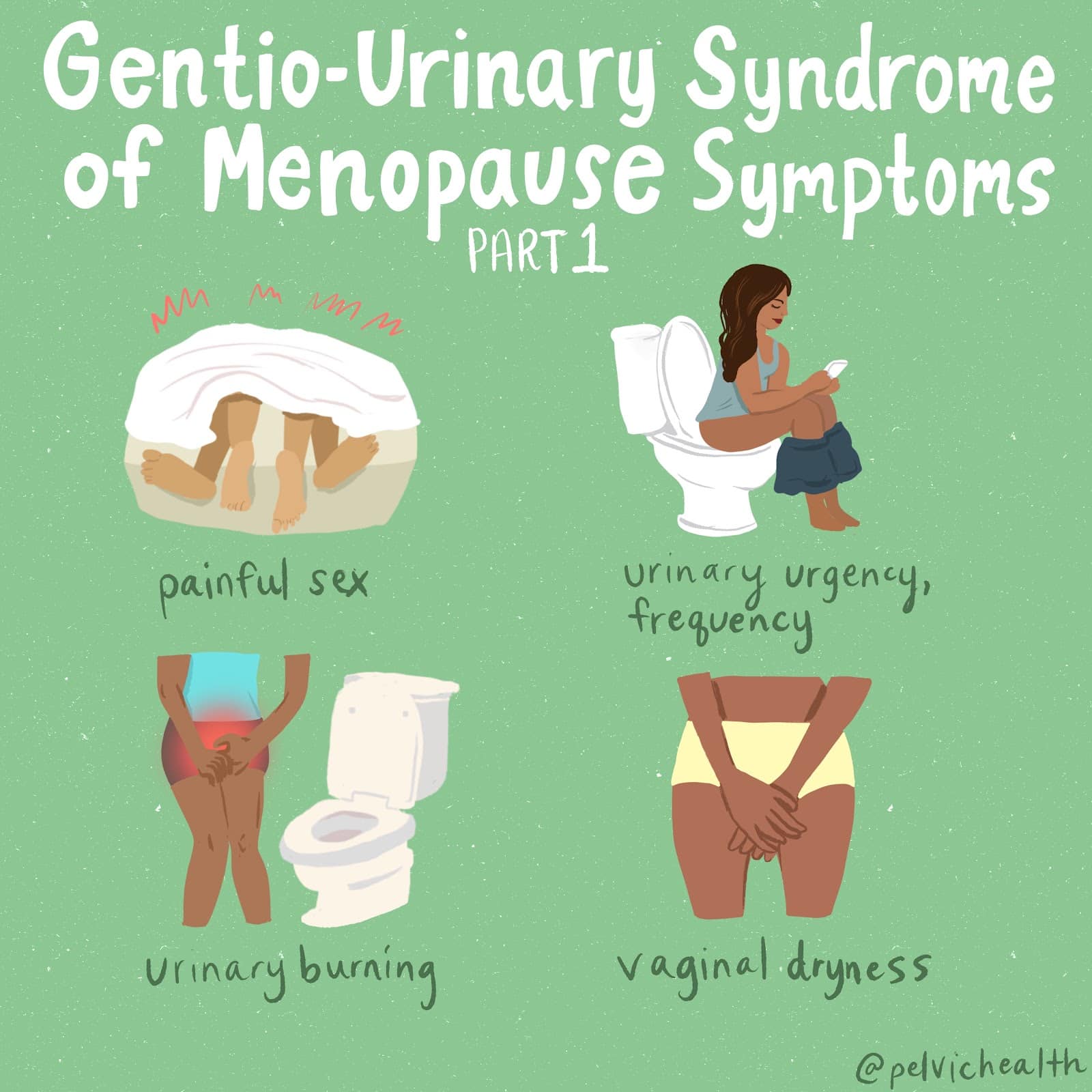
Perimenopause, the transitional phase leading up to menopause, typically begins in a person’s 40s, with menopause itself usually occurring in the early 50s. While systemic symptoms like hot flashes and mood changes are well-known, many people also experience less obvious but equally impactful genitourinary symptoms. These can include painful intercourse, urinary urgency, frequent urination, leakage, burning sensations, recurrent vaginal and urinary tract infections, and vaginal dryness. Collectively, these symptoms are part of the Genitourinary Syndrome of Menopause (GSM). Additionally, many women experience pelvic floor dysfunction, which affects nearly 50% of women by their 50s and can overlap with GSM symptoms.
While systemic hormonal therapy is commonly used to manage menopause symptoms, it may not address the specific needs of those experiencing GSM. The North American Menopause Society recommends the use of vaginal estrogen as an effective treatment for alleviating GSM symptoms and improving quality of life.
Menopause encompasses more than just hot flashes, night sweats, and mood swings. Despite being a common phase affecting roughly half of the population, menopause is often misunderstood, both by the public and many healthcare providers. This gap in knowledge can lead to unnecessary suffering, as many individuals are not fully informed about effective treatments.
Perimenopause, the transitional phase leading up to menopause, typically begins in a person’s 40s, with menopause itself usually occurring in the early 50s. While systemic symptoms like hot flashes and mood changes are well-known, many people also experience less obvious but equally impactful genitourinary symptoms. These can include painful intercourse, urinary urgency, frequent urination, leakage, burning sensations, recurrent vaginal and urinary tract infections, and vaginal dryness. Collectively, these symptoms are part of the Genitourinary Syndrome of Menopause (GSM). Additionally, many women experience pelvic floor dysfunction, which affects nearly 50% of women by their 50s and can overlap with GSM symptoms.
While systemic hormonal therapy is commonly used to manage menopause symptoms, it may not address the specific needs of those experiencing GSM. The North American Menopause Society recommends the use of vaginal estrogen as an effective treatment for alleviating GSM symptoms and improving quality of life.
Differential Diagnosis:
GSM or Pelvic Floor Dysfunction
Symptoms of pelvic floor dysfunction and Genitourinary Syndrome of Menopause (GSM) can overlap and include:
- Urinary urgency, frequency, burning, nocturia
- Feelings of bladder or pelvic pressure
- Painful sex
- Diminished or absent orgasm
- Difficulty evacuating stool
- Vulvovaginal pain and burning
- Pain with sitting
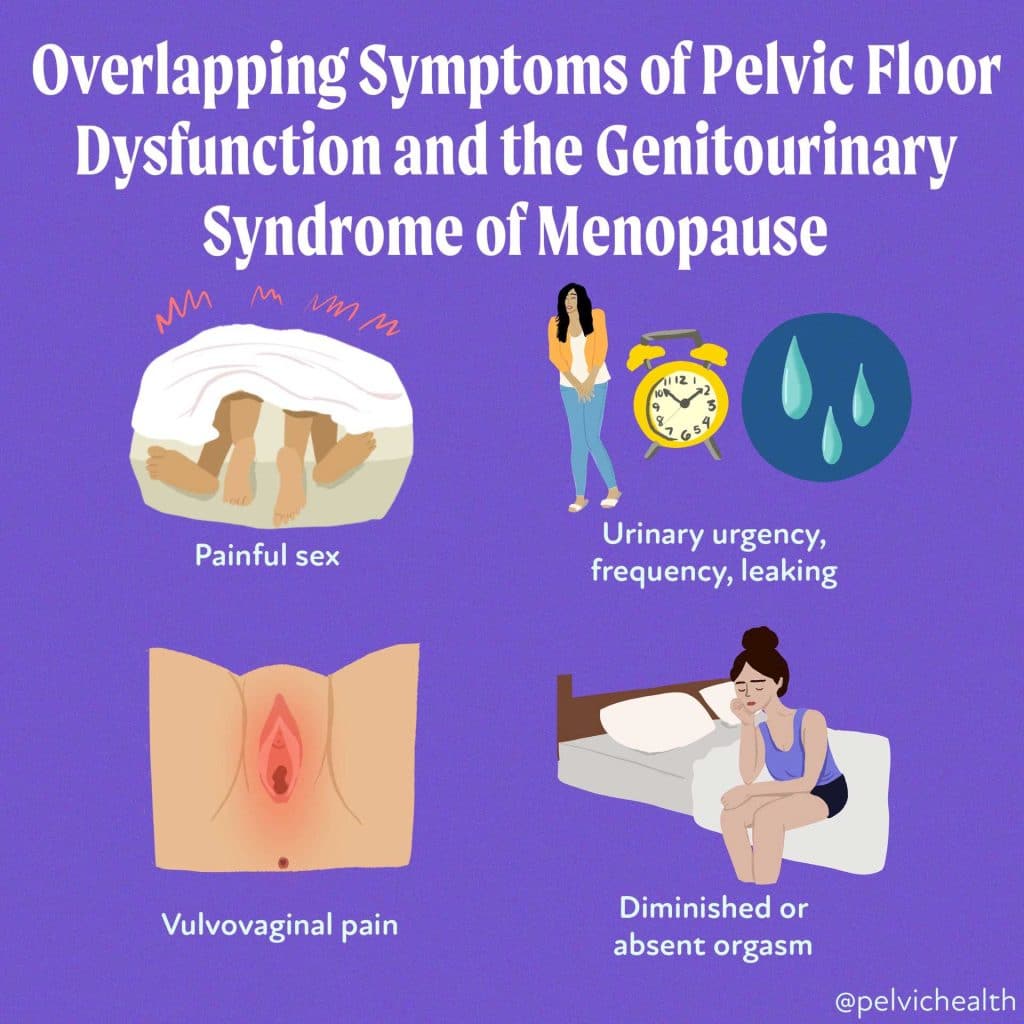
An experienced healthcare provider, whether a pelvic floor physical and occupational therapists or a medical doctor, can conduct several assessments to diagnose pelvic floor dysfunction, hormonal deficiencies, and pelvic organ prolapse. These evaluations include a vulvovaginal visual examination, a Q-tip test to pinpoint areas of pain, and a digital manual examination.
Without appropriate medical management, all women may eventually experience symptoms of Genitourinary Syndrome of Menopause (GSM). Many are unaware that a pelvic floor physical and occupational therapy evaluation can be highly beneficial for addressing the musculoskeletal issues contributing to their discomfort. Combining pelvic floor physical and occupational therapy with medical treatments can be crucial for improving sexual enjoyment and resolving urinary and bowel problems.
Virtual pelvic floor therapy for menopause—contact us to get started!
FACTS
From: https://www.letstalkmenopause.org/further-reading
- Every day, approximately 6,000 women reach menopause.
- In the United States, around 50 million women are currently navigating menopause.
- About 84% of women experience genital, sexual, and urinary discomfort related to menopause, which often does not resolve without intervention, yet fewer than 25% seek assistance.
- An estimated 80% of OB-GYN residents acknowledge feeling inadequately prepared to address menopause-related issues.
- Genitourinary Syndrome of Menopause (GSM) is clinically identified in 90% of postmenopausal women, yet only one-third report experiencing symptoms in surveys.
- Barriers to treatment include women needing to initiate discussions about their symptoms, a belief that these issues are simply part of aging, and a failure to connect symptoms with menopause.
- Only 13% of healthcare providers routinely inquire about menopause-related symptoms with their patients.
- Even after a diagnosis of GSM, many women remain untreated. This is partly due to healthcare providers’ reluctance to prescribe treatments and patients’ concerns about the safety of topical vaginal therapies, despite evidence showing that GSM significantly affects quality of life.
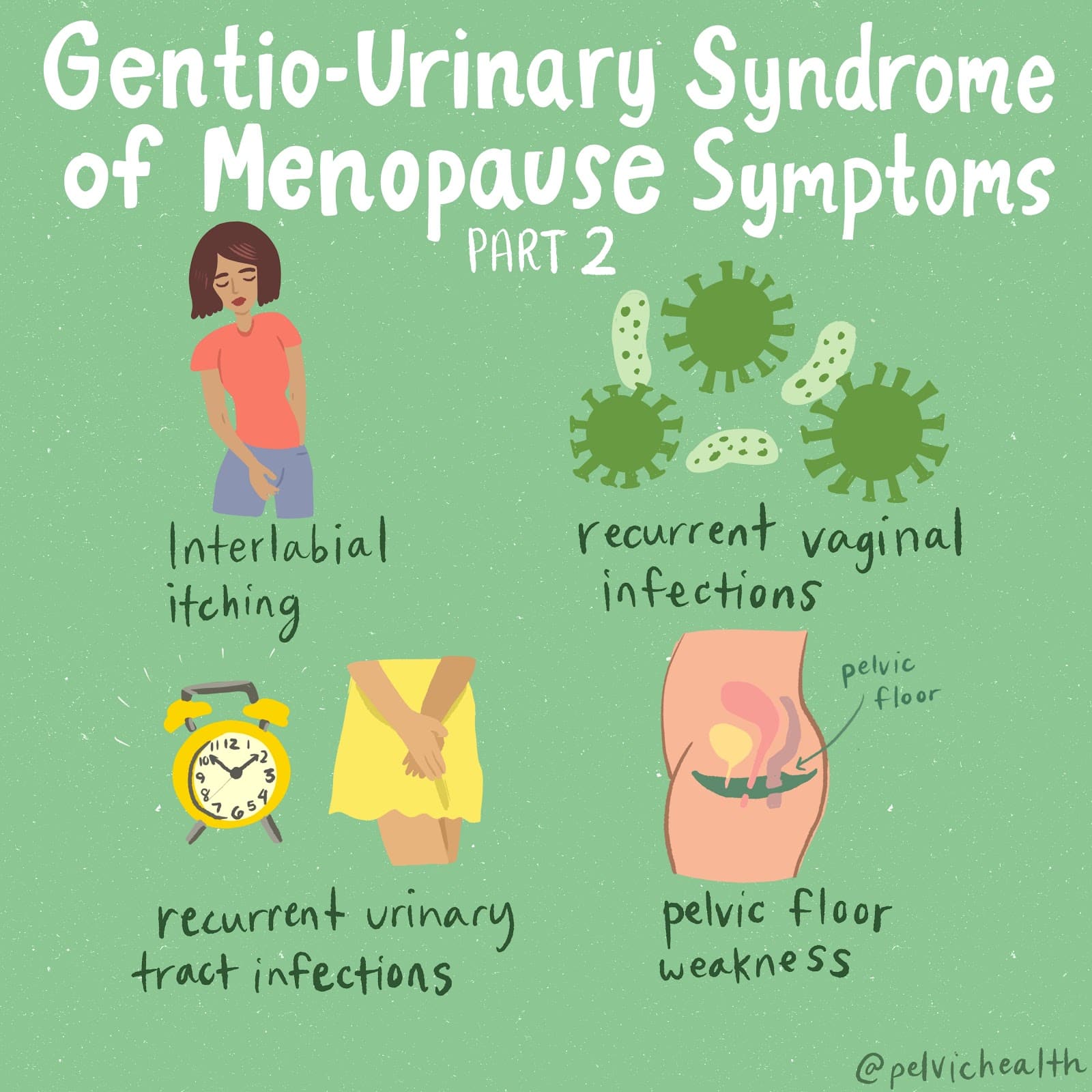
Hormone deficiency can lead to itching in the labial and vaginal areas. Additionally, other dermatological conditions, such as Lichen Sclerosus and cutaneous yeast infections, should also be considered.
During menopause, individuals are particularly susceptible to frequent vaginal and urinary tract infections due to:
- pH and tissue changes
- incomplete bladder emptying
- pelvic organ prolapse compromising urinary function
Recurrent infections are a major contributor to pelvic floor dysfunction. It’s crucial to address these infections promptly, as ongoing visceral-somatic input from untreated infections can lead to increased pain and further dysfunction even after the infection has been resolved. Without appropriate hormone therapy, infections may persist, leading to severe consequences. Untreated infections can cause unprovoked pain, make sexual activity difficult or impossible, and undiagnosed urinary tract infections (UTIs) may progress to kidney issues and other serious complications.
We recommend consulting with a menopause specialist to effectively monitor, prevent, and treat Genitourinary Syndrome of Menopause (GSM) since these issues are both significant and manageable. It’s important to normalize discussions about GSM; there’s no need for embarrassment. With appropriate care, individuals can lead fulfilling lives. Combining virtual pelvic floor physical and occupational therapy with medical management is essential for optimal results.
Treatment:
How We Can Help You
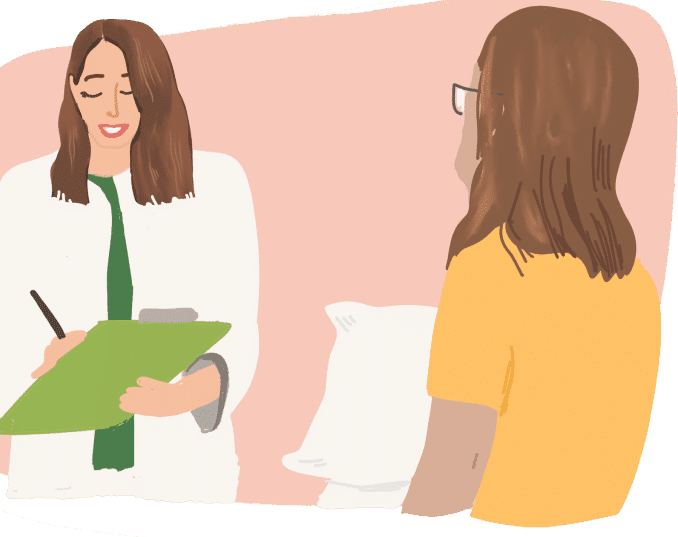
If you’re experiencing sexual dysfunction, it’s beneficial to consult a pelvic floor physical and occupational therapists online. They can assess whether any issues with your pelvic floor are contributing to your symptoms. During your initial virtual evaluation, the therapist will review your medical history, including previous diagnoses, treatments, and their effectiveness. They understand that many patients feel frustrated by the time they seek help.
The therapist will examine your nerves, muscles, joints, tissues, and movement patterns. After the assessment, they will discuss the findings with you and set both short-term and long-term therapy goals. Typically, physical and occupational therapy sessions occur once or twice a week over a period of approximately 12 weeks. Your therapist will also coordinate with other specialists on your treatment team and provide you with a personalized home exercise program. Our goal is to support your recovery and help you achieve the best possible quality of life.
Get virtual pelvic floor therapy for menopause. Book your online consultation today!

Treatment:
How We Can Help You
If you are having issues with your sexual function, it is in your best interest to get evaluated by a therapist for pelvic floor therapy, so they can establish what part, if any, of your pelvic floor may be contributing to the symptoms you are experiencing. During the course of the examination, the physical and occupational therapists will talk to you about your medical history and symptoms, including what you have been previously diagnosed with, the treatments or therapies you have had, and how effective or ineffective these therapies have been for you. It is significant to mention that we fully comprehend what you’ve been dealing with and that the majority of individuals are angry by the time they make it to see us. The physical and occupational therapists will conduct an evaluation of the patient’s nerves, muscles, joints, tissues, and movement patterns while doing the physical examination. After the examination is finished, your therapist will go over the results of the assessment with you. The physical and occupational therapists will conduct an evaluation to determine the cause of your symptoms and will establish both short-term and long-term therapy goals based on the results of the evaluation. Physical therapy treatments are typically administered between once and twice each week for a period of around 12 weeks. Your physical and occupational therapists will assist you in coordinating your recovery with all the other experts on your treatment team. They will provide you with an exercise regimen to complete at home and the sessions you attend in person. We are here to assist you in getting better and living the best life possible.
Get virtual pelvic floor therapy for menopause. Book your online consultation today!


By Lorraine Faehndrich
Persistent pelvic pain can, and often does, have an emotional component. The pelvis is a part of the body that for many reasons tends to hold emotion, and when that emotional component is addressed alongside the physical components of pelvic pain it can be an effective combination.
If you’re suffering with pelvic pain, or you work with patients who are, you are very likely already aware of the connection between mental and emotional stress and physical tension and pain. Most of us have experienced that connection in one way or another in our lives. Whether through an occasional tension headache or backache, or just increased tension in the places we tend to carry it (neck, shoulders, low back, etc).
When I say that pelvic pain can have an emotional component, I’m not referring to some abstract connection between the mind and the body, and I don’t mean that the pain isn’t real physical pain, or that pelvic pain sufferers are to blame for their pain. There is actually a very real physiological connection between emotional energy and the muscles, nerves and fascia in the body.
How Emotions Can Contribute to Chronic Pain
Emotions are energy that is meant to move through our body in response to events in our lives. In this way, they help us process, learn from, integrate, and let go of our experiences.
When emotions are flowing in this way, they not only help us move through stressful experiences more easily, they contribute to our health and wellbeing, and they don’t create physical tension or chronic pain.
Problems arise when our emotions are suppressed. This can happen when the brain learns (usually through negative or traumatic early experiences) that certain emotions are a threat to our wellbeing. When that happens, our brain and body will protect us from those emotions by unconsciously suppressing them, and they do that by stopping emotional flow.
There are two primary ways the body can stop the flow of emotional energy.
- Tensed and contracted muscles: Muscles can tense in response to certain emotions to stop their flow. In this way they protect us from feeling the emotions that our brain has learned are threatening to us in some way. For example, it’s common for men to learn that it’s inappropriate to cry, or women to learn that they shouldn’t express anger. Those emotions then get “buried” or suppressed in the body. Chronically contracted muscles can hold back that emotional energy, over time impacting circulation, nerves, fascia, and surrounding tissue. The neck, shoulders, jaw, back and pelvis are common places to hold emotion in the body, and the muscles there can be contracted for years before we end up with chronic pain. (Our bodies are actually pretty resilient that way.)
- Restricted breathing: Similar to contracted muscles, shallow breathing or holding the breath between the in-breath and out-breath, inhibits the flow of emotional energy. If you have a hard time taking a full deep breath, this can be why.
Both of these mechanisms are unconscious. We’re not aware of the emotions themselves, nor that we are suppressing them, until we bring our conscious attention to our body and begin to observe what’s going on.
To give you an idea of the impact that these patterns can have over time, you can do a little experiment. Contract your bicep – nothing too intense, just gently engage the muscle. Now imagine keeping it contracted like that for a full 24 hours. Now imagine multiplying that by weeks, months, or years. At some point, this is going to get uncomfortable, and eventually it will be painful. And the pain is not going to stop until you relax your muscle. Now, if you’re consciously engaging your muscle it’s not so hard to stop. Or if it’s engaged because of a physical issue, a physical and occupational therapists can help you retrain and relax your muscle.
But, if your bicep were contracted in order to hold back emotional energy that your brain is protecting you from feeling, the only way to permanently relax it would be to learn how to allow that emotional energy to flow. Otherwise, no matter what you do physically to relax and strengthen the muscle, that protective pattern is going to keep kicking in.
In other words, in order to relieve the pain, you need to re-learn how to be with your emotions – and more than that, how to show your brain that that is actually a safe thing to do.
Chronic tension in the pelvis can be part of a long-term habitual and unconscious pattern of blocking emotional flow in the body, and the first step of unraveling it is awareness.
How pelvic floor physical and occupational therapy and mind body healing can work together to relieve pelvic pain
As a mind body coach my goal is to help my clients become aware of their unconscious protective patterns (mental and physical), so they can learn how to consciously choose to feel their emotions and allow them to flow. When the brain no longer perceives emotions as a threat, because it has been retrained to recognize that they are actually safe to feel, the muscles can relax.
(Remember, flowing emotions don’t cause chronic pain, suppressed emotions do.)
Depending on the level of negative early experiences or trauma a person has been through this can take varying degrees of time and support. But it all begins with awareness, re-connecting to the body, and a willingness to be present with sensations – a little at a time, in a way that feels safe and supported.
And what I have seen is that physical and occupational therapy can help tremendously with this process! Especially if the physical and occupational therapists is aware of the potential emotional component of the physical pain, and actively creates an environment where it is safe to allow emotions.
Creating a Safe Space for Emotions
If emotions start to move, or release, as a result of physical and occupational therapy, it is a great opportunity to learn how to be present with the sensations of those emotions and process them in new and healthy ways.
When the patient and practitioner work together to create a safe environment, emotional energy can flow and contribute to the healing process. On the other hand if the environment feels unsafe, emotions can be suppressed and can hinder the healing process.
How to Allow Emotions to Flow
If you are already working with a pelvic floor physical and occupational therapists, and you suspect there may be a mind body component to your pain, here are some tips for working with that during your sessions and during any home practice that you’re doing – like stretching, using dilators, massage, etc.
- Intend: Set your intention to allow and be present with the sensations of your emotions in your body as they arise. Simply being aware that emotions may come up and at the same time willing to feel them is a huge step in the right direction. When you have that intention, you’ll naturally be more aware and welcoming of any emotional sensations that do arise.
- Breathe: During your sessions (and during any home practice) maintain a gentle continuous breath into your low belly. You don’t have to do this perfectly at all! The idea is to stay present in your body and allow any emotions that may come up to flow. If you notice you’re holding your breath or your breathing has gotten shallow again, simply bring your breath gently down into your low belly.
- Track Sensations: Keep your conscious attention on the sensations in your body paying particular attention to sensations that seem connected to emotions. If you notice any emotional sensations like heaviness, dense or sinking feelings, tightening in your chest or belly, tingling or swirling, hot or cold; or you feel tears or anger swelling up, be curious about the sensations, allow them, and keep breathing. You don’t need to understand why you’re having the emotions. For now, just being willing to be present with the sensations of them is more than enough.
- Maintain Good Communication: Don’t push through anything that feels uncomfortable. Stay in communication with your PT. If anything hurts, feels uncomfortable or overwhelming – physically or emotionally, let your therapist know. Learning how to honor your body and go at it’s pace can go a long way to creating the safety you need to be able to feel on an emotional level.
- Get Support: Consider getting support from a mind body coach or therapist who can teach you how to start feeling emotions in your body as they surface. A mind body practitioner can help you process emotions in new healthy ways that won’t contribute to physical tension and pain.
Because of the nature of pelvic floor physical and occupational therapy most therapists will already be creating a welcoming and safe environment for their clients. But if there’s anything else you need to support your staying present with the sensations in your body don’t hesitate to ask. Most of my clients find that their physical and occupational therapistss are more than happy to support their mind body work when they do.
If you’re a physical and occupational therapists or other bodywork practitioner, simply being aware of and creating space for this mind-body-emotion connection, and the potential for emotions to surface can be a great benefit for your patients or clients that do have an emotional component to their pain.
It’s All Connected
We tend to think of the mind, body, and emotions as separate things, but they are not actually separate. They are all part of one being that is us. The mind, body, and emotions are inextricably linked, and supporting any one of them inevitably supports the others, creating the optimum conditions for healing and relief.
If you’d like to learn more about a mind body approach to relieving pelvic pain – sign up to receive a free Mind Body Alchemy Kit at www.radiantlifedesign.com or register for Lorraine’s upcoming free class, Say Goodbye to Pelvic Pain, accessible by phone or online from anywhere in the world.
Regards,
Lorraine Faehndrich

Lorraine Faehndrich is a Women’s Mind Body Mentor and Pelvic Pain Relief Coach specializing in the relief of female pelvic and sexual pain. Through her company Radiant Life Design, she empowers women with the skills and information they need to understand the connection between their mind and body, allow their emotions, access their inner wisdom, and go on to live radiantly healthy joy-filled lives!
FAQ
What are pelvic floor muscles?
The pelvic floor muscles are a group of muscles that run from the coccyx to the pubic bone. They are part of the core, helping to support our entire body as well as providing support for the bowel, bladder and uterus. These muscles help us maintain bowel and bladder control and are involved in sexual pleasure and orgasm. The technical name of the pelvic floor muscles is the Levator Ani muscle group. The pudendal nerve, the levator ani nerve, and branches from the S2 – S4 nerve roots innervate the pelvic floor muscles. They are under voluntary and autonomic control, which is a unique feature only they possess compared to other muscle groups.
What is pelvic floor physical and occupational therapy?
Pelvic floor physical and occupational therapy is a specialized area of physical and occupational therapy. Currently, physical and occupational therapistss need advanced post-graduate education to be able to help people with pelvic floor dysfunction because pelvic floor disorders are not yet being taught in standard physical and occupational therapy curricula. The Pelvic Health and Rehabilitation Center provides extensive training for our staff because we recognize the limitations of physical and occupational therapy education in this unique area.
What happens at pelvic floor therapy?
During an evaluation for pelvic floor dysfunction the physical and occupational therapists will take a detailed history. Following the history the physical and occupational therapists will leave the room to allow the patient to change and drape themselves. The physical and occupational therapists will return to the room and using gloved hands will perform an external and internal manual assessment of the pelvic floor and girdle muscles. The physical and occupational therapists will once again leave the room and allow the patient to dress. Following the manual examination there may also be an examination of strength, motor control, and overall biomechanics and neuromuscular control. The physical and occupational therapists will then communicate the findings to the patient and together with their patient they establish an assessment, short term and long term goals and a treatment plan. Typically people with pelvic floor dysfunction are seen one time per week for one hour for varying amounts of time based on the severity and chronicity of the disease. A home exercise program will be established and the physical and occupational therapists will help coordinate other providers on the treatment team. Typically patients are seen for 3 months to a year.
What is pudendal neuralgia and how is it treated?
Pudendal Neuralgia is a clinical diagnosis that means pain in the sensory distribution of the pudendal nerve. The pudendal nerve is a mixed nerve that exits the S2 – S4 sacral nerve roots, we have a right and left pudendal nerve and each side has three main trunks: the dorsal branch, the perineal branch, and the inferior rectal branch. The branches supply sensation to the clitoris/penis, labia/scrotum, perineum, anus, the distal ⅓ of the urethra and rectum, and the vulva and vestibule. The nerve branches also control the pelvic floor muscles. The pudendal nerve follows a tortuous path through the pelvic floor and girdle, leaving it vulnerable to compression and tension injuries at various points along its path.
Pudendal Neuralgia occurs when the nerve is unable to slide, glide and move normally and as a result, people experience pain in some or all of the above-mentioned areas. Pelvic floor physical and occupational therapy plays a crucial role in identifying the mechanical impairments that are affecting the nerve. The physical and occupational therapy treatment plan is designed to restore normal neural function. Patients with pudendal neuralgia require pelvic floor physical and occupational therapy and may also benefit from medical management that includes pharmaceuticals and procedures such as pudendal nerve blocks or botox injections.
What is interstitial cystitis and how is it treated?
Interstitial Cystitis is a clinical diagnosis characterized by irritative bladder symptoms such as urinary urgency, frequency, and hesitancy in the absence of infection. Research has shown the majority of patients who meet the clinical definition have pelvic floor dysfunction and myalgia. Therefore, the American Urologic Association recommends pelvic floor physical and occupational therapy as first-line treatment for Interstitial Cystitis. Patients will benefit from pelvic floor physical and occupational therapy and may also benefit from pharmacologic management or medical procedures such as bladder instillations.
Who is the Pelvic Health and Rehabilitation Team?
The Pelvic Health and Rehabilitation Center was founded by Elizabeth Akincilar and Stephanie Prendergast in 2006, they have been treating people with pelvic floor disorders since 2001. They were trained and mentored by a medical doctor and quickly became experts in treating pelvic floor disorders. They began creating courses and sharing their knowledge around the world. They expanded to 11 locations in the United States and developed a residency style training program for their employees with ongoing weekly mentoring. The physical and occupational therapistss who work at PHRC have undergone more training than the majority of pelvic floor physical and occupational therapistss and as a result offer efficient and high quality care.
How many years of experience do we have?
Stephanie and Liz have 24 years of experience and help each and every team member become an expert in the field through their training and mentoring program.
Why PHRC versus anyone else?
PHRC is unique because of the specific focus on pelvic floor disorders and the leadership at our company. We are constantly lecturing, teaching, and staying ahead of the curve with our connections to medical experts and emerging experts. As a result, we are able to efficiently and effectively help our patients restore their pelvic health.
Do we treat men for pelvic floor therapy?
The Pelvic Health and Rehabilitation Center is unique in that the Cofounders have always treated people of all genders and therefore have trained the team members and staff the same way. Many pelvic floor physical and occupational therapistss focus solely on people with vulvas, this is not the case here.
Do I need pelvic floor therapy forever?
The majority of people with pelvic floor dysfunction will undergo pelvic floor physical and occupational therapy for a set amount of time based on their goals. Every 6 -8 weeks goals will be re-established based on the physical improvements and remaining physical impairments. Most patients will achieve their goals in 3 – 6 months. If there are complicating medical or untreated comorbidities some patients will be in therapy longer.

By Stephanie Prendergast
Vaginal pain. Burning with urination. Post-ejaculatory pain. Constipation. Genital pain following bowel movements. Pelvic pain that prevents sitting, exercising, wearing pants and having pleasurable intercourse.
When a person develops these symptoms, physical and occupational therapy is not the first avenue of treatment they turn to for help. In fact, physical and occupational therapistss are not even considered at all. This week, we’ll discuss why this old way of thinking needs to CHANGE. Additionally, we’ll explain how the “Get PT 1st” campaign is leading the way in this movement.
We’ve heard it before. You didn’t know we existed, right? Throughout the years, patients continue to inform me the reason they never sought a physical and occupational therapists for treatment first, was because they were unaware pelvic physical and occupational therapistss existed, and are actually qualified to help them.
Many individuals do not realize that physical and occupational therapistss hold advanced degrees in musculoskeletal and neurologic health, and are treating a wide range of disorders beyond the commonly thought of sports or surgical rehabilitation.
On December 1st, physical and occupational therapistss came together on social media to raise awareness about our profession and how we serve the community. The campaign is titled “GetPT1st”. The team at PHRC supports this campaign and this week we will tell you that you can and should get PT first if you are suffering from a pelvic floor disorder.
Did you know that a majority of people with pelvic pain have “tight” pelvic floor muscles that are associated with their symptoms?
Physical therapy is first-line treatment that can help women eliminate vulvar pain
Chronic vulvar pain affects approximately 8% of the female population under 40 years old in the USA, with prevalence increasing to 18% across the lifespan. (Ruby H. N. Nguyen, Rachael M. Turner, Jared Sieling, David A. Williams, James S. Hodges, Bernard L. Harlow, Feasibility of Collecting Vulvar Pain Variability and its Correlates Using Prospective Collection with Smartphones 2014)
Physical therapy is first-line treatment that can help men and women with Interstitial Cystitis
Over 1 million people are affected by IC in the United States alone [Hanno, 2002;Jones and Nyberg, 1997], in fact; an office survey indicated that 575 in every 100,000 women have IC [Rosenberg and Hazzard, 2005]. Another study on self-reported adult IC cases in an urban community estimated its prevalence to be approximately 4% [Ibrahim et al. 2007]. Children and adolescents can also have IC [Shear and Mayer, 2006]; patients with IC have had 10 times higher prevalence of bladder problems as children than the general population [Hanno, 2007].
Physical and Occupational Therapy is first-line treatment that can help men suffering from Chronic Nonbacterial Prostatitis/Male Pelvic Pain
Chronic prostatitis (CP) or chronic pelvic pain syndrome (CPPS) affects 2%-14% of the male population, and chronic prostatitis is the most common urologic diagnosis in men aged <50 years.
The definition of CP/CPPS states urinary symptoms are present in the absence of a prostate infection. (Pontari et al. New developments in the diagnosis and treatment of CP/CPPS. Current Opinion, November 2013).
71% of women in a survey of 205 educated postpartum women were unaware of the impact of pregnancy on the pelvic floor muscles.
21% of nulliparous women in a 269 women study presented with Levator Ani avulsion following a vaginal delivery (Deft. relationship between postpartum levator ani muscle avulsion and signs and symptoms of pelvic floor dysfunction. BJOG 2014 Feb 121: 1164 -1172).
64.3% of women reported sexual dysfunction in the first year following childbirth. (Khajehi M. Prevalence and risk factors of sexual dysfunction in postpartum Australian women. J Sex Med 2015 June; 12(6):1415-26.
24% of postpartum women still experienced pain with intercourse at 18 months postpartum (McDonald et al. Dyspareunia and childbirth: a prospective cohort study. BJOG 2015)
85% of women stated that given verbal instruction alone did not help them to properly perform a Kegel. *Dunbar A. understanding vaginal childbirth: what do women understand about the consequences of vaginal childbirth.J Wo Health PT 2011 May/August 35 (2) 51 – 56)
Did you know that pelvic floor physical and occupational therapy is mandatory for postpartum women in many other countries such as France, Australia, and England? This is because pelvic floor physical and occupational therapy can help prepartum women prepare for birth and postpartum moms restore their musculoskeletal health, eliminate incontinence, prevent pelvic organ prolapse, and return to pain-free sex.
Did you know that weak or ‘low tone’ pelvic floor muscles are associated with urinary and fecal incontinence, erectile dysfunction, and pelvic organ prolapse?
Physical and Occupational Therapy can help with Stress Urinary Incontinence
Did you know that weak or ‘low tone’ pelvic floor muscles are associated with urinary and fecal incontinence, erectile dysfunction, and pelvic organ prolapse? 80% of women by the age of 50 experience Stress Urinary Incontinence. Pelvic floor muscle training was associated with a cure of stress urinary incontinence. (Dumoulin C et al. Neurourol Urodyn. Nov 2014)
30 – 85 % of men develop stress urinary incontinence following a radical prostatectomy. Early pelvic floor muscle training hastened the recovery of continence and reduced the severity at 1, 3 and 6 months postoperatively. (Ribeiro LH et al. J Urol. Sept 2014; 184 (3):1034 -9).
Physical and Occupational Therapy can help with Erectile Dysfunction
Several studies have looked at the prevalence of ED. At age 40, approximately 40% of men are affected. The rate increases to nearly 70% in men aged 70 years. The prevalence of complete ED increases from 5% to 15% as age increases from 40 to 70 years.1
Physical and Occupational Therapy can help with Pelvic Organ Prolapse
In the 16,616 women with a uterus, the rate of uterine prolapse was 14.2%; the rate of cystocele was 34.3%; and the rate of rectocele was 18.6%. For the 10,727 women who had undergone a hysterectomy, the prevalence of cystocele was 32.9% and of rectocele was 18.3%. (Susan L. Hendrix, DO,Pelvic organ prolapse in the Women’s Health Initiative: Gravity and gravidity. Am J Obstet Gynecol 2002;186:1160-6.)
Pelvic floor physical and occupational therapy can help optimize musculoskeletal health, reducing the symptoms of prolapse, help prepare the body for surgery if necessary, and speed post-operative recovery.
Did you know….
In many states a person can go directly to a physical and occupational therapists without a referral from a physician? (For more information about your state: https://www.apta.org/uploadedFiles/APTAorg/Advocacy/State/Issues/Direct_Access/DirectAccessbyState.pdf)
You need to know….
Pelvic floor physical and occupational therapy can help vulvar pain, chronic nonbacterial prostatitis/CPPS, Interstitial Cystitis, and Pudendal Neuralgia. (link blogs: https://pelvicpainrehab.com/patient-questions/401/what-is-a-good-pelvic-pain-pt-session-like/, https://pelvicpainrehab.com/male-pelvic-pain/460/male-pelvic-pain-its-time-to-treat-men-right/https://pelvicpainrehab.com/female-pelvic-pain/488/case-study-pt-for-a-vulvodynia-diagnosis/)
Pelvic floor physical and occupational therapy can help prepartum women prepare for birth and postpartum moms restore their musculoskeletal health, eliminate incontinence, prevent pelvic organ prolapse, and return to pain-free sex: https://pelvicpainrehab.com/pregnancy/540/pelvic-floor-rehab-its-time-to-treat-new-moms-right/
Early pelvic floor muscle training hastened the recovery of continence and reduced the severity at 1, 3 and 6 months in postoperative men following prostatectomy. (Ribeiro LH et al. J Urol. Sept 2014; 184 (3):1034 -9). (Link blog: https://pelvicpainrehab.com/male-pelvic-pain/2322/men-kegels/
A study from the University of the West in the U.K. found that pelvic exercises helped 40 percent of men with ED regain normal erectile function. They also helped an additional 33.5 percent significantly improve erectile function. Additional research suggests pelvic muscle training may be helpful for treating ED as well as other pelvic health issues. (link blog:https://pelvicpainrehab.com/male-pelvic-pain/2322/men-kegels/
….that you can and should find a pelvic floor physical and occupational therapists and Get PT 1st.
To find a pelvic floor physical and occupational therapists:
American Physical and Occupational Therapy Association, Section on Women’s Health:
http://www.womenshealthapta.org/pt-locator/
International Pelvic Pain Society: http://pelvicpain.org/patients/find-a-medical-provider.aspx
Best,
Stephanie Prendergast, MPT
 Stephanie grew up in South Jersey, and currently sees patients in our Los Angeles office. She received her bachelor’s degree in exercise physiology from Rutgers University, and her master’s in physical and occupational therapy at the Medical College of Pennsylvania and Hahnemann University in Philadelphia. For balance, Steph turns to yoga, music, and her calm and loving King Charles Cavalier Spaniel, Abbie. For adventure, she gets her fix from scuba diving and global travel.
FAQ
What are pelvic floor muscles?
The pelvic floor muscles are a group of muscles that run from the coccyx to the pubic bone. They are part of the core, helping to support our entire body as well as providing support for the bowel, bladder and uterus. These muscles help us maintain bowel and bladder control and are involved in sexual pleasure and orgasm. The technical name of the pelvic floor muscles is the Levator Ani muscle group. The pudendal nerve, the levator ani nerve, and branches from the S2 – S4 nerve roots innervate the pelvic floor muscles. They are under voluntary and autonomic control, which is a unique feature only they possess compared to other muscle groups.
What is pelvic floor physical and occupational therapy?
Pelvic floor physical and occupational therapy is a specialized area of physical and occupational therapy. Currently, physical and occupational therapistss need advanced post-graduate education to be able to help people with pelvic floor dysfunction because pelvic floor disorders are not yet being taught in standard physical and occupational therapy curricula. The Pelvic Health and Rehabilitation Center provides extensive training for our staff because we recognize the limitations of physical and occupational therapy education in this unique area.
What happens at pelvic floor therapy?
During an evaluation for pelvic floor dysfunction the physical and occupational therapists will take a detailed history. Following the history the physical and occupational therapists will leave the room to allow the patient to change and drape themselves. The physical and occupational therapists will return to the room and using gloved hands will perform an external and internal manual assessment of the pelvic floor and girdle muscles. The physical and occupational therapists will once again leave the room and allow the patient to dress. Following the manual examination there may also be an examination of strength, motor control, and overall biomechanics and neuromuscular control. The physical and occupational therapists will then communicate the findings to the patient and together with their patient they establish an assessment, short term and long term goals and a treatment plan. Typically people with pelvic floor dysfunction are seen one time per week for one hour for varying amounts of time based on the severity and chronicity of the disease. A home exercise program will be established and the physical and occupational therapists will help coordinate other providers on the treatment team. Typically patients are seen for 3 months to a year.
What is pudendal neuralgia and how is it treated?
Pudendal Neuralgia is a clinical diagnosis that means pain in the sensory distribution of the pudendal nerve. The pudendal nerve is a mixed nerve that exits the S2 – S4 sacral nerve roots, we have a right and left pudendal nerve and each side has three main trunks: the dorsal branch, the perineal branch, and the inferior rectal branch. The branches supply sensation to the clitoris/penis, labia/scrotum, perineum, anus, the distal ⅓ of the urethra and rectum, and the vulva and vestibule. The nerve branches also control the pelvic floor muscles. The pudendal nerve follows a tortuous path through the pelvic floor and girdle, leaving it vulnerable to compression and tension injuries at various points along its path.
Pudendal Neuralgia occurs when the nerve is unable to slide, glide and move normally and as a result, people experience pain in some or all of the above-mentioned areas. Pelvic floor physical and occupational therapy plays a crucial role in identifying the mechanical impairments that are affecting the nerve. The physical and occupational therapy treatment plan is designed to restore normal neural function. Patients with pudendal neuralgia require pelvic floor physical and occupational therapy and may also benefit from medical management that includes pharmaceuticals and procedures such as pudendal nerve blocks or botox injections.
What is interstitial cystitis and how is it treated?
Interstitial Cystitis is a clinical diagnosis characterized by irritative bladder symptoms such as urinary urgency, frequency, and hesitancy in the absence of infection. Research has shown the majority of patients who meet the clinical definition have pelvic floor dysfunction and myalgia. Therefore, the American Urologic Association recommends pelvic floor physical and occupational therapy as first-line treatment for Interstitial Cystitis. Patients will benefit from pelvic floor physical and occupational therapy and may also benefit from pharmacologic management or medical procedures such as bladder instillations.
Who is the Pelvic Health and Rehabilitation Team?
The Pelvic Health and Rehabilitation Center was founded by Elizabeth Akincilar and Stephanie Prendergast in 2006, they have been treating people with pelvic floor disorders since 2001. They were trained and mentored by a medical doctor and quickly became experts in treating pelvic floor disorders. They began creating courses and sharing their knowledge around the world. They expanded to 11 locations in the United States and developed a residency style training program for their employees with ongoing weekly mentoring. The physical and occupational therapistss who work at PHRC have undergone more training than the majority of pelvic floor physical and occupational therapistss and as a result offer efficient and high quality care.
How many years of experience do we have?
Stephanie and Liz have 24 years of experience and help each and every team member become an expert in the field through their training and mentoring program.
Why PHRC versus anyone else?
PHRC is unique because of the specific focus on pelvic floor disorders and the leadership at our company. We are constantly lecturing, teaching, and staying ahead of the curve with our connections to medical experts and emerging experts. As a result, we are able to efficiently and effectively help our patients restore their pelvic health.
Do we treat men for pelvic floor therapy?
The Pelvic Health and Rehabilitation Center is unique in that the Cofounders have always treated people of all genders and therefore have trained the team members and staff the same way. Many pelvic floor physical and occupational therapistss focus solely on people with vulvas, this is not the case here.
Do I need pelvic floor therapy forever?
The majority of people with pelvic floor dysfunction will undergo pelvic floor physical and occupational therapy for a set amount of time based on their goals. Every 6 -8 weeks goals will be re-established based on the physical improvements and remaining physical impairments. Most patients will achieve their goals in 3 – 6 months. If there are complicating medical or untreated comorbidities some patients will be in therapy longer.
By Melinda Fontaine
Back By Popular Demand: Here is the sequel to my 8 Pregnancy Tips. This is what a Pelvic PT/Mom wants you to know about labor and delivery. First off, you have little to no control over it. This can seem scary, so it is important to be flexible. I am a supporter of birth “plans”; I even made one myself. However, the term “Birth Plan” is a misnomer. Perhaps a more accurate name would be “Birth Ideas If Everything Goes The Way I Want And There Are No Surprises”. If anyone can be labeled as in command of this voyage, it would be Baby. Who better to control a birth than Baby?! At any moment, Baby could decide that it is time to be born and will change the flow of hormones throughout the body and start the uterus contracting. Conversely, if Baby is having any trouble, your doctor or midwife may recommend a different course of action. As GI Joe would say, “Knowing is half the battle”, so here are some possibilities of what may occur during a birth and what choices you have.
What Happens
Toward the end of pregnancy, the baby moves lower into the pelvis which is usually what starts the effacement/thinning and dilation/opening of the cervix of the uterus. Stage 1 is when Mama starts to feel contractions and the cervix dilates to 10 cm. A typical rate of dilation is 1 cm per 2 hours. Stage 2 is when Mama feels the urge to push and delivers Baby. This stage lasts 1-2 hours on average for a first birth and an hour or less for subsequent births. Stage 3, the afterbirth, is when the placenta, amniotic sac, and umbilical cord are expelled within an hour of delivery. Baby suckling at the breast helps signal the uterus to expel them. Your midwife or doctor will check the placenta to make sure it is complete to avoid bleeds. Now that you know what happens, how do you prepare for it?
Store Up Energy
Having a baby is like running a marathon in many ways. Both require an immense amount of energy. If you can, get a lot of good sleep in the days before the main event. You will also need good nutrition for energy, so eat well prior to delivery. I ate the same breakfast protein packed breakfast before running my marathon and before delivering my son.
If you plan to deliver in a hospital, you will not be allowed to eat until after the baby is delivered. This is to keep you safe in case an emergency C-section is needed. Having a full stomach during a surgery increases risk for aspiration. If you want to eat something for energy while you are laboring, be sure to eat it early on, prior to admission to a hospital.
Get Things Rolling
So you’re ready to get this show on the road? You may find yourself ready for Baby to come, but labor is not beginning or progressing as you and your doctor or midwife would like. An example would be if your water breaks, but there are no contractions, the pregnancy has continued too long, or you have been in the first stage of labor for a really long time. There are different ways to induce labor. Prostaglandins are lipids that act like hormones. They are inserted vaginally near the cervix to help it thin and open in preparation for delivery, which may initiate uterine contractions. Pitocin is a synthetic form of oxytocin, the hormone that signals the uterus to contract. Pitocin is often administered intravenously in the hospital. It may also be used to help stop bleeding after delivery. Other fun ways to get your body to start producing oxytocin include nipple stimulation and orgasm. Midwives will sometimes use castor oil to get the uterus to start contracting (side note: it is also a very strong laxative, so be prepared). Lastly, a doctor or midwife might sweep the membranes that connect the amniotic sac to the uterus, or if your cervix is already dilated, they may rupture the membranes of the amniotic sac to progress labor. To avoid putting your baby at risk, do not attempt to induce labor unless you have your doctor’s or midwife’s seal of approval.
Delivery Options
You know how Baby got in there; now how will Baby get out? The two options are through the vagina or through an abdominal incision known as a Cesarean section. For a vaginal delivery, the bones and soft tissues of the pelvis stretch and open wide enough to pass Baby through. The uterus contracts to help push Baby down and out. Mama bears down like having a bowel movement to further increase abdominal pressure and push Baby down and out. Sometimes pushing is coached, meaning a healthcare professional instructs Mama when to push. Stay tuned for Malinda Wright’s upcoming post about the ‘how to push controversy’! Sometimes a doctor has to guide the baby through the birth canal using his or her fingers, a vacuum, or forceps. Episiotomies used to be routine in the 1980s. Now they are reserved for rare instances when the perineum is impeding the progression of the delivery. C-sections may be performed in cases of maternal or fetal distress, large fetal head, small maternal pelvis, labor not progressing, Baby in an awkward position, placenta previa (placenta covering the cervix), etc. VBAC is a term that is increasingly popping up in conversations, and it means Vaginal Birth After Cesarean. Your doctor or midwife should discuss with you whether or not VBAC is a safe option for you.
Support The Perineum
The perineum is the tissue between the vagina and the anus. It has to stretch a lot during vaginal delivery, and sometimes tears when it has to stretch too much too quickly. Perineal massage is often recommended for mothers considering vaginal birth to prepare the tissue to stretch.This massage can be done starting at 36 weeks of pregnancy and involves using thumbs or fingers to hold a prolonged stretch on the tissue. This can also be assisted by devices such as
EpiNo or Materna. A physical and occupational therapists can instruct you or your partner on how and when to perform perineal massage. During delivery, the doctor or midwife can apply counter pressure or heat to the tissues to encourage good stretching.
Manage Pain
The all too common image in the media of a woman screaming in pain during delivery is not necessary. The process is painful, but there are ways to manage the pain. There is no one right way to have a baby. Pick the pain management technique that is right for you and your baby. Epidurals and other medical pain relievers are often very effective at reducing pain. Hypnobirthing involves techniques to release the fear and tension associated with birth and to use one’s subconscious mind to thwart the feelings of pain. I chose hypnobirthing, and it worked unbelievably well – No really, my next three nurses all had to verify that the story they heard about my birth was true. A partner or doula can give massage and counterpressure to the pelvis and low back to relieve tension, and a warm shower or bath may also feel good.
Educate Yourself
You will be faced with certain decisions that you have to make for Baby, so think about them beforehand. Would you like to delay clamping the umbilical cord to allow Baby to get extra blood from the placenta? Would you like to bank Baby’s cord blood to store stem cells for your family or others? Would you like to do skin-to-skin, which is when Baby is placed on Mom’s bare belly as soon as possible after delivery? Routine baby care can be done while Baby is on Mom’s chest. Would you like your Baby to receive antibiotic eye ointment to kill possible bacteria that can cause blindness, a Vitamin K injection to prevent possible internal bleeding, and the Hepatitis Vaccine? Would you like to breastfeed? Will you offer Baby a pacifier, which has been linked to preventing sudden infant death syndrome (SIDS) and may interfere with breastfeeding. When would you like Baby to have the first bath, and who should be there? Who will be Baby’s pediatrician? If Baby is a boy, would you like him to be circumcised shortly after birth? The US is split on this decision about 50/50 right now.
Ask Questions
Six weeks after the birth of your beautiful baby, you will see your doctor or midwife. They will check you out and if everything is fine, they will give you the all clear to have sex and start exercising. Take this time to discuss your plan for birth control now that you are cleared for sex and have your doctor’s attention. If you notice anything uncomfortable when you do return to sex and exercise, call your doctor. They will often not follow up with you until your next PAP unless you bring it up. Common complaints are that sex is uncomfortable due to scar tissue or muscle spasm, that urine leaks out when you cough, laugh, or sneeze, and that there is a heavy feeling in the vagina. These may all be treated with physical and occupational therapy, so ask your doctor for a referral. Another complaint after a C-section is meralgia paresthetica, which is a compression of the nerve that runs down the outside of your thigh and creates a feeling of tingling, numbness or pain in that area.
How PT Helps
Have you heard the myths about how it is “normal” for mothers to pee when they laugh, lose the tone in their abdomens, and have pain with sex? Well, the cat’s out of the bag now…though these are common, they are NOT normal. They are signs that something is off within the body. Physical therapists help mothers with urinary and bowel problems such as incontinence, as well as prolapse, diastasis recti, and pain. Stephanie Prendergast is giving a lecture today at the Sexual Medicine Society of North America conference in Las Vegas on Physical and Occupational Therapy for Postpartum Sexual Wellness. Check out her slides.
Postpartum Care
Baby is not the only one who needs tender loving care after a birth. What about Mama? Abdominal binders worn during the first 6 weeks after delivery help the uterus to return to its pre-pregnancy size and approximate both sides of the rectus abdominus to reduce diastasis. Vaginal delivery or a significant amount of labor prior to a C-section will create swelling in the vagina. Ice, witch hazel, and elevation help to reduce swelling. Every time someone asked me if I needed anything, I asked for a fresh ice pack. Scar massage to vaginal or C-section scars will improve healing. Estrogen levels plummet after delivery, so new moms may note dryness, urinary incontinence, or painful penetration. Since the vagina is so sensitive to estrogen levels, a topical estrogen cream can be very useful. Breathing is affected in pregnancy when the baby is large enough that it limits the excursion of the diaphragm. Good posture helps with breathing and prevents future injuries. Postpartum doulas help families learn about how to care for Baby and Mama and help with chores and errands to reduce the workload for the family.
At the end of the day (or days), your baby’s birth story is what it is: a miracle! The story of how this miracle occurs is special and unique. Be proud Mama!
Share your birth story or delivery tips in the comments section below!
All my best,
Melinda

Melinda is a native of Concord, California and is part of our Berkeley team. Melinda earned her bachelor’s degree in exercise biology from UC Davis and her doctorate in physical and occupational therapy from Simmons College in Boston. When she’s not at PHRC, you’ll find her either dashing around in her running shoes or cooking up delectable meals in her kitchen. She’s famous for her killer baked chimichangas and her inability to stick to a recipe.
FAQ
What are pelvic floor muscles?
The pelvic floor muscles are a group of muscles that run from the coccyx to the pubic bone. They are part of the core, helping to support our entire body as well as providing support for the bowel, bladder and uterus. These muscles help us maintain bowel and bladder control and are involved in sexual pleasure and orgasm. The technical name of the pelvic floor muscles is the Levator Ani muscle group. The pudendal nerve, the levator ani nerve, and branches from the S2 – S4 nerve roots innervate the pelvic floor muscles. They are under voluntary and autonomic control, which is a unique feature only they possess compared to other muscle groups.
What is pelvic floor physical and occupational therapy?
Pelvic floor physical and occupational therapy is a specialized area of physical and occupational therapy. Currently, physical and occupational therapistss need advanced post-graduate education to be able to help people with pelvic floor dysfunction because pelvic floor disorders are not yet being taught in standard physical and occupational therapy curricula. The Pelvic Health and Rehabilitation Center provides extensive training for our staff because we recognize the limitations of physical and occupational therapy education in this unique area.
What happens at pelvic floor therapy?
During an evaluation for pelvic floor dysfunction the physical and occupational therapists will take a detailed history. Following the history the physical and occupational therapists will leave the room to allow the patient to change and drape themselves. The physical and occupational therapists will return to the room and using gloved hands will perform an external and internal manual assessment of the pelvic floor and girdle muscles. The physical and occupational therapists will once again leave the room and allow the patient to dress. Following the manual examination there may also be an examination of strength, motor control, and overall biomechanics and neuromuscular control. The physical and occupational therapists will then communicate the findings to the patient and together with their patient they establish an assessment, short term and long term goals and a treatment plan. Typically people with pelvic floor dysfunction are seen one time per week for one hour for varying amounts of time based on the severity and chronicity of the disease. A home exercise program will be established and the physical and occupational therapists will help coordinate other providers on the treatment team. Typically patients are seen for 3 months to a year.
What is pudendal neuralgia and how is it treated?
Pudendal Neuralgia is a clinical diagnosis that means pain in the sensory distribution of the pudendal nerve. The pudendal nerve is a mixed nerve that exits the S2 – S4 sacral nerve roots, we have a right and left pudendal nerve and each side has three main trunks: the dorsal branch, the perineal branch, and the inferior rectal branch. The branches supply sensation to the clitoris/penis, labia/scrotum, perineum, anus, the distal ⅓ of the urethra and rectum, and the vulva and vestibule. The nerve branches also control the pelvic floor muscles. The pudendal nerve follows a tortuous path through the pelvic floor and girdle, leaving it vulnerable to compression and tension injuries at various points along its path.
Pudendal Neuralgia occurs when the nerve is unable to slide, glide and move normally and as a result, people experience pain in some or all of the above-mentioned areas. Pelvic floor physical and occupational therapy plays a crucial role in identifying the mechanical impairments that are affecting the nerve. The physical and occupational therapy treatment plan is designed to restore normal neural function. Patients with pudendal neuralgia require pelvic floor physical and occupational therapy and may also benefit from medical management that includes pharmaceuticals and procedures such as pudendal nerve blocks or botox injections.
What is interstitial cystitis and how is it treated?
Interstitial Cystitis is a clinical diagnosis characterized by irritative bladder symptoms such as urinary urgency, frequency, and hesitancy in the absence of infection. Research has shown the majority of patients who meet the clinical definition have pelvic floor dysfunction and myalgia. Therefore, the American Urologic Association recommends pelvic floor physical and occupational therapy as first-line treatment for Interstitial Cystitis. Patients will benefit from pelvic floor physical and occupational therapy and may also benefit from pharmacologic management or medical procedures such as bladder instillations.
Who is the Pelvic Health and Rehabilitation Team?
The Pelvic Health and Rehabilitation Center was founded by Elizabeth Akincilar and Stephanie Prendergast in 2006, they have been treating people with pelvic floor disorders since 2001. They were trained and mentored by a medical doctor and quickly became experts in treating pelvic floor disorders. They began creating courses and sharing their knowledge around the world. They expanded to 11 locations in the United States and developed a residency style training program for their employees with ongoing weekly mentoring. The physical and occupational therapistss who work at PHRC have undergone more training than the majority of pelvic floor physical and occupational therapistss and as a result offer efficient and high quality care.
How many years of experience do we have?
Stephanie and Liz have 24 years of experience and help each and every team member become an expert in the field through their training and mentoring program.
Why PHRC versus anyone else?
PHRC is unique because of the specific focus on pelvic floor disorders and the leadership at our company. We are constantly lecturing, teaching, and staying ahead of the curve with our connections to medical experts and emerging experts. As a result, we are able to efficiently and effectively help our patients restore their pelvic health.
Do we treat men for pelvic floor therapy?
The Pelvic Health and Rehabilitation Center is unique in that the Cofounders have always treated people of all genders and therefore have trained the team members and staff the same way. Many pelvic floor physical and occupational therapistss focus solely on people with vulvas, this is not the case here.
Do I need pelvic floor therapy forever?
The majority of people with pelvic floor dysfunction will undergo pelvic floor physical and occupational therapy for a set amount of time based on their goals. Every 6 -8 weeks goals will be re-established based on the physical improvements and remaining physical impairments. Most patients will achieve their goals in 3 – 6 months. If there are complicating medical or untreated comorbidities some patients will be in therapy longer.