Menopause encompasses more than just hot flashes, night sweats, and mood swings. Despite being a common phase affecting roughly half of the population, menopause is often misunderstood, both by the public and many healthcare providers. This gap in knowledge can lead to unnecessary suffering, as many individuals are not fully informed about effective treatments.
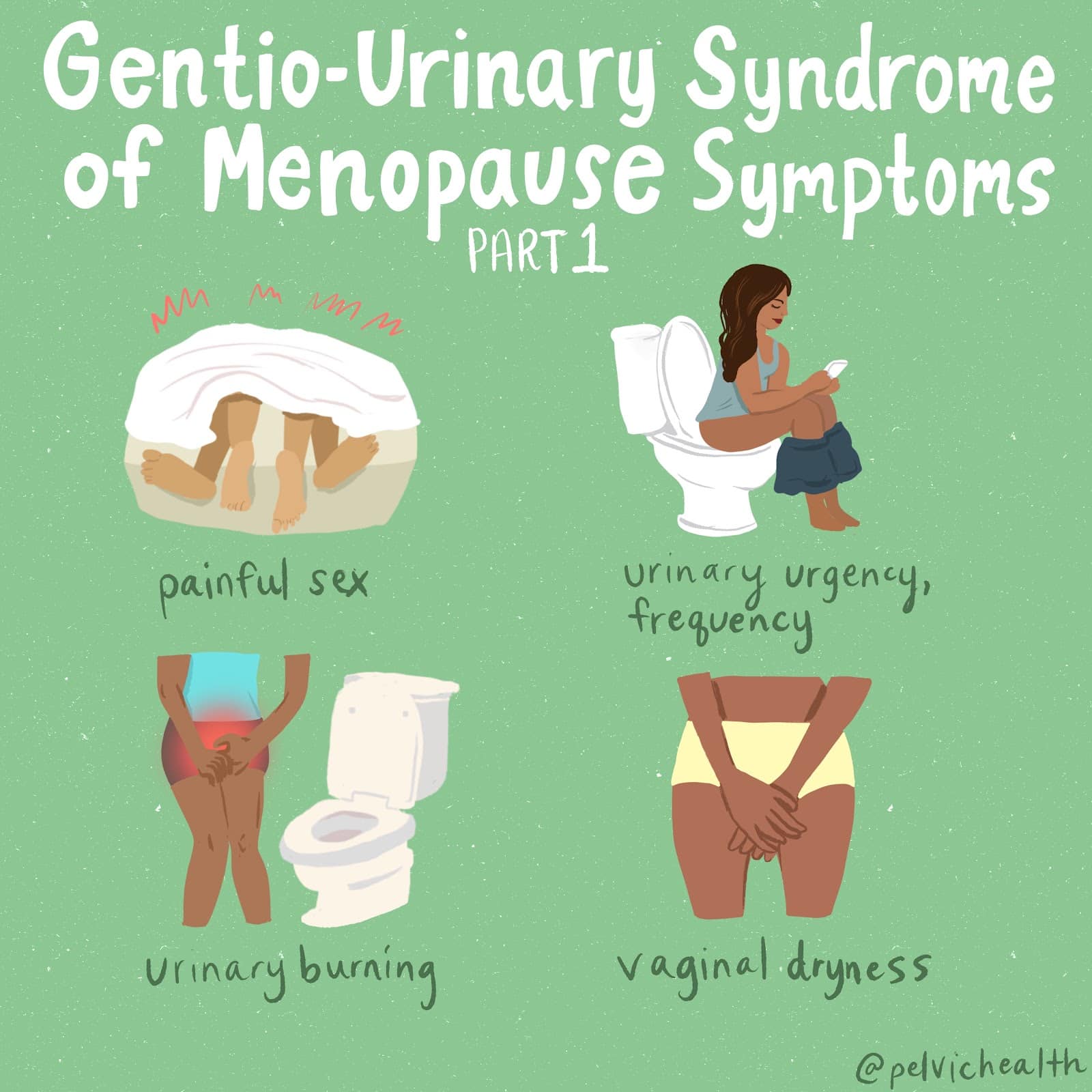
Perimenopause, the transitional phase leading up to menopause, typically begins in a person’s 40s, with menopause itself usually occurring in the early 50s. While systemic symptoms like hot flashes and mood changes are well-known, many people also experience less obvious but equally impactful genitourinary symptoms. These can include painful intercourse, urinary urgency, frequent urination, leakage, burning sensations, recurrent vaginal and urinary tract infections, and vaginal dryness. Collectively, these symptoms are part of the Genitourinary Syndrome of Menopause (GSM). Additionally, many women experience pelvic floor dysfunction, which affects nearly 50% of women by their 50s and can overlap with GSM symptoms.
While systemic hormonal therapy is commonly used to manage menopause symptoms, it may not address the specific needs of those experiencing GSM. The North American Menopause Society recommends the use of vaginal estrogen as an effective treatment for alleviating GSM symptoms and improving quality of life.
Menopause encompasses more than just hot flashes, night sweats, and mood swings. Despite being a common phase affecting roughly half of the population, menopause is often misunderstood, both by the public and many healthcare providers. This gap in knowledge can lead to unnecessary suffering, as many individuals are not fully informed about effective treatments.
Perimenopause, the transitional phase leading up to menopause, typically begins in a person’s 40s, with menopause itself usually occurring in the early 50s. While systemic symptoms like hot flashes and mood changes are well-known, many people also experience less obvious but equally impactful genitourinary symptoms. These can include painful intercourse, urinary urgency, frequent urination, leakage, burning sensations, recurrent vaginal and urinary tract infections, and vaginal dryness. Collectively, these symptoms are part of the Genitourinary Syndrome of Menopause (GSM). Additionally, many women experience pelvic floor dysfunction, which affects nearly 50% of women by their 50s and can overlap with GSM symptoms.
While systemic hormonal therapy is commonly used to manage menopause symptoms, it may not address the specific needs of those experiencing GSM. The North American Menopause Society recommends the use of vaginal estrogen as an effective treatment for alleviating GSM symptoms and improving quality of life.
Differential Diagnosis:
GSM or Pelvic Floor Dysfunction
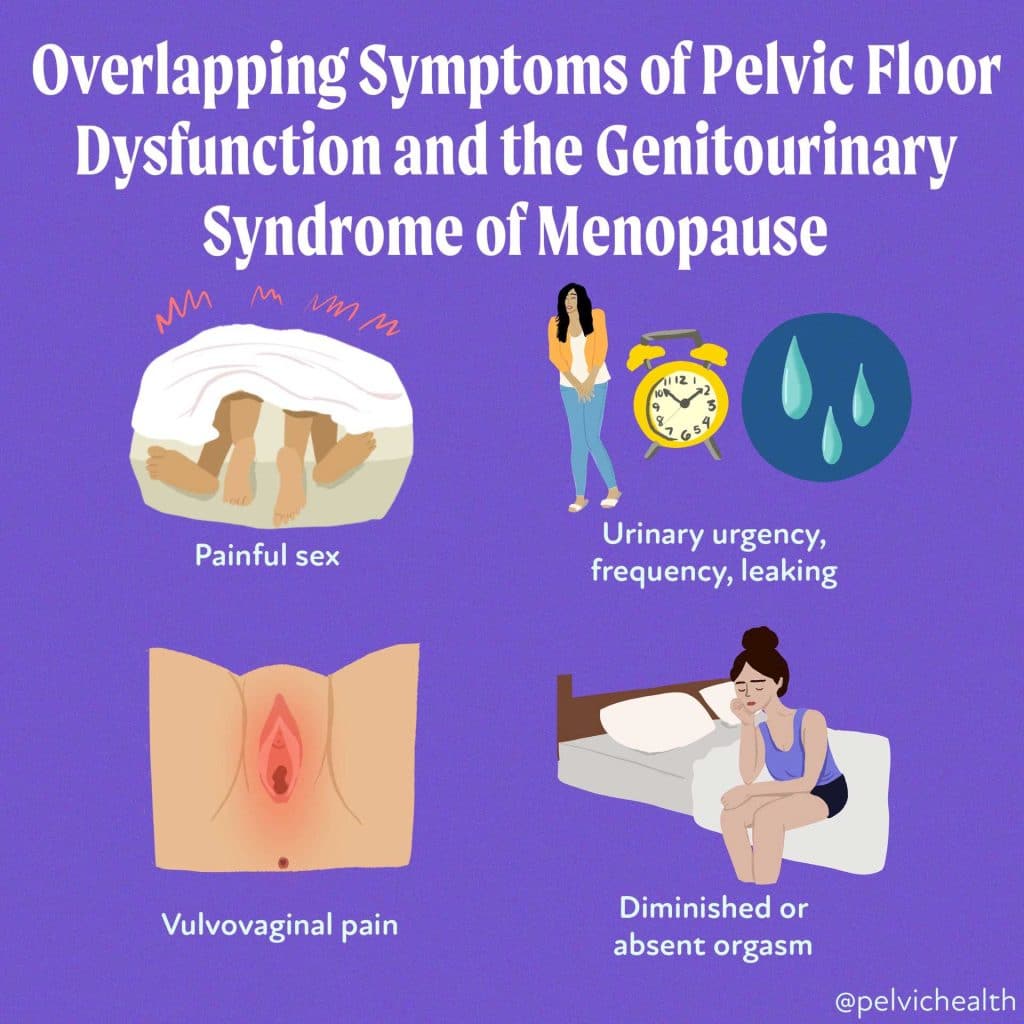
Symptoms of pelvic floor dysfunction and Genitourinary Syndrome of Menopause (GSM) can overlap and include:
- Urinary urgency, frequency, burning, nocturia
- Feelings of bladder or pelvic pressure
- Painful sex
- Diminished or absent orgasm
- Difficulty evacuating stool
- Vulvovaginal pain and burning
- Pain with sitting
An experienced healthcare provider, whether a pelvic floor physical and occupational therapists or a medical doctor, can conduct several assessments to diagnose pelvic floor dysfunction, hormonal deficiencies, and pelvic organ prolapse. These evaluations include a vulvovaginal visual examination, a Q-tip test to pinpoint areas of pain, and a digital manual examination.
Without appropriate medical management, all women may eventually experience symptoms of Genitourinary Syndrome of Menopause (GSM). Many are unaware that a pelvic floor physical and occupational therapy evaluation can be highly beneficial for addressing the musculoskeletal issues contributing to their discomfort. Combining pelvic floor physical and occupational therapy with medical treatments can be crucial for improving sexual enjoyment and resolving urinary and bowel problems.
Virtual pelvic floor therapy for menopause—contact us to get started!
FACTS
From: https://www.letstalkmenopause.org/further-reading
- Every day, approximately 6,000 women reach menopause.
- In the United States, around 50 million women are currently navigating menopause.
- About 84% of women experience genital, sexual, and urinary discomfort related to menopause, which often does not resolve without intervention, yet fewer than 25% seek assistance.
- An estimated 80% of OB-GYN residents acknowledge feeling inadequately prepared to address menopause-related issues.
- Genitourinary Syndrome of Menopause (GSM) is clinically identified in 90% of postmenopausal women, yet only one-third report experiencing symptoms in surveys.
- Barriers to treatment include women needing to initiate discussions about their symptoms, a belief that these issues are simply part of aging, and a failure to connect symptoms with menopause.
- Only 13% of healthcare providers routinely inquire about menopause-related symptoms with their patients.
- Even after a diagnosis of GSM, many women remain untreated. This is partly due to healthcare providers’ reluctance to prescribe treatments and patients’ concerns about the safety of topical vaginal therapies, despite evidence showing that GSM significantly affects quality of life.
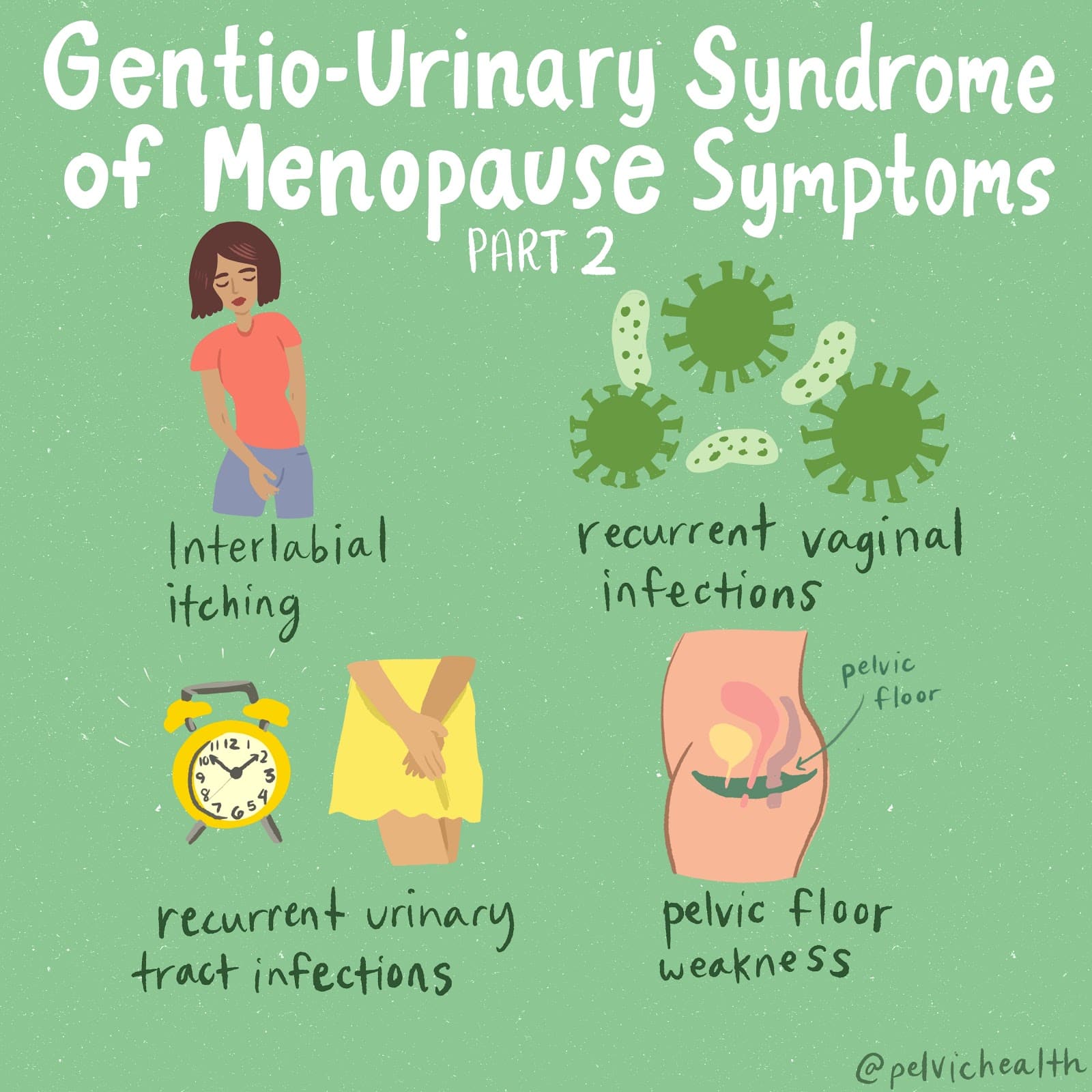
Hormone deficiency can lead to itching in the labial and vaginal areas. Additionally, other dermatological conditions, such as Lichen Sclerosus and cutaneous yeast infections, should also be considered.
During menopause, individuals are particularly susceptible to frequent vaginal and urinary tract infections due to:
- pH and tissue changes
- incomplete bladder emptying
- pelvic organ prolapse compromising urinary function
Recurrent infections are a major contributor to pelvic floor dysfunction. It’s crucial to address these infections promptly, as ongoing visceral-somatic input from untreated infections can lead to increased pain and further dysfunction even after the infection has been resolved. Without appropriate hormone therapy, infections may persist, leading to severe consequences. Untreated infections can cause unprovoked pain, make sexual activity difficult or impossible, and undiagnosed urinary tract infections (UTIs) may progress to kidney issues and other serious complications.
We recommend consulting with a menopause specialist to effectively monitor, prevent, and treat Genitourinary Syndrome of Menopause (GSM) since these issues are both significant and manageable. It’s important to normalize discussions about GSM; there’s no need for embarrassment. With appropriate care, individuals can lead fulfilling lives. Combining virtual pelvic floor physical and occupational therapy with medical management is essential for optimal results.
Treatment:
How We Can Help You
If you’re experiencing sexual dysfunction, it’s beneficial to consult a pelvic floor physical and occupational therapists online. They can assess whether any issues with your pelvic floor are contributing to your symptoms. During your initial virtual evaluation, the therapist will review your medical history, including previous diagnoses, treatments, and their effectiveness. They understand that many patients feel frustrated by the time they seek help.
The therapist will examine your nerves, muscles, joints, tissues, and movement patterns. After the assessment, they will discuss the findings with you and set both short-term and long-term therapy goals. Typically, physical and occupational therapy sessions occur once or twice a week over a period of approximately 12 weeks. Your therapist will also coordinate with other specialists on your treatment team and provide you with a personalized home exercise program. Our goal is to support your recovery and help you achieve the best possible quality of life.
Get virtual pelvic floor therapy for menopause. Book your online consultation today!

Treatment:
How We Can Help You
If you are having issues with your sexual function, it is in your best interest to get evaluated by a therapist for pelvic floor therapy, so they can establish what part, if any, of your pelvic floor may be contributing to the symptoms you are experiencing. During the course of the examination, the physical and occupational therapists will talk to you about your medical history and symptoms, including what you have been previously diagnosed with, the treatments or therapies you have had, and how effective or ineffective these therapies have been for you. It is significant to mention that we fully comprehend what you’ve been dealing with and that the majority of individuals are angry by the time they make it to see us. The physical and occupational therapists will conduct an evaluation of the patient’s nerves, muscles, joints, tissues, and movement patterns while doing the physical examination. After the examination is finished, your therapist will go over the results of the assessment with you. The physical and occupational therapists will conduct an evaluation to determine the cause of your symptoms and will establish both short-term and long-term therapy goals based on the results of the evaluation. Physical therapy treatments are typically administered between once and twice each week for a period of around 12 weeks. Your physical and occupational therapists will assist you in coordinating your recovery with all the other experts on your treatment team. They will provide you with an exercise regimen to complete at home and the sessions you attend in person. We are here to assist you in getting better and living the best life possible.
Get virtual pelvic floor therapy for menopause. Book your online consultation today!



What & Why: The Pelvic Floor Basics from PHRC’s YouTube Channel
The first video, Pelvic Floor Muscles 101, opens with a fundamental point: most people are unaware of their pelvic floor until it “goes wrong.” YouTube The pelvic floor is a sling-like group of muscles spanning the bottom of the pelvis, supporting pelvic organs (bladder, bowel, uterus/prostate), controlling continence, and contributing to core stability.
When the pelvic floor isn’t functioning well — whether too tight (hypertonic), too weak (hypotonic), or unable to coordinate properly — symptoms may emerge: urinary or fecal leakage, pelvic pain, sexual dysfunction, pressure or bulge sensations, and even back or hip pain.
In An Introduction to Your Pelvic Floor, Stephanie Prendergast highlights how pelvic floor dysfunction can be subtle and multifaceted — sometimes overlapping with other musculoskeletal or pelvic conditions. YouTube The message is: it’s rarely just one “bad muscle.” Rather, dysfunction often reflects a network of interactions — nerves, connective tissues, breathing, posture, and movement patterns.
Thus, any good rehab plan must look beyond the floor itself to how the pelvis, hips, core, and nervous system are behaving in daily life.
Signs, Symptoms & Clues
If you’re reading this, you (or someone you know) might already be grappling with symptoms.
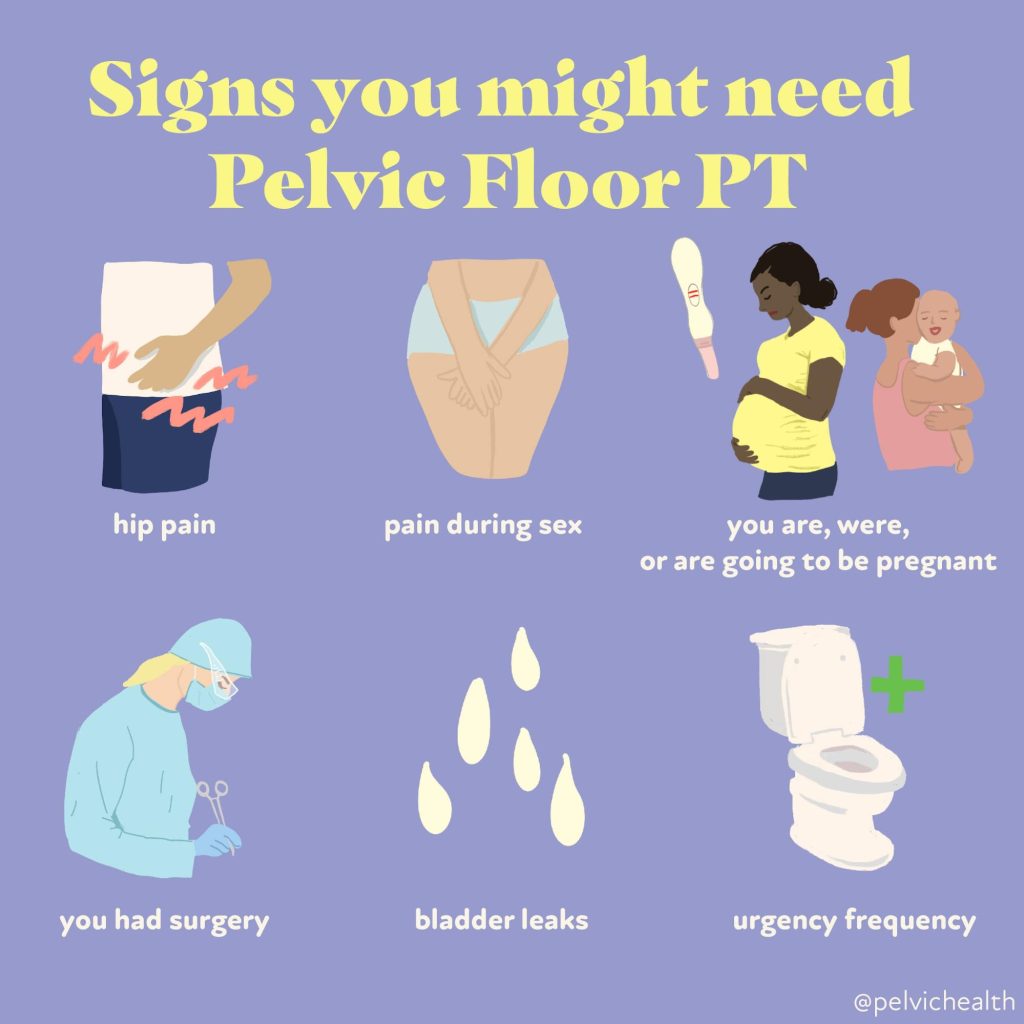
Here are common red flags:
- Urinary urgency, frequency, burning or leakage
- Bowel urgency or incomplete emptying
- Pelvic or lower-abdominal pain, especially with sitting, sexual activity, and exercise
- A sensation of heaviness, bulging, or pressure in the pelvic region
- Musculoskeletal complaints such as low back pain, hip weakness, or tightness
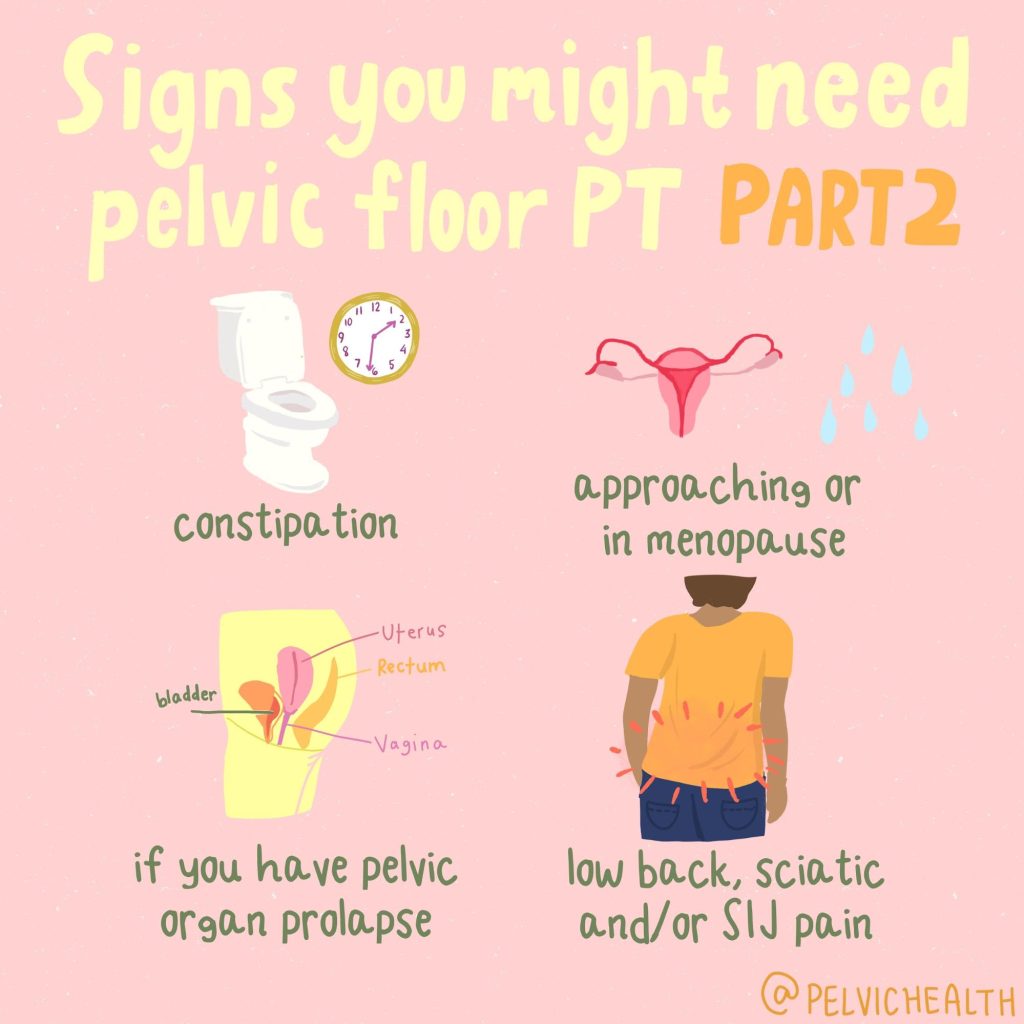
What’s key is to notice patterns and triggers: which movements or positions aggravate symptoms? Do symptoms worsen with stress, after long sitting, exercise, or sexual activity? Where do you feel symptoms and what triggers the symptoms?
The second video stresses that many causes are not purely “pelvic” — other systems and muscles often contribute. YouTube This is why a good rehab plan involves a comprehensive assessment, not a narrow focus.
A Holistic Rehabilitation Strategy
From the full set of videos (especially the latter ones), the following components emerge as pillars of effective pelvic floor rehabilitation:
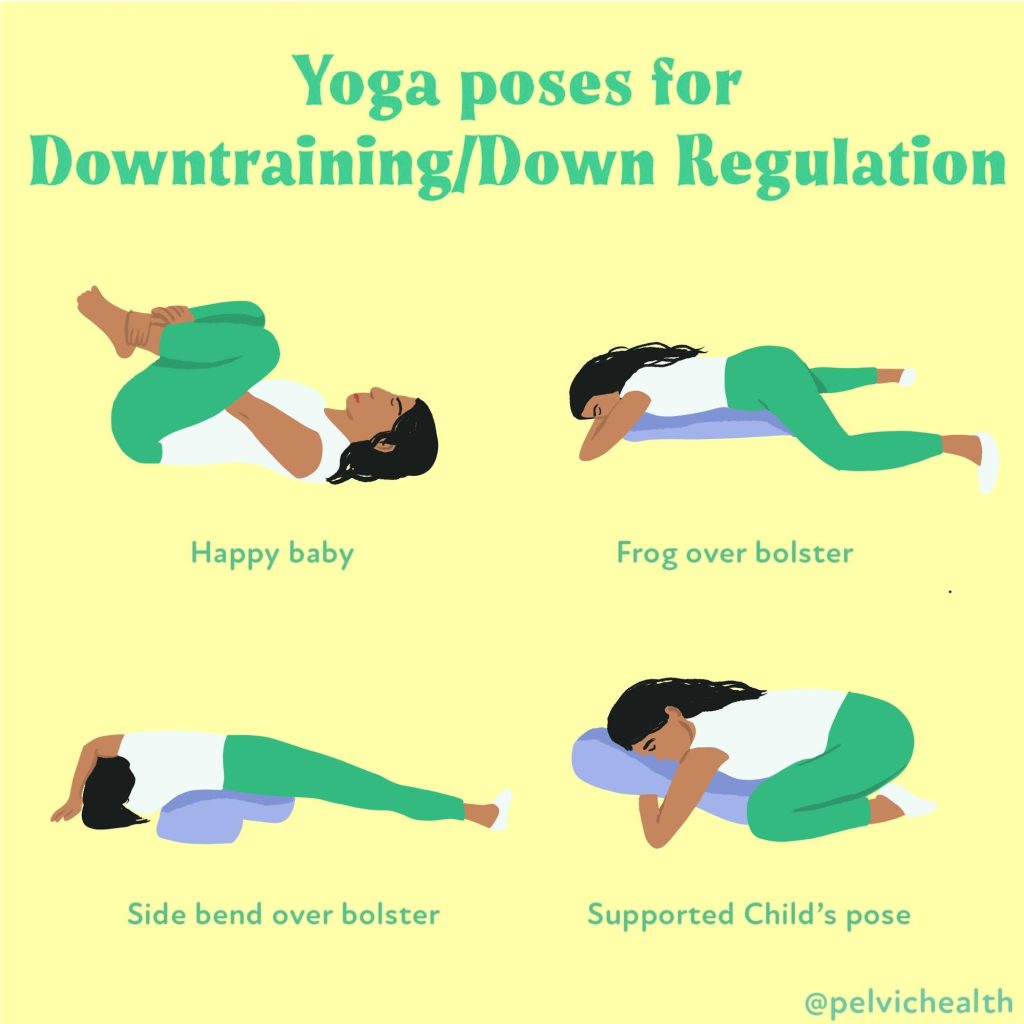
1. Relaxation / down-regulation first
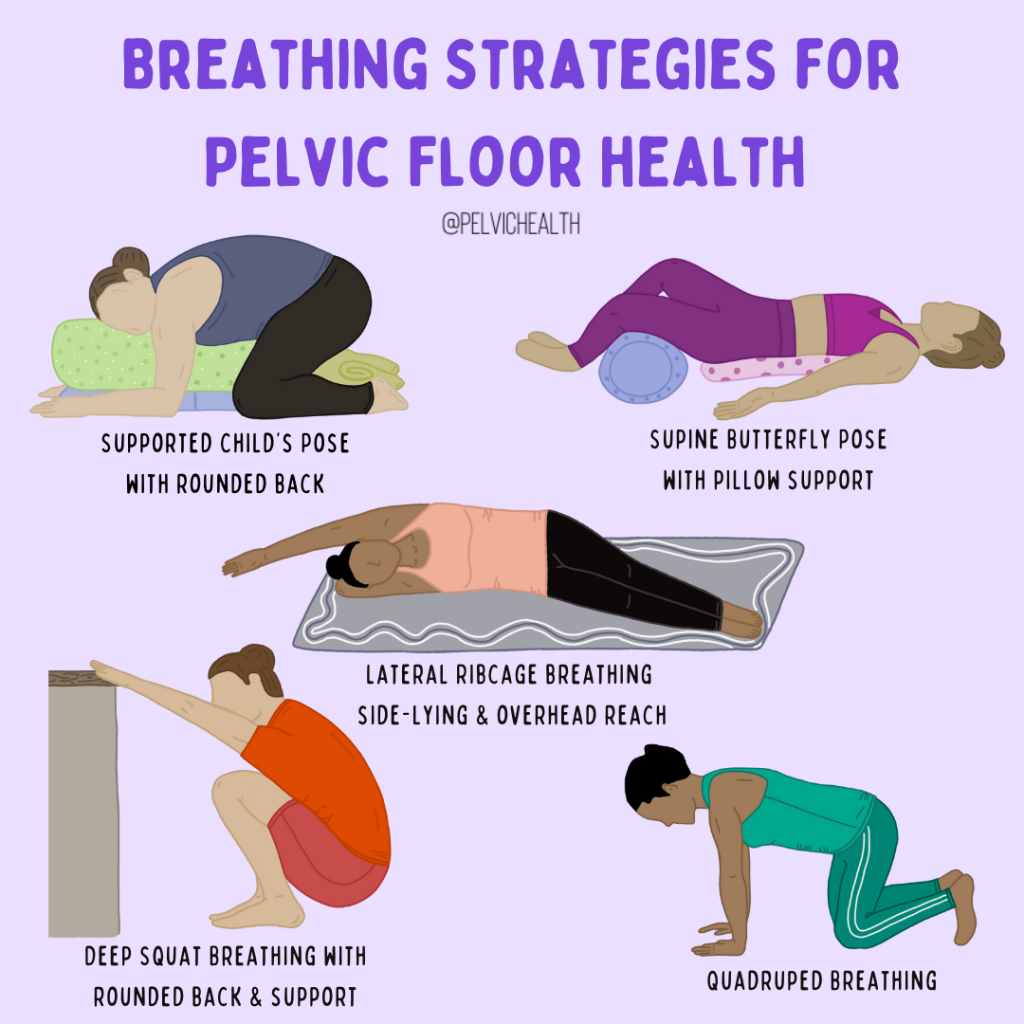
Before strengthening, down-training is often necessary. A pelvic floor that is tense needs help to release. Diaphragmatic (belly) breathing, external soft-tissue work, and neuromuscular re-education – guided in the clinic and instructions for help between visits – are key.
2. Differentiation & control
Once tension is reasonably managed, patients can begin to sense, isolate, and control different muscle contractions. The goal isn’t brute strength, but coordination — the ability to turn these muscles “on” and “off” in functional patterns (e.g. with daily life, and exercise)
3. Functional integration & movement training
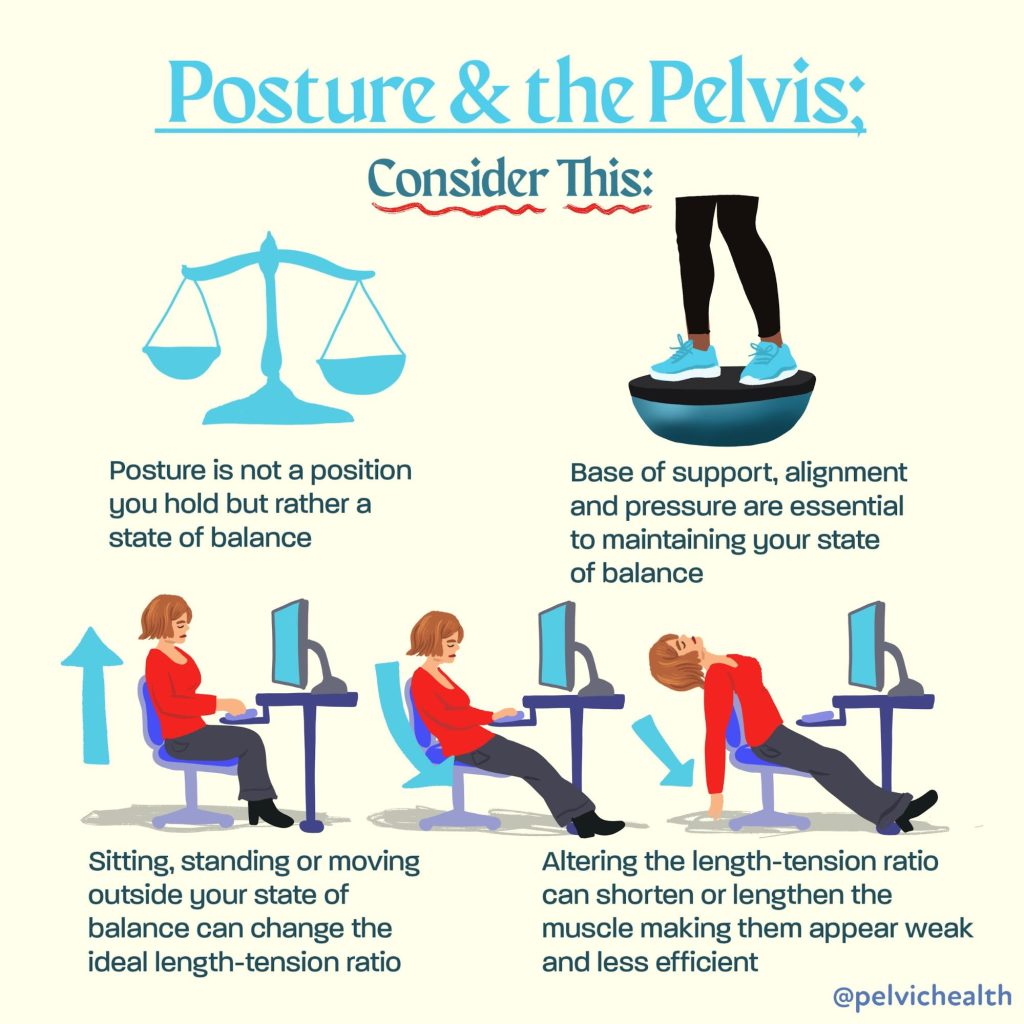
Pelvic floor work should be embedded into real-life movements: walking, bending, lifting, sitting to standing, and core stabilization. Because the pelvis interacts with hips, spine, and the rest of the body, the rehab process often extends there too. People recovering from pelvic floor disorders have altered movement patterns that we can help normalize.
4. Behavioral and environmental adjustments
Sometimes, relieving symptoms involves changing behavior or environment temporarily: posture, toileting habits (avoiding prolonged straining), hydration, bowel regularity, and avoiding aggravating positions or heavy loads.
5. Gradual progression and patient engagement
Rehab is rarely linear or fast. Progress involves small steps, experimentation, and consistent feedback from the patient. As the videos suggest, shared decision-making and patient education are key for sustained recovery.
Putting It Into Practice: A Sample Journey
Below is a hypothetical, but realistic, progression a patient might work through, combining lessons from the videos:
Initial Assessment & “reset”
-
- We begin with listening to our patients’ most bothersome symptoms and tailor the physical exam to help our patients best understand the somatic causes of their symptoms.
- Manual therapy is often involved for assessment and treatment. We offer clinical treatment for what patients cannot yet do themselves and help devise a home program to support the clinical work.
- Neuromuscular re-education and short and long term goals are key for success.
Gentle down-training work
-
- Foam rolling and theragun use are helpful home tools
- Central nervous system down-training exercises are useful, we like the resources on the Tame the Beast website.
- Avoid over-activation (resist “just squeezing harder”)
Awareness & control drills
-
- Cueing with breathing, posture, visualization
- Integrate with minimal load tasks: seated to standing, small weight shifts
Integration into movement / function
-
- Add core-limb coordination: bridging, single-leg stance, hip hinge, squats
- Challenge timing: e.g. contract during cough, Valsalva, bending, lifting
- Address compensatory patterns in hips, glutes, back
Load & endurance progression
-
- Higher repetitions or holds
- More dynamic tasks: walking lunges, carrying loads, stairs
- Sport- or task-specific drills, if relevant
Throughout, the therapist and patient communicate: Which exercises help, which flare symptoms, which positions provoke or ease discomfort? This feedback loop guides the next steps.
Why Results Take Time — and Why That’s OK
One of the recurring themes from all the videos is patience. The pelvic floor is deeply interconnected with posture, movement, nervous system regulation, and behavior. It rarely — and perhaps never — “fixes” overnight.
Expect fluctuations: good days, setbacks, and plateaus. That doesn’t mean treatment is failing — it means the process is working through complex systems. Consistency, gentle progression, and adaptation are more powerful than heavy effort or “all or nothing” thinking.
Also, even if symptoms don’t vanish fully, many patients report meaningful improvements in quality of life, ease of movement, and confidence in using their bodies again.
Tips & Caveats
- Don’t push through deep pain — a flare is a signal to downshift.
- Track symptoms & triggers — keep a journal or log.
- Be patient with “relaxation” phases — these are not passive; they’re active neuromuscular reprogramming.
- Address whole-body contributors — hips, core, breathing, posture matter.
- Communicate with your provider — share preferences, fears, and feedback.
- Find a skilled pelvic floor PT or clinician who understands this integrative approach.
Conclusion
The journey to pelvic health is seldom straightforward, but it is deeply worthwhile. The videos you sent offer a balanced and nuanced view: anatomies, dysfunctions, and rehabilitation techniques. We see a shift away from isolated “squeeze harder” thinking toward a system-based, patient-centered process.
If you or someone you work with is embarking on pelvic floor rehabilitation, remember that success is built in small, consistent steps — relaxation, control, integration, and feedback. Over time, the goal is less about “perfect muscle” and more about resilience, coordination, and confidence in your own body.
______________________________________________________________________________________________________________________________________
Check out our recently published e-book titled “Vulvodynia, Vestibulodynia, and Vaginismus,” designed to empower and inform individuals on their journey towards healing and understanding.
Are you unable to come see us in person in the Bay Area, Southern California or New England? We offer virtual physical therapy appointments too!
Virtual sessions are available with PHRC pelvic floor physical therapists via our video platform, Zoom, or via phone. For more information and to schedule, please visit our digital healthcare page.
Do you enjoy or blog and want more content from PHRC? Please head over to social media!
Facebook, YouTube Channel, Twitter, Instagram, Tik Tok
Table of Contents
-
.
-
.
-
.
-
.
-
.
-
.
-
.
-
.
-
.
When Should I See a Pelvic Floor Physical and Occupational Therapists?
-
.
Pudendal neuralgia is an often misunderstood and misdiagnosed source of chronic pain. Additionally, this condition doesn’t just cause pain; it can affect how you sit, move, and live your life.
At the Pelvic Health and Rehabilitation Center (PHRC), we specialize in treating pudendal neuralgia. PHRC cofounders Elizabeth Akincilar and Stephanie Prendergast specialized in this condition in the early 2000’s. They recognized the need for medical professionals to undergo training to diagnose and treat pudendal neuralgia and developed the first continuing education course for medical professionals on this topic in 2007. They taught the course over 40 times around the world and regularly lecture about pudendal neuralgia at medical and physical and occupational therapy conferences.
As pelvic floor physical and occupational therapists, we work closely with individuals who have spent years searching for answers, often seeing multiple providers before receiving an accurate diagnosis. There is simply a shortage of medical doctors and pelvic floor physical and occupational therapists qualified to treat this diagnosis. Through a combination of expertise, evidence-based care, interdisciplinary management with trusted colleagues, and a deep understanding of the pelvic nervous and musculoskeletal system, we help clients find relief, regain function, and feel like themselves again.
What is Pudendal Neuralgia?
Pudendal neuralgia is a common condition that causes pelvic pain. When this nerve becomes inflamed or entrapped, it can lead to burning, stabbing, or aching pain in the pelvic region, often worsened by sitting. It can lead to issues with urination, bowel movements, and sexual function.
The term ‘neuralgia’ means neuropathic pain in the distribution of a nerve. The pudendal nerve originates from sacral nerve roots two, three, and four and takes a complex route through the pelvis. This route includes the pelvic floor muscles, sacrotuberous and sacrospinous ligaments, and Alcock’s Canal. Along its path, the nerve splits into branches, making sharp angles and turns, which increases its risk of injury/compromise.
The pudendal nerve’s sensory coverage includes the vulva (clitoris, labia major/minora, vestibule), the penis and scrotum, the last third of the urethra and rectum, the anal and urinary sphincters, the perineum, and pelvic floor muscles. It is a very unique mixed nerve (it contains sensory, motor, and autonomic fibers). These components allow it to provide feeling, muscle movement, and voluntary and involuntary control of urinary, bowel, sexual function, and muscle activation.
Although pudendal neuralgia is considered rare, with some sources estimating it affects about 1 in 100,000 people, that number might not reflect the true prevalence. Many individuals go undiagnosed or misdiagnosed for years, often because few healthcare providers are familiar with the condition or how to properly assess the pudendal nerve.
At PHRC, we regularly see clients who have spent months or even years seeking answers for their pain. Pudendal neuralgia doesn’t appear clearly on imaging or standard tests, which makes a detailed clinical evaluation essential. That’s where pelvic floor physical and occupational therapists come in. Pelvic floor physical and occupational therapy is a key component of recovery, offering strategies to reduce pressure on the nerve, calm the nervous system, and improve mobility and function over time.
What are the Symptoms of Pudendal Neuralgia?
Symptoms of pudendal neuralgia include:
- Burning, shooting, stabbing pain in the genitals, perineum, or anus
- Urinary urgency, frequency, burning before, during, or after urination
- Pain before, during, or after bowel movements
- Pain before, during, or after sexual activity and orgasm
- Symptoms are worse when sitting versus standing or lying down
- Symptoms can be provoked by trunk flexion, hip flexion, external rotation of the hip, and certain exercises/activities such as squats, lunges, walking uphill, and sitting
Multiple nerves innervate the pelvic region, including the following. The symptoms of pudendal neuralgia (including burning, shooting, or stabbing pain) can occur in some or all of the structures the involved nerve supplies sensation to.
- Ilioinguinal Nerve
- Genitofemoral Nerve
- Illiohypogastric Nerve
- Posterior Femoral Cutaneous Nerve
- Sciatic Nerve
- Obturator Nerve
- Pudendal Nerve
What Causes Pudendal Neuralgia?
Symptoms of neuralgia occur when the nerve is compromised in a manner that interrupts its ability to slide, glide, and move normally. Common causes of pelvic neuralgias include:
- Surgical scars from hernia repairs, cesarean section, and laparoscopic abdominal and pelvic surgeries
- External trauma, such as car accidents or falls
- Musculoskeletal and joint dysfunction
- Hernias
The pudendal nerve has a more complicated course than other pelvic nerves, making it more prone to injury. The aponeurosis (a flat, strong layer of connective tissue) of the obturator internus muscles forms a fascial canal (a tunnel made of connective tissue) called Alcock’s Canal, which houses a main branch of the pudendal nerve. Common causes of pudendal neuralgia include:
- Obturator Internus, Piriformis, and/or pelvic floor dysfunction
- Altered lumbo-pelvic-hip mechanics
- Compression issues (sitting, cycling, horseback riding)
- Tension issues (constipation, childbirth, heavy weight lifting involving squats/lunges)
- Surgical insult (pelvic organ prolapse repair, prostatectomy)
How Is Pudendal Neuralgia Diagnosed?
Pudendal neuralgia isn’t well understood by the majority of medical providers, which makes getting an accurate diagnosis difficult for most people. Medical and physical and occupational therapy schools do not include training on pudendal neuralgia. Providers aren’t trained to recognize the condition, let alone feel confident recommending treatment. Because of this, many people end up trying to diagnose themselves, often after reading online that pelvic pain while sitting might mean pudendal neuralgia.
But sitting pain or nerve pain in the vagina or pelvis can come from many different sources, and not all nerve-related pelvic pain involves the pudendal nerve. There are multiple nerves that serve the pelvic region, so it takes a skilled provider to narrow down the true source or sources of pain.
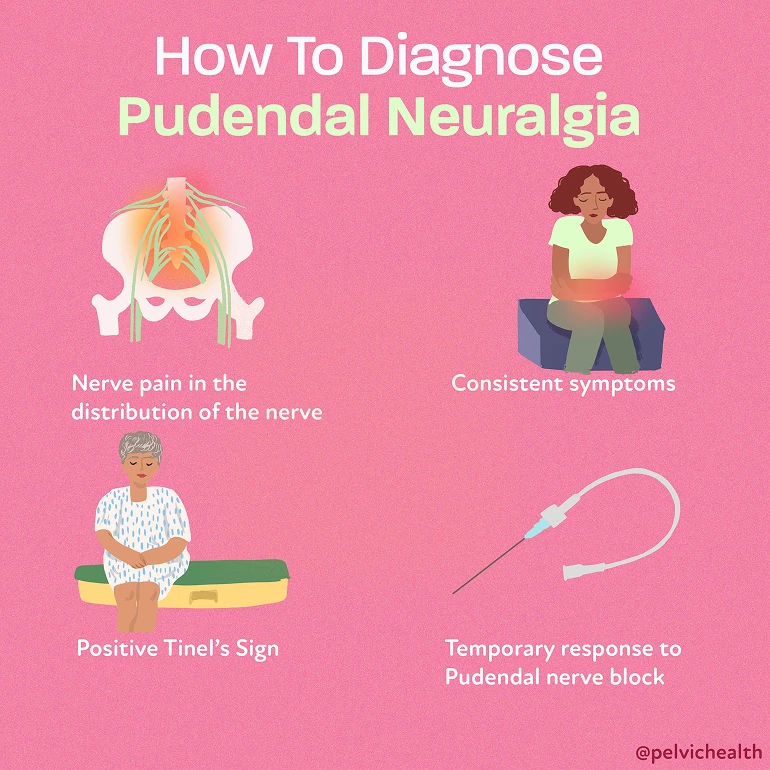
Diagnosing pudendal neuralgia involves a detailed clinical evaluation. There is no single test that confirms the diagnosis. Instead, a diagnosis is made based on your symptoms, a thorough medical history, and a physical exam that assesses your pelvic floor muscles, joint mobility, nerve sensitivity, and movement patterns. Your provider might also rule out other possible causes of pelvic pain through imaging or referrals to specialists.
One main part of the diagnostic process is identifying patterns that match pudendal nerve involvement, such as pain worsened by sitting, burning or stabbing sensations in the pudendal nerve distribution, and relief when sitting on a toilet or cut-out cushion.
Another challenge lies in separating pudendal neuralgia from pudendal nerve entrapment. While the symptoms might overlap, entrapment means the pudendal nerve is physically compressed or stuck somewhere along its path. Right now, there’s no reliable imaging or diagnostic test that can confirm pudendal nerve entrapment. The only way to know for sure is during surgical decompression of the nerve, which isn’t a path most people take without exhausting other options first.
Thankfully, awareness is growing. More providers now recognize the signs of pudendal neuralgia and know when to refer patients to specialists. At PHRC, we help clients understand what’s contributing to their pain and guide them toward a diagnosis that actually fits their experience.
What are the Associated Diagnoses?
Pudendal neuralgia often overlaps with or is mistaken for other pelvic conditions. These associated diagnoses can either contribute to pudendal nerve irritation or exist alongside it, making the pain more complex. Below are some of the most common:
Myofascial Pelvic Pain Syndrome
This condition involves chronic tightness and trigger points in the pelvic floor muscles. When the muscles stay in a guarded or overactive state, they can compress nearby nerves—including the pudendal nerve—leading to nerve-like symptoms even when the issue is muscular.
CPPS (Chronic Pelvic Pain Syndrome or Male Pelvic Pain Syndrome)
CPPS is a broad diagnosis used when men experience persistent pelvic pain without a clear infection or medical cause. Symptoms might include testicular pain, perineal discomfort, and urinary or sexual issues. In many cases, the pudendal nerve plays a role, but the pain can also stem from other nerves or musculoskeletal dysfunction.
Endometriosis
Endometriosis occurs when tissue similar to the uterine lining grows outside the uterus, often affecting pelvic structures. It can lead to widespread inflammation, adhesions, and nerve irritation. In some individuals, endometriosis contributes to pelvic nerve pain or creates a sensitized environment that makes pudendal neuralgia more likely.
Vestibulodynia
Vestibulodynia is characterized by pain at the vaginal opening (vestibule), often described as burning, rawness, or irritation. While it can have hormonal or inflammatory roots, it’s sometimes related to nerve hypersensitivity or pelvic floor muscle dysfunction that overlaps with pudendal neuralgia.
Pudendal Nerve Entrapment
This is a specific condition where the pudendal nerve becomes compressed or mechanically stuck along its path through the pelvis. While all entrapments involve pudendal neuralgia, not all cases of pudendal neuralgia are due to entrapment. Diagnosing entrapment remains difficult without surgical confirmation.
“Cyclist’s Syndrome”
This is also known as pudendal neuralgia, caused by prolonged pressure on the perineum, this condition often affects cyclists due to long hours on a bike seat. The constant compression can irritate or damage the pudendal nerve, resulting in pain or numbness in the pelvic area.
What Role Does Pelvic Floor Dysfunction Play in Pudendal Neuralgia?
The pelvic floor is a group of muscles across the bottom of the pelvis, supporting your bladder, bowel, and reproductive organs. These muscles also help with posture, core stability, and bowel and bladder control. Just like any other muscle group, they can become tight, weak, or uncoordinated—and when that happens, they can contribute to pain and dysfunction.
Pelvic floor dysfunction is often a leading cause of pudendal neuralgia. When these muscles stay in a chronically tight or overactive state, they can place pressure on the pudendal nerve or nearby structures. Over time, this ongoing tension can irritate the nerve, leading to burning, stabbing, or aching sensations along its path.
The pudendal nerve travels through very narrow spaces between muscles, ligaments, and fascia. If those tissues are restricted or inflamed, they can trap or compress the nerve. In some cases, the body reacts to this pain by guarding or clenching the pelvic floor even more, creating a cycle that’s hard to break without targeted intervention.
That’s why treating the muscular and structural imbalances of the pelvic floor is such an important part of finding relief from pudendal neuralgia.
What is the Treatment for Pudendal and Pelvic Neuralgias?

Most cases of pelvic and pudendal neuralgias have a neuro-muscular pelvic floor and girdle component. Therefore, pelvic floor physical or occupational therapy should always be offered as a first-line treatment for these syndromes. Because these syndromes affect urinary, bowel, and sexual dysfunction as well as daily comfort and ability to perform professional and recreational activities, interdisciplinary care that includes the following treatments can be the most effective:
- Pelvic floor physical therapy or occupational therapy
- Pharmacologic management with a pain management doctor
- Procedural interventions (nerve blocks, Botox injections to surrounding dysfunctional muscles, regenerative injections such as PRP or stem cells, dry needling)
- Pain Science education and stress management strategies
- Temporary lifestyle modifications
- Surgical intervention in cases of suspected entrapment
How Pelvic Floor Physical and Occupational Therapy Helps

Pelvic floor physical and occupational therapy targets the underlying causes of pudendal nerve irritation by treating the muscles, joints, nerves, and soft tissue of the pelvic region. At PHRC, we use a variety of techniques to calm the nervous system, release muscle tension, and improve mobility.
Treatment includes:
- Assessing the pelvic floor muscles for overactivity, weakness, or restriction
- Using manual therapy to release tight muscles, fascia, and scar tissue
- Retraining the pelvic floor and core muscles to improve coordination and reduce strain
- Incorporating breathwork and relaxation techniques to calm the nervous system and reduce pain
- Addressing posture, walking mechanics, and movement patterns that may contribute to ongoing tension
- Coordinating care with other providers (such as pain management specialists, gynecologists, or surgeons) as part of a comprehensive approach
Pelvic floor PT is often part of a larger care plan. For many people with pudendal neuralgia, it’s one of the most effective ways to reduce pain, improve function, and return to a more comfortable life.
What To Expect During a Physical and Occupational Therapy Session
If you’re dealing with pelvic pain from pudendal neuralgia, starting with a physical and occupational therapist who specializes in pelvic pain can be an important step toward relief.
At your first visit, we take time to understand your full story. We’ll go over your symptoms, past diagnoses, previous treatments, and how those treatments have worked—or haven’t. Many people come to us feeling frustrated after seeing multiple providers, and we recognize just how challenging that journey can be.
During the physical exam, we assess your muscles, joints, connective tissue, nerves, and how your body moves. This hands-on evaluation helps us figure out what’s contributing to your pain.
After the assessment, we walk you through what we found and explain how these patterns might be related to pudendal neuralgia.
From there, we create a plan with both short-term and long-term goals based on your needs. Most people benefit from coming to physical and occupational therapy one to two times per week for about 12 weeks. You’ll also receive a home exercise program designed to support your progress between visits.
Throughout your care, we collaborate with your broader treatment team (including medical doctors and other specialists) to keep everyone on the same page. Our goal is to help you reduce pain, move with more ease, and get back to living your life more comfortably.
Tips for Living with Pudendal Neuralgia
Managing pudendal neuralgia often requires a mix of treatment and day-to-day strategies. While physical and occupational therapy plays a big role, small adjustments to your routine can also make a difference in how you feel. Here are some practical tips we often share with clients:
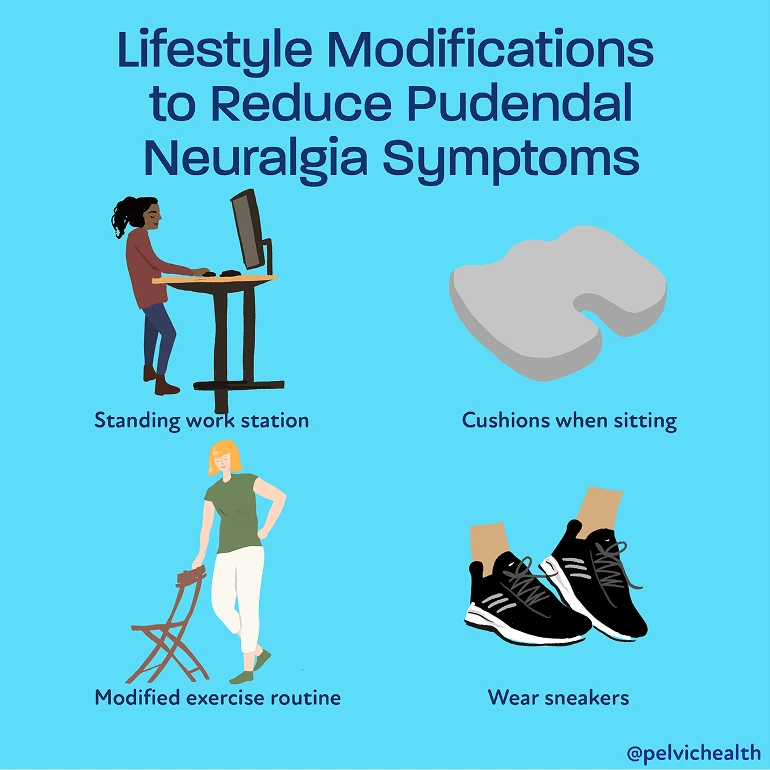
- Use a cut-out cushion when sitting to reduce pressure on the pudendal nerve
- Take standing breaks or walking breaks regularly if your job or lifestyle involves long periods of sitting
- Avoid activities that increase symptoms, such as deep squats, heavy lifting, or cycling
- Focus on gentle movement like walking, stretching, or low-impact exercise to keep circulation flowing
- Practice deep breathing and relaxation techniques to help downtrain the nervous system and reduce muscle tension
- Stay consistent with your home exercise program as guided by your pelvic floor physical and occupational therapist
- Track your symptoms to notice patterns or triggers you can adjust
- Be patient with your progress since healing from pudendal neuralgia often happens gradually
- Seek emotional support through therapy, support groups, or trusted friends, especially if the pain has impacted your quality of life
You’re not alone in this. With the right care, self-awareness, and ongoing support, it is possible to manage symptoms and reclaim your comfort.
Get Help Today at PHRC
Living with pudendal neuralgia can be exhausting, especially when answers feel hard to come by. At PHRC, we’re here to listen, assess, and guide you toward meaningful relief. We take a whole-body approach to care, focusing not just on your symptoms but on the underlying patterns that contribute to them.
Our team of pelvic floor physical and occupational therapists brings both clinical expertise and genuine compassion to every session. We work with you to build a plan that fits your life and helps you move forward.
If getting to the clinic is a challenge, we offer telehealth appointments following your first in-person visit, so you can keep making progress no matter where you are.
Table of Contents
-
.
-
.
-
.
-
.
-
.
-
.
-
.
-
.
-
.
When Should I See a Pelvic Floor Physical and Occupational Therapists?
-
.
My name is Stephanie Prendergast. I am a pelvic floor physical therapist, co-founder of the Pelvic Health and Rehabilitation Center, past-President of the International Pelvic Pain Society, and faculty for the International Society for the Study of Women’s Sexual Health. Over the course of my career I have cared for thousands of women and educated countless medical providers. I am also in perimenopause myself, and a daughter, niece, and friend to many women who have faced these challenges.
In our clinics, we treat women suffering from vaginal dryness, dyspareunia, bladder irritation, and recurrent urinary and vaginal infections—conditions that frequently overlap with pelvic floor dysfunction. Physical and occupational pelvic health therapists are trained to differentiate musculoskeletal causes from hormonal deficiencies, but our ability to help patients is undermined when safe, effective treatment—vaginal estrogen—is stigmatized by inaccurate labeling.
The current FDA labeling creates fear and confusion. Patients read warnings that contradict decades of clinical evidence, and physicians—many of whom already lack training in menopause care—often tell women that vaginal estrogen causes cancer or other health problems. This is simply not true. Yet the weight of FDA labeling and a physician’s authority outweighs the reassurance of any physical or occupational therapist, no matter how experienced. This labeling is harming women’s health and must be corrected.
I also write to you as a daughter. Several years ago, my mother developed severe symptoms that were repeatedly misdiagnosed or worse, undiagnosed all together. It turned out the problem was recurrent urinary tract infections. She was treated with rounds of antibiotics that destroyed her gut, caused weight loss, and left her debilitated. Despite seeing gynecologists, urologists, and primary care physicians, she was never offered hormonal therapy. At age 70, after months of suffering, she finally received vaginal estrogen under my advocacy. Within one month, her symptoms resolved. She has thrived ever since—yet even now, she faces ongoing barriers: physicians unwilling to prescribe it, pharmacies accusing her of “overuse,” and the stress of navigating a system shaped by misinformation. If I had not been able to advocate for her, I fear her decline would have continued.
My mother’s story is not unique. I see these patterns in my patients daily. Safe, effective, low-dose vaginal estrogen restores health and dignity, yet women are denied it because of misleading FDA labeling.
On behalf of my patients, my profession, and my family, I urge the FDA to correct this error. Accurate labeling will empower women, guide providers, and reduce unnecessary suffering. As healthcare providers, we fight many uphill battles for our patients—please make this one easier.
Everyone deserves pelvic comfort, health, and wellbeing. Please do the right thing and change the label.
Respectfully,
Stephanie Prendergast, PT, MPT


Due 9/24/25 11:59pm EDT
Still time to rally!
It’s super easy
Click → “Comment” → Follow the prompts.