
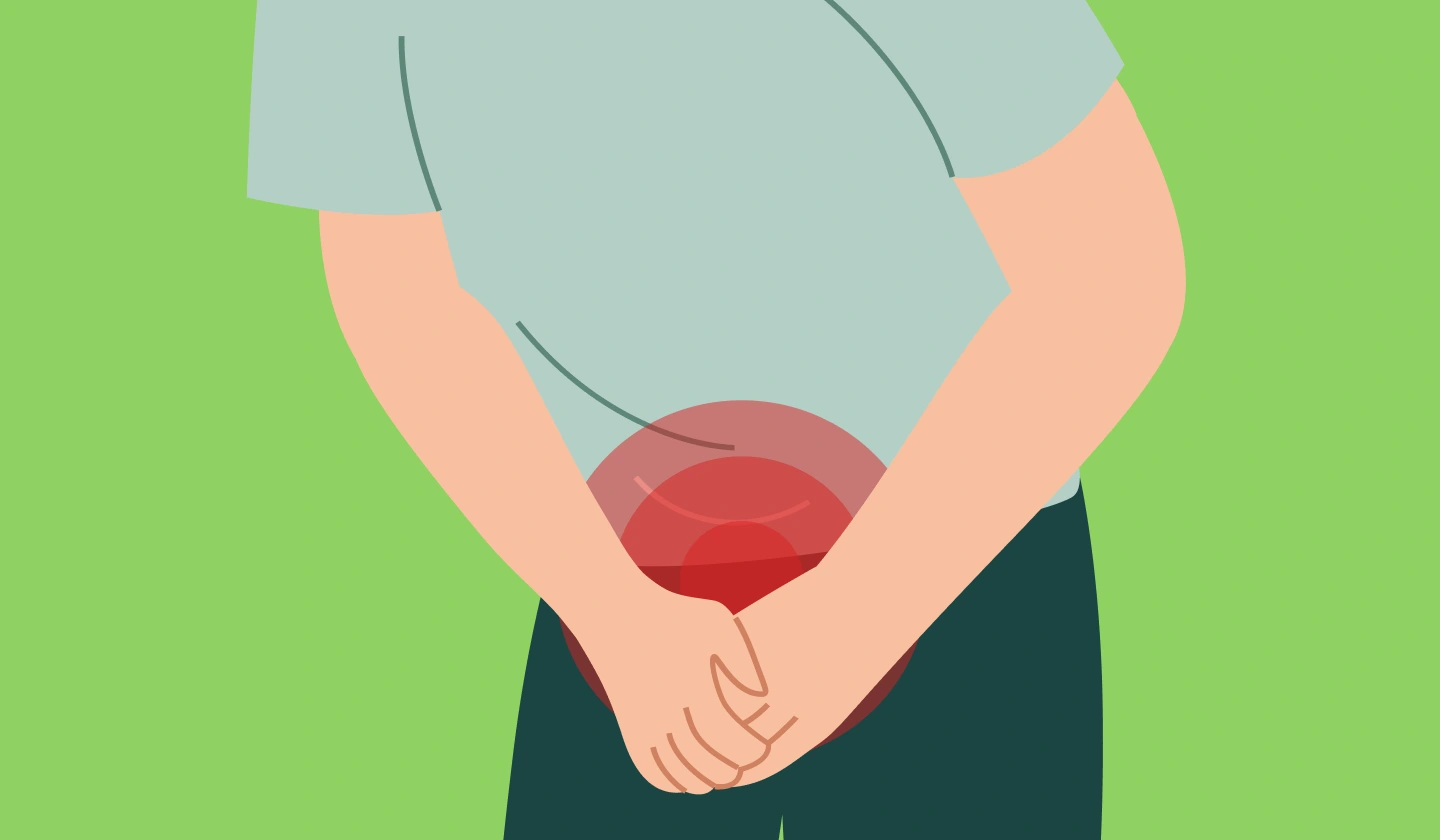
If you’re a man in Los Feliz who has been experiencing pelvic pain, burning with urination, or sexual discomfort that doesn’t seem to resolve, you’re certainly not alone. These symptoms are often linked to a condition known as chronic prostatitis or Chronic Prostatitis/Chronic Pelvic Pain Syndrome (CP/CPPS). It is far more common than most people realize, with about 10% of men encountering prostatitis-like pain at some stage of life.
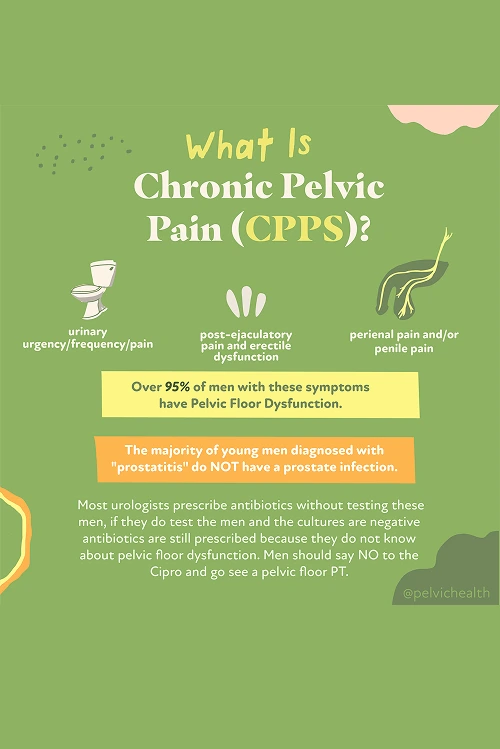
What’s less known is that around 97% of these cases do not involve an infection at all. Despite this, many men are still given antibiotics unnecessarily. In reality, the discomfort usually originates from dysfunction in the pelvic floor muscles. When these muscles are tense, irritated, or not coordinating properly, they can trigger symptoms that resemble those of a prostate disorder.
Men in Los Feliz who have struggled to find answers can benefit greatly from pelvic floor physical and occupational therapy at PHRC. Our experienced therapists specialize in restoring muscle balance, improving pelvic coordination, and relieving chronic tightness. By treating the true underlying cause rather than the symptoms alone, we help men move forward with renewed comfort and control.
What are the Causes of Chronic Pelvic Pain Syndrome in Men?
Most cases of Chronic Pelvic Pain Syndrome are not caused by infection in the prostate, even though many men are told otherwise. Pain usually originates from several other sources, particularly the way the pelvic floor muscles interact with the body’s other systems.
- Lumbar pathology: Nerves controlling the pelvic region start in the lower back. If a disc protrudes, arthritis develops, or a lumbar nerve becomes irritated, pain can radiate into the pelvic area and feel as if it originates in the prostate, even though the true problem is spinal in nature.
- Vascular pathology: Problems with blood circulation, including varicoceles, venous congestion, or changes in vascular supply, can lead to a sense of pressure, heaviness, or aching that resembles prostate pain.
- Pelvic floor pathology: The pelvic floor muscles act like a hammock supporting the pelvis. When these muscles are tight, spastic, or uncoordinated, they can irritate nearby nerves and create sensations of pain that appear to come from the prostate or bladder, though the muscles themselves are frequently the main source.
Other contributing factors can include:
- Past surgeries such as vasectomy or prostate procedures
- Structural issues like hip dysfunction, scoliosis, or leg length differences
- Excessive or sudden changes in exercise
- Long hours of sitting
- Chronic constipation or frequent straining
- Trauma or stress to the pelvic area
While the causes of pelvic pain can be varied, most men experiencing chronic symptoms, especially those involving the bladder or bowel, are found to have pelvic floor dysfunction at the foundation of their pain.
Symptoms of Chronic Pelvic Pain Syndrome
The experience of CPPS can be especially confusing for men because the symptoms often resemble prostate inflammation or bladder irritation, yet the issue may be rooted in tight or hypersensitive pelvic floor muscles. You might experience any of the following:
- Aching, pressure, or sharp pain in the perineum, pubic area, or lower abdomen
- Discomfort that feels like it’s coming from the testicles, tip of the penis, or inside the urethra
- Urgency, frequency, weak stream, or the sensation that you can’t fully empty your bladder
- Burning or stinging, even when no infection is present
- Pain with or after ejaculation, erectile discomfort, or reduced sexual satisfaction
- Tightness or aching that overlaps with pelvic discomfort
- A sense of heaviness, pressure, or tight muscles in the pelvic floor area
Associated Diagnoses
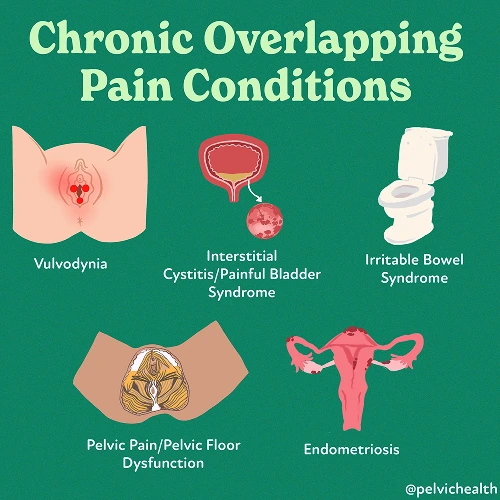
Chronic pelvic pain among men can arise from a wide variety of recognized sources. Some are linked to spinal problems, others to circulation disturbances, and many to tight or overactive pelvic floor muscles.
Back-related conditions such as herniated discs, lumbar radiculopathy, or spinal arthritis can cause nerve irritation that spreads toward the pelvis, creating pain often mistaken for prostate issues. Disorders like varicocele, pelvic vein congestion, or torsion of the testicles can change blood flow and lead to sensations of heaviness, throbbing, or acute pain. While Chronic Pelvic Pain Syndrome is the most typical diagnosis, it can overlap with pudendal neuralgia, painful bladder syndrome, or the condition known as hard flaccid syndrome.
Frequently, the pelvic floor plays a central role, either as the direct source of pain or as a factor that intensifies discomfort coming from other body systems.
Diagnostic Challenges
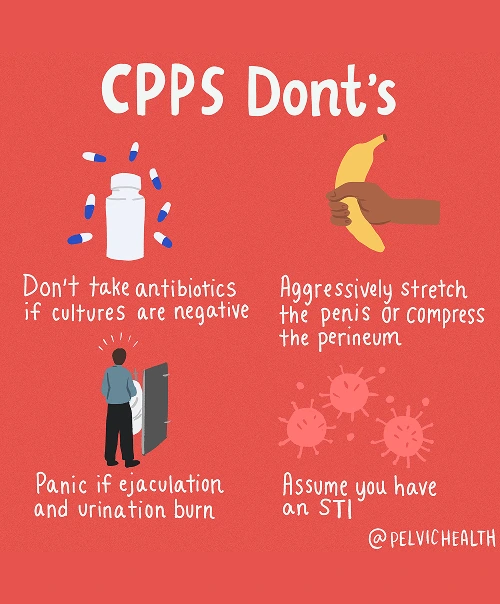
For men with CPPS, one of the biggest hurdles is simply being correctly diagnosed. Many are mistakenly told they have prostatitis and are given antibiotics that don’t resolve the issue because no infection exists. Medical research indicates that over 90% of men with chronic pelvic or genital pain have no bacterial infection in their prostate gland.
In reality, most cases fall under the Category III grouping within the National Institutes of Health (NIH) prostatitis classification system. The categories are as follows:
- Category I: Acute bacterial prostatitis (true infection, sudden and severe)
- Category II: Chronic bacterial prostatitis (chronic infection, often with repeat UTIs)
- Category IIIa: Inflammatory CPPS (white blood cells seen on testing, but no bacteria)
- Category IIIb: Non-inflammatory CPPS (no white blood cells or infection, but symptoms are present)
- Category IV: Asymptomatic inflammatory prostatitis (inflammation without symptoms)
In reality, most cases fall under the Category III grouping within the National Institutes of Health (NIH) prostatitis classification system. The categories are as follows:
- Category I: Acute bacterial prostatitis (true infection, sudden and severe)
- Category II: Chronic bacterial prostatitis (chronic infection, often with repeat UTIs)
- Category IIIa: Inflammatory CPPS (white blood cells seen on testing, but no bacteria)
- Category IIIb: Non-inflammatory CPPS (no white blood cells or infection, but symptoms are present)
- Category IV: Asymptomatic inflammatory prostatitis (inflammation without symptoms)

Lumbar and circulation-related issues can easily resemble pelvic floor pain, and because most standard tests do not show abnormalities, men are often left without a clear explanation. This uncertainty frequently leads to repeated antibiotic use and numerous referrals, none of which address the real problem. The turning point for many comes when they begin pelvic floor physical and occupational therapy, where the true muscular and nerve-based source of pain can finally be treated effectively.
Symptoms of Chronic Pelvic Pain Syndrome
Since chronic pelvic pain or CPPS isn’t usually triggered by infection, treatment involves more than taking antibiotics. The focus shifts toward restoring balance in the pelvic floor, soothing irritated nerves, and managing other underlying systems contributing to the pain cycle.
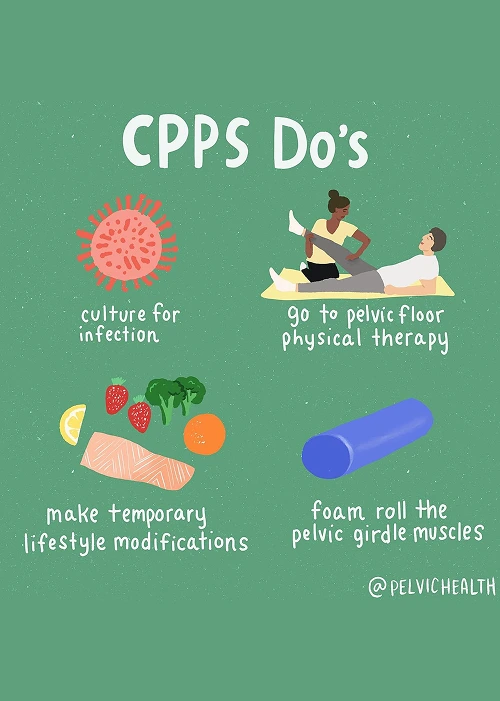
- Pelvic floor physical and occupational therapy: This serves as the main pillar of recovery for most men with CPPS. Therapy involves hands-on techniques that release muscular tightness, improve coordination, and calm sensitive nerves that cause pelvic and urinary discomfort.
- Spine and back treatment: Nerve irritation stemming from the spine can influence pelvic pain. Addressing spinal posture, flexibility, and movement helps reduce this irritation, and in certain cases, injections may be part of the plan.
- Vascular-related treatment: Circulation issues can increase pain levels, so therapy focuses on improving blood flow and reducing pressure within the pelvic veins through muscle relaxation and proper breathing mechanics.
- Biomechanical support: Improving joint mobility and correcting imbalances in the hips and pelvis decreases physical stress on the pelvic region, which helps ease discomfort and prevent flare-ups.
- Lifestyle adjustments: Thoughtful modifications such as minimizing sitting time, managing constipation, and easing back into physical activity can support healing and prevent recurring tension.
How We Can Help with Your Chronic Pelvic Pain
If you’re a man in Los Feliz dealing with chronic pelvic pain, you’ve probably spent a long time searching for answers that never seem to come. Many of our patients arrive after months or even years of trying antibiotics, seeing specialists, and still feeling no better. That’s why a comprehensive evaluation with one of our PHRC pelvic floor physical and occupational therapists can be the turning point you’ve been waiting for.
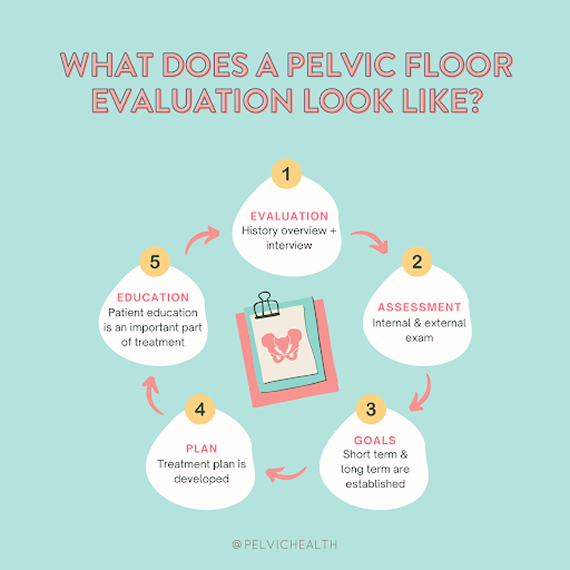
During your evaluation, your therapist will carefully review your medical history, previous diagnoses, and any treatments you’ve tried so far. We’ll discuss what’s worked, what hasn’t, and how your symptoms have affected your life. We understand how frustrating and isolating this experience can be, and we make it a priority to listen and validate your concerns.
How We Can Help with Your Chronic Pelvic Pain
If you’re a man in Los Feliz dealing with chronic pelvic pain, you’ve probably spent a long time searching for answers that never seem to come. Many of our patients arrive after months or even years of trying antibiotics, seeing specialists, and still feeling no better. That’s why a comprehensive evaluation with one of our PHRC pelvic floor physical and occupational therapists can be the turning point you’ve been waiting for.
During your evaluation, your therapist will carefully review your medical history, previous diagnoses, and any treatments you’ve tried so far. We’ll discuss what’s worked, what hasn’t, and how your symptoms have affected your life. We understand how frustrating and isolating this experience can be, and we make it a priority to listen and validate your concerns.
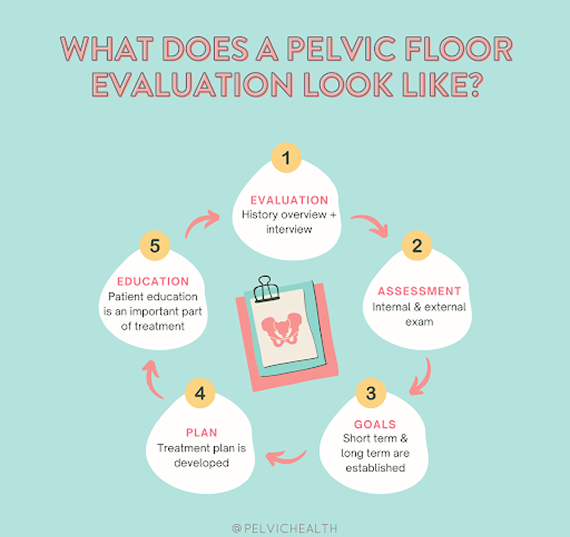
Your physical assessment will include a thorough examination of your pelvic floor muscles, tissues, nerves, and joints. Once complete, your therapist will review the findings and explain the likely causes of your pain. From there, you’ll collaborate on a customized treatment plan that sets clear short- and long-term goals.
On average, pelvic floor physical and occupational therapy sessions occur one or two times a week for about twelve weeks. You’ll also receive a personalized home exercise program to continue strengthening and releasing muscles between sessions. Your PHRC therapist will work closely with the rest of your care team to make sure your recovery is cohesive and effective. Our mission is to guide you toward meaningful, lasting relief.