
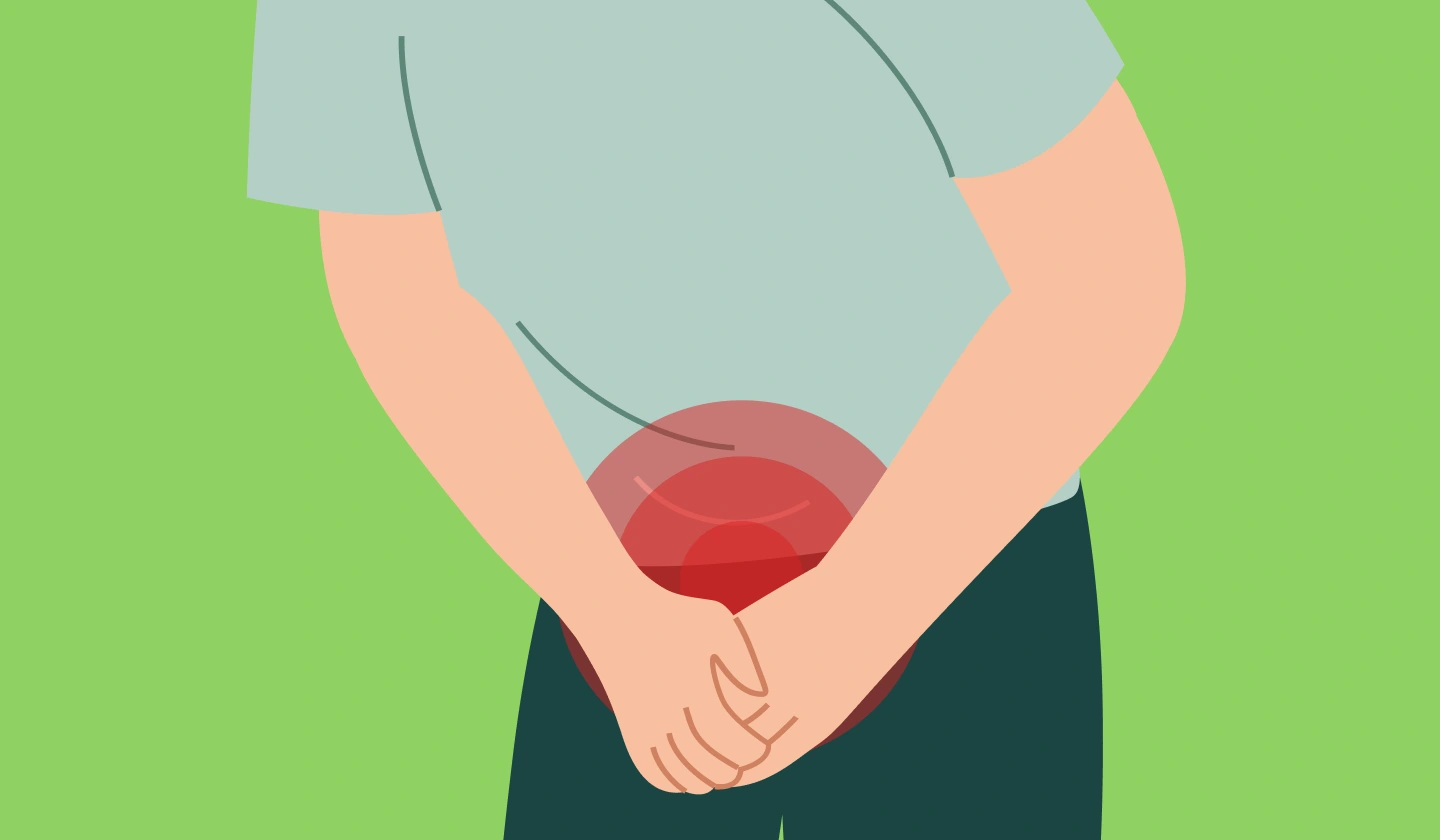
Men in San Diego struggling with persistent pelvic discomfort, painful urination, or sexual dysfunction often face challenges that are not easily solved. Many of these symptoms are associated with chronic prostatitis, also known as Chronic Prostatitis/Chronic Pelvic Pain Syndrome (CP/CPPS), which affects about one in ten men during their lifetime.
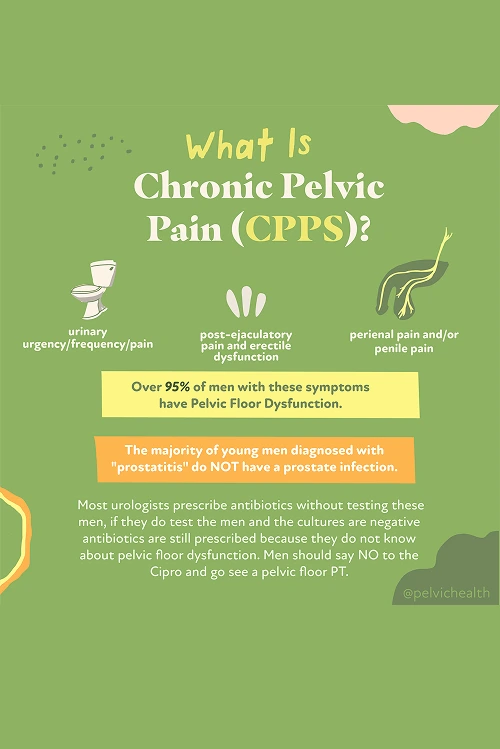
Research indicates that roughly 97% of men experiencing these symptoms do not have a true bladder or prostate infection, even though antibiotics are frequently prescribed. The source of discomfort is typically the pelvic floor muscles. Tight, inflamed, or uncoordinated muscles can produce the same sensations commonly mistaken for prostate conditions.
PHRC’s pelvic floor physical and occupational therapy provides hope for men in San Diego. Our skilled team focuses on relieving muscle tension, restoring pelvic floor coordination, and improving mobility. By addressing the muscular root cause of pain, men can experience lasting relief and better quality of life.
What are the Causes of Chronic Pelvic Pain Syndrome in Men?
Chronic Pelvic Pain Syndrome does not typically stem from a prostate infection, despite what many men are told. Most of the time, the root causes involve the pelvic floor and its relationship with other body systems.
-
- Lumbar pathology: Nerves that supply the pelvic region begin in the lower spine. Conditions such as herniated discs, spinal arthritis, or nerve irritation can transmit pain to the pelvis, creating sensations that mimic prostate problems even though the source is in the back.
- Vascular pathology: Circulatory irregularities, including varicoceles, pelvic venous congestion, or reduced blood flow, can produce pelvic heaviness, pressure, or aching that is often confused with prostate discomfort.
- Pelvic floor pathology: The muscles of the pelvic floor act as a hammock supporting the pelvic organs. When these muscles spasm, tighten, or fail to coordinate properly, they can irritate nerves and cause pain that seems to originate from the prostate or bladder, but the muscular dysfunction is often the primary culprit.
Other contributing factors may include:
- Past surgeries such as vasectomy or prostate procedures
- Structural issues like hip dysfunction, scoliosis, or leg length differences
- Excessive or sudden changes in exercise
- Long hours of sitting
- Chronic constipation or frequent straining
- Trauma or stress to the pelvic area
Even though numerous factors might aggravate chronic pelvic pain, most men, particularly those struggling with urinary or bowel disturbances, have a primary issue rooted in pelvic floor dysfunction.
Symptoms of Chronic Pelvic Pain Syndrome
CPPS symptoms often resemble prostate or bladder issues, even when the actual source is the pelvic muscles. Men may notice:
- Pain, aching, or pressure in the pubic area, perineum, or lower abdomen
- Discomfort perceived in the urethra, testicles, or tip of the penis
- Urgency, frequent urination, weak stream, or incomplete bladder emptying
- Stinging or burning sensations without infection
- Pain with ejaculation, erectile discomfort, or reduced sexual satisfaction
- Tightness or aching in the pelvic muscles
- A sense of heaviness or tension in the pelvic floor
Associated Diagnoses
Men suffering from chronic pelvic pain may have several underlying causes. Some originate in the spine, others from blood vessel abnormalities, and many are due to pelvic floor muscle dysfunction.
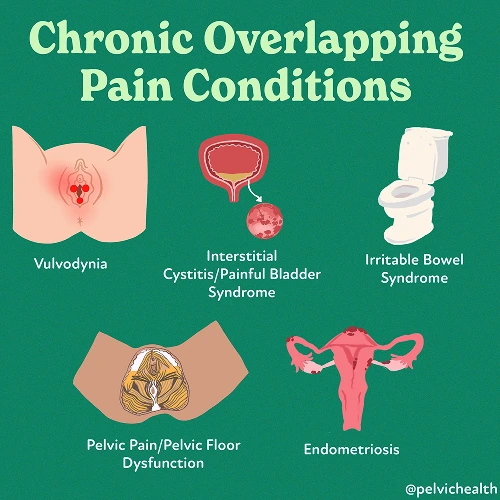
Spinal problems such as lumbar disc issues, nerve compression, or arthritis can irritate nerves that supply the pelvic region. These conditions can generate sensations very similar to prostate pain. Vascular complications, including varicocele, pelvic venous congestion, or testicular torsion, can cause aching, pressure, or stinging pain. Although Chronic Pelvic Pain Syndrome is the most frequently diagnosed condition, pelvic floor dysfunction often coexists with pudendal neuralgia, painful bladder syndrome, or hard flaccid syndrome.
For many men, the pelvic floor becomes the critical factor. Dysfunction in these muscles can directly cause pain or worsen discomfort originating from spinal or vascular problems, making pelvic floor therapy crucial for effective treatment.
Diagnostic Challenges
Many men with chronic pelvic pain endure years of uncertainty before the correct diagnosis is made. They are often misdiagnosed with prostatitis and treated with antibiotics even when infection testing is negative. Studies show that over 90 percent of men with pelvic or urogenital discomfort do not have a bacterial infection in the prostate.
Most men with these symptoms fall into Category III under the NIH prostatitis classification. The system recognizes five main categories:
- Category I: Acute bacterial prostatitis (true infection, sudden and severe)
- Category II: Chronic bacterial prostatitis (chronic infection, often with repeat UTIs)
- Category IIIa: Inflammatory CPPS (white blood cells seen on testing, but no bacteria)
- Category IIIb: Non-inflammatory CPPS (no white blood cells or infection, but symptoms are present)
- Category IV: Asymptomatic inflammatory prostatitis (inflammation without symptoms)

Most men with these symptoms fall into Category III under the NIH prostatitis classification. The system recognizes five main categories:
- Category I: Acute bacterial prostatitis (true infection, sudden and severe)
- Category II: Chronic bacterial prostatitis (chronic infection, often with repeat UTIs)
- Category IIIa: Inflammatory CPPS (white blood cells seen on testing, but no bacteria)
- Category IIIb: Non-inflammatory CPPS (no white blood cells or infection, but symptoms are present)
- Category IV: Asymptomatic inflammatory prostatitis (inflammation without symptoms)

Men dealing with persistent pelvic discomfort often find the diagnostic process frustrating. Conditions related to the spine or blood vessels can cause pain that feels like it originates from the pelvic floor, yet standard testing may show no abnormalities. Many men are sent from one physician to another and prescribed antibiotics that provide no relief. Pelvic floor therapy, including both physical and occupational interventions, addresses the actual cause of the pain, allowing for sustained improvement in both comfort and daily activities.
Symptoms of Chronic Pelvic Pain Syndrome
Because CPPS is rarely the result of a true infection, treatment emphasizes functional recovery and body balance rather than antibiotic therapy. The objective is to normalize pelvic floor muscles, calm irritated nerves, and evaluate other contributing physical factors.

- Pelvic floor physical and occupational therapy: Core to treatment, therapy works to release tight or spastic muscles, retrain coordinated movement, and reduce nerve irritation to provide comfort and restore function.
- Spine and back treatment: Pelvic discomfort caused by lumbar or sciatic nerve problems is addressed through mobility exercises, postural correction, and spinal alignment. Anti-inflammatory injections may be considered for some patients.
- Vascular-related treatment: Circulatory issues can amplify pain, and therapy focuses on improving venous blood flow using posture, breathing exercises, and relaxation techniques.
- Biomechanical support: Proper hip and pelvic alignment along with corrected movement patterns help distribute pressure evenly and relieve strain on the pelvic floor.
- Lifestyle adjustments: Small daily changes, including gentle movement, limiting sitting time, and bowel management, can substantially reduce symptoms.
How We Can Help with Your Chronic Pelvic Pain
Chronic pelvic pain can be a challenging and confusing condition for men in San Diego. Many have tried multiple antibiotics or consulted several healthcare providers without experiencing lasting relief. PHRC’s pelvic floor physical and occupational therapists specialize in men’s pelvic health to provide focused, expert evaluations.
The evaluation begins with an in-depth conversation about your symptoms, medical history, and prior treatments. Therapists seek to understand the impact of pain on work, relationships, and daily living, emphasizing clear communication, empathy, and patience.

How We Can Help with Your Chronic Pelvic Pain
Chronic pelvic pain can be a challenging and confusing condition for men in San Diego. Many have tried multiple antibiotics or consulted several healthcare providers without experiencing lasting relief. PHRC’s pelvic floor physical and occupational therapists specialize in men’s pelvic health to provide focused, expert evaluations.
The evaluation begins with an in-depth conversation about your symptoms, medical history, and prior treatments. Therapists seek to understand the impact of pain on work, relationships, and daily living, emphasizing clear communication, empathy, and patience.

During the physical assessment, the therapist examines the pelvic floor muscles, nerves, connective tissue, and movement patterns. Results are discussed in detail, and an individualized plan is created to address both short-term relief and long-term improvement.
Therapy sessions typically occur one to two times per week over twelve weeks, along with a personalized home exercise plan. Care is coordinated with other providers when needed. PHRC aims to help men in San Diego regain function and live free from chronic pelvic discomfort.