

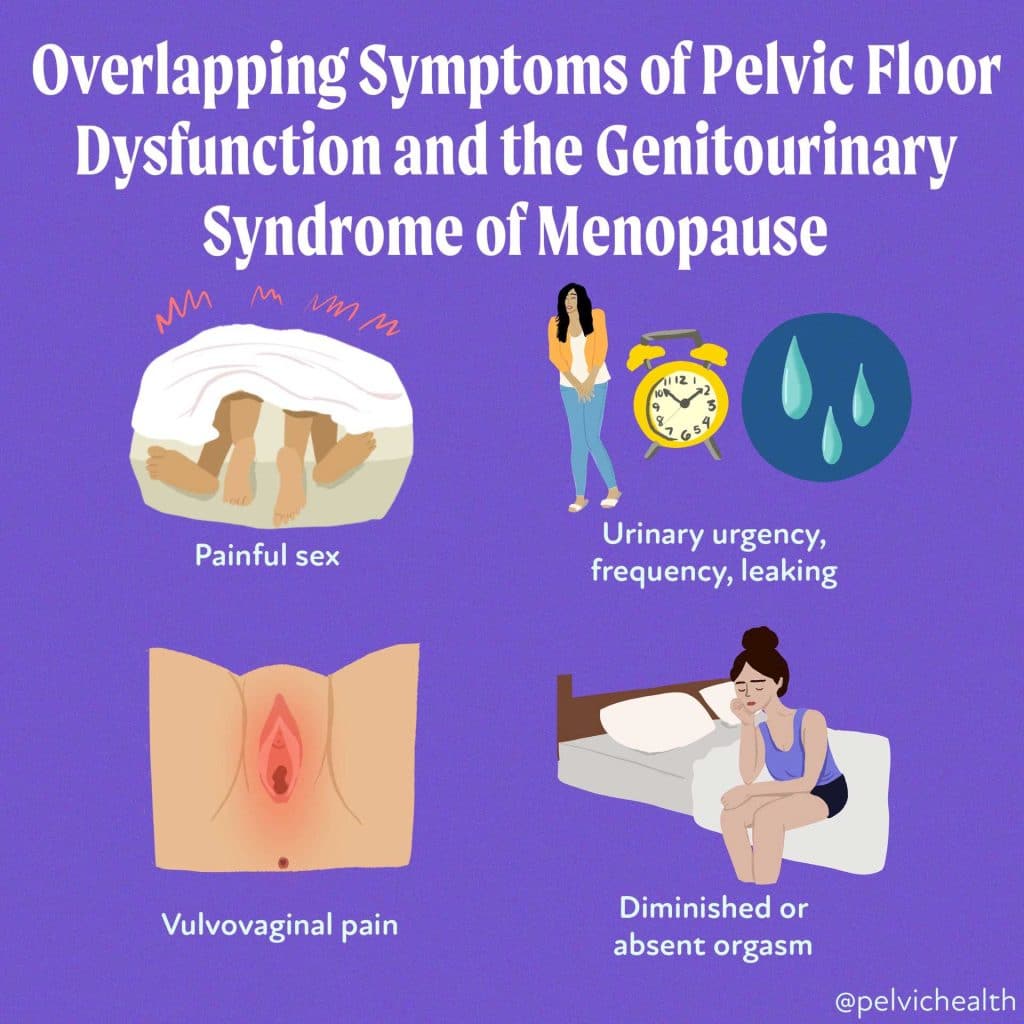
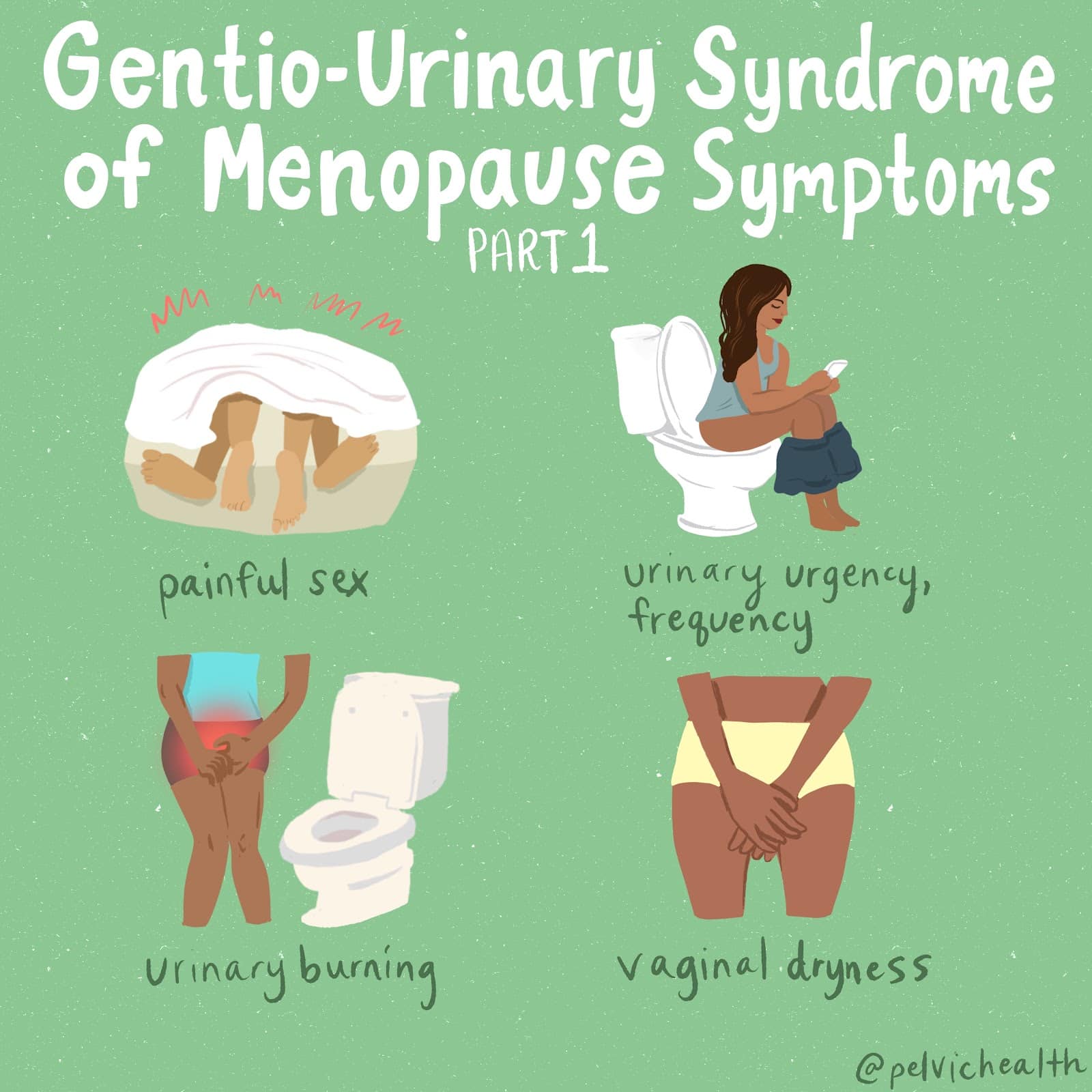
Menopause is more than just hot flushes, night sweats and mood changes! Even though 50% of the population goes through menopause the majority of people and healthcare providers are under-informed about menopause and safe and effective treatments. Too many people are suffering unnecessarily. Perimenopause, the precursor to menopause begins in the 40’s for most people and most women will be in menopause by their early 50’s. Beyond the systemic symptoms of menopause people will start to experience more subtle genitourinary symptoms that will continue to worsen over time if untreated. Painful sex, urinary urgency, frequency, leaking and burning, recurrent vaginal and urinary tract infections and vaginal dryness are symptoms of the Genitourinary Syndrome of Menopause (GSM). The symptoms of GSM are also symptoms of pelvic floor dysfunction, which almost 50% of women suffer by the time they are in their 50s.
Systemic menopause symptoms are often treated with systemic hormonal therapy. This may not be sufficient for people developing GSM symptoms. The North American Menopause Society recommends vaginal estrogen for women in menopause to help counter GSM symptoms.
Menopause is more than just hot flushes, night sweats and mood changes! Even though 50% of the population goes through menopause the majority of people and healthcare providers are under-informed about menopause and safe and effective treatments. Too many people are suffering unnecessarily. Perimenopause, the precursor to menopause begins in the 40’s for most people and most women will be in menopause by their early 50’s. Beyond the systemic symptoms of menopause people will start to experience more subtle genitourinary symptoms that will continue to worsen over time if untreated. Painful sex, urinary urgency, frequency, leaking and burning, recurrent vaginal and urinary tract infections and vaginal dryness are symptoms of the Genitourinary Syndrome of Menopause (GSM). The symptoms of GSM are also symptoms of pelvic floor dysfunction, which almost 50% of women suffer by the time they are in their 50s.
Systemic menopause symptoms are often treated with systemic hormonal therapy. This may not be sufficient for people developing GSM symptoms. The North American Menopause Society recommends vaginal estrogen for women in menopause to help counter GSM symptoms.
Differential Diagnosis:
GSM or Pelvic Floor Dysfunction
Symptoms of pelvic floor dysfunction and GSM include:
- Urinary urgency, frequency, burning, nocturia
- Feelings of bladder or pelvic pressure
- Painful sex
- Diminished or absent orgasm
- Difficulty evacuating stool
- Vulvovaginal pain and burning
- Pain with sitting
An informed healthcare provider – whether a pelvic floor physical and occupational therapists or medical doctor – can do a vulvovaginal visual examination, a q-tip test to establish pain areas, and a digital manual examination to identify pelvic floor dysfunction, hormonal deficiencies, and pelvic organ prolapse. All women will experience GSM if enough time passes without appropriate medical management. The majority of people do not realize that menopausal women can benefit from a pelvic floor physical and occupational therapy examination to address the musculoskeletal factors that are also making them uncomfortable. The combination of pelvic floor physical and occupational therapy and medical management is key to help restore pleasurable sex and eliminate urinary and bowel concerns!
FACTS
From: https://www.letstalkmenopause.org/further-reading
- 6000 women enter menopause everyday
- 50 million women are currently menopausal in the US
- 84% of women struggle with genital, sexual and urinary discomfort that will not resolve on its own, and less than 25% seek help
- 80% of OBGYN residents admit to being ill-prepared to discuss menopause
- GSM is clinically detected in 90% of postmenopausal women, only ⅓ report symptoms when surveyed.
- Barriers to treatment: women often have to initiate the conversation, believe that the symptoms are just part of aging, women fail to link their symptoms with menopause.
- Only 13% of providers asked their patients about menopause symptoms.
- Even after diagnosis, the majority of women with GSM go untreated despite studies demonstrating a negative impact on quality of life. Hesitation to prescribe treatment by providers as well as patient-perceived concerns over safety profiles limit the use of topical vaginal therapies.
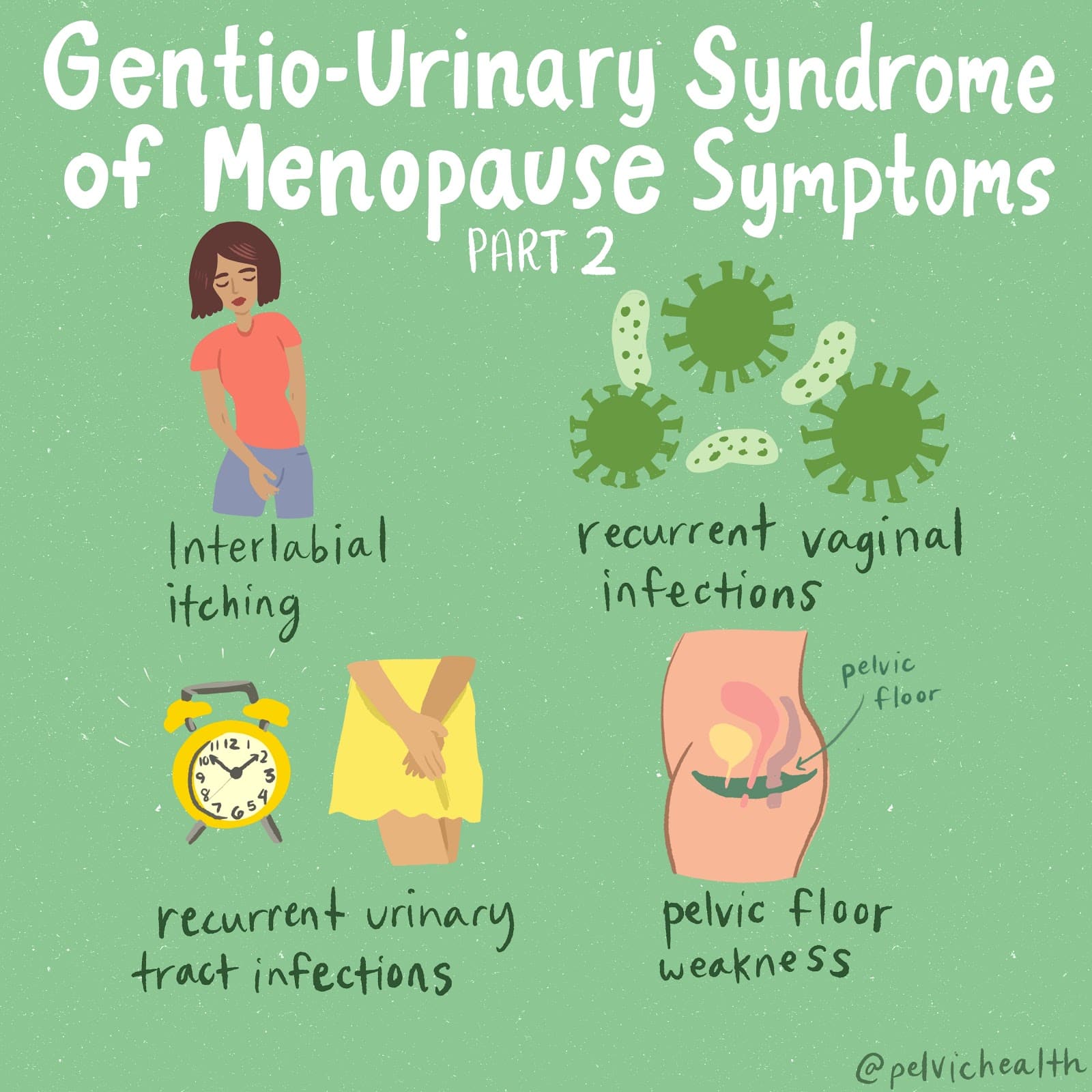
Hormone insufficiency can result in interlabial and vaginal itching. Other dermatologic issues such as Lichen Sclerosus and cutaneous yeast infections are just two of the many factors to also be considered.
Unfortunately people are vulnerable to recurrent vaginal and urinary tract infections in menopause due to:
- pH and tissue changes
- incomplete bladder emptying
- pelvic organ prolapse compromising urinary function
Recurrent infections are a leading cause of pelvic floor dysfunction! They must be stopped or the noxious visceral-somatic input can cause further pain and dysfunction after the infection is cleared. Furthermore, if the infections are left untreated without hormone therapy infections continue to occur and the consequences can be severe. Women can develop unprovoked pain, sex may be impossible, and undetected UTIs can lead to kidney problems and more sinister issues.
We encourage people to work with a menopause expert to monitor, prevent, and treat these issues as they are serious and treatable! We need to normalize the conversation about what happens during GSM, it is nothing to be embarrassed about and with the right care vulva owners can live their best lives! Pelvic floor physical and occupational therapy and medical management go hand in hand.
Treatment:
How We Can Help You
If you are having issues with your sexual function, it is in your best interest to get evaluated by a therapist for pelvic floor therapy, so they can establish what part, if any, of your pelvic floor may be contributing to the symptoms you are experiencing. During the course of the examination, the physical and occupational therapists will talk to you about your medical history and symptoms, including what you have been previously diagnosed with, the treatments or therapies you have had, and how effective or ineffective these therapies have been for you. It is significant to mention that we fully comprehend what you’ve been dealing with and that the majority of individuals are angry by the time they make it to see us. The physical and occupational therapists will conduct an evaluation of the patient’s nerves, muscles, joints, tissues, and movement patterns while doing the physical examination. After the examination is finished, your therapist will go over the results of the assessment with you. The physical and occupational therapists will conduct an evaluation to determine the cause of your symptoms and will establish both short-term and long-term therapy goals based on the results of the evaluation. Physical therapy treatments are typically administered between once and twice each week for a period of around 12 weeks. Your physical and occupational therapists will assist you in coordinating your recovery with all the other experts on your treatment team. They will provide you with an exercise regimen to complete at home and the sessions you attend in person. We are here to assist you in getting better and living the best life possible.
For more information about IC/PBS please check out our IC/PBS Resource List.

Treatment:
How We Can Help You
If you are having issues with your sexual function, it is in your best interest to get evaluated by a therapist for pelvic floor therapy, so they can establish what part, if any, of your pelvic floor may be contributing to the symptoms you are experiencing. During the course of the examination, the physical and occupational therapists will talk to you about your medical history and symptoms, including what you have been previously diagnosed with, the treatments or therapies you have had, and how effective or ineffective these therapies have been for you. It is significant to mention that we fully comprehend what you’ve been dealing with and that the majority of individuals are angry by the time they make it to see us. The physical and occupational therapists will conduct an evaluation of the patient’s nerves, muscles, joints, tissues, and movement patterns while doing the physical examination. After the examination is finished, your therapist will go over the results of the assessment with you. The physical and occupational therapists will conduct an evaluation to determine the cause of your symptoms and will establish both short-term and long-term therapy goals based on the results of the evaluation. Physical therapy treatments are typically administered between once and twice each week for a period of around 12 weeks. Your physical and occupational therapists will assist you in coordinating your recovery with all the other experts on your treatment team. They will provide you with an exercise regimen to complete at home and the sessions you attend in person. We are here to assist you in getting better and living the best life possible.
For more information about IC/PBS please check out our IC/PBS Resource List.


By PHRC Admin
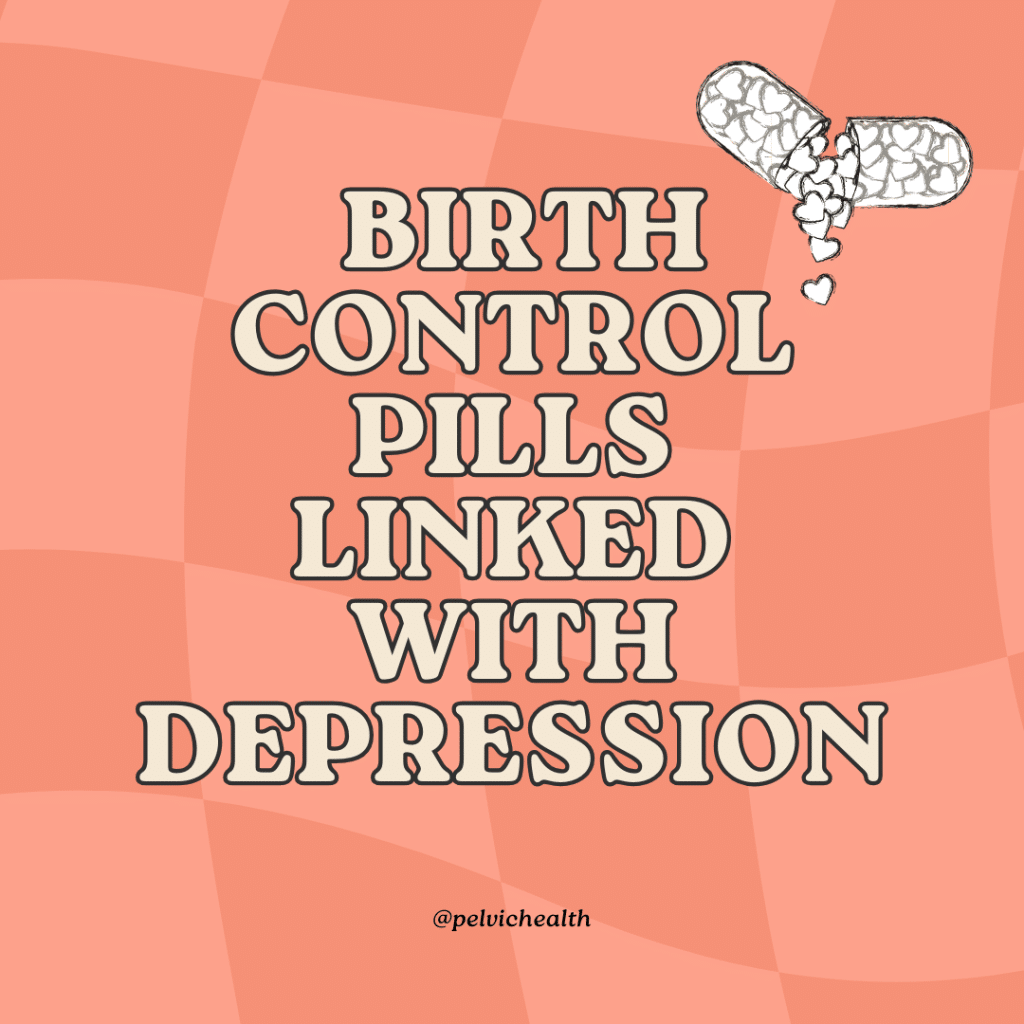
Depression, a common and serious medical illness, affects how we feel, think, and handle daily activities. In recent years, there’s been growing concern over the potential link between hormonal birth control and depression. Join us for a review of an article linking Oral contraceptives (OCPs) to depression! We thank Fiona Riddle for writing on this topic; one many of us are all too familiar with.
Despite their benefits, OCPs have potential downsides such as affecting natural hormones, increasing cancer risk, and affecting brain function. Recent studies suggest a possible association between hormonal contraceptives and an increased risk of depression.
A 2023 study found that the first two years of OCP use were associated with higher rates of depression compared to non-users. Teenagers who were prescribed the pill had a greater risk of developing depression later in life.
According to a report by Harvard Health, all forms of hormonal contraception were associated with an increased risk of developing depression. The risk seems to be higher in specific demographics, such as teenagers, and for certain types of contraception, like progestin-only pills.
The hormones in birth control can affect neurotransmitter systems which play a crucial role in regulating mood, emotion, and cognition. OCPs can also alter brain structures and functioning, potentially influencing experiences of mood disorders.
There’s strong evidence that estrogen has protective effects against anxiety and depression, suggesting that chronic activation of estrogen receptors in the brain through OCP use could potentially increase stress reactivity.
The synthetic progestin found in combination pills could reverse or inhibit the positive effects of estrogen on the brain. Despite this, the increased risk of depression is relatively small, and likely occurs in the presence of other factors.
It’s important for those taking an OCP (of all ages) to be informed of these potential consequences to monitor changes and make informed choices. Further research is needed to understand the specific mechanisms at play and the long-term effects of extended usage of OCPs.
Please note that while the article provides a comprehensive overview of the topic, it does not definitively conclude that birth control pills cause depression, but rather highlights the need for further research into the matter. While hormonal birth control has been a game-changer for women’s reproductive rights and health, potential mental health side effects cannot be ignored. As we continue to explore this link, consumers must be provided with comprehensive information about possible risks and benefits to make the best decisions for their health.
Sources:
Birth Control Pills Are Linked With Increased Rates Of Depression
Harvard Health Blog: Can hormonal birth control trigger depression?
Psychiatry Online: Risk of Depression May Increase During First Two Years of Birth Control Use
Study:
-
Gaw, J. J., Guthrie, K. M., Vickers, S. M., & Sullivan, E. L. (2023). Oral contraceptive pill use and depression among women in the United States: An analysis of the National Health and Nutrition Examination Survey 2005–2012. Journal of Affective Disorders, 326, 617-622. https://doi.org/10.1016/j.jad.2023.02.071
______________________________________________________________________________________________________________________________________
Are you unable to come see us in person in the Bay Area, Southern California or New England? We offer virtual physical and occupational therapy appointments too!
Virtual sessions are available with PHRC pelvic floor physical and occupational therapistss via our video platform, Zoom, or via phone. For more information and to schedule, please visit our digital healthcare page.
Do you enjoy or blog and want more content from PHRC? Please head over to social media!
FAQ
What are pelvic floor muscles?
The pelvic floor muscles are a group of muscles that run from the coccyx to the pubic bone. They are part of the core, helping to support our entire body as well as providing support for the bowel, bladder and uterus. These muscles help us maintain bowel and bladder control and are involved in sexual pleasure and orgasm. The technical name of the pelvic floor muscles is the Levator Ani muscle group. The pudendal nerve, the levator ani nerve, and branches from the S2 – S4 nerve roots innervate the pelvic floor muscles. They are under voluntary and autonomic control, which is a unique feature only they possess compared to other muscle groups.
What is pelvic floor physical and occupational therapy?
Pelvic floor physical and occupational therapy is a specialized area of physical and occupational therapy. Currently, physical and occupational therapistss need advanced post-graduate education to be able to help people with pelvic floor dysfunction because pelvic floor disorders are not yet being taught in standard physical and occupational therapy curricula. The Pelvic Health and Rehabilitation Center provides extensive training for our staff because we recognize the limitations of physical and occupational therapy education in this unique area.
What happens at pelvic floor therapy?
During an evaluation for pelvic floor dysfunction the physical and occupational therapists will take a detailed history. Following the history the physical and occupational therapists will leave the room to allow the patient to change and drape themselves. The physical and occupational therapists will return to the room and using gloved hands will perform an external and internal manual assessment of the pelvic floor and girdle muscles. The physical and occupational therapists will once again leave the room and allow the patient to dress. Following the manual examination there may also be an examination of strength, motor control, and overall biomechanics and neuromuscular control. The physical and occupational therapists will then communicate the findings to the patient and together with their patient they establish an assessment, short term and long term goals and a treatment plan. Typically people with pelvic floor dysfunction are seen one time per week for one hour for varying amounts of time based on the severity and chronicity of the disease. A home exercise program will be established and the physical and occupational therapists will help coordinate other providers on the treatment team. Typically patients are seen for 3 months to a year.
What is pudendal neuralgia and how is it treated?
Pudendal Neuralgia is a clinical diagnosis that means pain in the sensory distribution of the pudendal nerve. The pudendal nerve is a mixed nerve that exits the S2 – S4 sacral nerve roots, we have a right and left pudendal nerve and each side has three main trunks: the dorsal branch, the perineal branch, and the inferior rectal branch. The branches supply sensation to the clitoris/penis, labia/scrotum, perineum, anus, the distal ⅓ of the urethra and rectum, and the vulva and vestibule. The nerve branches also control the pelvic floor muscles. The pudendal nerve follows a tortuous path through the pelvic floor and girdle, leaving it vulnerable to compression and tension injuries at various points along its path.
Pudendal Neuralgia occurs when the nerve is unable to slide, glide and move normally and as a result, people experience pain in some or all of the above-mentioned areas. Pelvic floor physical and occupational therapy plays a crucial role in identifying the mechanical impairments that are affecting the nerve. The physical and occupational therapy treatment plan is designed to restore normal neural function. Patients with pudendal neuralgia require pelvic floor physical and occupational therapy and may also benefit from medical management that includes pharmaceuticals and procedures such as pudendal nerve blocks or botox injections.
What is interstitial cystitis and how is it treated?
Interstitial Cystitis is a clinical diagnosis characterized by irritative bladder symptoms such as urinary urgency, frequency, and hesitancy in the absence of infection. Research has shown the majority of patients who meet the clinical definition have pelvic floor dysfunction and myalgia. Therefore, the American Urologic Association recommends pelvic floor physical and occupational therapy as first-line treatment for Interstitial Cystitis. Patients will benefit from pelvic floor physical and occupational therapy and may also benefit from pharmacologic management or medical procedures such as bladder instillations.
Who is the Pelvic Health and Rehabilitation Team?
The Pelvic Health and Rehabilitation Center was founded by Elizabeth Akincilar and Stephanie Prendergast in 2006, they have been treating people with pelvic floor disorders since 2001. They were trained and mentored by a medical doctor and quickly became experts in treating pelvic floor disorders. They began creating courses and sharing their knowledge around the world. They expanded to 11 locations in the United States and developed a residency style training program for their employees with ongoing weekly mentoring. The physical and occupational therapistss who work at PHRC have undergone more training than the majority of pelvic floor physical and occupational therapistss and as a result offer efficient and high quality care.
How many years of experience do we have?
Stephanie and Liz have 24 years of experience and help each and every team member become an expert in the field through their training and mentoring program.
Why PHRC versus anyone else?
PHRC is unique because of the specific focus on pelvic floor disorders and the leadership at our company. We are constantly lecturing, teaching, and staying ahead of the curve with our connections to medical experts and emerging experts. As a result, we are able to efficiently and effectively help our patients restore their pelvic health.
Do we treat men for pelvic floor therapy?
The Pelvic Health and Rehabilitation Center is unique in that the Cofounders have always treated people of all genders and therefore have trained the team members and staff the same way. Many pelvic floor physical and occupational therapistss focus solely on people with vulvas, this is not the case here.
Do I need pelvic floor therapy forever?
The majority of people with pelvic floor dysfunction will undergo pelvic floor physical and occupational therapy for a set amount of time based on their goals. Every 6 -8 weeks goals will be re-established based on the physical improvements and remaining physical impairments. Most patients will achieve their goals in 3 – 6 months. If there are complicating medical or untreated comorbidities some patients will be in therapy longer.
By Elizabeth Akincilar, MSPT, Cofounder, PHRC Merrimack
Pelvic pain can significantly impact your quality of life, but there are steps you can take to decrease or minimize this discomfort. In this blog, we will discuss 10 tips that can help alleviate pelvic pain and promote overall pelvic health.
- Put a stool under your feet when having a bowel movement: Placing a stool under your feet can help align your body in a more natural position, reducing the need to strain during bowel movements. This can minimize pressure on the pelvic floor muscles and decrease pelvic pain.
- Don’t “hold it” when you have to urinate: Ignoring the urge to urinate or delaying urination can lead to bladder overactivity and pelvic pain. Make it a habit to promptly go to the bathroom when you feel the need.
- Vary your position during the day: Sitting all day can contribute to pelvic pain. Consider using a sit/stand desk or taking breaks to stand and move around. Changing positions frequently helps prevent prolonged pressure on the pelvic floor muscles.
- Check in with your breath: Holding your breath during activities can increase tension in the pelvic floor muscles and exacerbate pelvic pain. Practice mindful breathing and make sure you are not unintentionally holding your breath throughout the day.
- Pay attention to tension in your buttocks: Clenching your buttock muscles can strain the pelvic floor muscles, leading to pelvic pain. Make a conscious effort to relax your buttocks and release any unnecessary tension in that area.
- Avoid holding in your belly: Constantly holding in your stomach muscles can strain the pelvic floor muscles and contribute to pelvic pain. Take a deep belly breath once every hour to release tension in your abdomen and promote relaxation.
- Exhale during lifts at the gym: Holding your breath while lifting weights or exerting yourself can increase pressure on the pelvic floor muscles. Remember to exhale during each repetition to release tension and minimize pelvic pain.
- Consult with a physical and occupational therapists: A physical and occupational therapists specializing in pelvic health can evaluate your posture and provide individualized recommendations. They can help you improve your posture, normalize your pelvic floor muscles, and alleviate pelvic pain.
- Don’t try to delay climax during sexual activity: Attempting to delay orgasm during sexual activity can strain the pelvic floor muscles and contribute to pelvic pain. Communicate openly with your partner and find a pace that is comfortable for both of you.
- Decrease the duration and intensity of sexual activity if you experience discomfort: If you experience pelvic discomfort during sexual activity, it’s important to prioritize your comfort and well-being. Reduce the duration and intensity of sexual activity to minimize pelvic pain.
While these tips can help decrease or minimize pelvic pain, it’s important to remember that each person’s experience is unique. If you are suffering from persistent pelvic pain, it is crucial to consult with a healthcare professional, such as a pelvic floor physical and occupational therapists, to accurately diagnose the underlying cause and receive appropriate treatment. Taking proactive steps and seeking professional guidance can help you manage pelvic pain and improve your overall pelvic health.
______________________________________________________________________________________________________________________________________
Are you unable to come see us in person in the Bay Area, Southern California or New England? We offer virtual physical and occupational therapy appointments too!
Virtual sessions are available with PHRC pelvic floor physical and occupational therapistss via our video platform, Zoom, or via phone. For more information and to schedule, please visit our digital healthcare page.
Do you enjoy or blog and want more content from PHRC? Please head over to social media!
FAQ
What are pelvic floor muscles?
The pelvic floor muscles are a group of muscles that run from the coccyx to the pubic bone. They are part of the core, helping to support our entire body as well as providing support for the bowel, bladder and uterus. These muscles help us maintain bowel and bladder control and are involved in sexual pleasure and orgasm. The technical name of the pelvic floor muscles is the Levator Ani muscle group. The pudendal nerve, the levator ani nerve, and branches from the S2 – S4 nerve roots innervate the pelvic floor muscles. They are under voluntary and autonomic control, which is a unique feature only they possess compared to other muscle groups.
What is pelvic floor physical and occupational therapy?
Pelvic floor physical and occupational therapy is a specialized area of physical and occupational therapy. Currently, physical and occupational therapistss need advanced post-graduate education to be able to help people with pelvic floor dysfunction because pelvic floor disorders are not yet being taught in standard physical and occupational therapy curricula. The Pelvic Health and Rehabilitation Center provides extensive training for our staff because we recognize the limitations of physical and occupational therapy education in this unique area.
What happens at pelvic floor therapy?
During an evaluation for pelvic floor dysfunction the physical and occupational therapists will take a detailed history. Following the history the physical and occupational therapists will leave the room to allow the patient to change and drape themselves. The physical and occupational therapists will return to the room and using gloved hands will perform an external and internal manual assessment of the pelvic floor and girdle muscles. The physical and occupational therapists will once again leave the room and allow the patient to dress. Following the manual examination there may also be an examination of strength, motor control, and overall biomechanics and neuromuscular control. The physical and occupational therapists will then communicate the findings to the patient and together with their patient they establish an assessment, short term and long term goals and a treatment plan. Typically people with pelvic floor dysfunction are seen one time per week for one hour for varying amounts of time based on the severity and chronicity of the disease. A home exercise program will be established and the physical and occupational therapists will help coordinate other providers on the treatment team. Typically patients are seen for 3 months to a year.
What is pudendal neuralgia and how is it treated?
Pudendal Neuralgia is a clinical diagnosis that means pain in the sensory distribution of the pudendal nerve. The pudendal nerve is a mixed nerve that exits the S2 – S4 sacral nerve roots, we have a right and left pudendal nerve and each side has three main trunks: the dorsal branch, the perineal branch, and the inferior rectal branch. The branches supply sensation to the clitoris/penis, labia/scrotum, perineum, anus, the distal ⅓ of the urethra and rectum, and the vulva and vestibule. The nerve branches also control the pelvic floor muscles. The pudendal nerve follows a tortuous path through the pelvic floor and girdle, leaving it vulnerable to compression and tension injuries at various points along its path.
Pudendal Neuralgia occurs when the nerve is unable to slide, glide and move normally and as a result, people experience pain in some or all of the above-mentioned areas. Pelvic floor physical and occupational therapy plays a crucial role in identifying the mechanical impairments that are affecting the nerve. The physical and occupational therapy treatment plan is designed to restore normal neural function. Patients with pudendal neuralgia require pelvic floor physical and occupational therapy and may also benefit from medical management that includes pharmaceuticals and procedures such as pudendal nerve blocks or botox injections.
What is interstitial cystitis and how is it treated?
Interstitial Cystitis is a clinical diagnosis characterized by irritative bladder symptoms such as urinary urgency, frequency, and hesitancy in the absence of infection. Research has shown the majority of patients who meet the clinical definition have pelvic floor dysfunction and myalgia. Therefore, the American Urologic Association recommends pelvic floor physical and occupational therapy as first-line treatment for Interstitial Cystitis. Patients will benefit from pelvic floor physical and occupational therapy and may also benefit from pharmacologic management or medical procedures such as bladder instillations.
Who is the Pelvic Health and Rehabilitation Team?
The Pelvic Health and Rehabilitation Center was founded by Elizabeth Akincilar and Stephanie Prendergast in 2006, they have been treating people with pelvic floor disorders since 2001. They were trained and mentored by a medical doctor and quickly became experts in treating pelvic floor disorders. They began creating courses and sharing their knowledge around the world. They expanded to 11 locations in the United States and developed a residency style training program for their employees with ongoing weekly mentoring. The physical and occupational therapistss who work at PHRC have undergone more training than the majority of pelvic floor physical and occupational therapistss and as a result offer efficient and high quality care.
How many years of experience do we have?
Stephanie and Liz have 24 years of experience and help each and every team member become an expert in the field through their training and mentoring program.
Why PHRC versus anyone else?
PHRC is unique because of the specific focus on pelvic floor disorders and the leadership at our company. We are constantly lecturing, teaching, and staying ahead of the curve with our connections to medical experts and emerging experts. As a result, we are able to efficiently and effectively help our patients restore their pelvic health.
Do we treat men for pelvic floor therapy?
The Pelvic Health and Rehabilitation Center is unique in that the Cofounders have always treated people of all genders and therefore have trained the team members and staff the same way. Many pelvic floor physical and occupational therapistss focus solely on people with vulvas, this is not the case here.
Do I need pelvic floor therapy forever?
The majority of people with pelvic floor dysfunction will undergo pelvic floor physical and occupational therapy for a set amount of time based on their goals. Every 6 -8 weeks goals will be re-established based on the physical improvements and remaining physical impairments. Most patients will achieve their goals in 3 – 6 months. If there are complicating medical or untreated comorbidities some patients will be in therapy longer.
By Jandra Mueller, DPT, MS, PHRC Encinitas
Endometriosis is well known for its significant menstrual pain (dysmenorrhea), and often silent infertility. It has long been thought that this disease is a ‘women’s’ disease or menstrual disease allowing for a long history of hysterectomies and hormone suppression aimed at suppressing menstruation.
Sampson’s theory of retrograde menstruation has been perpetuated since the 1920’s when he named the disease. However, we’ve only really taken a part of his theory and forget that even in the 1920’s he appreciated the complexity of endometriosis and there were likely additional factors that mediated this disease. We have come a long way since Sampson, though he paved the path forward for endometriosis. However, this theory has created significant harm in the endometriosis community. In recent years, we have had numerous advances and a more in depth understanding of this disease, but there is still a long road ahead.
The delay of diagnosis is on average 7-10 years, in part because of this incomplete understanding, which can result in ongoing symptoms or additional symptoms due to side effects of medication. The disease itself is known to be the cause of several symptoms, which we call the clinical manifestations of endo.
Since the discovery of this tissue in the body resembling the endometrium, and the role of estrogen, we have also learned that early presentation (in pre-pubescent individuals) may present in the form of GI symptoms, often leading to the diagnosis of IBS. While the extent of endo doesn’t correlate with symptom presentation, we have learned that endo located in the cul-de-sac region or posterior aspect of the pelvis is related to pain associated with bowel movements known as dyschezia.
Endometriosis, especially deep infiltrating endo on the bladder, has been associated with urinary symptoms such as urgency, frequency, and pain with voiding (dysuria) resulting in the diagnosis (or misdiagnosis) of interstitial cystitis/painful bladder syndrome (IC/PBS). You may have heard endometriosis and IC/PBS called “the evil twins.” However, there are several, more likely, causes of these symptoms including side-effects from birth control pills, the “first-line therapies” for endometriosis.
It’s estimated that 90% of those with endo have pelvic floor dysfunction or tight pelvic floor muscles which can often be the source, or contributing factor, of many of the same symptoms, such as dyspareunia. Endometriosis directly causes deep dyspareunia because of the structural changes, and the innervated lesions around the cervix, while pelvic floor dysfunction can also be a cause of deep dyspareunia, but also superficial dyspareunia, or both. It is important to remember that the first-line therapies such as birth control pills, often called “treatments” by physicians, are one of the leading causes of superficial dyspareunia along with painful pelvic exams and tampon use and urinary symptoms which we previously mentioned.
Basic Explanations of the Clinical Manifestations:
- Dysmenorrhea: This is the medical term for painful menstrual periods, which are often the most noticeable symptom of endometriosis. The pain can range from mild to severe, and it may occur in the lower abdomen, lower back, or pelvis. For some, it is only around or during the menstrual cycle, for others it may be at other points of the cycle, and for others, intermittent or sporadic.
- Dyspareunia: This refers to pain during or after sexual intercourse. Women with endometriosis may experience this pain due to the innervated endometriosis lesions surrounding the cervix. The pain may vary depending on the menstrual cycle and the location of the lesions.
- Dysuria: This is the medical term for painful urination. In cases of endometriosis, it can occur for several reasons including endo on the bladder, side-effects of medications, sensitivities or histamine and mast cell issues, dietary factors, and nervous system changes.
- Dyschezia: This refers to pain associated with bowel movements. If endo has grown on or near the intestines and rectum, it can cause discomfort or pain during bowel movements, especially during the menstrual period.
- Infertility: Endometriosis can lead to fertility problems, and for some it is the only symptom.. There are several proposed theories as to why this happens, including the inflammatory nature of the disease, structural changes to the anatomy and obstruct the fallopian tubes or disrupt the normal movement of eggs and sperm. This is why many women discover they have endometriosis only when they seek treatment for infertility.
While these are the more common clinical manifestations of endo, there are several other symptoms that aren’t often correlated to endo such as chronic fatigue, difficulty breathing, rectal bleeding, and association of certain autoimmune diseases.
Resources:
iCareBetter: Endometriosis Unplugged hosted by Jandra Mueller, DPT, MS
Listen on Apple Podcasts or Spotify
Need to find a specialist? Check out iCarebetter’s ‘Find a Specialist’
Pelvic Pain Explained: Endometriosis + Resource List
Pelvic Pain Explained: Endometriosis
The Truth about the Birth Control Pill
New Perspectives on Endo: Gut-Immune Link & IG Live w/ Dr. Orbuch
Lj Powerhouse and Jandra Mueller of PHRC: IG Live Endometriosis Q&A
______________________________________________________________________________________________________________________________________
We are excited to announce our physical and occupational therapists, Molly, is now located in our 11th location in Columbus, OH. Now scheduling new patients- call (510) 922-9836 to book!
Are you unable to come see us in person in the Bay Area, Southern California or New England? We offer virtual physical and occupational therapy appointments too!
Virtual sessions are available with PHRC pelvic floor physical and occupational therapistss via our video platform, Zoom, or via phone. For more information and to schedule, please visit our digital healthcare page.
Melissa Patrick is a certified yoga instructor and meditation teacher and is also available virtually to help, for more information please visit our therapeutic yoga page.
Do you enjoy or blog and want more content from PHRC? Please head over to social media!