
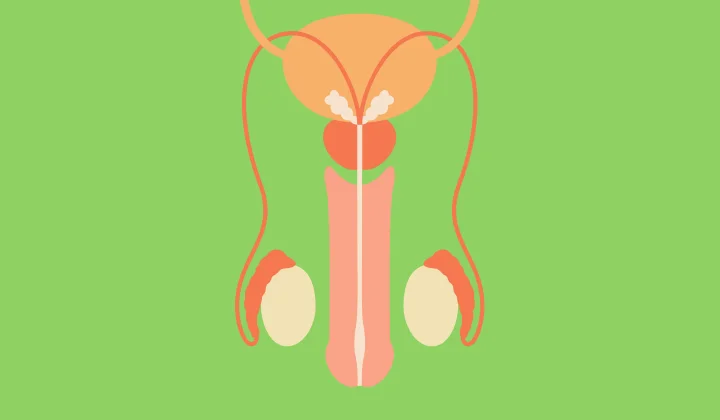
Have you noticed ongoing testicular discomfort in Glendale that doesn’t seem to improve? Many men are unaware that testicular pain can arise from issues unrelated to infection. Common causes include pelvic floor dysfunction, nerve compression or irritation in the lower back, or problems with blood circulation in the pelvic region.
Because testicular pain can feel similar to other conditions, it is often misidentified as prostatitis. This can result in men being prescribed antibiotics unnecessarily, which may do little to relieve their symptoms. When bacterial infection is not the cause, antibiotics simply do not work.
Pelvic floor physical and occupational therapy in Glendale can address the real sources of pain by targeting muscle tightness, improving pelvic and core coordination, and releasing nerve tension. With proper therapy, many men experience a significant reduction in pain and a restoration of normal pelvic function, providing lasting relief without the need for unnecessary medication.
What are the Causes of Testicular Pain?
There are several potential causes of testicular pain, with three of the most common being associated with lumbar pathology, vascular pathology, and pelvic floor pathology.
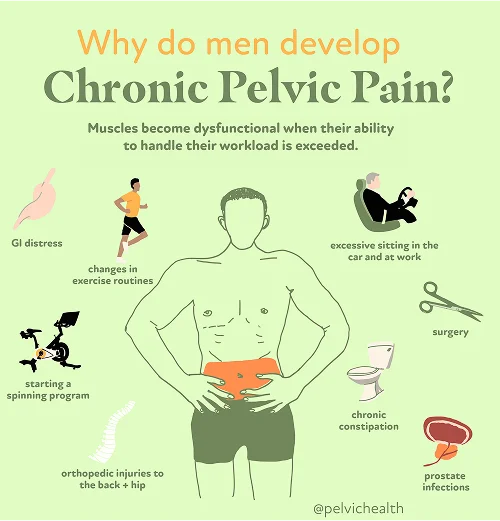
- Lumbar pathology: The nerves that communicate with the testicles arise from the lower back. Conditions such as herniated discs, spinal arthritis, or compression of a lumbar nerve can send referred pain downward into the testicle, even though the origin of discomfort is the spine.
- Vascular pathology: Blood flow disturbances, including enlarged veins known as varicoceles, twisting of the vessels referred to as torsion, or congestion within the veins, can all produce aching, throbbing, or sharp pain sensations in the testicle.
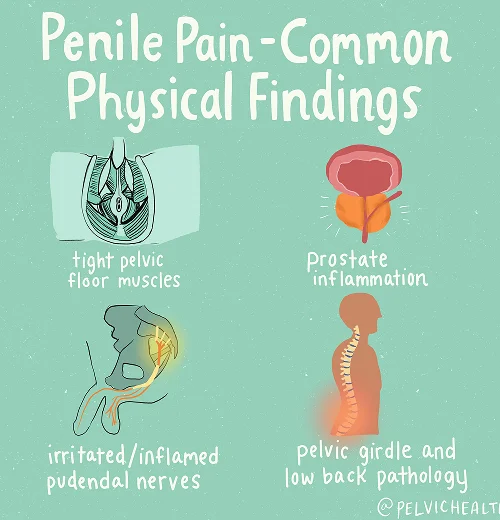
- Pelvic floor pathology: The muscles that make up the pelvic floor serve as a foundational hammock under the pelvic region. If these muscles tighten, weaken, or go into spasm, they may irritate sensitive nerves and create pain that feels like it is inside the testicle despite originating in the pelvic muscles.
Additional causes of testicular pain can include:
- Surgical trauma (vasectomy, benign prostatic hyperplasia (BPH) interventions, prostatectomy)
- Biomechanical or structural dysfunction (hip dysfunction, piriformis syndrome, scoliosis, leg length discrepancy)
- Excessive exercise or changes to exercise routine
- Excessive sitting
- Chronic constipation and straining
- Jelqing and/or attempts at gential enhancement or foreskin regeneration
- In rare cases, bladder, prostate, or sexually transmitted infections after successful resolution of infection
- The majority of men with pelvic pain (including testicular pain), with or without urinary or bowel complaints, have pelvic floor dysfunction
Symptoms of Testicular Pain
- Burning, throbbing, or aching sensations in one or both testicles
- These same sensations can sometimes extend into the penis, scrotal region, perineum, or around the anus
In addition to the testicular discomfort, men may also notice several of the following symptoms:
- Pelvic pain that worsens while sitting, after certain physical activities, or when wearing tight-fitting clothing
- Many also report urinary issues such as increased urgency, more frequent urination, hesitancy, and a reduced or slower urinary stream
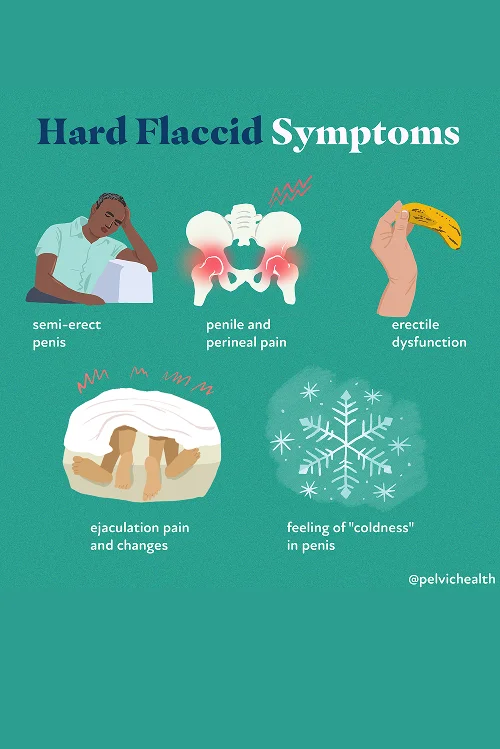
- Pain or pressure in the penis, scrotum, or perineal area during ejaculation is also common
- Some men notice mild erectile difficulties or experience a reduction in the strength of ejaculation
- Digestive disturbances such as constipation, bloating, or general gastrointestinal unease may also accompany pelvic discomfort
- These digestive symptoms might increase after sexual activity, during physical exertion, or even occur unexpectedly
- Men may experience these symptoms continuously or notice that they come and go over time
Associated Diagnoses
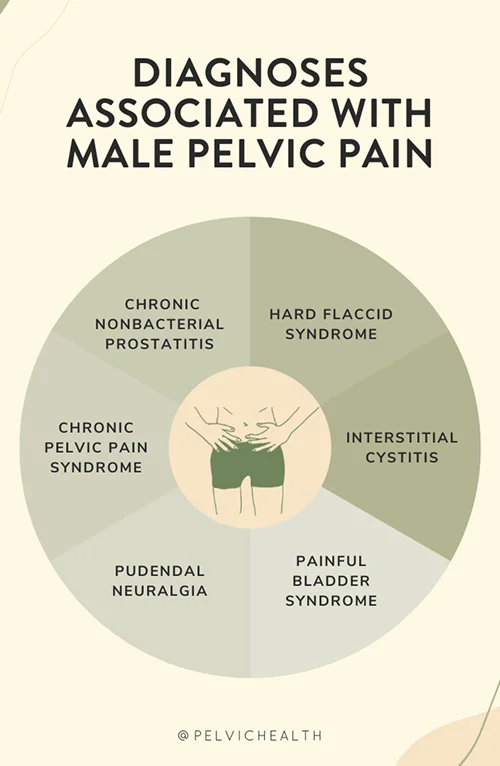
Various interconnected issues within the lumbar spine, vascular system, and pelvic floor can contribute to the development of testicular and pelvic pain. Lumbar pathology is often manifested as lumbar radiculopathy or referred discomfort arising from disc herniation, spinal joint degeneration, or arthritis in the lower back. Vascular pathology includes disorders like varicocele, testicular torsion, and pelvic venous congestion, where abnormal blood flow or venous pressure triggers persistent pain signals. Pelvic floor pathology is more closely linked to conditions such as Chronic Pelvic Pain Syndrome (CPPS), pudendal neuralgia, hard flaccid syndrome, and painful bladder syndrome. In many patients, pelvic floor dysfunction is the central link that either directly generates pain or heightens the body’s sensitivity to pain caused by other mechanical or vascular factors.
Diagnostic Challenges
A large percentage of men who seek help for testicular pain are incorrectly diagnosed with prostatitis and are routinely prescribed antibiotics, even though no infection is actually present. In fact, research has shown that more than 90 percent of men experiencing pelvic or genitourinary discomfort do not have a bacterial infection of the prostate.
Most of these cases fall under Category IIIa or IIIb in the National Institutes of Health’s classification system, collectively referred to as Chronic Pelvic Pain Syndrome (CPPS). Complicating matters further, issues within the lumbar spine or vascular system can produce symptoms that closely resemble those of pelvic floor dysfunction. This similarity often contributes to misdiagnosis and prolongs the process of identifying the correct source of the problem, ultimately delaying appropriate care.
According to the National Institutes of Health, prostatitis can be divided into the following categories:
- Category I: Acute bacterial prostatitis, which presents with severe symptoms, systemic infection, and a sudden bacterial urinary tract infection.
- Category II: Chronic bacterial prostatitis, resulting from a persistent bacterial infection of the prostate, sometimes with recurring urinary tract infections caused by the same bacteria.
- Category IIIa: Inflammatory chronic pelvic pain syndrome, in which white blood cells appear in semen, expressed prostatic secretions, or the third midstream urine sample.
- Category IIIb: Noninflammatory chronic pelvic pain syndrome, which does not show any white blood cells in the aforementioned samples.
- Category IV: Asymptomatic inflammatory prostatitis, characterized by inflammation detected in the prostate without the presence of pain or urinary symptoms.
According to the National Institutes of Health, prostatitis can be divided into the following categories:
- Category I: Acute bacterial prostatitis, which presents with severe symptoms, systemic infection, and a sudden bacterial urinary tract infection.
- Category II: Chronic bacterial prostatitis, resulting from a persistent bacterial infection of the prostate, sometimes with recurring urinary tract infections caused by the same bacteria.
- Category IIIa: Inflammatory chronic pelvic pain syndrome, in which white blood cells appear in semen, expressed prostatic secretions, or the third midstream urine sample.
- Category IIIb: Noninflammatory chronic pelvic pain syndrome, which does not show any white blood cells in the aforementioned samples.
- Category IV: Asymptomatic inflammatory prostatitis, characterized by inflammation detected in the prostate without the presence of pain or urinary symptoms.
Treatment for Testicular Pain
Each person’s treatment plan will differ depending on the underlying cause of the pain, whether it is due to pelvic floor tightness, nerve inflammation, or problems with blood flow in the pelvic area. Effective management usually requires addressing several contributing factors together.
- Pelvic floor physical and occupational therapy for pelvic floor dysfunction: This therapy works to loosen tight pelvic floor muscles, improve muscle coordination, and soothe irritated nerves through manual techniques and guided exercises.
- Spine and back treatment: If spinal nerves are contributing to pain, therapy often includes posture correction, back-strengthening exercises, and, when appropriate, specialised injections to relieve pressure and inflammation.
- Vascular-related treatment: For cases linked to circulation issues, therapy helps release tension, enhance blood flow using breathing and posture corrections, and reduce strain on swollen or congested veins.
- Addressing biomechanical issues: Improving movement in the hips, spine, and pelvis helps correct mechanical imbalances that could be aggravating the condition. This may include targeted physical therapy and strengthening routines.
- Lifestyle adjustments: In addition to in-clinic care, making practical lifestyle changes such as managing constipation, reducing long sitting periods, and reintroducing exercise gradually helps maintain pelvic function and prevent relapse.
How We Can Help You with Testicular Pain
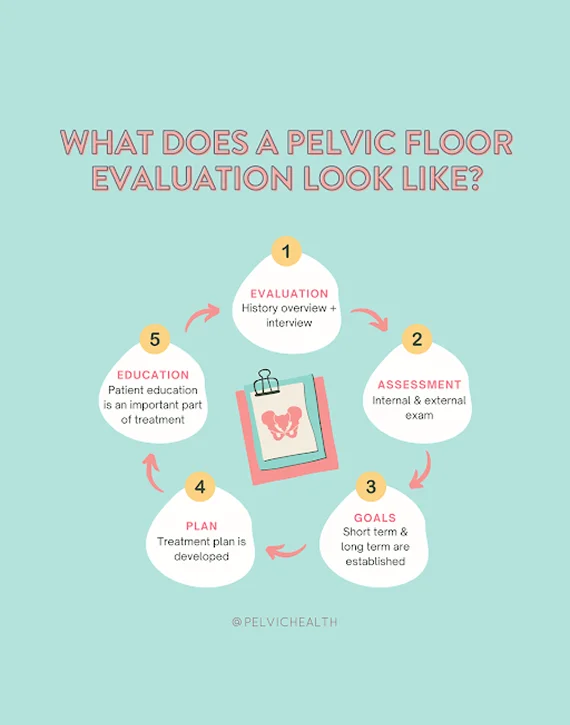
Men in Glendale experiencing testicular pain can find effective relief through an evaluation with a pelvic floor physical and occupational therapist trained in male pelvic pain conditions. During your initial assessment at PHRC, your therapist will carefully review your health background, your current symptoms, and any past diagnoses or treatments you have tried. Each step of your medical history is examined to determine what has worked for you and what has not.
We understand that by the time many Glendale patients come to us, they are exhausted from years of pain and confusion. Our goal is to offer a compassionate, professional space where you feel understood and supported from the moment you arrive.
The physical examination involves evaluating the pelvic floor muscles, surrounding tissues, joints, nerves, and movement habits that may be contributing to pain. Following this examination, your therapist will clearly explain your results and outline how the pain likely developed. From there, a structured plan is designed with measurable short-term and long-term goals to guide your recovery.
How We Can Help You with Testicular Pain
Men in Glendale experiencing testicular pain can find effective relief through an evaluation with a pelvic floor physical and occupational therapist trained in male pelvic pain conditions. During your initial assessment at PHRC, your therapist will carefully review your health background, your current symptoms, and any past diagnoses or treatments you have tried. Each step of your medical history is examined to determine what has worked for you and what has not.
We understand that by the time many Glendale patients come to us, they are exhausted from years of pain and confusion. Our goal is to offer a compassionate, professional space where you feel understood and supported from the moment you arrive.
The physical examination involves evaluating the pelvic floor muscles, surrounding tissues, joints, nerves, and movement habits that may be contributing to pain. Following this examination, your therapist will clearly explain your results and outline how the pain likely developed. From there, a structured plan is designed with measurable short-term and long-term goals to guide your recovery.
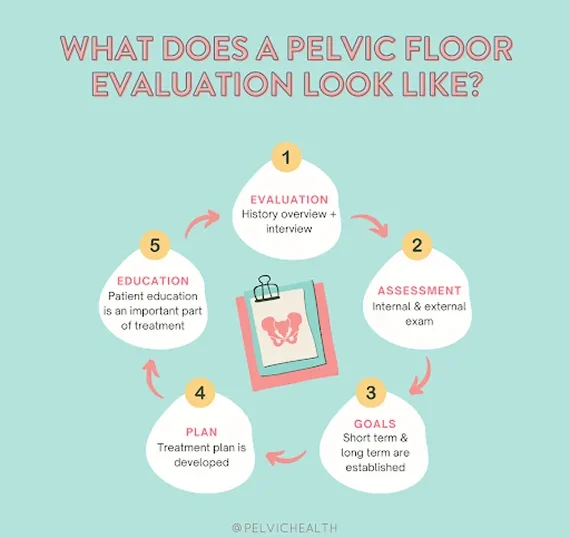
Pelvic floor therapy sessions generally take place once or twice weekly for approximately 12 weeks. You will receive specific home exercises that complement your clinic sessions, and your therapist will maintain communication with other medical professionals involved in your care. PHRC Glendale is dedicated to helping you move forward confidently toward a pain-free, healthy life.