
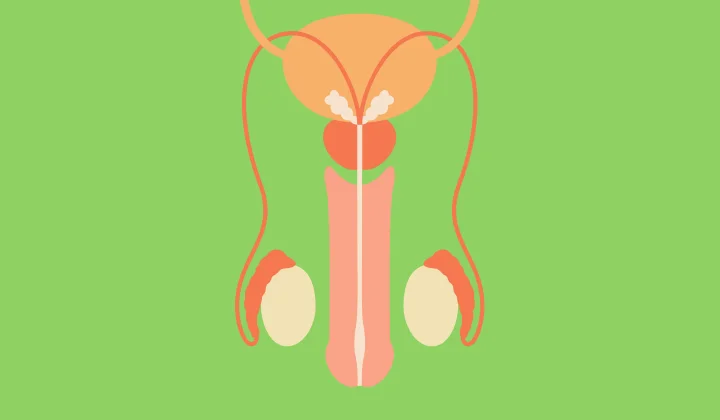
If you are from the Poway area and struggling with recurring testicular pain, you might be looking for an explanation that goes beyond infection. The pain may actually be tied to pelvic floor dysfunction, nerve compression in the lower back, or decreased blood circulation in the pelvic area.
Because these symptoms are nearly identical to those seen in prostatitis, the condition is often misdiagnosed, leading to antibiotic use that brings little or no improvement. When those medications do not help, the cause is often muscular or nerve-related instead.
For men in Poway searching for effective, non-surgical solutions, pelvic floor physical and occupational therapy can offer relief. These therapies help relax tight muscles, improve pelvic stability, and relieve nerve strain. The result is lasting improvement in comfort and pelvic health.
What are the Causes of Testicular Pain?
There are many different factors that may contribute to the development of testicular pain, including conditions involving the lumbar spine, the circulatory system, and the pelvic floor muscles.
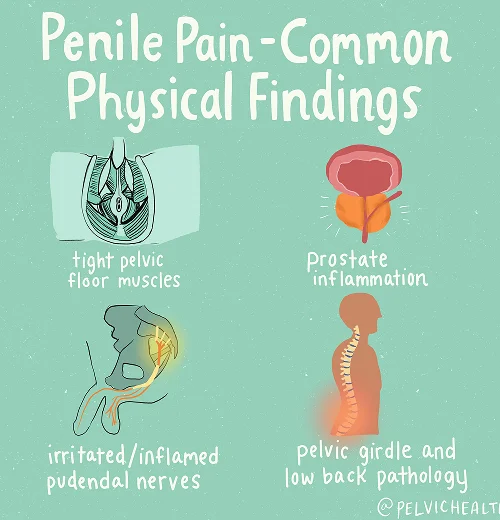
- Lumbar pathology: The nerves that provide sensation and function to the testicles begin their pathway in the lower spine. When spinal issues such as a herniated disc, degenerative arthritis, or nerve root compression occur, the resulting irritation can send pain signals downward. Although the discomfort is felt in the testicle, the true source often lies in the lumbar region.
- Vascular pathology: Circulatory disturbances such as varicocele formation, torsion of the spermatic cord, or congestion within the pelvic and testicular veins can interfere with normal blood movement. This disruption may lead to sensations of pressure, heaviness, or sudden sharp pain within the scrotum or testicle.
- Pelvic floor pathology: The pelvic floor forms a network of muscles that support the pelvic organs. If these muscles become excessively tight, fatigued, or develop spasms, they may place pressure on nearby nerves. This irritation can produce pain that feels like it originates from within the testicle, though it is actually caused by muscle tension and dysfunction in the pelvic region.
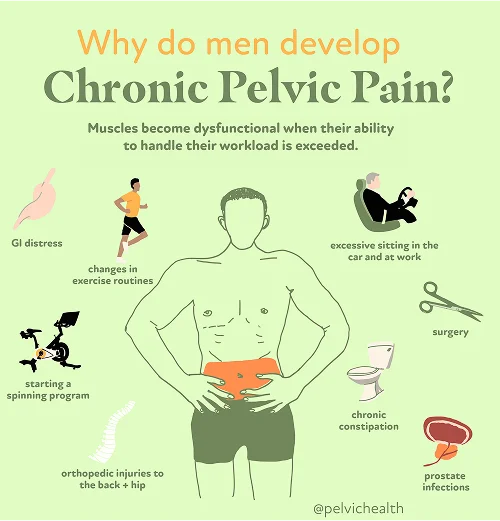
Additional causes of testicular pain can include:
- Surgical trauma (vasectomy, benign prostatic hyperplasia (BPH) interventions, prostatectomy)
- Biomechanical or structural dysfunction (hip dysfunction, piriformis syndrome, scoliosis, leg length discrepancy)
- Excessive exercise or changes to exercise routine
- Excessive sitting
- Chronic constipation and straining
- Jelqing and/or attempts at gential enhancement or foreskin regeneration
- In rare cases, bladder, prostate, or sexually transmitted infections after successful resolution of infection
- The majority of men with pelvic pain (including testicular pain), with or without urinary or bowel complaints, have pelvic floor dysfunction
Symptoms of Testicular Pain
- Testicular discomfort is often described as a sharp, throbbing, or aching pain that may radiate to other pelvic areas.
- These sensations sometimes reach the penis, perineum, or anal region, causing a generalized feeling of pressure.
Several related symptoms typically occur alongside this discomfort:
- Pelvic pain may worsen during extended sitting, after workouts, or while wearing tight clothing.
- Urinary urgency, frequency, and weak flow commonly appear.
- Pain during ejaculation often affects nearby areas such as the scrotum and perineum.
- Some men report difficulty achieving erections or reduced ejaculation force.
- Digestive complaints like constipation and bloating are frequently observed.
- Flare-ups may occur unpredictably, after activity or sexual release.
- Symptoms can remain steady or fluctuate over time, sometimes easing only temporarily.
Associated Diagnoses
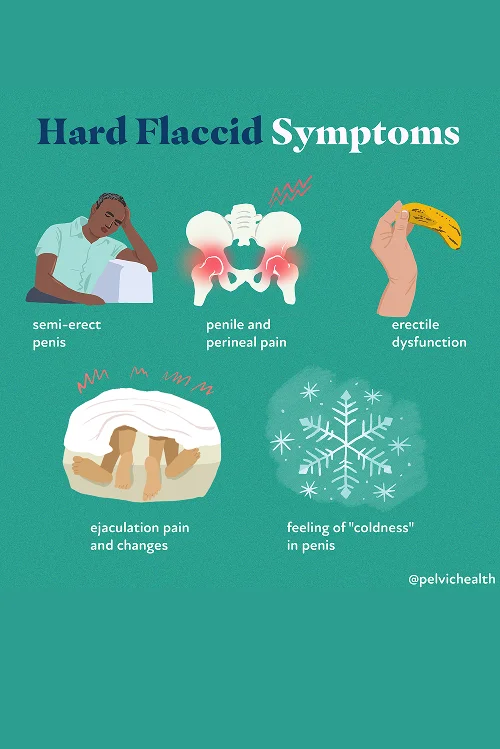
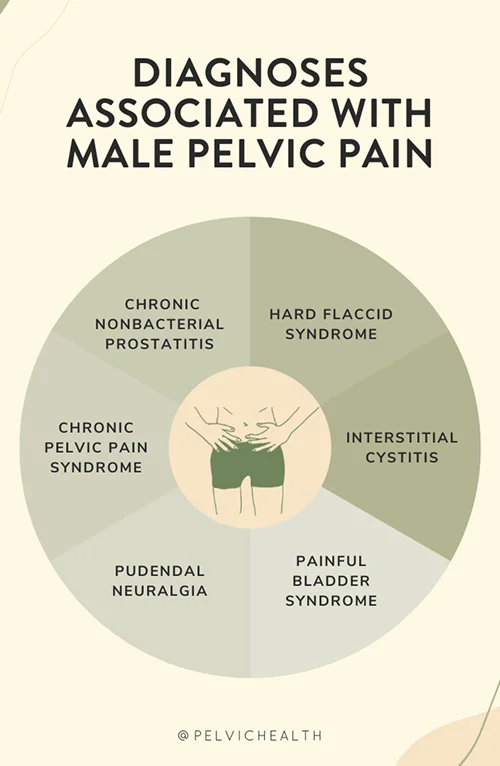
Testicular and pelvic discomfort often arises from a combination of lumbar, vascular, and pelvic floor dysfunctions that can overlap and intensify one another’s effects. Lumbar issues commonly present as lumbar radiculopathy or referred pain due to degenerative disc changes, spinal arthritis, or nerve compression in the lower back. Vascular factors may include varicocele, testicular torsion, or pelvic venous congestion, all of which interrupt healthy blood circulation and lead to persistent pain in the pelvic area. Pelvic floor dysfunction, meanwhile, is strongly associated with Chronic Pelvic Pain Syndrome (CPPS), pudendal neuralgia, hard flaccid syndrome, and painful bladder syndrome. For many men, the pelvic floor plays a key role as both a trigger and amplifier of discomfort caused by other musculoskeletal or vascular imbalances.
Diagnostic Challenges
Testicular pain is a widespread concern among men and is commonly mistaken for prostatitis, leading to unnecessary antibiotic treatments. Despite these prescriptions, most laboratory results show no bacterial involvement. Studies continually reveal that more than 90 percent of men dealing with pelvic or genital discomfort do not have bacterial prostatitis.
Many of these cases fall under the National Institutes of Health classifications of Category IIIa and IIIb, both of which form part of the broader condition referred to as Chronic Pelvic Pain Syndrome (CPPS). In addition, lower back nerve irritation and issues with pelvic circulation can create similar sensations to pelvic floor dysfunction, complicating diagnosis and management.
As outlined by the National Institutes of Health, prostatitis conditions are categorized as follows:
- Category I: Acute bacterial prostatitis is identified by severe pelvic or genital pain accompanied by fever and a confirmed urinary tract infection. The cause is typically a bacterial invasion of the prostate that triggers inflammation and systemic symptoms.
- Category II: Chronic bacterial prostatitis involves a long-term infection of the prostate, where men experience recurring urinary tract infections caused by the same bacterial strain over time.
- Category IIIa: Inflammatory chronic pelvic pain syndrome occurs when white blood cells are found in the semen, prostatic secretions, or the final urine sample collected during testing, indicating ongoing inflammation.
- Category IIIb: Noninflammatory chronic pelvic pain syndrome, on the other hand, does not show white blood cells in these samples even though the patient experiences similar discomfort.
- Category IV: Asymptomatic inflammatory prostatitis is characterized by the presence of inflammation within the prostate gland without any noticeable pain, urinary issues, or other clinical symptoms.
As outlined by the National Institutes of Health, prostatitis conditions are categorized as follows:
- Category I: Acute bacterial prostatitis is identified by severe pelvic or genital pain accompanied by fever and a confirmed urinary tract infection. The cause is typically a bacterial invasion of the prostate that triggers inflammation and systemic symptoms.
- Category II: Chronic bacterial prostatitis involves a long-term infection of the prostate, where men experience recurring urinary tract infections caused by the same bacterial strain over time.
- Category IIIa: Inflammatory chronic pelvic pain syndrome occurs when white blood cells are found in the semen, prostatic secretions, or the final urine sample collected during testing, indicating ongoing inflammation.
- Category IIIb: Noninflammatory chronic pelvic pain syndrome, on the other hand, does not show white blood cells in these samples even though the patient experiences similar discomfort.
- Category IV: Asymptomatic inflammatory prostatitis is characterized by the presence of inflammation within the prostate gland without any noticeable pain, urinary issues, or other clinical symptoms.
Treatment for Testicular Pain
Depending on the specific source of your discomfort, whether it is related to tight or overactive pelvic floor muscles, irritation of nerves in your lower back, or even restricted blood flow throughout the pelvic area, your treatment plan will be carefully customized to include several types of therapeutic techniques aimed at improving overall pelvic balance and function. Each therapy is chosen based on your individual symptoms and physical findings to help relieve pain, promote circulation, and support long-term recovery.
- Pelvic floor physical and occupational therapy for pelvic floor dysfunction: This treatment approach improves muscle relaxation, enhances control, and soothes irritation around the pelvic nerves. With time, this can result in significant pain reduction and greater comfort during daily routines.
- Spine and back treatment: When the lumbar spine is identified as the source of irritation, therapy may combine posture correction, targeted strengthening, and carefully guided injections to reduce inflammation and nerve compression.
- Vascular-related treatment: If restricted blood flow is a factor, pelvic therapy uses exercises and positioning techniques that improve circulation, relieve congestion, and enhance oxygen delivery to the pelvic area.
- Addressing biomechanical issues: Limited movement or poor alignment in the hips often worsens pelvic strain. Corrective exercises and manual therapy are used to improve flexibility, balance, and muscle mechanics.
- Lifestyle adjustments: Therapists emphasize practical steps like avoiding long sitting periods, improving bowel health, and gradually increasing safe physical activity to support recovery and prevent symptom recurrence.
How We Can Help You with Testicular Pain
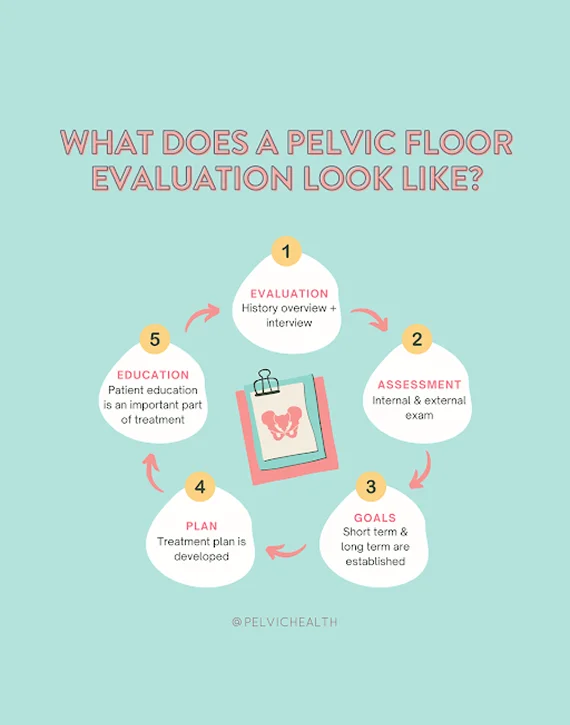
If you are from Poway and continue to experience ongoing testicular pain, professional evaluation by a pelvic floor physical and occupational therapist could be the turning point in your recovery. At PHRC, your initial consultation includes a thorough review of your health history, past medical care, and existing symptoms. This allows our specialists to uncover contributing factors and design a plan that targets your specific needs.
Many men from the Poway community reach out after feeling hopeless from years of ineffective treatments. Our compassionate team works to rebuild trust and confidence through education and open communication, offering a structured approach to care that makes recovery feel attainable.
During your physical exam, your therapist evaluates your pelvic muscles, nerves, and supporting structures, identifying how posture and movement may influence your discomfort. Following the assessment, you will review your results, understand how your pain developed, and set practical goals for improvement.
How We Can Help You with Testicular Pain
If you are from Poway and continue to experience ongoing testicular pain, professional evaluation by a pelvic floor physical and occupational therapist could be the turning point in your recovery. At PHRC, your initial consultation includes a thorough review of your health history, past medical care, and existing symptoms. This allows our specialists to uncover contributing factors and design a plan that targets your specific needs.
Many men from the Poway community reach out after feeling hopeless from years of ineffective treatments. Our compassionate team works to rebuild trust and confidence through education and open communication, offering a structured approach to care that makes recovery feel attainable.
During your physical exam, your therapist evaluates your pelvic muscles, nerves, and supporting structures, identifying how posture and movement may influence your discomfort. Following the assessment, you will review your results, understand how your pain developed, and set practical goals for improvement.
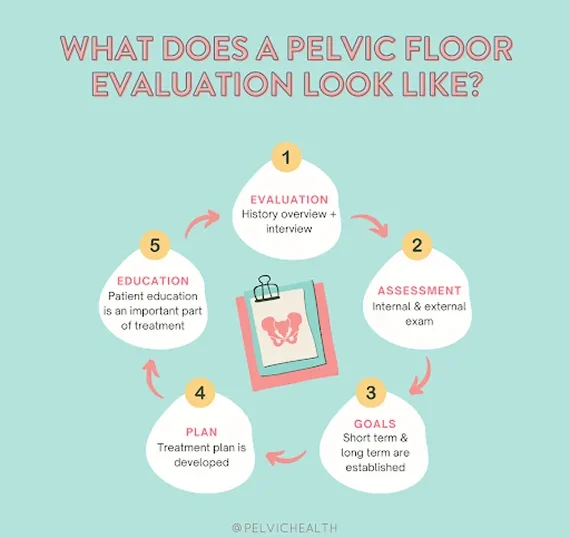
Treatment is typically scheduled once or twice a week for about 12 weeks, with custom home exercises provided for continued progress. Your PHRC therapist will also coordinate with your healthcare team to ensure consistent care. Our mission is to help you regain comfort, restore balance, and reclaim your overall well-being.