
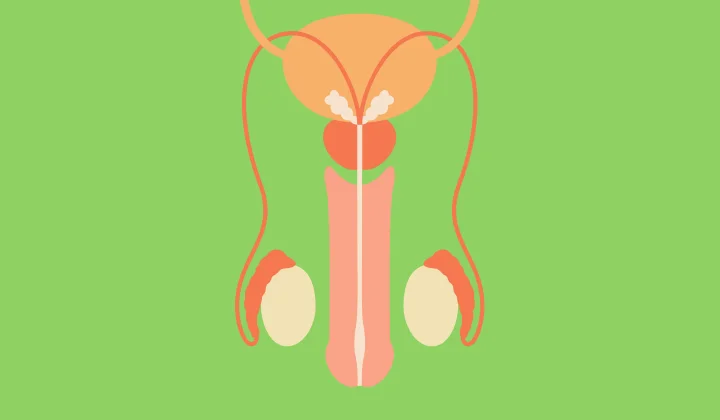
If you are near Sherman Oaks and have been struggling with ongoing testicular pain, it might not be caused by infection as many assume. In many cases, pain of this kind originates from pelvic floor dysfunction, nerve entrapment in the lower back, or impaired blood circulation in the pelvic region.
Because these symptoms mimic other urological conditions like prostatitis, men are often misdiagnosed and prescribed antibiotics that do not provide any real relief. When those treatments fail, it becomes clear that the source of discomfort is often muscular or neurological instead of bacterial.
Men throughout the Sherman Oaks area can benefit from pelvic floor physical and occupational therapy, which provide a safe and natural path to healing. These targeted treatments loosen tight pelvic muscles, restore balance, and relieve nerve irritation. Over time, this approach can bring long-lasting relief and improved pelvic performance.
What are the Causes of Testicular Pain?
The causes of testicular pain can be wide-ranging, often involving musculoskeletal, vascular, or neuromuscular dysfunctions that interact with one another.
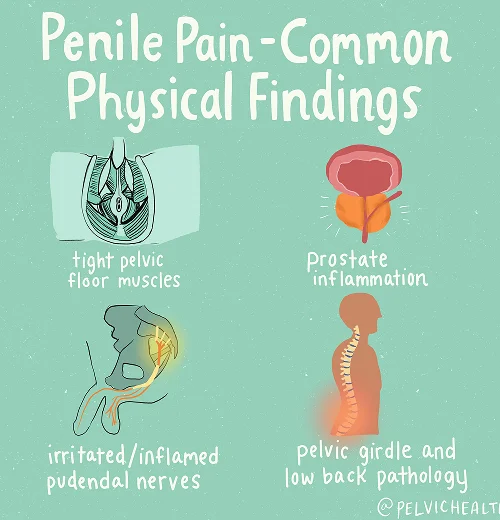
- Lumbar pathology: The testicular nerves are connected to the lower spinal cord segments. When problems like degenerative disc disease, arthritis, or nerve impingement arise in this region, they can cause pain that travels downward and settles in the testicle. Although the discomfort feels local, the origin is often in the back.
- Vascular pathology: Circulatory disorders such as varicocele formation, torsion of the spermatic cord, or venous obstruction can hinder normal blood flow. These issues often cause sensations of dull pressure, weight, or sudden shooting pain within the testicle.
- Pelvic floor pathology: The muscular floor of the pelvis provides structural support for several organs. Overactivity, weakness, or spasms within these muscles can trigger irritation of the nearby nerves, resulting in pain that radiates into the scrotal region and mimics testicular origin.
Additional causes of testicular pain can include:
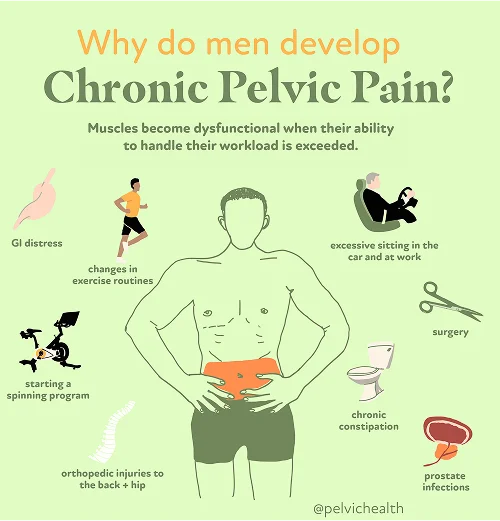
- Surgical trauma (vasectomy, benign prostatic hyperplasia (BPH) interventions, prostatectomy)
- Biomechanical or structural dysfunction (hip dysfunction, piriformis syndrome, scoliosis, leg length discrepancy)
- Excessive exercise or changes to exercise routine
- Excessive sitting
- Chronic constipation and straining
- Jelqing and/or attempts at gential enhancement or foreskin regeneration
- In rare cases, bladder, prostate, or sexually transmitted infections after successful resolution of infection
- The majority of men with pelvic pain (including testicular pain), with or without urinary or bowel complaints, have pelvic floor dysfunction
Symptoms of Testicular Pain
- Men who experience testicular pain may describe the feeling as a combination of burning, stabbing, or dull aching sensations.
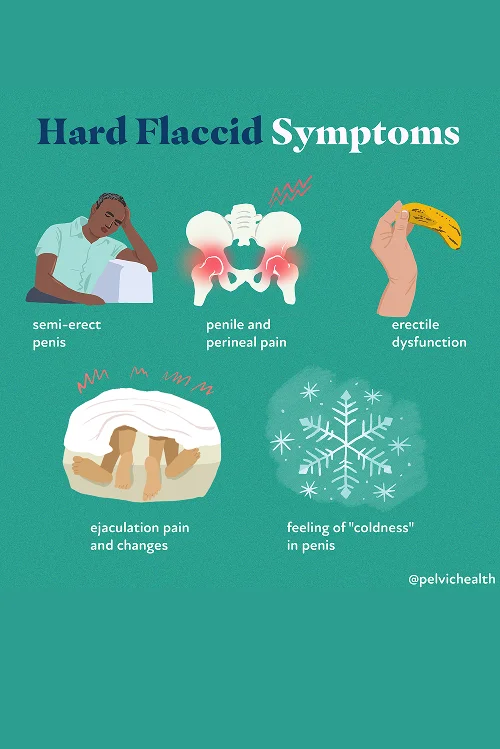
- This discomfort often extends to nearby structures such as the penis, perineum, and the lower pelvic region.
Alongside the testicular pain itself, other interconnected symptoms may develop:
- Pelvic pain is commonly aggravated by extended sitting, exercise, or restrictive clothing.
- Urinary symptoms including urgency, frequency, and decreased flow are frequent.
- During ejaculation, men may feel a surge of pain spreading through the scrotum or perineum.
- Erectile changes or a noticeable drop in ejaculation pressure can sometimes occur.
- Digestive issues such as constipation or bloating may coincide with these symptoms.
- These digestive discomforts often flare up unpredictably, after physical exertion or sexual activity.
- The overall symptom pattern may shift from day to day, alternating between mild and severe.
Associated Diagnoses
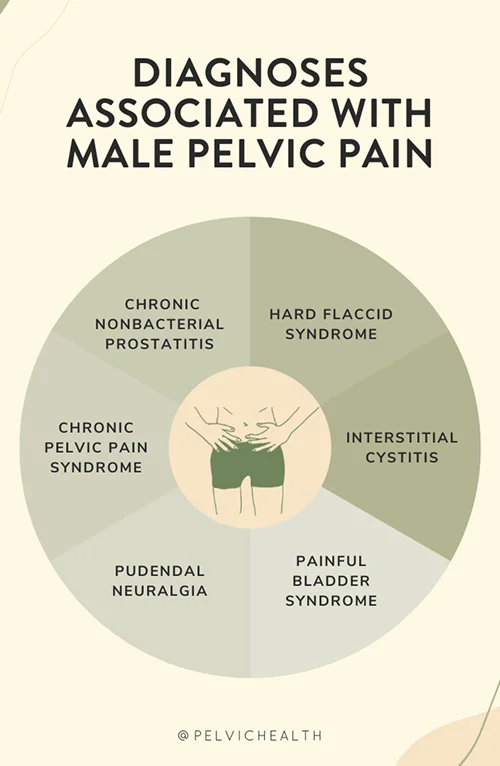
Testicular and pelvic discomfort can stem from several interrelated systems, most notably the lumbar spine, vascular network, and pelvic floor muscles. Lumbar problems often include nerve compression or referred pain caused by disc bulging, joint degeneration, or inflammation within the lower spine. Vascular conditions, including varicocele, testicular torsion, and pelvic venous congestion, interfere with the body’s normal blood flow and create sensations of pain or fullness in the pelvis. The pelvic floor is deeply connected to these systems and plays a role in conditions such as Chronic Pelvic Pain Syndrome (CPPS), painful bladder syndrome, pudendal neuralgia, and hard flaccid syndrome. In many cases, pelvic floor dysfunction serves as the central amplifier that prolongs or intensifies discomfort linked to spinal or vascular disturbances.
Diagnostic Challenges
Testicular pain affects many men across different age groups, but in numerous cases, it is incorrectly linked to prostatitis. Physicians may prescribe antibiotics prematurely, only to discover later that no bacterial infection exists. Studies consistently confirm that more than 90 percent of men with pelvic or genital pain symptoms do not actually have a bacterial infection of the prostate.
The majority of these cases are included in the National Institutes of Health’s Category IIIa and IIIb classifications, which together define Chronic Pelvic Pain Syndrome (CPPS). Other factors such as irritated spinal nerves or vascular inefficiencies can create pain similar to that caused by pelvic floor dysfunction, which can make diagnosis challenging and delay proper treatment.
The National Institutes of Health recognizes the following categories for prostatitis conditions:
- Category I: Acute bacterial prostatitis occurs suddenly and is accompanied by fever, pain, and urinary tract infection due to active bacterial infection.
- Category II: Chronic bacterial prostatitis is a prolonged inflammation of the prostate caused by bacteria that persist and trigger repeated urinary infections.
- Category IIIa: Inflammatory chronic pelvic pain syndrome shows signs of inflammation through the detection of white blood cells in prostate fluids or semen.
- Category IIIb: Noninflammatory chronic pelvic pain syndrome mimics similar pain patterns but lacks the presence of white blood cells.
- Category IV: Asymptomatic inflammatory prostatitis exists quietly, where inflammation is found during testing despite no symptoms being reported.
The National Institutes of Health recognizes the following categories for prostatitis conditions:
- Category I: Acute bacterial prostatitis occurs suddenly and is accompanied by fever, pain, and urinary tract infection due to active bacterial infection.
- Category II: Chronic bacterial prostatitis is a prolonged inflammation of the prostate caused by bacteria that persist and trigger repeated urinary infections.
- Category IIIa: Inflammatory chronic pelvic pain syndrome shows signs of inflammation through the detection of white blood cells in prostate fluids or semen.
- Category IIIb: Noninflammatory chronic pelvic pain syndrome mimics similar pain patterns but lacks the presence of white blood cells.
- Category IV: Asymptomatic inflammatory prostatitis exists quietly, where inflammation is found during testing despite no symptoms being reported.
Treatment for Testicular Pain
Depending on the findings from your evaluation, whether your symptoms come from overly tight pelvic floor muscles, compressed nerves within the lumbar spine, or insufficient circulation through the pelvic area, your individualized treatment plan may draw from several forms of therapy that collectively help restore natural function and reduce discomfort. Each session aims to improve flexibility, coordination, and neuromuscular balance.
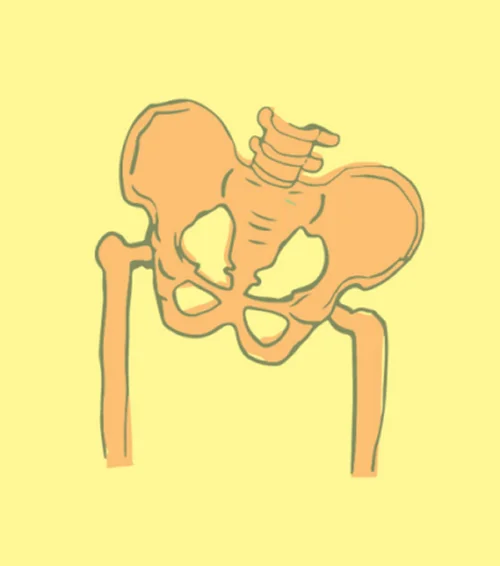
- Pelvic floor physical and occupational therapy for pelvic floor dysfunction: This therapeutic approach helps retrain the muscles that support the pelvis by teaching them to relax, lengthen, and coordinate more effectively. Over time, the nervous system calms down, leading to a measurable reduction in pain and tension.
- Spine and back treatment: When nerve compression is the primary issue, your treatment may combine posture re-education, targeted stretching, and strengthening to stabilize the spine. In some cases, injections are introduced to decrease inflammation around irritated nerves.
- Vascular-related treatment: If restricted blood flow is part of the problem, therapy can focus on improving circulation by promoting healthy breathing, correcting posture, and decreasing internal pressure in the pelvic veins. This can greatly enhance comfort and tissue recovery.
- Addressing biomechanical issues: For those with hip or spine alignment concerns, specific exercises are used to restore balanced motion, improve strength, and relieve strain. A well-aligned body helps distribute pressure evenly and prevents chronic irritation.
- Lifestyle adjustments: You may also receive personalized advice for staying active safely, preventing constipation, and avoiding extended sitting to maintain pelvic health throughout daily life.
How We Can Help You with Testicular Pain
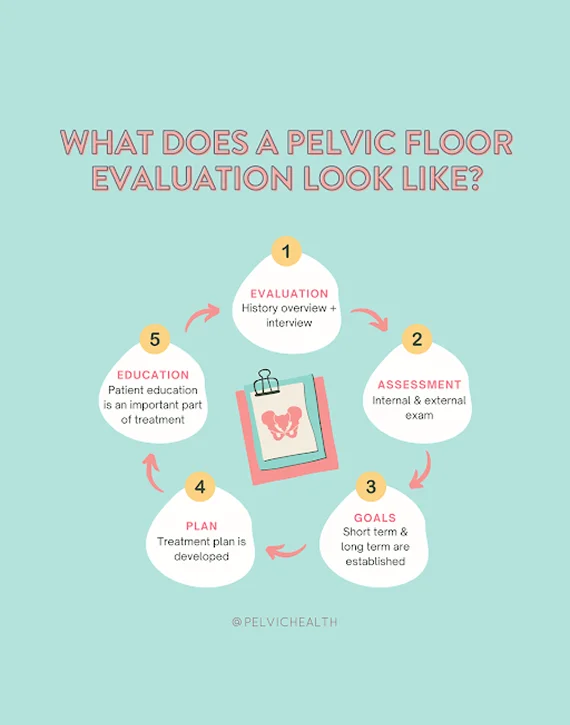
Men in or near Sherman Oaks who experience persistent testicular discomfort can benefit from a detailed evaluation by a pelvic floor physical and occupational therapist. At PHRC, your initial visit begins with an open conversation about your health background, previous medical experiences, and any treatments you have already pursued. This helps us understand what has worked, what has not, and where the true cause of your symptoms may lie.
Many men from the Sherman Oaks area who reach out to us have spent years seeking relief without success. Our compassionate team provides a supportive environment where you can be heard, understood, and guided with a clear, structured plan for recovery.
Your therapist will perform a comprehensive examination of your pelvic floor, surrounding muscles, and nerve pathways, observing how posture and movement may contribute to your pain. Once complete, your results will be reviewed in detail, and together you will set measurable goals for improvement.
How We Can Help You with Testicular Pain
Men in or near Sherman Oaks who experience persistent testicular discomfort can benefit from a detailed evaluation by a pelvic floor physical and occupational therapist. At PHRC, your initial visit begins with an open conversation about your health background, previous medical experiences, and any treatments you have already pursued. This helps us understand what has worked, what has not, and where the true cause of your symptoms may lie.
Many men from the Sherman Oaks area who reach out to us have spent years seeking relief without success. Our compassionate team provides a supportive environment where you can be heard, understood, and guided with a clear, structured plan for recovery.
Your therapist will perform a comprehensive examination of your pelvic floor, surrounding muscles, and nerve pathways, observing how posture and movement may contribute to your pain. Once complete, your results will be reviewed in detail, and together you will set measurable goals for improvement.
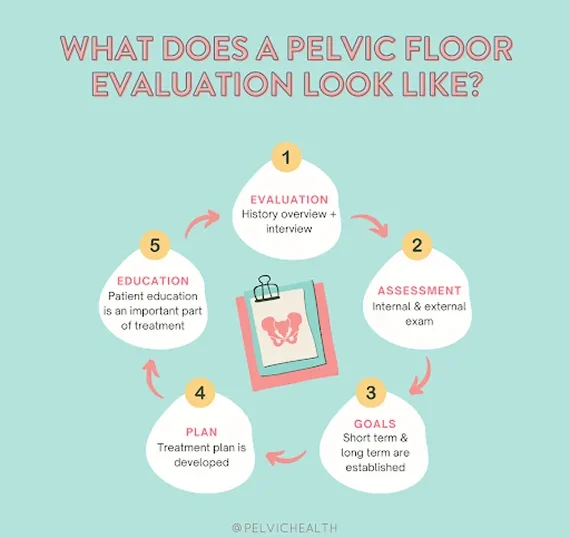
Therapy is generally scheduled once or twice weekly for about 12 weeks, with at-home exercises to complement your progress. Your PHRC therapist will coordinate with your other healthcare professionals to provide complete and consistent care. Our purpose is to help you regain comfort, restore function, and reclaim confidence in your health.