
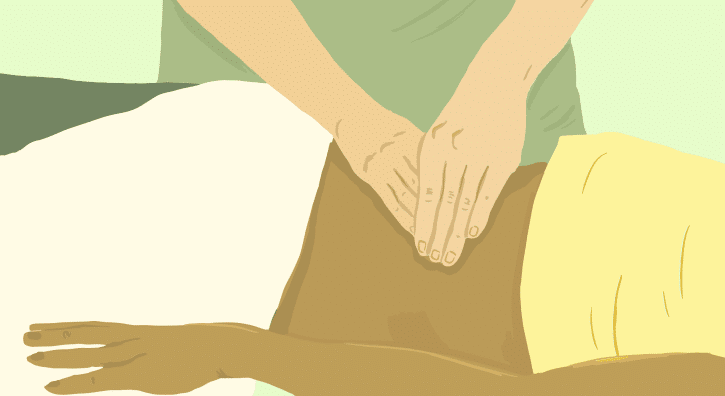

Persistent or repeated difficulty with sexual response, arousal, orgasm, or pain is what defines sexual dysfunction. At the heart of sexual function are the pelvic floor muscles, which are essential for men in sustaining an erection and for both men and women in producing the rapid, rhythmic contractions that occur during orgasm. Normally, these muscles create comfort and pleasure and should not cause pain before, during, or after intimacy. In the presence of pelvic floor dysfunction, however, this natural process is disrupted, and individuals may find themselves experiencing pain in place of pleasure, along with decreased function. For residents of Belmont experiencing these troubling symptoms, the emotional toll can be significant. The encouraging reality is that pelvic floor physical and occupational therapy can be a valuable treatment option to help reduce pain, restore muscle balance, and support a return to healthy sexual function.
The Facts
- One in every three women before menopause is expected to face episodes of painful intercourse.
- Surveys reveal that 15% to 72% of younger men under 40 have symptoms of erectile dysfunction.
- Among middle-aged and older men, 52% between ages 40 and 70 experience erectile dysfunction in a mild to moderate form.
- Following surgical removal of the prostate, erectile dysfunction occurs in as many as 80% of men.
- Sixty percent of menopausal women stay silent about painful sex, often out of embarrassment and stigma.
- Birth control pills and certain acne medications can contribute to vulvar pain and interfere with natural lubrication.
- Postpartum women—about 65%—still struggle with painful intercourse even 18 months after giving birth.
Persistent or repeated difficulty with sexual response, arousal, orgasm, or pain is what defines sexual dysfunction. At the heart of sexual function are the pelvic floor muscles, which are essential for men in sustaining an erection and for both men and women in producing the rapid, rhythmic contractions that occur during orgasm. Normally, these muscles create comfort and pleasure and should not cause pain before, during, or after intimacy. In the presence of pelvic floor dysfunction, however, this natural process is disrupted, and individuals may find themselves experiencing pain in place of pleasure, along with decreased function. For residents of Belmont experiencing these troubling symptoms, the emotional toll can be significant. The encouraging reality is that pelvic floor physical and occupational therapy can be a valuable treatment option to help reduce pain, restore muscle balance, and support a return to healthy sexual function.
The Facts
- One in every three women before menopause is expected to face episodes of painful intercourse.
- Surveys reveal that 15% to 72% of younger men under 40 have symptoms of erectile dysfunction.
- Among middle-aged and older men, 52% between ages 40 and 70 experience erectile dysfunction in a mild to moderate form.
- Following surgical removal of the prostate, erectile dysfunction occurs in as many as 80% of men.
- Sixty percent of menopausal women stay silent about painful sex, often out of embarrassment and stigma.
- Birth control pills and certain acne medications can contribute to vulvar pain and interfere with natural lubrication.
- Postpartum women—about 65%—still struggle with painful intercourse even 18 months after giving birth.
Symptoms
*Sexual Dysfunction in people with a penis
- Erectile dysfunction: poor quality, inability to achieve erection, inability to maintain erection, premature ejaculation
- Decreased force or inability to ejaculate
- Climacturia (incontinence with orgasm)
- Post ejaculatory pain: tip and/or shaft of penis, perineum, scrotum
- Discoloration in penis/scrotum/perineum
Postpartum Sexual Dysfunction
- Decreased lubrication during breastfeeding
- Perineal pain with touch from episiotomy or perineal trauma
- Diminished or absent orgasm
- Incontinence during orgasm or intercourse
- Painful sex
*Sexual Dysfunction in people with vulvas/vaginas
- Inability or decreased ability to lubricate
- Pain upon vaginal penetration, with deep penetration only, and/or continuous pain with penetration
- Clitoral pain, hypersensitivity to touch
- Pain and/or burning after sexual contact
- Inability to orgasm, diminished orgasm
- Urinary incontinence during sexual activity
- Climacturia (incontinence with orgasm)
Menopausal Sexual Dysfunction and Post-gynecologic cancer treatment
- Decreased ability to lubricate
- Inability to achieve or difficulty with vaginal penetration
- Painful sex: during and/or after
- Diminished or absent orgasm
Symptoms
*Sexual Dysfunction in people with a penis
- Erectile dysfunction: poor quality, inability to achieve erection, inability to maintain erection, premature ejaculation
- Decreased force or inability to ejaculate
- Climacturia (incontinence with orgasm)
- Post ejaculatory pain: tip and/or shaft of penis, perineum, scrotum
- Discoloration in penis/scrotum/perineum
*Sexual Dysfunction in people with vulvas/vaginas
- Inability or decreased ability to lubricate
- Pain upon vaginal penetration, with deep penetration only, and/or continuous pain with penetration
- Clitoral pain, hypersensitivity to touch
- Pain and/or burning after sexual contact
- Inability to orgasm, diminished orgasm
- Urinary incontinence during sexual activity
- Climacturia (incontinence with orgasm)
Postpartum Sexual Dysfunction
- Decreased lubrication during breastfeeding
- Perineal pain with touch from episiotomy or perineal trauma
- Diminished or absent orgasm
- Incontinence during orgasm or intercourse
- Painful sex
Menopausal Sexual Dysfunction and Post-gynecologic cancer treatment
- Decreased ability to lubricate
- Inability to achieve or difficulty with vaginal penetration
- Painful sex: during and/or after
- Diminished or absent orgasm
Associated Diagnoses
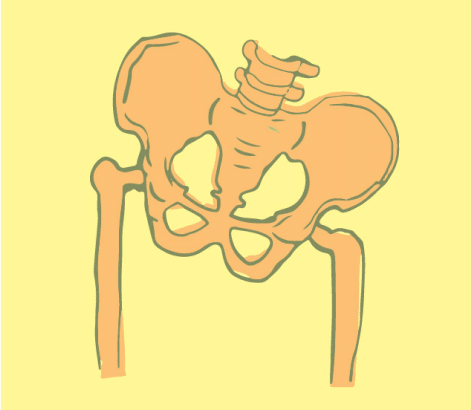
Diagnoses such as Endometriosis, Vulvodynia, Interstitial Cystitis/Painful Bladder Syndrome, Pudendal Neuralgia, Chronic Pelvic Pain Syndrome/Male Pelvic Pain, Lichen Sclerosus, Lichen Planus, Pelvic Floor Dysfunction, post-prostatectomy complications, and Genitourinary Syndrome of Menopause are all associated with sexual dysfunction and pelvic pain.
Associated Diagnoses
Diagnoses such as Endometriosis, Vulvodynia, Interstitial Cystitis/Painful Bladder Syndrome, Pudendal Neuralgia, Chronic Pelvic Pain Syndrome/Male Pelvic Pain, Lichen Sclerosus, Lichen Planus, Pelvic Floor Dysfunction, post-prostatectomy complications, and Genitourinary Syndrome of Menopause are all associated with sexual dysfunction and pelvic pain.

Causes of Sexual Dysfunction
- Pelvic pain syndromes associated with pelvic floor dysfunction (above)
- Childbirth
- Medications
- Obesity
- Cardiovascular disease
- Menopause
- Jelqing
- Genital mutilation, genital cutting
- Surgically-induced
- Pelvic Floor Reconstruction
- Prostatectomy
- Gender affirming surgery
- Episiotomy
- Vestibulectomy
- Pudendal Nerve Decompression
- Mesh excision
Causes of Sexual Dysfunction
- Pelvic pain syndromes associated with pelvic floor dysfunction (above)
- Childbirth
- Medications
- Obesity
- Cardiovascular disease
- Menopause
- Jelqing
- Genital mutilation, genital cutting
- Surgically-induced
- Pelvic Floor Reconstruction
- Prostatectomy
- Gender affirming surgery
- Episiotomy
- Vestibulectomy
- Pudendal Nerve Decompression
- Mesh excision
Diagnostic Challenges
Studies continue to show that the majority of healthcare providers feel uncomfortable initiating discussions with their patients about sex, and in parallel, many patients are reluctant to address sexual concerns with their doctors. The LGBTQ population faces an additional burden, as evidence reveals they are often subject to discrimination that negatively impacts sexual health outcomes. As a healthcare field, there is significant work to be done to improve this situation. At PHRC, our mission is to provide an atmosphere where all patients feel welcomed, safe, and fully supported when exploring pelvic health concerns. It is not widely understood that sexual health has become its own recognized specialty within medicine, and there are many treatment pathways available. Sexual wellness is a multifaceted issue that requires both physical and psychological attention. For that reason, the most effective approach often includes an interdisciplinary care model involving medical treatment, support from behavioral health providers and psychologists, and targeted pelvic floor physical and occupational therapy.
Diagnostic Challenges
Studies continue to show that the majority of healthcare providers feel uncomfortable initiating discussions with their patients about sex, and in parallel, many patients are reluctant to address sexual concerns with their doctors. The LGBTQ population faces an additional burden, as evidence reveals they are often subject to discrimination that negatively impacts sexual health outcomes. As a healthcare field, there is significant work to be done to improve this situation. At PHRC, our mission is to provide an atmosphere where all patients feel welcomed, safe, and fully supported when exploring pelvic health concerns. It is not widely understood that sexual health has become its own recognized specialty within medicine, and there are many treatment pathways available. Sexual wellness is a multifaceted issue that requires both physical and psychological attention. For that reason, the most effective approach often includes an interdisciplinary care model involving medical treatment, support from behavioral health providers and psychologists, and targeted pelvic floor physical and occupational therapy.
Treatment:
How We Can Help You
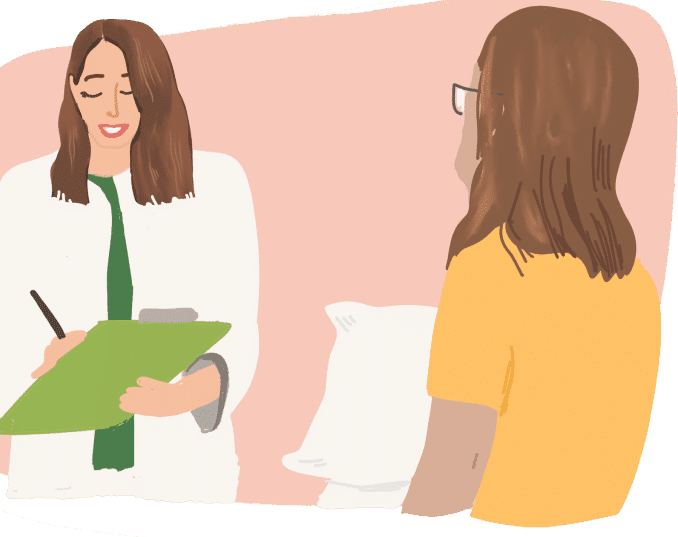
Residents of Belmont experiencing sexual dysfunction may benefit from an evaluation with a pelvic floor physical and occupational therapist to better understand how your pelvic floor may be influencing your symptoms. Your therapist will begin by sitting down with you to review your health history, including what diagnoses you may have received previously, the treatments you have undergone, and the level of relief or frustration those treatments brought. We recognize that by the time many patients from Belmont reach us, they are already dealing with years of challenges and discouragement. As part of your evaluation, your therapist will perform a comprehensive physical exam, checking the muscles, tissues, joints, nerves, and movement patterns that could be contributing to your discomfort. After completing this assessment, your therapist will explain the findings to you in detail and map out both immediate and long-term goals for your recovery plan. Treatment generally involves attending therapy one to two times a week for around 12 weeks, paired with a home exercise program that complements your in-person sessions. To ensure your progress is seamless, your therapist will also communicate with the other members of your healthcare team. Our goal is to provide patients from Belmont with the tools, guidance, and encouragement needed to heal and return to living life fully.
Treatment:
How We Can Help You
Residents of Belmont experiencing sexual dysfunction may benefit from an evaluation with a pelvic floor physical and occupational therapist to better understand how your pelvic floor may be influencing your symptoms. Your therapist will begin by sitting down with you to review your health history, including what diagnoses you may have received previously, the treatments you have undergone, and the level of relief or frustration those treatments brought. We recognize that by the time many patients from Belmont reach us, they are already dealing with years of challenges and discouragement. As part of your evaluation, your therapist will perform a comprehensive physical exam, checking the muscles, tissues, joints, nerves, and movement patterns that could be contributing to your discomfort. After completing this assessment, your therapist will explain the findings to you in detail and map out both immediate and long-term goals for your recovery plan. Treatment generally involves attending therapy one to two times a week for around 12 weeks, paired with a home exercise program that complements your in-person sessions. To ensure your progress is seamless, your therapist will also communicate with the other members of your healthcare team. Our goal is to provide patients from Belmont with the tools, guidance, and encouragement needed to heal and return to living life fully.
How Can We Help You?
To reach us with a question or comment, please fill out the form shown below. It is important to include your e-mail address, since we cannot respond without it. You can feel confident knowing that any information you provide through this form will be handled discreetly and kept completely confidential.


Join The Newsletter. Win a copy of our book, “Pelvic Pain Explained!”
We value every opportunity to connect with the people who visit our website. Share a bit about yourself and you’ll gain access to the PHRC e-newsletter, which is filled with resources, updates, and insights designed to support your pelvic health journey.
*Subscribers automatically eligible to win our book, “Pelvic Pain Explained.”

At its foundation, Pelvic Pain Explained tells the story of how pelvic pain develops in individuals, the difficulties faced when providers and patients struggle to reach accurate diagnoses, and the complex decisions that must be made about treatment. The book also illustrates the often-overlooked effects that an unseen condition can have on a person’s health, relationships, and sense of self.