
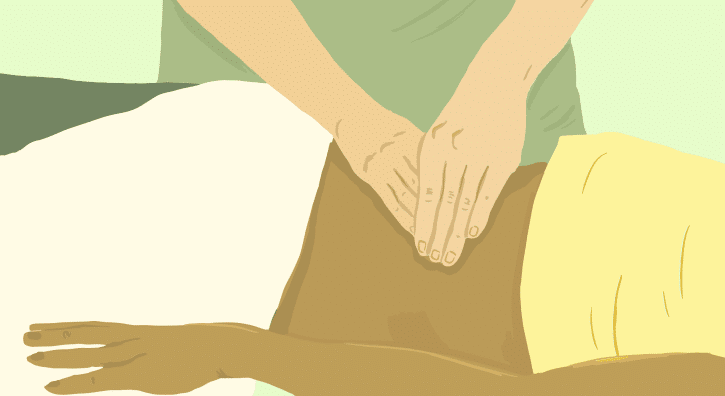

Sexual dysfunction refers to ongoing or repeated difficulties with sexual response, arousal, orgasm, or pain during intimacy. The pelvic floor muscles play a central role in healthy sexual function. For men, these muscles are important in maintaining the firmness of an erection, and for both men and women, they contract quickly and rhythmically during orgasm. In normal circumstances, they enhance pleasure and do not cause pain before, during, or after sexual activity. However, when pelvic floor dysfunction develops, pleasure can be replaced with discomfort, pain, and a loss of natural function. For individuals in San Mateo dealing with these issues, the impact on quality of life can be very discouraging. The positive news is that pelvic floor physical and occupational therapy has been shown to provide meaningful improvement, helping restore both function and comfort.
The Facts
- Research shows that one in three women before menopause will experience painful intercourse at some point in life.
- Between 15% and 72% of men under the age of 40 report some form of erectile dysfunction symptoms.
- Roughly 52% of men between 40 and 70 years old face mild to moderate erectile dysfunction.
- Following a prostatectomy, as many as 80% of men develop erectile dysfunction.
- About 60% of women in menopause never discuss painful sex with their physicians, most often due to feelings of embarrassment.
- Certain medications, including oral contraceptives and acne treatments, are known to contribute to vulvar pain and reduced lubrication.
- Up to 65% of women who have given birth continue to experience painful intercourse even 18 months after delivery.
Sexual dysfunction refers to ongoing or repeated difficulties with sexual response, arousal, orgasm, or pain during intimacy. The pelvic floor muscles play a central role in healthy sexual function. For men, these muscles are important in maintaining the firmness of an erection, and for both men and women, they contract quickly and rhythmically during orgasm. In normal circumstances, they enhance pleasure and do not cause pain before, during, or after sexual activity. However, when pelvic floor dysfunction develops, pleasure can be replaced with discomfort, pain, and a loss of natural function. For individuals in San Mateo dealing with these issues, the impact on quality of life can be very discouraging. The positive news is that pelvic floor physical and occupational therapy has been shown to provide meaningful improvement, helping restore both function and comfort.
The Facts
- Research shows that one in three women before menopause will experience painful intercourse at some point in life.
- Between 15% and 72% of men under the age of 40 report some form of erectile dysfunction symptoms.
- Roughly 52% of men between 40 and 70 years old face mild to moderate erectile dysfunction.
- Following a prostatectomy, as many as 80% of men develop erectile dysfunction.
- About 60% of women in menopause never discuss painful sex with their physicians, most often due to feelings of embarrassment.
- Certain medications, including oral contraceptives and acne treatments, are known to contribute to vulvar pain and reduced lubrication.
- Up to 65% of women who have given birth continue to experience painful intercourse even 18 months after delivery.
Symptoms
*Sexual Dysfunction in people with a penis
- Erectile dysfunction: poor quality, inability to achieve erection, inability to maintain erection, premature ejaculation
- Decreased force or inability to ejaculate
- Climacturia (incontinence with orgasm)
- Post ejaculatory pain: tip and/or shaft of penis, perineum, scrotum
- Discoloration in penis/scrotum/perineum
Postpartum Sexual Dysfunction
- Decreased lubrication during breastfeeding
- Perineal pain with touch from episiotomy or perineal trauma
- Diminished or absent orgasm
- Incontinence during orgasm or intercourse
- Painful sex
*Sexual Dysfunction in people with vulvas/vaginas
- Inability or decreased ability to lubricate
- Pain upon vaginal penetration, with deep penetration only, and/or continuous pain with penetration
- Clitoral pain, hypersensitivity to touch
- Pain and/or burning after sexual contact
- Inability to orgasm, diminished orgasm
- Urinary incontinence during sexual activity
- Climacturia (incontinence with orgasm)
Menopausal Sexual Dysfunction and Post-gynecologic cancer treatment
- Decreased ability to lubricate
- Inability to achieve or difficulty with vaginal penetration
- Painful sex: during and/or after
- Diminished or absent orgasm
Symptoms
*Sexual Dysfunction in people with a penis
- Erectile dysfunction: poor quality, inability to achieve erection, inability to maintain erection, premature ejaculation
- Decreased force or inability to ejaculate
- Climacturia (incontinence with orgasm)
- Post ejaculatory pain: tip and/or shaft of penis, perineum, scrotum
- Discoloration in penis/scrotum/perineum
*Sexual Dysfunction in people with vulvas/vaginas
- Inability or decreased ability to lubricate
- Pain upon vaginal penetration, with deep penetration only, and/or continuous pain with penetration
- Clitoral pain, hypersensitivity to touch
- Pain and/or burning after sexual contact
- Inability to orgasm, diminished orgasm
- Urinary incontinence during sexual activity
- Climacturia (incontinence with orgasm)
Postpartum Sexual Dysfunction
- Decreased lubrication during breastfeeding
- Perineal pain with touch from episiotomy or perineal trauma
- Diminished or absent orgasm
- Incontinence during orgasm or intercourse
- Painful sex
Menopausal Sexual Dysfunction and Post-gynecologic cancer treatment
- Decreased ability to lubricate
- Inability to achieve or difficulty with vaginal penetration
- Painful sex: during and/or after
- Diminished or absent orgasm
Associated Diagnoses
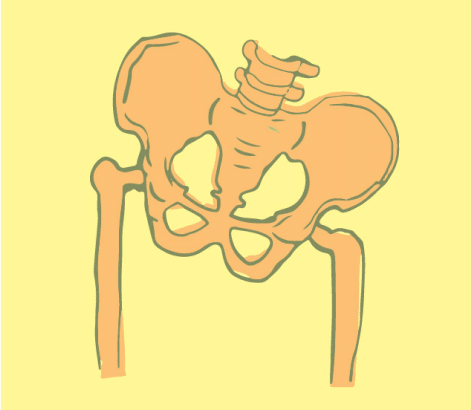
Diagnoses such as Endometriosis, Vulvodynia, Interstitial Cystitis/Painful Bladder Syndrome, Pudendal Neuralgia, Chronic Pelvic Pain Syndrome/Male Pelvic Pain, Lichen Sclerosus, Lichen Planus, Pelvic Floor Dysfunction, post-prostatectomy complications, and Genitourinary Syndrome of Menopause are all associated with sexual dysfunction and pelvic pain.
Associated Diagnoses
Diagnoses such as Endometriosis, Vulvodynia, Interstitial Cystitis/Painful Bladder Syndrome, Pudendal Neuralgia, Chronic Pelvic Pain Syndrome/Male Pelvic Pain, Lichen Sclerosus, Lichen Planus, Pelvic Floor Dysfunction, post-prostatectomy complications, and Genitourinary Syndrome of Menopause are all associated with sexual dysfunction and pelvic pain.

Causes of Sexual Dysfunction
- Pelvic pain syndromes associated with pelvic floor dysfunction (above)
- Childbirth
- Medications
- Obesity
- Cardiovascular disease
- Menopause
- Jelqing
- Genital mutilation, genital cutting
- Surgically-induced
- Pelvic Floor Reconstruction
- Prostatectomy
- Gender affirming surgery
- Episiotomy
- Vestibulectomy
- Pudendal Nerve Decompression
- Mesh excision
Causes of Sexual Dysfunction
- Pelvic pain syndromes associated with pelvic floor dysfunction (above)
- Childbirth
- Medications
- Obesity
- Cardiovascular disease
- Menopause
- Jelqing
- Genital mutilation, genital cutting
- Surgically-induced
- Pelvic Floor Reconstruction
- Prostatectomy
- Gender affirming surgery
- Episiotomy
- Vestibulectomy
- Pudendal Nerve Decompression
- Mesh excision
Diagnostic Challenges
Recent research has highlighted that a majority of healthcare providers feel uneasy when it comes to having conversations about sexual health with their patients. At the same time, patients themselves often find it difficult to raise concerns about sex with their doctors. Studies have further revealed that members of the LGBTQ community are disproportionately discriminated against in medical settings, and this mistreatment frequently leads to poorer sexual health outcomes. As a healthcare community, there is a clear responsibility to do better. At PHRC, our mission is to create an environment where every patient feels respected, supported, and safe when addressing all aspects of pelvic health. Many individuals are unaware that sexual health is now recognized as its own medical specialty, and that professional help is readily available. True sexual wellness incorporates both the body and the mind, which is why the most effective treatment approaches are often interdisciplinary. Care may involve medical management, support from behavioral health specialists and psychologists, and comprehensive pelvic floor physical and occupational therapy.
Diagnostic Challenges
Recent research has highlighted that a majority of healthcare providers feel uneasy when it comes to having conversations about sexual health with their patients. At the same time, patients themselves often find it difficult to raise concerns about sex with their doctors. Studies have further revealed that members of the LGBTQ community are disproportionately discriminated against in medical settings, and this mistreatment frequently leads to poorer sexual health outcomes. As a healthcare community, there is a clear responsibility to do better. At PHRC, our mission is to create an environment where every patient feels respected, supported, and safe when addressing all aspects of pelvic health. Many individuals are unaware that sexual health is now recognized as its own medical specialty, and that professional help is readily available. True sexual wellness incorporates both the body and the mind, which is why the most effective treatment approaches are often interdisciplinary. Care may involve medical management, support from behavioral health specialists and psychologists, and comprehensive pelvic floor physical and occupational therapy.
Treatment:
How We Can Help You
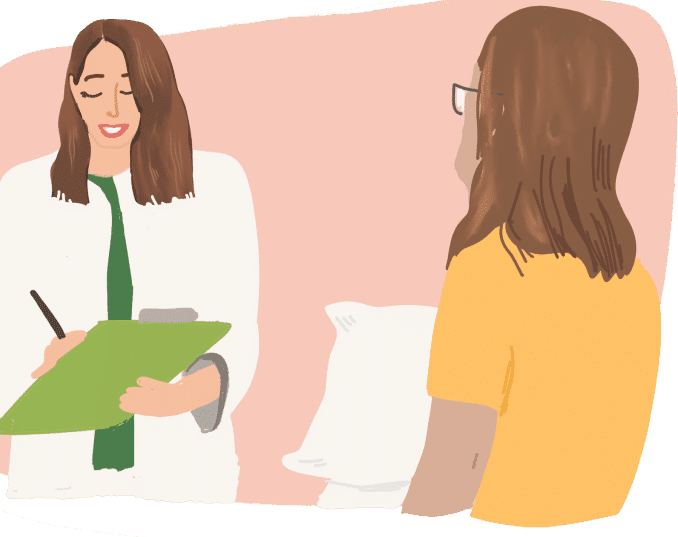
If you live in or around San Mateo and are experiencing sexual dysfunction, you may benefit from a detailed evaluation with a pelvic floor physical and occupational therapist to explore the role your pelvic floor may be playing in your symptoms. During your evaluation, your therapist will carefully review your medical history and symptoms, including any diagnoses you have received in the past, the treatments you may have undergone, and how effective or ineffective those treatments have been for you. We understand how frustrating and isolating this experience can be, especially since many people come to us after years of seeking help. As part of your physical examination, your therapist will examine your muscles, tissues, joints, nerves, and movement patterns in order to get a comprehensive picture of what is contributing to your challenges. After the exam, your therapist will sit down with you to review the findings in clear detail and develop an assessment that explains how your symptoms developed. You will also receive short- and long-term goals to guide your treatment plan. Most patients from San Mateo begin with therapy one to two times per week over approximately 12 weeks, and you will also be given a structured home exercise program to support your progress between visits. Your therapist will coordinate with the other members of your healthcare team to ensure your recovery is well-managed, and we remain committed to helping you take back control of your health and live a full, vibrant life.

Treatment:
How We Can Help You
If you live in or around San Mateo and are experiencing sexual dysfunction, you may benefit from a detailed evaluation with a pelvic floor physical and occupational therapist to explore the role your pelvic floor may be playing in your symptoms. During your evaluation, your therapist will carefully review your medical history and symptoms, including any diagnoses you have received in the past, the treatments you may have undergone, and how effective or ineffective those treatments have been for you. We understand how frustrating and isolating this experience can be, especially since many people come to us after years of seeking help. As part of your physical examination, your therapist will examine your muscles, tissues, joints, nerves, and movement patterns in order to get a comprehensive picture of what is contributing to your challenges. After the exam, your therapist will sit down with you to review the findings in clear detail and develop an assessment that explains how your symptoms developed. You will also receive short- and long-term goals to guide your treatment plan. Most patients from San Mateo begin with therapy one to two times per week over approximately 12 weeks, and you will also be given a structured home exercise program to support your progress between visits. Your therapist will coordinate with the other members of your healthcare team to ensure your recovery is well-managed, and we remain committed to helping you take back control of your health and live a full, vibrant life.
How Can We Help You?
Kindly complete the form below if you would like to send us any questions or share a comment. Be sure to include your e-mail address, as we will need it in order to provide you with a response. Please know that every detail you share will remain private and treated with the highest level of confidentiality.


Join The Newsletter. Win a copy of our book, “Pelvic Pain Explained!”
We always look forward to building meaningful connections with visitors. Share a little about who you are, and we will include you in our PHRC e-newsletter, where you will receive timely updates, educational resources, and helpful insights.
*Subscribers automatically eligible to win our book, “Pelvic Pain Explained.”

At its heart Pelvic Pain Explained dives into the ways pelvic pain develops, the frustrations patients and their providers endure during the lengthy process of seeking effective care, and the challenge of sorting through a maze of treatment options. The book also examines the life-changing influence an invisible condition can have on health, relationships, and the day-to-day experiences of those affected.