

Menopause encompasses more than just hot flashes, night sweats, and mood swings. Despite being a common phase affecting roughly half of the population, menopause is often misunderstood, both by the public and many healthcare providers. This gap in knowledge can lead to unnecessary suffering, as many individuals are not fully informed about effective treatments.
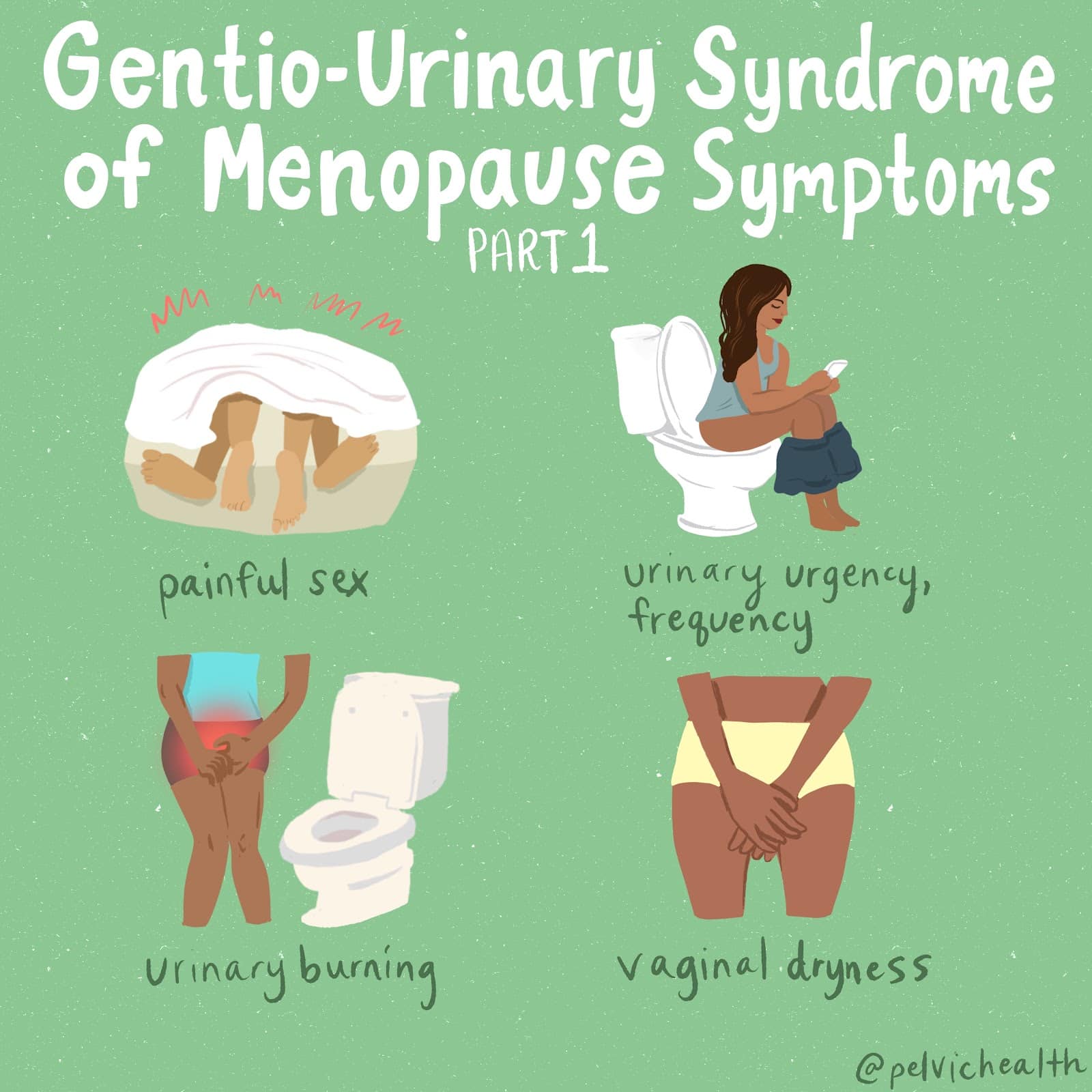
Perimenopause, the transitional phase leading up to menopause, typically begins in a person’s 40s, with menopause itself usually occurring in the early 50s. While systemic symptoms like hot flashes and mood changes are well-known, many people also experience less obvious but equally impactful genitourinary symptoms. These can include painful intercourse, urinary urgency, frequent urination, leakage, burning sensations, recurrent vaginal and urinary tract infections, and vaginal dryness. Collectively, these symptoms are part of the Genitourinary Syndrome of Menopause (GSM). Additionally, many women experience pelvic floor dysfunction, which affects nearly 50% of women by their 50s and can overlap with GSM symptoms.
While systemic hormonal therapy is commonly used to manage menopause symptoms, it may not address the specific needs of those experiencing GSM. The North American Menopause Society recommends the use of vaginal estrogen as an effective treatment for alleviating GSM symptoms and improving quality of life.
Menopause encompasses more than just hot flashes, night sweats, and mood swings. Despite being a common phase affecting roughly half of the population, menopause is often misunderstood, both by the public and many healthcare providers. This gap in knowledge can lead to unnecessary suffering, as many individuals are not fully informed about effective treatments.
Perimenopause, the transitional phase leading up to menopause, typically begins in a person’s 40s, with menopause itself usually occurring in the early 50s. While systemic symptoms like hot flashes and mood changes are well-known, many people also experience less obvious but equally impactful genitourinary symptoms. These can include painful intercourse, urinary urgency, frequent urination, leakage, burning sensations, recurrent vaginal and urinary tract infections, and vaginal dryness. Collectively, these symptoms are part of the Genitourinary Syndrome of Menopause (GSM). Additionally, many women experience pelvic floor dysfunction, which affects nearly 50% of women by their 50s and can overlap with GSM symptoms.
While systemic hormonal therapy is commonly used to manage menopause symptoms, it may not address the specific needs of those experiencing GSM. The North American Menopause Society recommends the use of vaginal estrogen as an effective treatment for alleviating GSM symptoms and improving quality of life.
Differential Diagnosis:
GSM or Pelvic Floor Dysfunction
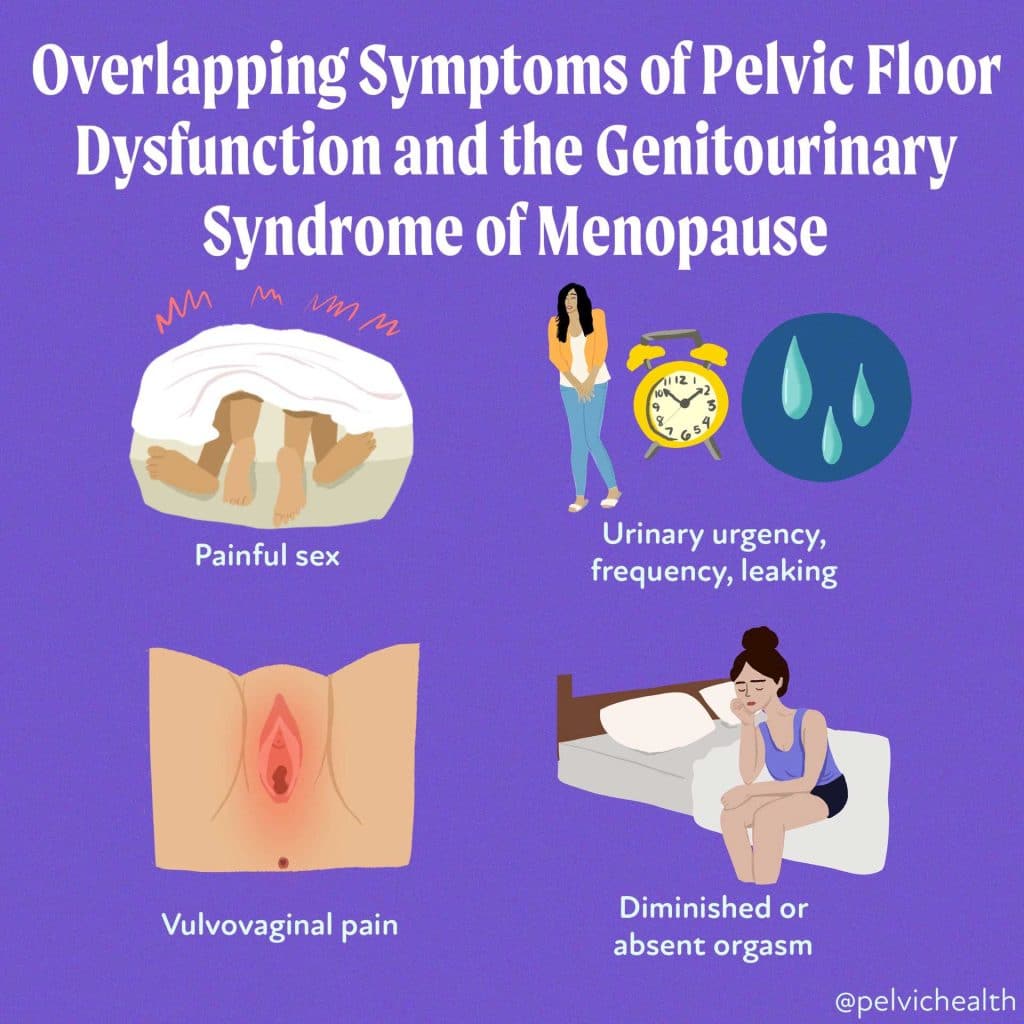
Symptoms of pelvic floor dysfunction and Genitourinary Syndrome of Menopause (GSM) can overlap and include:
- Urinary urgency, frequency, burning, nocturia
- Feelings of bladder or pelvic pressure
- Painful sex
- Diminished or absent orgasm
- Difficulty evacuating stool
- Vulvovaginal pain and burning
- Pain with sitting
An experienced healthcare provider, whether a pelvic floor physical and occupational therapists or a medical doctor, can conduct several assessments to diagnose pelvic floor dysfunction, hormonal deficiencies, and pelvic organ prolapse. These evaluations include a vulvovaginal visual examination, a Q-tip test to pinpoint areas of pain, and a digital manual examination.
Without appropriate medical management, all women may eventually experience symptoms of Genitourinary Syndrome of Menopause (GSM). Many are unaware that a pelvic floor physical and occupational therapy evaluation can be highly beneficial for addressing the musculoskeletal issues contributing to their discomfort. Combining pelvic floor physical and occupational therapy with medical treatments can be crucial for improving sexual enjoyment and resolving urinary and bowel problems.
Virtual pelvic floor therapy for menopause—contact us to get started!
FACTS
From: https://www.letstalkmenopause.org/further-reading
- Every day, approximately 6,000 women reach menopause.
- In the United States, around 50 million women are currently navigating menopause.
- About 84% of women experience genital, sexual, and urinary discomfort related to menopause, which often does not resolve without intervention, yet fewer than 25% seek assistance.
- An estimated 80% of OB-GYN residents acknowledge feeling inadequately prepared to address menopause-related issues.
- Genitourinary Syndrome of Menopause (GSM) is clinically identified in 90% of postmenopausal women, yet only one-third report experiencing symptoms in surveys.
- Barriers to treatment include women needing to initiate discussions about their symptoms, a belief that these issues are simply part of aging, and a failure to connect symptoms with menopause.
- Only 13% of healthcare providers routinely inquire about menopause-related symptoms with their patients.
- Even after a diagnosis of GSM, many women remain untreated. This is partly due to healthcare providers’ reluctance to prescribe treatments and patients’ concerns about the safety of topical vaginal therapies, despite evidence showing that GSM significantly affects quality of life.
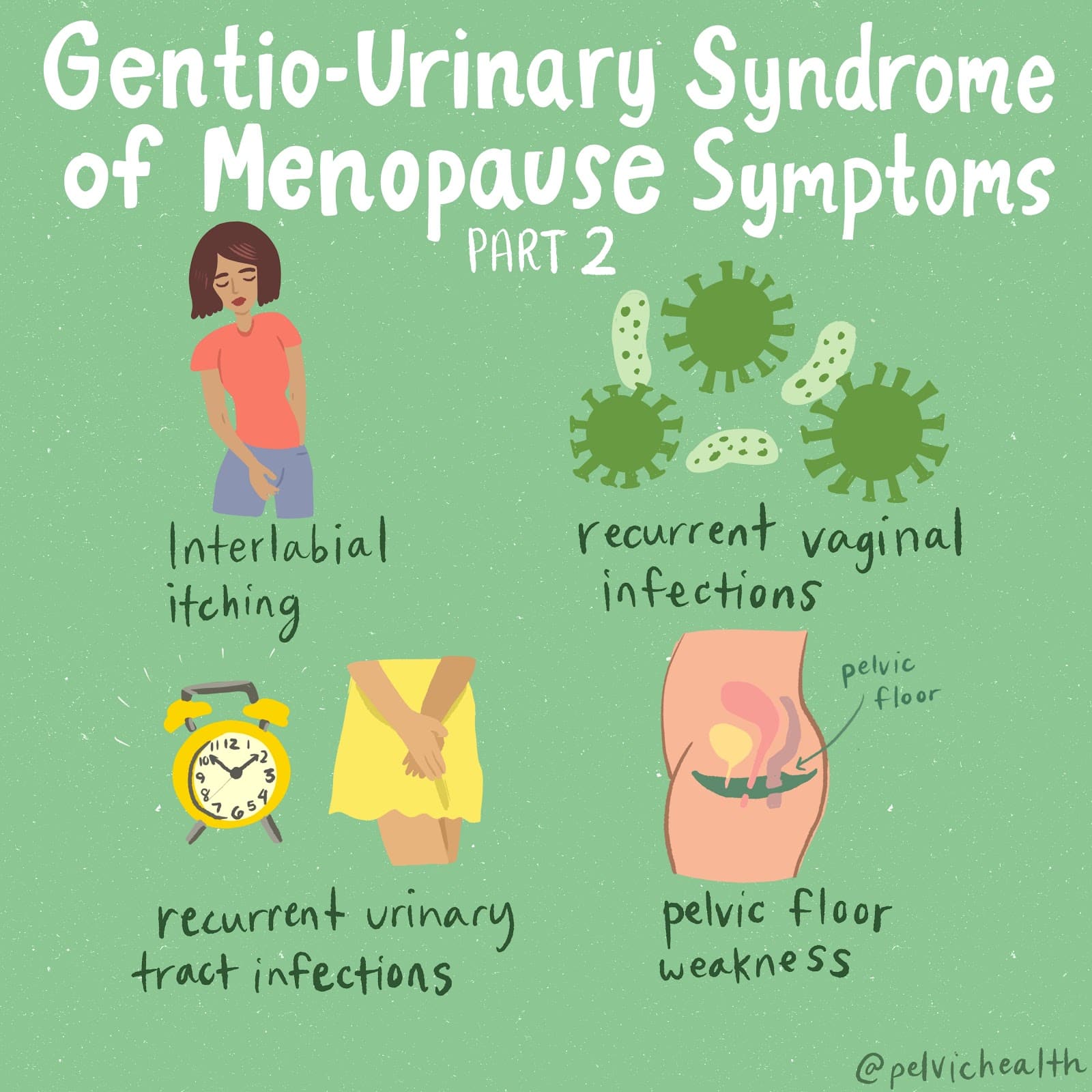
Hormone deficiency can lead to itching in the labial and vaginal areas. Additionally, other dermatological conditions, such as Lichen Sclerosus and cutaneous yeast infections, should also be considered.
During menopause, individuals are particularly susceptible to frequent vaginal and urinary tract infections due to:
- pH and tissue changes
- incomplete bladder emptying
- pelvic organ prolapse compromising urinary function
Recurrent infections are a major contributor to pelvic floor dysfunction. It’s crucial to address these infections promptly, as ongoing visceral-somatic input from untreated infections can lead to increased pain and further dysfunction even after the infection has been resolved. Without appropriate hormone therapy, infections may persist, leading to severe consequences. Untreated infections can cause unprovoked pain, make sexual activity difficult or impossible, and undiagnosed urinary tract infections (UTIs) may progress to kidney issues and other serious complications.
We recommend consulting with a menopause specialist to effectively monitor, prevent, and treat Genitourinary Syndrome of Menopause (GSM) since these issues are both significant and manageable. It’s important to normalize discussions about GSM; there’s no need for embarrassment. With appropriate care, individuals can lead fulfilling lives. Combining virtual pelvic floor physical and occupational therapy with medical management is essential for optimal results.
Treatment:
How We Can Help You

If you’re experiencing sexual dysfunction, it’s beneficial to consult a pelvic floor physical and occupational therapists online. They can assess whether any issues with your pelvic floor are contributing to your symptoms. During your initial virtual evaluation, the therapist will review your medical history, including previous diagnoses, treatments, and their effectiveness. They understand that many patients feel frustrated by the time they seek help.
The therapist will examine your nerves, muscles, joints, tissues, and movement patterns. After the assessment, they will discuss the findings with you and set both short-term and long-term therapy goals. Typically, physical and occupational therapy sessions occur once or twice a week over a period of approximately 12 weeks. Your therapist will also coordinate with other specialists on your treatment team and provide you with a personalized home exercise program. Our goal is to support your recovery and help you achieve the best possible quality of life.
Get virtual pelvic floor therapy for menopause. Book your online consultation today!

Treatment:
How We Can Help You
If you are having issues with your sexual function, it is in your best interest to get evaluated by a therapist for pelvic floor therapy, so they can establish what part, if any, of your pelvic floor may be contributing to the symptoms you are experiencing. During the course of the examination, the physical and occupational therapists will talk to you about your medical history and symptoms, including what you have been previously diagnosed with, the treatments or therapies you have had, and how effective or ineffective these therapies have been for you. It is significant to mention that we fully comprehend what you’ve been dealing with and that the majority of individuals are angry by the time they make it to see us. The physical and occupational therapists will conduct an evaluation of the patient’s nerves, muscles, joints, tissues, and movement patterns while doing the physical examination. After the examination is finished, your therapist will go over the results of the assessment with you. The physical and occupational therapists will conduct an evaluation to determine the cause of your symptoms and will establish both short-term and long-term therapy goals based on the results of the evaluation. Physical therapy treatments are typically administered between once and twice each week for a period of around 12 weeks. Your physical and occupational therapists will assist you in coordinating your recovery with all the other experts on your treatment team. They will provide you with an exercise regimen to complete at home and the sessions you attend in person. We are here to assist you in getting better and living the best life possible.
Get virtual pelvic floor therapy for menopause. Book your online consultation today!


By Iris Kerin Orbuch, MD
Did you know that Gastrointestinal (GI) symptoms are as common as gynecological symptoms in women with endometriosis? Do you suffer from bloating and/or constipation? Endometriosis may be the cause of your bloating and/or constipation. Over 90% of women diagnosed with endometriosis actually present with GI symptoms as their initial symptoms. Before we delve into why women with endometriosis present with GI symptoms years before they are diagnosed with Endometriosis, let’s review some basic facts about Endometriosis. There is so much misinformation about endometriosis in media, so let’s set the record straight with facts about endometriosis.
What is Endometriosis?
Endometriosis is an inflammatory condition which occurs when cells similar to those found in the lining of the uterus (endometrium) are found external to the uterus. More specifically, it occurs when cells similar to endometrial glands and stroma are found in locations other than the lining of the uterus.
How many women are affected by Endometriosis?
Endometriosis is common affecting 176 million women worldwide. It occurs in 7-15% of women.
What are symptoms of Endometriosis?
The symptoms of endometriosis vary and can include all of the listed symptoms below, some of the symptoms, only one symptom in some cases, or no symptoms other than infertility.
- Pelvic pain during menses, before menses, after menses and/or anytime during the month
- Constipation
- Bloating
- Painful intercourse with deep insertion or certain positions
- Right and/or Left sided pelvic and abdominal pain
- Diarrhea
- Painful bowel movements
- Lower back pain
- Heavy or irregular periods
- Urinary frequency, and/or urgency, and/or painful urination
- Fatigue
- Malaise
- Infertility
Symptoms of Endometriosis
The symptoms of endometriosis can be related to the areas where endometriosis invades. Endometriosis of the uterosacral ligaments/cul-de-sac often leads to painful intercourse, constipation, diarrhea and painful defecation. Endometriosis on the ovary can lead to left sided or right sided pain. Bladder endometriosis may lead to urinary frequency or urgency. You may have only one of the above symptoms or many. Even one symptom can be suggestive of Endometriosis. Many of women do not have any symptoms listed above, and only discover they have endometriosis when they are having trouble conceiving. If your doctor told you that you have ‘unexplained infertility’, endometriosis is the culprit in 40-50% of cases of unexplained infertility. Dr. Orbuchs’ surgical Excision of endometriosis decreases inflammation and can improve fertility.
Where is Endometriosis found?
Endometriosis has been reported in every organ except the Spleen! More commonly, endometriosis is found on the ovaries, bowels, bladder, uterus, cul de sac (the area in front of the rectum and behind the cervix/vagina and uterus), appendix, and abdominal wall. It also can occur on the diaphragm, lungs, surgical scars and less commonly throughout the rest of the body.
Treatment of Endometriosis
Laparoscopic surgery is the definitive method to diagnose and treat endometriosis. Excision of Endometriosis is the gold standard treatment for endometriosis. Ideally all endometrial lesions should be excised. Unfortunately most gynecologists are not trained in these advanced surgical techniques for treatment of endometriosis. Others approach endometriosis with laser, electrocautery, coagulation or burning. All of these modalities have been shown to be far inferior to excision using scissors, the method performed by Dr. Orbuch. With scissors, the endometrial implants are removed, but with cautery or a laser (the unskilled surgeons only superficially treat lesions), the lesion remains and continue to cause pain necessitating more surgery. A surgeon utilizing laser may vaporize the surface of the lesion, but still leaves active endometrial tissue below. Deep fibrotic endometriosis usually does not respond well to hormonal suppressive therapy. Drug therapy may suppress symptoms of endometriosis, but not eradicate the endometriosis. Adequate surgical excision of endometriosis implants provides the best symptomatic relief and long term results. In addition, surgical excision has been shown to improve fertility rates in women. The definitive treatment of endometriosis is NOT hysterectomy or removal of both ovaries; rather it is the complete excision of endometriosis lesions.
da Vinci Excision of Endometriosis
Advantages of Robotic Surgery
Robotic Surgery is an advanced form of Minimally Invasive Surgery. Minimally Invasive Surgery, which includes laparoscopic surgery, uses small incisions instead of large incisions to perform surgery thus reducing the damage to human tissue. The da Vinci System is a sophisticated robotic platform designed to expand a surgeons capabilities. With da Vinci, small incisions are used to introduce miniaturized wristed instruments and a high-definition 3D camera. This allows Dr. Orbuch to view a magnified, high-resolution 3D image of the surgical site allowing for superior visual clarity of anatomy with up to 10x magnification. At the same time, state of the art robotic and computer technology converts Dr. Orbuchs’ hand movements into precise small movements resulting in extreme dexterity. The robotic ‘wrists’ rotate a full 360 degrees that enable Dr. Orbuch to control the miniature surgical instruments with unprecedented accuracy with a wide range of motion. These technological advancements allow Dr. Orbuch to perform complex surgery with precision, dexterity and control. The da Vinci System enables Dr. Orbuch to perform more precise, advanced techniques and enhances her capability to perform complex minimally invasive surgery.
Risk Factors for Endometriosis
It is important to note that while the following risk factors increase one’s likelihood for endometriosis, there are many women who develop endometriosis without any of the following risk factors:
- Family history, especially mother or sister. If your mom has endometriosis, you have a 7 times higher risk of developing endometriosis
- Early menses
- Early onset painful periods
- Short frequent menstrual cycles
- Mullerian abnormalities
- No children
- Autoimmune disorders (thyroid, rheumatoid, eczema, food allergies/sensitivities)
Endometriosis and GI Symptoms
Bloating is the most common presenting symptom, and is typically reported by 83% of women with endometriosis1. In addition to bloating, other gastrointestinal symptoms including diarrhea, constipation, painful bowel movements, nausea and/or vomiting are also common symptoms in women with endometriosis. It is also interesting to note that GI symptoms are independent of location of endometriosis lesions in relation to the bowel. This means that you can have GI symptoms without endometriosis actually infiltrating into the bowel. Your endometriosis lesion may be nearby to your bowel without actually being on it2. It is nonetheless important to remember that for some women, endometriosis can often infiltrate the bowel, distort intestinal anatomy, alter normal bowel physiology, which then can also lead to constipation, bloating, painful bowel movements, diarrhea, nausea and vomiting.
Complicating matters, endometriosis can also present primarily with cyclical bloating and altered bowel habits indistinguishable from Irritable Bowel Syndrome (IBS)3. Many women seek help from a gastroenterologist and are subsequently diagnosed with Irritable Bowel Syndrome long before they seek help from a gynecologist. Here’s a typical and unfortunate scenario…a young woman suffers from constipation and bloating. What does she do? She schedules an appointment with a gastroenterologist. What happens? She undergoes an upper endoscopy and colonoscopy, both of which find no identifiable gastrointestinal abnormalities and is subsequently labeled as suffering from Irritable Bowel Syndrome (IBS). Has this happened to you? Despite treatments from their GI for IBS, women rarely get better—that’s because endometriosis is the cause of their IBS symptoms. It is therefore critical to establish the diagnosis of endometriosis in order to effectively relieve the gastrointestinal symptoms.
Endometriosis must always be considered in the differential diagnosis of women with GI symptoms. Make sure that your endometriosis is treated properly–see my websites for more information: www.LAGynDr.com or www.nygyn.com or www.nycrobotic.com.
About The Author
Dr. Iris Orbuch is the Director of the Advanced Gynecologic Laparoscopy Center in Los Angeles and New York City. Dr. Iris Orbuchs’ practice is limited to Laparoscopic and Robotic Gynecologic Surgery, and is primarily a referral practice.
Her training, under the guidance of Dr. C.Y. Liu and Dr. Harry Reich — both pioneers in the field of advanced laparoscopic surgery — allows Dr. Orbuch to be one of a handful of physicians across the country trained to perform advanced minimally invasive procedures.
Dr. Orbuch provides both compassionate and individualized care while performing advanced laparoscopic techniques at St. Johns Hospital in Santa Monica, California. Dr Orbuch also operates at Lenox Hill Hospital, Mount Sinai and Beth Israel Hospital in New York City. Dr. Orbuch is board certified in OB/GYN.
Dr. Orbuch offers Gentle, Compassionate Care and a Personal Touch.
When you visit her office, you won’t find a rushed, impersonal environment. Instead, Dr. Orbuch and her staff are committed to providing personal, compassionate services to each and every client. Dr. Orbuch is devoted to helping women live a productive and pain-free life.
Dr. Orbuch specializes in pelvic pain and endometriosis. She understands that endometriosis is a major reason women experience pain, though she strives to assess for all additional co-existing generators of pain in order to help women live pain free productive lives.
Dr. Orbuch is a fellowship trained Endometriosis Excision Surgeon. She sees the value in addressing Endometriosis, an inflammatory and autoimmune disease, via eastern and western approaches. The cornerstone of endometriosis treatment is surgical excision of endometriosis, though she understands the importance of incorporating integrative medicine and combining eastern & western medicine approaches in helping her patients heal and getting them on the road to recovery.
References:
- Maroun P, Cooper MJW, Reid GD, Keirse MJNC. Relevance of Gastrointestinal Symptoms in Endometriosis. Australian and New Zealand Journal of Obstetrics and Gynecology 2009; 49: 411-414
- Malin E, Roth B, Ekstrom P. Gastrointestinal symptoms among endometriosis – A case cohort study. BMC
- Women’s Health (2015)
FAQ
What are pelvic floor muscles?
The pelvic floor muscles are a group of muscles that run from the coccyx to the pubic bone. They are part of the core, helping to support our entire body as well as providing support for the bowel, bladder and uterus. These muscles help us maintain bowel and bladder control and are involved in sexual pleasure and orgasm. The technical name of the pelvic floor muscles is the Levator Ani muscle group. The pudendal nerve, the levator ani nerve, and branches from the S2 – S4 nerve roots innervate the pelvic floor muscles. They are under voluntary and autonomic control, which is a unique feature only they possess compared to other muscle groups.
What is pelvic floor physical and occupational therapy?
Pelvic floor physical and occupational therapy is a specialized area of physical and occupational therapy. Currently, physical and occupational therapistss need advanced post-graduate education to be able to help people with pelvic floor dysfunction because pelvic floor disorders are not yet being taught in standard physical and occupational therapy curricula. The Pelvic Health and Rehabilitation Center provides extensive training for our staff because we recognize the limitations of physical and occupational therapy education in this unique area.
What happens at pelvic floor therapy?
During an evaluation for pelvic floor dysfunction the physical and occupational therapists will take a detailed history. Following the history the physical and occupational therapists will leave the room to allow the patient to change and drape themselves. The physical and occupational therapists will return to the room and using gloved hands will perform an external and internal manual assessment of the pelvic floor and girdle muscles. The physical and occupational therapists will once again leave the room and allow the patient to dress. Following the manual examination there may also be an examination of strength, motor control, and overall biomechanics and neuromuscular control. The physical and occupational therapists will then communicate the findings to the patient and together with their patient they establish an assessment, short term and long term goals and a treatment plan. Typically people with pelvic floor dysfunction are seen one time per week for one hour for varying amounts of time based on the severity and chronicity of the disease. A home exercise program will be established and the physical and occupational therapists will help coordinate other providers on the treatment team. Typically patients are seen for 3 months to a year.
What is pudendal neuralgia and how is it treated?
Pudendal Neuralgia is a clinical diagnosis that means pain in the sensory distribution of the pudendal nerve. The pudendal nerve is a mixed nerve that exits the S2 – S4 sacral nerve roots, we have a right and left pudendal nerve and each side has three main trunks: the dorsal branch, the perineal branch, and the inferior rectal branch. The branches supply sensation to the clitoris/penis, labia/scrotum, perineum, anus, the distal ⅓ of the urethra and rectum, and the vulva and vestibule. The nerve branches also control the pelvic floor muscles. The pudendal nerve follows a tortuous path through the pelvic floor and girdle, leaving it vulnerable to compression and tension injuries at various points along its path.
Pudendal Neuralgia occurs when the nerve is unable to slide, glide and move normally and as a result, people experience pain in some or all of the above-mentioned areas. Pelvic floor physical and occupational therapy plays a crucial role in identifying the mechanical impairments that are affecting the nerve. The physical and occupational therapy treatment plan is designed to restore normal neural function. Patients with pudendal neuralgia require pelvic floor physical and occupational therapy and may also benefit from medical management that includes pharmaceuticals and procedures such as pudendal nerve blocks or botox injections.
What is interstitial cystitis and how is it treated?
Interstitial Cystitis is a clinical diagnosis characterized by irritative bladder symptoms such as urinary urgency, frequency, and hesitancy in the absence of infection. Research has shown the majority of patients who meet the clinical definition have pelvic floor dysfunction and myalgia. Therefore, the American Urologic Association recommends pelvic floor physical and occupational therapy as first-line treatment for Interstitial Cystitis. Patients will benefit from pelvic floor physical and occupational therapy and may also benefit from pharmacologic management or medical procedures such as bladder instillations.
Who is the Pelvic Health and Rehabilitation Team?
The Pelvic Health and Rehabilitation Center was founded by Elizabeth Akincilar and Stephanie Prendergast in 2006, they have been treating people with pelvic floor disorders since 2001. They were trained and mentored by a medical doctor and quickly became experts in treating pelvic floor disorders. They began creating courses and sharing their knowledge around the world. They expanded to 11 locations in the United States and developed a residency style training program for their employees with ongoing weekly mentoring. The physical and occupational therapistss who work at PHRC have undergone more training than the majority of pelvic floor physical and occupational therapistss and as a result offer efficient and high quality care.
How many years of experience do we have?
Stephanie and Liz have 24 years of experience and help each and every team member become an expert in the field through their training and mentoring program.
Why PHRC versus anyone else?
PHRC is unique because of the specific focus on pelvic floor disorders and the leadership at our company. We are constantly lecturing, teaching, and staying ahead of the curve with our connections to medical experts and emerging experts. As a result, we are able to efficiently and effectively help our patients restore their pelvic health.
Do we treat men for pelvic floor therapy?
The Pelvic Health and Rehabilitation Center is unique in that the Cofounders have always treated people of all genders and therefore have trained the team members and staff the same way. Many pelvic floor physical and occupational therapistss focus solely on people with vulvas, this is not the case here.
Do I need pelvic floor therapy forever?
The majority of people with pelvic floor dysfunction will undergo pelvic floor physical and occupational therapy for a set amount of time based on their goals. Every 6 -8 weeks goals will be re-established based on the physical improvements and remaining physical impairments. Most patients will achieve their goals in 3 – 6 months. If there are complicating medical or untreated comorbidities some patients will be in therapy longer.
By Melinda Fontaine
Mary is an amazing story because in a matter of months, she went from not having any penetrative sex for many years to having unrestricted intercourse with her partner. When Mary was a young woman, she saw a gynecologist for a routine exam. Now, lying on the exam table with your butt almost falling off the edge, your feet in stirrups, and a physician coming at you with a cold hard speculum is enough to make anyone anxious and uncomfortable. On top of that, when the physician had difficulty inserting the speculum causing lots of pain, he rudely blamed Mary for being a prude. He exclaimed “You are the kind of girl who will make a cold wife”. Can you believe that?! This extremely rude and sexist doctor missed the perfect opportunity to educate her on the pelvic floor muscles and how increased tension can lead to difficulty with speculum exams and penetration. I wish this weren’t a common complaint that I hear. Not many doctors are as rude, but with our fast-paced health care system, the education is often missed. He screwed up, so Mary walked out of the office feeling very bad and not understanding what was going on with her body. Her future pelvic exams were all variations on this theme.
Mary became very successful in life and met and married a lovely man named Alan. She had a rousing sex life consisting of outercourse and clitoral stimulation which she really enjoyed. She developed a great relationship with her clitoris, could have orgasms, and was fully satisfied through their many years of marriage. She never attempted vaginal intercourse, in fact she never realized that intercourse was a possibility. Her husband had “found the door locked” and did not talk to her about it or try again. It also never occurred to her to examine her own vagina and figure out what it what…until she met Patrick. Patrick was her new lover and a very passionate and patient man. They shared a love of poetry and music, and their relationship grew more intimate. Good fortune shone upon them because Patrick happened to be an obstetrics and gynecology nurse in his prior career. He taught Mary that sex could involve vaginal penetration. Even before they attempted intercourse, he knew that Mary should seek help.
Mary went to see a gynecologist with a lot of experience and a friendly demeanor. This practitioner was the exact opposite of the first gynecologist Mary met many years ago. She taught Mary how to find her vaginal opening behind the set of double doors (labia majora and labia minora). The doctor taught her how the muscles around the opening of her vagina were so tight for so long, that they effectively pinched the opening closed. The good news is these changes were reversible. She recommended that Mary buy a book about vaginismus and a set of dilators, and go see a pelvic physical and occupational therapists. Check out Malinda’s blog for more on vaginismus.
When Mary first came to see me, she was 64 years old with 2 goals:
- pain free vaginal intercourse
- pain free pelvic exams
She had read the book on vaginismus and began the self-help program. She began with inserting a Q-tip in the vagina and was surprised when she saw the tip disappear inside her, and with no discomfort. She then repeated the process with the smallest dilator and the next two sizes after that. The book also told her to do Kegel exercises. When she began PT, I told her to stop the exercises because they were actually making her muscles tighter. For more information, see Why Kegels are bad for your tight pelvic floor.
I like to do a guided anatomy tour of the vulva using a handheld mirror for all my female patients, but I felt it was an extremely appropriate review in this case because part of achieving her goal was going to be becoming comfortable and familiar with her body. During the visual inspection, I mentioned that the color of the tissue in the vestibule (the area between the labia minora) was pale, almost white. It is typically a nice pink like the inside of your cheek. This pale color commonly happens when the estrogen level in the vulva is low, as happens after menopause or in young women who use birth control pills; see Dr. Gonzalez’s blog. This can also cause the tissue to become fragile, tender, dry, and stiff. Luckily, Mary’s gynecologist had noticed this as well and had prescribed her a topical estrogen cream which she had used a few times. I encouraged her to use it consistently as prescribed because it would help make for a resilient, comfortable, and flexible vagina, very useful for intercourse.
I also examined the muscles of her pelvic floor internally. I found that they were very tight, even when she was not actively squeezing them. The muscles were probably squeezing all the time without her realizing it, making it very hard to insert anything in the vagina: a penis, a finger, a speculum. Over a series of visits, I could make the muscles release with massage, verbal cues to let go of the tension, and guided meditation.
But what caused the tension in the first place, and how can we keep it from happening again? Many different things can cause muscles to tense up and try to protect themselves. It is usually something that the muscles perceive as dangerous, such as an infection or trauma, but sometimes it is not so clear. Some people carry their stress, fear, and anxiety in their muscles. You may be familiar with the phenomenon of people having tight shoulders when they are stressed out; the same thing can happen in the pelvis. Her muscles were short and tight and full of knots (trigger points). They may have been clenching for a large part of her life without her knowing. We found that any stress causes her pelvic floor to tighten up more. For example, we landed on the subject of politics during one treatment and her pelvic floor tension was through the roof! Luckily, she now knows how to reverse that, and bring her muscles back to baseline. Her history of painful pelvic exams and inability to tolerate penetration was a result of those tight pelvic floor muscles, and now she finally had an explanation for what she experienced. Mary is not alone; check out this short film about tight pelvic floor muscles, Tightly Wound.
To coax these muscles out of their holding pattern, we did internal myofascial release in the office, a dilator home program, partner education, and a lot of encouragement. After 4 months, she was able to comfortably use the largest dilator and tolerated vaginal penetration by her partner’s two fingers. After 9 months, she could tolerate vaginal penetration by her partner’s penis. With physical and occupational therapy to stretch the tissues, estrogen cream to improve the quality of the tissue, and lots of practice, Mary is now able to have comfortable penetrative sex with her partner, a HUGE difference from where she started months ago.
I asked Mary for a comment for this blog post and she said “It was hard for me to believe that, after all this time, I would actually be able to have penetrative sex, but you always encouraged me to believe that this was the case. When one is starting with a Q-tip (and at a late age), it is really important to have a conviction that one’s goal is truly achievable.” Mary is a great example for all the other women out there in similar situations.
FAQ
What are pelvic floor muscles?
The pelvic floor muscles are a group of muscles that run from the coccyx to the pubic bone. They are part of the core, helping to support our entire body as well as providing support for the bowel, bladder and uterus. These muscles help us maintain bowel and bladder control and are involved in sexual pleasure and orgasm. The technical name of the pelvic floor muscles is the Levator Ani muscle group. The pudendal nerve, the levator ani nerve, and branches from the S2 – S4 nerve roots innervate the pelvic floor muscles. They are under voluntary and autonomic control, which is a unique feature only they possess compared to other muscle groups.
What is pelvic floor physical and occupational therapy?
Pelvic floor physical and occupational therapy is a specialized area of physical and occupational therapy. Currently, physical and occupational therapistss need advanced post-graduate education to be able to help people with pelvic floor dysfunction because pelvic floor disorders are not yet being taught in standard physical and occupational therapy curricula. The Pelvic Health and Rehabilitation Center provides extensive training for our staff because we recognize the limitations of physical and occupational therapy education in this unique area.
What happens at pelvic floor therapy?
During an evaluation for pelvic floor dysfunction the physical and occupational therapists will take a detailed history. Following the history the physical and occupational therapists will leave the room to allow the patient to change and drape themselves. The physical and occupational therapists will return to the room and using gloved hands will perform an external and internal manual assessment of the pelvic floor and girdle muscles. The physical and occupational therapists will once again leave the room and allow the patient to dress. Following the manual examination there may also be an examination of strength, motor control, and overall biomechanics and neuromuscular control. The physical and occupational therapists will then communicate the findings to the patient and together with their patient they establish an assessment, short term and long term goals and a treatment plan. Typically people with pelvic floor dysfunction are seen one time per week for one hour for varying amounts of time based on the severity and chronicity of the disease. A home exercise program will be established and the physical and occupational therapists will help coordinate other providers on the treatment team. Typically patients are seen for 3 months to a year.
What is pudendal neuralgia and how is it treated?
Pudendal Neuralgia is a clinical diagnosis that means pain in the sensory distribution of the pudendal nerve. The pudendal nerve is a mixed nerve that exits the S2 – S4 sacral nerve roots, we have a right and left pudendal nerve and each side has three main trunks: the dorsal branch, the perineal branch, and the inferior rectal branch. The branches supply sensation to the clitoris/penis, labia/scrotum, perineum, anus, the distal ⅓ of the urethra and rectum, and the vulva and vestibule. The nerve branches also control the pelvic floor muscles. The pudendal nerve follows a tortuous path through the pelvic floor and girdle, leaving it vulnerable to compression and tension injuries at various points along its path.
Pudendal Neuralgia occurs when the nerve is unable to slide, glide and move normally and as a result, people experience pain in some or all of the above-mentioned areas. Pelvic floor physical and occupational therapy plays a crucial role in identifying the mechanical impairments that are affecting the nerve. The physical and occupational therapy treatment plan is designed to restore normal neural function. Patients with pudendal neuralgia require pelvic floor physical and occupational therapy and may also benefit from medical management that includes pharmaceuticals and procedures such as pudendal nerve blocks or botox injections.
What is interstitial cystitis and how is it treated?
Interstitial Cystitis is a clinical diagnosis characterized by irritative bladder symptoms such as urinary urgency, frequency, and hesitancy in the absence of infection. Research has shown the majority of patients who meet the clinical definition have pelvic floor dysfunction and myalgia. Therefore, the American Urologic Association recommends pelvic floor physical and occupational therapy as first-line treatment for Interstitial Cystitis. Patients will benefit from pelvic floor physical and occupational therapy and may also benefit from pharmacologic management or medical procedures such as bladder instillations.
Who is the Pelvic Health and Rehabilitation Team?
The Pelvic Health and Rehabilitation Center was founded by Elizabeth Akincilar and Stephanie Prendergast in 2006, they have been treating people with pelvic floor disorders since 2001. They were trained and mentored by a medical doctor and quickly became experts in treating pelvic floor disorders. They began creating courses and sharing their knowledge around the world. They expanded to 11 locations in the United States and developed a residency style training program for their employees with ongoing weekly mentoring. The physical and occupational therapistss who work at PHRC have undergone more training than the majority of pelvic floor physical and occupational therapistss and as a result offer efficient and high quality care.
How many years of experience do we have?
Stephanie and Liz have 24 years of experience and help each and every team member become an expert in the field through their training and mentoring program.
Why PHRC versus anyone else?
PHRC is unique because of the specific focus on pelvic floor disorders and the leadership at our company. We are constantly lecturing, teaching, and staying ahead of the curve with our connections to medical experts and emerging experts. As a result, we are able to efficiently and effectively help our patients restore their pelvic health.
Do we treat men for pelvic floor therapy?
The Pelvic Health and Rehabilitation Center is unique in that the Cofounders have always treated people of all genders and therefore have trained the team members and staff the same way. Many pelvic floor physical and occupational therapistss focus solely on people with vulvas, this is not the case here.
Do I need pelvic floor therapy forever?
The majority of people with pelvic floor dysfunction will undergo pelvic floor physical and occupational therapy for a set amount of time based on their goals. Every 6 -8 weeks goals will be re-established based on the physical improvements and remaining physical impairments. Most patients will achieve their goals in 3 – 6 months. If there are complicating medical or untreated comorbidities some patients will be in therapy longer.
By Stephanie Prendergast, Cofounder, PHRC Los Angeles
Severe menstrual pain is not normal. If you experience severe pain during your period it is possible you are suffering from an underdiagnosed disease called Endometriosis.
Endometrial tissue lines the uterus. In response to hormonal influences, the endometrium of a healthy uterus thickens and then sheds through the cervix, through the vagina and out of your body. This is your normal period and it should not hurt!
When endometrial tissue implants outside of the uterus, it also thickens and needs to shed, but there is no outlet. These implants can adhere to other organs such as the bowel and bladder; they can cause cyclical urinary and bowel dysfunction, severe pain, pain with intercourse, bloating, and nausea. One in ten women have endometriosis; it is the leading cause of pain in women, and it is responsible for more than half of all female infertility.
What makes matters worse is that it takes women an average of 11.4 years in the United States to get diagnosed. This is not acceptable. March is Endometriosis Awareness Month and we here at PHRC want to help raise awareness about this disease and the role physical and occupational therapy can play in treatment. Many people do not realize that pelvic floor dysfunction and other musculoskeletal impairments are common in women with endometriosis and can be causing some of their symptoms. Pelvic floor physical and occupational therapy can help.
While diagnosing and treating endometriosis has been a challenge, the treatment landscape is improving for women. In this post we will examine some of the current management controversies and discuss the range of available treatment options.
PROBLEM: Endometriosis is hard to diagnose.
- Currently endometriosis cannot be detected through diagnostic tests such as ultrasound, MRIs, blood work, or physical examination. However, MRI technology is improving and with further studies specific MRI scans may be useful diagnostic tools.
- The symptoms of endometriosis mimic other syndromes and women with endometriosis often also have comorbid conditions, such as Irritable Bowel Syndrome, Interstitial Cystitis, Vulvodynia, and pelvic floor disorders, leading to further diagnostic confusion.
- The diagnosis is only truly confirmed from surgical extraction and (+) histological findings.
- Not enough physicians are adequately trained to surgically diagnosis and treat endometriosis.
Generally speaking, people prefer conservative therapies over surgical options. People rarely rush to the operating room to get relief from back pain, knee issues, etc., and they do not want to rush to the operating room for endometriosis treatment either. As a result, women are often treated with medications empirically without diagnostic confirmation. These treatments can be effective for some people but they can also have significant physiological consequences.
THE PROBLEMS: Oral Contraceptive Pills and Progesterone Treatments
- These medications do not cure the disease; they work by suppressing menstruation and therefore also the painful endometrial implants.
- This may act as a temporary ‘band-aid’ in some cases but can also be less effective in others based on the severity of the disease.
- The majority of women have their symptoms return when they stop taking the medication.
- Oral contraceptives may lead to the development of vulvar pain in certain women, adding a second pain condition into the picture.
- Oral contraceptives have a negative effect on libido and can be associated with mood disorders, both of which have a significant impact on a woman’s quality of life.
THE PROBLEMS: Intrauterine Devices (IUDs)
- The insertion of a small device into the uterus can also help the symptoms by suppressing menstruation. However, the insertion process and adjustment to the IUD can be more painful in women who have not yet had children.
- Certain women experience significant ongoing side effects such as headaches and nausea from the hormones.
- The IUDs are possibly uncomfortable for several months as the body gets use to it.
THE PROBLEMS: Gonadotropin-Releasing Analogs Treatments
- These medications stop the production of estrogen which in turn ‘starves’ the endometrial implants.
- This also ‘starves’ other tissues of the estrogen they need, such as the vulva and peri-urethral tissues, which can lead to vulvar pain and urinary urgency and frequency.
- Estrogen is necessary for health bone density and these medications therefore have side effects of bone density loss.
- Endometriosis symptoms can begin when a woman first gets her period. The average age of menarche in the United States is 13. These medications create ‘chemical menopause’ in the bodies of teenagers and the end result can be teenage women with osteoporosis.
- The symptoms return when the medication is stopped in most woman and may not be completely controlled while on this medication.
THE PROBLEM: Hysterectomy or Pregnancy
- The glaring problem with the hysterectomy suggestion is many of the women who need help are in their childbearing years and have not yet had children.
- Due to a lack of comprehensive interdisciplinary care, young women are often told a having a baby may be their solution if they do not want a hysterectomy. This information is understandably shocking to teenage women with endometriosis and their families.
THE SOLUTIONS: Differential Diagnosis and Interdisciplinary Treatment Options
In the last decade there has been an exponential increase in the amount of evidence-based information on pelvic pain, including endometriosis. We know that endometriosis itself can be a source of pain. We also know endometriosis is associated with other treatable pelvic pain syndromes and impairments, such as Interstitial Cystitis, Vulvodynia, and Pelvic Floor Dysfunction. The key to successful treatment is to identify which impairments are causing the most bothersome symptoms and start to treat them with the appropriate therapies. This needs to be individualized per patient, each woman with endometriosis will present with different sources of pain despite having the same disease.
Last year I was able to participate in an educational program for women called Tendo, aka known as Ten Days Of Endometriosis, organized by Heba Shaheed of The Pelvic Expert. Heba organized 20 experts from around the world to participate in a series of video lectures on Endometriosis management. There is no charge for this program, you can access all of the lectures here.
During my lecture, I discuss the following therapeutic options. We recognize that many of these treatment may be new options for suffering women, giving them the opportunity to explore conservative therapies that may dramatically improve their quality of life.
- Physical and Occupational Therapy
- pain physiology education
- manual therapy
- case management
- restore function
- temporary lifestyle modifications
- Home Exercise Programs: therapeutic and general fitness
- dry needling
- Behavior Health Strategies
- Cognitive Behavioral Therapy
- mindfulness training
- sex therapy
- hypnosis
- pain psychology education
- Integrative Medicine Strategies
- yoga
- acupuncture
- nutrition/diet modifications
- rolfing/massage/bodywork
- Pharmacologic Options
- Simple analgesics
- Neuropathic analgesics
- NMDA antagonists
- Cannabis
- Antidepressants/antianxiety
- Benzodiazepines
- Female Pelvic Pain: Hormonal
- topical estradiol/testosterone
- systemic hormonal therapy
- Interventional Pain Management
- Trigger Point Injections
- Peripheral Nerve Blocks
- Ganglion Impar Blocks
- Caudal Epidural
- Pulsed RF/ Ablation/ Cryoablation
- Botulinum Toxin injections
- Neuromodulation
- Transcranial Magnetic Stimulation
- Ketamine Infusions
- Surgical Intervention
- Skilled extraction of endometrial implants
- Home program/self care
It is important to understand that most women with pelvic pain may not tolerate or may not respond to certain therapies or treatments and often more than once. Hopefully knowing this will make women feel less ‘broken’ as they work through the process of finding the treatment that is right for them. Women can and do get better with persistence and a solid medical team!
And last but certainly not least, a documentary titled Endo What? was released around the world. If you are suffering from Endometriosis or know someone who is this movie is a must-see. You can view the movie trailer here.
We hope you find this blog and these resources helpful!
FAQ
What are pelvic floor muscles?
The pelvic floor muscles are a group of muscles that run from the coccyx to the pubic bone. They are part of the core, helping to support our entire body as well as providing support for the bowel, bladder and uterus. These muscles help us maintain bowel and bladder control and are involved in sexual pleasure and orgasm. The technical name of the pelvic floor muscles is the Levator Ani muscle group. The pudendal nerve, the levator ani nerve, and branches from the S2 – S4 nerve roots innervate the pelvic floor muscles. They are under voluntary and autonomic control, which is a unique feature only they possess compared to other muscle groups.
What is pelvic floor physical and occupational therapy?
Pelvic floor physical and occupational therapy is a specialized area of physical and occupational therapy. Currently, physical and occupational therapistss need advanced post-graduate education to be able to help people with pelvic floor dysfunction because pelvic floor disorders are not yet being taught in standard physical and occupational therapy curricula. The Pelvic Health and Rehabilitation Center provides extensive training for our staff because we recognize the limitations of physical and occupational therapy education in this unique area.
What happens at pelvic floor therapy?
During an evaluation for pelvic floor dysfunction the physical and occupational therapists will take a detailed history. Following the history the physical and occupational therapists will leave the room to allow the patient to change and drape themselves. The physical and occupational therapists will return to the room and using gloved hands will perform an external and internal manual assessment of the pelvic floor and girdle muscles. The physical and occupational therapists will once again leave the room and allow the patient to dress. Following the manual examination there may also be an examination of strength, motor control, and overall biomechanics and neuromuscular control. The physical and occupational therapists will then communicate the findings to the patient and together with their patient they establish an assessment, short term and long term goals and a treatment plan. Typically people with pelvic floor dysfunction are seen one time per week for one hour for varying amounts of time based on the severity and chronicity of the disease. A home exercise program will be established and the physical and occupational therapists will help coordinate other providers on the treatment team. Typically patients are seen for 3 months to a year.
What is pudendal neuralgia and how is it treated?
Pudendal Neuralgia is a clinical diagnosis that means pain in the sensory distribution of the pudendal nerve. The pudendal nerve is a mixed nerve that exits the S2 – S4 sacral nerve roots, we have a right and left pudendal nerve and each side has three main trunks: the dorsal branch, the perineal branch, and the inferior rectal branch. The branches supply sensation to the clitoris/penis, labia/scrotum, perineum, anus, the distal ⅓ of the urethra and rectum, and the vulva and vestibule. The nerve branches also control the pelvic floor muscles. The pudendal nerve follows a tortuous path through the pelvic floor and girdle, leaving it vulnerable to compression and tension injuries at various points along its path.
Pudendal Neuralgia occurs when the nerve is unable to slide, glide and move normally and as a result, people experience pain in some or all of the above-mentioned areas. Pelvic floor physical and occupational therapy plays a crucial role in identifying the mechanical impairments that are affecting the nerve. The physical and occupational therapy treatment plan is designed to restore normal neural function. Patients with pudendal neuralgia require pelvic floor physical and occupational therapy and may also benefit from medical management that includes pharmaceuticals and procedures such as pudendal nerve blocks or botox injections.
What is interstitial cystitis and how is it treated?
Interstitial Cystitis is a clinical diagnosis characterized by irritative bladder symptoms such as urinary urgency, frequency, and hesitancy in the absence of infection. Research has shown the majority of patients who meet the clinical definition have pelvic floor dysfunction and myalgia. Therefore, the American Urologic Association recommends pelvic floor physical and occupational therapy as first-line treatment for Interstitial Cystitis. Patients will benefit from pelvic floor physical and occupational therapy and may also benefit from pharmacologic management or medical procedures such as bladder instillations.
Who is the Pelvic Health and Rehabilitation Team?
The Pelvic Health and Rehabilitation Center was founded by Elizabeth Akincilar and Stephanie Prendergast in 2006, they have been treating people with pelvic floor disorders since 2001. They were trained and mentored by a medical doctor and quickly became experts in treating pelvic floor disorders. They began creating courses and sharing their knowledge around the world. They expanded to 11 locations in the United States and developed a residency style training program for their employees with ongoing weekly mentoring. The physical and occupational therapistss who work at PHRC have undergone more training than the majority of pelvic floor physical and occupational therapistss and as a result offer efficient and high quality care.
How many years of experience do we have?
Stephanie and Liz have 24 years of experience and help each and every team member become an expert in the field through their training and mentoring program.
Why PHRC versus anyone else?
PHRC is unique because of the specific focus on pelvic floor disorders and the leadership at our company. We are constantly lecturing, teaching, and staying ahead of the curve with our connections to medical experts and emerging experts. As a result, we are able to efficiently and effectively help our patients restore their pelvic health.
Do we treat men for pelvic floor therapy?
The Pelvic Health and Rehabilitation Center is unique in that the Cofounders have always treated people of all genders and therefore have trained the team members and staff the same way. Many pelvic floor physical and occupational therapistss focus solely on people with vulvas, this is not the case here.
Do I need pelvic floor therapy forever?
The majority of people with pelvic floor dysfunction will undergo pelvic floor physical and occupational therapy for a set amount of time based on their goals. Every 6 -8 weeks goals will be re-established based on the physical improvements and remaining physical impairments. Most patients will achieve their goals in 3 – 6 months. If there are complicating medical or untreated comorbidities some patients will be in therapy longer.