

Menopause encompasses more than just hot flashes, night sweats, and mood swings. Despite being a common phase affecting roughly half of the population, menopause is often misunderstood, both by the public and many healthcare providers. This gap in knowledge can lead to unnecessary suffering, as many individuals are not fully informed about effective treatments.
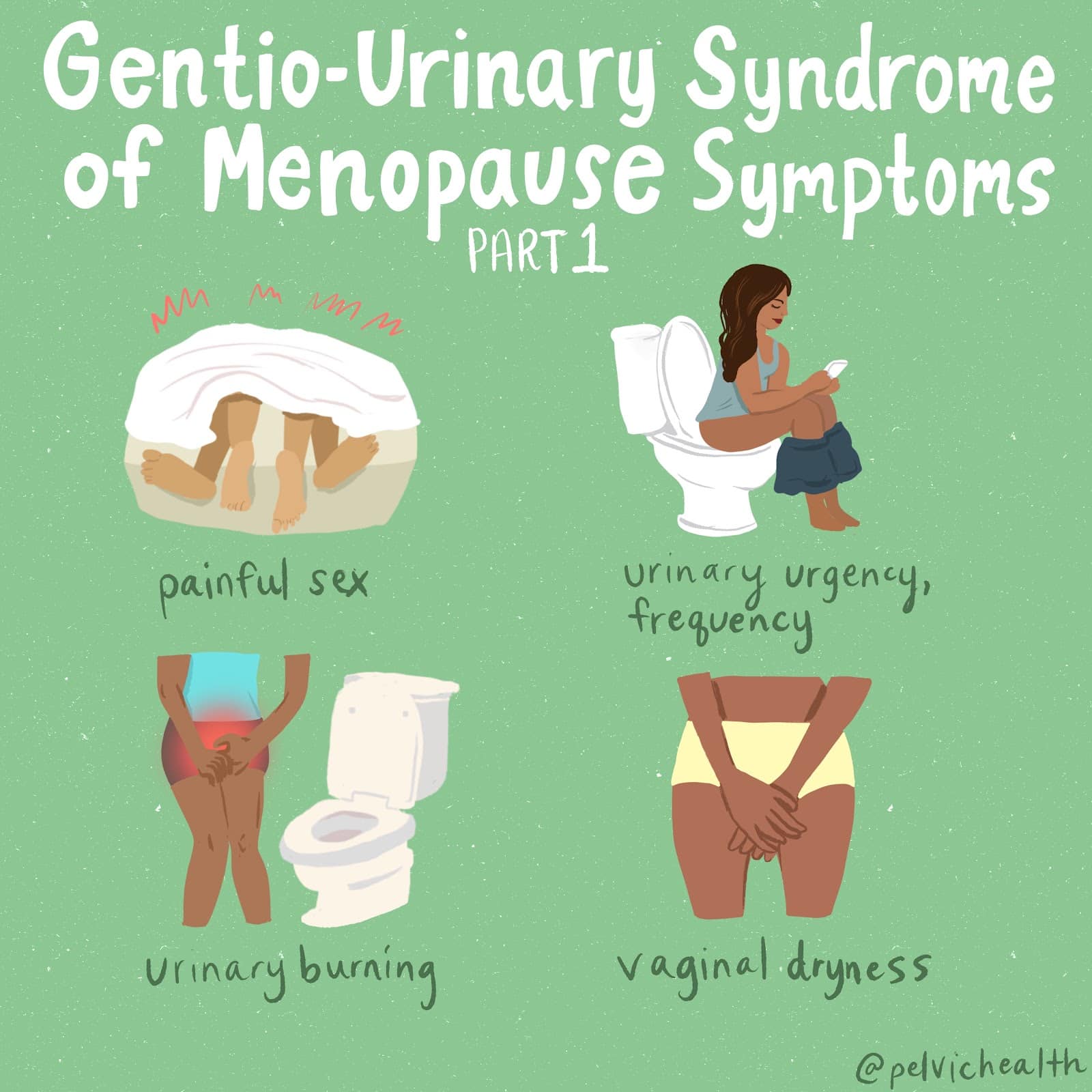
Perimenopause, the transitional phase leading up to menopause, typically begins in a person’s 40s, with menopause itself usually occurring in the early 50s. While systemic symptoms like hot flashes and mood changes are well-known, many people also experience less obvious but equally impactful genitourinary symptoms. These can include painful intercourse, urinary urgency, frequent urination, leakage, burning sensations, recurrent vaginal and urinary tract infections, and vaginal dryness. Collectively, these symptoms are part of the Genitourinary Syndrome of Menopause (GSM). Additionally, many women experience pelvic floor dysfunction, which affects nearly 50% of women by their 50s and can overlap with GSM symptoms.
While systemic hormonal therapy is commonly used to manage menopause symptoms, it may not address the specific needs of those experiencing GSM. The North American Menopause Society recommends the use of vaginal estrogen as an effective treatment for alleviating GSM symptoms and improving quality of life.
Menopause encompasses more than just hot flashes, night sweats, and mood swings. Despite being a common phase affecting roughly half of the population, menopause is often misunderstood, both by the public and many healthcare providers. This gap in knowledge can lead to unnecessary suffering, as many individuals are not fully informed about effective treatments.
Perimenopause, the transitional phase leading up to menopause, typically begins in a person’s 40s, with menopause itself usually occurring in the early 50s. While systemic symptoms like hot flashes and mood changes are well-known, many people also experience less obvious but equally impactful genitourinary symptoms. These can include painful intercourse, urinary urgency, frequent urination, leakage, burning sensations, recurrent vaginal and urinary tract infections, and vaginal dryness. Collectively, these symptoms are part of the Genitourinary Syndrome of Menopause (GSM). Additionally, many women experience pelvic floor dysfunction, which affects nearly 50% of women by their 50s and can overlap with GSM symptoms.
While systemic hormonal therapy is commonly used to manage menopause symptoms, it may not address the specific needs of those experiencing GSM. The North American Menopause Society recommends the use of vaginal estrogen as an effective treatment for alleviating GSM symptoms and improving quality of life.
Differential Diagnosis:
GSM or Pelvic Floor Dysfunction
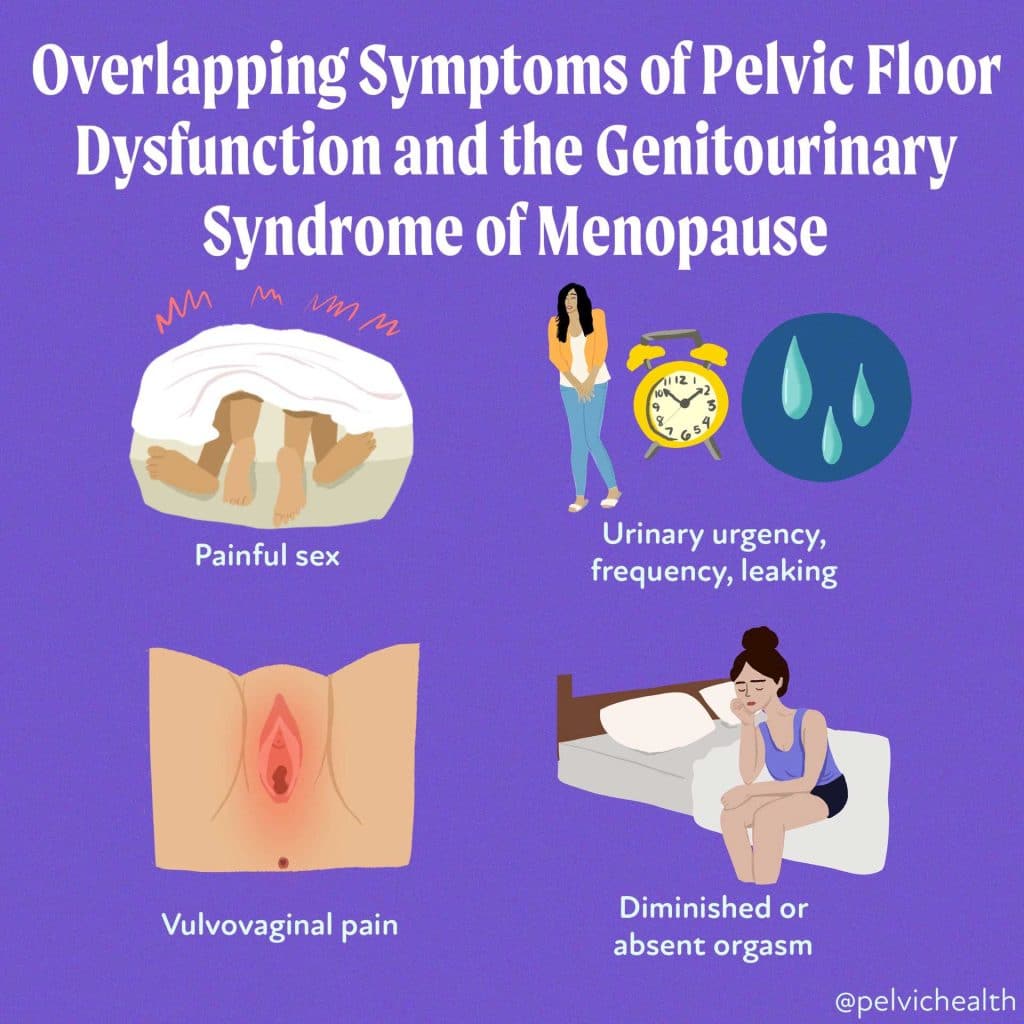
Symptoms of pelvic floor dysfunction and Genitourinary Syndrome of Menopause (GSM) can overlap and include:
- Urinary urgency, frequency, burning, nocturia
- Feelings of bladder or pelvic pressure
- Painful sex
- Diminished or absent orgasm
- Difficulty evacuating stool
- Vulvovaginal pain and burning
- Pain with sitting
An experienced healthcare provider, whether a pelvic floor physical and occupational therapists or a medical doctor, can conduct several assessments to diagnose pelvic floor dysfunction, hormonal deficiencies, and pelvic organ prolapse. These evaluations include a vulvovaginal visual examination, a Q-tip test to pinpoint areas of pain, and a digital manual examination.
Without appropriate medical management, all women may eventually experience symptoms of Genitourinary Syndrome of Menopause (GSM). Many are unaware that a pelvic floor physical and occupational therapy evaluation can be highly beneficial for addressing the musculoskeletal issues contributing to their discomfort. Combining pelvic floor physical and occupational therapy with medical treatments can be crucial for improving sexual enjoyment and resolving urinary and bowel problems.
Virtual pelvic floor therapy for menopause—contact us to get started!
FACTS
From: https://www.letstalkmenopause.org/further-reading
- Every day, approximately 6,000 women reach menopause.
- In the United States, around 50 million women are currently navigating menopause.
- About 84% of women experience genital, sexual, and urinary discomfort related to menopause, which often does not resolve without intervention, yet fewer than 25% seek assistance.
- An estimated 80% of OB-GYN residents acknowledge feeling inadequately prepared to address menopause-related issues.
- Genitourinary Syndrome of Menopause (GSM) is clinically identified in 90% of postmenopausal women, yet only one-third report experiencing symptoms in surveys.
- Barriers to treatment include women needing to initiate discussions about their symptoms, a belief that these issues are simply part of aging, and a failure to connect symptoms with menopause.
- Only 13% of healthcare providers routinely inquire about menopause-related symptoms with their patients.
- Even after a diagnosis of GSM, many women remain untreated. This is partly due to healthcare providers’ reluctance to prescribe treatments and patients’ concerns about the safety of topical vaginal therapies, despite evidence showing that GSM significantly affects quality of life.
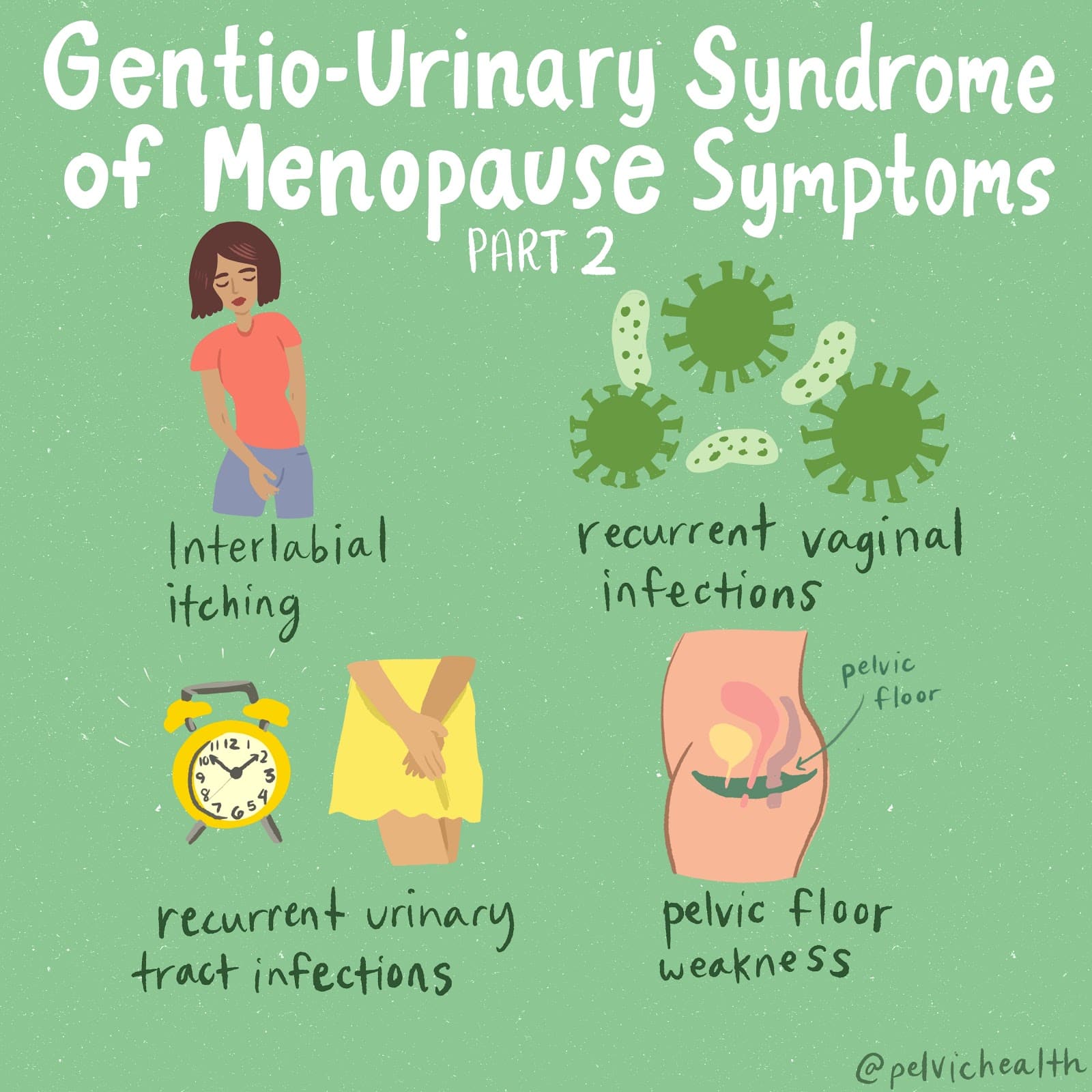
Hormone deficiency can lead to itching in the labial and vaginal areas. Additionally, other dermatological conditions, such as Lichen Sclerosus and cutaneous yeast infections, should also be considered.
During menopause, individuals are particularly susceptible to frequent vaginal and urinary tract infections due to:
- pH and tissue changes
- incomplete bladder emptying
- pelvic organ prolapse compromising urinary function
Recurrent infections are a major contributor to pelvic floor dysfunction. It’s crucial to address these infections promptly, as ongoing visceral-somatic input from untreated infections can lead to increased pain and further dysfunction even after the infection has been resolved. Without appropriate hormone therapy, infections may persist, leading to severe consequences. Untreated infections can cause unprovoked pain, make sexual activity difficult or impossible, and undiagnosed urinary tract infections (UTIs) may progress to kidney issues and other serious complications.
We recommend consulting with a menopause specialist to effectively monitor, prevent, and treat Genitourinary Syndrome of Menopause (GSM) since these issues are both significant and manageable. It’s important to normalize discussions about GSM; there’s no need for embarrassment. With appropriate care, individuals can lead fulfilling lives. Combining virtual pelvic floor physical and occupational therapy with medical management is essential for optimal results.
Treatment:
How We Can Help You
If you’re experiencing sexual dysfunction, it’s beneficial to consult a pelvic floor physical and occupational therapists online. They can assess whether any issues with your pelvic floor are contributing to your symptoms. During your initial virtual evaluation, the therapist will review your medical history, including previous diagnoses, treatments, and their effectiveness. They understand that many patients feel frustrated by the time they seek help.
The therapist will examine your nerves, muscles, joints, tissues, and movement patterns. After the assessment, they will discuss the findings with you and set both short-term and long-term therapy goals. Typically, physical and occupational therapy sessions occur once or twice a week over a period of approximately 12 weeks. Your therapist will also coordinate with other specialists on your treatment team and provide you with a personalized home exercise program. Our goal is to support your recovery and help you achieve the best possible quality of life.
Get virtual pelvic floor therapy for menopause. Book your online consultation today!

Treatment:
How We Can Help You
If you are having issues with your sexual function, it is in your best interest to get evaluated by a therapist for pelvic floor therapy, so they can establish what part, if any, of your pelvic floor may be contributing to the symptoms you are experiencing. During the course of the examination, the physical and occupational therapists will talk to you about your medical history and symptoms, including what you have been previously diagnosed with, the treatments or therapies you have had, and how effective or ineffective these therapies have been for you. It is significant to mention that we fully comprehend what you’ve been dealing with and that the majority of individuals are angry by the time they make it to see us. The physical and occupational therapists will conduct an evaluation of the patient’s nerves, muscles, joints, tissues, and movement patterns while doing the physical examination. After the examination is finished, your therapist will go over the results of the assessment with you. The physical and occupational therapists will conduct an evaluation to determine the cause of your symptoms and will establish both short-term and long-term therapy goals based on the results of the evaluation. Physical therapy treatments are typically administered between once and twice each week for a period of around 12 weeks. Your physical and occupational therapists will assist you in coordinating your recovery with all the other experts on your treatment team. They will provide you with an exercise regimen to complete at home and the sessions you attend in person. We are here to assist you in getting better and living the best life possible.
Get virtual pelvic floor therapy for menopause. Book your online consultation today!
Related Blogs:


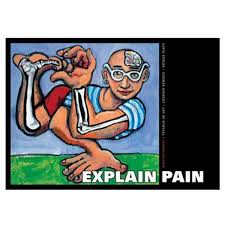 This week guest blogger and esteemed LA colleague, Julie Weibe, PT talks about her conversation the brilliant Lorimer Moseley, Ph.D., B.App.Sc. Her posts sums up one of the reasons Steph and Liz asked Dr. Moseley to write the forward for their book, Pelvic Pain Explained.
Here’s what Julie has to say:
November 17th 2014
Well, we didn’t actually have coffee. But I think I may have been drinking coffee and done a spit-take when I opened my inbox to find that Lorimer Moseley had responded to an insanely long, and question laden email I sent him about a year and a half ago. Tweets had stirred up confusion in my mind over our new understanding of pain developed through the work of he and David Butler. Together, they have guided us into a new world where pain is now understood as a product or output of the brain. The brain is the decision maker as to whether or not a particular signal or input is dangerous enough to warrant a pain response or output. The brain evaluates and estimates the threat based on multiple areas of input: history, emotion, experience, etc., not simply how hard did you fall or how hard were you hit.
Moseley has pioneered the use of motor imagery to address chronic pain states. Providing new inputs through imagery to influence the brains output. In his book, Painful Yarns, he highlighted the story of a man injured in a bread factory accident that had a severe increase in his CRPS (Chronic Regional Pain Syndrome) every Saturday morning. They finally figured out the trigger for his routine Saturday symptom increase was the scent of his neighbor baking bread. Scent input triggered a perceived threat by his brain, which then ramped up and produced the pain output. Chronic pain, not to oversimplify, is an overprotective brain, misinterpreting input and using pain signals as a warning.
I attended a conference in which Lorimer and Paul Hodges team taught these concepts and others regarding the changes in the brain that occur with muscular training. I left with a loose grasp on the concepts, but was still working out the application of it clinically in my primarily non-chronic pain patient population, when the tweets began….
So I wrote Lorimer a note. Excerpts are below, Lorimer’s responses are bolded:
(JW) At the Fall conference, you talked about output, and Hodges about the influence and changes we see in the brain due to input, it seemed a perfect pairing of information. Input and output intermingled. Creating clinical models around that intermingling in multiple populations is the key and at the heart of why I am writing. So if you have a moment…I have some questions to help me communicate to my patients, and myself how this all gets translated into practice. The messaging in social media and blogs out there is getting a bit confusing, and lack practical steps for application.
People are tweeting stuff like this:
” Pain has never been shown to be caused by the length and strength of muscles. Lets stop telling patients otherwise. #solvePT #PainPT“
So if we follow the logic of this statement, then why do we bother to strengthen? Is that what we should be telling people instead, don’t bother, b/c the evidence shows strength has nothing to do with resolution of your pain? That doesn’t fit with my interpretation of the blend of your work with Hodges work. But perhaps I am missing something, which is why I am writing. In terms of the all important emotional piece, is the capacity to take action in your pain through say exercise an empowering positive emotional input?
(LM) I would say it is, but that does not stand in contradiction to the statement from twitter above.
If for example, the injured tissue involved is say a nail hammered into the back of a patients hand, and the patient hits the hammer over and over again throughout the day….shouldn’t we do something about that, get the patient to stop that? And of course call for a psyche consult. A tongue and cheek way of asking do we run the risk of throwing the baby out with the bath water by not appreciating neuromuscular and mechanical inputs, too (repeated through movement patterning or faulty alignments or bad habits)?
Well, of course we should do something about that. I think you are not thinking of an actual patient here, BUT, you might be thinking of a patient you consider to be continually provoking a nociceptor in the tissues. Then of course you should fix this. The tricky thing is that it can be difficult to demonstrate the nail in the hand effect and many of our tests are not quite as specific as we thought. Still, your argument stands I reckon.
Poor motor control, alignment, shearing forces, weakness, etc all of our previous theories about why we experience pain, do they still hold some merit if essentially they are metaphorically hammering the nail in a little bit deeper each day? If graded motor imagery is a way to change input to the somatosensory cortex to create a change in the brains output, can form, movement, alignment, muscle recruitment strategies, ANS involvement, etc also be inputs to change the brain’s outputs? If not, then why do peripheral treatments seem to improve pain (or reduce the brains interpretation of threat)? Hodges work leads me to believe we can actually change the brain with some of our training ideas.
I think there is very, very good evidence that we can change the brain by training. Paul’s work adds to a very large body of evidence in this regard. But what has really changed is Paul’s interpretation of that work, which I think is a sensible change, is that the training might be having its main effect in the brain, rather than in the forward shift, by 20ms, of contraction of a particular – not very high impact biomechanically – muscle. The thing that is difficult is interpreting it all – motor control training is not simply that – it is also a conceptual package, graded exposure, cognitive therapy, behavioural therapy. That M1 (Primary Motor Cortex) changes is lovely and interesting, why it changes is PROBABLY due to the contraction, why it changes functionally is very difficult to know, and whether it relates to pain relief is impossible at the moment to work out.
Is there a distinction between how the brain produces “regular” old pain (like a nail driven into your hand) vs phantom pain in that same hand after the nail hammering behavior has stopped? Should their clinical programs be different?
Yes. In the former the clinician should reason honestly and in an informed way and end up removing the nail, but the latter, the clinicians should also reason, there is no nail to remove so the treatment should be different. Both treatments might contain common elements of course.
Isn’t there a way of communicating this so that both inputs and outputs are considered and have some value (input and output intermingled)? Is it just how we are communicating causality? Or am I just lost??
You are clearly searching and I LOVE this. I hear myself in some of this. The questions that I found most difficult to answer without learning more, and then more etc., etc. (the old the more I know the more I realise I don’t know etc. thing) – are questions like ‘did I ONLY change form? Recruitment? Alignment? Etc? or did I inadvertently do many things.
Again, my questions in part are born out of a lot of the social media trickle down from your work, particularly a lot of statements that I think communicate throwing the baby out with the bath water as we try to create clinical programs. I am not trying to create the message, but came to the source to clarify for those of us in the trenches trying to integrate the info in multiple patient populations. I think (hope?) I am not alone trying to decipher it.
I don’t reckon you would be. I am also trying to work it out. A common misinterpretation of my work is that I think that there is no point thinking about primary nociceptive input in people with pain. I do not think this and I do not think I would ever have said this. What I do think is that there is compelling evidence that the relationship between pain and tissue damage is seldom simple and is sometimes very tenuous indeed.
Thank you for your time, I really appreciate it.
and I yours.
L
Awesome…right?
I was so grateful for all of Lorimer’s insight, and his continued kindness in HOW he delivers his message. Please take note bloggers, and social media users, think WWLD before you tweet or blog. I had some great takeaway’s that have guided my own practice and teaching since this conversation a year and a half ago. First, I really liked that we can earnestly say, that we aren’t really sure why a lot of what we do works, but we are trying to figure it out! And just because we don’t understand the why, it doesn’t negate that our interventions can bring change and help. I can live in that uncomfortable unknown…how about you?
Also, when we change a piece of the puzzle through a peripheral intervention, we likely change multiple inputs at once. It is hard to point to the one thing that ultimately caused the change in pain…that is what our old idea of pain as input promoted and what we can no longer support in the new pain paradigm.
Lorimer’s final point has provided the greatest clarification for me as I slog through the social media pontification and pundits. More importantly as I apply these ideas clinically. “A common misinterpretation of my work is that I think that there is no point thinking about primary nociceptive input in people with pain. I do not think this and I do not think I would ever have said this.”
And how comforting is it that he is “still trying to work it out”, too.
Thanks again to Lorimer. He is a great communicator and teacher, moving us all forward!
To learn more about the new pain science paradigm, check out: Lorimer’s Ted Talk Explain Pain and Painful Yarns.
And if you haven’t already, SUBSCRIBE to this blog (up top, to the right, under Stephanie’s photo!), so you can get the weekly blog update in your email inbox, and follow us on Facebook and Twitter where the conversation on pelvic health is ongoing!

educator :: advocate :: clinician
Julie Wiebe, PT has over eighteen years of clinical experience in both Sports Medicine and Women’s Health. Her passion is to revolutionize the mainstream perception of the pelvic floor. She pursues this through innovative education, rehabilitation and return to fitness/sport programs that promote pelvic floor/diaphragm integration into exercise and manual therapy programs. Julie shares her evidence-based approach through one-on-one care, community seminars, professional continuing education programs worldwide, online professional mentoring and webinars. Course participants have successfully integrated the pelvic floor into programming for a variety of patient populations including sports medicine, orthopedics, women’s health, pediatrics and adult neuro.
For more information on Julie, please visit her website.
FAQ
What are pelvic floor muscles?
The pelvic floor muscles are a group of muscles that run from the coccyx to the pubic bone. They are part of the core, helping to support our entire body as well as providing support for the bowel, bladder and uterus. These muscles help us maintain bowel and bladder control and are involved in sexual pleasure and orgasm. The technical name of the pelvic floor muscles is the Levator Ani muscle group. The pudendal nerve, the levator ani nerve, and branches from the S2 – S4 nerve roots innervate the pelvic floor muscles. They are under voluntary and autonomic control, which is a unique feature only they possess compared to other muscle groups.
What is pelvic floor physical and occupational therapy?
Pelvic floor physical and occupational therapy is a specialized area of physical and occupational therapy. Currently, physical and occupational therapistss need advanced post-graduate education to be able to help people with pelvic floor dysfunction because pelvic floor disorders are not yet being taught in standard physical and occupational therapy curricula. The Pelvic Health and Rehabilitation Center provides extensive training for our staff because we recognize the limitations of physical and occupational therapy education in this unique area.
What happens at pelvic floor therapy?
During an evaluation for pelvic floor dysfunction the physical and occupational therapists will take a detailed history. Following the history the physical and occupational therapists will leave the room to allow the patient to change and drape themselves. The physical and occupational therapists will return to the room and using gloved hands will perform an external and internal manual assessment of the pelvic floor and girdle muscles. The physical and occupational therapists will once again leave the room and allow the patient to dress. Following the manual examination there may also be an examination of strength, motor control, and overall biomechanics and neuromuscular control. The physical and occupational therapists will then communicate the findings to the patient and together with their patient they establish an assessment, short term and long term goals and a treatment plan. Typically people with pelvic floor dysfunction are seen one time per week for one hour for varying amounts of time based on the severity and chronicity of the disease. A home exercise program will be established and the physical and occupational therapists will help coordinate other providers on the treatment team. Typically patients are seen for 3 months to a year.
What is pudendal neuralgia and how is it treated?
Pudendal Neuralgia is a clinical diagnosis that means pain in the sensory distribution of the pudendal nerve. The pudendal nerve is a mixed nerve that exits the S2 – S4 sacral nerve roots, we have a right and left pudendal nerve and each side has three main trunks: the dorsal branch, the perineal branch, and the inferior rectal branch. The branches supply sensation to the clitoris/penis, labia/scrotum, perineum, anus, the distal ⅓ of the urethra and rectum, and the vulva and vestibule. The nerve branches also control the pelvic floor muscles. The pudendal nerve follows a tortuous path through the pelvic floor and girdle, leaving it vulnerable to compression and tension injuries at various points along its path.
Pudendal Neuralgia occurs when the nerve is unable to slide, glide and move normally and as a result, people experience pain in some or all of the above-mentioned areas. Pelvic floor physical and occupational therapy plays a crucial role in identifying the mechanical impairments that are affecting the nerve. The physical and occupational therapy treatment plan is designed to restore normal neural function. Patients with pudendal neuralgia require pelvic floor physical and occupational therapy and may also benefit from medical management that includes pharmaceuticals and procedures such as pudendal nerve blocks or botox injections.
What is interstitial cystitis and how is it treated?
Interstitial Cystitis is a clinical diagnosis characterized by irritative bladder symptoms such as urinary urgency, frequency, and hesitancy in the absence of infection. Research has shown the majority of patients who meet the clinical definition have pelvic floor dysfunction and myalgia. Therefore, the American Urologic Association recommends pelvic floor physical and occupational therapy as first-line treatment for Interstitial Cystitis. Patients will benefit from pelvic floor physical and occupational therapy and may also benefit from pharmacologic management or medical procedures such as bladder instillations.
Who is the Pelvic Health and Rehabilitation Team?
The Pelvic Health and Rehabilitation Center was founded by Elizabeth Akincilar and Stephanie Prendergast in 2006, they have been treating people with pelvic floor disorders since 2001. They were trained and mentored by a medical doctor and quickly became experts in treating pelvic floor disorders. They began creating courses and sharing their knowledge around the world. They expanded to 11 locations in the United States and developed a residency style training program for their employees with ongoing weekly mentoring. The physical and occupational therapistss who work at PHRC have undergone more training than the majority of pelvic floor physical and occupational therapistss and as a result offer efficient and high quality care.
How many years of experience do we have?
Stephanie and Liz have 24 years of experience and help each and every team member become an expert in the field through their training and mentoring program.
Why PHRC versus anyone else?
PHRC is unique because of the specific focus on pelvic floor disorders and the leadership at our company. We are constantly lecturing, teaching, and staying ahead of the curve with our connections to medical experts and emerging experts. As a result, we are able to efficiently and effectively help our patients restore their pelvic health.
Do we treat men for pelvic floor therapy?
The Pelvic Health and Rehabilitation Center is unique in that the Cofounders have always treated people of all genders and therefore have trained the team members and staff the same way. Many pelvic floor physical and occupational therapistss focus solely on people with vulvas, this is not the case here.
Do I need pelvic floor therapy forever?
The majority of people with pelvic floor dysfunction will undergo pelvic floor physical and occupational therapy for a set amount of time based on their goals. Every 6 -8 weeks goals will be re-established based on the physical improvements and remaining physical impairments. Most patients will achieve their goals in 3 – 6 months. If there are complicating medical or untreated comorbidities some patients will be in therapy longer.
By guest blogger Jordan Hoffman
Stephanie here: In the late summer and early fall of last year I began experiencing increasingly painful periods. I was bleeding very heavily, taking up to 12 Advil per day without relief, and was very concerned about what was happening in my reproductive tract. Our LA clinic opened in May and therefore I didn’t have a gynecologist here. I knew if I did they would suggest that I take oral contraceptives, which I do not tolerate, or get an IUD, which I did not want. One of my patients told me Jordan Hoffman, an LA-based acupuncturist, and this weeks guest blogger, helped her resolve recurrent yeast and urinary tract infections. I set up an appointment and expected to receive acupuncture treatments for my symptoms. Instead, we discovered some interesting things that correlated with my gynecological demise.
Our LA clinic became very busy very fast. I was eating on the run and in between patients. My diet changed in that I started eating easy, low prep things like packaged string cheese, cottage cheese, salads with cheese, yogurt, etc. I was exhausted and drinking triple the amount of coffee I used to. I was also eating chicken sausage, chicken in salad, chicken everything because it was easy.
Jordan told me I needed to take out dairy and chicken, replace coffee with tea (caffeine is okay, coffee is not) and take an individualized herbal supplement that he made for me. My first thought was that he was definitely trying to make me miserable. I love cheese, and I am from New Jersey, I have been a coffee drinker my entire life. However, I was uncomfortable enough that I would take this experiment on for a month and time would tell.
It worked. The next month I had NO cramps. I did not even know my period was coming. I have now been through four cycles successfully, even though I do drink one cup of coffee a day now (sorry Jordan!). This experience taught me that diet can have a profound influence on our bodies. Dietary modifications are low-risk with possible significant therapeutic benefit. In this week’s blog Jordan will tell us why.
Okay, take it away Jordan!
Thanks Steph! Simply put: cow milk is for cows, goat milk is for goats, and human milk is for humans. Every species produces milk specific to its own species’ needs and digestive capabilities. And every species stops drinking its own milk after infancy.
Except humans.
Not only do we drink other animals’ milk but we are lead to believe from an early age: “Milk—It does a Body Good!” And yet, every day I see patients with profound and wide-ranging ill effects from consuming any and all dairy products in any quantity whatsoever. As such, ZERO dairy is the only amount of dairy that is fit for human consumption. Almond, soy and rice milks are very good substitutes.
This article is going to focus on dairy and its role in various medical conditions that may lead to or worsen pelvic pain. No matter the origin, chronic musculo-skeletal imbalances can lead to organ dysfunction and chronic organ dysfunction can certainly lead to musculo-skeletal imbalances.
Irritable Bowel Syndrome– Chronic Constipation
Irritable Bowel Syndrome (IBS) is a common catch-all diagnosis for alternating bouts of constipation and diarrhea with accompanying cramping and pain. Stress is often the default cause given to IBS. But while it can definitely play a role, stress does not cause problems alone. Rather, it exacerbates pre-existing ones. Stress plus the pathogens introduced to the gut from dairy can lead to IBS.
Dairy is a known allergen that can cause constipation, especially in children (1). You can easily do an Immunoglobulin E (IgE) blood test to check for food allergies, like to dairy. Yet, in many instances, patients have brought me their allergy tests showing no IgE response to dairy. Puzzled, I did some more research. IgE is the most likely or common immune response from our body to an allergen. But it is by no means the only response. In fact, an allergy to cow milk showing up as constipation may not even be mediated by IgE (2), revealing a less than complete picture painted by those tests.
Sixty percent of the protein content in dairy is casein, which when introduced to our digestive system becomes Beta-Casomorphine (BCM). Casein is used to make glue. Ever wonder why the logo used for Elmer’s Glue is a cow? Casein. Now notice the second part to that word: “morphine.” Just like opiate drugs, BCM can exert a numbing and paralyzing effect on our intestinal motility (3), and an analgesic and addictive response in our brain and nervous system compelling us to want more. Casein can also trigger a histamine response (4) in our intestines leading to more inflammation and irritation which can lead to more constipation.
Another aspect of dairy that can lead to chronic constipation is in its bacteria load. Pasteurization occurs at 162 degrees Fahrenheit for 15 seconds. Yet, to sterilize water we are advised to boil it at 212 degrees Fahrenheit for several minutes. There are bacteria that can survive pasteurization. In fact, the United States allows for a somatic cell count (SCC) of up to 750,000 per ml (5). Whether those cells are active pathogens like Mycobacterium Avium Subspecies Paratuberculosis (MAP) (6) or E. Coli (7), or non-active due to effective pasteurization, our immune system still recognizes them as foreign and kicks in to gear with an inflammatory response.
Inflammatory Bowel Disease
The Standard American Diet (S.A.D.) has historically placed the main focus of each meal on animal protein, and doesn’t even take into account the glass of milk on the side, the cheese along with the protein, or the ice cream for dessert. Severe inflammatory bowel diseases like Ulcerative Colitis and Crohn’s Disease are linked to the over-consumption of animal fats and the under-consumption of fiber (8), which is absent in all forms of animal protein but abundantly present in beans, peas and lentils—superior sources clean protein. Such diets can even compromise our intestinal clearance of bacteria, mentioned earlier, leading to further inflammation (9).
Hormone Dysregulation
One of the simplest ways to link food choice and the pelvis is that everything flows downhill, especially when it comes to hormones, urogenital and reproductive health. While many of our environmental pollutants can exert an adverse effect higher up the endocrine system chain at the pituitary level, the first place I tend to look for culprits is diet.
Cows are fed and bred to lactate throughout their pregnancy with particular elevated milk production in the latter half of gestation. As such, even regardless of whether they are injected with exogenous hormones, the cows’ own hormones can show up in its milk. Dairy products you consume account for 60-70% of all dietary sources of estrogen (10) with at least 6 different hormones also being found in milk, including progesterone, and testosterone (11). One way we excrete hormones from the body is through stool. Studies show that there is a direct correlation between fecal weight and fecal estrogen content (12). And with the constipating effect of dairy, we now can see yet another link between chronic digestion dysfunction and hormone dysregulation.
For men, this undue influence on their endocrine function can show up as erectile dysfunction (also an indication of atherosclerosis aided by the cholesterol in dairy), low sperm counts and ejaculatory volume (13), and testicular and prostate cancers (14). For women, this can show up as irregular and painful periods, endometriosis (15), Polycystic Ovarian Syndrome (16), and breast and ovarian cancer (17).
Where to begin
Accepting the truth about dairy flies in the face of American identity and all we have been conditioned to believe since we were kids about this primary food in the SAD. But don’t believe me and the research I have done or the results I have seen with patients. Believe yourself. Come off dairy, all forms completely. Read labels. Ask questions in restaurants. Go dairy-free for at least 4 weeks and then if you are still curious, introduce it and only it in a meal and see how you feel the next couple of days. Most of my patients will immediately feel poorly—stomach aches, sinus congestion, knee pain, etc. For some, it may only clog the arteries of their heart or disrupt their menstrual cycle, both of which take time to reveal themselves. Let the decision to cut out dairy come from your own personal experience guided by critical thinking and a willingness to experiment with self-awareness and truth.
Cheers,
Jordan

Jordan Hoffman is a California Licensed Acupuncturist, a Diplomate in Oriental Medicine and Nationally Board Certified in Chinese Herbology, specializing in Addiction, Internal Medicine, Pain Management and Nutritional and Lifestyle Counseling. He maintains his acupuncture practice in West LA and Canoga Park, CA. For more information, please visit http://www.
References:
- J Pediatr. 1995 Jan;126(1):34-9. Chronic constipation as a symptom of cow milk allergy. Iacono G, Carroccio A, Cavataio F, Montalto G, Cantarero MD, Notarbartolo A.
- J Pediatr Gastroenterol Nutr.2010 Aug;51(2):171-6. doi: 10.1097/MPG.0b013e3181cd2653. Cow’s-milk-free diet as a therapeutic option in childhood chronic constipation. Irastorza I, Ibañez B, Delgado-Sanzonetti L, Maruri N, Vitoria JC.
- 2000 Jun-Aug;34(3-4):181-6. Effect of opioid active therapeutics on the ascending reflex pathway in the rat ileum. Allescher HD, Storr M, Piller C, Brantl V, Schusdziarra V..
- Int Arch Allergy Immunol.1992;97(2):115-20. A naturally occurring opioid peptide from cow’s milk, beta-casomorphine-7, is a direct histamine releaser in man. Kurek M, Przybilla B, Hermann K, Ring J.
- Determining U.S. Milk Quality Using Bulk-tank Somatic Cell Counts, 2010. United States Department of Agriculture Animal and Plant Health Inspection Service. http://www.aphis.usda.gov/animal_health/nahms/dairy/downloads/dairy_monitoring/BTSCC_2010infosheet.pdf
- J Food Prot.2010 Jul;73(7):1357-97. Assessment of food as a source of exposure to Mycobacterium avium subspecies paratuberculosis (MAP). National Advisory Committee on Microbiological Criteria for Foods.
- What Is the Current Milk Quality in the U.S.? Scott J. Wells, Stephen L. Ott. Centers for Epidemiology and Animal Health, USDA-APHIS-VS. file:///C:/Users/Jordan/Documents/Research/Current%20Milk%20Quality%20in%20the%20U.S..html
- Am J Gastroenterol.2011 Apr;106(4):563-73. doi: 10.1038/ajg.2011.44. Dietary intake and risk of developing inflammatory bowel disease: a systematic review of the literature. Hou JK, Abraham B, El-Serag H.
- Dig Dis.2014;32(4):389-94. doi: 10.1159/000358143. Epub 2014 Jun 23. Dietary clues to the pathogenesis of Crohn’s disease. Pfeffer-Gik T, Levine A.
- Med Hypotheses.2001 Oct;57(4):510-4. Is milk responsible for male reproductive disorders? Ganmaa D, Wang PY, Qin LQ, Hoshi K, Sato A.
- Food Addit Contam Part A Chem Anal Control Expo Risk Assess.2012;29(5):770-9. doi: 10.1080/19440049.2011.653989. Epub 2012 Feb 14. Development of an LC-MS/MS method to quantify sex hormones in bovine milk and influence of pregnancy in their levels. Regal P, Cepeda A, Fente C.
- N Engl J Med.1982 Dec 16;307(25):1542-7. Estrogen excretion patterns and plasma levels in vegetarian and omnivorous women. Goldin BR, Adlercreutz H, Gorbach SL, Warram JH, Dwyer JT, Swenson L, Woods MN.
- Am J Clin Nutr.2013 Feb;97(2):411-8. doi: 10.3945/ajcn.112.042432. Epub 2012 Dec 26. High dietary intake of saturated fat is associated with reduced semen quality among 701 young Danish men from the general population. Jensen TK, Heitmann BL, Jensen MB, Halldorsson TI, Andersson AM, Skakkebæk NE, Joensen UN, Lauritsen MP, Christiansen P, Dalgård C, Lassen TH,Jørgensen N.
- Med Hypotheses.2003 May;60(5):724-30. The experience of Japan as a clue to the etiology of testicular and prostatic cancers. Ganmaa D, Li XM, Qin LQ, Wang PY, Takeda M, Sato A.
- Reprod Sci.2014 Oct 29. pii: 1933719114556487. [Epub ahead of print] 17β-Estradiol and Lipopolysaccharide Additively Promote Pelvic Inflammation and Growth of Endometriosis. Khan KN, Kitajima M, Inoue T, Fujishita A, Nakashima M, Masuzaki H.
- Turk J Med Sci.2014;44(5):781-6. Insulin-like growth factor 1, liver enzymes, and insulin resistance in patients with PCOS and hirsutism. Çakir E, Topaloğlu O, Çolak Bozkurt N, Karbek Bayraktar B, Güngüneş A, Sayki Arslan M, Öztürk Ünsal İ, Tutal E, Uçan B, Delıbaşi T.
- Med Hypotheses.2003 Feb;60(2):268-75. The experience of Japan as a clue to the etiology of breast and ovarian cancers: relationship between death from both malignancies and dietary practices. Li XM, Ganmaa D, Sato A.
FAQ
What are pelvic floor muscles?
The pelvic floor muscles are a group of muscles that run from the coccyx to the pubic bone. They are part of the core, helping to support our entire body as well as providing support for the bowel, bladder and uterus. These muscles help us maintain bowel and bladder control and are involved in sexual pleasure and orgasm. The technical name of the pelvic floor muscles is the Levator Ani muscle group. The pudendal nerve, the levator ani nerve, and branches from the S2 – S4 nerve roots innervate the pelvic floor muscles. They are under voluntary and autonomic control, which is a unique feature only they possess compared to other muscle groups.
What is pelvic floor physical and occupational therapy?
Pelvic floor physical and occupational therapy is a specialized area of physical and occupational therapy. Currently, physical and occupational therapistss need advanced post-graduate education to be able to help people with pelvic floor dysfunction because pelvic floor disorders are not yet being taught in standard physical and occupational therapy curricula. The Pelvic Health and Rehabilitation Center provides extensive training for our staff because we recognize the limitations of physical and occupational therapy education in this unique area.
What happens at pelvic floor therapy?
During an evaluation for pelvic floor dysfunction the physical and occupational therapists will take a detailed history. Following the history the physical and occupational therapists will leave the room to allow the patient to change and drape themselves. The physical and occupational therapists will return to the room and using gloved hands will perform an external and internal manual assessment of the pelvic floor and girdle muscles. The physical and occupational therapists will once again leave the room and allow the patient to dress. Following the manual examination there may also be an examination of strength, motor control, and overall biomechanics and neuromuscular control. The physical and occupational therapists will then communicate the findings to the patient and together with their patient they establish an assessment, short term and long term goals and a treatment plan. Typically people with pelvic floor dysfunction are seen one time per week for one hour for varying amounts of time based on the severity and chronicity of the disease. A home exercise program will be established and the physical and occupational therapists will help coordinate other providers on the treatment team. Typically patients are seen for 3 months to a year.
What is pudendal neuralgia and how is it treated?
Pudendal Neuralgia is a clinical diagnosis that means pain in the sensory distribution of the pudendal nerve. The pudendal nerve is a mixed nerve that exits the S2 – S4 sacral nerve roots, we have a right and left pudendal nerve and each side has three main trunks: the dorsal branch, the perineal branch, and the inferior rectal branch. The branches supply sensation to the clitoris/penis, labia/scrotum, perineum, anus, the distal ⅓ of the urethra and rectum, and the vulva and vestibule. The nerve branches also control the pelvic floor muscles. The pudendal nerve follows a tortuous path through the pelvic floor and girdle, leaving it vulnerable to compression and tension injuries at various points along its path.
Pudendal Neuralgia occurs when the nerve is unable to slide, glide and move normally and as a result, people experience pain in some or all of the above-mentioned areas. Pelvic floor physical and occupational therapy plays a crucial role in identifying the mechanical impairments that are affecting the nerve. The physical and occupational therapy treatment plan is designed to restore normal neural function. Patients with pudendal neuralgia require pelvic floor physical and occupational therapy and may also benefit from medical management that includes pharmaceuticals and procedures such as pudendal nerve blocks or botox injections.
What is interstitial cystitis and how is it treated?
Interstitial Cystitis is a clinical diagnosis characterized by irritative bladder symptoms such as urinary urgency, frequency, and hesitancy in the absence of infection. Research has shown the majority of patients who meet the clinical definition have pelvic floor dysfunction and myalgia. Therefore, the American Urologic Association recommends pelvic floor physical and occupational therapy as first-line treatment for Interstitial Cystitis. Patients will benefit from pelvic floor physical and occupational therapy and may also benefit from pharmacologic management or medical procedures such as bladder instillations.
Who is the Pelvic Health and Rehabilitation Team?
The Pelvic Health and Rehabilitation Center was founded by Elizabeth Akincilar and Stephanie Prendergast in 2006, they have been treating people with pelvic floor disorders since 2001. They were trained and mentored by a medical doctor and quickly became experts in treating pelvic floor disorders. They began creating courses and sharing their knowledge around the world. They expanded to 11 locations in the United States and developed a residency style training program for their employees with ongoing weekly mentoring. The physical and occupational therapistss who work at PHRC have undergone more training than the majority of pelvic floor physical and occupational therapistss and as a result offer efficient and high quality care.
How many years of experience do we have?
Stephanie and Liz have 24 years of experience and help each and every team member become an expert in the field through their training and mentoring program.
Why PHRC versus anyone else?
PHRC is unique because of the specific focus on pelvic floor disorders and the leadership at our company. We are constantly lecturing, teaching, and staying ahead of the curve with our connections to medical experts and emerging experts. As a result, we are able to efficiently and effectively help our patients restore their pelvic health.
Do we treat men for pelvic floor therapy?
The Pelvic Health and Rehabilitation Center is unique in that the Cofounders have always treated people of all genders and therefore have trained the team members and staff the same way. Many pelvic floor physical and occupational therapistss focus solely on people with vulvas, this is not the case here.
Do I need pelvic floor therapy forever?
The majority of people with pelvic floor dysfunction will undergo pelvic floor physical and occupational therapy for a set amount of time based on their goals. Every 6 -8 weeks goals will be re-established based on the physical improvements and remaining physical impairments. Most patients will achieve their goals in 3 – 6 months. If there are complicating medical or untreated comorbidities some patients will be in therapy longer.
For the past six months, Stephanie and Liz have been busily working on writing a book titled Pelvic Pain Explained: Everything you Need to know to Help you Navigate the Complex Terrain of Pelvic Pain. The book will be published by Rowman & Littlefield. (We don’t have the publication date yet, so stay tuned for that info!) As we’ve watched them hustle to get the manuscript together, we couldn’t help but wonder what it was that made them decide to take on the task, so we asked them!
Q. What was the impetus for your writing a book on pelvic pain?
A. Stephanie: “Very little was known about pelvic pain when I started in the field 15 years ago. Many of the patients that I saw in the early years had been suffering for at least ten years, had seen more than 20 providers, and were often on disability and opiates.
At that time I was working with a physician and we specialized solely in treating pelvic pain disorders. For this reason, my experience as a pelvic floor physical and occupational therapists was different than most. Rather than taking a continuing education course, as many aspiring pelvic floor PTs do, I was working with a pelvic pain pioneer in an interdisciplinary setting. So I found myself at medical conferences arguing that the pelvic floor muscles can be a source of pelvic pain.
Sometimes I won the argument, most of the time I lost. During this time, I also developed manual therapy skills, knowledge about medications, procedures, and surgeries. We started to figure out what would and would not work for different types of patients. Being exposed to a high volume of people with pelvic pain very quickly taught me that despite similar symptoms or the same diagnosis, every patient was different and I had to individualize treatment plans to get them to to work.
More importantly, however, I developed clinical reasoning skills to re-work the treatment when patients either stopped responding or could not tolerate treatment. And this happened all the time. As I was developing these skills, research started to emerge and the technology boom made this information available to anyone who wanted it.
Information does not equal knowledge, however, and I had to figure out what do with patient confusion from chat rooms, being criticized by other professionals in chat rooms, and how to incorporate new diagnoses and treatment options into clinical practice. Today, it’s widely accepted that the pelvic floor muscles can be a source of pelvic pain, though many medical professionals and sufferers still do not know it.
Furthermore, we know pelvic pain encompasses much more than the pelvic floor muscles, and treatment needs to be devised with this in mind. I wanted to write this book to acknowledge the struggles patients and providers encounter, and provide knowledge to streamline the current diagnosis and treatment strategies, even in the face of a broken healthcare system. My hope is that by sharing our knowledge we will provide a platform for more effective and efficient management of pelvic pain.
A: Liz: “For years our colleagues and patients asked, ‘When are you guys going to write a book?’ I guess we finally succomed to the pressure! We’ve been teaching, lecturing, writing in professional journals for years. This was just the next logical step.
But more to the point, there are so few resources out there with good, accurate information for people suffering from pelvic pain as well as providers who treat pelvic pain. And at the same time, there is a real knowledge deficit, even among providers who should know something about pelvic pain. The number of questions we get from people from all over the world on the phone, via email, via our blog, via our website really spoke to this. We believe their needs to be one resource for people to get all of these answers. Our hope is that having this book be that resource will serve to promote awareness to the public and professional community about pelvic pain and help people get better faster.
Q: How has this blog played into your decision to write a book?
A: Stephanie: “The blog has shown me that people need reliable information on pelvic pain and made me realize that sharing our clinical knowledge allows us to help people globally. Through the comments I have learned that people are getting appropriate care but just as many are not. We need to change this and do better!
A: Liz: “We get so many follow up questions and comments with every post. Plus, we receive a tremendous amount of positive feedback from other providers as well as patients about this blog, so for me, that reconfirmed the need for good info about pelvic pain.
Thank you Stephanie and Liz for stoking our curiosity! The next four weeks will be pretty busy as we all pitch in to get the manuscript ready to turn into the publisher, SO a handful of friends of PHRC have generously agreed to pitch in with a month’s worth of fantastic guest blog posts!
Look for them in the coming weeks!
If you have any further questions about Stephanie and Liz’s upcoming book, please do not hesitate to leave them in the comment section below.
All our best,
The PHRC Team
FAQ
What are pelvic floor muscles?
The pelvic floor muscles are a group of muscles that run from the coccyx to the pubic bone. They are part of the core, helping to support our entire body as well as providing support for the bowel, bladder and uterus. These muscles help us maintain bowel and bladder control and are involved in sexual pleasure and orgasm. The technical name of the pelvic floor muscles is the Levator Ani muscle group. The pudendal nerve, the levator ani nerve, and branches from the S2 – S4 nerve roots innervate the pelvic floor muscles. They are under voluntary and autonomic control, which is a unique feature only they possess compared to other muscle groups.
What is pelvic floor physical and occupational therapy?
Pelvic floor physical and occupational therapy is a specialized area of physical and occupational therapy. Currently, physical and occupational therapistss need advanced post-graduate education to be able to help people with pelvic floor dysfunction because pelvic floor disorders are not yet being taught in standard physical and occupational therapy curricula. The Pelvic Health and Rehabilitation Center provides extensive training for our staff because we recognize the limitations of physical and occupational therapy education in this unique area.
What happens at pelvic floor therapy?
During an evaluation for pelvic floor dysfunction the physical and occupational therapists will take a detailed history. Following the history the physical and occupational therapists will leave the room to allow the patient to change and drape themselves. The physical and occupational therapists will return to the room and using gloved hands will perform an external and internal manual assessment of the pelvic floor and girdle muscles. The physical and occupational therapists will once again leave the room and allow the patient to dress. Following the manual examination there may also be an examination of strength, motor control, and overall biomechanics and neuromuscular control. The physical and occupational therapists will then communicate the findings to the patient and together with their patient they establish an assessment, short term and long term goals and a treatment plan. Typically people with pelvic floor dysfunction are seen one time per week for one hour for varying amounts of time based on the severity and chronicity of the disease. A home exercise program will be established and the physical and occupational therapists will help coordinate other providers on the treatment team. Typically patients are seen for 3 months to a year.
What is pudendal neuralgia and how is it treated?
Pudendal Neuralgia is a clinical diagnosis that means pain in the sensory distribution of the pudendal nerve. The pudendal nerve is a mixed nerve that exits the S2 – S4 sacral nerve roots, we have a right and left pudendal nerve and each side has three main trunks: the dorsal branch, the perineal branch, and the inferior rectal branch. The branches supply sensation to the clitoris/penis, labia/scrotum, perineum, anus, the distal ⅓ of the urethra and rectum, and the vulva and vestibule. The nerve branches also control the pelvic floor muscles. The pudendal nerve follows a tortuous path through the pelvic floor and girdle, leaving it vulnerable to compression and tension injuries at various points along its path.
Pudendal Neuralgia occurs when the nerve is unable to slide, glide and move normally and as a result, people experience pain in some or all of the above-mentioned areas. Pelvic floor physical and occupational therapy plays a crucial role in identifying the mechanical impairments that are affecting the nerve. The physical and occupational therapy treatment plan is designed to restore normal neural function. Patients with pudendal neuralgia require pelvic floor physical and occupational therapy and may also benefit from medical management that includes pharmaceuticals and procedures such as pudendal nerve blocks or botox injections.
What is interstitial cystitis and how is it treated?
Interstitial Cystitis is a clinical diagnosis characterized by irritative bladder symptoms such as urinary urgency, frequency, and hesitancy in the absence of infection. Research has shown the majority of patients who meet the clinical definition have pelvic floor dysfunction and myalgia. Therefore, the American Urologic Association recommends pelvic floor physical and occupational therapy as first-line treatment for Interstitial Cystitis. Patients will benefit from pelvic floor physical and occupational therapy and may also benefit from pharmacologic management or medical procedures such as bladder instillations.
Who is the Pelvic Health and Rehabilitation Team?
The Pelvic Health and Rehabilitation Center was founded by Elizabeth Akincilar and Stephanie Prendergast in 2006, they have been treating people with pelvic floor disorders since 2001. They were trained and mentored by a medical doctor and quickly became experts in treating pelvic floor disorders. They began creating courses and sharing their knowledge around the world. They expanded to 11 locations in the United States and developed a residency style training program for their employees with ongoing weekly mentoring. The physical and occupational therapistss who work at PHRC have undergone more training than the majority of pelvic floor physical and occupational therapistss and as a result offer efficient and high quality care.
How many years of experience do we have?
Stephanie and Liz have 24 years of experience and help each and every team member become an expert in the field through their training and mentoring program.
Why PHRC versus anyone else?
PHRC is unique because of the specific focus on pelvic floor disorders and the leadership at our company. We are constantly lecturing, teaching, and staying ahead of the curve with our connections to medical experts and emerging experts. As a result, we are able to efficiently and effectively help our patients restore their pelvic health.
Do we treat men for pelvic floor therapy?
The Pelvic Health and Rehabilitation Center is unique in that the Cofounders have always treated people of all genders and therefore have trained the team members and staff the same way. Many pelvic floor physical and occupational therapistss focus solely on people with vulvas, this is not the case here.
Do I need pelvic floor therapy forever?
The majority of people with pelvic floor dysfunction will undergo pelvic floor physical and occupational therapy for a set amount of time based on their goals. Every 6 -8 weeks goals will be re-established based on the physical improvements and remaining physical impairments. Most patients will achieve their goals in 3 – 6 months. If there are complicating medical or untreated comorbidities some patients will be in therapy longer.