

Menopause encompasses more than just hot flashes, night sweats, and mood swings. Despite being a common phase affecting roughly half of the population, menopause is often misunderstood, both by the public and many healthcare providers. This gap in knowledge can lead to unnecessary suffering, as many individuals are not fully informed about effective treatments.
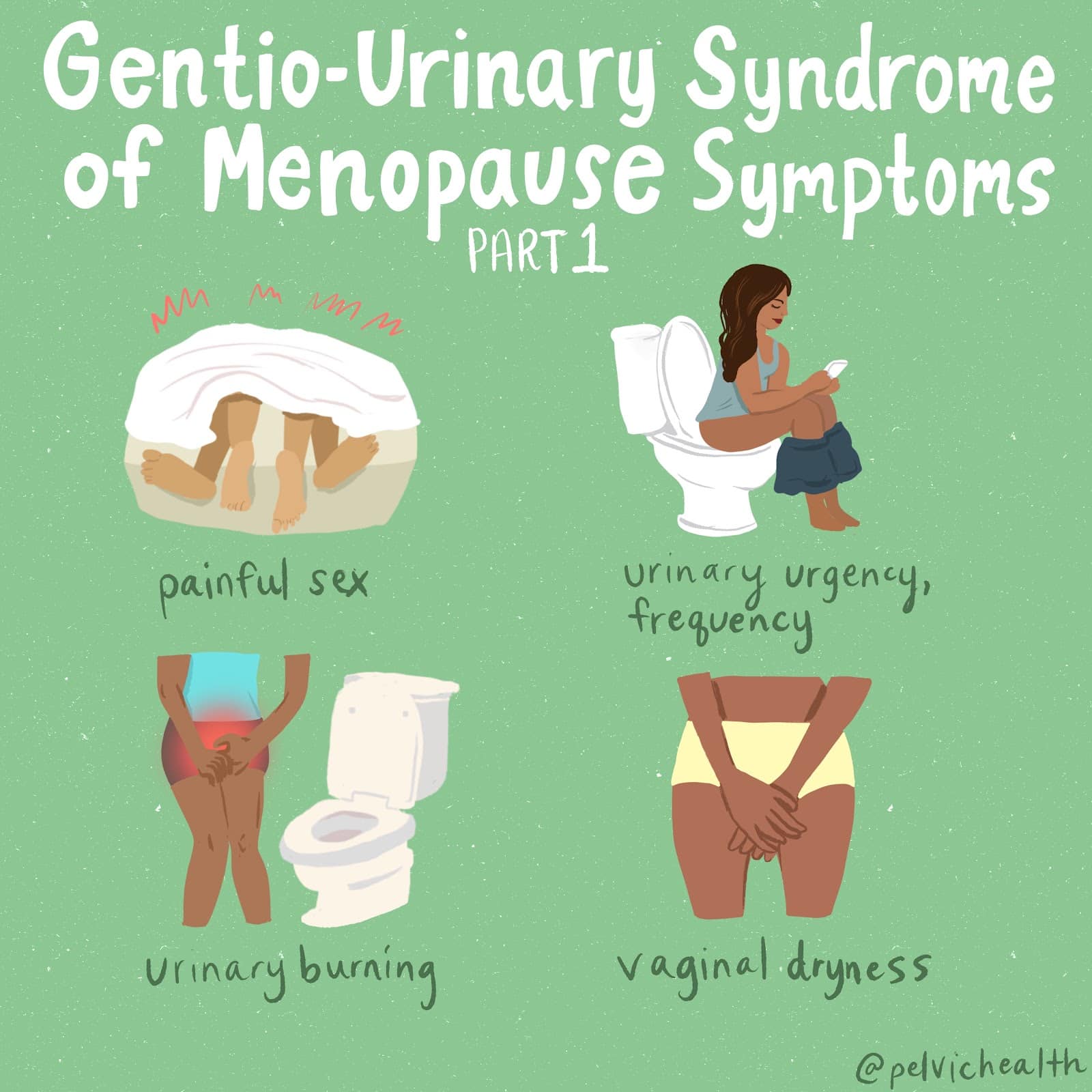
Perimenopause, the transitional phase leading up to menopause, typically begins in a person’s 40s, with menopause itself usually occurring in the early 50s. While systemic symptoms like hot flashes and mood changes are well-known, many people also experience less obvious but equally impactful genitourinary symptoms. These can include painful intercourse, urinary urgency, frequent urination, leakage, burning sensations, recurrent vaginal and urinary tract infections, and vaginal dryness. Collectively, these symptoms are part of the Genitourinary Syndrome of Menopause (GSM). Additionally, many women experience pelvic floor dysfunction, which affects nearly 50% of women by their 50s and can overlap with GSM symptoms.
While systemic hormonal therapy is commonly used to manage menopause symptoms, it may not address the specific needs of those experiencing GSM. The North American Menopause Society recommends the use of vaginal estrogen as an effective treatment for alleviating GSM symptoms and improving quality of life.
Menopause encompasses more than just hot flashes, night sweats, and mood swings. Despite being a common phase affecting roughly half of the population, menopause is often misunderstood, both by the public and many healthcare providers. This gap in knowledge can lead to unnecessary suffering, as many individuals are not fully informed about effective treatments.
Perimenopause, the transitional phase leading up to menopause, typically begins in a person’s 40s, with menopause itself usually occurring in the early 50s. While systemic symptoms like hot flashes and mood changes are well-known, many people also experience less obvious but equally impactful genitourinary symptoms. These can include painful intercourse, urinary urgency, frequent urination, leakage, burning sensations, recurrent vaginal and urinary tract infections, and vaginal dryness. Collectively, these symptoms are part of the Genitourinary Syndrome of Menopause (GSM). Additionally, many women experience pelvic floor dysfunction, which affects nearly 50% of women by their 50s and can overlap with GSM symptoms.
While systemic hormonal therapy is commonly used to manage menopause symptoms, it may not address the specific needs of those experiencing GSM. The North American Menopause Society recommends the use of vaginal estrogen as an effective treatment for alleviating GSM symptoms and improving quality of life.
Differential Diagnosis:
GSM or Pelvic Floor Dysfunction
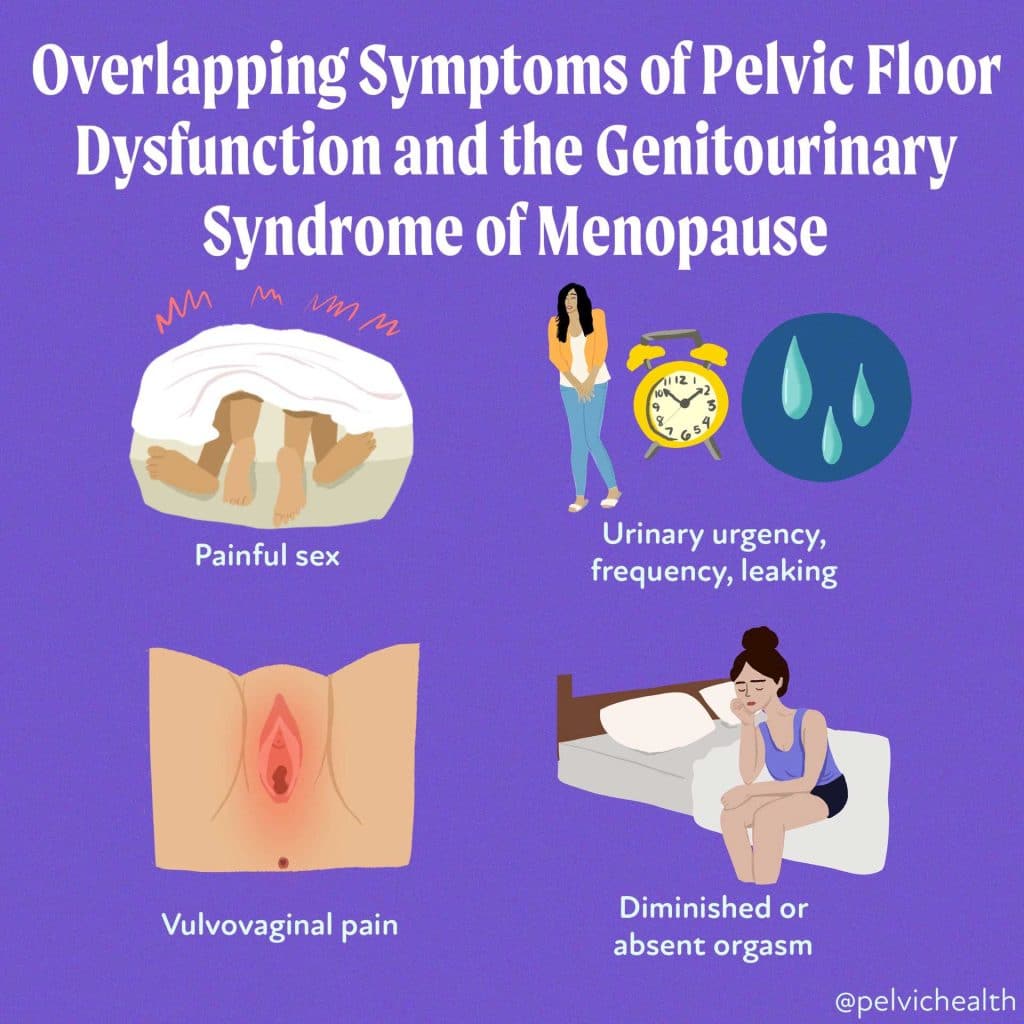
Symptoms of pelvic floor dysfunction and Genitourinary Syndrome of Menopause (GSM) can overlap and include:
- Urinary urgency, frequency, burning, nocturia
- Feelings of bladder or pelvic pressure
- Painful sex
- Diminished or absent orgasm
- Difficulty evacuating stool
- Vulvovaginal pain and burning
- Pain with sitting
An experienced healthcare provider, whether a pelvic floor physical and occupational therapists or a medical doctor, can conduct several assessments to diagnose pelvic floor dysfunction, hormonal deficiencies, and pelvic organ prolapse. These evaluations include a vulvovaginal visual examination, a Q-tip test to pinpoint areas of pain, and a digital manual examination.
Without appropriate medical management, all women may eventually experience symptoms of Genitourinary Syndrome of Menopause (GSM). Many are unaware that a pelvic floor physical and occupational therapy evaluation can be highly beneficial for addressing the musculoskeletal issues contributing to their discomfort. Combining pelvic floor physical and occupational therapy with medical treatments can be crucial for improving sexual enjoyment and resolving urinary and bowel problems.
Virtual pelvic floor therapy for menopause—contact us to get started!
FACTS
From: https://www.letstalkmenopause.org/further-reading
- Every day, approximately 6,000 women reach menopause.
- In the United States, around 50 million women are currently navigating menopause.
- About 84% of women experience genital, sexual, and urinary discomfort related to menopause, which often does not resolve without intervention, yet fewer than 25% seek assistance.
- An estimated 80% of OB-GYN residents acknowledge feeling inadequately prepared to address menopause-related issues.
- Genitourinary Syndrome of Menopause (GSM) is clinically identified in 90% of postmenopausal women, yet only one-third report experiencing symptoms in surveys.
- Barriers to treatment include women needing to initiate discussions about their symptoms, a belief that these issues are simply part of aging, and a failure to connect symptoms with menopause.
- Only 13% of healthcare providers routinely inquire about menopause-related symptoms with their patients.
- Even after a diagnosis of GSM, many women remain untreated. This is partly due to healthcare providers’ reluctance to prescribe treatments and patients’ concerns about the safety of topical vaginal therapies, despite evidence showing that GSM significantly affects quality of life.
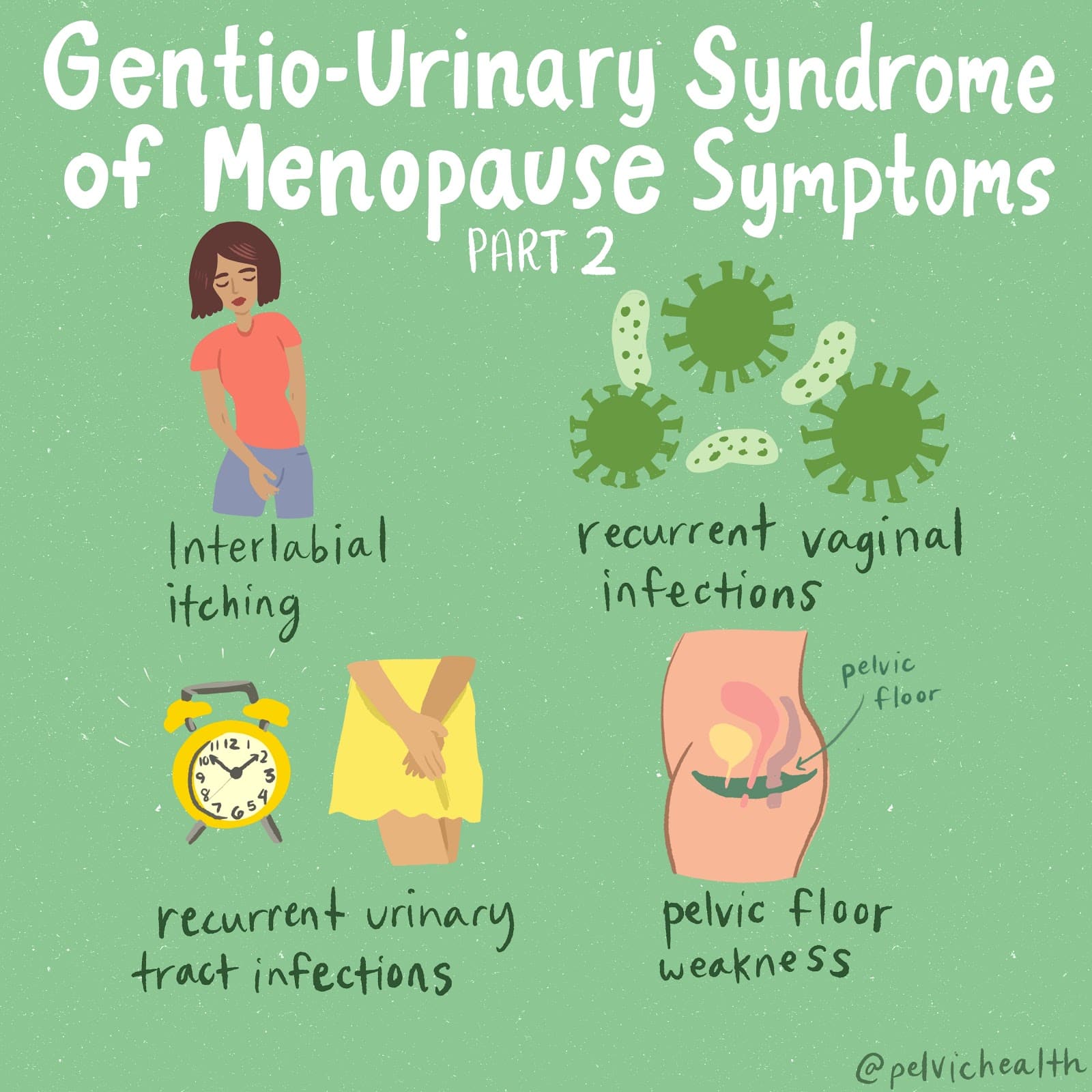
Hormone deficiency can lead to itching in the labial and vaginal areas. Additionally, other dermatological conditions, such as Lichen Sclerosus and cutaneous yeast infections, should also be considered.
During menopause, individuals are particularly susceptible to frequent vaginal and urinary tract infections due to:
- pH and tissue changes
- incomplete bladder emptying
- pelvic organ prolapse compromising urinary function
Recurrent infections are a major contributor to pelvic floor dysfunction. It’s crucial to address these infections promptly, as ongoing visceral-somatic input from untreated infections can lead to increased pain and further dysfunction even after the infection has been resolved. Without appropriate hormone therapy, infections may persist, leading to severe consequences. Untreated infections can cause unprovoked pain, make sexual activity difficult or impossible, and undiagnosed urinary tract infections (UTIs) may progress to kidney issues and other serious complications.
We recommend consulting with a menopause specialist to effectively monitor, prevent, and treat Genitourinary Syndrome of Menopause (GSM) since these issues are both significant and manageable. It’s important to normalize discussions about GSM; there’s no need for embarrassment. With appropriate care, individuals can lead fulfilling lives. Combining virtual pelvic floor physical and occupational therapy with medical management is essential for optimal results.
Treatment:
How We Can Help You
If you’re experiencing sexual dysfunction, it’s beneficial to consult a pelvic floor physical and occupational therapists online. They can assess whether any issues with your pelvic floor are contributing to your symptoms. During your initial virtual evaluation, the therapist will review your medical history, including previous diagnoses, treatments, and their effectiveness. They understand that many patients feel frustrated by the time they seek help.
The therapist will examine your nerves, muscles, joints, tissues, and movement patterns. After the assessment, they will discuss the findings with you and set both short-term and long-term therapy goals. Typically, physical and occupational therapy sessions occur once or twice a week over a period of approximately 12 weeks. Your therapist will also coordinate with other specialists on your treatment team and provide you with a personalized home exercise program. Our goal is to support your recovery and help you achieve the best possible quality of life.
Get virtual pelvic floor therapy for menopause. Book your online consultation today!

Treatment:
How We Can Help You
If you are having issues with your sexual function, it is in your best interest to get evaluated by a therapist for pelvic floor therapy, so they can establish what part, if any, of your pelvic floor may be contributing to the symptoms you are experiencing. During the course of the examination, the physical and occupational therapists will talk to you about your medical history and symptoms, including what you have been previously diagnosed with, the treatments or therapies you have had, and how effective or ineffective these therapies have been for you. It is significant to mention that we fully comprehend what you’ve been dealing with and that the majority of individuals are angry by the time they make it to see us. The physical and occupational therapists will conduct an evaluation of the patient’s nerves, muscles, joints, tissues, and movement patterns while doing the physical examination. After the examination is finished, your therapist will go over the results of the assessment with you. The physical and occupational therapists will conduct an evaluation to determine the cause of your symptoms and will establish both short-term and long-term therapy goals based on the results of the evaluation. Physical therapy treatments are typically administered between once and twice each week for a period of around 12 weeks. Your physical and occupational therapists will assist you in coordinating your recovery with all the other experts on your treatment team. They will provide you with an exercise regimen to complete at home and the sessions you attend in person. We are here to assist you in getting better and living the best life possible.
Get virtual pelvic floor therapy for menopause. Book your online consultation today!


By Stephanie Prendergast, MPT, Cofounder, PHRC Los Angeles
The sole purpose of the clitoris is to be a source of pleasure. For anyone who has experienced provoked or unprovoked clitoral pain their experience can be the opposite and very alarming. There are a number of reasons why people may have clitoral pain and there are also solutions. However like most conditions we treat and write about, clitoral pain is mismanaged and poorly understood by the medical community.
In 2022, one of our favorite sex med experts and beloved urologist Dr. Rachel Rubin published the first-ever scientific paper on clitoral adhesions. It is no surprise providers do not know how to examine or treat clitoral pain if they are not taught and they cannot be taught without scientific studies. Better late than never and while we have a long way to go this is a groundbreaking change for people with vulvas!
In 2023 Dr. Rachel Rubin teamed up with the York Times to talk about why the medical community is failing vulva owners in their powerful article Half the World has a Clitoris. Why Don’t Doctors Study It?
This blog post will help you learn what your doctors and physical and occupational therapistss and friends and family may not know yet. There is always a reason and solutions for clitoral pain.
What is Clitoral Pain?
Clitoral pain is medically known as clitorodynia, which simply means pain at the clitoris. The clitoris is part of the vulva and therefore the clitorodynia is considered a form of vulvodynia by some. The terms ‘vulvodynia’ and ‘clitorodynia’ only describe the anatomic location of the pain, they do not tell us why the pain exists. Today we will give you common causes.
Clitoral pain may be provoked, unprovoked, sharp, diffuse, and/or triggered before, during, or after arousal and/or orgasm. Being able to describe the different scenarios and symptoms that people experience helps us as providers clue in to underlying causes! We want to encourage people not to feel embarrassed, it is just anatomy after all.
This list of causes is not exhaustive, but are the most common causes of clitoral pain:
Hormonal Insufficiency
The vulva is a hormonally sensitive structure that depends on estrogen and testosterone to function normally. Hormonal insufficiencies can lead to changes in the vulvar tissues, including the clitoris. Hormonal insufficiency can cause atrophy, characterized by thinning, drying, and inflammation of the vulvar tissues leading to pain. Insufficiencies lead to decreased lubrication, lower pain thresholds, reduced blood flow and compromise tissue. All of these things cause hypersensitivity to touch, a condition known as allodynia.
Fact: Most people do not realize premenopausal, ovulating women can develop hormonal insufficiencies and women need testosterone too. Medications, lifestyle, and genetics can contribute to hormonal deficiencies in premenopausal women.
Infection
Infections, such as a yeast or bacterial infection , can cause tissue irritation and subsequent clitoral pain. Yeast infections are characterized by itching, burning, and a thick, white discharge. Antifungal medications are typically effective in treating yeast infections. Other infections like bacterial vaginosis or sexually transmitted infections may also cause similar symptoms and require appropriate treatment. Discharge from vaginal infections can get stuck under the clitoral hood and can cause pain after the vaginal infection is cleared. Local treatment in this area can help.
Pudendal Neuralgia
Pudendal neuralgia is a condition that occurs when the pudendal nerve (responsible for sensation in the genital area) is irritated. Specifically, irritation of the dorsal branch (also known as the clitoral branch) can result in burning, shooting, stabbing, or lancinating pain in the clitoris. Treatments for pudendal neuralgia often involve medications, nerve blocks, physical and occupational therapy, and in some cases, surgery.
Fact: Most providers think of pudendal neuralgia before considering infections, hormonal issues, or adhesions. The differential diagnosis is key for proper treatment and all factors need to be considered.
Pelvic Floor Muscle Hypertonus
Pelvic floor muscle hypertonus refers to a condition where the pelvic floor muscles are constantly contracted, leading to muscle tension and pain. This condition can cause referred pain to the clitoris and can also irritate the pudendal nerve which can cause clitoral pain. Pelvic floor physical and occupational therapy that includes relaxation exercises and stretches can often help manage this condition.
Dermatological Conditions
Dermatological conditions such as vulvar lichen sclerosus can cause clitoral pain. Lichen sclerosus is an inflammatory condition that can cause plaques and itching in the vulva. Additionally, smegma, discharge, or inflammation can get trapped under the clitoral hood, adhere to both the hood and the clitoris, forming what’s known as a ‘Keratin Pearl.’ These pearls can cause significant discomfort and require medical attention for treatment, which may include topical treatments, pelvic floor physical and occupational therapy, or surgical medical intervention.
Seeking Help is Crucial
Experiencing clitoral pain can be distressing, but remember, there’s no shame in seeking help. Health professionals are there to assist you. Discuss your symptoms with your healthcare provider; they can help identify the cause and recommend appropriate treatments. It’s essential to take care of your sexual health and wellbeing, and part of that involves addressing any discomfort or pain you may be experiencing.
The physical and occupational therapistss at PHRC include a thorough vulvar examination, including examination of the clitoris in our physical and occupational therapy evaluations. If you are suffering with these symptoms we are available in person and via digital health to help!
Your pain is valid, and you deserve to live a pain-free life. Don’t hesitate to seek help—you’re not alone in this journey.
Resources:
Clitoral Pain: Causes and Treatment
Clitoral Woes? Say It Ain’t So
Medical accounts to follow for more Information:
______________________________________________________________________________________________________________________________________
Are you unable to come see us in person in the Bay Area, Southern California or New England? We offer virtual physical and occupational therapy appointments too!
Virtual sessions are available with PHRC pelvic floor physical and occupational therapistss via our video platform, Zoom, or via phone. For more information and to schedule, please visit our digital healthcare page.
Do you enjoy or blog and want more content from PHRC? Please head over to social media!
FAQ
What are pelvic floor muscles?
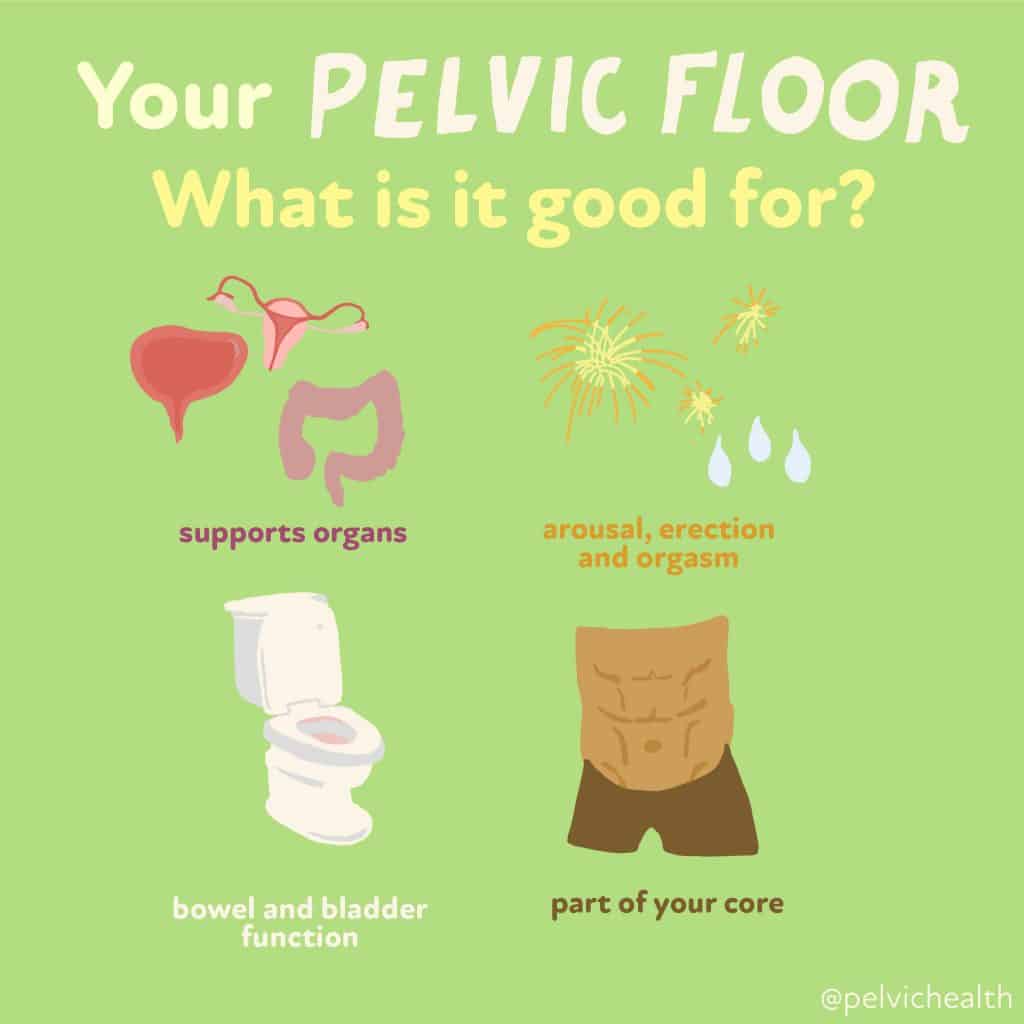
The pelvic floor muscles are a group of muscles that run from the coccyx to the pubic bone. They are part of the core, helping to support our entire body as well as providing support for the bowel, bladder and uterus. These muscles help us maintain bowel and bladder control and are involved in sexual pleasure and orgasm. The technical name of the pelvic floor muscles is the Levator Ani muscle group. The pudendal nerve, the levator ani nerve, and branches from the S2 – S4 nerve roots innervate the pelvic floor muscles. They are under voluntary and autonomic control, which is a unique feature only they possess compared to other muscle groups.
What is pelvic floor physical and occupational therapy?
Pelvic floor physical and occupational therapy is a specialized area of physical and occupational therapy. Currently, physical and occupational therapistss need advanced post-graduate education to be able to help people with pelvic floor dysfunction because pelvic floor disorders are not yet being taught in standard physical and occupational therapy curricula. The Pelvic Health and Rehabilitation Center provides extensive training for our staff because we recognize the limitations of physical and occupational therapy education in this unique area.
What happens at pelvic floor therapy?
During an evaluation for pelvic floor dysfunction the physical and occupational therapists will take a detailed history. Following the history the physical and occupational therapists will leave the room to allow the patient to change and drape themselves. The physical and occupational therapists will return to the room and using gloved hands will perform an external and internal manual assessment of the pelvic floor and girdle muscles. The physical and occupational therapists will once again leave the room and allow the patient to dress. Following the manual examination there may also be an examination of strength, motor control, and overall biomechanics and neuromuscular control. The physical and occupational therapists will then communicate the findings to the patient and together with their patient they establish an assessment, short term and long term goals and a treatment plan. Typically people with pelvic floor dysfunction are seen one time per week for one hour for varying amounts of time based on the severity and chronicity of the disease. A home exercise program will be established and the physical and occupational therapists will help coordinate other providers on the treatment team. Typically patients are seen for 3 months to a year.
What is pudendal neuralgia and how is it treated?
Pudendal Neuralgia is a clinical diagnosis that means pain in the sensory distribution of the pudendal nerve. The pudendal nerve is a mixed nerve that exits the S2 – S4 sacral nerve roots, we have a right and left pudendal nerve and each side has three main trunks: the dorsal branch, the perineal branch, and the inferior rectal branch. The branches supply sensation to the clitoris/penis, labia/scrotum, perineum, anus, the distal ⅓ of the urethra and rectum, and the vulva and vestibule. The nerve branches also control the pelvic floor muscles. The pudendal nerve follows a tortuous path through the pelvic floor and girdle, leaving it vulnerable to compression and tension injuries at various points along its path.
Pudendal Neuralgia occurs when the nerve is unable to slide, glide and move normally and as a result, people experience pain in some or all of the above-mentioned areas. Pelvic floor physical and occupational therapy plays a crucial role in identifying the mechanical impairments that are affecting the nerve. The physical and occupational therapy treatment plan is designed to restore normal neural function. Patients with pudendal neuralgia require pelvic floor physical and occupational therapy and may also benefit from medical management that includes pharmaceuticals and procedures such as pudendal nerve blocks or botox injections.
What is interstitial cystitis and how is it treated?
Interstitial Cystitis is a clinical diagnosis characterized by irritative bladder symptoms such as urinary urgency, frequency, and hesitancy in the absence of infection. Research has shown the majority of patients who meet the clinical definition have pelvic floor dysfunction and myalgia. Therefore, the American Urologic Association recommends pelvic floor physical and occupational therapy as first-line treatment for Interstitial Cystitis. Patients will benefit from pelvic floor physical and occupational therapy and may also benefit from pharmacologic management or medical procedures such as bladder instillations.
Who is the Pelvic Health and Rehabilitation Team?
The Pelvic Health and Rehabilitation Center was founded by Elizabeth Akincilar and Stephanie Prendergast in 2006, they have been treating people with pelvic floor disorders since 2001. They were trained and mentored by a medical doctor and quickly became experts in treating pelvic floor disorders. They began creating courses and sharing their knowledge around the world. They expanded to 11 locations in the United States and developed a residency style training program for their employees with ongoing weekly mentoring. The physical and occupational therapistss who work at PHRC have undergone more training than the majority of pelvic floor physical and occupational therapistss and as a result offer efficient and high quality care.
How many years of experience do we have?
Stephanie and Liz have 24 years of experience and help each and every team member become an expert in the field through their training and mentoring program.
Why PHRC versus anyone else?
PHRC is unique because of the specific focus on pelvic floor disorders and the leadership at our company. We are constantly lecturing, teaching, and staying ahead of the curve with our connections to medical experts and emerging experts. As a result, we are able to efficiently and effectively help our patients restore their pelvic health.
Do we treat men for pelvic floor therapy?
The Pelvic Health and Rehabilitation Center is unique in that the Cofounders have always treated people of all genders and therefore have trained the team members and staff the same way. Many pelvic floor physical and occupational therapistss focus solely on people with vulvas, this is not the case here.
Do I need pelvic floor therapy forever?
The majority of people with pelvic floor dysfunction will undergo pelvic floor physical and occupational therapy for a set amount of time based on their goals. Every 6 -8 weeks goals will be re-established based on the physical improvements and remaining physical impairments. Most patients will achieve their goals in 3 – 6 months. If there are complicating medical or untreated comorbidities some patients will be in therapy longer.
The Unsung Heroes: Everyday Activities Supported by Pelvic Floor Muscles
By PHRC Admin
While often overlooked, the pelvic floor muscles are unsung heroes that play a vital role in supporting everyday activities. These muscles, located at the base of the pelvis, provide structural support to our internal organs and facilitate essential functions. In this blog post, we will explore the significance of the pelvic floor muscles and shed light on the wide range of everyday activities they assist with.
Bladder and Bowel Control:
One of the primary functions of the pelvic floor muscles is to assist in bladder and bowel control. These muscles help regulate the release of urine and feces by closing off the urethra and rectum. A strong and coordinated pelvic floor allows us to maintain continence, preventing embarrassing and inconvenient leakage.
Core Stability and Posture:
The pelvic floor muscles are integral components of the core muscle group, working in harmony with the abdominal and back muscles to provide stability and support for the spine and pelvis. Optimal core stability contributes to good posture, proper alignment of the spine, and reduces the risk of back pain and injuries.
Pregnancy and Childbirth:
During pregnancy, the pelvic floor muscles support the growing uterus, providing stability and preventing discomfort. These muscles also play a crucial role in preparing for childbirth, aiding in the pushing stage and facilitating the passage of the baby through the birth canal. After childbirth, exercising and strengthening the pelvic floor muscles can help with postpartum recovery and restore their tone and function.
Breathing and Diaphragmatic Support:
The diaphragm, a dome-shaped muscle located just above the pelvic floor, works in sync with these muscles to optimize breathing. The pelvic floor muscles act as a foundation for the diaphragm, ensuring its proper function during inhalation and exhalation. This coordination aids in effective breath control and deep diaphragmatic breathing, which promotes relaxation and overall well-being.
Sexual Function and Pleasure:
Beyond their functional roles, the pelvic floor muscles are also involved in sexual function and pleasure. In both men and women, these muscles contribute to sexual arousal and play a vital role in achieving and maintaining erections (in men) and lubrication (in women). Strengthening the pelvic floor muscles can enhance sexual satisfaction for individuals of all genders.
Exercises for Pelvic Floor Health:
Maintaining the health and strength of the pelvic floor muscles is essential. Here are a few exercises that can help achieve optimal pelvic floor function:
- Kegel Exercises: These exercises involve contracting and releasing the pelvic floor muscles. We recommend checking in with your pelvic floor physical and occupational therapists before beginning any regimen of kegels.
- Squats: Squats engage the entire lower body, including the pelvic floor muscles. When performing squats, focus on engaging and activating the pelvic floor muscles as you lower into the squat position and return to a standing position.
- Bridge Pose: Lie on your back with knees bent and feet flat on the floor. Lift your hips off the ground, engaging the glutes and pelvic floor muscles. Hold for a few seconds before lowering back down. Repeat several times.
- Yoga and Pilates: Certain yoga and Pilates poses, such as the Child’s Pose, Cat-Cow, and the Hundred, can assist in strengthening the pelvic floor muscles while improving overall core stability.
The pelvic floor muscles are incredible multitaskers, contributing to numerous everyday activities that we often take for granted. From aiding in bladder and bowel control to supporting core stability, pregnancy, childbirth, breathing, and sexual function, these muscles play a crucial role in our overall well-being. By understanding their importance and incorporating exercises to strengthen them, we can ensure optimal pelvic floor health and enhance our quality of life.
Sources:
- Mayo Clinic: Kegel exercises: A how-to guide for women
- Harvard Health Publishing: Understanding and improving your pelvic floor muscles
- Pelvic Floor First: Exercises
- Healthline: 5 Pilates Exercises to Strengthen Your Pelvic Floor
______________________________________________________________________________________________________________________________________
Are you unable to come see us in person in the Bay Area, Southern California or New England? We offer virtual physical and occupational therapy appointments too!
Virtual sessions are available with PHRC pelvic floor physical and occupational therapistss via our video platform, Zoom, or via phone. For more information and to schedule, please visit our digital healthcare page.
Do you enjoy or blog and want more content from PHRC? Please head over to social media!
FAQ
What are pelvic floor muscles?
The pelvic floor muscles are a group of muscles that run from the coccyx to the pubic bone. They are part of the core, helping to support our entire body as well as providing support for the bowel, bladder and uterus. These muscles help us maintain bowel and bladder control and are involved in sexual pleasure and orgasm. The technical name of the pelvic floor muscles is the Levator Ani muscle group. The pudendal nerve, the levator ani nerve, and branches from the S2 – S4 nerve roots innervate the pelvic floor muscles. They are under voluntary and autonomic control, which is a unique feature only they possess compared to other muscle groups.
What is pelvic floor physical and occupational therapy?
Pelvic floor physical and occupational therapy is a specialized area of physical and occupational therapy. Currently, physical and occupational therapistss need advanced post-graduate education to be able to help people with pelvic floor dysfunction because pelvic floor disorders are not yet being taught in standard physical and occupational therapy curricula. The Pelvic Health and Rehabilitation Center provides extensive training for our staff because we recognize the limitations of physical and occupational therapy education in this unique area.
What happens at pelvic floor therapy?
During an evaluation for pelvic floor dysfunction the physical and occupational therapists will take a detailed history. Following the history the physical and occupational therapists will leave the room to allow the patient to change and drape themselves. The physical and occupational therapists will return to the room and using gloved hands will perform an external and internal manual assessment of the pelvic floor and girdle muscles. The physical and occupational therapists will once again leave the room and allow the patient to dress. Following the manual examination there may also be an examination of strength, motor control, and overall biomechanics and neuromuscular control. The physical and occupational therapists will then communicate the findings to the patient and together with their patient they establish an assessment, short term and long term goals and a treatment plan. Typically people with pelvic floor dysfunction are seen one time per week for one hour for varying amounts of time based on the severity and chronicity of the disease. A home exercise program will be established and the physical and occupational therapists will help coordinate other providers on the treatment team. Typically patients are seen for 3 months to a year.
What is pudendal neuralgia and how is it treated?
Pudendal Neuralgia is a clinical diagnosis that means pain in the sensory distribution of the pudendal nerve. The pudendal nerve is a mixed nerve that exits the S2 – S4 sacral nerve roots, we have a right and left pudendal nerve and each side has three main trunks: the dorsal branch, the perineal branch, and the inferior rectal branch. The branches supply sensation to the clitoris/penis, labia/scrotum, perineum, anus, the distal ⅓ of the urethra and rectum, and the vulva and vestibule. The nerve branches also control the pelvic floor muscles. The pudendal nerve follows a tortuous path through the pelvic floor and girdle, leaving it vulnerable to compression and tension injuries at various points along its path.
Pudendal Neuralgia occurs when the nerve is unable to slide, glide and move normally and as a result, people experience pain in some or all of the above-mentioned areas. Pelvic floor physical and occupational therapy plays a crucial role in identifying the mechanical impairments that are affecting the nerve. The physical and occupational therapy treatment plan is designed to restore normal neural function. Patients with pudendal neuralgia require pelvic floor physical and occupational therapy and may also benefit from medical management that includes pharmaceuticals and procedures such as pudendal nerve blocks or botox injections.
What is interstitial cystitis and how is it treated?
Interstitial Cystitis is a clinical diagnosis characterized by irritative bladder symptoms such as urinary urgency, frequency, and hesitancy in the absence of infection. Research has shown the majority of patients who meet the clinical definition have pelvic floor dysfunction and myalgia. Therefore, the American Urologic Association recommends pelvic floor physical and occupational therapy as first-line treatment for Interstitial Cystitis. Patients will benefit from pelvic floor physical and occupational therapy and may also benefit from pharmacologic management or medical procedures such as bladder instillations.
Who is the Pelvic Health and Rehabilitation Team?
The Pelvic Health and Rehabilitation Center was founded by Elizabeth Akincilar and Stephanie Prendergast in 2006, they have been treating people with pelvic floor disorders since 2001. They were trained and mentored by a medical doctor and quickly became experts in treating pelvic floor disorders. They began creating courses and sharing their knowledge around the world. They expanded to 11 locations in the United States and developed a residency style training program for their employees with ongoing weekly mentoring. The physical and occupational therapistss who work at PHRC have undergone more training than the majority of pelvic floor physical and occupational therapistss and as a result offer efficient and high quality care.
How many years of experience do we have?
Stephanie and Liz have 24 years of experience and help each and every team member become an expert in the field through their training and mentoring program.
Why PHRC versus anyone else?
PHRC is unique because of the specific focus on pelvic floor disorders and the leadership at our company. We are constantly lecturing, teaching, and staying ahead of the curve with our connections to medical experts and emerging experts. As a result, we are able to efficiently and effectively help our patients restore their pelvic health.
Do we treat men for pelvic floor therapy?
The Pelvic Health and Rehabilitation Center is unique in that the Cofounders have always treated people of all genders and therefore have trained the team members and staff the same way. Many pelvic floor physical and occupational therapistss focus solely on people with vulvas, this is not the case here.
Do I need pelvic floor therapy forever?
The majority of people with pelvic floor dysfunction will undergo pelvic floor physical and occupational therapy for a set amount of time based on their goals. Every 6 -8 weeks goals will be re-established based on the physical improvements and remaining physical impairments. Most patients will achieve their goals in 3 – 6 months. If there are complicating medical or untreated comorbidities some patients will be in therapy longer.
By PHRC Admin
Welcome 2024, goodbye 2023! It’s been another year full of changes for Pelvic Health and Rehabilitation Center. With the start of the new year, we would like to acknowledge all of the changes that have occurred both virtually and in person.
Last year…..
- PHRC Walnut Creek moved into a bigger, better space!
- PHRC Ohio opened in September 2023, bringing the number of PHRC locations to 11!
-
- We welcomed many new faces to the PHRC team!
- Cambria Oetken, PT, DPT – Westlake Village
- Jillian Farren, PT, DPT – Los Angeles, CA
- Danae Narvaza PT, DPT – Encinitas, CA
- Tiffany Vo, PT, DPT– San Francisco, CA
- Daniela Vinski – Pasadena, CA Administrative Assistant
- Jacob Berg– Lexington, MA Administrative Assistant
- Amanda Baker– Merrimack, NH Administrative Assistant
- Wendy Rosas – Encinitas, CA Administrative Assistant
- Aurora Pancoast – Walnut Creek, CA Administrative Assistant
- We welcomed many new faces to the PHRC team!
Social Media Expansion and Engagement
- With our ever increasing audience, we wanted to share some wins through social media! Our Youtube channel surpassed the 11k subscribers mark, our Instagram page flew over 46k followers, and recently our Tik Tok hit 9k followers, Twitter soared over 7k followers, LinkedIn almost hit 1.5k followers and our Facebook almost doubled in followers from 8k to 14k followers! We thank you for your support and for helping us spread the word about pelvic floor physical and occupational therapy and pelvic health!
We were featured as guests on quite a few podcasts!
- iCareBetter: Endometriosis Unplugged– Jandra Mueller began a partnership with iCareBetter starting their podcast where they dive deep into the world of endometriosis, sharing personal stories, expert insights, and practical advice for better care.
- Our confounder, Stephanie Prendergast, was interviewed by The Vagina Coach, Kim Vopni on her podcast – Between Two Lips. She was also interviewed by Samantha Cohen, cofounder of Femme Farmacy, in an episode titled, Pelvic floor Physical and Occupational Therapy and A PT’s Central Role in Navigating Pelvic Pain.
We were featured as guests on quite a few blogs!
- Our cofounder, Elizabeth Akincilar, was featured in Insider Magazine:
- Stephanie was also featured in a LA Times article; ‘Just do kegels’ is tired. What’s next for this hot women’s health market?
- As The Pelvis Turns featured a guest blog from the Tight Lipped Community; Tight Lipped: You’re Not Alone; Patient-Led Communities
PHRC continues its partnerships in helping The Jackson Clinics Foundation in fundraising efforts to create a two year degree specializing in Pelvic Health! You can read more about it on our blog!

We celebrated our 17 year anniversary! Yes, you read that right! Check out our timeline below:


- We were a part of numerous education seminars!
-
- PHRC’s Jandra Mueller started the year off by co-hosting with Britt Gosse-Jesus, DPT, a 2-day live-online course hosted by Pelvic Health Solutions which is open to ALL healthcare providers who are interested in how to provide better care for those who suffer from endometriosis;
- PHRC’s Jandra Mueller taught an Endometriosis course hosted by Pelvic Health Solutions in November and December of 2022.
- Jandra and Stephanie were two panelists at the ISSWSH Fall Course October 2023
-
- We started a new Instagram Live series with other specialists!
- Mondays with Molly
- First guest: Erin Pritchard, MA, LPCC-S, Founder of Sea Glass Ohio discussing the topic of The relationship between Purity Culture and Pelvic Health.
- Mondays with Molly
The Year of the Dragon!
We are continuing to build and expand our virtual services;
You can read more and book via our website for these services.
As we close out another year, we want to take a moment to reflect on the progress we’ve made in raising awareness about pelvic health. We’ve delved into critical topics, shared inspiring stories, and provided resources that have hopefully empowered many of our readers. Through it all, our goal has remained constant: to break down the barriers of silence and stigma around pelvic health.
Looking forward to 2024, we’re excited to continue this important conversation, bring you more enlightening content, and further our commitment to promoting pelvic health for all. Thank you for joining us on this journey – here’s to a healthier, stronger new year!
______________________________________________________________________________________________________________________________________
Are you unable to come see us in person in the Bay Area, Southern California or New England? We offer virtual physical and occupational therapy appointments too!
Virtual sessions are available with PHRC pelvic floor physical and occupational therapistss via our video platform, Zoom, or via phone. For more information and to schedule, please visit our digital healthcare page.
Do you enjoy or blog and want more content from PHRC? Please head over to social media!
FAQ
What are pelvic floor muscles?
The pelvic floor muscles are a group of muscles that run from the coccyx to the pubic bone. They are part of the core, helping to support our entire body as well as providing support for the bowel, bladder and uterus. These muscles help us maintain bowel and bladder control and are involved in sexual pleasure and orgasm. The technical name of the pelvic floor muscles is the Levator Ani muscle group. The pudendal nerve, the levator ani nerve, and branches from the S2 – S4 nerve roots innervate the pelvic floor muscles. They are under voluntary and autonomic control, which is a unique feature only they possess compared to other muscle groups.
What is pelvic floor physical and occupational therapy?
Pelvic floor physical and occupational therapy is a specialized area of physical and occupational therapy. Currently, physical and occupational therapistss need advanced post-graduate education to be able to help people with pelvic floor dysfunction because pelvic floor disorders are not yet being taught in standard physical and occupational therapy curricula. The Pelvic Health and Rehabilitation Center provides extensive training for our staff because we recognize the limitations of physical and occupational therapy education in this unique area.
What happens at pelvic floor therapy?
During an evaluation for pelvic floor dysfunction the physical and occupational therapists will take a detailed history. Following the history the physical and occupational therapists will leave the room to allow the patient to change and drape themselves. The physical and occupational therapists will return to the room and using gloved hands will perform an external and internal manual assessment of the pelvic floor and girdle muscles. The physical and occupational therapists will once again leave the room and allow the patient to dress. Following the manual examination there may also be an examination of strength, motor control, and overall biomechanics and neuromuscular control. The physical and occupational therapists will then communicate the findings to the patient and together with their patient they establish an assessment, short term and long term goals and a treatment plan. Typically people with pelvic floor dysfunction are seen one time per week for one hour for varying amounts of time based on the severity and chronicity of the disease. A home exercise program will be established and the physical and occupational therapists will help coordinate other providers on the treatment team. Typically patients are seen for 3 months to a year.
What is pudendal neuralgia and how is it treated?
Pudendal Neuralgia is a clinical diagnosis that means pain in the sensory distribution of the pudendal nerve. The pudendal nerve is a mixed nerve that exits the S2 – S4 sacral nerve roots, we have a right and left pudendal nerve and each side has three main trunks: the dorsal branch, the perineal branch, and the inferior rectal branch. The branches supply sensation to the clitoris/penis, labia/scrotum, perineum, anus, the distal ⅓ of the urethra and rectum, and the vulva and vestibule. The nerve branches also control the pelvic floor muscles. The pudendal nerve follows a tortuous path through the pelvic floor and girdle, leaving it vulnerable to compression and tension injuries at various points along its path.
Pudendal Neuralgia occurs when the nerve is unable to slide, glide and move normally and as a result, people experience pain in some or all of the above-mentioned areas. Pelvic floor physical and occupational therapy plays a crucial role in identifying the mechanical impairments that are affecting the nerve. The physical and occupational therapy treatment plan is designed to restore normal neural function. Patients with pudendal neuralgia require pelvic floor physical and occupational therapy and may also benefit from medical management that includes pharmaceuticals and procedures such as pudendal nerve blocks or botox injections.
What is interstitial cystitis and how is it treated?
Interstitial Cystitis is a clinical diagnosis characterized by irritative bladder symptoms such as urinary urgency, frequency, and hesitancy in the absence of infection. Research has shown the majority of patients who meet the clinical definition have pelvic floor dysfunction and myalgia. Therefore, the American Urologic Association recommends pelvic floor physical and occupational therapy as first-line treatment for Interstitial Cystitis. Patients will benefit from pelvic floor physical and occupational therapy and may also benefit from pharmacologic management or medical procedures such as bladder instillations.
Who is the Pelvic Health and Rehabilitation Team?
The Pelvic Health and Rehabilitation Center was founded by Elizabeth Akincilar and Stephanie Prendergast in 2006, they have been treating people with pelvic floor disorders since 2001. They were trained and mentored by a medical doctor and quickly became experts in treating pelvic floor disorders. They began creating courses and sharing their knowledge around the world. They expanded to 11 locations in the United States and developed a residency style training program for their employees with ongoing weekly mentoring. The physical and occupational therapistss who work at PHRC have undergone more training than the majority of pelvic floor physical and occupational therapistss and as a result offer efficient and high quality care.
How many years of experience do we have?
Stephanie and Liz have 24 years of experience and help each and every team member become an expert in the field through their training and mentoring program.
Why PHRC versus anyone else?
PHRC is unique because of the specific focus on pelvic floor disorders and the leadership at our company. We are constantly lecturing, teaching, and staying ahead of the curve with our connections to medical experts and emerging experts. As a result, we are able to efficiently and effectively help our patients restore their pelvic health.
Do we treat men for pelvic floor therapy?
The Pelvic Health and Rehabilitation Center is unique in that the Cofounders have always treated people of all genders and therefore have trained the team members and staff the same way. Many pelvic floor physical and occupational therapistss focus solely on people with vulvas, this is not the case here.
Do I need pelvic floor therapy forever?
The majority of people with pelvic floor dysfunction will undergo pelvic floor physical and occupational therapy for a set amount of time based on their goals. Every 6 -8 weeks goals will be re-established based on the physical improvements and remaining physical impairments. Most patients will achieve their goals in 3 – 6 months. If there are complicating medical or untreated comorbidities some patients will be in therapy longer.