

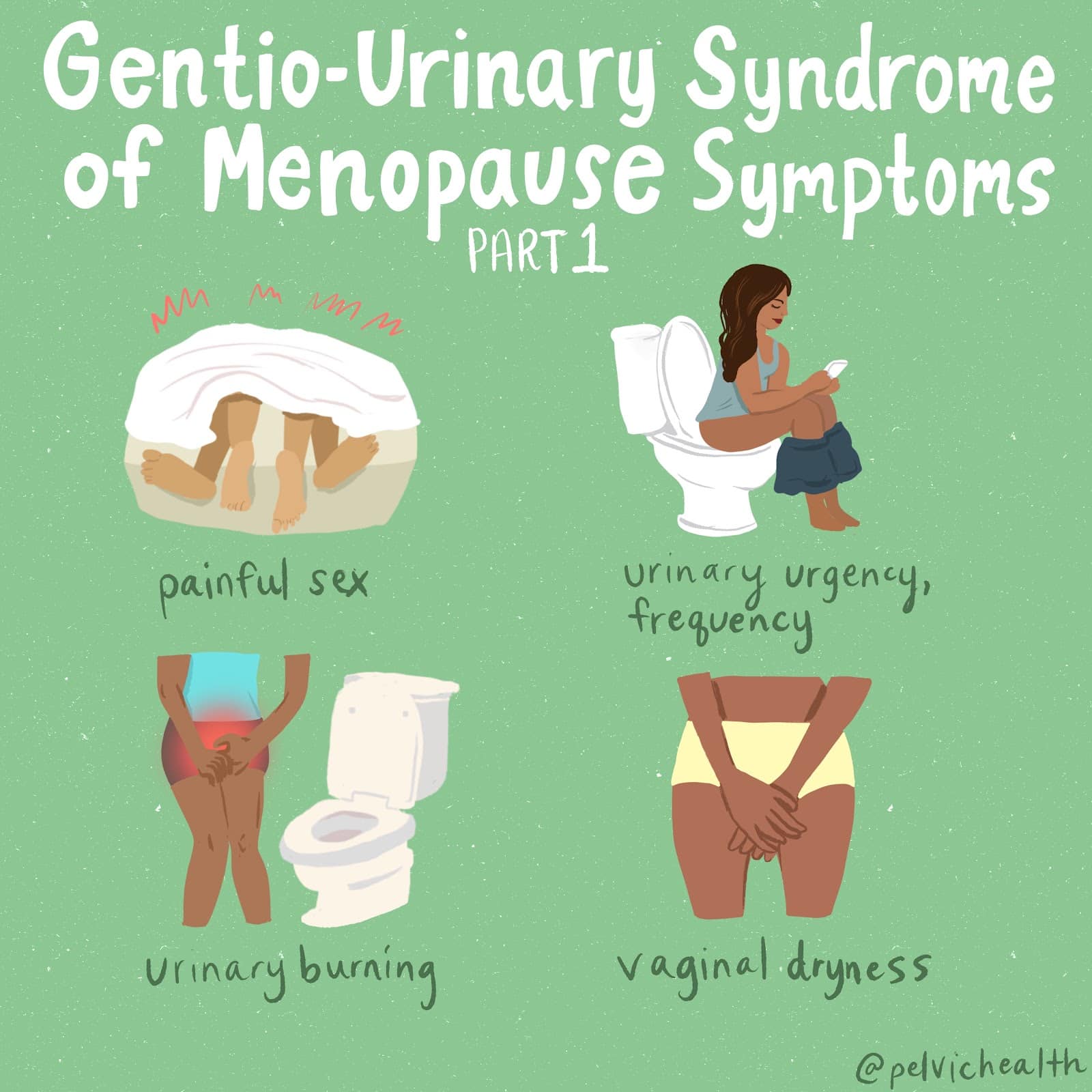
Menopause is more than just hot flushes, night sweats and mood changes! Even though 50% of the population goes through menopause the majority of people and healthcare providers are under-informed about menopause and safe and effective treatments. Too many people are suffering unnecessarily. Perimenopause, the precursor to menopause begins in the 40’s for most people and most women will be in menopause by their early 50’s. Beyond the systemic symptoms of menopause people will start to experience more subtle genitourinary symptoms that will continue to worsen over time if untreated. Painful sex, urinary urgency, frequency, leaking and burning, recurrent vaginal and urinary tract infections and vaginal dryness are symptoms of the Genitourinary Syndrome of Menopause (GSM). The symptoms of GSM are also symptoms of pelvic floor dysfunction, which almost 50% of women suffer by the time they are in their 50s.
Systemic menopause symptoms are often treated with systemic hormonal therapy. This may not be sufficient for people developing GSM symptoms. The North American Menopause Society recommends vaginal estrogen for women in menopause to help counter GSM symptoms.
Menopause is more than just hot flushes, night sweats and mood changes! Even though 50% of the population goes through menopause the majority of people and healthcare providers are under-informed about menopause and safe and effective treatments. Too many people are suffering unnecessarily. Perimenopause, the precursor to menopause begins in the 40’s for most people and most women will be in menopause by their early 50’s. Beyond the systemic symptoms of menopause people will start to experience more subtle genitourinary symptoms that will continue to worsen over time if untreated. Painful sex, urinary urgency, frequency, leaking and burning, recurrent vaginal and urinary tract infections and vaginal dryness are symptoms of the Genitourinary Syndrome of Menopause (GSM). The symptoms of GSM are also symptoms of pelvic floor dysfunction, which almost 50% of women suffer by the time they are in their 50s.
Systemic menopause symptoms are often treated with systemic hormonal therapy. This may not be sufficient for people developing GSM symptoms. The North American Menopause Society recommends vaginal estrogen for women in menopause to help counter GSM symptoms.
Differential Diagnosis:
GSM or Pelvic Floor Dysfunction
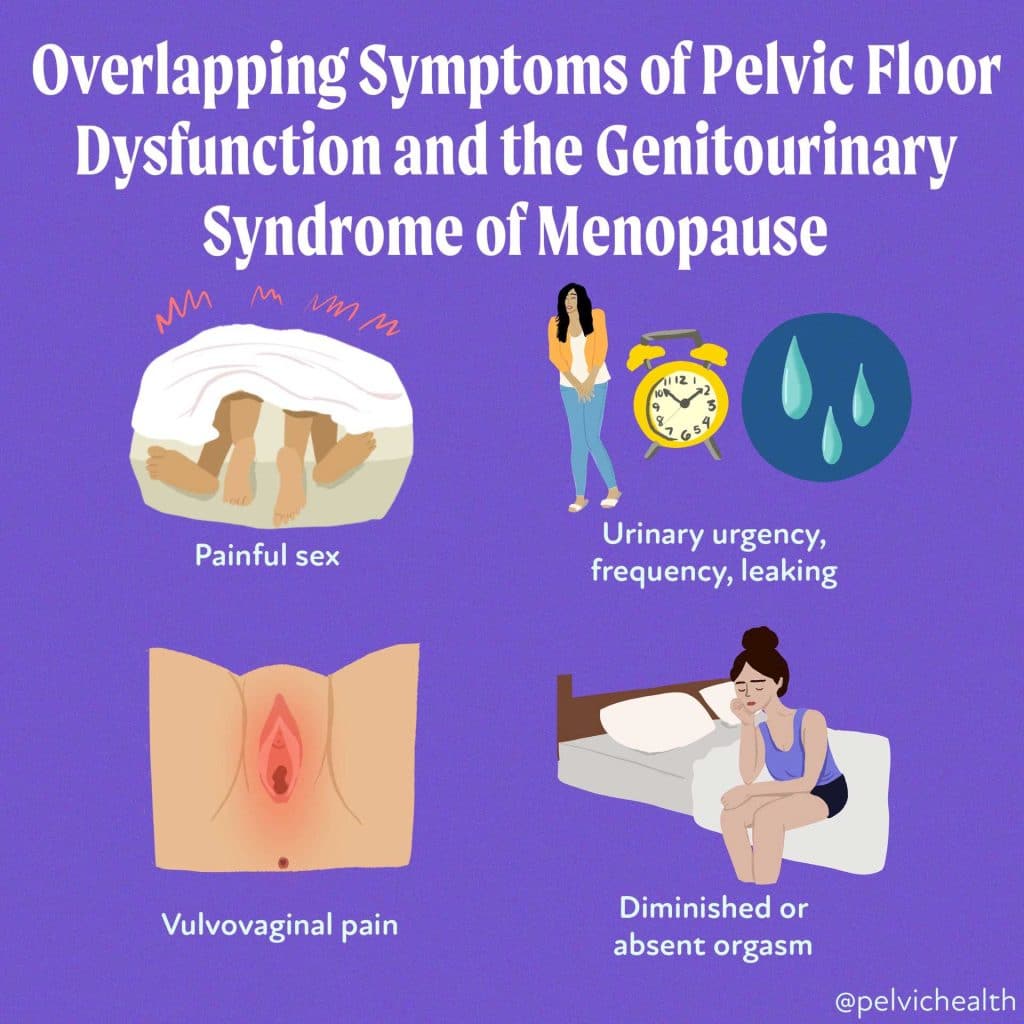
Symptoms of pelvic floor dysfunction and GSM include:
- Urinary urgency, frequency, burning, nocturia
- Feelings of bladder or pelvic pressure
- Painful sex
- Diminished or absent orgasm
- Difficulty evacuating stool
- Vulvovaginal pain and burning
- Pain with sitting
An informed healthcare provider – whether a pelvic floor physical and occupational therapists or medical doctor – can do a vulvovaginal visual examination, a q-tip test to establish pain areas, and a digital manual examination to identify pelvic floor dysfunction, hormonal deficiencies, and pelvic organ prolapse. All women will experience GSM if enough time passes without appropriate medical management. The majority of people do not realize that menopausal women can benefit from a pelvic floor physical and occupational therapy examination to address the musculoskeletal factors that are also making them uncomfortable. The combination of pelvic floor physical and occupational therapy and medical management is key to help restore pleasurable sex and eliminate urinary and bowel concerns!
FACTS
From: https://www.letstalkmenopause.org/further-reading
- 6000 women enter menopause everyday
- 50 million women are currently menopausal in the US
- 84% of women struggle with genital, sexual and urinary discomfort that will not resolve on its own, and less than 25% seek help
- 80% of OBGYN residents admit to being ill-prepared to discuss menopause
- GSM is clinically detected in 90% of postmenopausal women, only ⅓ report symptoms when surveyed.
- Barriers to treatment: women often have to initiate the conversation, believe that the symptoms are just part of aging, women fail to link their symptoms with menopause.
- Only 13% of providers asked their patients about menopause symptoms.
- Even after diagnosis, the majority of women with GSM go untreated despite studies demonstrating a negative impact on quality of life. Hesitation to prescribe treatment by providers as well as patient-perceived concerns over safety profiles limit the use of topical vaginal therapies.
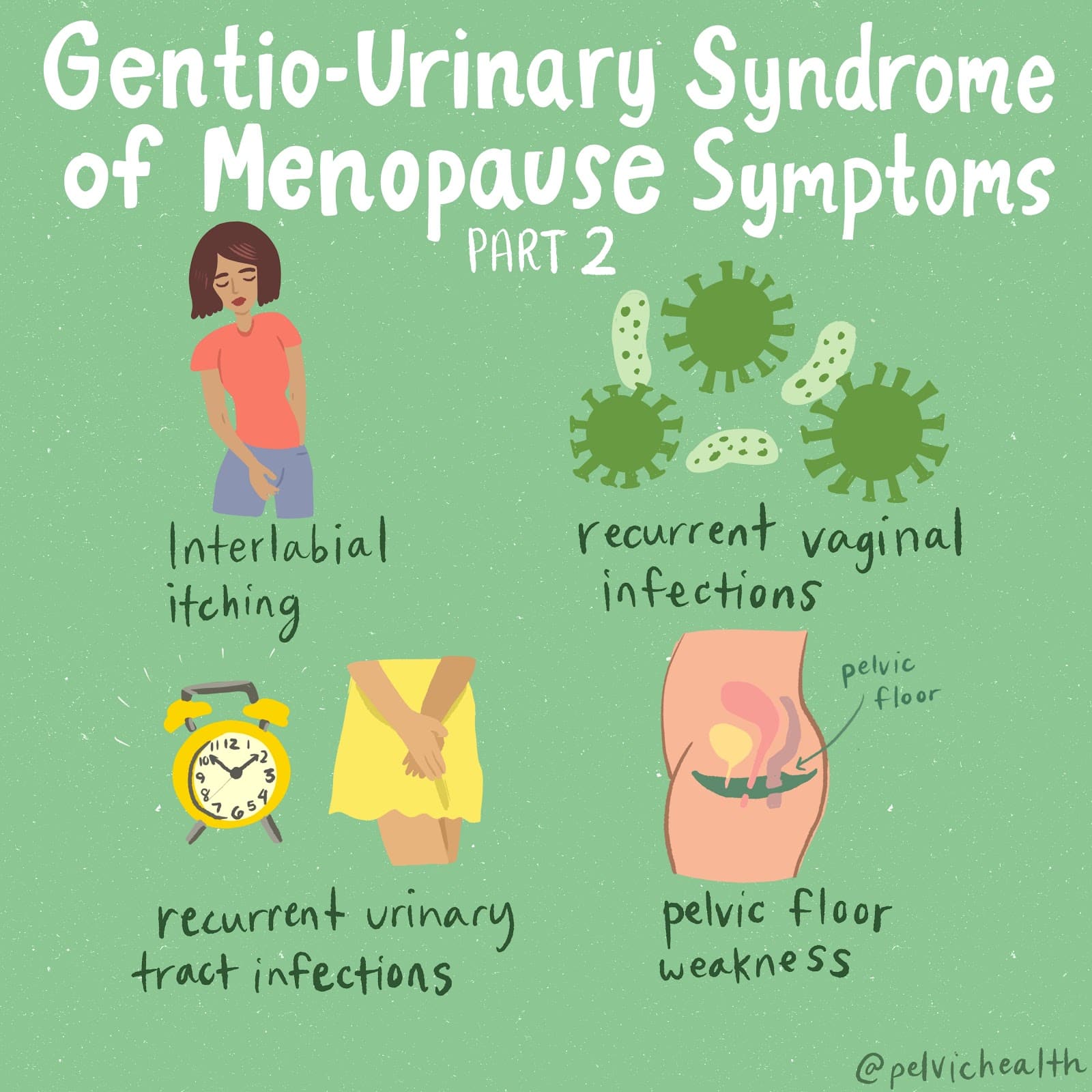
Hormone insufficiency can result in interlabial and vaginal itching. Other dermatologic issues such as Lichen Sclerosus and cutaneous yeast infections are just two of the many factors to also be considered.
Unfortunately people are vulnerable to recurrent vaginal and urinary tract infections in menopause due to:
- pH and tissue changes
- incomplete bladder emptying
- pelvic organ prolapse compromising urinary function
Recurrent infections are a leading cause of pelvic floor dysfunction! They must be stopped or the noxious visceral-somatic input can cause further pain and dysfunction after the infection is cleared. Furthermore, if the infections are left untreated without hormone therapy infections continue to occur and the consequences can be severe. Women can develop unprovoked pain, sex may be impossible, and undetected UTIs can lead to kidney problems and more sinister issues.
We encourage people to work with a menopause expert to monitor, prevent, and treat these issues as they are serious and treatable! We need to normalize the conversation about what happens during GSM, it is nothing to be embarrassed about and with the right care vulva owners can live their best lives! Pelvic floor physical and occupational therapy and medical management go hand in hand.
Treatment:
How We Can Help You
If you are having issues with your sexual function, it is in your best interest to get evaluated by a therapist for pelvic floor therapy, so they can establish what part, if any, of your pelvic floor may be contributing to the symptoms you are experiencing. During the course of the examination, the physical and occupational therapists will talk to you about your medical history and symptoms, including what you have been previously diagnosed with, the treatments or therapies you have had, and how effective or ineffective these therapies have been for you. It is significant to mention that we fully comprehend what you’ve been dealing with and that the majority of individuals are angry by the time they make it to see us. The physical and occupational therapists will conduct an evaluation of the patient’s nerves, muscles, joints, tissues, and movement patterns while doing the physical examination. After the examination is finished, your therapist will go over the results of the assessment with you. The physical and occupational therapists will conduct an evaluation to determine the cause of your symptoms and will establish both short-term and long-term therapy goals based on the results of the evaluation. Physical therapy treatments are typically administered between once and twice each week for a period of around 12 weeks. Your physical and occupational therapists will assist you in coordinating your recovery with all the other experts on your treatment team. They will provide you with an exercise regimen to complete at home and the sessions you attend in person. We are here to assist you in getting better and living the best life possible.
For more information about IC/PBS please check out our IC/PBS Resource List.

Treatment:
How We Can Help You
If you are having issues with your sexual function, it is in your best interest to get evaluated by a therapist for pelvic floor therapy, so they can establish what part, if any, of your pelvic floor may be contributing to the symptoms you are experiencing. During the course of the examination, the physical and occupational therapists will talk to you about your medical history and symptoms, including what you have been previously diagnosed with, the treatments or therapies you have had, and how effective or ineffective these therapies have been for you. It is significant to mention that we fully comprehend what you’ve been dealing with and that the majority of individuals are angry by the time they make it to see us. The physical and occupational therapists will conduct an evaluation of the patient’s nerves, muscles, joints, tissues, and movement patterns while doing the physical examination. After the examination is finished, your therapist will go over the results of the assessment with you. The physical and occupational therapists will conduct an evaluation to determine the cause of your symptoms and will establish both short-term and long-term therapy goals based on the results of the evaluation. Physical therapy treatments are typically administered between once and twice each week for a period of around 12 weeks. Your physical and occupational therapists will assist you in coordinating your recovery with all the other experts on your treatment team. They will provide you with an exercise regimen to complete at home and the sessions you attend in person. We are here to assist you in getting better and living the best life possible.
For more information about IC/PBS please check out our IC/PBS Resource List.


It’s National Bladder Health Week and we want to dedicate this blog post to our favorite (and only) urine collecting organ! The bladder is a vessel that sits on the pelvic floor and its primary function is to collect and hold our urine. It is made out of a hollow muscle called the detrusor which stretches to allow urine to collect and contracts when it is time to urinate. Just like any other muscle in the body, it can become injured or dysfunctional when things go awry. So, in honor of National Bladder Health week, I want to highlight some of the most common bladder ailments that we encounter on a regular basis, as well as discuss how pelvic floor physical and occupational therapy can help.
Incontinence. An all too common issue that many of us deal with on a daily basis. Research has shown that anywhere from 8.5%-38% of the population experience urinary incontinence1 . However, incontinence tends to be more common among the female population; women experience urinary incontinence 75% more than men2 .
Stress urinary incontinence is the most common type of incontinence. It is characterized by urine leaks that occur with an increase in intra-abdominal pressure, such as a sneeze, laugh, cough, or vigorous activity like running or jumping. If the pelvic floor muscles are not able to contract strongly enough to resist this increase in pressure, then the result may be a leak.
How we can help:
It is important to make sure that the pelvic floor and pelvic girdle muscles have the proper strength, endurance, and control to ensure optimal muscle function. A pelvic floor physical and occupational therapists can work with you to prescribe a tailored program of strengthening exercises (beyond the ubiquitous kegel) and neuromuscular re-education of both the pelvic floor/girdle and core musculature to train these muscles how to contract appropriately and eliminate incontinence. Biofeedback is one of the many tools that a physical and occupational therapists may choose to employ to enhance a treatment program.
*As we have discussed in previous blog posts, not every person with incontinence needs to be doing pelvic floor up training/strengthening. So, check with a qualified physical and occupational therapists to determine the appropriate treatment plan for you. This post is a great example of someone who is experiencing stress incontinence, but would not be appropriate for a strengthening program.
**Pregnancy is a factor that creates many changes in a woman’s body, including increased intra abdominal pressure, increasing weight of the fetus, and hormonal changes. All of these changes put stress on the pelvic floor and increase the risk for incontinence. Over half of pregnant women have reported varying degrees of stress urinary incontinence. If you are experiencing any bladder symptoms, check with your OBGYN and a physical and occupational therapists to determine the best course of action.
Urge urinary incontinence occurs when we feel a strong urge to urinate and are unable to delay the urge long enough to get to a toilet in time. Such a strong urge to urinate can be created by tight tissues near the bladder or other various triggers. One example of a common trigger is when we get our key in the door, it has even been named it ‘key in the door syndrome’!
How we can help:
There is often both a behavioral and musculoskeletal issue happening for people dealing with this symptom. Tight pelvic floor muscles can irritate the urinary tract which can cause urinary urge that is disproportionate to the amount of urine that is actually in the bladder. Working with a PT to normalize the pelvic floor tone and make behavior modifications can be a huge factor in overcoming this issue.
Prolapse. The bladder is supported in the bony pelvis by connective tissue and the pelvic floor muscles. When one or both of these structures are unable to support the bladder, it becomes hypermobile, allowing itself to fall backwards, into the vaginal wall. When this happens, the angle where the urethra meets the bladder changes, and it becomes more difficult for the pelvic muscles to compress the urethra to stop the flow of urine. When this occurs, a person may be asymptomatic or may experience symptoms ranging from a heaviness in the pelvis to urinary incontinence.
How we can help:
A physical and occupational therapists can give instruction on a pelvic floor/pelvic girdle muscle strengthening/neuromuscular re-education program to increase support for the bladder, as well as how to use these muscles appropriately to avoid excess pressure on the pelvic floor and reduce symptoms. A person may also need to use a pessary or have surgery to correct for the degree of pelvic organ prolapse. Check out this blog post for more information.
Urgency/Frequency. Urgency is the sudden need to urinate that (as mentioned above) may cause urine to leak on the way to the bathroom. Frequency occurs when we are feeling the urge to urinate more than what is considered the norm. Normal is about 6-8 times per day or once every 2 to 5 hours. We want to strive for not waking up in the middle of the night to urinate; however, during pregnancy or menopause, one time in the middle of the night is considered “normal”. (Similar to urge urinary incontinence, urgency and frequency are often a combination of both pelvic floor muscle overactivity and behavioral factors).
How can we help:
The urge drill is one technique to retrain the bladder to reduce urgency, frequency, and urge urinary incontinence. When you feel a sudden, urgent need to go to the bathroom, do not run to the toilet. Rushing will activate your fight or flight system and increase the urge. To help control the urge, first stop and be still, as this quiets your nervous system. Then try doing 5 quick pelvic floor contractions or pelvic floor drops (relaxations). This sends a signal to your bladder to stop trying to get the urine out. When the urge is under control, slowly and purposefully walk to the bathroom to empty your bladder. Timed voiding schedules may also be necessary for those experiencing urgency and frequency.
Pain. Bladder pain (aka painful bladder syndrome (PBS) or interstitial cystitis (IC)) is a condition that can be caused by various mechanisms that presents with a range of symptoms. Different treatment plans will be successful for different people, however a very common finding in people with bladder pain is a tightening of the muscles and connective tissue in the surrounding area. Painful organs can cause painful muscles and tissues in the surrounding areas which then restrict blood flow and oxygen to that area. This further irritates the tissues and nerves causing further bladder discomfort (a perpetual cycle). Stay tuned for an upcoming post dedicated to PBS/IC.
How we can help:
A skilled pelvic floor physical and occupational therapists can help to decrease the tone of the involved muscles and tissues allowing improved mobility, blood and oxygen flow, and aid in the healing process. Here is a link for more information on PBS/IC support.
**This blog is intended to give a brief overview of some of the physical and occupational therapy treatment options for musculoskeletal factors contributing to bladder dysfunction. If any of these issues are affecting you, there is hope! Let’s seize the moment of National Bladder Health Week to get on the path of recovery! Contact your physician or physical and occupational therapists today to determine the right treatment plan for you!
Finally, check out this blog post for ideas on how to locate a pelvic floor specialist in your area!
References:
1Ashton-Miller JA, Howard D, and DeLancey JOL. The functional anatomy of the female pelvic floor stress continence control system. Scand J Urol Nephrol Suppl 2001;207:1-7.
2Pages IH, Jahr S, Schaufele MK, et al. Comparative analysis of biofeedback and physical and occupational therapy for treatment of urinary stress incontinence in women. Am J Phys Med Rehabil 2001;80:494-502.
3Price N, Dawood R, and Jackson SR. Pelvic floor exercise for urinary incontinence: A systematic literature review. Maturitas 2010;67:309-315.
FAQ
What are pelvic floor muscles?
The pelvic floor muscles are a group of muscles that run from the coccyx to the pubic bone. They are part of the core, helping to support our entire body as well as providing support for the bowel, bladder and uterus. These muscles help us maintain bowel and bladder control and are involved in sexual pleasure and orgasm. The technical name of the pelvic floor muscles is the Levator Ani muscle group. The pudendal nerve, the levator ani nerve, and branches from the S2 – S4 nerve roots innervate the pelvic floor muscles. They are under voluntary and autonomic control, which is a unique feature only they possess compared to other muscle groups.
What is pelvic floor physical and occupational therapy?
Pelvic floor physical and occupational therapy is a specialized area of physical and occupational therapy. Currently, physical and occupational therapistss need advanced post-graduate education to be able to help people with pelvic floor dysfunction because pelvic floor disorders are not yet being taught in standard physical and occupational therapy curricula. The Pelvic Health and Rehabilitation Center provides extensive training for our staff because we recognize the limitations of physical and occupational therapy education in this unique area.
What happens at pelvic floor therapy?
During an evaluation for pelvic floor dysfunction the physical and occupational therapists will take a detailed history. Following the history the physical and occupational therapists will leave the room to allow the patient to change and drape themselves. The physical and occupational therapists will return to the room and using gloved hands will perform an external and internal manual assessment of the pelvic floor and girdle muscles. The physical and occupational therapists will once again leave the room and allow the patient to dress. Following the manual examination there may also be an examination of strength, motor control, and overall biomechanics and neuromuscular control. The physical and occupational therapists will then communicate the findings to the patient and together with their patient they establish an assessment, short term and long term goals and a treatment plan. Typically people with pelvic floor dysfunction are seen one time per week for one hour for varying amounts of time based on the severity and chronicity of the disease. A home exercise program will be established and the physical and occupational therapists will help coordinate other providers on the treatment team. Typically patients are seen for 3 months to a year.
What is pudendal neuralgia and how is it treated?
Pudendal Neuralgia is a clinical diagnosis that means pain in the sensory distribution of the pudendal nerve. The pudendal nerve is a mixed nerve that exits the S2 – S4 sacral nerve roots, we have a right and left pudendal nerve and each side has three main trunks: the dorsal branch, the perineal branch, and the inferior rectal branch. The branches supply sensation to the clitoris/penis, labia/scrotum, perineum, anus, the distal ⅓ of the urethra and rectum, and the vulva and vestibule. The nerve branches also control the pelvic floor muscles. The pudendal nerve follows a tortuous path through the pelvic floor and girdle, leaving it vulnerable to compression and tension injuries at various points along its path.
Pudendal Neuralgia occurs when the nerve is unable to slide, glide and move normally and as a result, people experience pain in some or all of the above-mentioned areas. Pelvic floor physical and occupational therapy plays a crucial role in identifying the mechanical impairments that are affecting the nerve. The physical and occupational therapy treatment plan is designed to restore normal neural function. Patients with pudendal neuralgia require pelvic floor physical and occupational therapy and may also benefit from medical management that includes pharmaceuticals and procedures such as pudendal nerve blocks or botox injections.
What is interstitial cystitis and how is it treated?
Interstitial Cystitis is a clinical diagnosis characterized by irritative bladder symptoms such as urinary urgency, frequency, and hesitancy in the absence of infection. Research has shown the majority of patients who meet the clinical definition have pelvic floor dysfunction and myalgia. Therefore, the American Urologic Association recommends pelvic floor physical and occupational therapy as first-line treatment for Interstitial Cystitis. Patients will benefit from pelvic floor physical and occupational therapy and may also benefit from pharmacologic management or medical procedures such as bladder instillations.
Who is the Pelvic Health and Rehabilitation Team?
The Pelvic Health and Rehabilitation Center was founded by Elizabeth Akincilar and Stephanie Prendergast in 2006, they have been treating people with pelvic floor disorders since 2001. They were trained and mentored by a medical doctor and quickly became experts in treating pelvic floor disorders. They began creating courses and sharing their knowledge around the world. They expanded to 11 locations in the United States and developed a residency style training program for their employees with ongoing weekly mentoring. The physical and occupational therapistss who work at PHRC have undergone more training than the majority of pelvic floor physical and occupational therapistss and as a result offer efficient and high quality care.
How many years of experience do we have?
Stephanie and Liz have 24 years of experience and help each and every team member become an expert in the field through their training and mentoring program.
Why PHRC versus anyone else?
PHRC is unique because of the specific focus on pelvic floor disorders and the leadership at our company. We are constantly lecturing, teaching, and staying ahead of the curve with our connections to medical experts and emerging experts. As a result, we are able to efficiently and effectively help our patients restore their pelvic health.
Do we treat men for pelvic floor therapy?
The Pelvic Health and Rehabilitation Center is unique in that the Cofounders have always treated people of all genders and therefore have trained the team members and staff the same way. Many pelvic floor physical and occupational therapistss focus solely on people with vulvas, this is not the case here.
Do I need pelvic floor therapy forever?
The majority of people with pelvic floor dysfunction will undergo pelvic floor physical and occupational therapy for a set amount of time based on their goals. Every 6 -8 weeks goals will be re-established based on the physical improvements and remaining physical impairments. Most patients will achieve their goals in 3 – 6 months. If there are complicating medical or untreated comorbidities some patients will be in therapy longer.

As you may have noticed, IPPS is a pretty big deal around here. Every year, our PHRC physical and occupational therapistss attend the International Pelvic Pain Society’s annual scientific conference. Additionally, Stephanie Prendergast has been on the IPPS Board of Directors since 2003, and was the first physical and occupational therapists to serve as president in 2013. Since our staff commits so much of their time to continued education, and as the field of pelvic pain advances, we wanted to recap what our clinicians took away from this year’s IPPS conference.
First, some background information…
The meeting is broken down into four sections. The first day is a “Basics” course, intended for the general medical professional who is interested in pelvic pain, but not regularly treating it. The topics span how the general gynecologist, urologist, psychologist, primary care physician, and pain management specialist can identify pelvic pain syndromes and direct the patient towards a solution.
Following the basics course, the next two days consist of the “Scientific” session, where the latest management strategies are presented for medical professionals who regularly manage people with pelvic pain and want to learn about the latest medical advances. It is during this time that our clinicians are able to attend lectures ranging from various topics and areas of expertise.
On the final day, IPPS hosts a post-conference course. The topic this year was a panel, their topic titled “Talking about sexual health and function with your patients: a healthcare professional’s guide”. The expert speaker panel consisted of Hollis Herman, DPT, OCS, WCS BCB-PMD, CSC, IF, PRPC Alexandra Milspaw, PhD, LPC, and Tracy Sher, MPT, CSCS. The speakers did an excellent job helping providers increase their competency discussing sexual challenges with their patients.
Alright, now on to our clinician’s summaries:
Liz Akinicilar- Rummer, MSPT, PHRC Waltham:

Liz gave a lecture at the basic’s course titled “Evaluation and treatment of musculoskeletal causes of pelvic pain”. Click here to view her presentation.
Shayna Reid, PHRC Los Angeles:
The basics day at IPPS provided a comprehensive review of the many factors, physiological, psychological and musculoskeletal, that are components of pelvic pain. I enjoyed the flow of the sessions and found that they built nicely upon each other. Starting the day with a reminder of how pain messages are transmitted in the body, then bringing in the psychology behind pain and next seeing specific diagnoses and musculoskeletal treatment provided a good foundation for understanding and treating pelvic pain. What I learned at the basics day at IPPS will translate into patient education on the science behind pain.
Stephanie Prendergast, MPT PHRC Los Angeles:

Stephanie lectured with Drs. Conway and Jordan on Interdisciplinary Management Pudendal Neuralgia. Click here to view her presentation.
From Malinda Wright, DPT, PHRC Los Gatos:
Alexandra Milspaw, PhD, M.Ed., LPC gave a wonderful lecture Saturday morning titled Training the Brain to Heal Painful Habits. Alexandra started her presentation off with an imagery to demonstrate the power of the brain. She had us close our eyes and imagine ourselves driving. How does the body feel as an aggressive car speeds by? Now, imagine in the speeding car is a father rushing his child off to the hospital due to a severe asthma attack. How does the body respond to that knowledge? Alexandra stated, “Not only can we change our brains just by thinking differently, but when are truly focused and single-minded, the brain does not know the difference between the internal world of the mind and what we experience in the external environment. Our thoughts can become our experience.”
Cognitive behavioral therapy (CBT) and mindfulness therapy are treatments aimed at retraining the brain. Alexandra defines CBT as, “Changing the thoughts we entertain throughout the day via behavioural interventions.” It is altering our thought patterns and beliefs. Mindfulness is, “The skill of training the brain to be aware of our experience in the present moment.”It is being aware of the cognitive response within the moment. Both therapies are helpful in treating pelvic pain, however Alexandra states there is a greater effect and a decreased rate of relapse when the two therapies are used together.
In her presentation, Alexandra stated chronic stress, pain, and trauma can actually change the brain’s physiology. It can decrease the size of the hippocampus, contribute towards a hypervigilant amygdala, and create a thinning of the cerebral cortex. These changes can create memory loss, exacerbate the flight-or-fight mode, and create slower processing. Neurotherapy interventions, such as CBT and mindfulness based therapy, can help resolve these changes by creating new neural pathways. This is done through habit modification. Alexandra defines a habit as, “An unusual way of behaving; something that a person does in a regular and repeated way. Habits are behavioral, emotional, or cognitive.” Some habits are helpful and some are painful. Examples of painful habits given by Alexandra are: negative self-talk, i.e. “I have a bad back.” “I can’t handle this.”; future based language, i.e. “My body will heal when…”; and guarded movements or lack of movement that is fear-based. Changing a painful habit includes being mindful to the cue/trigger for that habit. Triggers of a habit may include environment, social reinforcement, smells, sounds, and lights. Once the trigger has been identified, an intervention is needed. Alexandra stated, “It takes a habit to alter a habit.” Having the willpower to change a habit is not enough. She reported we need to have a reward system. Rewards influence our emotions and outcomes via neurotransmitters and neuropeptides. Neurotransmitters influence our emotions and neuropeptides influence our hormones, for example endorphins. Endorphins help to inhibit the transmission of pain signals and they help us to feel good. Alexandra stated the emotional state we are in can shift our outcome. The Prefrontal Cortex in the brain is also involved in the formation of new habits. Creating vision boards, reviewing one’s successes, and creating a daily to-do list are examples given by Alexandra to help access the Prefrontal Cortex and create a new habit. She reported it takes approximately 21 days to grow neural nets to change a habit. Practicing mindful awareness leads to cognitive and behavioral interventions, which leads to developing new habits.
I now have a better understanding of the importance of CBT and Mindfulness therapy, especially with treating pelvic pain. Her lecture has inspired me to research more into this field and to refer appropriate patients when necessary.
From Allison Romero, DPT, PHRC Berkeley:
Summary of Function Nutrition for Chronic Pelvic Pain: Evidence- Based Treatments for Success by Jessica Drummond, MPT, CCN, CHC Founder, The Integrative Pelvic Health Institute
I was lucky enough to get to hear Jessica Drummond the Founder and CEO of the Integrative Women’s Health Institute Fall 2015 talk about functional nutrition. She brought up some great tips for managing some issues that could be contributing to persistent pelvic pain.
-She laid out evidence to support increasing dietary omega-3 fatty acids, reducing sugar, and including supplements such as lycopene and zinc.
-If the gut is a problem including fermented foods, such as sauerkraut can actually be beneficial. I also wanted to include that there is some research suggesting that eating pistachios (who doesn’t love pistachios?) can improve good bacteria in the gut. Some probiotic strains may be helpful-however this is something that should be discussed with a dietician/physician before starting.
This was a great topic to bring light to at IPPS this year and already I have been able to make some suggestions to patients that have helped to improve their symptoms!
From Melinda Fontaine, DPT, PHRC Berkeley:
Richard E. Harris, PhD of The University of Michigan spoke on The Impact of Acupressure on Cancer Symptom Cluster: Molecular Mechanisms of Management. Patients with cancer and patients with chronic pelvic pain have a similar cluster of symptoms which include fatigue, disturbed sleep, depression, anxiety, altered cognition, and pain. Of these symptoms, fatigue is the most bothersome according to patients. Increased glutamate and creatine in the insula of the brain facilitate higher levels of fatigue by opening calcium channels and participating in the citric acid cycle and ATP production respectively. Glutamate can also enter the system through one’s diet in the form of monosodium glutamate, or MSG. Patients with pelvic pain or endometriosis were found to have higher levels of insular glutamate. Self-administered acupressure decreases insular glutamate and creatine and improve symptoms. Acupressure was well-tolerated, brief (15-20 minutes), low cost, easy to learn, low risk for side effects, and can be performed as frequently as needed. This makes acupressure a feasible and effective treatment option for patients with chronic pelvic pain and fatigue or cancer related fatigue.” My take home message was that patients can learn to do acupressure techniques on themselves to relieve chronic pelvic pain and fatigue.
On Friday and Saturday, expert roundtable lunch discussions covered 20 topics. Stephanie and Irwin Goldstein, MD led a table on Persistent Genitall Arousal Disorder.
On Saturday morning, Casie Danenhauer, DPT led a course teaching medical professionals how to integrate yoga into their clinical practice. 
“My most accomplished moment of IPPS 2015 was getting a room full 40 physicians, PTs, and other allied health professionals to “OM” with me. The best part was that I supported it with research! A couple weekends ago I had the great pleasure of sharing my yoga practice and yoga for pelvic pain class with a group of very special practitioners at the IPPS meeting. I was excited (and a little nervous) to see the room fill with early birds unrolling their yoga mats at 6:15am on a Saturday morning! After sharing a little bit about my background (pelvic floor PT/ orthopedic PT background/ 6 years of yoga teaching experience) I set forth on sharing my intention for the class: First, I wanted to share and teach the physical postures and specific verbal/tactile cues that I have found to be most beneficial for pain management and which facilitate the most relaxation of a hypertonic pelvic floor. See my yoga blog for examples of these poses. Second, I aimed to share breathing techniques (including “OMing”) that have been shown to facilitate parasympathetic activation and calming of the nervous system. Third, I wanted take the class through a guided meditation specifically targeting the pelvic floor.
Based on the excellent feedback after class, I’m happy to say that my intentions were fulfilled and there is now a group of dedicated practitioners who walked back into their clinics on Monday with some new “yoga tools” to share with their patients!
From Rachel, PHRC San Francisco:
Dr. Jane Leserman discussed the impact of abuse/trauma on gastrointestinal(GI)and chronic pelvic pain. Individuals with a history of abuse or trauma are more likely to develop GI dysfunction or pelvic pain. Many individuals develop both a GI condition and pelvic pain as Leserman reported that 35% of people with IBS have pelvic pain and vice versa. Leserman explained that people with a history of abuse were shown via functional MRI to have altered brain activation in areas that are involved in pain sensitivity and pain processing. These patients also demonstrated decreased activation in areas of the brain associated with pain inhibition and down regulation of emotional arousal. This date may explain why patients with a history of trauma are prone to pain syndromes. Although, many patients have pelvic pain or GI dysfunction without a history of sexual abuse or trauma, Dr. Leserman’s lecture brings up the point that pain syndromes involve more than just the area the pain is located and the importance of looking at the brains impact on a patient’s presentation.
All in all, IPPS was very informative. Next year, the conference will be in Chicago, October 13 -16, 2016. Additonally in 2017, IPPS is hosting the Third World Congress on Abdominal and Pelvic Pain in Washington, DC, October 12 -15. We hope to see you there!
Be Well,
Gabriella

Gabriella originally hails from Monterey, California and attended San Francisco State College where she majored in International Relations. With four years of experience, Gabriella ensures the wheels go round at PHRC as the Senior Administrator, and Social Media Strategist. When she doesn’t have her nose in a book, Gabby enjoys writing, community outreach, and a good run with her office dog Neziah.
FAQ
What are pelvic floor muscles?
The pelvic floor muscles are a group of muscles that run from the coccyx to the pubic bone. They are part of the core, helping to support our entire body as well as providing support for the bowel, bladder and uterus. These muscles help us maintain bowel and bladder control and are involved in sexual pleasure and orgasm. The technical name of the pelvic floor muscles is the Levator Ani muscle group. The pudendal nerve, the levator ani nerve, and branches from the S2 – S4 nerve roots innervate the pelvic floor muscles. They are under voluntary and autonomic control, which is a unique feature only they possess compared to other muscle groups.
What is pelvic floor physical and occupational therapy?
Pelvic floor physical and occupational therapy is a specialized area of physical and occupational therapy. Currently, physical and occupational therapistss need advanced post-graduate education to be able to help people with pelvic floor dysfunction because pelvic floor disorders are not yet being taught in standard physical and occupational therapy curricula. The Pelvic Health and Rehabilitation Center provides extensive training for our staff because we recognize the limitations of physical and occupational therapy education in this unique area.
What happens at pelvic floor therapy?
During an evaluation for pelvic floor dysfunction the physical and occupational therapists will take a detailed history. Following the history the physical and occupational therapists will leave the room to allow the patient to change and drape themselves. The physical and occupational therapists will return to the room and using gloved hands will perform an external and internal manual assessment of the pelvic floor and girdle muscles. The physical and occupational therapists will once again leave the room and allow the patient to dress. Following the manual examination there may also be an examination of strength, motor control, and overall biomechanics and neuromuscular control. The physical and occupational therapists will then communicate the findings to the patient and together with their patient they establish an assessment, short term and long term goals and a treatment plan. Typically people with pelvic floor dysfunction are seen one time per week for one hour for varying amounts of time based on the severity and chronicity of the disease. A home exercise program will be established and the physical and occupational therapists will help coordinate other providers on the treatment team. Typically patients are seen for 3 months to a year.
What is pudendal neuralgia and how is it treated?
Pudendal Neuralgia is a clinical diagnosis that means pain in the sensory distribution of the pudendal nerve. The pudendal nerve is a mixed nerve that exits the S2 – S4 sacral nerve roots, we have a right and left pudendal nerve and each side has three main trunks: the dorsal branch, the perineal branch, and the inferior rectal branch. The branches supply sensation to the clitoris/penis, labia/scrotum, perineum, anus, the distal ⅓ of the urethra and rectum, and the vulva and vestibule. The nerve branches also control the pelvic floor muscles. The pudendal nerve follows a tortuous path through the pelvic floor and girdle, leaving it vulnerable to compression and tension injuries at various points along its path.
Pudendal Neuralgia occurs when the nerve is unable to slide, glide and move normally and as a result, people experience pain in some or all of the above-mentioned areas. Pelvic floor physical and occupational therapy plays a crucial role in identifying the mechanical impairments that are affecting the nerve. The physical and occupational therapy treatment plan is designed to restore normal neural function. Patients with pudendal neuralgia require pelvic floor physical and occupational therapy and may also benefit from medical management that includes pharmaceuticals and procedures such as pudendal nerve blocks or botox injections.
What is interstitial cystitis and how is it treated?
Interstitial Cystitis is a clinical diagnosis characterized by irritative bladder symptoms such as urinary urgency, frequency, and hesitancy in the absence of infection. Research has shown the majority of patients who meet the clinical definition have pelvic floor dysfunction and myalgia. Therefore, the American Urologic Association recommends pelvic floor physical and occupational therapy as first-line treatment for Interstitial Cystitis. Patients will benefit from pelvic floor physical and occupational therapy and may also benefit from pharmacologic management or medical procedures such as bladder instillations.
Who is the Pelvic Health and Rehabilitation Team?
The Pelvic Health and Rehabilitation Center was founded by Elizabeth Akincilar and Stephanie Prendergast in 2006, they have been treating people with pelvic floor disorders since 2001. They were trained and mentored by a medical doctor and quickly became experts in treating pelvic floor disorders. They began creating courses and sharing their knowledge around the world. They expanded to 11 locations in the United States and developed a residency style training program for their employees with ongoing weekly mentoring. The physical and occupational therapistss who work at PHRC have undergone more training than the majority of pelvic floor physical and occupational therapistss and as a result offer efficient and high quality care.
How many years of experience do we have?
Stephanie and Liz have 24 years of experience and help each and every team member become an expert in the field through their training and mentoring program.
Why PHRC versus anyone else?
PHRC is unique because of the specific focus on pelvic floor disorders and the leadership at our company. We are constantly lecturing, teaching, and staying ahead of the curve with our connections to medical experts and emerging experts. As a result, we are able to efficiently and effectively help our patients restore their pelvic health.
Do we treat men for pelvic floor therapy?
The Pelvic Health and Rehabilitation Center is unique in that the Cofounders have always treated people of all genders and therefore have trained the team members and staff the same way. Many pelvic floor physical and occupational therapistss focus solely on people with vulvas, this is not the case here.
Do I need pelvic floor therapy forever?
The majority of people with pelvic floor dysfunction will undergo pelvic floor physical and occupational therapy for a set amount of time based on their goals. Every 6 -8 weeks goals will be re-established based on the physical improvements and remaining physical impairments. Most patients will achieve their goals in 3 – 6 months. If there are complicating medical or untreated comorbidities some patients will be in therapy longer.

Dr. Mark Conway, myself, and Dr. Sheldon Jordan at IPPS.
By Stephanie Prendergast
Pudendal Neuralgia seems to be a diagnosis that is more polarized and controversial than other pelvic pain diagnoses.
Why?
Over a series of posts we will look at the evolution of this diagnosis, and why we need the perspective of a pelvic floor physical and occupational therapists, pain management specialist Dr. Sheldon Jordan, and gynecologist/pelvic pain specialist/pudendal surgeon Dr. Mark Conway, to explain how to manage this literal pain in the ass.
This week we hear from Stephanie:
When PN was first described in 1988, it was viewed as a compression entrapment syndrome, similar to carpal tunnel syndrome. The treatment protocol consisted of three corticosteroid nerve blocks, medications, relaxation therapy and then surgical decompression. Pelvic floor physical and occupational therapy was not an option or part of the treatment protocol.
A lot has changed since 1988.
Our colleagues in Nantes, France were one of the first groups to develop a surgical decompression procedure for the pudendal nerve. In a paper published in the European Journal of Urology, they reported that between the years of 1988 and 2004 they evaluated over 700 number of patients with PN and performed surgical decompression on 400. They decided to perform a prospective study comparing surgical decompression to conservative care, published in 2005. (1)
Conservative care consisted of pudendal nerve blocks, medication, and relaxation/biofeedback therapy. The surgical group was given the same treatment options as the conservative group and surgical decompression. Initially 16 people were in each group.
Surgery was considered a ‘success’ if the self-reported measures include a 3-point reduction in a 10-point Visual Analog Scale. 50% group that had surgery showed a positive change in the VAS scores. 50% of the group the had surgery did not report enough a change to be considered a ‘success’. The group that received conservative care did not report a significant enough change to be be considered a “success”
These results left a lot to be desired, prompting the group to take a closer look at how they were diagnosing PNE. During that period of time, electrophysiological testing was being done to try to confirm a PNE diagnosis. They concluded that these tests are neither sensitive nor specific to identify PN by PNE and therefore CANNOT be used to confirm this diagnosis. (2)
This was GREAT news because these tests are so painful, they make a root canal seem pleasurable.
In their next paper, the Nantes team suggested clinical criteria that can be suggestive of PNE (3):
- Pain in the territory of the nerve.
- Pain is predominantly experienced when sitting.
- Pain does not wake the patient at night.
- Pain with no objective sensory impairment.
- Pain relieved by diagnostic PNB

The conclusion was that entrapment is one cause of Pudendal Neuralgia but other causes also exist.
Over the next several years, the volume of papers describing the role of the pelvic floor and girdle muscles in pelvic pain syndromes increased exponentially. It turns out the majority of people with pelvic pain have neuromuscular abnormalities that are contributing to their pain. Along with other diagnoses such as Vulvodynia, Interstitial Cystitis, and Chronic Nonbacterial Prostatitis, Pudendal Neuralgia became classified as a neuromuscular and/or neuropathic pelvic pain syndrome, changing how it is diagnosed and treated.
Everyone with PN has asked the question, why did I get this when someone else doing the same thing did not?
We recognize now that certain people may be anatomically predisposed to developing a neuralgia. Impairments and pain develop when a particular event exceeds what that individual’s body is capable of handling. The particular event may seem as benign as sitting, but if your pudendal nerve is running through the sacrotuberous ligament, sitting on a chair may feel like you are actually sitting on a fire poker. Thus, a particular person’s activities, comorbidities, genetics, etc or a combo of all or some of the above can create a ‘perfect storm’ and wreak havoc.
Of note, 30% of the average population has an “entrapped” nerve in cadaveric studies. This means that 30% of the population could be vulnerable to developing a neuralgia when entering that “perfect storm”. However, clearly 30% of all people do not have neuralgia. The cadaveric studies show that abnormalities can exist without symptoms. Therefore, a differential diagnosis is necessary to determine the right course of treatment for the particular person in question. Additionally, the impairments associated with PN can be divided into two broader categories: a pain impairment (central nervous system) and peripheral dysfunction (nociception).
I should emphasize that pain and peripheral dysfunction are not the same and both need to be addressed for a successful outcome.
The Biopsychosocial Approach to PN
Sandy Hilton, MS PT and Caroline Van Dyken, BHSc,PT, Cred MDT CCMA (Acup) beautifully describe a comprehensive framework to managing pelvic pain syndromes such as pudendal neuralgia: “The framework integrates the current understanding of local tissue dysfunction with the wider context of sensitized protective mechanisms within the spinal cord and brain. Treatments address both the local tissue complaints and the central nervous system sensitivity by teaching patients about the biological processes underpinning their pain, graded imagery, and graded exposure”. (4)
We cannot ignore the mind while we treat the body. Sometimes the body isn’t ready to be treated until the mind is managed. Other times, physical and occupational therapy for the body and psychotherapy for the mind are not effective until the pain is better controlled by therapies directed at the central nervous system. Every now and then, we need surgery.
What I hope is clear, is that there is no standard protocol for treating PN.Every case of PN is different, even if two individuals have the exact same symptoms. The trick is to identify which impairments are the predominant problem in each person, and then develop an effective strategy to treat these impairments.
I repeat my statement from last week’s blog: It is the norm, not the exception, that people getting on the path to healing will fail to respond or not tolerate at least one medication, procedure, physical and occupational therapy session or series. It is not uncommon for symptoms to persist, and or reappear. The good news is that if this is happening to you now, you and your healthcare providers can troubleshoot and overcome treatment challenges in an interdisciplinary treatment model!
This wraps up part one in our series. In the next post, we are will talk about the following common scenarios, NOT RESPONDING, and NOT TOLERATING treatment. Yes, talking about our successes is important. But, talking about our challenges is even more important. If we don’t, we’ll never achieve success.
We know you have questions and comments. On Thursday, November 5, 2015 at 6:00pm PST, Drs. Conway and Jordan and Stephanie will be interviewed on the Pelvic Messenger Radioblog. There will be time for questions and answers during this 75 minutes segment.
You can find the link to the show here: http://www.blogtalkradio.com/pelvicmessenger
Finally, here a couple of video snippets from my IPPS lecture, “Interdisciplina
Pain, Anxiety and Depression IPPS 2015
All my best,
Stephanie Prendergast, MPT

Stephanie A. Prendergast, MPT is the co-founder of the Pelvic Health and Rehabilitation Center, which has locations in San Francisco, Berkeley, Los Gatos, Los Angeles, and Boston. She currently treats patients in the Los Angeles location. Stephanie began serving on the International Pelvic Pain Society’s Board of Directors in 2002, served as their Vice-President and Scientific Program Chair in 2012, and in 2013 was the first physical and occupational therapists to serve as President. As an acknowledged leader in the field, she was invited to become on of the founding Board members of the Society for Pudendal Neuralgia in 2005 and subsequently co-developed and teaches “De-mystifying Pudendal Neuralgia,” a continuing education course attended by doctors, physical and occupational therapistss, and other allied health professionals around the world. She served on the program committee for the World Congress on Abdominal and Pelvic Pain in 2013 and 2015 and is also Co-chair of the program committee for 2017. She is internationally recognized authority in the field of pelvic floor dysfunction, lectures regularly, and has numerous publications in medical textbooks, journals, and magazines. She co-authored the book Pelvic Pain Explained, to be released in January of 2016. You can find her on Twitter @pelvichealth, on Facebook at facebook/pelvicpainphysicaltherapy, and subscribe to PHRC’s weekly blog at pelvicpainrehab.com/blog.
FAQ
What are pelvic floor muscles?
The pelvic floor muscles are a group of muscles that run from the coccyx to the pubic bone. They are part of the core, helping to support our entire body as well as providing support for the bowel, bladder and uterus. These muscles help us maintain bowel and bladder control and are involved in sexual pleasure and orgasm. The technical name of the pelvic floor muscles is the Levator Ani muscle group. The pudendal nerve, the levator ani nerve, and branches from the S2 – S4 nerve roots innervate the pelvic floor muscles. They are under voluntary and autonomic control, which is a unique feature only they possess compared to other muscle groups.
What is pelvic floor physical and occupational therapy?
Pelvic floor physical and occupational therapy is a specialized area of physical and occupational therapy. Currently, physical and occupational therapistss need advanced post-graduate education to be able to help people with pelvic floor dysfunction because pelvic floor disorders are not yet being taught in standard physical and occupational therapy curricula. The Pelvic Health and Rehabilitation Center provides extensive training for our staff because we recognize the limitations of physical and occupational therapy education in this unique area.
What happens at pelvic floor therapy?
During an evaluation for pelvic floor dysfunction the physical and occupational therapists will take a detailed history. Following the history the physical and occupational therapists will leave the room to allow the patient to change and drape themselves. The physical and occupational therapists will return to the room and using gloved hands will perform an external and internal manual assessment of the pelvic floor and girdle muscles. The physical and occupational therapists will once again leave the room and allow the patient to dress. Following the manual examination there may also be an examination of strength, motor control, and overall biomechanics and neuromuscular control. The physical and occupational therapists will then communicate the findings to the patient and together with their patient they establish an assessment, short term and long term goals and a treatment plan. Typically people with pelvic floor dysfunction are seen one time per week for one hour for varying amounts of time based on the severity and chronicity of the disease. A home exercise program will be established and the physical and occupational therapists will help coordinate other providers on the treatment team. Typically patients are seen for 3 months to a year.
What is pudendal neuralgia and how is it treated?
Pudendal Neuralgia is a clinical diagnosis that means pain in the sensory distribution of the pudendal nerve. The pudendal nerve is a mixed nerve that exits the S2 – S4 sacral nerve roots, we have a right and left pudendal nerve and each side has three main trunks: the dorsal branch, the perineal branch, and the inferior rectal branch. The branches supply sensation to the clitoris/penis, labia/scrotum, perineum, anus, the distal ⅓ of the urethra and rectum, and the vulva and vestibule. The nerve branches also control the pelvic floor muscles. The pudendal nerve follows a tortuous path through the pelvic floor and girdle, leaving it vulnerable to compression and tension injuries at various points along its path.
Pudendal Neuralgia occurs when the nerve is unable to slide, glide and move normally and as a result, people experience pain in some or all of the above-mentioned areas. Pelvic floor physical and occupational therapy plays a crucial role in identifying the mechanical impairments that are affecting the nerve. The physical and occupational therapy treatment plan is designed to restore normal neural function. Patients with pudendal neuralgia require pelvic floor physical and occupational therapy and may also benefit from medical management that includes pharmaceuticals and procedures such as pudendal nerve blocks or botox injections.
What is interstitial cystitis and how is it treated?
Interstitial Cystitis is a clinical diagnosis characterized by irritative bladder symptoms such as urinary urgency, frequency, and hesitancy in the absence of infection. Research has shown the majority of patients who meet the clinical definition have pelvic floor dysfunction and myalgia. Therefore, the American Urologic Association recommends pelvic floor physical and occupational therapy as first-line treatment for Interstitial Cystitis. Patients will benefit from pelvic floor physical and occupational therapy and may also benefit from pharmacologic management or medical procedures such as bladder instillations.
Who is the Pelvic Health and Rehabilitation Team?
The Pelvic Health and Rehabilitation Center was founded by Elizabeth Akincilar and Stephanie Prendergast in 2006, they have been treating people with pelvic floor disorders since 2001. They were trained and mentored by a medical doctor and quickly became experts in treating pelvic floor disorders. They began creating courses and sharing their knowledge around the world. They expanded to 11 locations in the United States and developed a residency style training program for their employees with ongoing weekly mentoring. The physical and occupational therapistss who work at PHRC have undergone more training than the majority of pelvic floor physical and occupational therapistss and as a result offer efficient and high quality care.
How many years of experience do we have?
Stephanie and Liz have 24 years of experience and help each and every team member become an expert in the field through their training and mentoring program.
Why PHRC versus anyone else?
PHRC is unique because of the specific focus on pelvic floor disorders and the leadership at our company. We are constantly lecturing, teaching, and staying ahead of the curve with our connections to medical experts and emerging experts. As a result, we are able to efficiently and effectively help our patients restore their pelvic health.
Do we treat men for pelvic floor therapy?
The Pelvic Health and Rehabilitation Center is unique in that the Cofounders have always treated people of all genders and therefore have trained the team members and staff the same way. Many pelvic floor physical and occupational therapistss focus solely on people with vulvas, this is not the case here.
Do I need pelvic floor therapy forever?
The majority of people with pelvic floor dysfunction will undergo pelvic floor physical and occupational therapy for a set amount of time based on their goals. Every 6 -8 weeks goals will be re-established based on the physical improvements and remaining physical impairments. Most patients will achieve their goals in 3 – 6 months. If there are complicating medical or untreated comorbidities some patients will be in therapy longer.