

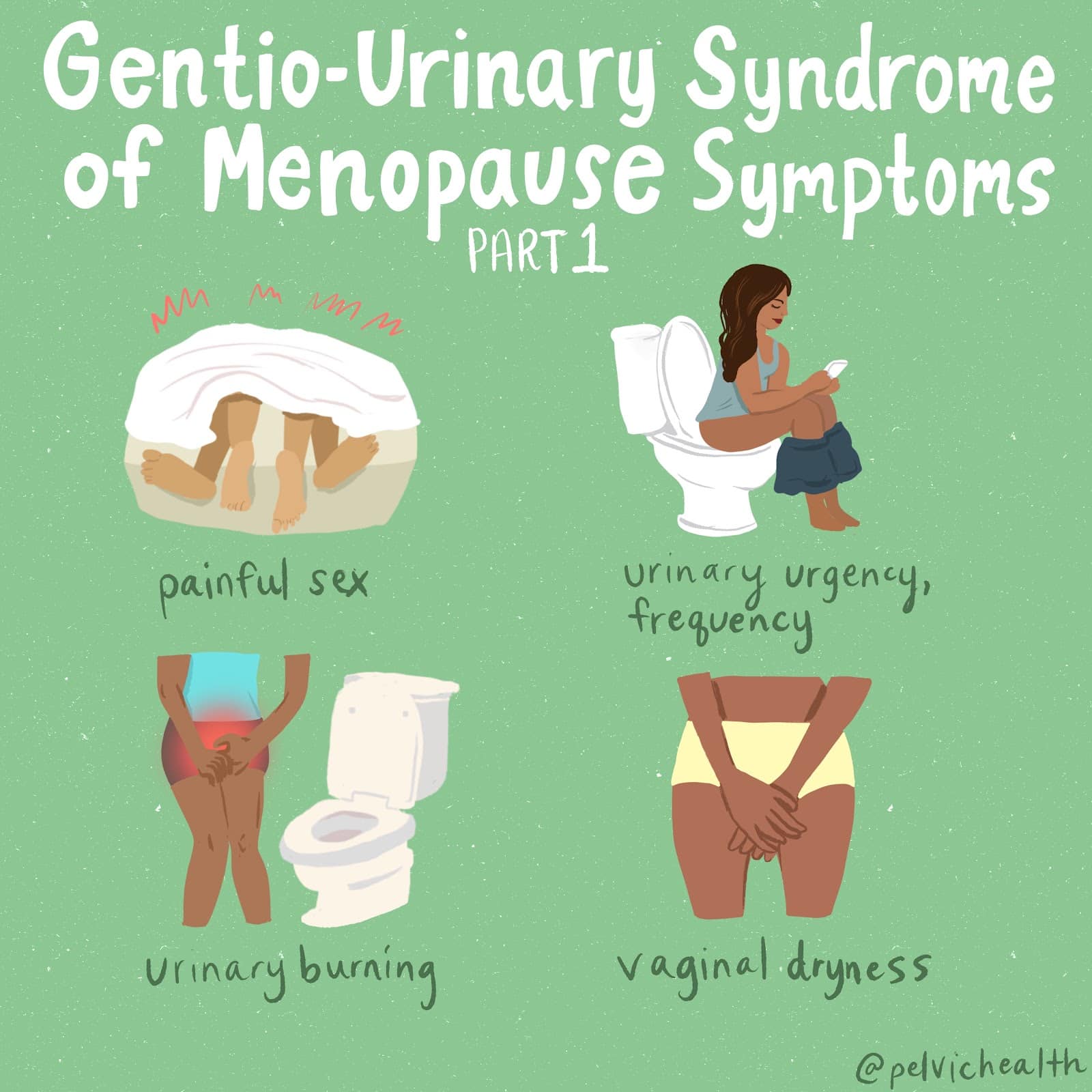
Menopause is more than just hot flushes, night sweats and mood changes! Even though 50% of the population goes through menopause the majority of people and healthcare providers are under-informed about menopause and safe and effective treatments. Too many people are suffering unnecessarily. Perimenopause, the precursor to menopause begins in the 40’s for most people and most women will be in menopause by their early 50’s. Beyond the systemic symptoms of menopause people will start to experience more subtle genitourinary symptoms that will continue to worsen over time if untreated. Painful sex, urinary urgency, frequency, leaking and burning, recurrent vaginal and urinary tract infections and vaginal dryness are symptoms of the Genitourinary Syndrome of Menopause (GSM). The symptoms of GSM are also symptoms of pelvic floor dysfunction, which almost 50% of women suffer by the time they are in their 50s.
Systemic menopause symptoms are often treated with systemic hormonal therapy. This may not be sufficient for people developing GSM symptoms. The North American Menopause Society recommends vaginal estrogen for women in menopause to help counter GSM symptoms.
Menopause is more than just hot flushes, night sweats and mood changes! Even though 50% of the population goes through menopause the majority of people and healthcare providers are under-informed about menopause and safe and effective treatments. Too many people are suffering unnecessarily. Perimenopause, the precursor to menopause begins in the 40’s for most people and most women will be in menopause by their early 50’s. Beyond the systemic symptoms of menopause people will start to experience more subtle genitourinary symptoms that will continue to worsen over time if untreated. Painful sex, urinary urgency, frequency, leaking and burning, recurrent vaginal and urinary tract infections and vaginal dryness are symptoms of the Genitourinary Syndrome of Menopause (GSM). The symptoms of GSM are also symptoms of pelvic floor dysfunction, which almost 50% of women suffer by the time they are in their 50s.
Systemic menopause symptoms are often treated with systemic hormonal therapy. This may not be sufficient for people developing GSM symptoms. The North American Menopause Society recommends vaginal estrogen for women in menopause to help counter GSM symptoms.
Differential Diagnosis:
GSM or Pelvic Floor Dysfunction
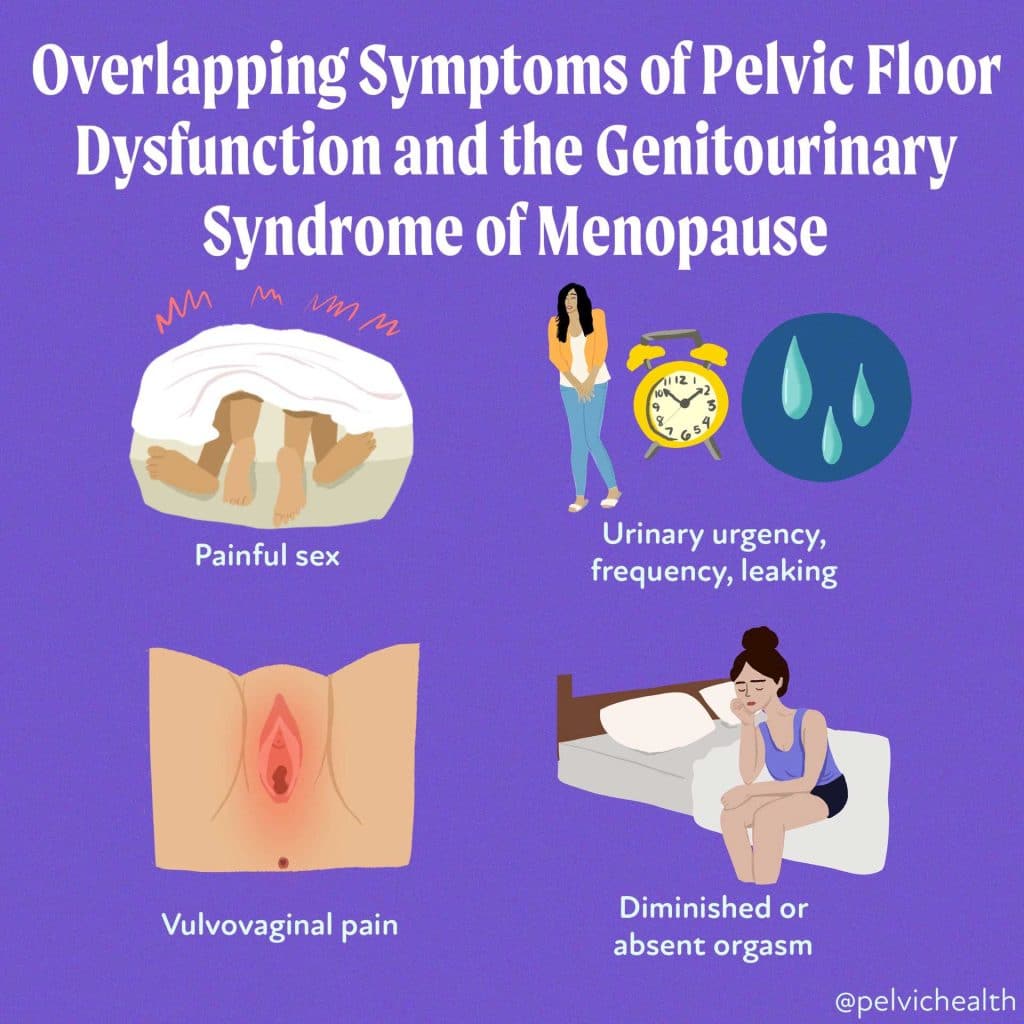
Symptoms of pelvic floor dysfunction and GSM include:
- Urinary urgency, frequency, burning, nocturia
- Feelings of bladder or pelvic pressure
- Painful sex
- Diminished or absent orgasm
- Difficulty evacuating stool
- Vulvovaginal pain and burning
- Pain with sitting
An informed healthcare provider – whether a pelvic floor physical and occupational therapists or medical doctor – can do a vulvovaginal visual examination, a q-tip test to establish pain areas, and a digital manual examination to identify pelvic floor dysfunction, hormonal deficiencies, and pelvic organ prolapse. All women will experience GSM if enough time passes without appropriate medical management. The majority of people do not realize that menopausal women can benefit from a pelvic floor physical and occupational therapy examination to address the musculoskeletal factors that are also making them uncomfortable. The combination of pelvic floor physical and occupational therapy and medical management is key to help restore pleasurable sex and eliminate urinary and bowel concerns!
FACTS
From: https://www.letstalkmenopause.org/further-reading
- 6000 women enter menopause everyday
- 50 million women are currently menopausal in the US
- 84% of women struggle with genital, sexual and urinary discomfort that will not resolve on its own, and less than 25% seek help
- 80% of OBGYN residents admit to being ill-prepared to discuss menopause
- GSM is clinically detected in 90% of postmenopausal women, only ⅓ report symptoms when surveyed.
- Barriers to treatment: women often have to initiate the conversation, believe that the symptoms are just part of aging, women fail to link their symptoms with menopause.
- Only 13% of providers asked their patients about menopause symptoms.
- Even after diagnosis, the majority of women with GSM go untreated despite studies demonstrating a negative impact on quality of life. Hesitation to prescribe treatment by providers as well as patient-perceived concerns over safety profiles limit the use of topical vaginal therapies.
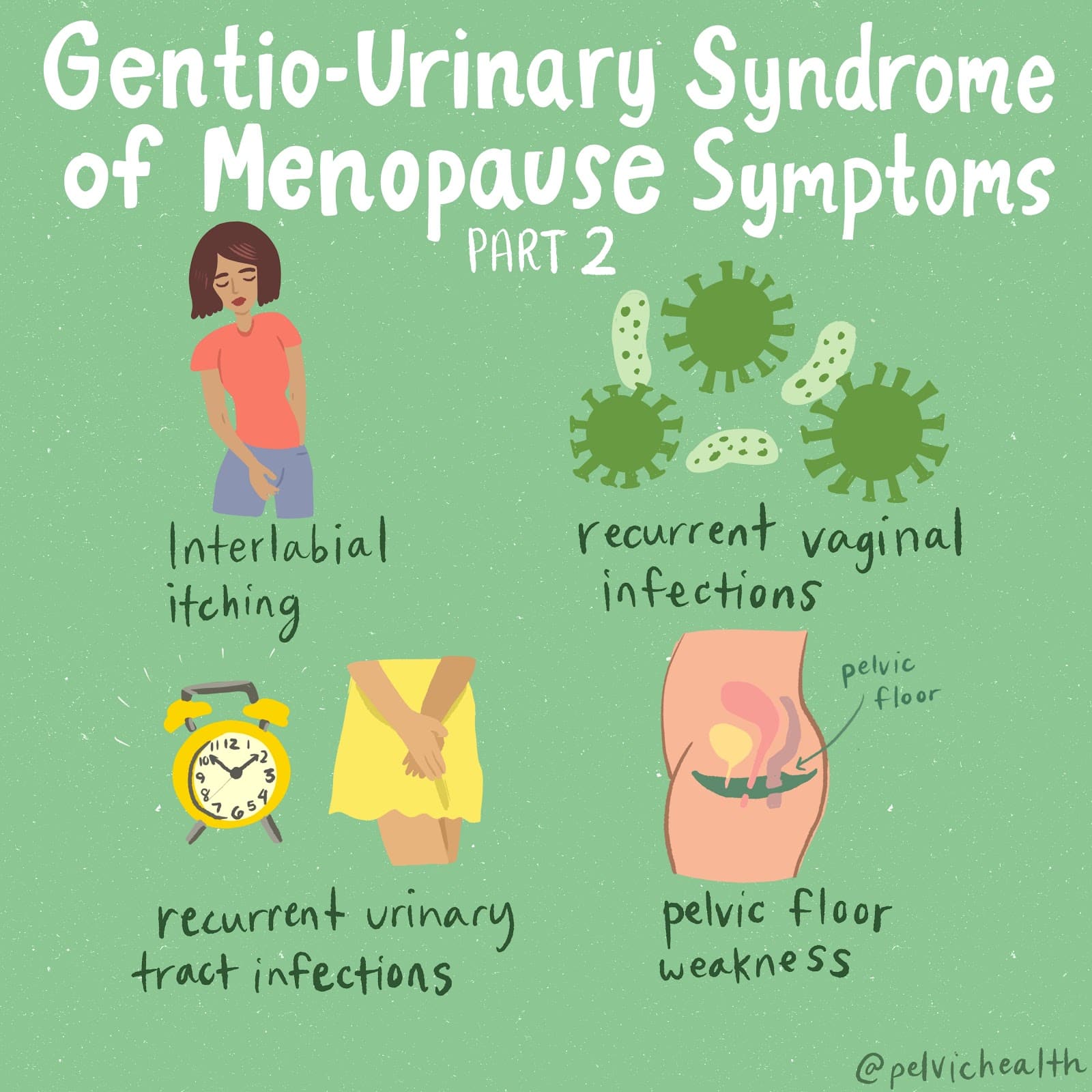
Hormone insufficiency can result in interlabial and vaginal itching. Other dermatologic issues such as Lichen Sclerosus and cutaneous yeast infections are just two of the many factors to also be considered.
Unfortunately people are vulnerable to recurrent vaginal and urinary tract infections in menopause due to:
- pH and tissue changes
- incomplete bladder emptying
- pelvic organ prolapse compromising urinary function
Recurrent infections are a leading cause of pelvic floor dysfunction! They must be stopped or the noxious visceral-somatic input can cause further pain and dysfunction after the infection is cleared. Furthermore, if the infections are left untreated without hormone therapy infections continue to occur and the consequences can be severe. Women can develop unprovoked pain, sex may be impossible, and undetected UTIs can lead to kidney problems and more sinister issues.
We encourage people to work with a menopause expert to monitor, prevent, and treat these issues as they are serious and treatable! We need to normalize the conversation about what happens during GSM, it is nothing to be embarrassed about and with the right care vulva owners can live their best lives! Pelvic floor physical and occupational therapy and medical management go hand in hand.
Treatment:
How We Can Help You
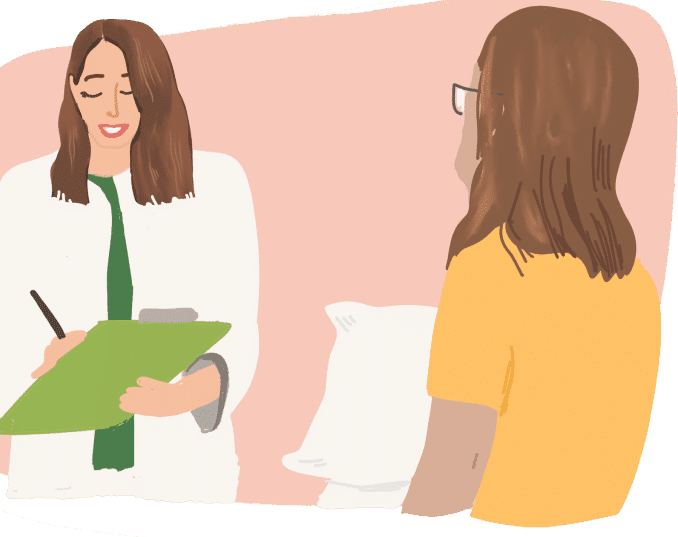
If you are having issues with your sexual function, it is in your best interest to get evaluated by a therapist for pelvic floor therapy, so they can establish what part, if any, of your pelvic floor may be contributing to the symptoms you are experiencing. During the course of the examination, the physical and occupational therapists will talk to you about your medical history and symptoms, including what you have been previously diagnosed with, the treatments or therapies you have had, and how effective or ineffective these therapies have been for you. It is significant to mention that we fully comprehend what you’ve been dealing with and that the majority of individuals are angry by the time they make it to see us. The physical and occupational therapists will conduct an evaluation of the patient’s nerves, muscles, joints, tissues, and movement patterns while doing the physical examination. After the examination is finished, your therapist will go over the results of the assessment with you. The physical and occupational therapists will conduct an evaluation to determine the cause of your symptoms and will establish both short-term and long-term therapy goals based on the results of the evaluation. Physical therapy treatments are typically administered between once and twice each week for a period of around 12 weeks. Your physical and occupational therapists will assist you in coordinating your recovery with all the other experts on your treatment team. They will provide you with an exercise regimen to complete at home and the sessions you attend in person. We are here to assist you in getting better and living the best life possible.
For more information about IC/PBS please check out our IC/PBS Resource List.

Treatment:
How We Can Help You
If you are having issues with your sexual function, it is in your best interest to get evaluated by a therapist for pelvic floor therapy, so they can establish what part, if any, of your pelvic floor may be contributing to the symptoms you are experiencing. During the course of the examination, the physical and occupational therapists will talk to you about your medical history and symptoms, including what you have been previously diagnosed with, the treatments or therapies you have had, and how effective or ineffective these therapies have been for you. It is significant to mention that we fully comprehend what you’ve been dealing with and that the majority of individuals are angry by the time they make it to see us. The physical and occupational therapists will conduct an evaluation of the patient’s nerves, muscles, joints, tissues, and movement patterns while doing the physical examination. After the examination is finished, your therapist will go over the results of the assessment with you. The physical and occupational therapists will conduct an evaluation to determine the cause of your symptoms and will establish both short-term and long-term therapy goals based on the results of the evaluation. Physical therapy treatments are typically administered between once and twice each week for a period of around 12 weeks. Your physical and occupational therapists will assist you in coordinating your recovery with all the other experts on your treatment team. They will provide you with an exercise regimen to complete at home and the sessions you attend in person. We are here to assist you in getting better and living the best life possible.
For more information about IC/PBS please check out our IC/PBS Resource List.


Dr. Mark Conway, myself, and Dr. Sheldon Jordan at IPPS.
By Stephanie Prendergast
Pudendal Neuralgia seems to be a diagnosis that is more polarized and controversial than other pelvic pain diagnoses.
Why?
Over a series of posts we will look at the evolution of this diagnosis, and why we need the perspective of a pelvic floor physical and occupational therapists, pain management specialist Dr. Sheldon Jordan, and gynecologist/pelvic pain specialist/pudendal surgeon Dr. Mark Conway, to explain how to manage this literal pain in the ass.
This week we hear from Stephanie:
When PN was first described in 1988, it was viewed as a compression entrapment syndrome, similar to carpal tunnel syndrome. The treatment protocol consisted of three corticosteroid nerve blocks, medications, relaxation therapy and then surgical decompression. Pelvic floor physical and occupational therapy was not an option or part of the treatment protocol.
A lot has changed since 1988.
Our colleagues in Nantes, France were one of the first groups to develop a surgical decompression procedure for the pudendal nerve. In a paper published in the European Journal of Urology, they reported that between the years of 1988 and 2004 they evaluated over 700 number of patients with PN and performed surgical decompression on 400. They decided to perform a prospective study comparing surgical decompression to conservative care, published in 2005. (1)
Conservative care consisted of pudendal nerve blocks, medication, and relaxation/biofeedback therapy. The surgical group was given the same treatment options as the conservative group and surgical decompression. Initially 16 people were in each group.
Surgery was considered a ‘success’ if the self-reported measures include a 3-point reduction in a 10-point Visual Analog Scale. 50% group that had surgery showed a positive change in the VAS scores. 50% of the group the had surgery did not report enough a change to be considered a ‘success’. The group that received conservative care did not report a significant enough change to be be considered a “success”
These results left a lot to be desired, prompting the group to take a closer look at how they were diagnosing PNE. During that period of time, electrophysiological testing was being done to try to confirm a PNE diagnosis. They concluded that these tests are neither sensitive nor specific to identify PN by PNE and therefore CANNOT be used to confirm this diagnosis. (2)
This was GREAT news because these tests are so painful, they make a root canal seem pleasurable.
In their next paper, the Nantes team suggested clinical criteria that can be suggestive of PNE (3):
- Pain in the territory of the nerve.
- Pain is predominantly experienced when sitting.
- Pain does not wake the patient at night.
- Pain with no objective sensory impairment.
- Pain relieved by diagnostic PNB

The conclusion was that entrapment is one cause of Pudendal Neuralgia but other causes also exist.
Over the next several years, the volume of papers describing the role of the pelvic floor and girdle muscles in pelvic pain syndromes increased exponentially. It turns out the majority of people with pelvic pain have neuromuscular abnormalities that are contributing to their pain. Along with other diagnoses such as Vulvodynia, Interstitial Cystitis, and Chronic Nonbacterial Prostatitis, Pudendal Neuralgia became classified as a neuromuscular and/or neuropathic pelvic pain syndrome, changing how it is diagnosed and treated.
Everyone with PN has asked the question, why did I get this when someone else doing the same thing did not?
We recognize now that certain people may be anatomically predisposed to developing a neuralgia. Impairments and pain develop when a particular event exceeds what that individual’s body is capable of handling. The particular event may seem as benign as sitting, but if your pudendal nerve is running through the sacrotuberous ligament, sitting on a chair may feel like you are actually sitting on a fire poker. Thus, a particular person’s activities, comorbidities, genetics, etc or a combo of all or some of the above can create a ‘perfect storm’ and wreak havoc.
Of note, 30% of the average population has an “entrapped” nerve in cadaveric studies. This means that 30% of the population could be vulnerable to developing a neuralgia when entering that “perfect storm”. However, clearly 30% of all people do not have neuralgia. The cadaveric studies show that abnormalities can exist without symptoms. Therefore, a differential diagnosis is necessary to determine the right course of treatment for the particular person in question. Additionally, the impairments associated with PN can be divided into two broader categories: a pain impairment (central nervous system) and peripheral dysfunction (nociception).
I should emphasize that pain and peripheral dysfunction are not the same and both need to be addressed for a successful outcome.
The Biopsychosocial Approach to PN
Sandy Hilton, MS PT and Caroline Van Dyken, BHSc,PT, Cred MDT CCMA (Acup) beautifully describe a comprehensive framework to managing pelvic pain syndromes such as pudendal neuralgia: “The framework integrates the current understanding of local tissue dysfunction with the wider context of sensitized protective mechanisms within the spinal cord and brain. Treatments address both the local tissue complaints and the central nervous system sensitivity by teaching patients about the biological processes underpinning their pain, graded imagery, and graded exposure”. (4)
We cannot ignore the mind while we treat the body. Sometimes the body isn’t ready to be treated until the mind is managed. Other times, physical and occupational therapy for the body and psychotherapy for the mind are not effective until the pain is better controlled by therapies directed at the central nervous system. Every now and then, we need surgery.
What I hope is clear, is that there is no standard protocol for treating PN.Every case of PN is different, even if two individuals have the exact same symptoms. The trick is to identify which impairments are the predominant problem in each person, and then develop an effective strategy to treat these impairments.
I repeat my statement from last week’s blog: It is the norm, not the exception, that people getting on the path to healing will fail to respond or not tolerate at least one medication, procedure, physical and occupational therapy session or series. It is not uncommon for symptoms to persist, and or reappear. The good news is that if this is happening to you now, you and your healthcare providers can troubleshoot and overcome treatment challenges in an interdisciplinary treatment model!
This wraps up part one in our series. In the next post, we are will talk about the following common scenarios, NOT RESPONDING, and NOT TOLERATING treatment. Yes, talking about our successes is important. But, talking about our challenges is even more important. If we don’t, we’ll never achieve success.
We know you have questions and comments. On Thursday, November 5, 2015 at 6:00pm PST, Drs. Conway and Jordan and Stephanie will be interviewed on the Pelvic Messenger Radioblog. There will be time for questions and answers during this 75 minutes segment.
You can find the link to the show here: http://www.blogtalkradio.com/pelvicmessenger
Finally, here a couple of video snippets from my IPPS lecture, “Interdisciplina
Pain, Anxiety and Depression IPPS 2015
All my best,
Stephanie Prendergast, MPT

Stephanie A. Prendergast, MPT is the co-founder of the Pelvic Health and Rehabilitation Center, which has locations in San Francisco, Berkeley, Los Gatos, Los Angeles, and Boston. She currently treats patients in the Los Angeles location. Stephanie began serving on the International Pelvic Pain Society’s Board of Directors in 2002, served as their Vice-President and Scientific Program Chair in 2012, and in 2013 was the first physical and occupational therapists to serve as President. As an acknowledged leader in the field, she was invited to become on of the founding Board members of the Society for Pudendal Neuralgia in 2005 and subsequently co-developed and teaches “De-mystifying Pudendal Neuralgia,” a continuing education course attended by doctors, physical and occupational therapistss, and other allied health professionals around the world. She served on the program committee for the World Congress on Abdominal and Pelvic Pain in 2013 and 2015 and is also Co-chair of the program committee for 2017. She is internationally recognized authority in the field of pelvic floor dysfunction, lectures regularly, and has numerous publications in medical textbooks, journals, and magazines. She co-authored the book Pelvic Pain Explained, to be released in January of 2016. You can find her on Twitter @pelvichealth, on Facebook at facebook/pelvicpainphysicaltherapy, and subscribe to PHRC’s weekly blog at pelvicpainrehab.com/blog.
FAQ
What are pelvic floor muscles?
The pelvic floor muscles are a group of muscles that run from the coccyx to the pubic bone. They are part of the core, helping to support our entire body as well as providing support for the bowel, bladder and uterus. These muscles help us maintain bowel and bladder control and are involved in sexual pleasure and orgasm. The technical name of the pelvic floor muscles is the Levator Ani muscle group. The pudendal nerve, the levator ani nerve, and branches from the S2 – S4 nerve roots innervate the pelvic floor muscles. They are under voluntary and autonomic control, which is a unique feature only they possess compared to other muscle groups.
What is pelvic floor physical and occupational therapy?
Pelvic floor physical and occupational therapy is a specialized area of physical and occupational therapy. Currently, physical and occupational therapistss need advanced post-graduate education to be able to help people with pelvic floor dysfunction because pelvic floor disorders are not yet being taught in standard physical and occupational therapy curricula. The Pelvic Health and Rehabilitation Center provides extensive training for our staff because we recognize the limitations of physical and occupational therapy education in this unique area.
What happens at pelvic floor therapy?
During an evaluation for pelvic floor dysfunction the physical and occupational therapists will take a detailed history. Following the history the physical and occupational therapists will leave the room to allow the patient to change and drape themselves. The physical and occupational therapists will return to the room and using gloved hands will perform an external and internal manual assessment of the pelvic floor and girdle muscles. The physical and occupational therapists will once again leave the room and allow the patient to dress. Following the manual examination there may also be an examination of strength, motor control, and overall biomechanics and neuromuscular control. The physical and occupational therapists will then communicate the findings to the patient and together with their patient they establish an assessment, short term and long term goals and a treatment plan. Typically people with pelvic floor dysfunction are seen one time per week for one hour for varying amounts of time based on the severity and chronicity of the disease. A home exercise program will be established and the physical and occupational therapists will help coordinate other providers on the treatment team. Typically patients are seen for 3 months to a year.
What is pudendal neuralgia and how is it treated?
Pudendal Neuralgia is a clinical diagnosis that means pain in the sensory distribution of the pudendal nerve. The pudendal nerve is a mixed nerve that exits the S2 – S4 sacral nerve roots, we have a right and left pudendal nerve and each side has three main trunks: the dorsal branch, the perineal branch, and the inferior rectal branch. The branches supply sensation to the clitoris/penis, labia/scrotum, perineum, anus, the distal ⅓ of the urethra and rectum, and the vulva and vestibule. The nerve branches also control the pelvic floor muscles. The pudendal nerve follows a tortuous path through the pelvic floor and girdle, leaving it vulnerable to compression and tension injuries at various points along its path.
Pudendal Neuralgia occurs when the nerve is unable to slide, glide and move normally and as a result, people experience pain in some or all of the above-mentioned areas. Pelvic floor physical and occupational therapy plays a crucial role in identifying the mechanical impairments that are affecting the nerve. The physical and occupational therapy treatment plan is designed to restore normal neural function. Patients with pudendal neuralgia require pelvic floor physical and occupational therapy and may also benefit from medical management that includes pharmaceuticals and procedures such as pudendal nerve blocks or botox injections.
What is interstitial cystitis and how is it treated?
Interstitial Cystitis is a clinical diagnosis characterized by irritative bladder symptoms such as urinary urgency, frequency, and hesitancy in the absence of infection. Research has shown the majority of patients who meet the clinical definition have pelvic floor dysfunction and myalgia. Therefore, the American Urologic Association recommends pelvic floor physical and occupational therapy as first-line treatment for Interstitial Cystitis. Patients will benefit from pelvic floor physical and occupational therapy and may also benefit from pharmacologic management or medical procedures such as bladder instillations.
Who is the Pelvic Health and Rehabilitation Team?
The Pelvic Health and Rehabilitation Center was founded by Elizabeth Akincilar and Stephanie Prendergast in 2006, they have been treating people with pelvic floor disorders since 2001. They were trained and mentored by a medical doctor and quickly became experts in treating pelvic floor disorders. They began creating courses and sharing their knowledge around the world. They expanded to 11 locations in the United States and developed a residency style training program for their employees with ongoing weekly mentoring. The physical and occupational therapistss who work at PHRC have undergone more training than the majority of pelvic floor physical and occupational therapistss and as a result offer efficient and high quality care.
How many years of experience do we have?
Stephanie and Liz have 24 years of experience and help each and every team member become an expert in the field through their training and mentoring program.
Why PHRC versus anyone else?
PHRC is unique because of the specific focus on pelvic floor disorders and the leadership at our company. We are constantly lecturing, teaching, and staying ahead of the curve with our connections to medical experts and emerging experts. As a result, we are able to efficiently and effectively help our patients restore their pelvic health.
Do we treat men for pelvic floor therapy?
The Pelvic Health and Rehabilitation Center is unique in that the Cofounders have always treated people of all genders and therefore have trained the team members and staff the same way. Many pelvic floor physical and occupational therapistss focus solely on people with vulvas, this is not the case here.
Do I need pelvic floor therapy forever?
The majority of people with pelvic floor dysfunction will undergo pelvic floor physical and occupational therapy for a set amount of time based on their goals. Every 6 -8 weeks goals will be re-established based on the physical improvements and remaining physical impairments. Most patients will achieve their goals in 3 – 6 months. If there are complicating medical or untreated comorbidities some patients will be in therapy longer.
By Stephanie Prendergast, PHRC Cofounder
I treated my first patient with Pudendal Neuralgia in 2002. As a young, excitable pelvic floor physical and occupational therapists, I was on a mission to help people suffering from pelvic pain and thought it would be just like what they said in PT school: stretch, strengthen, achieve goals, discharge. So when my patient began treatment for PN, I was already anticipating the nice thank-you note I’d soon receive. However, at that time I had no idea how much pain and suffering I would witness in the coming years, how frustrated I would become with the medical community, the healthcare systems in the US and abroad, and with the overall lack of guidance when trying to treat a syndrome that prominent medical institutions did not believe was even real. For the record, every peripheral nerve in the body is vulnerable to ‘injury’ and therefore is capable of becoming a ‘Neuralgia’. Additionally, any person with PN has likely been told at least once that Pudendal Neuralgia is not a ‘thing’, amongst other absurd and technically inaccurate statements.
This Friday, Drs. Mark Conway (Gyn, pelvic pain specialist, and PN surgeon in New Hampshire) and Sheldon Jordan (Pain management and pelvic pain specialist in Los Angeles) and myself are presenting at the International Pelvic Pain Society’s annual scientific meeting the topic “Interdisciplinary Management of Pelvic Pain” at the International Pelvic Pain Society’s annual scientific meeting. I subtitled my portion of the talk “Pudendal Neuralgia: Then and Now”. I’ll explain why.
The diagnosis and treatment of the disorder has changed tremendously over the years. Many people in the general medical community and pelvic pain specialists have expressed desire to better understand PN. Providers are frustrated they have not been able to help their patients in a manner or timeframe that is understandably expected. Drs. Conway, Jordan, and all of the therapists at PHRC treat a high volume of patients with pelvic pain specifically, PN. We are honored that we were invited to speak, and will be consolidating the evidence and our clinical knowledge on PN.
PHRC is dedicating this week and next week’s blog to PN. This week, we will take a look at our previous blog posts on the topic, putting them in one accessible location. Next week, we will expand on some of the topics previously covered. Spoiler alert: we’re discussing sensitive nervous systems, changing your opinion about pain, how to think of it as a treatable diagnosis, not just a symptom of another problem. Additionally, on November 5th, Drs. Conway, Jordan and I will be on The Pelvic Messenger radio blog to answer your questions! So here we go.
Our first blog on PN, ” How do I know if I have PN or PNE?” was posted on November 14, 2013. The post had to be broken into several parts because of how much needed to be said on this topic. It was then that we realized how important it would be to shed light on this topic. Additionally at the time of the first post, the PN vs PNE question was front and center our minds as well as in the minds of our patients who had any sort of pain with sitting. You can read our first PN blog HERE.
In the early years of the PN diagnosis, physical and occupational therapy was not considered the first-line of treatment for PN like it is now. In fact, it was barely considered AT ALL. Understandably much has changed since then, so we decided to write a post about how pelvic floor therapists today approach PN and PNE treatment, while emphasizing the protocol that our PHRC therapists follow. We named the blog “The Role of PT in Treating PN” and truth be told, it took off (more about that later, but spoiler alert: it inspired a portion of our book Pelvic Pain Explained!). You can read that blog HERE.
As we continued demystifying pudendal neuralgia for our readers, we realized that there was vaulable information to be found in the stories of those treating PN caused by PNE. So, we asked Drs. Mark Conway and Hibner to chime in for the segment “Your PNE Questions Answered”. Again, we were overwhelmed by the response we received from our readers and the medical community. The internet (in our small pelvic PT world mind you) EXPLODED with hundreds of questions, comments, and stories from readers expressing their gratitude and for some, their frustrations, about their experience with PN treatment. So, we wrote a part two.
Just when I was beginning to be somewhat satisfied with the reliable information we’d made available, PN was “covered” by US News and World Report. In my opinion, the article created a dismal landscape and seemed to undermine all the hard work and efforts of those in the pelvic pain community who strived to paint an accurate picture of PN. The writers were well-intentioned I am sure, however the message missed the bigger picture, prompting next blog and the genesis of the upcoming lecture: “PN Wrecking Ball: Why Media’s Words Matter”, which you can read HERE.
As I look back on my own posts, I realize that even though PHRC shared so much information with our readers, there is still room for improvement. As you can see, the material for understanding PN is lengthy, and we’re not done yet! Stay tuned for a future blog that will talk about an often missed point: how to troubleshoot and resolve treatment plan ‘hiccups’. To be clear, this is the norm, not the exception. A patient will either not tolerate, or not respond to at least one form of treatment, but, these challenges CAN be resolved.
All my best,
Stephanie Prendergast, MPT
Stephanie grew up in South Jersey, and currently sees patients in our Los Angeles office. She received her bachelor’s degree in exercise physiology from Rutgers University, and her master’s in physical and occupational therapy at the Medical College of Pennsylvania and Hahnemann University in Philadelphia. For balance, Steph turns to yoga, music, and her calm and loving King Charles Cavalier Spaniel, Abbie (Abbie is a daily fixture at PHRC Los Angeles). For adventure, she gets her fix from scuba diving and global travel.
______________________________________________________________________________________________________________________________________
Are you unable to come see us in person? We offer virtual physical and occupational therapy appointments too!
Due to COVID-19, we understand people may prefer to utilize our services from their homes. We also understand that many people do not have access to pelvic floor physical and occupational therapy and we are here to help! The Pelvic Health and Rehabilitation Center is a multi-city company of highly trained and specialized pelvic floor physical and occupational therapistss committed to helping people optimize their pelvic health and eliminate pelvic pain and dysfunction. We are here for you and ready to help, whether it is in-person or online.
Virtual sessions are available with PHRC pelvic floor physical and occupational therapistss via our video platform, Zoom, or via phone. The cost for this service is $75.00 per 30 minutes. For more information and to schedule, please visit our digital healthcare page.
In addition to virtual consultation with our physical and occupational therapistss, we also offer integrative health services with Jandra Mueller, DPT, MS. Jandra is a pelvic floor physical and occupational therapists who also has her Master’s degree in Integrative Health and Nutrition. She offers services such as hormone testing via the DUTCH test, comprehensive stool testing for gastrointestinal health concerns, and integrative health coaching and meal planning. For more information about her services and to schedule, please visit our Integrative Health website page.
PHRC is also offering individualized movement sessions, hosted by Karah Charette, DPT. Karah is a pelvic floor physical and occupational therapists at the Berkeley and San Francisco locations. She is certified in classical mat and reformer Pilates, as well as a registered 200 hour Ashtanga Vinyasa yoga teacher. There are 30 min and 60 min sessions options where you can: (1) Consult on what type of Pilates or yoga class would be appropriate to participate in (2) Review ways to modify poses to fit your individual needs and (3) Create a synthesis of your home exercise program into a movement flow. To schedule a 1-on-1 appointment call us at (510) 922-9836
FAQ
What are pelvic floor muscles?
The pelvic floor muscles are a group of muscles that run from the coccyx to the pubic bone. They are part of the core, helping to support our entire body as well as providing support for the bowel, bladder and uterus. These muscles help us maintain bowel and bladder control and are involved in sexual pleasure and orgasm. The technical name of the pelvic floor muscles is the Levator Ani muscle group. The pudendal nerve, the levator ani nerve, and branches from the S2 – S4 nerve roots innervate the pelvic floor muscles. They are under voluntary and autonomic control, which is a unique feature only they possess compared to other muscle groups.
What is pelvic floor physical and occupational therapy?
Pelvic floor physical and occupational therapy is a specialized area of physical and occupational therapy. Currently, physical and occupational therapistss need advanced post-graduate education to be able to help people with pelvic floor dysfunction because pelvic floor disorders are not yet being taught in standard physical and occupational therapy curricula. The Pelvic Health and Rehabilitation Center provides extensive training for our staff because we recognize the limitations of physical and occupational therapy education in this unique area.
What happens at pelvic floor therapy?
During an evaluation for pelvic floor dysfunction the physical and occupational therapists will take a detailed history. Following the history the physical and occupational therapists will leave the room to allow the patient to change and drape themselves. The physical and occupational therapists will return to the room and using gloved hands will perform an external and internal manual assessment of the pelvic floor and girdle muscles. The physical and occupational therapists will once again leave the room and allow the patient to dress. Following the manual examination there may also be an examination of strength, motor control, and overall biomechanics and neuromuscular control. The physical and occupational therapists will then communicate the findings to the patient and together with their patient they establish an assessment, short term and long term goals and a treatment plan. Typically people with pelvic floor dysfunction are seen one time per week for one hour for varying amounts of time based on the severity and chronicity of the disease. A home exercise program will be established and the physical and occupational therapists will help coordinate other providers on the treatment team. Typically patients are seen for 3 months to a year.
What is pudendal neuralgia and how is it treated?
Pudendal Neuralgia is a clinical diagnosis that means pain in the sensory distribution of the pudendal nerve. The pudendal nerve is a mixed nerve that exits the S2 – S4 sacral nerve roots, we have a right and left pudendal nerve and each side has three main trunks: the dorsal branch, the perineal branch, and the inferior rectal branch. The branches supply sensation to the clitoris/penis, labia/scrotum, perineum, anus, the distal ⅓ of the urethra and rectum, and the vulva and vestibule. The nerve branches also control the pelvic floor muscles. The pudendal nerve follows a tortuous path through the pelvic floor and girdle, leaving it vulnerable to compression and tension injuries at various points along its path.
Pudendal Neuralgia occurs when the nerve is unable to slide, glide and move normally and as a result, people experience pain in some or all of the above-mentioned areas. Pelvic floor physical and occupational therapy plays a crucial role in identifying the mechanical impairments that are affecting the nerve. The physical and occupational therapy treatment plan is designed to restore normal neural function. Patients with pudendal neuralgia require pelvic floor physical and occupational therapy and may also benefit from medical management that includes pharmaceuticals and procedures such as pudendal nerve blocks or botox injections.
What is interstitial cystitis and how is it treated?
Interstitial Cystitis is a clinical diagnosis characterized by irritative bladder symptoms such as urinary urgency, frequency, and hesitancy in the absence of infection. Research has shown the majority of patients who meet the clinical definition have pelvic floor dysfunction and myalgia. Therefore, the American Urologic Association recommends pelvic floor physical and occupational therapy as first-line treatment for Interstitial Cystitis. Patients will benefit from pelvic floor physical and occupational therapy and may also benefit from pharmacologic management or medical procedures such as bladder instillations.
Who is the Pelvic Health and Rehabilitation Team?
The Pelvic Health and Rehabilitation Center was founded by Elizabeth Akincilar and Stephanie Prendergast in 2006, they have been treating people with pelvic floor disorders since 2001. They were trained and mentored by a medical doctor and quickly became experts in treating pelvic floor disorders. They began creating courses and sharing their knowledge around the world. They expanded to 11 locations in the United States and developed a residency style training program for their employees with ongoing weekly mentoring. The physical and occupational therapistss who work at PHRC have undergone more training than the majority of pelvic floor physical and occupational therapistss and as a result offer efficient and high quality care.
How many years of experience do we have?
Stephanie and Liz have 24 years of experience and help each and every team member become an expert in the field through their training and mentoring program.
Why PHRC versus anyone else?
PHRC is unique because of the specific focus on pelvic floor disorders and the leadership at our company. We are constantly lecturing, teaching, and staying ahead of the curve with our connections to medical experts and emerging experts. As a result, we are able to efficiently and effectively help our patients restore their pelvic health.
Do we treat men for pelvic floor therapy?
The Pelvic Health and Rehabilitation Center is unique in that the Cofounders have always treated people of all genders and therefore have trained the team members and staff the same way. Many pelvic floor physical and occupational therapistss focus solely on people with vulvas, this is not the case here.
Do I need pelvic floor therapy forever?
The majority of people with pelvic floor dysfunction will undergo pelvic floor physical and occupational therapy for a set amount of time based on their goals. Every 6 -8 weeks goals will be re-established based on the physical improvements and remaining physical impairments. Most patients will achieve their goals in 3 – 6 months. If there are complicating medical or untreated comorbidities some patients will be in therapy longer.
This week, our guest blogger Bria Larson, MS, LAc, FABORM will discuss The Arvigo Techniques of Maya Abdominal Therapy.
The abdomen and pelvis are the source of our creativity and nourishment. They are also vulnerable to injury from physical and emotional trauma, disease and dietary stressors. Based on the healing traditions of the Maya, as taught by Dr. Rosita Arvigo, DN, Arvigo Techniques of Maya Abdominal Therapy reduce pain and encourage healthy function of organs in the abdomen and pelvis.
When is the last time you rubbed your belly? For many of us the answer is, “ Um, what?”
When is the last time you experienced discomfort or dysfunction related to digestion, menstruation, fertility, or injury in the pelvis or lower back? Unfortunately, the answer for many of us sounds more like, “Um, yesterday.”

These two questions are not unrelated. It would not be an exaggeration to say that we live in a time in which issues with digestive and gynecological functions run rampant amongst women of all ages. We also live in a culture in which we are often out of touch, both literally and figuratively, with our bellies.
The abdomen and pelvis are the source of creativity, nourishment and intuition. In Chinese medicine theory, many of the body’s major meridians- pathways of circulation- pass through the belly. Not surprisingly, meridians closely associated with reproductive health such as the Chong, Ren, Kidney and Liver chart a path through the abdomen. Powerhouse meridians for digestion such as the Spleen and Stomach channels follow suite. Furthermore, Chinese medicine and martial arts traditions locate the dan tian(“elixir field”) in the lower abdomen, and regard it as the center of power and vitality in the body.
But for all their strength and generative potential, the abdomen and pelvis are also vulnerable to injury from physical and emotional trauma, disease and dietary stressors. Based on the traditional techniques of Maya midwives and healers, as taught by Dr. Rosita Arvigo, DN, Arvigo Techniques of Maya Abdominal Therapy reduce pain and encourage healthy function of organs in the abdomen and pelvis. Maya Abdominal Therapy -also known as Maya abdominal or uterine massage- draws upon ancient wisdom to address a range of digestive, reproductive and musculoskeletal issues including:
-
- Gynecological pain
- Fertility
- PMS
- Urinary incontinence
- Painful intercourse
- Prolapse or displacement of pelvic organs
- Gas, bloating and constipation
- Lower back and hip pain
Maya Abdominal Therapy honors the connection of mind, body and spirit. Therefore, it not only addresses physical symptoms, but may also inspire a more caring relationship with the belly and all that it holds.
Uterine position, in particular, is important for gynecological health and fertility. When the uterus is displaced (i.e. straying too far away in any direction from front and center), it can compromise the circulation of blood, lymph, conduction of nerve impulses, and flow of qi- the body’s vital energy. And when circulation is compromised, our cells are not properly nourished, toxins accumulate, and eventually pain and dysfunction follow. Maya Abdominal Therapy consists of non-invasive, external massage on the abdomen and lower back to stimulate circulation of blood, lymph and qi, and includes specialized techniques to guide the uterus into optimal anatomical position.
Maya Abdominal Therapy is renowned for its help enhancing fertility, and can be applied as a stand-alone treatment, or in combination with other modalities such as Assisted Reproductive Technologies (ART) and Chinese medicine. This safe, empowering technique may support conception and feels great, too.
While practitioners may vary slightly in style and structure of a Maya Abdominal Therapy session, most adhere to the following guidelines. Initial sessions last 90-120 minutes, and include a thorough health history and intake, treatment, as well as education for self-care between sessions. Follow-up treatments last 60-90 minutes and may be combined with other body-work techniques, acupuncture and discussion of herbal supplements and nutrition as appropriate.
Most recipients of this technique leave the session feeling relaxed, and with a sense of greater ease and circulation in the abdomen. Many experience noticeable relief from digestive and/or reproductive health issues within the first three treatments, which are generally scheduled every two weeks or once per month. Some women experience an emotional release as the work can be deep, and may access patterns of holding in the body. Furthermore, the self-massage protocol can help recipients continue and deepen healing between sessions.
For more information about Maya Abdominal Therapy visit the Arvigo Institute’s websitehttps://arvigotherapy.com/.
Wishing you a very happy belly,
Bria Larson, L.Ac.
For more information about Bria, or to schedule an evaluation (We LOVE her!!) click here. * Please note appointments may not be available until February.

Bria Larson, MS, LAc, FABORM is an ally in wellness and healing. Using the time-tested tools of acupuncture, Chinese herbal medicine and Maya Abdominal Therapy, her practice specializes in women’s health from adolescence through menopause and beyond.
Bria’s interest in women’s health began with her work with adolescent girls and women in her former career as an outdoor educator and back country guide, and her passion for helping women find their healthiest and most complete selves continues to grow each year.
Bria completed her Master’s degree in Traditional Chinese Medicine at the American College of Traditional Chinese Medicine (ACTCM) in San Francisco, and is licensed as an acupuncturist in the state of California. Bria also holds national certification in acupuncture and Chinese herbology from the National Certification Commission for Acupuncture and Oriental Medicine (NCCAOM). She earned her BA in Art History from Williams College, MA.
Clinical training includes internships at the California Pacific Medical Center’s Stroke and Rehabilitation Center as well as the ACTCM Community Clinics. Advanced studies include Constitutional Facial Acupuncture Renewal with Mary Elizabeth Wakefield, and a two-year post-graduate specialization certificate in Traditional Chinese Medicine Dermatology with Dr Jialing Yu.
Bria is a Fellow of the American Board of Oriental Reproductive Medicine (ABORM), a certification held by only a small number of acupuncturists throughout the country. She is also a member of the Northern California Fertility Group, a coalition of Chinese Medicine practitioners who focus on fertility and reproductive health.
In addition to her Chinese medicine training, Bria is also a trained practitioner of Arvigo Techniques of Maya Abdominal Therapy as taught by Dr. Rosita Arvigo, DN.
When not in clinic, Bria enjoys spending time hiking, dancing or in the garden with her family.
FAQ
What are pelvic floor muscles?
The pelvic floor muscles are a group of muscles that run from the coccyx to the pubic bone. They are part of the core, helping to support our entire body as well as providing support for the bowel, bladder and uterus. These muscles help us maintain bowel and bladder control and are involved in sexual pleasure and orgasm. The technical name of the pelvic floor muscles is the Levator Ani muscle group. The pudendal nerve, the levator ani nerve, and branches from the S2 – S4 nerve roots innervate the pelvic floor muscles. They are under voluntary and autonomic control, which is a unique feature only they possess compared to other muscle groups.
What is pelvic floor physical and occupational therapy?
Pelvic floor physical and occupational therapy is a specialized area of physical and occupational therapy. Currently, physical and occupational therapistss need advanced post-graduate education to be able to help people with pelvic floor dysfunction because pelvic floor disorders are not yet being taught in standard physical and occupational therapy curricula. The Pelvic Health and Rehabilitation Center provides extensive training for our staff because we recognize the limitations of physical and occupational therapy education in this unique area.
What happens at pelvic floor therapy?
During an evaluation for pelvic floor dysfunction the physical and occupational therapists will take a detailed history. Following the history the physical and occupational therapists will leave the room to allow the patient to change and drape themselves. The physical and occupational therapists will return to the room and using gloved hands will perform an external and internal manual assessment of the pelvic floor and girdle muscles. The physical and occupational therapists will once again leave the room and allow the patient to dress. Following the manual examination there may also be an examination of strength, motor control, and overall biomechanics and neuromuscular control. The physical and occupational therapists will then communicate the findings to the patient and together with their patient they establish an assessment, short term and long term goals and a treatment plan. Typically people with pelvic floor dysfunction are seen one time per week for one hour for varying amounts of time based on the severity and chronicity of the disease. A home exercise program will be established and the physical and occupational therapists will help coordinate other providers on the treatment team. Typically patients are seen for 3 months to a year.
What is pudendal neuralgia and how is it treated?
Pudendal Neuralgia is a clinical diagnosis that means pain in the sensory distribution of the pudendal nerve. The pudendal nerve is a mixed nerve that exits the S2 – S4 sacral nerve roots, we have a right and left pudendal nerve and each side has three main trunks: the dorsal branch, the perineal branch, and the inferior rectal branch. The branches supply sensation to the clitoris/penis, labia/scrotum, perineum, anus, the distal ⅓ of the urethra and rectum, and the vulva and vestibule. The nerve branches also control the pelvic floor muscles. The pudendal nerve follows a tortuous path through the pelvic floor and girdle, leaving it vulnerable to compression and tension injuries at various points along its path.
Pudendal Neuralgia occurs when the nerve is unable to slide, glide and move normally and as a result, people experience pain in some or all of the above-mentioned areas. Pelvic floor physical and occupational therapy plays a crucial role in identifying the mechanical impairments that are affecting the nerve. The physical and occupational therapy treatment plan is designed to restore normal neural function. Patients with pudendal neuralgia require pelvic floor physical and occupational therapy and may also benefit from medical management that includes pharmaceuticals and procedures such as pudendal nerve blocks or botox injections.
What is interstitial cystitis and how is it treated?
Interstitial Cystitis is a clinical diagnosis characterized by irritative bladder symptoms such as urinary urgency, frequency, and hesitancy in the absence of infection. Research has shown the majority of patients who meet the clinical definition have pelvic floor dysfunction and myalgia. Therefore, the American Urologic Association recommends pelvic floor physical and occupational therapy as first-line treatment for Interstitial Cystitis. Patients will benefit from pelvic floor physical and occupational therapy and may also benefit from pharmacologic management or medical procedures such as bladder instillations.
Who is the Pelvic Health and Rehabilitation Team?
The Pelvic Health and Rehabilitation Center was founded by Elizabeth Akincilar and Stephanie Prendergast in 2006, they have been treating people with pelvic floor disorders since 2001. They were trained and mentored by a medical doctor and quickly became experts in treating pelvic floor disorders. They began creating courses and sharing their knowledge around the world. They expanded to 11 locations in the United States and developed a residency style training program for their employees with ongoing weekly mentoring. The physical and occupational therapistss who work at PHRC have undergone more training than the majority of pelvic floor physical and occupational therapistss and as a result offer efficient and high quality care.
How many years of experience do we have?
Stephanie and Liz have 24 years of experience and help each and every team member become an expert in the field through their training and mentoring program.
Why PHRC versus anyone else?
PHRC is unique because of the specific focus on pelvic floor disorders and the leadership at our company. We are constantly lecturing, teaching, and staying ahead of the curve with our connections to medical experts and emerging experts. As a result, we are able to efficiently and effectively help our patients restore their pelvic health.
Do we treat men for pelvic floor therapy?
The Pelvic Health and Rehabilitation Center is unique in that the Cofounders have always treated people of all genders and therefore have trained the team members and staff the same way. Many pelvic floor physical and occupational therapistss focus solely on people with vulvas, this is not the case here.
Do I need pelvic floor therapy forever?
The majority of people with pelvic floor dysfunction will undergo pelvic floor physical and occupational therapy for a set amount of time based on their goals. Every 6 -8 weeks goals will be re-established based on the physical improvements and remaining physical impairments. Most patients will achieve their goals in 3 – 6 months. If there are complicating medical or untreated comorbidities some patients will be in therapy longer.