

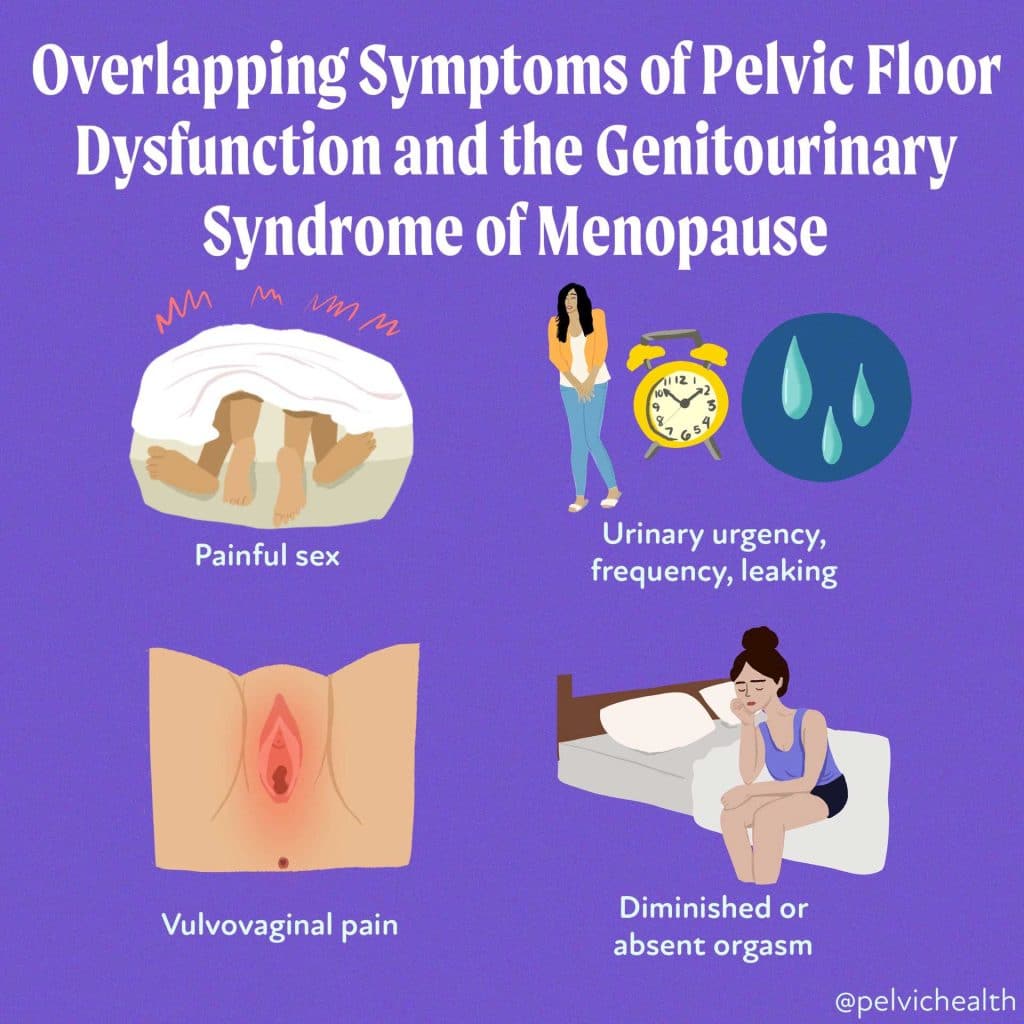
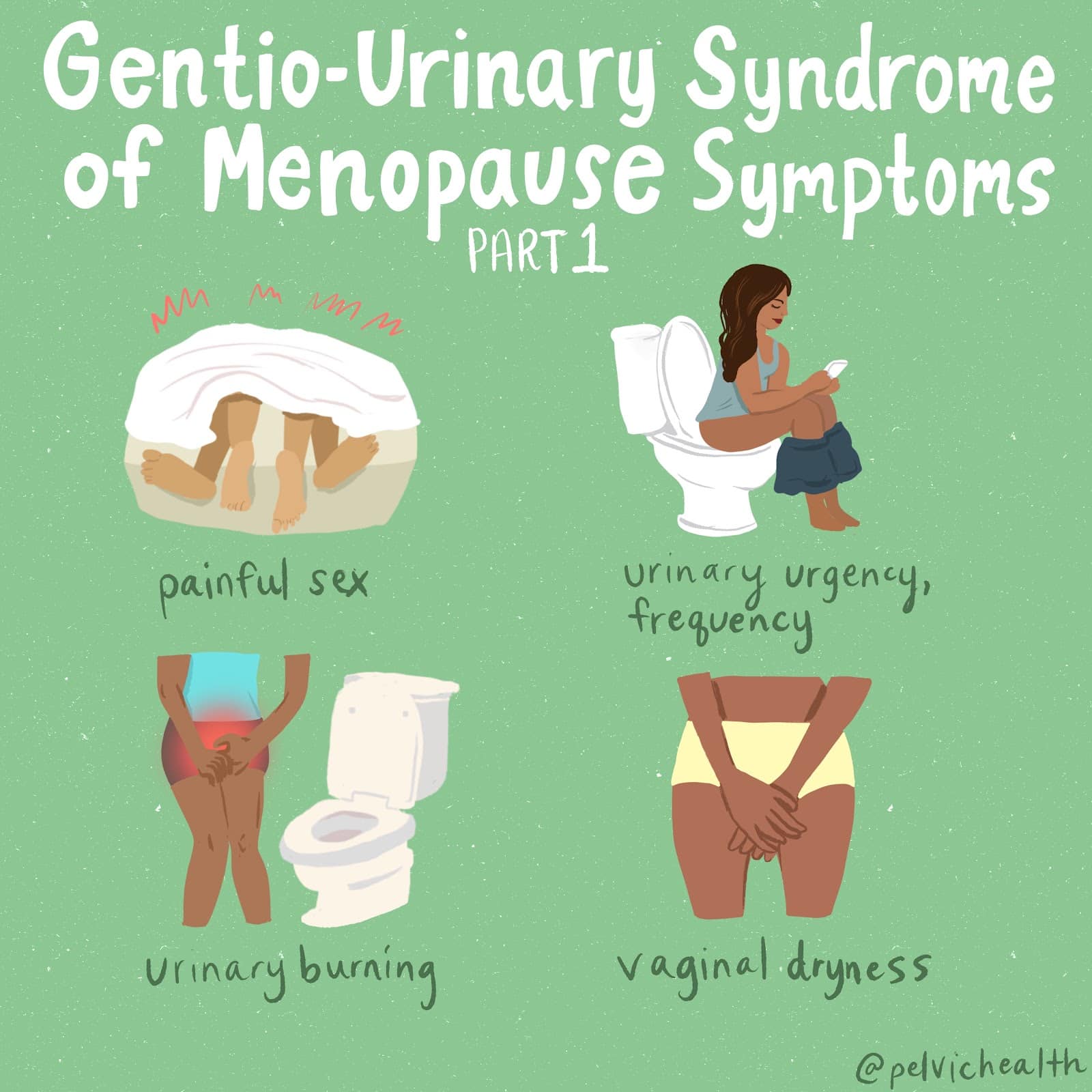
Menopause is more than just hot flushes, night sweats and mood changes! Even though 50% of the population goes through menopause the majority of people and healthcare providers are under-informed about menopause and safe and effective treatments. Too many people are suffering unnecessarily. Perimenopause, the precursor to menopause begins in the 40’s for most people and most women will be in menopause by their early 50’s. Beyond the systemic symptoms of menopause people will start to experience more subtle genitourinary symptoms that will continue to worsen over time if untreated. Painful sex, urinary urgency, frequency, leaking and burning, recurrent vaginal and urinary tract infections and vaginal dryness are symptoms of the Genitourinary Syndrome of Menopause (GSM). The symptoms of GSM are also symptoms of pelvic floor dysfunction, which almost 50% of women suffer by the time they are in their 50s.
Systemic menopause symptoms are often treated with systemic hormonal therapy. This may not be sufficient for people developing GSM symptoms. The North American Menopause Society recommends vaginal estrogen for women in menopause to help counter GSM symptoms.
Menopause is more than just hot flushes, night sweats and mood changes! Even though 50% of the population goes through menopause the majority of people and healthcare providers are under-informed about menopause and safe and effective treatments. Too many people are suffering unnecessarily. Perimenopause, the precursor to menopause begins in the 40’s for most people and most women will be in menopause by their early 50’s. Beyond the systemic symptoms of menopause people will start to experience more subtle genitourinary symptoms that will continue to worsen over time if untreated. Painful sex, urinary urgency, frequency, leaking and burning, recurrent vaginal and urinary tract infections and vaginal dryness are symptoms of the Genitourinary Syndrome of Menopause (GSM). The symptoms of GSM are also symptoms of pelvic floor dysfunction, which almost 50% of women suffer by the time they are in their 50s.
Systemic menopause symptoms are often treated with systemic hormonal therapy. This may not be sufficient for people developing GSM symptoms. The North American Menopause Society recommends vaginal estrogen for women in menopause to help counter GSM symptoms.
Differential Diagnosis:
GSM or Pelvic Floor Dysfunction
Symptoms of pelvic floor dysfunction and GSM include:
- Urinary urgency, frequency, burning, nocturia
- Feelings of bladder or pelvic pressure
- Painful sex
- Diminished or absent orgasm
- Difficulty evacuating stool
- Vulvovaginal pain and burning
- Pain with sitting
An informed healthcare provider – whether a pelvic floor physical and occupational therapists or medical doctor – can do a vulvovaginal visual examination, a q-tip test to establish pain areas, and a digital manual examination to identify pelvic floor dysfunction, hormonal deficiencies, and pelvic organ prolapse. All women will experience GSM if enough time passes without appropriate medical management. The majority of people do not realize that menopausal women can benefit from a pelvic floor physical and occupational therapy examination to address the musculoskeletal factors that are also making them uncomfortable. The combination of pelvic floor physical and occupational therapy and medical management is key to help restore pleasurable sex and eliminate urinary and bowel concerns!
FACTS
From: https://www.letstalkmenopause.org/further-reading
- 6000 women enter menopause everyday
- 50 million women are currently menopausal in the US
- 84% of women struggle with genital, sexual and urinary discomfort that will not resolve on its own, and less than 25% seek help
- 80% of OBGYN residents admit to being ill-prepared to discuss menopause
- GSM is clinically detected in 90% of postmenopausal women, only ⅓ report symptoms when surveyed.
- Barriers to treatment: women often have to initiate the conversation, believe that the symptoms are just part of aging, women fail to link their symptoms with menopause.
- Only 13% of providers asked their patients about menopause symptoms.
- Even after diagnosis, the majority of women with GSM go untreated despite studies demonstrating a negative impact on quality of life. Hesitation to prescribe treatment by providers as well as patient-perceived concerns over safety profiles limit the use of topical vaginal therapies.
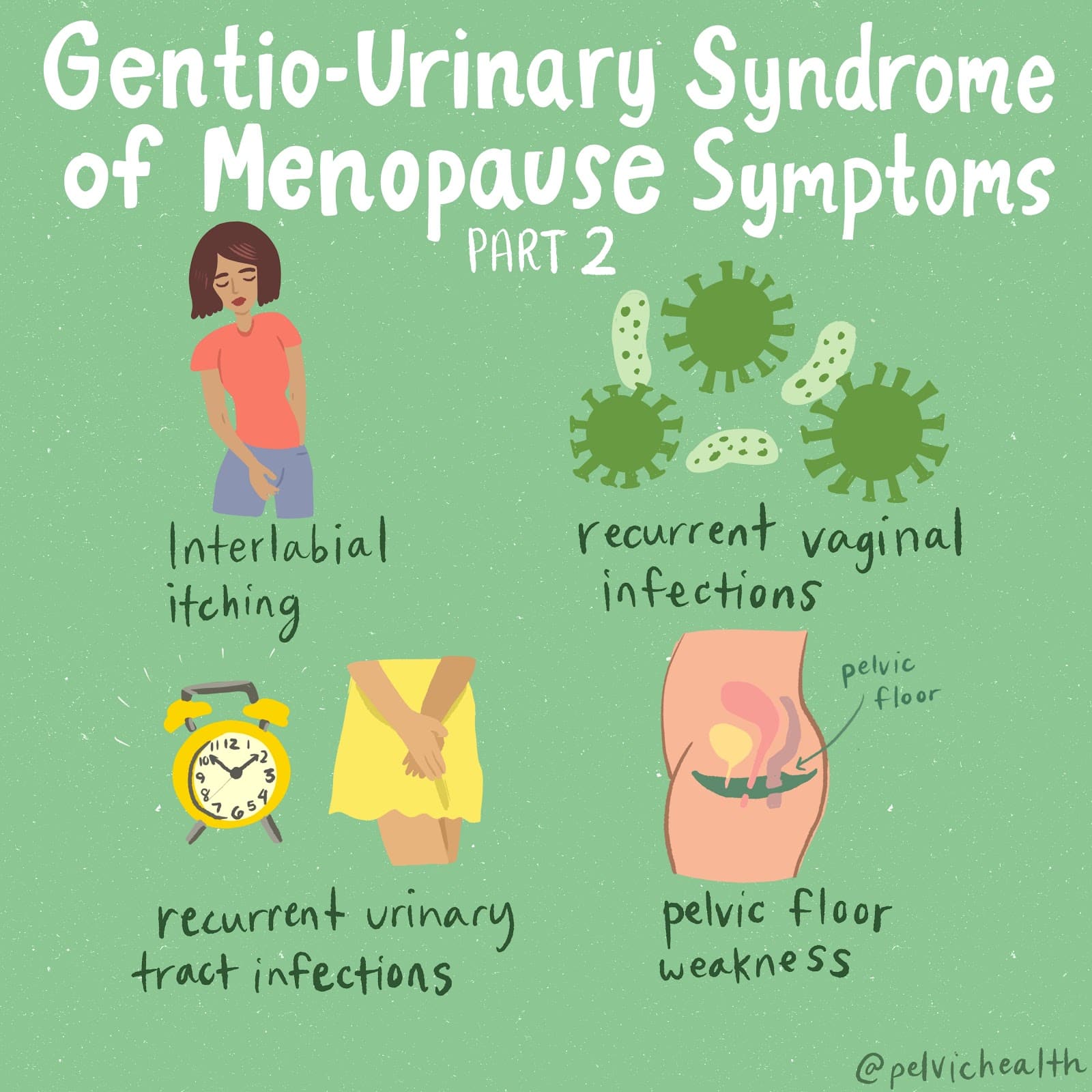
Hormone insufficiency can result in interlabial and vaginal itching. Other dermatologic issues such as Lichen Sclerosus and cutaneous yeast infections are just two of the many factors to also be considered.
Unfortunately people are vulnerable to recurrent vaginal and urinary tract infections in menopause due to:
- pH and tissue changes
- incomplete bladder emptying
- pelvic organ prolapse compromising urinary function
Recurrent infections are a leading cause of pelvic floor dysfunction! They must be stopped or the noxious visceral-somatic input can cause further pain and dysfunction after the infection is cleared. Furthermore, if the infections are left untreated without hormone therapy infections continue to occur and the consequences can be severe. Women can develop unprovoked pain, sex may be impossible, and undetected UTIs can lead to kidney problems and more sinister issues.
We encourage people to work with a menopause expert to monitor, prevent, and treat these issues as they are serious and treatable! We need to normalize the conversation about what happens during GSM, it is nothing to be embarrassed about and with the right care vulva owners can live their best lives! Pelvic floor physical and occupational therapy and medical management go hand in hand.
Treatment:
How We Can Help You

If you are having issues with your sexual function, it is in your best interest to get evaluated by a therapist for pelvic floor therapy, so they can establish what part, if any, of your pelvic floor may be contributing to the symptoms you are experiencing. During the course of the examination, the physical and occupational therapists will talk to you about your medical history and symptoms, including what you have been previously diagnosed with, the treatments or therapies you have had, and how effective or ineffective these therapies have been for you. It is significant to mention that we fully comprehend what you’ve been dealing with and that the majority of individuals are angry by the time they make it to see us. The physical and occupational therapists will conduct an evaluation of the patient’s nerves, muscles, joints, tissues, and movement patterns while doing the physical examination. After the examination is finished, your therapist will go over the results of the assessment with you. The physical and occupational therapists will conduct an evaluation to determine the cause of your symptoms and will establish both short-term and long-term therapy goals based on the results of the evaluation. Physical therapy treatments are typically administered between once and twice each week for a period of around 12 weeks. Your physical and occupational therapists will assist you in coordinating your recovery with all the other experts on your treatment team. They will provide you with an exercise regimen to complete at home and the sessions you attend in person. We are here to assist you in getting better and living the best life possible.
For more information about IC/PBS please check out our IC/PBS Resource List.

Treatment:
How We Can Help You
If you are having issues with your sexual function, it is in your best interest to get evaluated by a therapist for pelvic floor therapy, so they can establish what part, if any, of your pelvic floor may be contributing to the symptoms you are experiencing. During the course of the examination, the physical and occupational therapists will talk to you about your medical history and symptoms, including what you have been previously diagnosed with, the treatments or therapies you have had, and how effective or ineffective these therapies have been for you. It is significant to mention that we fully comprehend what you’ve been dealing with and that the majority of individuals are angry by the time they make it to see us. The physical and occupational therapists will conduct an evaluation of the patient’s nerves, muscles, joints, tissues, and movement patterns while doing the physical examination. After the examination is finished, your therapist will go over the results of the assessment with you. The physical and occupational therapists will conduct an evaluation to determine the cause of your symptoms and will establish both short-term and long-term therapy goals based on the results of the evaluation. Physical therapy treatments are typically administered between once and twice each week for a period of around 12 weeks. Your physical and occupational therapists will assist you in coordinating your recovery with all the other experts on your treatment team. They will provide you with an exercise regimen to complete at home and the sessions you attend in person. We are here to assist you in getting better and living the best life possible.
For more information about IC/PBS please check out our IC/PBS Resource List.


Table of Contents
-
.
-
.
-
.
-
.
-
.
-
.
-
.
-
.
-
.
When Should I See a Pelvic Floor Physical and Occupational Therapists?
-
.
Pelvic floor physical and occupational therapy is one of the most effective yet underutilized approaches for treating pelvic health conditions. Many people who could benefit from therapy hesitate to start, often because they don’t know what to expect or feel unsure about what pelvic health rehab really entails. At the Pelvic Health & Rehabilitation Center (PHRC), our mission is to educate, empower, and provide compassionate care so patients feel confident taking the next step.
On our YouTube channel, we’ve created a library of educational videos that answer the most common questions about pelvic floor therapy. On our Instagram, we have an infographic library of educational images/graphics/carousels designed to breakdown everything you need to know about pelvic health. Throughout all our spaces, we aim to spread the knowledge of pelvic health, making it accessible to all. Below, we summarize five of our most popular and useful topics to help you understand what pelvic floor therapy is, what happens during an evaluation, and why it might be the right choice for you.
1. What to Expect With Pelvic Floor Physical Therapy
For many, the idea of pelvic floor therapy feels intimidating at first. This video walks through what typically happens when you come in for your first visit.
You’ll start with a conversation, not an exam. Our therapists ask about your medical history, current symptoms, and personal goals. This is your chance to tell your story and help us understand what matters most to you. From there, we’ll explain the evaluation process and answer any questions before moving forward.
The goal of this video is reassurance: pelvic floor therapy is professional, respectful, and patient-centered. Our team explains every step so you feel comfortable and in control.
2. Pelvic Floor Therapy: What Is It and How Can It Help Me?
This video introduces the basics of pelvic floor therapy in plain language. The pelvic floor is a group of muscles that support your bladder, bowel, and reproductive organs. When these muscles are too tight, weak, or uncoordinated, people may experience pain, urinary or bowel dysfunction, or sexual difficulties.
Pelvic floor therapy targets these issues directly. Through a combination of manual therapy, guided exercises, relaxation strategies, and education, patients can regain strength, reduce pain, and restore normal function.
This video emphasizes that pelvic floor therapy is not just for women—it benefits men and people of all genders across the lifespan. Whether you’re recovering after childbirth, managing endometriosis, coping with painful bladder syndrome, or experiencing chronic prostatitis, the Pelvic Health and Rehab Center can help.
3. What to Expect During Your First Pelvic Floor Therapy Visit
One of the most common barriers to treatment is the unknown: “What exactly happens when I show up?”
This blog breaks the process down step by step, What is a good pelvic PT session like. After the initial conversation, your therapist may assess posture, movement, and core muscle function. With your consent, they may also perform a gentle pelvic floor exam to evaluate muscle tone, strength, and coordination.

Nothing happens without your permission, and you’ll have the chance to ask questions along the way. The therapist will then explain findings and outline a personalized treatment plan, including frequency and expected duration of therapy. Make sure to read both parts, as we spend time breaking down the components of working with a pelvic floor therapist.
This transparency helps ease anxiety and shows that pelvic floor therapy is collaborative—you and your therapist work as a team.

4. Pelvic Floor Dysfunction Rehab: What You Should Know
In this blog, our cofounder highlights the signs, symptoms and treatment that comes along with pelvic floor dysfunction. This include:
- Stress Incontinence, which is the involuntary leaking of urine when coughing, laughing, sneezing, or during exercise, this is also common after pelvic surgeries, including prostatectomy
- Urge Incontinence, which is the involuntary urinary leaking when the urge strikes, such as putting the key in the front door to head to the bathroom
- Mixed Incontinence, which is a combination of both stress and urge incontinence
- Bladder pain, involves discomfort or pain in the bladder region, upon bladder filling or without bladder filling
- plus more
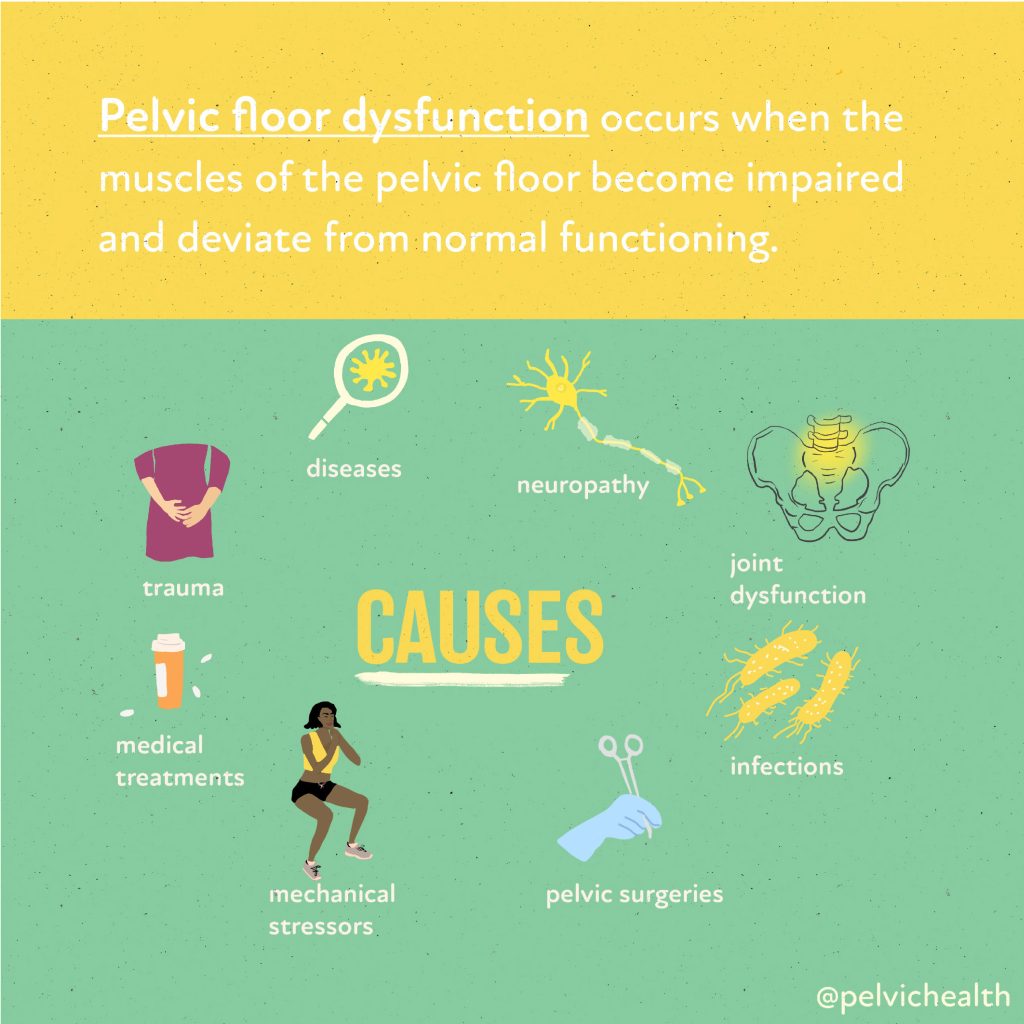
This blog is particularly helpful for people who are not sure whether PFPT applies to their situation. Many patients assume these problems are “just part of getting older” or “something to live with.” The message here is clear: pelvic floor dysfunction is common, but it is not normal—and there are effective treatments available.
5. The Role of Pelvic Floor Rehabilitation in Sexual Health
Sexual health is often overlooked in conversations about physical therapy, yet it is central to quality of life. In this video, we address how pelvic floor therapy can improve function and reduce pain for people experiencing conditions such as vaginismus, vulvodynia, erectile dysfunction, or painful intercourse after surgery or trauma.
By restoring healthy muscle activity and reducing nerve hypersensitivity, pelvic floor therapy supports both physical comfort and emotional well-being. Patients often describe feeling hopeful again after struggling for years with symptoms that impacted intimacy.
This video underscores that pelvic floor rehab is not only about treating pain or leakage—it’s also about restoring confidence, connection, and pleasure.
View this post on Instagram
Why These Resources Matter
Each of these sections has become a patient favorite because they speak directly to common fears and questions. Together, they provide a comprehensive picture:
- Clarity about what pelvic floor therapy is
- Reassurance about what to expect during a visit
- Education about the symptoms PFPT can treat
- Hope for those struggling with intimate or sensitive concerns
By watching and reading, patients gain a sense of familiarity before ever walking into the clinic. This makes the first appointment feel less daunting and sets the stage for successful outcomes.
Taking the Next Step
If you’ve been wondering whether pelvic floor therapy is right for you, we encourage you to explore our YouTube channel for more resources. These videos are just the beginning—our clinicians share insights on conditions ranging from interstitial cystitis to postpartum recovery, chronic prostatitis, and beyond.
At PHRC, we know that knowledge is power. The more patients understand their condition and treatment options, the better they can advocate for themselves and actively participate in recovery.
If you’d like to learn more or schedule an appointment at one of our 8 clinic locations across the U.S., please visit our website. Whether you’re in the SF Bay Area, the LA region, or New Hampshire or Massachusetts, our team is here to help you heal.
Check out our recently published e-book titled “Vulvodynia, Vestibulodynia, and Vaginismus,” designed to empower and inform individuals on their journey towards healing and understanding.
Are you unable to come see us in person in the Bay Area, Southern California or New England? We offer virtual
physical therapy appointments too!
Virtual sessions are available with PHRC pelvic floor physical therapists via our video platform, Zoom, or via phone. For more information and to schedule, please visit our digital healthcare page.
Do you enjoy or blog and want more content from PHRC? Please head over to social media!


Table of Contents
-
.
-
.
-
.
-
.
-
.
-
.
-
.
-
.
-
.
When Should I See a Pelvic Floor Physical and Occupational Therapists?
-
.
When it comes to pelvic floor physical and occupational therapy, cost is often one of the first things people ask about. However, the cost for an appointment is simply one piece of the bigger picture. While “in-network” Physical and Occupational Therapy might initially seem to have a lower cost, the type of care you receive and the frequency of which you can receive it, the expertise of the provider, and the overall time it takes to see results can be very different.
At the Pelvic Health and Rehabilitation Center (PHRC), pelvic health is our specialty. Our team consists entirely of licensed pelvic floor physical and occupational therapists with advanced training in pelvic floor therapy, and we are recognized leaders in this highly specialized field. From treating complex pelvic pain conditions to collaborating with top physicians across the country, our focus has always been on delivering the highest level of care and lasting results for our patients.
This guide will help you understand what sets PHRC apart, what’s included in the cost of care, how we compare to in-network clinics, and why so many people choose us for their pelvic health needs.
What is Pelvic Floor Physical and Occupational Therapy?
Pelvic floor physical and occupational therapy focuses on treating the muscles, tissues, and nerves in your pelvic region that support your bladder, bowel, and reproductive organs. These muscles also play an important role in controlling urination, bowel movements, and sexual function. When they become too tight, too weak, or uncoordinated, it can lead to pain, pressure, or difficulty with everyday functions.
Pelvic floor dysfunction affects people of all genders and identities. Tight muscles can cause sharp, burning, or aching sensations that might radiate to the hips, low back, or tailbone. Weak or uncoordinated muscles can create a feeling of heaviness, pulling, or even issues like leakage or constipation.
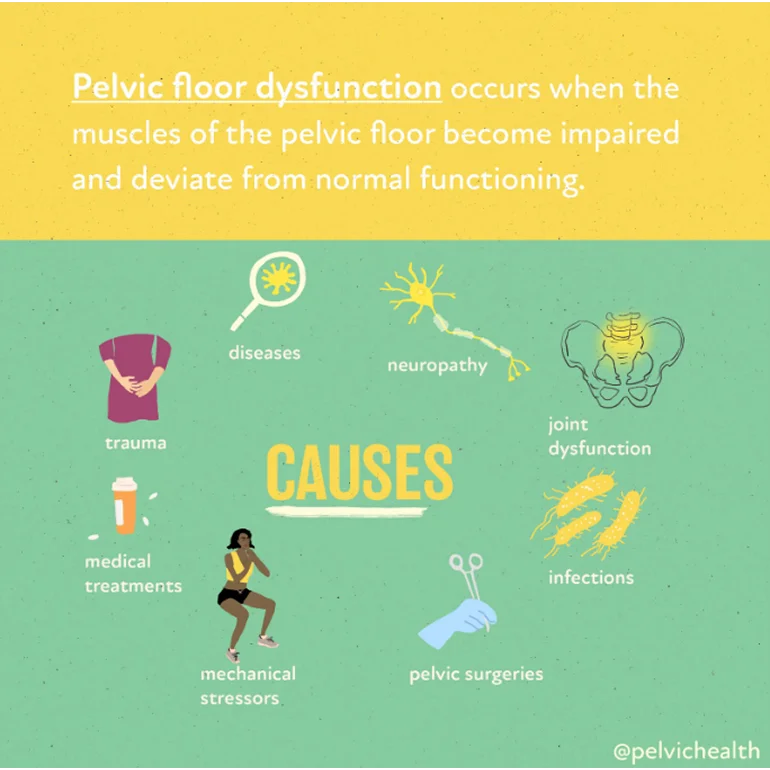
In pelvic floor physical and occupational therapy, your pelvic floor physical and occupational therapist will assess how your pelvic floor is working by examining muscle strength, coordination, and any areas of tension. Treatment often includes:
- Exercises to relax or strengthen the pelvic floor
- Manual therapy to release tight muscles or trigger points
- Guidance on improving movement patterns and posture
- A customized home program to support your progress
At PHRC, we customize therapy to your needs and coordinate with your other providers when necessary. The goal is to help you restore pelvic function, reduce pain or pressure, and regain confidence in how your body works—whether that’s in daily routines, exercise, or intimacy.
Do You Accept Insurance?
Yes, we accept various forms of a few insurances, depending on your location. We’ve outlined below how PHRC works with different insurance providers.

Brown and Toland Physicians
The Pelvic Health and Rehabilitation Center is part of the Brown and Toland Physicians network serving our patients in our Bay Area locations (San Francisco, Berkeley, Los Gatos, and Walnut Creek).
Kaiser Permanente (Northern and Southern California)
The Pelvic Health and Rehabilitation Center is an out-of-network, contracted provider with Kaiser Permanente of Northern California serving our patients in our Bay Area locations (San Francisco, Berkeley, Los Gatos, and Walnut Creek) and our Southern California locations (West LA and Pasadena).
Harvard Pilgrim Health Care
The Pelvic Health and Rehabilitation Center is now part of the Harvard Pilgrim Health Care network, serving our patients in our Merrimack, New Hampshire and Lexington, Massachusetts locations.
Medicare
The Pelvic Health and Rehabilitation Center (PHRC) is a non-participating Medicare provider. Non-participating providers accept Medicare but do not agree to take assignment in all cases. This means PHRC accepts Medicare insurance but does not consider Medicare’s approved amount as full payment for services.
As a non-participating provider, PHRC may charge up to 15% above Medicare’s approved amount for services (referred to as the “limiting charge”). This means patients are responsible for up to 35% of the Medicare-approved amount:
- 20% coinsurance
- 15% limiting charge
Patients are required to pay the full cost of their care upfront. However, PHRC will submit a bill to Medicare on the patient’s behalf. Once processed, Medicare will issue the patient a Medicare Summary Notice (MSN) and reimburse them for 80% of the Medicare-approved amount.
Our team is here to answer any questions you might have related to insurance coverage.
What You’re Really Paying For with PHRC
When you choose PHRC, you’re investing in more than just physical and occupational therapy sessions. You’re paying for:
- Specialized expertise from pelvic floor physical and occupational therapists who focus solely on pelvic health
- Extended one-on-one sessions with your dedicated pelvic floor physical and occupational therapist at every visit
- Comprehensive evaluations that go beyond quick, surface-level assessments
- Personalized treatment plans designed for your unique symptoms and goals
- Hands-on manual therapy to address muscle tension and trigger points directly
- A guided home program to help you stay on track between visits
- Collaborative care where we communicate with your other providers as needed
- In-person and virtual appointments available to make access to care seamless and easy
- Supportive, private environments where your comfort and progress come first
At PHRC, we combine focused expertise with a whole-person approach so you can achieve lasting results and regain control of your pelvic health.
Cost Comparison: PHRC vs In-Network Physical and Occupational Therapists
At first glance, in-network physical and occupational therapy appears less expensive because insurance often covers a larger portion of each visit. However, many patients discover that those savings come with trade-offs in the quality, time, and focus of care they receive.
In-network clinics often operate on volume. This means appointments are very short (typically only 20 to 30 minutes). This model leaves little time for hands-on treatment or meaningful conversation with your pelvic floor physical and occupational therapist—and often results in slower progress and more total visits.
PHRC takes a very different approach. Every visit is a full one-on-one session with a highly trained pelvic floor physical and occupational therapist. We dedicate time for a thorough assessment, hands-on manual therapy, exercise instruction, and plan adjustments. We listen carefully, tailor your care, and move at a pace that prioritizes real, lasting improvement. We have deep and close connections with medical professionals in our local areas and pride ourselves on ‘quarterbacking’ care for our patients so they no longer have to navigate care themselves.
What truly sets PHRC apart, though, is our depth of specialization. Every pelvic floor physical and occupational therapist at PHRC has residency-level training in pelvic floor therapy. This exclusive focus allows us to integrate pelvic floor and pelvic girdle physiology in a way that restores function across the entire body. We draw from a deep well of experience that only comes from treating complex pelvic health conditions day in and day out.
We also embrace an interdisciplinary approach. Many people with pelvic floor dysfunction benefit from collaborative care with gynecologists, urologists, gastroenterologists, orthopedists, psychologists, and others. We’ve built strong relationships with providers across the country so we can easily loop in trusted partners. Once your care team is in place, we act as the “CEO” of your treatment—coordinating care, leading communication, and making sure all providers are aligned and working toward your goals.
PHRC has also become a recognized leader in pelvic health education. Our team frequently speaks at hospitals, universities, and international medical conferences. Stephanie Prendergast, one of our founders, became the first physical therapist to serve as President of the International Pelvic Pain Society in 2013. We regularly teach community classes, mentor students, and write an award-winning blog, As the Pelvis Turns. In 2016, we published our first book, Pelvic Pain Explained.
Our commitment to staying at the forefront of pelvic health research, combined with the hands-on, individualized care we provide, is what makes PHRC different. While our services are often an out-of-pocket investment, our patients consistently tell us it’s worth it—for the results, the attention, and the expertise they couldn’t find anywhere else.
How To Know If PHRC is Right For You
If you’ve been struggling with pelvic health issues and haven’t found the answers or relief you need, you’re not alone. At PHRC, we specialize in treating a wide range of pelvic conditions with personalized, one-on-one care that meets you where you are. Whether your symptoms are new or you’ve been dealing with them for years, we’re here to help.
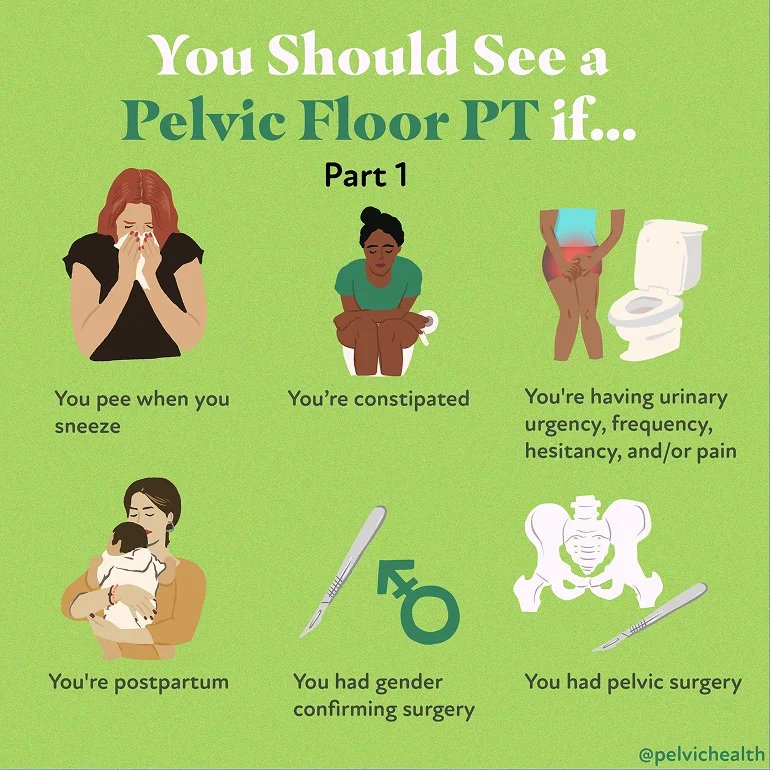
If you experience any of these symptoms or conditions, we can help:
- Pelvic pain
- Clitoral pain
- Male pelvic pain
- Hard flaccid
- Sexual dysfunction
- Bowel dysfunction
- Bladder dysfunction
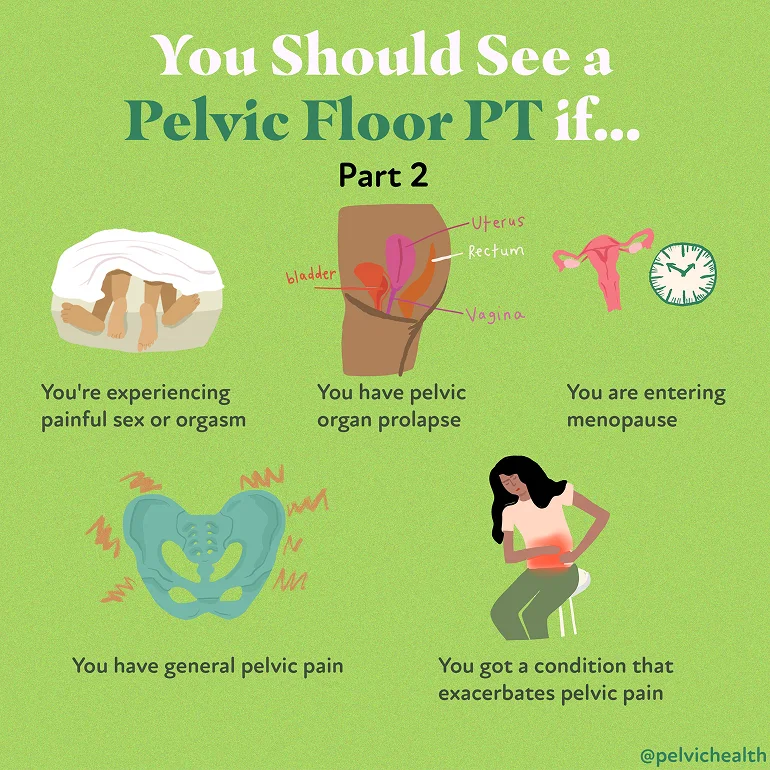
We also provide specialized care for:
- Endometriosis
- Interstitial cystitis
- Pudendal neuralgia
- Pelvic organ prolapse
- Pregnancy and postpartum
- Menopause and perimenopause
- Post-surgical rehabilitation
- Pediatric pelvic health
- Transgender pelvic health
At PHRC, we create treatment plans tailored to your specific needs and goals, so you feel supported every step of the way.
How Long Does it Take To See Results?
The timeline for improvement varies because every person’s condition and goals are unique to them. Some patients begin to notice changes within just a few sessions, while others with more complex or long-standing symptoms need several months of consistent care to see meaningful progress.
At PHRC, we draw on our deep experience treating a wide range of pelvic floor conditions to create a plan that’s realistic and effective. Because our sessions are longer, highly focused, and one-on-one with a pelvic floor physical and occupational therapist, many patients experience faster results compared to shorter, generalized in-network visits.
We continually reassess your progress and adjust your treatment as needed. Our goal is not just temporary relief, but lasting improvements in your function, comfort, and quality of life.
What & Why: The Pelvic Floor Basics from PHRC’s YouTube Channel
The first video, Pelvic Floor Muscles 101, opens with a fundamental point: most people are unaware of their pelvic floor until it “goes wrong.” YouTube The pelvic floor is a sling-like group of muscles spanning the bottom of the pelvis, supporting pelvic organs (bladder, bowel, uterus/prostate), controlling continence, and contributing to core stability.
When the pelvic floor isn’t functioning well — whether too tight (hypertonic), too weak (hypotonic), or unable to coordinate properly — symptoms may emerge: urinary or fecal leakage, pelvic pain, sexual dysfunction, pressure or bulge sensations, and even back or hip pain.
In An Introduction to Your Pelvic Floor, Stephanie Prendergast highlights how pelvic floor dysfunction can be subtle and multifaceted — sometimes overlapping with other musculoskeletal or pelvic conditions. YouTube The message is: it’s rarely just one “bad muscle.” Rather, dysfunction often reflects a network of interactions — nerves, connective tissues, breathing, posture, and movement patterns.
Thus, any good rehab plan must look beyond the floor itself to how the pelvis, hips, core, and nervous system are behaving in daily life.
Signs, Symptoms & Clues
If you’re reading this, you (or someone you know) might already be grappling with symptoms.
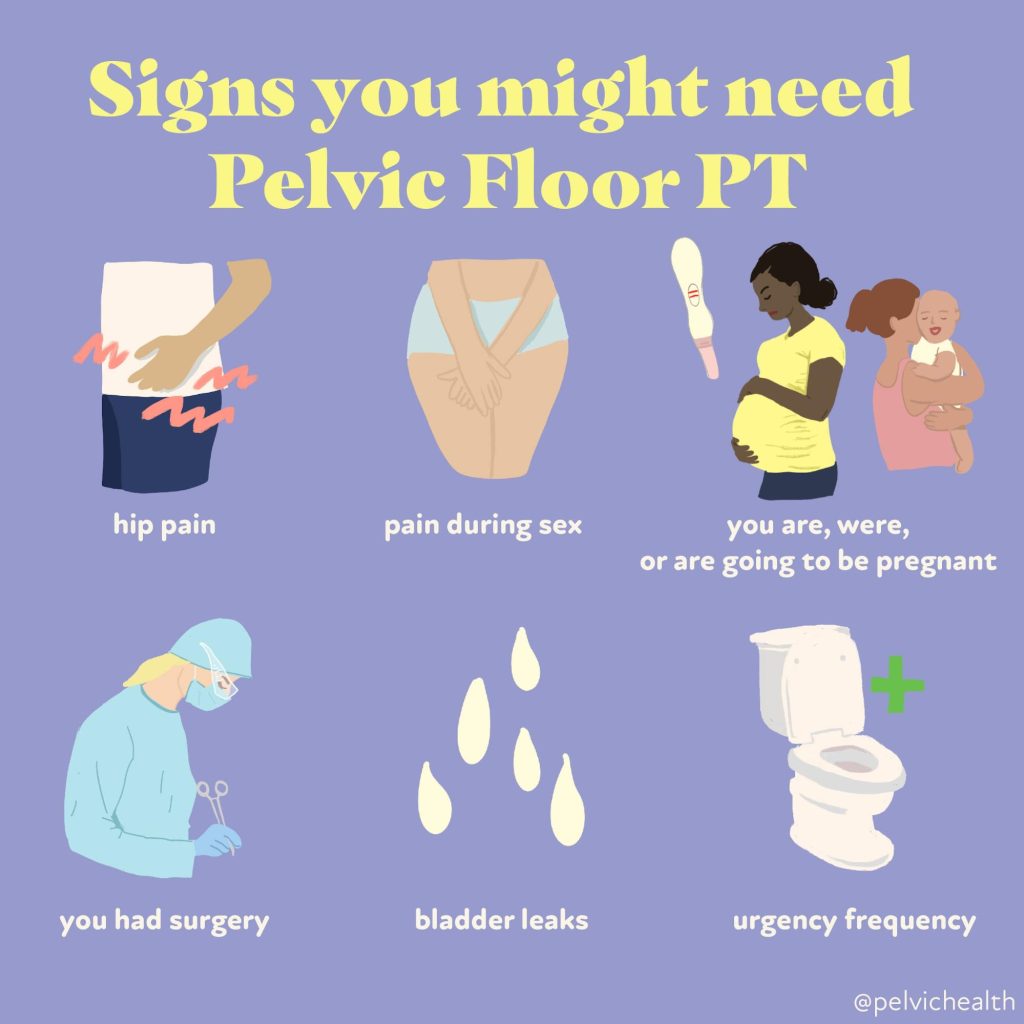
Here are common red flags:
- Urinary urgency, frequency, burning or leakage
- Bowel urgency or incomplete emptying
- Pelvic or lower-abdominal pain, especially with sitting, sexual activity, and exercise
- A sensation of heaviness, bulging, or pressure in the pelvic region
- Musculoskeletal complaints such as low back pain, hip weakness, or tightness
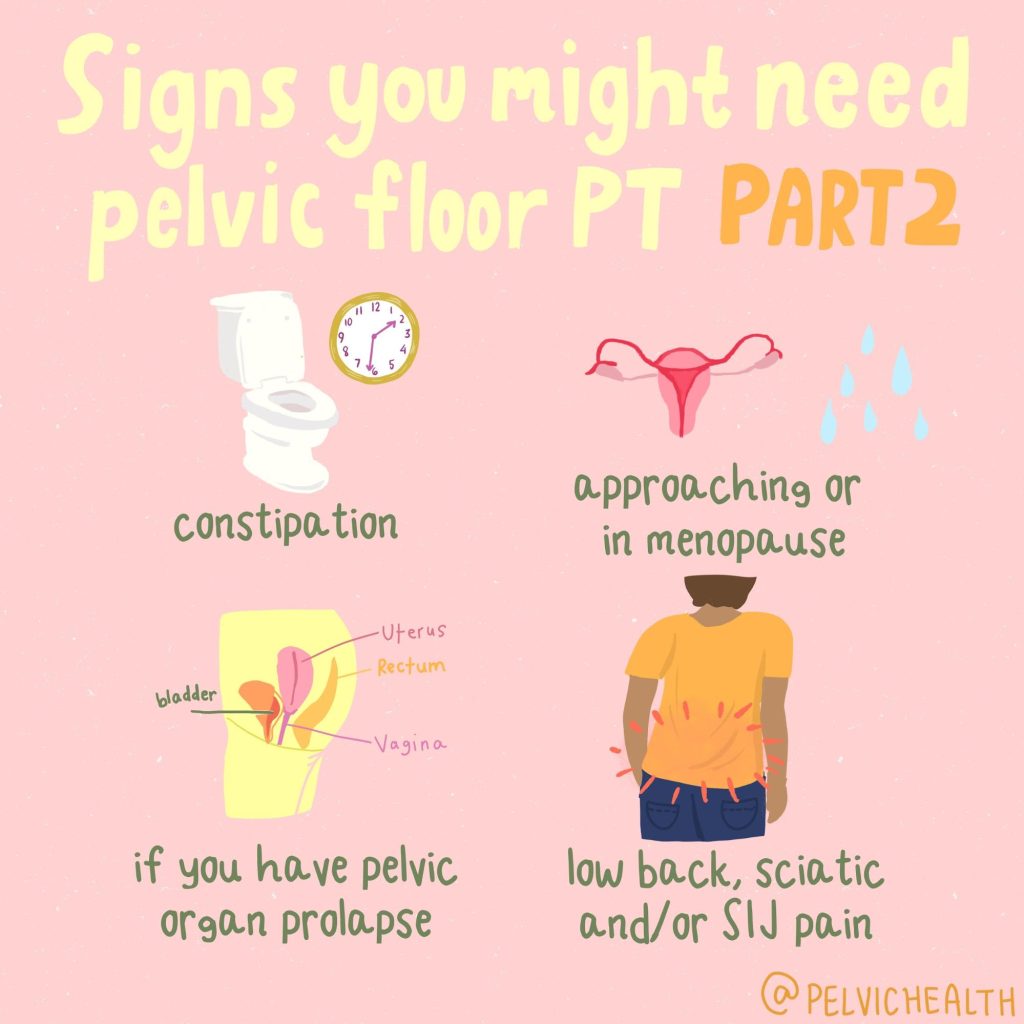
What’s key is to notice patterns and triggers: which movements or positions aggravate symptoms? Do symptoms worsen with stress, after long sitting, exercise, or sexual activity? Where do you feel symptoms and what triggers the symptoms?
The second video stresses that many causes are not purely “pelvic” — other systems and muscles often contribute. YouTube This is why a good rehab plan involves a comprehensive assessment, not a narrow focus.
A Holistic Rehabilitation Strategy
From the full set of videos (especially the latter ones), the following components emerge as pillars of effective pelvic floor rehabilitation:
1. Relaxation / down-regulation first
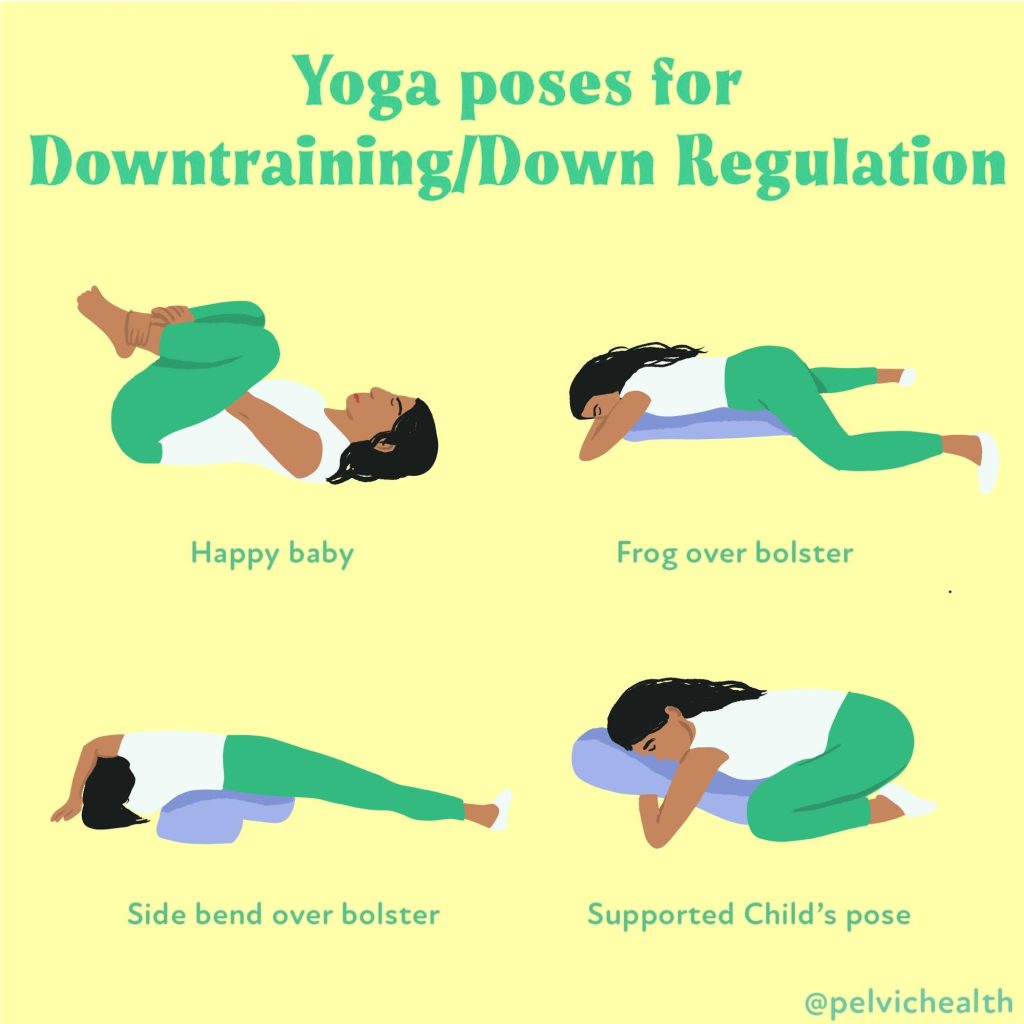
Before strengthening, down-training is often necessary. A pelvic floor that is tense needs help to release. Diaphragmatic (belly) breathing, external soft-tissue work, and neuromuscular re-education – guided in the clinic and instructions for help between visits – are key.
2. Differentiation & control
Once tension is reasonably managed, patients can begin to sense, isolate, and control different muscle contractions. The goal isn’t brute strength, but coordination — the ability to turn these muscles “on” and “off” in functional patterns (e.g. with daily life, and exercise)
3. Functional integration & movement training
Pelvic floor work should be embedded into real-life movements: walking, bending, lifting, sitting to standing, and core stabilization. Because the pelvis interacts with hips, spine, and the rest of the body, the rehab process often extends there too. People recovering from pelvic floor disorders have altered movement patterns that we can help normalize.
4. Behavioral and environmental adjustments
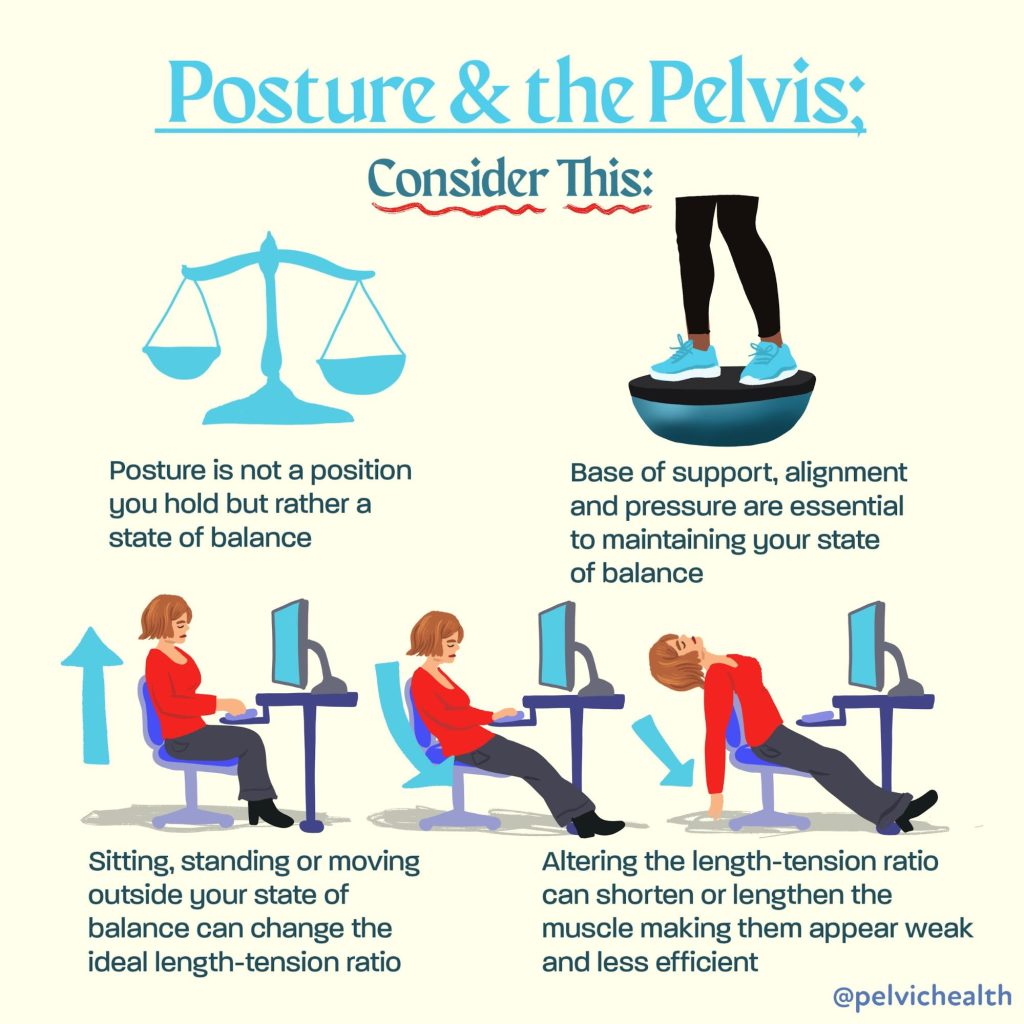
Sometimes, relieving symptoms involves changing behavior or environment temporarily: posture, toileting habits (avoiding prolonged straining), hydration, bowel regularity, and avoiding aggravating positions or heavy loads.
5. Gradual progression and patient engagement
Rehab is rarely linear or fast. Progress involves small steps, experimentation, and consistent feedback from the patient. As the videos suggest, shared decision-making and patient education are key for sustained recovery.
Putting It Into Practice: A Sample Journey
Below is a hypothetical, but realistic, progression a patient might work through, combining lessons from the videos:
Initial Assessment & “reset”
-
- We begin with listening to our patients’ most bothersome symptoms and tailor the physical exam to help our patients best understand the somatic causes of their symptoms.
- Manual therapy is often involved for assessment and treatment. We offer clinical treatment for what patients cannot yet do themselves and help devise a home program to support the clinical work.
- Neuromuscular re-education and short and long term goals are key for success.
Gentle down-training work
-
- Foam rolling and theragun use are helpful home tools
- Central nervous system down-training exercises are useful, we like the resources on the Tame the Beast website.
- Avoid over-activation (resist “just squeezing harder”)
Awareness & control drills
-
- Cueing with breathing, posture, visualization
- Integrate with minimal load tasks: seated to standing, small weight shifts
Integration into movement / function
-
- Add core-limb coordination: bridging, single-leg stance, hip hinge, squats
- Challenge timing: e.g. contract during cough, Valsalva, bending, lifting
- Address compensatory patterns in hips, glutes, back
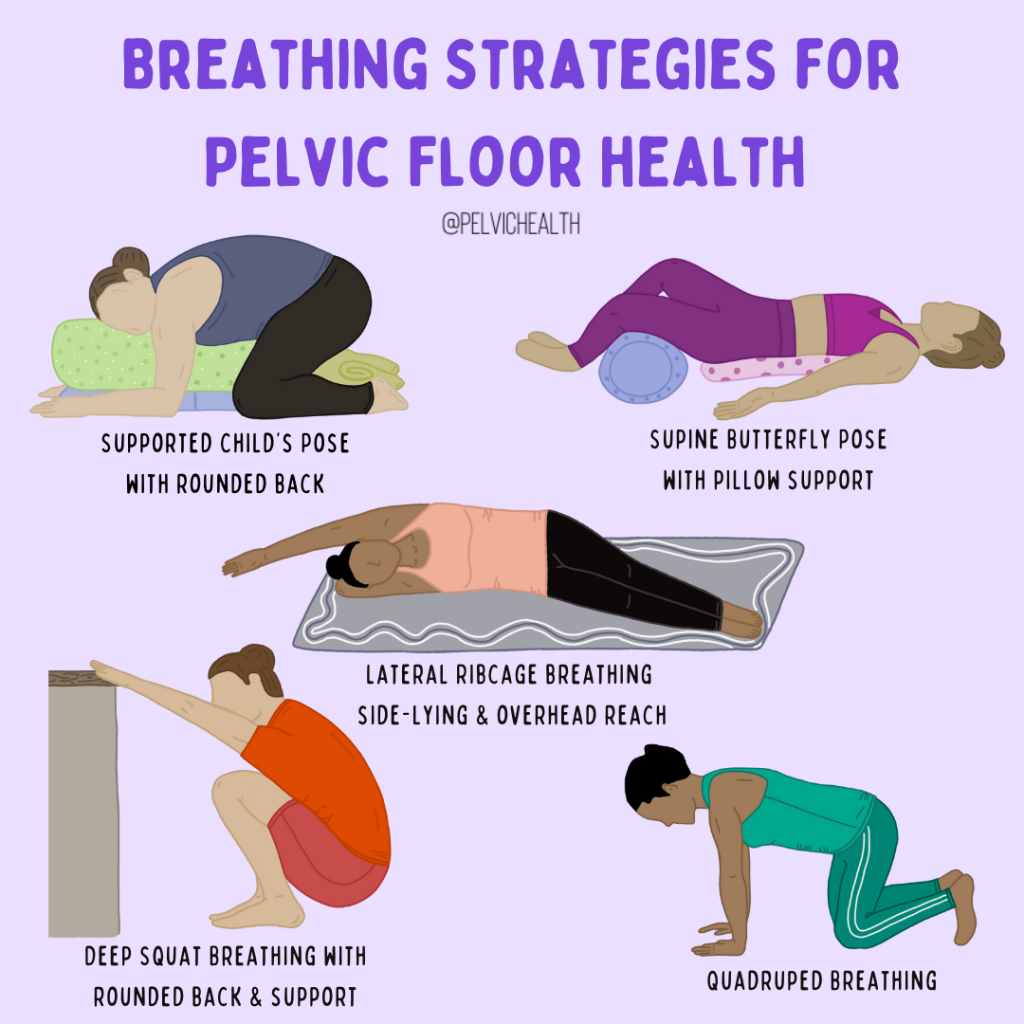
Load & endurance progression
-
- Higher repetitions or holds
- More dynamic tasks: walking lunges, carrying loads, stairs
- Sport- or task-specific drills, if relevant
Throughout, the therapist and patient communicate: Which exercises help, which flare symptoms, which positions provoke or ease discomfort? This feedback loop guides the next steps.
Why Results Take Time — and Why That’s OK
One of the recurring themes from all the videos is patience. The pelvic floor is deeply interconnected with posture, movement, nervous system regulation, and behavior. It rarely — and perhaps never — “fixes” overnight.
Expect fluctuations: good days, setbacks, and plateaus. That doesn’t mean treatment is failing — it means the process is working through complex systems. Consistency, gentle progression, and adaptation are more powerful than heavy effort or “all or nothing” thinking.
Also, even if symptoms don’t vanish fully, many patients report meaningful improvements in quality of life, ease of movement, and confidence in using their bodies again.
Tips & Caveats
- Don’t push through deep pain — a flare is a signal to downshift.
- Track symptoms & triggers — keep a journal or log.
- Be patient with “relaxation” phases — these are not passive; they’re active neuromuscular reprogramming.
- Address whole-body contributors — hips, core, breathing, posture matter.
- Communicate with your provider — share preferences, fears, and feedback.
- Find a skilled pelvic floor PT or clinician who understands this integrative approach.
Conclusion
The journey to pelvic health is seldom straightforward, but it is deeply worthwhile. The videos you sent offer a balanced and nuanced view: anatomies, dysfunctions, and rehabilitation techniques. We see a shift away from isolated “squeeze harder” thinking toward a system-based, patient-centered process.
If you or someone you work with is embarking on pelvic floor rehabilitation, remember that success is built in small, consistent steps — relaxation, control, integration, and feedback. Over time, the goal is less about “perfect muscle” and more about resilience, coordination, and confidence in your own body.
______________________________________________________________________________________________________________________________________
Check out our recently published e-book titled “Vulvodynia, Vestibulodynia, and Vaginismus,” designed to empower and inform individuals on their journey towards healing and understanding.
Are you unable to come see us in person in the Bay Area, Southern California or New England? We offer virtual physical therapy appointments too!
Virtual sessions are available with PHRC pelvic floor physical therapists via our video platform, Zoom, or via phone. For more information and to schedule, please visit our digital healthcare page.
Do you enjoy or blog and want more content from PHRC? Please head over to social media!