
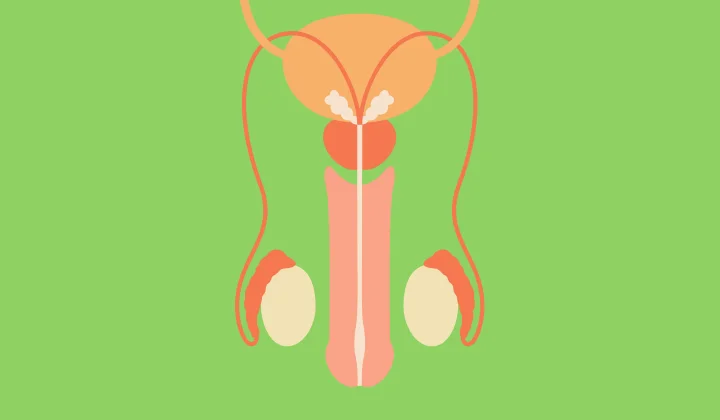
If you are in Temecula and have been feeling persistent testicular pain that will not ease up, it may not be caused by an infection. Discomfort of this nature can come from pelvic floor dysfunction, nerve irritation in the lower back, or reduced pelvic blood flow.
Because these symptoms often resemble prostatitis, testicular pain is sometimes misidentified and treated incorrectly. Men are often given antibiotics that do little to relieve discomfort. When those medications fail, the real cause is often muscular or neurological instead of bacterial.
Men researching treatment options from Temecula can benefit from pelvic floor physical and occupational therapy. These techniques gently release tense muscles, restore pelvic stability, and relieve pressure on nerves. By addressing the underlying issue, this approach encourages natural healing and sustained relief.
What are the Causes of Testicular Pain?
A variety of conditions may be responsible for testicular pain, with the most common categories being lumbar, vascular, and pelvic floor pathologies.

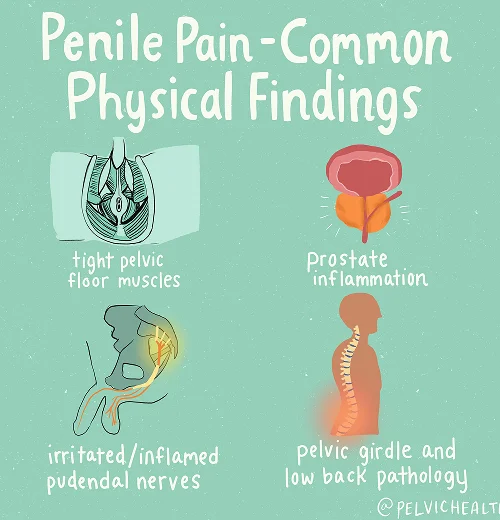
- Lumbar pathology: The nerves that extend into the testicles begin their course within the lower spine. When that area becomes irritated from conditions like spinal arthritis, nerve compression, or disc herniation, pain may radiate along the nerve pathways into the testicular region.
- Vascular pathology: Disruption in normal venous return can cause pressure or pooling within the testicular veins. This may result from conditions such as varicocele, torsion, or vascular congestion, all of which create sensations of aching or heaviness in the groin.
- Pelvic floor pathology: The pelvic floor consists of an intricate network of muscles that maintain stability for pelvic organs. When these muscles tighten or spasm excessively, they can place strain on adjacent nerves, producing referred pain that feels as if it originates from the testicle itself.
Additional causes of testicular pain can include:
- Surgical trauma (vasectomy, benign prostatic hyperplasia (BPH) interventions, prostatectomy)
- Biomechanical or structural dysfunction (hip dysfunction, piriformis syndrome, scoliosis, leg length discrepancy)
- Excessive exercise or changes to exercise routine
- Excessive sitting
- Chronic constipation and straining
- Jelqing and/or attempts at gential enhancement or foreskin regeneration
- In rare cases, bladder, prostate, or sexually transmitted infections after successful resolution of infection
- The majority of men with pelvic pain (including testicular pain), with or without urinary or bowel complaints, have pelvic floor dysfunction
Symptoms of Testicular Pain
- The pain experienced in the testicles may feel sharp, burning, or deeply throbbing and can spread into adjacent areas.
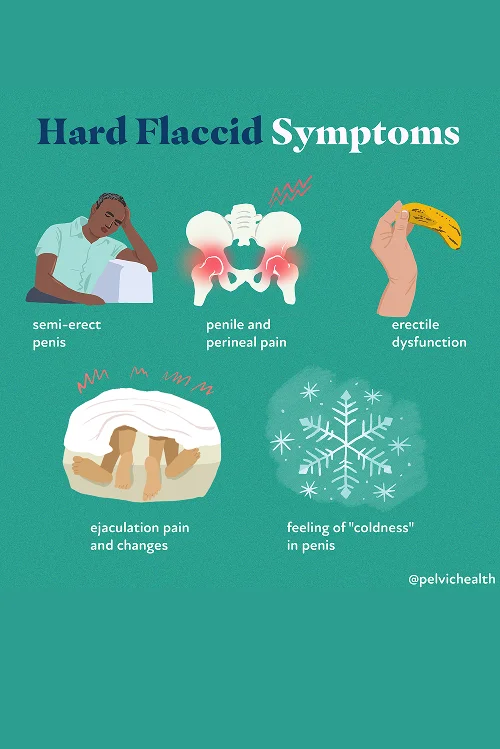
- These sensations sometimes move toward the penis, perineum, anus, or groin.
Men suffering from these symptoms often describe related issues such as:
- Increased pelvic discomfort after sitting too long, engaging in physical work, or wearing tight clothing.
- Changes in urination including more frequent trips, urgency, and a weaker flow.
- Painful or uncomfortable sensations during ejaculation, which may affect the perineum or penis.
- Some individuals also report erectile problems or weaker ejaculation force.
- Digestive complaints such as constipation or bloating often appear simultaneously.
- These symptoms can worsen without clear triggers or follow activity and sexual release.
- Intensity varies, with flare-ups alternating with brief periods of relief.
Associated Diagnoses
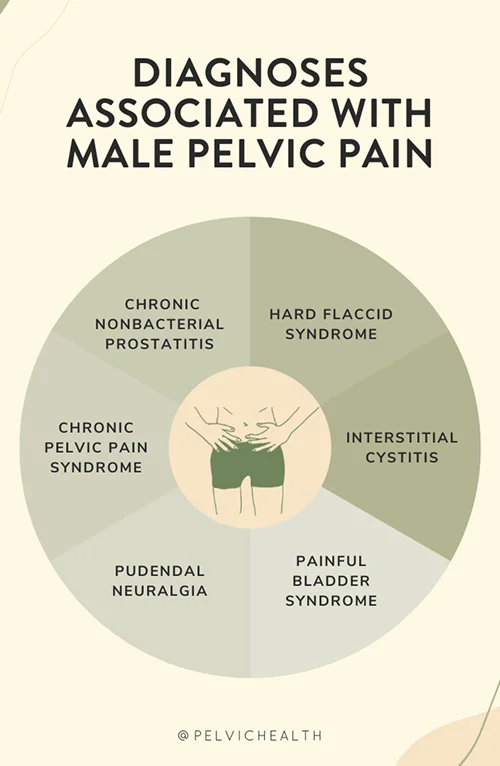
The causes of testicular and pelvic pain are often interconnected, involving a mix of lumbar spine, vascular, and pelvic floor dysfunctions. Lumbar pathology may include lumbar radiculopathy or referred discomfort that stems from degenerative disc disease, arthritis, or vertebral compression. Vascular complications such as varicocele, testicular torsion, and pelvic venous congestion impede blood flow and contribute to persistent or throbbing pelvic pain. Pelvic floor pathology frequently overlaps with these conditions and is associated with Chronic Pelvic Pain Syndrome (CPPS), pudendal neuralgia, hard flaccid syndrome, and painful bladder syndrome. In many patients, dysfunction in the pelvic floor muscles becomes the central factor that maintains or amplifies discomfort produced by other structural or circulatory issues.
Diagnostic Challenges
Many men report testicular discomfort that is incorrectly attributed to prostatitis, often resulting in the use of antibiotics that are not required. In most of these cases, testing confirms that no bacterial infection exists. Medical literature has shown that more than 90 percent of men with chronic pelvic or genital pain do not actually suffer from a bacterial infection within the prostate gland.
The majority of these cases fall under the National Institutes of Health’s Category IIIa and Category IIIb designations, collectively referred to as Chronic Pelvic Pain Syndrome (CPPS). Nerve irritation from the lower spine and reduced pelvic blood flow can both mimic the same pain patterns as pelvic floor dysfunction, leading to confusion and delays in treatment.
In accordance with the National Institutes of Health’s definitions, prostatitis syndromes are grouped as follows:
- Category I: Acute bacterial prostatitis results from an immediate bacterial infection that produces intense pelvic pain, fever, and urinary difficulties.
- Category II: Chronic bacterial prostatitis involves a recurring infection within the prostate, leading to repeated urinary tract infections by the same organism.
- Category IIIa: Inflammatory chronic pelvic pain syndrome displays an immune response, marked by the presence of white blood cells in prostate-related fluids or urine samples.
- Category IIIb: Noninflammatory chronic pelvic pain syndrome includes similar symptoms but lacks white blood cells, suggesting irritation without infection.
- Category IV: Asymptomatic inflammatory prostatitis refers to inflammation within the prostate that exists silently without discomfort or urinary complaints.
In accordance with the National Institutes of Health’s definitions, prostatitis syndromes are grouped as follows:
- Category I: Acute bacterial prostatitis results from an immediate bacterial infection that produces intense pelvic pain, fever, and urinary difficulties.
- Category II: Chronic bacterial prostatitis involves a recurring infection within the prostate, leading to repeated urinary tract infections by the same organism.
- Category IIIa: Inflammatory chronic pelvic pain syndrome displays an immune response, marked by the presence of white blood cells in prostate-related fluids or urine samples.
- Category IIIb: Noninflammatory chronic pelvic pain syndrome includes similar symptoms but lacks white blood cells, suggesting irritation without infection.
- Category IV: Asymptomatic inflammatory prostatitis refers to inflammation within the prostate that exists silently without discomfort or urinary complaints.
Treatment for Testicular Pain
Depending on what is truly behind your symptoms, whether related to tight pelvic floor muscles, irritation of nerves that travel through the lower back, or reduced blood circulation in the pelvis, your care plan may consist of multiple therapeutic strategies aimed at rebalancing muscle tone and optimizing pelvic function. These therapies help promote circulation, relieve tension, and improve how the body supports the pelvic organs.
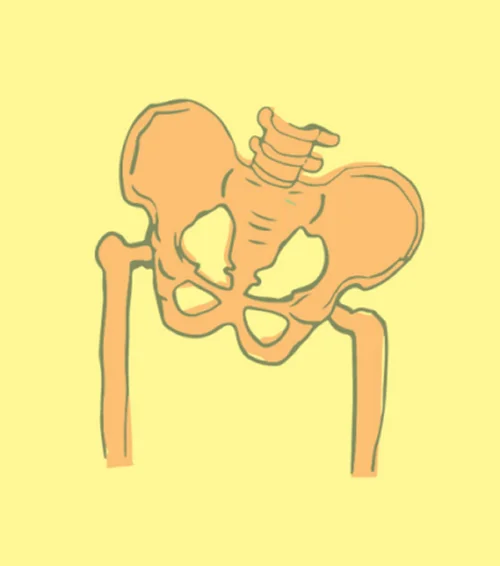
- Pelvic floor physical and occupational therapy for pelvic floor dysfunction: This therapy emphasizes calming the pelvic muscles, retraining them for proper movement, and reducing nerve hypersensitivity. Over time, consistent treatment restores strength, coordination, and overall comfort.
- Spine and back treatment: When the root cause of your pain lies within the lower spine, therapy often includes spinal mobilization, postural correction, and core stabilization. Occasionally, guided injections are added to control inflammation around compressed nerves.
- Vascular-related treatment: Poor circulation can make pain worse, so therapy often targets improved breathing patterns, muscle relaxation, and upright posture to help oxygenate tissues and ease venous congestion.
- Addressing biomechanical issues: When misalignment limits movement in your hips or pelvis, corrective exercises and manual adjustments improve joint mobility, enhance posture, and decrease strain on nearby muscles.
- Lifestyle adjustments: Therapists may guide you in breaking long sitting habits, improving digestive function, and gradually reintroducing physical activity to maintain your progress between sessions.
How We Can Help You with Testicular Pain
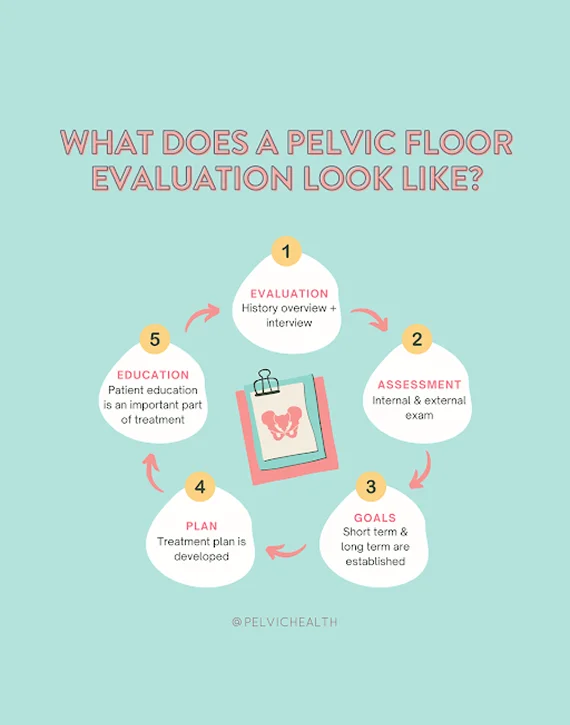
For men in or near Temecula who have been living with chronic testicular pain, meeting with a pelvic floor physical and occupational therapist can help uncover the true cause of their discomfort. At PHRC, we begin each evaluation by discussing your medical history, treatment experiences, and current symptoms. This conversation helps us form a complete picture of your health and determine an individualized treatment plan.
Many men from Temecula reach out after years of struggling with limited results. Our therapists understand this frustration and are committed to creating a positive, informative environment. We focus on providing a structured plan that offers clarity and measurable goals.
During your physical evaluation, your therapist assesses muscle tone, pelvic joint movement, and nerve response. After the assessment, you will review your findings together, gain a better understanding of your condition, and discuss realistic milestones for recovery.
How We Can Help You with Testicular Pain
For men in or near Temecula who have been living with chronic testicular pain, meeting with a pelvic floor physical and occupational therapist can help uncover the true cause of their discomfort. At PHRC, we begin each evaluation by discussing your medical history, treatment experiences, and current symptoms. This conversation helps us form a complete picture of your health and determine an individualized treatment plan.
Many men from Temecula reach out after years of struggling with limited results. Our therapists understand this frustration and are committed to creating a positive, informative environment. We focus on providing a structured plan that offers clarity and measurable goals.
During your physical evaluation, your therapist assesses muscle tone, pelvic joint movement, and nerve response. After the assessment, you will review your findings together, gain a better understanding of your condition, and discuss realistic milestones for recovery.
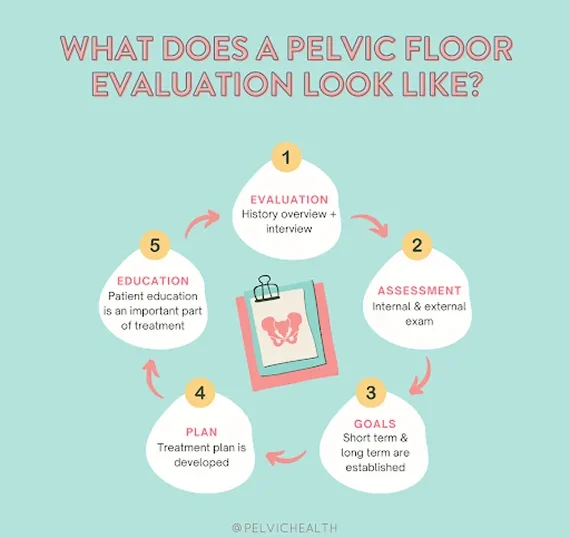
Therapy sessions usually take place once or twice weekly for around 12 weeks. You will also be given personalized home exercises to support your progress. Your PHRC therapist will coordinate with your other healthcare providers to ensure your care remains seamless. Our ultimate goal is to help you achieve relief, restore comfort, and improve overall pelvic function.