
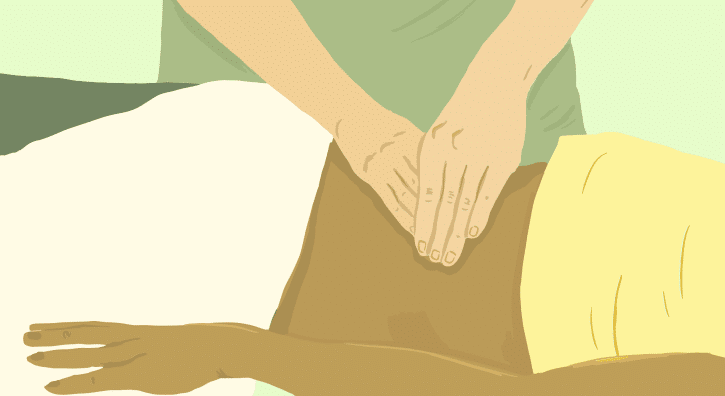

The term sexual dysfunction describes persistent or recurring problems with arousal, sexual response, orgasm, or pain during intimacy. Pelvic floor muscles are key players in sexual health. In men, these muscles are required to sustain the firmness of an erection, and in both men and women, they produce the rhythmic, repetitive contractions that occur during orgasm. Ordinarily, they function without discomfort and contribute positively to sexual pleasure. When pelvic floor dysfunction develops, however, normal sexual activity can become painful, leading to distress and reduced satisfaction. For people living in Redwood City, this can feel overwhelming and discouraging. Fortunately, pelvic floor physical and occupational therapy provides a pathway toward healing, helping to relieve pain, restore healthy function, and support a more enjoyable sexual experience.
The Facts
- One-third of all premenopausal women will at some time experience pain with sexual activity.
- A significant 15% to 72% of men younger than 40 report erectile dysfunction-related concerns.
- In the age group of 40 to 70 years, 52% of men deal with erectile dysfunction, ranging from mild to moderate severity.
- Prostatectomy leaves up to 80% of men with erectile dysfunction as a long-term complication.
- Among menopausal women, 60% never bring up painful sex to their healthcare providers, usually because of embarrassment.
- Hormonal medications such as oral contraceptives or acne therapies can increase vulvar pain and reduce natural moisture.
- Nearly two-thirds of postpartum women (65%) continue reporting painful intercourse even 18 months after delivery.
The term sexual dysfunction describes persistent or recurring problems with arousal, sexual response, orgasm, or pain during intimacy. Pelvic floor muscles are key players in sexual health. In men, these muscles are required to sustain the firmness of an erection, and in both men and women, they produce the rhythmic, repetitive contractions that occur during orgasm. Ordinarily, they function without discomfort and contribute positively to sexual pleasure. When pelvic floor dysfunction develops, however, normal sexual activity can become painful, leading to distress and reduced satisfaction. For people living in Redwood City, this can feel overwhelming and discouraging. Fortunately, pelvic floor physical and occupational therapy provides a pathway toward healing, helping to relieve pain, restore healthy function, and support a more enjoyable sexual experience.
The Facts
- One-third of all premenopausal women will at some time experience pain with sexual activity.
- A significant 15% to 72% of men younger than 40 report erectile dysfunction-related concerns.
- In the age group of 40 to 70 years, 52% of men deal with erectile dysfunction, ranging from mild to moderate severity.
- Prostatectomy leaves up to 80% of men with erectile dysfunction as a long-term complication.
- Among menopausal women, 60% never bring up painful sex to their healthcare providers, usually because of embarrassment.
- Hormonal medications such as oral contraceptives or acne therapies can increase vulvar pain and reduce natural moisture.
- Nearly two-thirds of postpartum women (65%) continue reporting painful intercourse even 18 months after delivery.
Symptoms
*Sexual Dysfunction in people with a penis
- Erectile dysfunction: poor quality, inability to achieve erection, inability to maintain erection, premature ejaculation
- Decreased force or inability to ejaculate
- Climacturia (incontinence with orgasm)
- Post ejaculatory pain: tip and/or shaft of penis, perineum, scrotum
- Discoloration in penis/scrotum/perineum
Postpartum Sexual Dysfunction
- Decreased lubrication during breastfeeding
- Perineal pain with touch from episiotomy or perineal trauma
- Diminished or absent orgasm
- Incontinence during orgasm or intercourse
- Painful sex
*Sexual Dysfunction in people with vulvas/vaginas
- Inability or decreased ability to lubricate
- Pain upon vaginal penetration, with deep penetration only, and/or continuous pain with penetration
- Clitoral pain, hypersensitivity to touch
- Pain and/or burning after sexual contact
- Inability to orgasm, diminished orgasm
- Urinary incontinence during sexual activity
- Climacturia (incontinence with orgasm)
Menopausal Sexual Dysfunction and Post-gynecologic cancer treatment
- Decreased ability to lubricate
- Inability to achieve or difficulty with vaginal penetration
- Painful sex: during and/or after
- Diminished or absent orgasm
Symptoms
*Sexual Dysfunction in people with a penis
- Erectile dysfunction: poor quality, inability to achieve erection, inability to maintain erection, premature ejaculation
- Decreased force or inability to ejaculate
- Climacturia (incontinence with orgasm)
- Post ejaculatory pain: tip and/or shaft of penis, perineum, scrotum
- Discoloration in penis/scrotum/perineum
*Sexual Dysfunction in people with vulvas/vaginas
- Inability or decreased ability to lubricate
- Pain upon vaginal penetration, with deep penetration only, and/or continuous pain with penetration
- Clitoral pain, hypersensitivity to touch
- Pain and/or burning after sexual contact
- Inability to orgasm, diminished orgasm
- Urinary incontinence during sexual activity
- Climacturia (incontinence with orgasm)
Postpartum Sexual Dysfunction
- Decreased lubrication during breastfeeding
- Perineal pain with touch from episiotomy or perineal trauma
- Diminished or absent orgasm
- Incontinence during orgasm or intercourse
- Painful sex
Menopausal Sexual Dysfunction and Post-gynecologic cancer treatment
- Decreased ability to lubricate
- Inability to achieve or difficulty with vaginal penetration
- Painful sex: during and/or after
- Diminished or absent orgasm
Associated Diagnoses
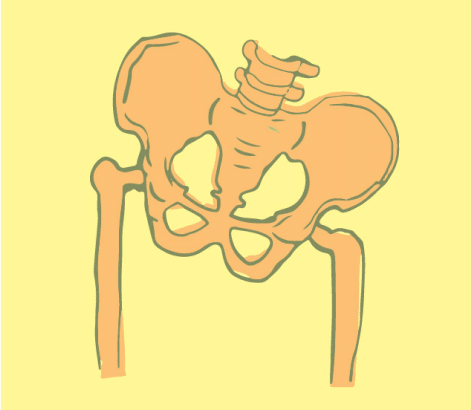
Diagnoses such as Endometriosis, Vulvodynia, Interstitial Cystitis/Painful Bladder Syndrome, Pudendal Neuralgia, Chronic Pelvic Pain Syndrome/Male Pelvic Pain, Lichen Sclerosus, Lichen Planus, Pelvic Floor Dysfunction, post-prostatectomy complications, and Genitourinary Syndrome of Menopause are all associated with sexual dysfunction and pelvic pain.
Associated Diagnoses
Diagnoses such as Endometriosis, Vulvodynia, Interstitial Cystitis/Painful Bladder Syndrome, Pudendal Neuralgia, Chronic Pelvic Pain Syndrome/Male Pelvic Pain, Lichen Sclerosus, Lichen Planus, Pelvic Floor Dysfunction, post-prostatectomy complications, and Genitourinary Syndrome of Menopause are all associated with sexual dysfunction and pelvic pain.

Causes of Sexual Dysfunction
- Pelvic pain syndromes associated with pelvic floor dysfunction (above)
- Childbirth
- Medications
- Obesity
- Cardiovascular disease
- Menopause
- Jelqing
- Genital mutilation, genital cutting
- Surgically-induced
- Pelvic Floor Reconstruction
- Prostatectomy
- Gender affirming surgery
- Episiotomy
- Vestibulectomy
- Pudendal Nerve Decompression
- Mesh excision
Causes of Sexual Dysfunction
- Pelvic pain syndromes associated with pelvic floor dysfunction (above)
- Childbirth
- Medications
- Obesity
- Cardiovascular disease
- Menopause
- Jelqing
- Genital mutilation, genital cutting
- Surgically-induced
- Pelvic Floor Reconstruction
- Prostatectomy
- Gender affirming surgery
- Episiotomy
- Vestibulectomy
- Pudendal Nerve Decompression
- Mesh excision
Diagnostic Challenges
Evidence from recent studies reveals that the majority of healthcare providers are not confident discussing sexual health with their patients, and similarly, many patients are hesitant to initiate these important conversations with their doctors. The LGBTQ community faces additional challenges, as ongoing discrimination has been shown to significantly harm sexual health outcomes. As medical professionals, it is imperative that we change this landscape for the better. At PHRC, our mission is to create an environment where patients feel fully safe, supported, and respected when discussing every aspect of pelvic health. Many individuals remain unaware that sexual health has been recognized as a distinct medical specialty, with treatments and resources available. Because sexual pleasure and wellness depend on both physical and psychological aspects of health, the most effective care is usually interdisciplinary, combining medical expertise, behavioral health or psychological services, and pelvic floor physical and occupational therapy.
Diagnostic Challenges
Evidence from recent studies reveals that the majority of healthcare providers are not confident discussing sexual health with their patients, and similarly, many patients are hesitant to initiate these important conversations with their doctors. The LGBTQ community faces additional challenges, as ongoing discrimination has been shown to significantly harm sexual health outcomes. As medical professionals, it is imperative that we change this landscape for the better. At PHRC, our mission is to create an environment where patients feel fully safe, supported, and respected when discussing every aspect of pelvic health. Many individuals remain unaware that sexual health has been recognized as a distinct medical specialty, with treatments and resources available. Because sexual pleasure and wellness depend on both physical and psychological aspects of health, the most effective care is usually interdisciplinary, combining medical expertise, behavioral health or psychological services, and pelvic floor physical and occupational therapy.
Treatment:
How We Can Help You
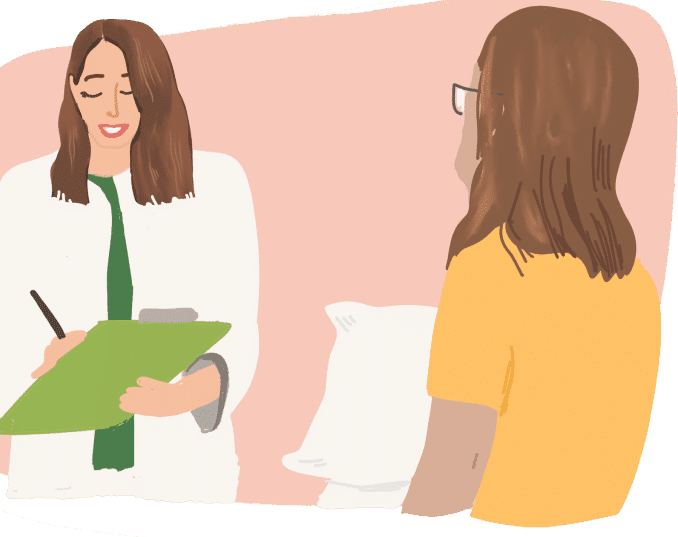
For patients in Redwood City struggling with sexual dysfunction, working with a pelvic floor physical and occupational therapist can help uncover the role your pelvic floor may play in your symptoms. Your therapist will begin by taking the time to review your medical history and current experiences, including any diagnoses you have received in the past, the treatments you have already attempted, and whether those treatments provided meaningful relief. Many Redwood City residents share how disheartening it can be to feel like nothing has worked, but we want you to know that your concerns are valid and we are here to help. As part of your physical exam, your therapist will check the muscles, tissues, joints, nerves, and movement patterns that may be involved. After this, your therapist will share their findings with you, clearly explaining how your symptoms developed and outlining both short-term and long-term goals for recovery. Most treatment plans for patients in Redwood City involve attending therapy one to two times a week over the course of 12 weeks, along with a dedicated home exercise plan to reinforce progress. Your therapist will also coordinate with your broader healthcare team to ensure a comprehensive approach. Our focus is to support you in regaining your health and returning to a life filled with strength, comfort, and confidence.

Treatment:
How We Can Help You
For patients in Redwood City struggling with sexual dysfunction, working with a pelvic floor physical and occupational therapist can help uncover the role your pelvic floor may play in your symptoms. Your therapist will begin by taking the time to review your medical history and current experiences, including any diagnoses you have received in the past, the treatments you have already attempted, and whether those treatments provided meaningful relief. Many Redwood City residents share how disheartening it can be to feel like nothing has worked, but we want you to know that your concerns are valid and we are here to help. As part of your physical exam, your therapist will check the muscles, tissues, joints, nerves, and movement patterns that may be involved. After this, your therapist will share their findings with you, clearly explaining how your symptoms developed and outlining both short-term and long-term goals for recovery. Most treatment plans for patients in Redwood City involve attending therapy one to two times a week over the course of 12 weeks, along with a dedicated home exercise plan to reinforce progress. Your therapist will also coordinate with your broader healthcare team to ensure a comprehensive approach. Our focus is to support you in regaining your health and returning to a life filled with strength, comfort, and confidence.
How Can We Help You?
For those who would like to ask a question or leave a comment, we encourage you to use the form located below. To ensure we are able to reply, please include your e-mail address. You can trust that every piece of information you provide will remain fully confidential and will never be shared.


Join The Newsletter. Win a copy of our book, “Pelvic Pain Explained!”
We welcome every opportunity to get to know those who come across our site. Introduce yourself and you’ll be added to the PHRC newsletter, where we regularly provide insights, updates, and support for pelvic health.
*Subscribers automatically eligible to win our book, “Pelvic Pain Explained.”

At its essence Pelvic Pain Explained explores the development of pelvic pain, the difficulties experienced by patients and providers in identifying and addressing it, and the confusing variety of treatment strategies available. It also highlights how such a condition, though unseen, has lasting effects on relationships and daily living.