Tag: <span>advice</span>

How Pelvic Floor Physical and Occupational Therapy Helped Megan Eliminate Rectal Pain and Bowel Dysfunction

In Female Pelvic Pain by Kim Buonomo / April 28, 2022

By Kim Buonomo, DPT, PHRC Lexington   Introduction Megan (mid-50 year old cisgender female) started seeing me in September 2021. She had a history of bowel dysfunction since giving birth to her daughter in the late 1990’s. She described her symptoms as a pattern of alternating constipation and diarrhea, associated with bloating, hemorrhoids and abdominal […]


Endometriosis: Frequently Asked Questions & Their Answers

In Endometriosis by Jandra Mueller / April 14, 2022

By Jandra Mueller, DPT, MS, PHRC Encinitas   This past month was Endometriosis Awareness Month. It was very exciting to see how many more individuals and providers were sharing amazing information about this disease that affects such a large percentage of our population. This was not always the case, and it is a sign we […]

How Pelvic Floor Physical and Occupational Therapy helps Female Pelvic Pain

In Female Pelvic Pain by Elizabeth Akincilar / May 20, 2021

By Elizabeth Akincilar, MSPT, Cofounder, PHRC Lexington   Did You Know…   An estimated sixty-one percent of women with bladder pain syndrome have comorbid chronic pelvic pain, while almost fifty percent of women with endometriosis suffer from chronic pelvic pain.1 Seventy percent of women with a previous diagnosis of endometriosis are diagnosed with chronic pelvic […]

Pregnancy Awareness Month- Pregnancy & Postpartum Services

In Pregnancy/Postpartum by Emily Tran / May 6, 2021

By Stephanie A. Prendergast, DPT, MPT, Cofounder, PHRC Los Angeles With May being Pregnancy Awareness Month, we wanted to share an overview of the pregnancy and postpartum services we offer here at the Pelvic Health and Rehabilitation Center. Along with the overview we will discuss what to expect in your appointment with additional blogs, videos […]

Q&A Bowel Dysfunction

In Bowel Dysfunction by Stephanie Prendergast / April 22, 2021

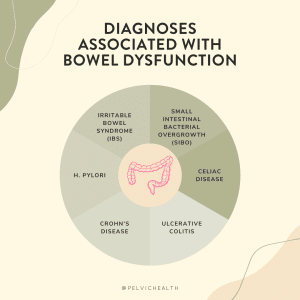
By Stephanie A. Prendergast, DPT, MPT, Cofounder, PHRC Los Angeles A few weeks ago we published a blog about How Pelvic Floor Physical and Occupational Therapy Helps Bowel Dysfunction. In it we discussed how one might develop a bowel dysfunction, symptoms, associated diagnoses and how pelvic floor PT can help in recovery. This week, we […]

Success Story: Tessa’s Triumph Over Painful Sex

In Female Pelvic Pain by Shannon Pacella / March 11, 2021

By Shannon Pacella, DPT,  PHRC Lexington   Do you remember the first time you tried using tampons? Did you have anyone help guide you or were you trying to follow the little paper instructions from inside the box? Once you mustered up the courage to try and insert it, was it painful? Maybe you were […]

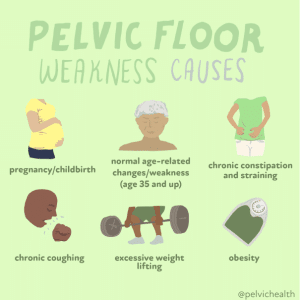
Q&A Pelvic Floor Weakness Causes

In Pelvic Floor Physical Therapy by Stephanie Prendergast / January 21, 2021

By Stephanie Prendergast, MPT, Cofounder, PHRC Los Angeles and Admin In case you missed our latest Q&A about Pelvic Floor Pain/Tightness Causes, you can read it here. If your pelvic floor muscles are weak, your pelvic organs will not have the full support they need! But what is the cause of weakness? Back in October […]

EmBODYment

In Pelvic Floor Physical Therapy by Emily Tran / October 9, 2020

By Maryssa Steffen, DPT, PHRC Berkeley Have you ever noticed the relationship between your feelings and your bodily sensations? For example, have you ever noticed that gut-wrenching feeling you get in the pit of your stomach when you know something is wrong, or you just got bad news? Or your heart rate suddenly increases when […]

Treating the Whole Person: Trauma-Informed Care Part 2

In Pelvic Floor Physical Therapy by Emily Tran / September 24, 2020

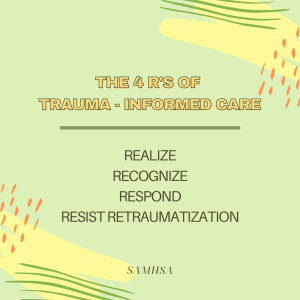
By Jillian Giannini, DPT, PHRC Westlake Village Just like it was discussed in our previous post  it is not within the scope of practice for a physical and occupational therapists to treat trauma; however, educating yourself on ways to implement trauma-informed care can help you to provide a safe and conducive environment for a patient’s […]

Skip to content