
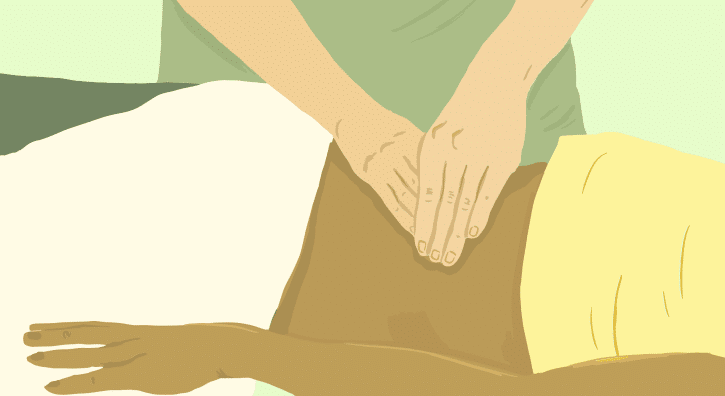

Sexual dysfunction occurs when there are ongoing problems with desire, arousal, orgasm, or pain, making intimacy distressing rather than enjoyable. The pelvic floor muscles are closely tied to sexual function. For men, these muscles play an essential role in maintaining the rigidity of an erection, and for both men and women, they contract quickly and repetitively during orgasm to heighten pleasure. Under normal conditions, the pelvic floor muscles do not produce pain before, during, or after sexual activity. However, when dysfunction develops, people often experience discomfort, pain, and a disruption of normal function. For individuals in Daly City struggling with these challenges, the symptoms can create frustration and impact relationships. The good news is that pelvic floor physical and occupational therapy offers effective methods to improve muscle function, relieve discomfort, and restore healthy sexual activity.
The Facts
- Clinical data shows that pain during sex occurs in one-third of premenopausal women.
- Fifteen to seventy-two percent of men under age 40 admit to experiencing erectile dysfunction symptoms.
- Erectile dysfunction affects 52% of men between 40 and 70, most commonly at mild or moderate levels.
- After prostate surgery, up to 80% of men experience erectile dysfunction.
- Embarrassment prevents 60% of menopausal women from telling their doctors about painful intercourse.
- Medications, particularly contraceptive pills and acne treatments, may be linked to vulvar pain and lowered natural lubrication.
- Research indicates that 65% of women continue having painful sex after childbirth, with symptoms lasting as long as 18 months.
Sexual dysfunction occurs when there are ongoing problems with desire, arousal, orgasm, or pain, making intimacy distressing rather than enjoyable. The pelvic floor muscles are closely tied to sexual function. For men, these muscles play an essential role in maintaining the rigidity of an erection, and for both men and women, they contract quickly and repetitively during orgasm to heighten pleasure. Under normal conditions, the pelvic floor muscles do not produce pain before, during, or after sexual activity. However, when dysfunction develops, people often experience discomfort, pain, and a disruption of normal function. For individuals in Daly City struggling with these challenges, the symptoms can create frustration and impact relationships. The good news is that pelvic floor physical and occupational therapy offers effective methods to improve muscle function, relieve discomfort, and restore healthy sexual activity.
The Facts
- Clinical data shows that pain during sex occurs in one-third of premenopausal women.
- Fifteen to seventy-two percent of men under age 40 admit to experiencing erectile dysfunction symptoms.
- Erectile dysfunction affects 52% of men between 40 and 70, most commonly at mild or moderate levels.
- After prostate surgery, up to 80% of men experience erectile dysfunction.
- Embarrassment prevents 60% of menopausal women from telling their doctors about painful intercourse.
- Medications, particularly contraceptive pills and acne treatments, may be linked to vulvar pain and lowered natural lubrication.
- Research indicates that 65% of women continue having painful sex after childbirth, with symptoms lasting as long as 18 months.
Symptoms
*Sexual Dysfunction in people with a penis
- Erectile dysfunction: poor quality, inability to achieve erection, inability to maintain erection, premature ejaculation
- Decreased force or inability to ejaculate
- Climacturia (incontinence with orgasm)
- Post ejaculatory pain: tip and/or shaft of penis, perineum, scrotum
- Discoloration in penis/scrotum/perineum
Postpartum Sexual Dysfunction
- Decreased lubrication during breastfeeding
- Perineal pain with touch from episiotomy or perineal trauma
- Diminished or absent orgasm
- Incontinence during orgasm or intercourse
- Painful sex
*Sexual Dysfunction in people with vulvas/vaginas
- Inability or decreased ability to lubricate
- Pain upon vaginal penetration, with deep penetration only, and/or continuous pain with penetration
- Clitoral pain, hypersensitivity to touch
- Pain and/or burning after sexual contact
- Inability to orgasm, diminished orgasm
- Urinary incontinence during sexual activity
- Climacturia (incontinence with orgasm)
Menopausal Sexual Dysfunction and Post-gynecologic cancer treatment
- Decreased ability to lubricate
- Inability to achieve or difficulty with vaginal penetration
- Painful sex: during and/or after
- Diminished or absent orgasm
Symptoms
*Sexual Dysfunction in people with a penis
- Erectile dysfunction: poor quality, inability to achieve erection, inability to maintain erection, premature ejaculation
- Decreased force or inability to ejaculate
- Climacturia (incontinence with orgasm)
- Post ejaculatory pain: tip and/or shaft of penis, perineum, scrotum
- Discoloration in penis/scrotum/perineum
*Sexual Dysfunction in people with vulvas/vaginas
- Inability or decreased ability to lubricate
- Pain upon vaginal penetration, with deep penetration only, and/or continuous pain with penetration
- Clitoral pain, hypersensitivity to touch
- Pain and/or burning after sexual contact
- Inability to orgasm, diminished orgasm
- Urinary incontinence during sexual activity
- Climacturia (incontinence with orgasm)
Postpartum Sexual Dysfunction
- Decreased lubrication during breastfeeding
- Perineal pain with touch from episiotomy or perineal trauma
- Diminished or absent orgasm
- Incontinence during orgasm or intercourse
- Painful sex
Menopausal Sexual Dysfunction and Post-gynecologic cancer treatment
- Decreased ability to lubricate
- Inability to achieve or difficulty with vaginal penetration
- Painful sex: during and/or after
- Diminished or absent orgasm
Associated Diagnoses
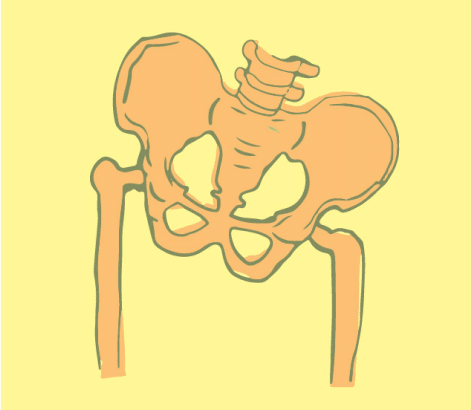
Diagnoses such as Endometriosis, Vulvodynia, Interstitial Cystitis/Painful Bladder Syndrome, Pudendal Neuralgia, Chronic Pelvic Pain Syndrome/Male Pelvic Pain, Lichen Sclerosus, Lichen Planus, Pelvic Floor Dysfunction, post-prostatectomy complications, and Genitourinary Syndrome of Menopause are all associated with sexual dysfunction and pelvic pain.
Associated Diagnoses
Diagnoses such as Endometriosis, Vulvodynia, Interstitial Cystitis/Painful Bladder Syndrome, Pudendal Neuralgia, Chronic Pelvic Pain Syndrome/Male Pelvic Pain, Lichen Sclerosus, Lichen Planus, Pelvic Floor Dysfunction, post-prostatectomy complications, and Genitourinary Syndrome of Menopause are all associated with sexual dysfunction and pelvic pain.

Causes of Sexual Dysfunction
- Pelvic pain syndromes associated with pelvic floor dysfunction (above)
- Childbirth
- Medications
- Obesity
- Cardiovascular disease
- Menopause
- Jelqing
- Genital mutilation, genital cutting
- Surgically-induced
- Pelvic Floor Reconstruction
- Prostatectomy
- Gender affirming surgery
- Episiotomy
- Vestibulectomy
- Pudendal Nerve Decompression
- Mesh excision
Causes of Sexual Dysfunction
- Pelvic pain syndromes associated with pelvic floor dysfunction (above)
- Childbirth
- Medications
- Obesity
- Cardiovascular disease
- Menopause
- Jelqing
- Genital mutilation, genital cutting
- Surgically-induced
- Pelvic Floor Reconstruction
- Prostatectomy
- Gender affirming surgery
- Episiotomy
- Vestibulectomy
- Pudendal Nerve Decompression
- Mesh excision
Diagnostic Challenges
Research indicates that most medical providers still do not feel at ease when discussing sexual health with their patients, and patients themselves often avoid these conversations with their doctors out of discomfort. These barriers leave many individuals without the guidance and support they need. The problem is even more pronounced in the LGBTQ community, where discrimination within healthcare remains a reality and sexual health is disproportionately compromised. As a medical community, we must work harder to foster openness and provide better care. At PHRC, our mission is to ensure that every patient feels safe, supported, and fully respected when it comes to pelvic health. It is important to recognize that sexual health is now a specialized area within medicine, and effective help is available. Because sexual pleasure and function involve both the body and the mind, the most successful treatments are often collaborative and interdisciplinary, drawing on medical management, psychological and behavioral health support, and pelvic floor physical and occupational therapy.
Diagnostic Challenges
Research indicates that most medical providers still do not feel at ease when discussing sexual health with their patients, and patients themselves often avoid these conversations with their doctors out of discomfort. These barriers leave many individuals without the guidance and support they need. The problem is even more pronounced in the LGBTQ community, where discrimination within healthcare remains a reality and sexual health is disproportionately compromised. As a medical community, we must work harder to foster openness and provide better care. At PHRC, our mission is to ensure that every patient feels safe, supported, and fully respected when it comes to pelvic health. It is important to recognize that sexual health is now a specialized area within medicine, and effective help is available. Because sexual pleasure and function involve both the body and the mind, the most successful treatments are often collaborative and interdisciplinary, drawing on medical management, psychological and behavioral health support, and pelvic floor physical and occupational therapy.
Treatment:
How We Can Help You
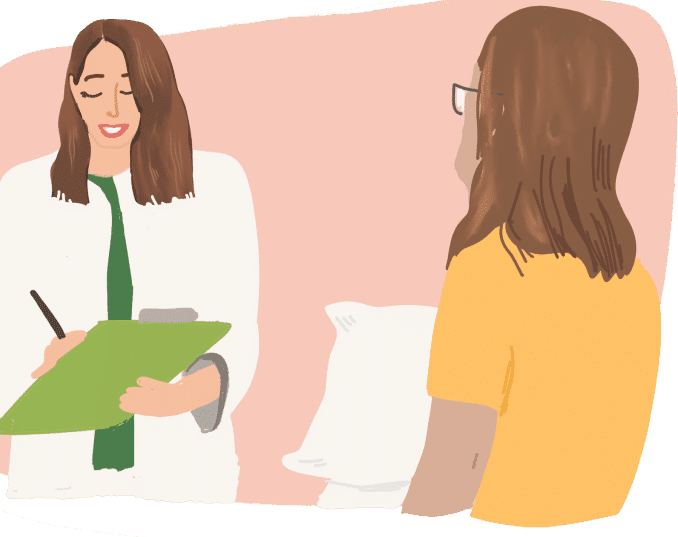
If you live in Daly City and are experiencing sexual dysfunction, a thorough evaluation with a pelvic floor physical and occupational therapist may provide the clarity and support you need. During your evaluation, your therapist will carefully review your health background, discussing your symptoms, your prior diagnoses, the treatments you have received, and how effective or ineffective those treatments have been. We understand the frustration many Daly City patients feel before arriving here, often after years of unanswered questions. As part of the physical exam, your therapist will assess the muscles, tissues, joints, nerves, and movement patterns that influence your pelvic floor function. Once the exam is completed, your therapist will review the findings directly with you and build an assessment that explains how your condition developed. Together, you will create short- and long-term goals for a tailored treatment plan. Therapy usually takes place one to two times per week over approximately 12 weeks, supported by a structured home exercise program to maintain progress. In addition, your therapist will collaborate with other members of your care team to help ensure a coordinated recovery. For Daly City residents, our priority is to restore function, comfort, and confidence so you can focus on living your best life.

Treatment:
How We Can Help You
If you live in Daly City and are experiencing sexual dysfunction, a thorough evaluation with a pelvic floor physical and occupational therapist may provide the clarity and support you need. During your evaluation, your therapist will carefully review your health background, discussing your symptoms, your prior diagnoses, the treatments you have received, and how effective or ineffective those treatments have been. We understand the frustration many Daly City patients feel before arriving here, often after years of unanswered questions. As part of the physical exam, your therapist will assess the muscles, tissues, joints, nerves, and movement patterns that influence your pelvic floor function. Once the exam is completed, your therapist will review the findings directly with you and build an assessment that explains how your condition developed. Together, you will create short- and long-term goals for a tailored treatment plan. Therapy usually takes place one to two times per week over approximately 12 weeks, supported by a structured home exercise program to maintain progress. In addition, your therapist will collaborate with other members of your care team to help ensure a coordinated recovery. For Daly City residents, our priority is to restore function, comfort, and confidence so you can focus on living your best life.
How Can We Help You?
If you wish to get in touch with us, please use the form below to send over any comments or questions. We kindly ask that you provide your e-mail address so that our response can reach you. Please be assured that all the details you submit will remain private, as we strictly maintain confidentiality.


Join The Newsletter. Win a copy of our book, “Pelvic Pain Explained!”
We are always excited to hear from our site visitors. By telling us a little about yourself, you can sign up to receive the PHRC e-newsletter with educational updates, practical advice, and news you can use.
*Subscribers automatically eligible to win our book, “Pelvic Pain Explained.”

The book Pelvic Pain Explained is a comprehensive resource that outlines how patients develop pelvic pain, the challenges encountered by both providers and patients during diagnosis and treatment, and the confusing maze of treatment choices. It further illustrates how an invisible condition can have an enormous impact on daily routines, relationships, and overall health.