
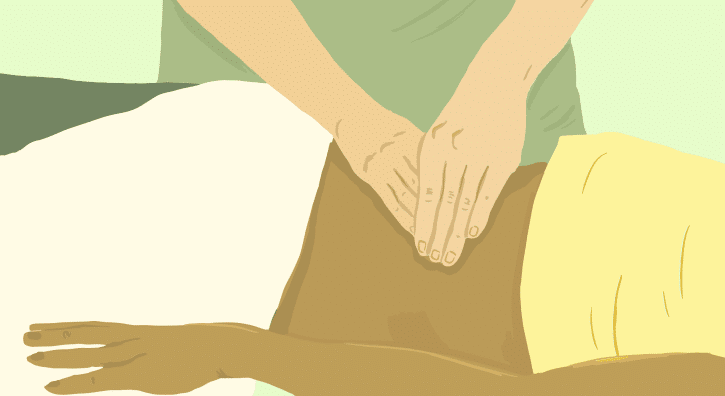

Sexual dysfunction is defined as a persistent or recurring problem involving desire, arousal, orgasm, or pain, which significantly impacts sexual health and enjoyment. The pelvic floor muscles are deeply tied to these functions. For men, they are essential in sustaining an erection, and for both sexes, they rapidly contract during orgasm to create pleasurable sensations. Under normal conditions, these muscles should never produce pain before, during, or after sexual activity. When pelvic floor dysfunction arises, however, pleasure is often replaced by pain, and function is reduced. For patients in Mountain View, this can cause understandable frustration and distress. The good news is that pelvic floor physical and occupational therapy has proven to be an effective treatment, offering a pathway to reduced pain, improved muscle balance, and healthier, more satisfying sexual activity.
The Facts
- Statistics show that pain during intercourse affects one-third of premenopausal women.
- Fifteen to seventy-two percent of men under the age of 40 struggle with erectile dysfunction symptoms.
- The prevalence rises with age, with 52% of men aged 40 to 70 reporting mild or moderate erectile dysfunction.
- For men who undergo prostatectomy, erectile dysfunction affects as many as 80%.
- Sixty percent of women in menopause do not disclose painful sex to healthcare professionals, often out of embarrassment.
- Oral contraceptives and acne-related medications can negatively affect natural lubrication and may trigger vulvar pain.
- Even long after childbirth, 65% of women still face painful intercourse, persisting as far out as 18 months postpartum.
Sexual dysfunction is defined as a persistent or recurring problem involving desire, arousal, orgasm, or pain, which significantly impacts sexual health and enjoyment. The pelvic floor muscles are deeply tied to these functions. For men, they are essential in sustaining an erection, and for both sexes, they rapidly contract during orgasm to create pleasurable sensations. Under normal conditions, these muscles should never produce pain before, during, or after sexual activity. When pelvic floor dysfunction arises, however, pleasure is often replaced by pain, and function is reduced. For patients in Mountain View, this can cause understandable frustration and distress. The good news is that pelvic floor physical and occupational therapy has proven to be an effective treatment, offering a pathway to reduced pain, improved muscle balance, and healthier, more satisfying sexual activity.
The Facts
- Statistics show that pain during intercourse affects one-third of premenopausal women.
- Fifteen to seventy-two percent of men under the age of 40 struggle with erectile dysfunction symptoms.
- The prevalence rises with age, with 52% of men aged 40 to 70 reporting mild or moderate erectile dysfunction.
- For men who undergo prostatectomy, erectile dysfunction affects as many as 80%.
- Sixty percent of women in menopause do not disclose painful sex to healthcare professionals, often out of embarrassment.
- Oral contraceptives and acne-related medications can negatively affect natural lubrication and may trigger vulvar pain.
- Even long after childbirth, 65% of women still face painful intercourse, persisting as far out as 18 months postpartum.
Symptoms
*Sexual Dysfunction in people with a penis
- Erectile dysfunction: poor quality, inability to achieve erection, inability to maintain erection, premature ejaculation
- Decreased force or inability to ejaculate
- Climacturia (incontinence with orgasm)
- Post ejaculatory pain: tip and/or shaft of penis, perineum, scrotum
- Discoloration in penis/scrotum/perineum
Postpartum Sexual Dysfunction
- Decreased lubrication during breastfeeding
- Perineal pain with touch from episiotomy or perineal trauma
- Diminished or absent orgasm
- Incontinence during orgasm or intercourse
- Painful sex
*Sexual Dysfunction in people with vulvas/vaginas
- Inability or decreased ability to lubricate
- Pain upon vaginal penetration, with deep penetration only, and/or continuous pain with penetration
- Clitoral pain, hypersensitivity to touch
- Pain and/or burning after sexual contact
- Inability to orgasm, diminished orgasm
- Urinary incontinence during sexual activity
- Climacturia (incontinence with orgasm)
Menopausal Sexual Dysfunction and Post-gynecologic cancer treatment
- Decreased ability to lubricate
- Inability to achieve or difficulty with vaginal penetration
- Painful sex: during and/or after
- Diminished or absent orgasm
Symptoms
*Sexual Dysfunction in people with a penis
- Erectile dysfunction: poor quality, inability to achieve erection, inability to maintain erection, premature ejaculation
- Decreased force or inability to ejaculate
- Climacturia (incontinence with orgasm)
- Post ejaculatory pain: tip and/or shaft of penis, perineum, scrotum
- Discoloration in penis/scrotum/perineum
*Sexual Dysfunction in people with vulvas/vaginas
- Inability or decreased ability to lubricate
- Pain upon vaginal penetration, with deep penetration only, and/or continuous pain with penetration
- Clitoral pain, hypersensitivity to touch
- Pain and/or burning after sexual contact
- Inability to orgasm, diminished orgasm
- Urinary incontinence during sexual activity
- Climacturia (incontinence with orgasm)
Postpartum Sexual Dysfunction
- Decreased lubrication during breastfeeding
- Perineal pain with touch from episiotomy or perineal trauma
- Diminished or absent orgasm
- Incontinence during orgasm or intercourse
- Painful sex
Menopausal Sexual Dysfunction and Post-gynecologic cancer treatment
- Decreased ability to lubricate
- Inability to achieve or difficulty with vaginal penetration
- Painful sex: during and/or after
- Diminished or absent orgasm
Associated Diagnoses
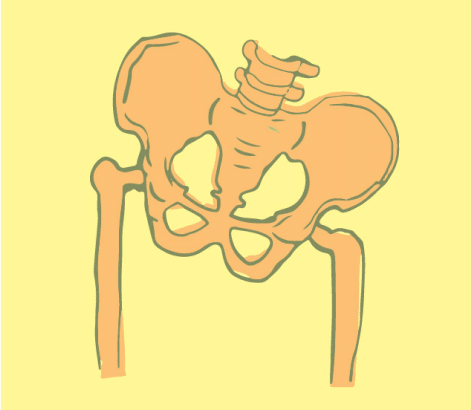
Diagnoses such as Endometriosis, Vulvodynia, Interstitial Cystitis/Painful Bladder Syndrome, Pudendal Neuralgia, Chronic Pelvic Pain Syndrome/Male Pelvic Pain, Lichen Sclerosus, Lichen Planus, Pelvic Floor Dysfunction, post-prostatectomy complications, and Genitourinary Syndrome of Menopause are all associated with sexual dysfunction and pelvic pain.
Associated Diagnoses
Diagnoses such as Endometriosis, Vulvodynia, Interstitial Cystitis/Painful Bladder Syndrome, Pudendal Neuralgia, Chronic Pelvic Pain Syndrome/Male Pelvic Pain, Lichen Sclerosus, Lichen Planus, Pelvic Floor Dysfunction, post-prostatectomy complications, and Genitourinary Syndrome of Menopause are all associated with sexual dysfunction and pelvic pain.

Causes of Sexual Dysfunction
- Pelvic pain syndromes associated with pelvic floor dysfunction (above)
- Childbirth
- Medications
- Obesity
- Cardiovascular disease
- Menopause
- Jelqing
- Genital mutilation, genital cutting
- Surgically-induced
- Pelvic Floor Reconstruction
- Prostatectomy
- Gender affirming surgery
- Episiotomy
- Vestibulectomy
- Pudendal Nerve Decompression
- Mesh excision
Causes of Sexual Dysfunction
- Pelvic pain syndromes associated with pelvic floor dysfunction (above)
- Childbirth
- Medications
- Obesity
- Cardiovascular disease
- Menopause
- Jelqing
- Genital mutilation, genital cutting
- Surgically-induced
- Pelvic Floor Reconstruction
- Prostatectomy
- Gender affirming surgery
- Episiotomy
- Vestibulectomy
- Pudendal Nerve Decompression
- Mesh excision
Diagnostic Challenges
A recent body of evidence demonstrates that most healthcare providers remain uncomfortable discussing sex with their patients, while patients themselves often feel equally uneasy speaking to their doctors about sexual health. This mutual discomfort prevents essential conversations from taking place. Within the LGBTQ community, the challenge is greater still, as discrimination continues to limit access to appropriate sexual health care and contributes to poorer outcomes. As healthcare professionals, we must strive to change this reality. At PHRC, we are committed to ensuring that every patient feels safe, heard, and fully supported in addressing pelvic health. What many do not realize is that sexual health is now its own specialized area within medicine, and help is available to those who seek it. Because sexual health and pleasure involve both mental and physical components, the most successful care comes from interdisciplinary collaboration, bringing together medical management, psychological and behavioral health care, and pelvic floor physical and occupational therapy.
Diagnostic Challenges
A recent body of evidence demonstrates that most healthcare providers remain uncomfortable discussing sex with their patients, while patients themselves often feel equally uneasy speaking to their doctors about sexual health. This mutual discomfort prevents essential conversations from taking place. Within the LGBTQ community, the challenge is greater still, as discrimination continues to limit access to appropriate sexual health care and contributes to poorer outcomes. As healthcare professionals, we must strive to change this reality. At PHRC, we are committed to ensuring that every patient feels safe, heard, and fully supported in addressing pelvic health. What many do not realize is that sexual health is now its own specialized area within medicine, and help is available to those who seek it. Because sexual health and pleasure involve both mental and physical components, the most successful care comes from interdisciplinary collaboration, bringing together medical management, psychological and behavioral health care, and pelvic floor physical and occupational therapy.
Treatment:
How We Can Help You

If you are a resident of Mountain View and struggling with sexual dysfunction, an evaluation with a pelvic floor physical and occupational therapist can help identify the role your pelvic floor may be playing in your symptoms. During your evaluation, your therapist will go over your personal history with you, including your current difficulties, prior diagnoses, past treatments, and whether those treatments provided the relief you hoped for. Many Mountain View patients express how discouraged they felt before finally finding answers here, and we want you to know your concerns matter. The physical exam will involve assessing your muscles, tissues, joints, nerves, and movement patterns to uncover underlying issues. Once the exam is finished, your therapist will review the results with you, explain how your condition developed, and map out short- and long-term goals for a personalized treatment plan. Typically, therapy for Mountain View residents involves attending one to two sessions per week for about 12 weeks, along with a tailored home exercise program to strengthen your progress. Throughout this process, your therapist will collaborate with the other members of your care team to ensure all aspects of your recovery are aligned. We are here to guide you toward healing, renewed comfort, and a better quality of life.

Treatment:
How We Can Help You
If you are a resident of Mountain View and struggling with sexual dysfunction, an evaluation with a pelvic floor physical and occupational therapist can help identify the role your pelvic floor may be playing in your symptoms. During your evaluation, your therapist will go over your personal history with you, including your current difficulties, prior diagnoses, past treatments, and whether those treatments provided the relief you hoped for. Many Mountain View patients express how discouraged they felt before finally finding answers here, and we want you to know your concerns matter. The physical exam will involve assessing your muscles, tissues, joints, nerves, and movement patterns to uncover underlying issues. Once the exam is finished, your therapist will review the results with you, explain how your condition developed, and map out short- and long-term goals for a personalized treatment plan. Typically, therapy for Mountain View residents involves attending one to two sessions per week for about 12 weeks, along with a tailored home exercise program to strengthen your progress. Throughout this process, your therapist will collaborate with the other members of your care team to ensure all aspects of your recovery are aligned. We are here to guide you toward healing, renewed comfort, and a better quality of life.
How Can We Help You?
If you would like to communicate with us, please complete the form below by sharing any questions or comments. Do not forget to include your e-mail address, as it is required for us to send you a reply. Be assured that the information you provide will remain private and completely confidential.


Join The Newsletter. Win a copy of our book, “Pelvic Pain Explained!”
We truly enjoy building connections with those who explore our site. Share a little about yourself, and in return, you’ll begin receiving the PHRC e-newsletter filled with updates, resources, and valuable information.
*Subscribers automatically eligible to win our book, “Pelvic Pain Explained.”

At its core, Pelvic Pain Explained provides a detailed look at how pelvic pain develops in patients, the frustrations both patients and medical providers often encounter during the search for proper diagnosis and treatment, and the overwhelming process of evaluating multiple treatment options. The book also examines the very real effect that this largely invisible condition has on daily life, relationships, and overall wellbeing.