
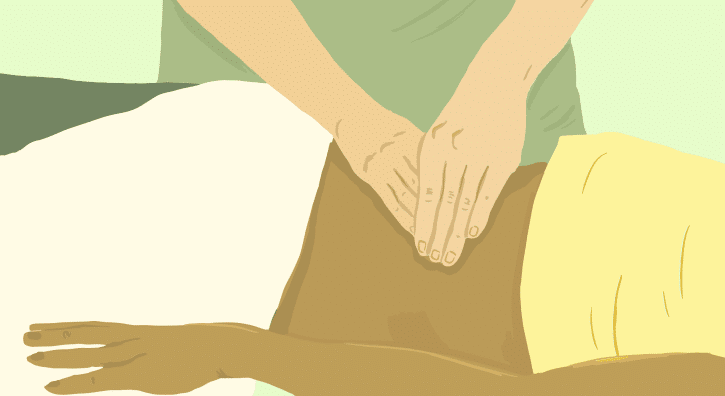

Sexual dysfunction is defined as consistent or recurring challenges with desire, sexual response, orgasm, or pain during sexual activity. The pelvic floor muscles are deeply connected to sexual function, playing vital roles in both men and women. For men, they help maintain erectile rigidity, while for both sexes, they contract rapidly during orgasm, creating sensations of pleasure under normal conditions without pain before, during, or after sex. Unfortunately, when pelvic floor dysfunction occurs, what should be a source of enjoyment often turns into pain and reduced function. For people in Oakland who face these concerns, the symptoms can be distressing and disruptive to daily life and relationships. Fortunately, pelvic floor physical and occupational therapy provides effective strategies that can help relieve pain, restore function, and bring back healthy, pleasurable sexual experiences.
The Facts
- Studies indicate that painful sex affects one in three premenopausal women at some point in their lives.
- A wide range, from 15% to 72% of men under 40, report challenges with erectile dysfunction.
- Among men ages 40 to 70, over half—52%—experience some degree of erectile dysfunction, whether mild or moderate.
- Post-prostatectomy outcomes show that up to 80% of men develop erectile dysfunction following the surgery.
- A majority of menopausal women—around 60%—do not disclose painful sex to their doctors, largely because of embarrassment.
- Hormonal contraceptives and acne-related medications can lead to vulvar discomfort and decreased natural lubrication.
- Even after childbirth, 65% of women continue reporting painful sex well beyond a year postpartum, persisting for as long as 18 months.
Sexual dysfunction is defined as consistent or recurring challenges with desire, sexual response, orgasm, or pain during sexual activity. The pelvic floor muscles are deeply connected to sexual function, playing vital roles in both men and women. For men, they help maintain erectile rigidity, while for both sexes, they contract rapidly during orgasm, creating sensations of pleasure under normal conditions without pain before, during, or after sex. Unfortunately, when pelvic floor dysfunction occurs, what should be a source of enjoyment often turns into pain and reduced function. For people in Oakland who face these concerns, the symptoms can be distressing and disruptive to daily life and relationships. Fortunately, pelvic floor physical and occupational therapy provides effective strategies that can help relieve pain, restore function, and bring back healthy, pleasurable sexual experiences.
The Facts
- Studies indicate that painful sex affects one in three premenopausal women at some point in their lives.
- A wide range, from 15% to 72% of men under 40, report challenges with erectile dysfunction.
- Among men ages 40 to 70, over half—52%—experience some degree of erectile dysfunction, whether mild or moderate.
- Post-prostatectomy outcomes show that up to 80% of men develop erectile dysfunction following the surgery.
- A majority of menopausal women—around 60%—do not disclose painful sex to their doctors, largely because of embarrassment.
- Hormonal contraceptives and acne-related medications can lead to vulvar discomfort and decreased natural lubrication.
- Even after childbirth, 65% of women continue reporting painful sex well beyond a year postpartum, persisting for as long as 18 months.
Symptoms
*Sexual Dysfunction in people with a penis
- Erectile dysfunction: poor quality, inability to achieve erection, inability to maintain erection, premature ejaculation
- Decreased force or inability to ejaculate
- Climacturia (incontinence with orgasm)
- Post ejaculatory pain: tip and/or shaft of penis, perineum, scrotum
- Discoloration in penis/scrotum/perineum
Postpartum Sexual Dysfunction
- Decreased lubrication during breastfeeding
- Perineal pain with touch from episiotomy or perineal trauma
- Diminished or absent orgasm
- Incontinence during orgasm or intercourse
- Painful sex
*Sexual Dysfunction in people with vulvas/vaginas
- Inability or decreased ability to lubricate
- Pain upon vaginal penetration, with deep penetration only, and/or continuous pain with penetration
- Clitoral pain, hypersensitivity to touch
- Pain and/or burning after sexual contact
- Inability to orgasm, diminished orgasm
- Urinary incontinence during sexual activity
- Climacturia (incontinence with orgasm)
Menopausal Sexual Dysfunction and Post-gynecologic cancer treatment
- Decreased ability to lubricate
- Inability to achieve or difficulty with vaginal penetration
- Painful sex: during and/or after
- Diminished or absent orgasm
Symptoms
*Sexual Dysfunction in people with a penis
- Erectile dysfunction: poor quality, inability to achieve erection, inability to maintain erection, premature ejaculation
- Decreased force or inability to ejaculate
- Climacturia (incontinence with orgasm)
- Post ejaculatory pain: tip and/or shaft of penis, perineum, scrotum
- Discoloration in penis/scrotum/perineum
*Sexual Dysfunction in people with vulvas/vaginas
- Inability or decreased ability to lubricate
- Pain upon vaginal penetration, with deep penetration only, and/or continuous pain with penetration
- Clitoral pain, hypersensitivity to touch
- Pain and/or burning after sexual contact
- Inability to orgasm, diminished orgasm
- Urinary incontinence during sexual activity
- Climacturia (incontinence with orgasm)
Postpartum Sexual Dysfunction
- Decreased lubrication during breastfeeding
- Perineal pain with touch from episiotomy or perineal trauma
- Diminished or absent orgasm
- Incontinence during orgasm or intercourse
- Painful sex
Menopausal Sexual Dysfunction and Post-gynecologic cancer treatment
- Decreased ability to lubricate
- Inability to achieve or difficulty with vaginal penetration
- Painful sex: during and/or after
- Diminished or absent orgasm
Associated Diagnoses
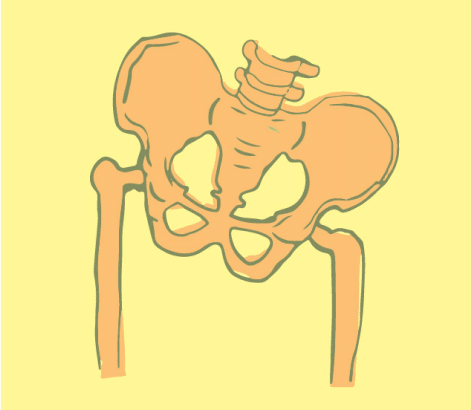
Diagnoses such as Endometriosis, Vulvodynia, Interstitial Cystitis/Painful Bladder Syndrome, Pudendal Neuralgia, Chronic Pelvic Pain Syndrome/Male Pelvic Pain, Lichen Sclerosus, Lichen Planus, Pelvic Floor Dysfunction, post-prostatectomy complications, and Genitourinary Syndrome of Menopause are all associated with sexual dysfunction and pelvic pain.
Associated Diagnoses
Diagnoses such as Endometriosis, Vulvodynia, Interstitial Cystitis/Painful Bladder Syndrome, Pudendal Neuralgia, Chronic Pelvic Pain Syndrome/Male Pelvic Pain, Lichen Sclerosus, Lichen Planus, Pelvic Floor Dysfunction, post-prostatectomy complications, and Genitourinary Syndrome of Menopause are all associated with sexual dysfunction and pelvic pain.

Causes of Sexual Dysfunction
- Pelvic pain syndromes associated with pelvic floor dysfunction (above)
- Childbirth
- Medications
- Obesity
- Cardiovascular disease
- Menopause
- Jelqing
- Genital mutilation, genital cutting
- Surgically-induced
- Pelvic Floor Reconstruction
- Prostatectomy
- Gender affirming surgery
- Episiotomy
- Vestibulectomy
- Pudendal Nerve Decompression
- Mesh excision
Causes of Sexual Dysfunction
- Pelvic pain syndromes associated with pelvic floor dysfunction (above)
- Childbirth
- Medications
- Obesity
- Cardiovascular disease
- Menopause
- Jelqing
- Genital mutilation, genital cutting
- Surgically-induced
- Pelvic Floor Reconstruction
- Prostatectomy
- Gender affirming surgery
- Episiotomy
- Vestibulectomy
- Pudendal Nerve Decompression
- Mesh excision
Diagnostic Challenges
A growing body of evidence shows that most medical professionals still struggle with initiating conversations about sex with their patients, and just as often, patients feel uncomfortable bringing up these topics with their doctors. Unfortunately, this creates an ongoing cycle of silence. Research also demonstrates that the LGBTQ community continues to experience discrimination in healthcare, and this has a direct, negative effect on sexual health outcomes. As medical providers, there is a moral and professional obligation to change this reality. At PHRC, our mission is centered on ensuring that every patient feels safe, supported, and empowered when addressing concerns related to pelvic health. Many people are not aware that sexual health is an established medical specialty, and that treatment options are available. Because sexual health and pleasure depend on the integration of physical function and mental well-being, the most successful care often comes through interdisciplinary collaboration that combines medical oversight, behavioral health services or psychological care, and pelvic floor physical and occupational therapy.
Diagnostic Challenges
A growing body of evidence shows that most medical professionals still struggle with initiating conversations about sex with their patients, and just as often, patients feel uncomfortable bringing up these topics with their doctors. Unfortunately, this creates an ongoing cycle of silence. Research also demonstrates that the LGBTQ community continues to experience discrimination in healthcare, and this has a direct, negative effect on sexual health outcomes. As medical providers, there is a moral and professional obligation to change this reality. At PHRC, our mission is centered on ensuring that every patient feels safe, supported, and empowered when addressing concerns related to pelvic health. Many people are not aware that sexual health is an established medical specialty, and that treatment options are available. Because sexual health and pleasure depend on the integration of physical function and mental well-being, the most successful care often comes through interdisciplinary collaboration that combines medical oversight, behavioral health services or psychological care, and pelvic floor physical and occupational therapy.
Treatment:
How We Can Help You
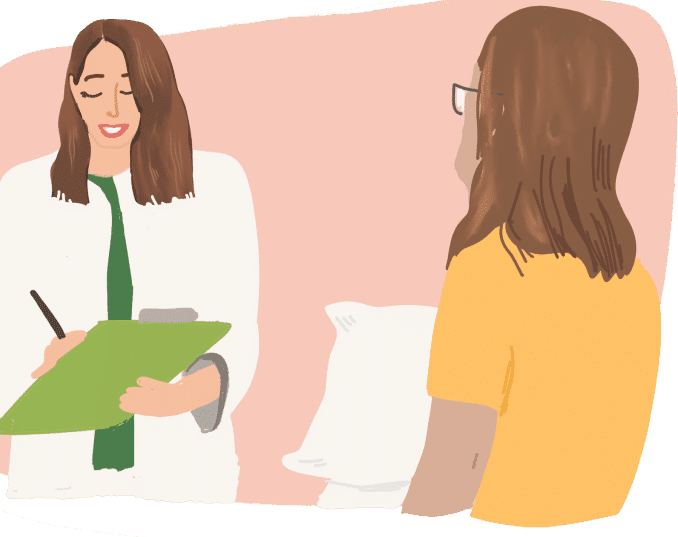
For individuals living in Oakland who are struggling with sexual dysfunction, an evaluation with a pelvic floor physical and occupational therapist can provide valuable insight into the role your pelvic floor may be playing in your symptoms. During this evaluation, your therapist will thoroughly review your personal history, including your current symptoms, any previous diagnoses, the treatments you have tried, and the level of success you have experienced. Many of our patients share how discouraged they felt before finally getting answers here, and we want you to know that your concerns are heard and understood. During the physical exam, your therapist will carefully examine the muscles, tissues, joints, nerves, and movement patterns that may be contributing to your condition. Following the assessment, your therapist will share their findings with you, explain how your symptoms developed, and create both short- and long-term goals for your treatment plan. Typically, therapy sessions for Oakland patients are scheduled one to two times each week for roughly 12 weeks, supported by a personalized home exercise program designed to reinforce your progress. Throughout the process, your therapist will also coordinate your recovery with the other members of your healthcare team. Our mission is to support you every step of the way so you can regain comfort, function, and confidence in your daily life.
Treatment:
How We Can Help You
For individuals living in Oakland who are struggling with sexual dysfunction, an evaluation with a pelvic floor physical and occupational therapist can provide valuable insight into the role your pelvic floor may be playing in your symptoms. During this evaluation, your therapist will thoroughly review your personal history, including your current symptoms, any previous diagnoses, the treatments you have tried, and the level of success you have experienced. Many of our patients share how discouraged they felt before finally getting answers here, and we want you to know that your concerns are heard and understood. During the physical exam, your therapist will carefully examine the muscles, tissues, joints, nerves, and movement patterns that may be contributing to your condition. Following the assessment, your therapist will share their findings with you, explain how your symptoms developed, and create both short- and long-term goals for your treatment plan. Typically, therapy sessions for Oakland patients are scheduled one to two times each week for roughly 12 weeks, supported by a personalized home exercise program designed to reinforce your progress. Throughout the process, your therapist will also coordinate your recovery with the other members of your healthcare team. Our mission is to support you every step of the way so you can regain comfort, function, and confidence in your daily life.
How Can We Help You?
We invite you to use the form provided below for any questions you may have or for comments you would like to share with us. In order for our team to reply to you, your e-mail address must be included. Rest assured that all of the personal information you provide will be kept secure and confidential.


Join The Newsletter. Win a copy of our book, “Pelvic Pain Explained!”
We enjoy learning more about the individuals who stop by our site. Take a moment to tell us about yourself and you’ll receive the PHRC e-newsletter, a trusted source for pelvic health education, guidance, and news.
*Subscribers automatically eligible to win our book, “Pelvic Pain Explained.”

Pelvic Pain Explained carefully outlines how pelvic pain emerges, the many barriers patients and medical professionals encounter throughout the diagnostic and treatment process, and the overwhelming task of comparing treatment paths. It also shows how an invisible condition can alter not only physical wellbeing but also relationships, mental health, and daily life.