
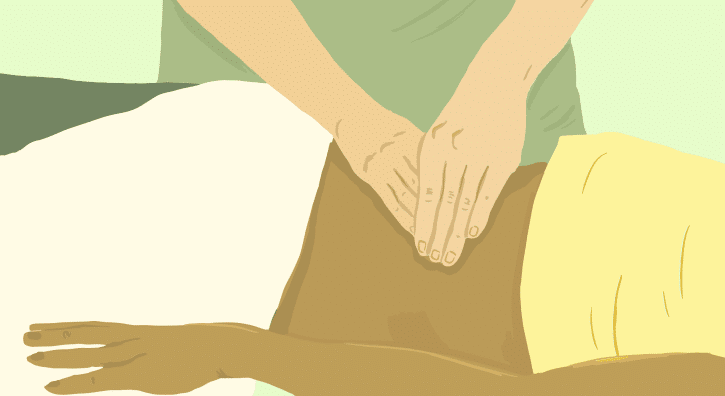

Sexual dysfunction can be understood as a continuing or repeated problem with desire, sexual response, orgasm, or pain, all of which disrupt the natural process of intimacy. The pelvic floor muscles are fundamental to these processes. In men, they are necessary for sustaining an erection, and in both sexes, they contract rapidly and repetitively during orgasm. Under normal conditions, these muscles are associated with comfort and pleasure, never pain before, during, or after sexual activity. However, once pelvic floor dysfunction develops, sexual pleasure is frequently replaced with discomfort and functional loss. For individuals in Palo Alto who experience this, the impact on confidence and relationships can be profound. Thankfully, pelvic floor physical and occupational therapy can be highly beneficial, offering strategies that improve muscle performance and reduce painful symptoms.
The Facts
- Research finds that painful intercourse affects one in three women before menopause.
- Between 15% and 72% of men under age 40 acknowledge having some form of erectile dysfunction.
- For men aged 40 to 70, the rate is higher, with 52% experiencing mild to moderate erectile dysfunction.
- After prostatectomy, erectile dysfunction occurs in nearly 80% of male patients.
- Despite symptoms, 60% of menopausal women choose not to talk with their doctors about painful sex, most often due to shame or embarrassment.
- Contraceptive pills and medications prescribed for acne may cause vulvar discomfort and reduce lubrication.
- Postpartum women are not exempt—65% continue facing painful sex up to 18 months after childbirth.
Sexual dysfunction can be understood as a continuing or repeated problem with desire, sexual response, orgasm, or pain, all of which disrupt the natural process of intimacy. The pelvic floor muscles are fundamental to these processes. In men, they are necessary for sustaining an erection, and in both sexes, they contract rapidly and repetitively during orgasm. Under normal conditions, these muscles are associated with comfort and pleasure, never pain before, during, or after sexual activity. However, once pelvic floor dysfunction develops, sexual pleasure is frequently replaced with discomfort and functional loss. For individuals in Palo Alto who experience this, the impact on confidence and relationships can be profound. Thankfully, pelvic floor physical and occupational therapy can be highly beneficial, offering strategies that improve muscle performance and reduce painful symptoms.
The Facts
- Research finds that painful intercourse affects one in three women before menopause.
- Between 15% and 72% of men under age 40 acknowledge having some form of erectile dysfunction.
- For men aged 40 to 70, the rate is higher, with 52% experiencing mild to moderate erectile dysfunction.
- After prostatectomy, erectile dysfunction occurs in nearly 80% of male patients.
- Despite symptoms, 60% of menopausal women choose not to talk with their doctors about painful sex, most often due to shame or embarrassment.
- Contraceptive pills and medications prescribed for acne may cause vulvar discomfort and reduce lubrication.
- Postpartum women are not exempt—65% continue facing painful sex up to 18 months after childbirth.
Symptoms
*Sexual Dysfunction in people with a penis
- Erectile dysfunction: poor quality, inability to achieve erection, inability to maintain erection, premature ejaculation
- Decreased force or inability to ejaculate
- Climacturia (incontinence with orgasm)
- Post ejaculatory pain: tip and/or shaft of penis, perineum, scrotum
- Discoloration in penis/scrotum/perineum
Postpartum Sexual Dysfunction
- Decreased lubrication during breastfeeding
- Perineal pain with touch from episiotomy or perineal trauma
- Diminished or absent orgasm
- Incontinence during orgasm or intercourse
- Painful sex
*Sexual Dysfunction in people with vulvas/vaginas
- Inability or decreased ability to lubricate
- Pain upon vaginal penetration, with deep penetration only, and/or continuous pain with penetration
- Clitoral pain, hypersensitivity to touch
- Pain and/or burning after sexual contact
- Inability to orgasm, diminished orgasm
- Urinary incontinence during sexual activity
- Climacturia (incontinence with orgasm)
Menopausal Sexual Dysfunction and Post-gynecologic cancer treatment
- Decreased ability to lubricate
- Inability to achieve or difficulty with vaginal penetration
- Painful sex: during and/or after
- Diminished or absent orgasm
Symptoms
*Sexual Dysfunction in people with a penis
- Erectile dysfunction: poor quality, inability to achieve erection, inability to maintain erection, premature ejaculation
- Decreased force or inability to ejaculate
- Climacturia (incontinence with orgasm)
- Post ejaculatory pain: tip and/or shaft of penis, perineum, scrotum
- Discoloration in penis/scrotum/perineum
*Sexual Dysfunction in people with vulvas/vaginas
- Inability or decreased ability to lubricate
- Pain upon vaginal penetration, with deep penetration only, and/or continuous pain with penetration
- Clitoral pain, hypersensitivity to touch
- Pain and/or burning after sexual contact
- Inability to orgasm, diminished orgasm
- Urinary incontinence during sexual activity
- Climacturia (incontinence with orgasm)
Postpartum Sexual Dysfunction
- Decreased lubrication during breastfeeding
- Perineal pain with touch from episiotomy or perineal trauma
- Diminished or absent orgasm
- Incontinence during orgasm or intercourse
- Painful sex
Menopausal Sexual Dysfunction and Post-gynecologic cancer treatment
- Decreased ability to lubricate
- Inability to achieve or difficulty with vaginal penetration
- Painful sex: during and/or after
- Diminished or absent orgasm
Associated Diagnoses
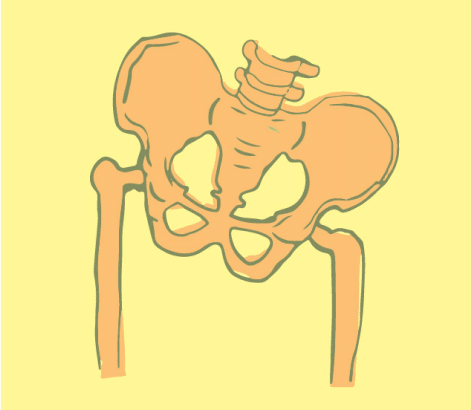
Diagnoses such as Endometriosis, Vulvodynia, Interstitial Cystitis/Painful Bladder Syndrome, Pudendal Neuralgia, Chronic Pelvic Pain Syndrome/Male Pelvic Pain, Lichen Sclerosus, Lichen Planus, Pelvic Floor Dysfunction, post-prostatectomy complications, and Genitourinary Syndrome of Menopause are all associated with sexual dysfunction and pelvic pain.
Associated Diagnoses
Diagnoses such as Endometriosis, Vulvodynia, Interstitial Cystitis/Painful Bladder Syndrome, Pudendal Neuralgia, Chronic Pelvic Pain Syndrome/Male Pelvic Pain, Lichen Sclerosus, Lichen Planus, Pelvic Floor Dysfunction, post-prostatectomy complications, and Genitourinary Syndrome of Menopause are all associated with sexual dysfunction and pelvic pain.

Causes of Sexual Dysfunction
- Pelvic pain syndromes associated with pelvic floor dysfunction (above)
- Childbirth
- Medications
- Obesity
- Cardiovascular disease
- Menopause
- Jelqing
- Genital mutilation, genital cutting
- Surgically-induced
- Pelvic Floor Reconstruction
- Prostatectomy
- Gender affirming surgery
- Episiotomy
- Vestibulectomy
- Pudendal Nerve Decompression
- Mesh excision
Causes of Sexual Dysfunction
- Pelvic pain syndromes associated with pelvic floor dysfunction (above)
- Childbirth
- Medications
- Obesity
- Cardiovascular disease
- Menopause
- Jelqing
- Genital mutilation, genital cutting
- Surgically-induced
- Pelvic Floor Reconstruction
- Prostatectomy
- Gender affirming surgery
- Episiotomy
- Vestibulectomy
- Pudendal Nerve Decompression
- Mesh excision
Diagnostic Challenges
Studies continue to demonstrate that most healthcare providers find it difficult to talk with their patients about sex, and patients, in turn, often feel uncomfortable raising these issues with their doctors. This mutual hesitation results in many sexual health concerns being left unaddressed. For members of the LGBTQ community, the problem is compounded by ongoing discrimination in healthcare, which directly undermines sexual health outcomes. The medical field must do more to ensure equal, compassionate care. At PHRC, our mission is to guarantee that every patient feels protected, supported, and understood in all aspects of pelvic health. It is important to note that sexual health has become its own dedicated medical specialty, and effective help is available. Because sexual function and pleasure rely on the connection between mind and body, the best outcomes are often achieved through interdisciplinary care that integrates medical treatment, behavioral health support, psychological counseling, and pelvic floor physical and occupational therapy.
Diagnostic Challenges
Studies continue to demonstrate that most healthcare providers find it difficult to talk with their patients about sex, and patients, in turn, often feel uncomfortable raising these issues with their doctors. This mutual hesitation results in many sexual health concerns being left unaddressed. For members of the LGBTQ community, the problem is compounded by ongoing discrimination in healthcare, which directly undermines sexual health outcomes. The medical field must do more to ensure equal, compassionate care. At PHRC, our mission is to guarantee that every patient feels protected, supported, and understood in all aspects of pelvic health. It is important to note that sexual health has become its own dedicated medical specialty, and effective help is available. Because sexual function and pleasure rely on the connection between mind and body, the best outcomes are often achieved through interdisciplinary care that integrates medical treatment, behavioral health support, psychological counseling, and pelvic floor physical and occupational therapy.
Treatment:
How We Can Help You
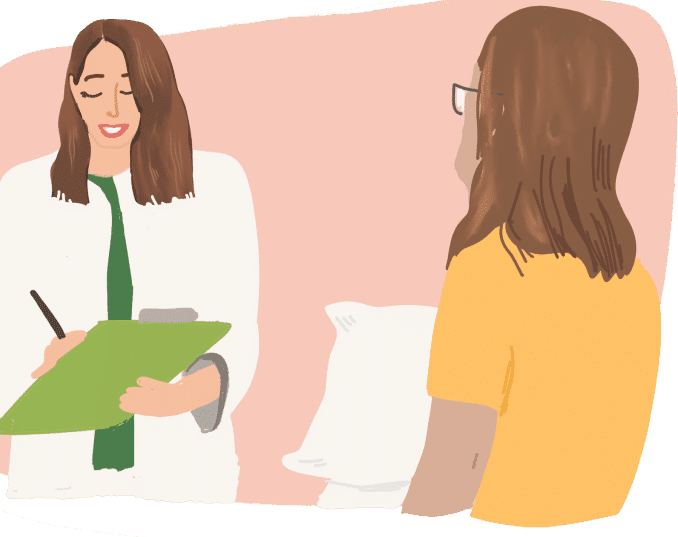
If you live in Palo Alto and are dealing with sexual dysfunction, a pelvic floor physical and occupational therapy evaluation may be an important step in understanding your symptoms. In your evaluation, your therapist will carefully review your medical history and current symptoms, discussing any previous diagnoses, the treatments you have already tried, and how those efforts have or have not worked for you. We recognize that many of our patients from Palo Alto come to us after feeling frustrated or dismissed elsewhere, and we take your concerns seriously. During the physical exam, your therapist will evaluate your muscles, tissues, joints, nerves, and movement patterns that may influence your pelvic health. Once complete, your therapist will go over the results with you, explain the origins of your symptoms, and outline realistic short-term and long-term goals. The average treatment plan usually involves attending therapy one to two times per week for around 12 weeks, supplemented by a personalized home exercise program designed to extend your progress. Your therapist will also collaborate with your other healthcare providers so that every aspect of your recovery is coordinated. For patients from Palo Alto, our aim is to guide you toward recovery with care, expertise, and unwavering support.

Treatment:
How We Can Help You
If you live in Palo Alto and are dealing with sexual dysfunction, a pelvic floor physical and occupational therapy evaluation may be an important step in understanding your symptoms. In your evaluation, your therapist will carefully review your medical history and current symptoms, discussing any previous diagnoses, the treatments you have already tried, and how those efforts have or have not worked for you. We recognize that many of our patients from Palo Alto come to us after feeling frustrated or dismissed elsewhere, and we take your concerns seriously. During the physical exam, your therapist will evaluate your muscles, tissues, joints, nerves, and movement patterns that may influence your pelvic health. Once complete, your therapist will go over the results with you, explain the origins of your symptoms, and outline realistic short-term and long-term goals. The average treatment plan usually involves attending therapy one to two times per week for around 12 weeks, supplemented by a personalized home exercise program designed to extend your progress. Your therapist will also collaborate with your other healthcare providers so that every aspect of your recovery is coordinated. For patients from Palo Alto, our aim is to guide you toward recovery with care, expertise, and unwavering support.
How Can We Help You?
You may use the form below to submit any comments or questions you would like us to review. To allow our staff to respond, please remember to include your e-mail address. Rest easy knowing that your privacy is a top priority, and all details provided will be kept entirely confidential.


Join The Newsletter. Win a copy of our book, “Pelvic Pain Explained!”
We take great pride in connecting with new visitors. Tell us about yourself, and you’ll begin receiving our PHRC e-newsletter, where we share useful updates, important information, and helpful resources.
*Subscribers automatically eligible to win our book, “Pelvic Pain Explained.”

Pelvic Pain Explained the story of how pelvic pain begins, the challenges that patients and clinicians face during the often long road of diagnosis and treatment, and the daunting work of sorting through treatment options. It also emphasizes the ways in which an invisible condition can affect a person’s relationships, emotional health, and day-to-day experiences.