
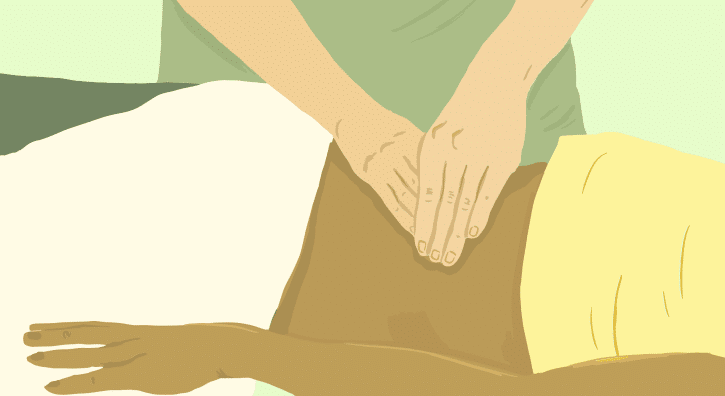

When someone struggles consistently with arousal, sexual response, orgasm, or pain, this is described as sexual dysfunction. The pelvic floor muscles are closely involved in these processes. For men, they help maintain the rigidity of an erection, and for both men and women, they create the quick, repetitive contractions of orgasm that normally result in pleasurable sensations. In healthy situations, they do not cause pain either before, during, or after sexual activity. With pelvic floor dysfunction, however, sexual activity can shift from enjoyable to painful, and normal function may be lost. For those living in Stanford, these symptoms can be especially difficult to cope with, as they affect not only physical well-being but also emotional health and intimacy. The positive news is that pelvic floor physical and occupational therapy offers effective care designed to restore function, relieve pain, and promote healthier sexual experiences.
The Facts
- Among premenopausal women, one in three reports painful sex during her lifetime.
- Erectile dysfunction is found in 15% to 72% of younger men under 40, depending on the population studied.
- More than half—52% of men aged 40 to 70—experience erectile dysfunction, often mild or moderate.
- After prostate removal surgery, up to 80% of men report erectile dysfunction.
- A majority of menopausal women, about 60%, keep quiet about painful intercourse when visiting doctors, usually due to embarrassment.
- Certain medications, including contraceptives and acne drugs, are recognized contributors to vulvar pain and decreased lubrication.
- Painful sex continues for 65% of postpartum women, lasting up to 18 months beyond childbirth.
When someone struggles consistently with arousal, sexual response, orgasm, or pain, this is described as sexual dysfunction. The pelvic floor muscles are closely involved in these processes. For men, they help maintain the rigidity of an erection, and for both men and women, they create the quick, repetitive contractions of orgasm that normally result in pleasurable sensations. In healthy situations, they do not cause pain either before, during, or after sexual activity. With pelvic floor dysfunction, however, sexual activity can shift from enjoyable to painful, and normal function may be lost. For those living in Stanford, these symptoms can be especially difficult to cope with, as they affect not only physical well-being but also emotional health and intimacy. The positive news is that pelvic floor physical and occupational therapy offers effective care designed to restore function, relieve pain, and promote healthier sexual experiences.
The Facts
- Among premenopausal women, one in three reports painful sex during her lifetime.
- Erectile dysfunction is found in 15% to 72% of younger men under 40, depending on the population studied.
- More than half—52% of men aged 40 to 70—experience erectile dysfunction, often mild or moderate.
- After prostate removal surgery, up to 80% of men report erectile dysfunction.
- A majority of menopausal women, about 60%, keep quiet about painful intercourse when visiting doctors, usually due to embarrassment.
- Certain medications, including contraceptives and acne drugs, are recognized contributors to vulvar pain and decreased lubrication.
- Painful sex continues for 65% of postpartum women, lasting up to 18 months beyond childbirth.
Symptoms
*Sexual Dysfunction in people with a penis
- Erectile dysfunction: poor quality, inability to achieve erection, inability to maintain erection, premature ejaculation
- Decreased force or inability to ejaculate
- Climacturia (incontinence with orgasm)
- Post ejaculatory pain: tip and/or shaft of penis, perineum, scrotum
- Discoloration in penis/scrotum/perineum
Postpartum Sexual Dysfunction
- Decreased lubrication during breastfeeding
- Perineal pain with touch from episiotomy or perineal trauma
- Diminished or absent orgasm
- Incontinence during orgasm or intercourse
- Painful sex
*Sexual Dysfunction in people with vulvas/vaginas
- Inability or decreased ability to lubricate
- Pain upon vaginal penetration, with deep penetration only, and/or continuous pain with penetration
- Clitoral pain, hypersensitivity to touch
- Pain and/or burning after sexual contact
- Inability to orgasm, diminished orgasm
- Urinary incontinence during sexual activity
- Climacturia (incontinence with orgasm)
Menopausal Sexual Dysfunction and Post-gynecologic cancer treatment
- Decreased ability to lubricate
- Inability to achieve or difficulty with vaginal penetration
- Painful sex: during and/or after
- Diminished or absent orgasm
Symptoms
*Sexual Dysfunction in people with a penis
- Erectile dysfunction: poor quality, inability to achieve erection, inability to maintain erection, premature ejaculation
- Decreased force or inability to ejaculate
- Climacturia (incontinence with orgasm)
- Post ejaculatory pain: tip and/or shaft of penis, perineum, scrotum
- Discoloration in penis/scrotum/perineum
*Sexual Dysfunction in people with vulvas/vaginas
- Inability or decreased ability to lubricate
- Pain upon vaginal penetration, with deep penetration only, and/or continuous pain with penetration
- Clitoral pain, hypersensitivity to touch
- Pain and/or burning after sexual contact
- Inability to orgasm, diminished orgasm
- Urinary incontinence during sexual activity
- Climacturia (incontinence with orgasm)
Postpartum Sexual Dysfunction
- Decreased lubrication during breastfeeding
- Perineal pain with touch from episiotomy or perineal trauma
- Diminished or absent orgasm
- Incontinence during orgasm or intercourse
- Painful sex
Menopausal Sexual Dysfunction and Post-gynecologic cancer treatment
- Decreased ability to lubricate
- Inability to achieve or difficulty with vaginal penetration
- Painful sex: during and/or after
- Diminished or absent orgasm
Associated Diagnoses
Diagnoses such as Endometriosis, Vulvodynia, Interstitial Cystitis/Painful Bladder Syndrome, Pudendal Neuralgia, Chronic Pelvic Pain Syndrome/Male Pelvic Pain, Lichen Sclerosus, Lichen Planus, Pelvic Floor Dysfunction, post-prostatectomy complications, and Genitourinary Syndrome of Menopause are all associated with sexual dysfunction and pelvic pain.
Associated Diagnoses
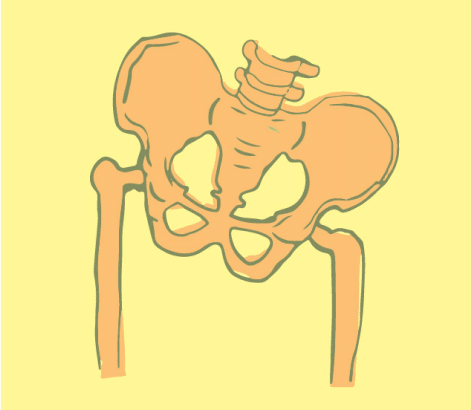
Diagnoses such as Endometriosis, Vulvodynia, Interstitial Cystitis/Painful Bladder Syndrome, Pudendal Neuralgia, Chronic Pelvic Pain Syndrome/Male Pelvic Pain, Lichen Sclerosus, Lichen Planus, Pelvic Floor Dysfunction, post-prostatectomy complications, and Genitourinary Syndrome of Menopause are all associated with sexual dysfunction and pelvic pain.

Causes of Sexual Dysfunction
- Pelvic pain syndromes associated with pelvic floor dysfunction (above)
- Childbirth
- Medications
- Obesity
- Cardiovascular disease
- Menopause
- Jelqing
- Genital mutilation, genital cutting
- Surgically-induced
- Pelvic Floor Reconstruction
- Prostatectomy
- Gender affirming surgery
- Episiotomy
- Vestibulectomy
- Pudendal Nerve Decompression
- Mesh excision
Causes of Sexual Dysfunction
- Pelvic pain syndromes associated with pelvic floor dysfunction (above)
- Childbirth
- Medications
- Obesity
- Cardiovascular disease
- Menopause
- Jelqing
- Genital mutilation, genital cutting
- Surgically-induced
- Pelvic Floor Reconstruction
- Prostatectomy
- Gender affirming surgery
- Episiotomy
- Vestibulectomy
- Pudendal Nerve Decompression
- Mesh excision
Diagnostic Challenges
Research has made it clear that a significant number of healthcare providers do not feel comfortable addressing sex with their patients, and at the same time, patients themselves often hesitate to bring up these concerns with their doctors. This communication barrier leaves many issues unresolved. The LGBTQ community experiences an added layer of difficulty, as studies confirm they face discrimination in healthcare settings that negatively affects their sexual health. As a collective medical community, we must take responsibility for improving this situation. At PHRC, our mission is to provide a safe and supportive space for every patient to receive care in all aspects of pelvic health. Many individuals do not realize that sexual health has developed into a recognized specialty, with multiple treatment options available. Because sexual wellness incorporates both the physical body and the psychological state, the most effective solutions are interdisciplinary, involving medical oversight, behavioral health or psychological services, and pelvic floor physical and occupational therapy.
Diagnostic Challenges
Research has made it clear that a significant number of healthcare providers do not feel comfortable addressing sex with their patients, and at the same time, patients themselves often hesitate to bring up these concerns with their doctors. This communication barrier leaves many issues unresolved. The LGBTQ community experiences an added layer of difficulty, as studies confirm they face discrimination in healthcare settings that negatively affects their sexual health. As a collective medical community, we must take responsibility for improving this situation. At PHRC, our mission is to provide a safe and supportive space for every patient to receive care in all aspects of pelvic health. Many individuals do not realize that sexual health has developed into a recognized specialty, with multiple treatment options available. Because sexual wellness incorporates both the physical body and the psychological state, the most effective solutions are interdisciplinary, involving medical oversight, behavioral health or psychological services, and pelvic floor physical and occupational therapy.
Treatment:
How We Can Help You

Individuals living in Stanford who are experiencing sexual dysfunction can benefit from a thorough evaluation with a pelvic floor physical and occupational therapist to better understand how your pelvic floor may be affecting your symptoms. In this process, your therapist will review your full medical background, including your current challenges, past diagnoses, the treatments you have tried, and how effective or ineffective those efforts have been. We understand that by the time many Stanford residents reach us, they are already feeling exhausted by years of limited results, and we are committed to changing that experience. During your physical exam, your therapist will carefully examine your muscles, tissues, joints, nerves, and movement patterns to pinpoint the issues involved. Following the assessment, your therapist will explain your findings in detail and design both short-term and long-term goals tailored to your needs. Therapy sessions are usually scheduled one to two times per week across a 12-week period, paired with a structured home exercise program to build on your progress between visits. Your therapist will also work with your other providers to ensure your recovery is supported from every angle. Our goal is to help patients from Stanford reclaim health, confidence, and quality of life.

Treatment:
How We Can Help You
Individuals living in Stanford who are experiencing sexual dysfunction can benefit from a thorough evaluation with a pelvic floor physical and occupational therapist to better understand how your pelvic floor may be affecting your symptoms. In this process, your therapist will review your full medical background, including your current challenges, past diagnoses, the treatments you have tried, and how effective or ineffective those efforts have been. We understand that by the time many Stanford residents reach us, they are already feeling exhausted by years of limited results, and we are committed to changing that experience. During your physical exam, your therapist will carefully examine your muscles, tissues, joints, nerves, and movement patterns to pinpoint the issues involved. Following the assessment, your therapist will explain your findings in detail and design both short-term and long-term goals tailored to your needs. Therapy sessions are usually scheduled one to two times per week across a 12-week period, paired with a structured home exercise program to build on your progress between visits. Your therapist will also work with your other providers to ensure your recovery is supported from every angle. Our goal is to help patients from Stanford reclaim health, confidence, and quality of life.
How Can We Help You?
We welcome you to send us your comments and questions using the form found below. In order for us to respond directly to you, it is necessary to include your e-mail address. Please trust that the information you share will remain secure at all times and will be treated with full confidentiality.


Join The Newsletter. Win a copy of our book, “Pelvic Pain Explained!”
We enjoy learning about the people who visit our online community. Tell us a bit about yourself and gain access to the PHRC newsletter, where you’ll find helpful guidance, educational materials, and current updates.
*Subscribers automatically eligible to win our book, “Pelvic Pain Explained.”

At the heart of Pelvic Pain Explained lies the journey of patients who experience pelvic pain, the barriers and confusion faced in both diagnosis and treatment, and the complicated challenge of choosing among the many available treatment pathways. The book also reveals how such an unseen condition can deeply shape a person’s lifestyle, relationships, and quality of life.