

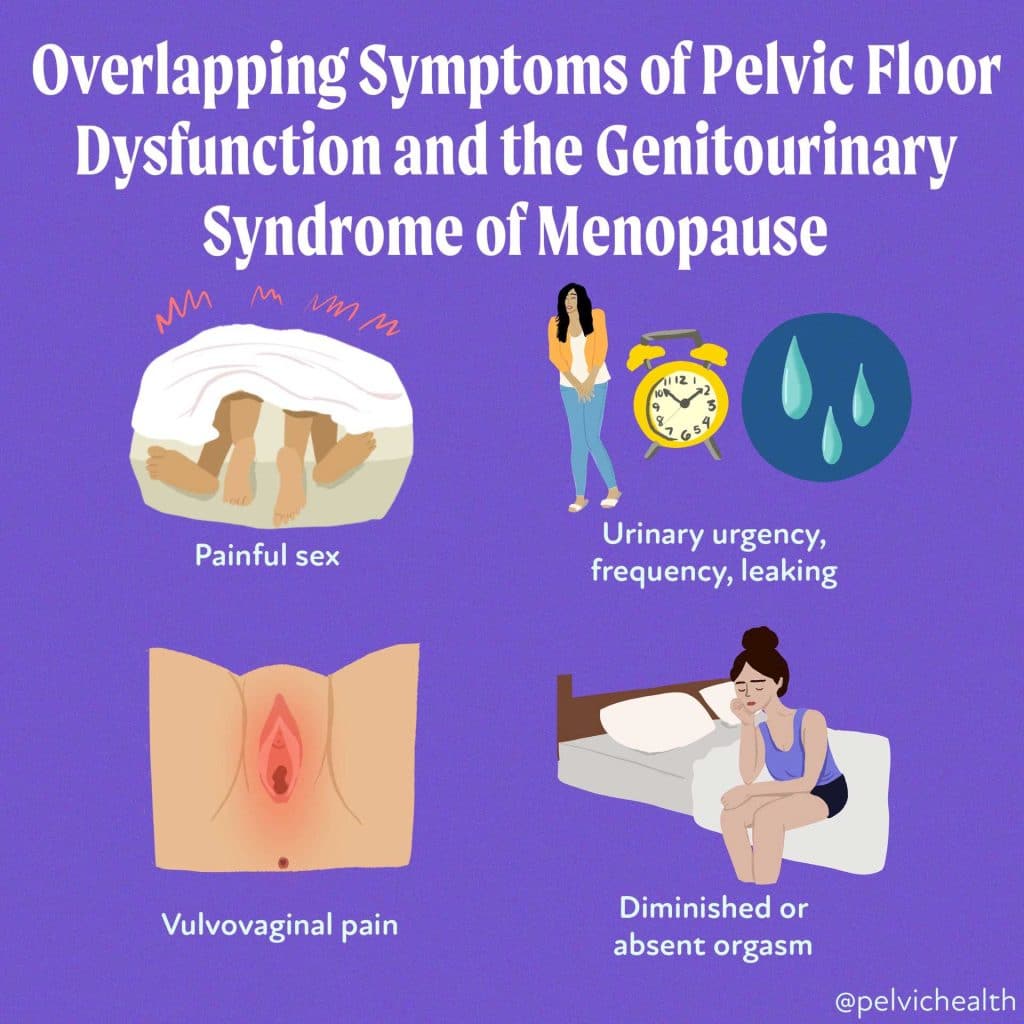
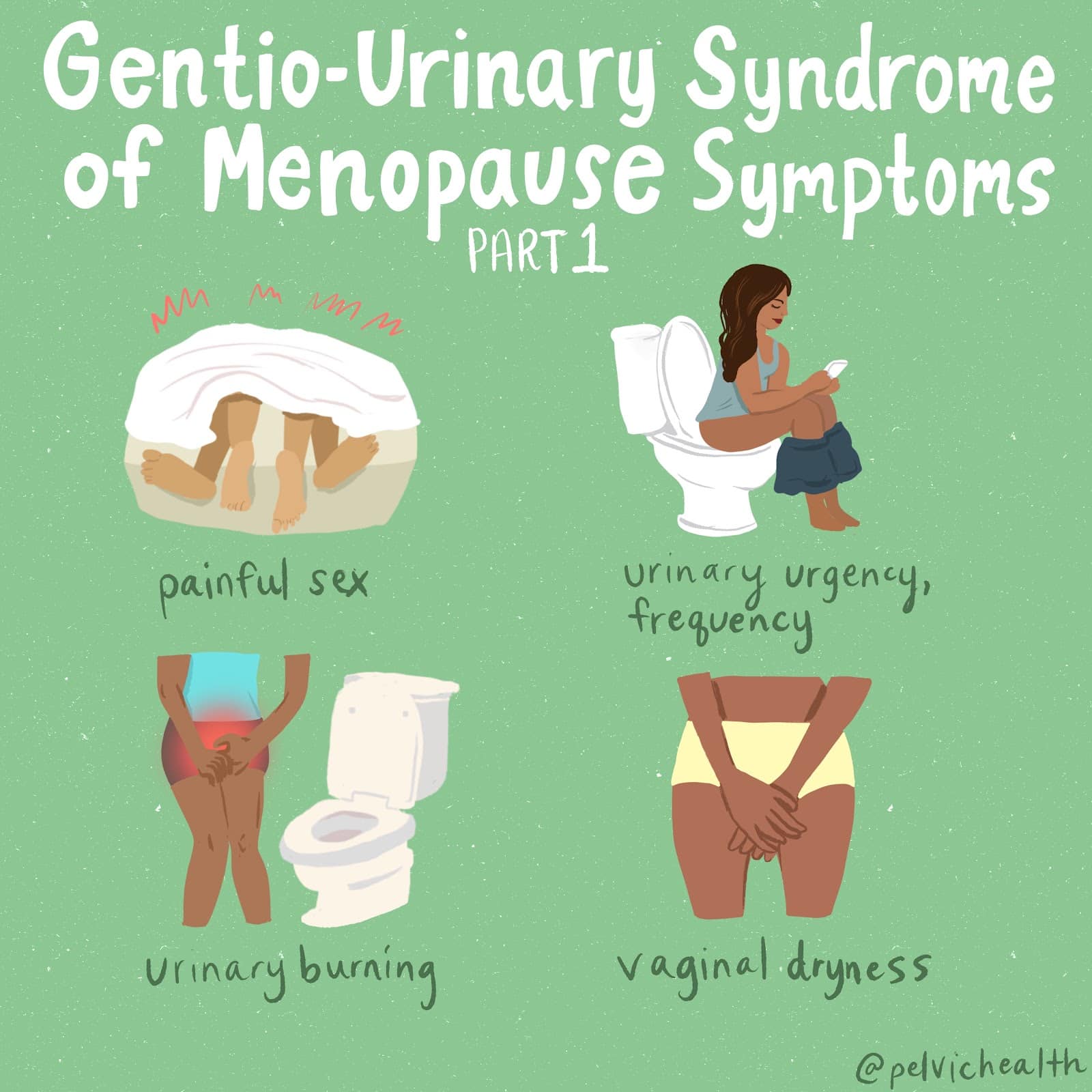
Menopause is more than just hot flushes, night sweats and mood changes! Even though 50% of the population goes through menopause the majority of people and healthcare providers are under-informed about menopause and safe and effective treatments. Too many people are suffering unnecessarily. Perimenopause, the precursor to menopause begins in the 40’s for most people and most women will be in menopause by their early 50’s. Beyond the systemic symptoms of menopause people will start to experience more subtle genitourinary symptoms that will continue to worsen over time if untreated. Painful sex, urinary urgency, frequency, leaking and burning, recurrent vaginal and urinary tract infections and vaginal dryness are symptoms of the Genitourinary Syndrome of Menopause (GSM). The symptoms of GSM are also symptoms of pelvic floor dysfunction, which almost 50% of women suffer by the time they are in their 50s.
Systemic menopause symptoms are often treated with systemic hormonal therapy. This may not be sufficient for people developing GSM symptoms. The North American Menopause Society recommends vaginal estrogen for women in menopause to help counter GSM symptoms.
Menopause is more than just hot flushes, night sweats and mood changes! Even though 50% of the population goes through menopause the majority of people and healthcare providers are under-informed about menopause and safe and effective treatments. Too many people are suffering unnecessarily. Perimenopause, the precursor to menopause begins in the 40’s for most people and most women will be in menopause by their early 50’s. Beyond the systemic symptoms of menopause people will start to experience more subtle genitourinary symptoms that will continue to worsen over time if untreated. Painful sex, urinary urgency, frequency, leaking and burning, recurrent vaginal and urinary tract infections and vaginal dryness are symptoms of the Genitourinary Syndrome of Menopause (GSM). The symptoms of GSM are also symptoms of pelvic floor dysfunction, which almost 50% of women suffer by the time they are in their 50s.
Systemic menopause symptoms are often treated with systemic hormonal therapy. This may not be sufficient for people developing GSM symptoms. The North American Menopause Society recommends vaginal estrogen for women in menopause to help counter GSM symptoms.
Differential Diagnosis:
GSM or Pelvic Floor Dysfunction
Symptoms of pelvic floor dysfunction and GSM include:
- Urinary urgency, frequency, burning, nocturia
- Feelings of bladder or pelvic pressure
- Painful sex
- Diminished or absent orgasm
- Difficulty evacuating stool
- Vulvovaginal pain and burning
- Pain with sitting
An informed healthcare provider – whether a pelvic floor physical and occupational therapists or medical doctor – can do a vulvovaginal visual examination, a q-tip test to establish pain areas, and a digital manual examination to identify pelvic floor dysfunction, hormonal deficiencies, and pelvic organ prolapse. All women will experience GSM if enough time passes without appropriate medical management. The majority of people do not realize that menopausal women can benefit from a pelvic floor physical and occupational therapy examination to address the musculoskeletal factors that are also making them uncomfortable. The combination of pelvic floor physical and occupational therapy and medical management is key to help restore pleasurable sex and eliminate urinary and bowel concerns!
FACTS
From: https://www.letstalkmenopause.org/further-reading
- 6000 women enter menopause everyday
- 50 million women are currently menopausal in the US
- 84% of women struggle with genital, sexual and urinary discomfort that will not resolve on its own, and less than 25% seek help
- 80% of OBGYN residents admit to being ill-prepared to discuss menopause
- GSM is clinically detected in 90% of postmenopausal women, only ⅓ report symptoms when surveyed.
- Barriers to treatment: women often have to initiate the conversation, believe that the symptoms are just part of aging, women fail to link their symptoms with menopause.
- Only 13% of providers asked their patients about menopause symptoms.
- Even after diagnosis, the majority of women with GSM go untreated despite studies demonstrating a negative impact on quality of life. Hesitation to prescribe treatment by providers as well as patient-perceived concerns over safety profiles limit the use of topical vaginal therapies.
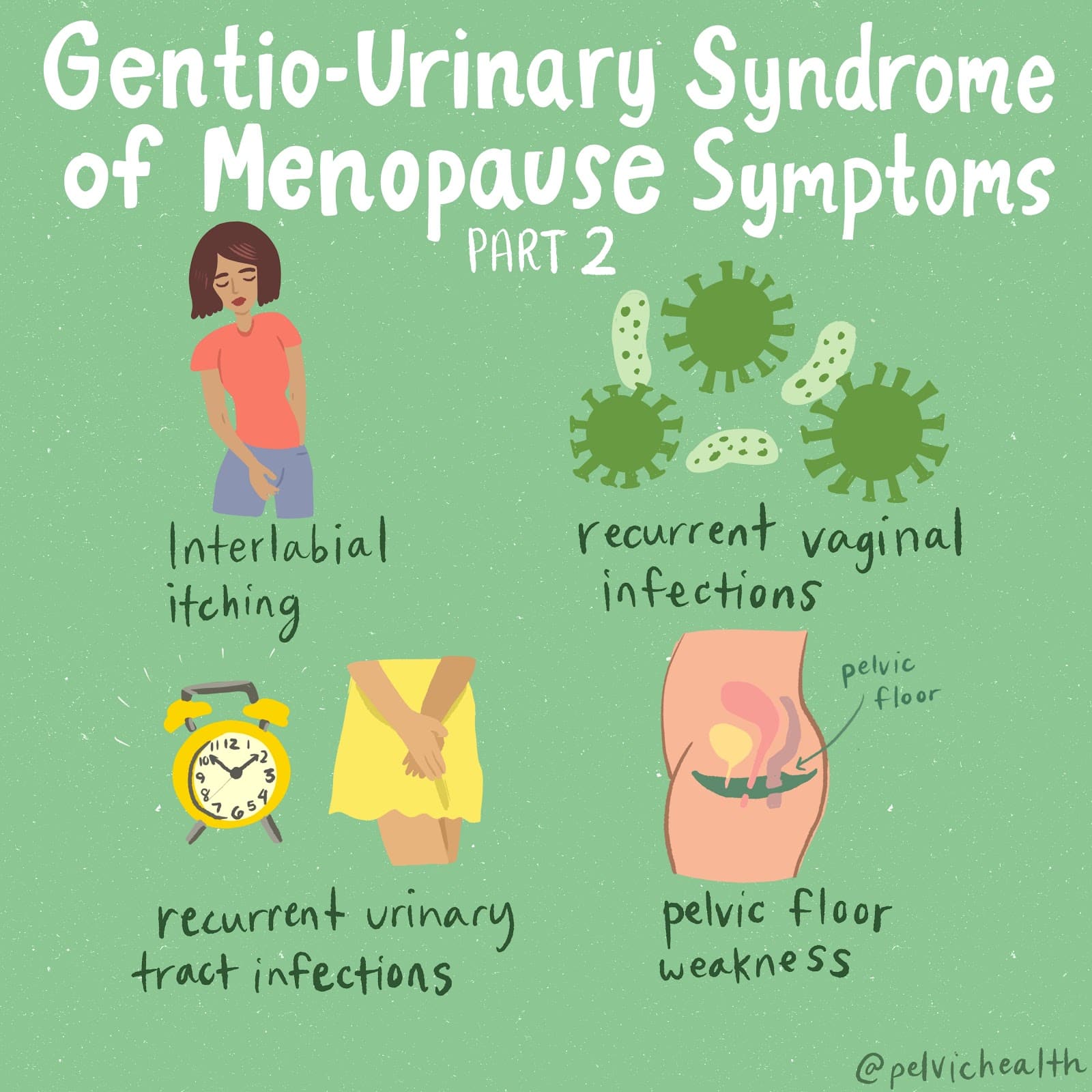
Hormone insufficiency can result in interlabial and vaginal itching. Other dermatologic issues such as Lichen Sclerosus and cutaneous yeast infections are just two of the many factors to also be considered.
Unfortunately people are vulnerable to recurrent vaginal and urinary tract infections in menopause due to:
- pH and tissue changes
- incomplete bladder emptying
- pelvic organ prolapse compromising urinary function
Recurrent infections are a leading cause of pelvic floor dysfunction! They must be stopped or the noxious visceral-somatic input can cause further pain and dysfunction after the infection is cleared. Furthermore, if the infections are left untreated without hormone therapy infections continue to occur and the consequences can be severe. Women can develop unprovoked pain, sex may be impossible, and undetected UTIs can lead to kidney problems and more sinister issues.
We encourage people to work with a menopause expert to monitor, prevent, and treat these issues as they are serious and treatable! We need to normalize the conversation about what happens during GSM, it is nothing to be embarrassed about and with the right care vulva owners can live their best lives! Pelvic floor physical and occupational therapy and medical management go hand in hand.
Treatment:
How We Can Help You
If you are having issues with your sexual function, it is in your best interest to get evaluated by a therapist for pelvic floor therapy, so they can establish what part, if any, of your pelvic floor may be contributing to the symptoms you are experiencing. During the course of the examination, the physical and occupational therapists will talk to you about your medical history and symptoms, including what you have been previously diagnosed with, the treatments or therapies you have had, and how effective or ineffective these therapies have been for you. It is significant to mention that we fully comprehend what you’ve been dealing with and that the majority of individuals are angry by the time they make it to see us. The physical and occupational therapists will conduct an evaluation of the patient’s nerves, muscles, joints, tissues, and movement patterns while doing the physical examination. After the examination is finished, your therapist will go over the results of the assessment with you. The physical and occupational therapists will conduct an evaluation to determine the cause of your symptoms and will establish both short-term and long-term therapy goals based on the results of the evaluation. Physical therapy treatments are typically administered between once and twice each week for a period of around 12 weeks. Your physical and occupational therapists will assist you in coordinating your recovery with all the other experts on your treatment team. They will provide you with an exercise regimen to complete at home and the sessions you attend in person. We are here to assist you in getting better and living the best life possible.
For more information about IC/PBS please check out our IC/PBS Resource List.
Treatment:
How We Can Help You
If you are having issues with your sexual function, it is in your best interest to get evaluated by a therapist for pelvic floor therapy, so they can establish what part, if any, of your pelvic floor may be contributing to the symptoms you are experiencing. During the course of the examination, the physical and occupational therapists will talk to you about your medical history and symptoms, including what you have been previously diagnosed with, the treatments or therapies you have had, and how effective or ineffective these therapies have been for you. It is significant to mention that we fully comprehend what you’ve been dealing with and that the majority of individuals are angry by the time they make it to see us. The physical and occupational therapists will conduct an evaluation of the patient’s nerves, muscles, joints, tissues, and movement patterns while doing the physical examination. After the examination is finished, your therapist will go over the results of the assessment with you. The physical and occupational therapists will conduct an evaluation to determine the cause of your symptoms and will establish both short-term and long-term therapy goals based on the results of the evaluation. Physical therapy treatments are typically administered between once and twice each week for a period of around 12 weeks. Your physical and occupational therapists will assist you in coordinating your recovery with all the other experts on your treatment team. They will provide you with an exercise regimen to complete at home and the sessions you attend in person. We are here to assist you in getting better and living the best life possible.
For more information about IC/PBS please check out our IC/PBS Resource List.


By Amanda Stuart, DPT, PHRC Los Angeles
Did you know that September is Chronic Pelvic Pain Awareness Month? Whether you have pelvic pain or need to treat pelvic pain, this blog will be following the success of one our patients and their time in pelvic floor physical and occupational therapy.
Fact:
Research shows that up to 16% of men suffer from Chronic Pelvic Pain Syndrome (CPPS) at some point in their life. Pelvic floor physical and occupational therapy can be an integral part of treating pelvic pain.
Background
Tony is a 45 year old male presenting to pelvic floor physical and occupational therapy for pelvic pain and urinary frequency. He reports symptom onset began about one year ago when he made a drastic change to his diet and started working out excessively which consisted of heavy weight training and Peloton riding. For about four to five months, Tony had been very consistent with this regimen of approximately one hour of strength training and ending with 45 minutes on the Peloton six to seven days per week. Around this same time period, Tony began sensing a dull ache in the perineum and urinating more frequently. Soon, the ache in the perineum began to radiate to the right inner groin and testicle.
Tony saw a urologist who diagnosed him with epididymitis and prescribed him 10 days of antibiotics which didn’t help at all.

He sought a second opinion with another urologist who prescribed him Naproxen and performed a manual exam on his prostate with nothing to note. Tony had had various imaging tests done in the abdomen, pelvic region and scrotum – none of which came back with any significant findings. He additionally reports that the right inner groin pain has since subsided and now he just feels a dull ache in the perineum and right buttock. The pain seems to worsen when sitting.
Tony has since discontinued riding the Peloton but continues to weight train at a lower intensity, surf and just started playing pickle-ball.
Physical Exam
External Exam:
- Moderate connective tissue dysfunction in his bony pelvis and inner thighs.
- Severe connective tissue dysfunction in his abdomen.
- Tenderness upon palpation of the suprapubic region on the left side.
- Myofascial trigger points in the psoas and iliacus.
- Decreased deep core (Transverse Abdominis) strength.
- Decreased gluteus medius and maximus strength (~⅗)
Internal Exam:
- Severe myalgia throughout the deeper pelvic floor, to include both the obturator internus and levator ani muscles.
- Moderate muscular restrictions throughout the urogenital diaphragm to include the bulbospongiosus, ischiocavernosus, and transverse perineal muscles.
- Poor muscle-length tension relationship meaning that the range of motion within the pelvic floor was largely reduced with subsequent difficulty attempting to lengthen or relax the pelvic floor muscles voluntarily, indicating that the pelvic floor is stuck in a more contracted state.
- Indiscernible pelvic floor contraction upon testing (~0/5), which was likely due to the level of restriction present and reduced range of motion.
Assessment
Tony presents with Chronic Pelvic Pain Syndrome (CPPS) likely secondary to months of excessive cycling on the Peloton and heavy weight training using improper mechanics. When discussing Tony’s weight lifting, he admitted he often does not breathe fluidly and will hold his breath when lifting heavy weight. Breath holding is common in weight training and tends to increase abdominal pressure and place excessive strain on the pelvic floor, causing it to contract and tighten over time. Additionally, bicycle riding can cause myalgia within the pelvic floor because the muscles are being compressed for an extended period of time.

It is common that once the pelvic floor muscles become tight, connective tissue surrounding the pelvic girdle itself will become restricted too – which is likely what caused the referring pain down to the right inner thigh. Tight muscles and restricted connective tissue within the pelvic floor and surrounding pelvic girdle can cause pain within the pelvic floor and surrounding hip musculature in addition to urinary dysfunction. In Tony’s case, it was the urinary frequency that was impeding his daily activities. It is common for urinary frequency and urgency to occur following pelvic floor dysfunction as the pelvic floor muscles are stuck in a contracted state and tend to become more irritable to the bladder filling with urine.
Additionally, Tony had reported issues with incomplete bladder emptying. This is also a common symptom associated with pelvic floor muscle tightness because the pelvic floor muscles are supposed to relax around the bladder neck to allow for complete evacuation of urine. If the muscles are stuck in a contracted state, they will not allow all the urine to come out and an individual will end up feeling as though they did not completely empty after using the restroom.

The last piece to this puzzle was addressing hip and low back stability as Tony was a very active individual and though he chose to give up the Peloton riding, he wanted to continue with strength training, surfing and playing pickle-ball. Though it tends to be forgotten all too often, the Obturator Internus muscle is crucial to supporting the pelvic floor.
Strength in the gluteal muscles will offset tight hip rotators that make up the side wall of the pelvic floor. This same concept of utilizing correct gluteal firing patterns will also prevent the low back from being over active. Oftentimes, low back and pelvic floor can refer pain from one to the other and appropriate assessment between the core, hip and pelvic floor need to be addressed.


Goals
Tony’s Goals were split between six and 12 week intervals:
Short Term: six weeks
- Tony will demonstrate 50% reduction in PF ms myalgia and restriction.
- Tony will demonstrate 50% reduction in CTR surrounding the pelvic girdle.
- Tony will demonstrate the ability to lengthen the pelvic floor through diaphragmatic breathing.
- Tony will improve motor control from a poor to fair score.
Long Term: 12 weeks
- Tony will urinate no more than six to eight times in a 24 hour period.
- Tony will initiate and complete his urinary stream without difficulty.
- Tony will return to his preferred recreational activities without perineal or pelvic pain.
- Tony will demonstrate adherence to HEP & symptom management.
Plan
The plan for Tony’s treatment sessions include connective tissue manipulation, myofascial release, and myofascial trigger point release to address the dysfunction in the muscles and fascia. His plan also included neuromuscular reeducation, therapeutic exercise and home exercise program prescription and management to improve his ability to voluntarily lengthen the pelvic floor muscles. After he masters the ability to lengthen his muscles and has improved neuromotor pelvic floor control, he will receive hip strengthening and core stabilization exercises.
The Recovery
Within the first four weeks..
Tony noticed a significant reduction in his urinary frequency and pain. He would go almost the entire week following our session with normal urination intervals and wouldn’t notice any internal pelvic pain. Tony did find that if he did not do his flexibility and stretching regimen at home a few times per week, the frequency would be more elevated so he was careful about adherence.
About six weeks in..
Tony experienced a bout of severe constipation when switching his diet resulting in hemorrhoids and an increase in urinary frequency and pelvic floor discomfort after that had mostly subsided. I explained to Tony that constipation places mechanical strain on the pelvic floor which can lead to pelvic floor pain and dysfunction. Stool in the rectum causes a reflexive pelvic floor contraction to help keep us continent, which in the short term is beneficial; however, in the case of constipation – the constant state of pelvic floor contraction causes the pelvic floor to become tight and place pressure on the bladder, urethra or prostate. In the case of Tony, since he already had pelvic floor tightness – the constipation only exacerbated his symptoms until he completely evacuated the stool. Once he incorporated the right amount of foods into his diet, the constipation went away and both the level of pain and urinary frequency continued to improve again.
About eight weeks in..
Tony started to prioritize playing pickle-ball of all his recreational activities. He began to notice low back pain that seemed to radiate to the upper glute and he wasn’t sure if this was being caused by the pelvic floor or the low back. After assessment of posture while playing pickle-ball, it was noted that Tony tended to lean forward at his spine for hours. He had also reported that sitting exacerbated this low back and gluteal pain which seemed to correlate more with a true low back issue rather than referral from the pelvic floor. We went over how to hip hinge rather than to bend from the low back while playing pickle-ball and worked on glute isolation exercises to diminish the need for the low back to become overactive.
Soon, the low back and gluteal pain went away. This also assisted in the pelvic floor being able to maintain a more relaxed state since it was no longer over compensating for weak hip stabilizing muscles. As Tony became busy with travel, he was seen less frequently but carried over his strength and flexibility routine at home. By around the fifth month Tony had reported back that he no longer had urinary frequency or pelvic floor pain and was able to engage in his preferred recreational activities, specifically pickle-ball. Occasionally, he would feel the low back if he did not utilize proper mechanics but was easily able to adjust and confident that as he continued to work on his strengthening this would entirely go away. Tony was pleased with his progress and ability to engage in what he loves doing again.
If you are experiencing chronic pelvic pain, you may consider physical and occupational therapy. Pelvic pain can be tricky to navigate if you do not know where to start. Help is out there! Get your pelvic pain treated today with pelvic floor physical and occupational therapy.
Frequently Asked Questions
Q: Where could I learn more about pelvic pain therapy? Do you have other resources to learn about pelvic pain, the pelvic muscles/pelvic organs?
A: Check out our service page about pelvic floor physical and occupational therapy. It will review a variety of symptoms of pelvic pain and why one might seek physical and occupational therapy for it. You can search key terms in the blog search bar to find specific topics. We also recommend checking out our Youtube page for more information!
Q: I think I need physical and occupational therapy, but I am nervous as I have never been before. Any recommendations? Please help me relieve pelvic pain!
A: If you would like to know what to expect, we have a blog about what a good pelvic floor physical and occupational therapy session should be like. We recommend checking it out so you know what to expect and can be more prepared before you enter the treatment room.
Q: I need my pelvic pain treated, but you are unfortunately too far away from me. Can you help me find a provider to manage my pelvic pain?
A: If you scroll to the bottom of this page, there a handful of directories that will help you find a provider in your area. The blog is also a resource list for chronic pelvic pain, so you may find a few more resources in there!
______________________________________________________________________________________________________________________________________
Check out our recently published e-book titled “Vulvodynia, Vestibulodynia, and Vaginismus,” designed to empower and inform individuals on their journey towards healing and understanding.
Did you know we opened our 11th location in Columbus, OH? Now scheduling new patients- call (510) 922-9836 to book!
Are you unable to come see us in person in the Bay Area, Southern California or New England? We offer virtual physical and occupational therapy appointments too!
Virtual sessions are available with PHRC pelvic floor physical and occupational therapistss via our video platform, Zoom, or via phone. For more information and to schedule, please visit our digital healthcare page.
Do you enjoy or blog and want more content from PHRC? Please head over to social media!
Facebook, YouTube Channel, Twitter, Instagram, Tik Tok
By Jandra Mueller, DPT, PHRC Encinitas & Guest Author Julie Baron, DPT, CSCS, PCES
Having been a pelvic floor physical and occupational therapists for over twelve years, I can count on one hand the amount of times I have seen this diagnosis; yet, some sources say it is the second leading cause of chronic pelvic pain. Of the patients I have seen with this diagnosis, all of them were diagnosed accidentally while undergoing treatment for a different disorder.
Understanding Pelvic Venous Disorders
This year I had the incredible opportunity of traveling to Spain where some of the top specialists in sexual medicine got together to update guidelines on various topics concerning sexual medicine. I was on a committee reviewing a specific diagnosis – persistent genital arousal disorder/genito pelvic dysesthesia (PGAD/GPD) and I was one of two physical and occupational therapistss in attendance. With this particular diagnosis, there is so much we still do not know, and a region based assessment has been developed in better diagnosing and determining appropriate treatments for individuals who suffer from this condition. The region I was assigned was Region two, the pelvic floor, pudendal nerve, and vascular contributions. At this point, the role of the pelvic floor and pudendal nerve had been pretty thoroughly reviewed, but the vascular component was something I had wanted to take a deep dive into.
Finding this information was not so easy it turns out. Luckily, I was introduced to an online course called “A Comprehensive Look at Pelvic Venous Disorders” by Julie Baron, DPT, CSCS, PCES which was recently adopted by APTA. After taking her course, I connected with her and she has been a true gem in breaking down this complex condition. Julie is the Director of the Pelvic Health and Performance Center at MTI physical and occupational therapy in Washington State, and a genuine expert in this field.
Needless to say, I was very intrigued, and I want to share what I’ve learned in this process with you all.
What is Pelvic Venous Disorders PeVD?
Pelvic venous disorders (PeVD) are a group of disorders referred to as “Pelvic Congestion Syndrome (PCS),” “Nutcracker Syndrome (NCS)” or “May-Thurner Syndrome (MTS).” PeVD is an encompassing term that includes both venous obstruction disorders (NCS & MTS) and venous reflux disorders (PCS). Changes in terminology have been a big step forward for those suffering from these conditions in order to provide comprehensive care from diagnosis through treatment. Previously, individuals suffering from these conditions have encountered misdiagnoses and/or incomplete treatment due to the lack of knowledge surrounding these conditions. Clinicians and researchers have now agreed upon PeVD as it encourages a more thorough diagnostic workup, covering both obstructive and reflux disorders.
When it comes to chronic pelvic pain, there can be so much to learn. Read along as we discuss pelvic venous disorders, the pelvic pain associated with it, along with symptoms, treatments and relevant information about pelvic congestion syndrome (aka pelvic venous disorders).

Symptoms and Prevalence
PeVD manifests through a spectrum of symptoms affecting the abdomen, pelvis, and legs. One of the most common symptoms, though not commonly recognized by many providers, is chronic pelvic pain lasting more than six months. This pain is typically described as a dull ache, heaviness, or pain in the lower abdomen or pelvis that worsens with prolonged standing, activity, following intercourse or arousal, and the Valsalva maneuver; and improves when lying down or assuming inverted positions. Studies have indicated that 15-30% of people assigned female at birth (AFAB) aged 18-50 may experience PeVD, although only about 40% are referred to specialists for treatment. PeVD is often associated with multiparity, high estrogen levels, genetics, and hypermobility spectrum disorders, although its exact causes remain largely unknown.

While these individuals are the most likely, we do know that young, premenopausal people who have not had children, or those who are in menopause are not exempt from this condition.
Diagnostic Approaches
Getting a diagnosis can be quite challenging. In an ideal situation, your symptoms would be recognized by a provider, who will then refer you to a provider for further workup, usually a vascular doctor or interventional radiologist.
Diagnosis of PeVD involves multiple imaging techniques and clinical assessments. The first-line screening method is ultrasound (US). Ideally, a transabdominal duplex US which can look at different regions to provide a comprehensive evaluation of each system.
Transvaginal Ultrasound (TVU)
More effective in ruling out other gynecological problems.
Transabdominal Ultrasound
Allows visualization of all the vessels potentially involved.

What Happens If I need more testing?
In cases where ultrasound results are inconclusive or more extensive imaging is needed, computed tomography (CT) and magnetic resonance imaging (MRI) may be recommended but do have their disadvantages; however, venography is the gold standard for diagnosis. Despite venography being the gold standard, it is often reserved for when non-invasive imaging is inconclusive and interventional therapy is being planned.
While many providers will still utilize laparoscopy as a last resort for diagnosing chronic pelvic pain, they may miss up to 80-90% of PeVD cases due to positional vein compression and the use of carbon dioxide during the procedure.
Treatment Options
The primary treatment for PeVD involves endovascular therapies including sclerotherapy, embolization and/or stenting. Which treatment is dependent upon all of what is going on may include one or more of the above treatments. Studies have shown that embolization has a very high technical success rate, close to 100%, with significant symptom improvement in more than 66% of patients. However, recurrence rates can vary widely, ranging from 7-93%, likely due to a lack of standardization or accreditation in this area.

Before the advent of endovascular treatments, reducing estrogen levels through medications like medroxyprogesterone or GnRH agonists was the first-line therapy. Surgical options included hysterectomy and laparoscopic ovarian vein ligation, both demonstrating various levels of symptom relief, but ultimately not addressing the root cause of the issue! Despite the reported “effectiveness” of these treatments, studies often utilized non-standardized questionnaires, making it difficult to fully capture the impact on patients’ quality of life.
What role does the pelvic floor play in PeVD?
Generally, pain conditions are associated with high-tone or overactive pelvic floor muscles, which are often painful when palpated. The impact on the body extends beyond just the muscles in the pelvis, the pelvis in general, along with all the muscles surrounding the pelvis, may be stuck in patterns that do not serve us well, further exacerbating symptoms. That is where pelvic floor physical and occupational therapy comes into play! While we cannot fix the actual veins, we can optimize the body to reduce symptoms and provide an environment that encourages blood flow. Ultimately, treating PeVD requires a team.

Multidisciplinary Treatment Approaches – What To Do If You Suspect PeVD?
Find a Specialist!
Because there is no standardization of treatment or accreditation process for approaching PeVD, it makes it difficult to find the right provider. Both vascular docs and interventional radiologists can treat this condition, they need to undergo specialized training. Just because they may be able to stent or embolize elsewhere in the body, does not mean they are qualified to treat PeVD.
Similarly, pelvic floor physical and occupational therapistss may not be aware of this condition either. Julie has been working hard to create a directory so that patients can find the help they need. Hopefully this will be accessible in the near future, but for now, she has created a list of questions that can help you find someone that can help.

Questions to ask your provider:
Do you work with patients who have PeVD?
What % of your caseload is made up of people with PeVD?
What is your evaluation process and what imaging do you recommend?
What are your preferred treatment strategies for people with PeVD?
What are your clinical outcomes like post-surgery/post-treatment?
Do you have a physical and occupational therapists you can recommend before/after treatment?
Don’t be surprised if the answer is “it depends,” because the presentation and symptoms vary between patients, it truly may depend how they approach your care. What you’re looking for is a provider who is going to consider your unique case, provide a full evaluation including imaging (all four veins), and then discuss treatment options which should involve one of the following or a combination of the following: embolization, stenting, and/or sclerotherapy.
Closing Thoughts
PeVD is a complex condition that necessitates a comprehensive and multidisciplinary diagnostic and treatment approach. While advancements in imaging techniques and endovascular treatments have significantly improved the management of PeVD, there remains a need for standardized protocols and large-scale clinical trials to further enhance patient outcomes. Understanding the interplay between PeVD and associated conditions such as pelvic floor dysfunction, is crucial in providing holistic care to affected individuals.
Drop your questions in the comments for our follow up Q&A blog about pelvic venous disorders/chronic pelvic pain!
Questions and Answers
Q: Is PeVD the same thing as pelvic congestion syndrome?
A: Yes. pelvic venous disorders (PeVD) is also known as pelvic congestion syndrome (PCS).
Q: Could you talk about pelvic venous insufficiency next?
A: We can certainly to a follow up to this blog to go in depth about more questions and side bars within the blog! Feel free to leave more comments for us to be included.
Q: If I have chronic pelvic pain, should I be concerned about developing this?
A: Managing your pelvic pain with a multidisciplinary team of providers would be a great way in tracking your health in order to prevent it from developing further. Each chronic pelvic pain case is different from another. If you are concerned about pelvic congestion syndrome, we suggest speaking to your provider about it!
______________________________________________________________________________________________________________________________________
Resources
Check out our recently published e-book titled “Vulvodynia, Vestibulodynia, and Vaginismus,” designed to empower and inform individuals on their journey towards healing and understanding.
Now Scheduling in Ohio!
Did you know we opened our 11th location in Columbus, OH? Call (510) 922-9836 to book!
Are you unable to come see us in person in the Bay Area, Southern California or New England? We offer virtual physical and occupational therapy appointments too!
Virtual sessions are available with PHRC pelvic floor physical and occupational therapistss via our video platform, Zoom, or via phone. For more information and to schedule, please visit our digital healthcare page.
Want more?
Do you enjoy or blog and want more content from PHRC? Please head over to social media!
Facebook, YouTube Channel, Twitter, Instagram, Tik Tok
By PHRC Team
Several different nerves that supply the pelvis can cause neuropathic pain (nerve pain). We’re going to review a bit of what is involved with neuropathic pain, how to treat neuropathic pain, and follow up with all the questions we received on the topic!
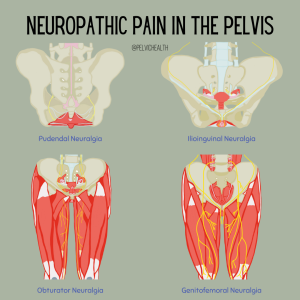
The pudendal nerve is probably the most common nerve that causes neuropathic pain in the pelvis, but there are other nerves that should be considered. The area of the pelvis that each of these nerves are responsible for can overlap making a correct diagnosis challenging.
Pudendal Neuralgia
What to look out for? This condition is often felt on one side of the body, often exacerbated by exercise or functional neurologic activities. Pain is often worse with sitting, better with standing.
Want more information? Check out our blog on these four neuralgias!
Ilioinguinal Neuralgia
It can be confused with pudendal neuralgia because both nerves can cause pain in the labia and penis. The primary difference between ilioinguinal neuralgia and pudendal neuralgia is that ilioinguinal neuralgia is going to cause pain in the inguinal canal (groin) whereas pudendal neuralgia will not.

Obturator Neuralgia
It can be confused with pudendal neuralgia because both will typically cause pain with sitting, particularly around the sit bones or ischial tuberosities. The difference between obturator neuralgia and pudendal neuralgia is that obturator neuralgia will also cause pain in the upper inner thigh whereas pudendal neuralgia will not.

Genitofemoral Neuralgia
Genitofemoral Neuralgia can be confused with pudendal neuralgia because both nerves can cause pain in the clitoris and penis! The primary difference between genitofemoral neuralgia and pudendal neuralgia is that genitofemoral neuralgia is going to cause pain in the inguinal canal (groin) whereas pudendal neuralgia will not.

Questions and Answers
Q: Which one could cause muscle weakness and tiredness ? As if I had run for miles making my legs exhausted and my pelvic area very tight.
A: Peripheral neuralgias are generally not the primary cause of muscle weakness. While weak muscles can be associated with nerve dysfunction, we recommend seeing a doctor who can perform a full evaluation and help you determine where your symptoms are coming from. An evaluation with a physical and occupational therapists would likely be helpful as well.
Q: Can knee pain be connected to these areas?
A: Yes. The body is all connected! Seeing a pelvic floor PT can help you determine if your knee pain may be associated with your pelvic floor.
Q:
Q: Finally information about neuropathic pain! Can you have genitofemoral neuralgia only on Rt side? Could you please share some advice for the management of the pain? I’m concerned this could turn into chronic neuropathic pain..open to any pain relief resources or advice!
A: Yes, you can have GF neuralgia on either the right or the left side, or both. Pain management is multidisciplinary and can involve treatment with a physical and occupational therapists, pain management provider, PCP, and pain psychology if needed.
Q: What makes nerve pain different from “regular” pain? is it always sharp
A: Pain is complex and often multifactorial, so have a discussion with a specialist. Nerve pain can mimic almost any other sensation. Often it is described as burning, sharp, pinching, stabbing, etc. Nerve pain is often made worse with pressure or stretching of the nerve. Nerve pain can also be exacerbated by physical, mental, or emotional stressors. In general, nerve pain feels better when you take away the pressure, stretch, or stress.
Q: Ol neuralgia ever happen with no mechanism of injury?
A: Usually there is some mechanism of injury for any symptom you experience, but that mechanism can be chronic constipation or prolonged sitting… things that you may not think of as an “injury”. A pelvic floor PT can help you ID and treat potential predisposing factors to your symptoms.
Q: What causes this??? And what helps it? Feels like my pelvic floor is on and off throbbing, aching for about a month. Came out of nowhere. Gynecologist said it’s a strain in the psoas muscle and referred me to a sports medicine doctor.
A: Many things can cause neuropathic pain. If your gynecologist thinks that there is a muscular component, seeing a pelvic floor PT would likely be helpful!
Q: What if you have occasional burning in all those areas? Would you think probably from a hypertonic floor?
A: There are many other conditions that can contribute to occasional pain in these areas, including but not limited to pelvic floor dysfunction. A pelvic floor physical and occupational therapists can help determine what is happening in your case.
Q: So what specifically does the ilioinguinal nerve affect?
A: The ilioinguinal nerve is a sensory nerve that covers these areas (see our nerve maps here). The symptoms someone may have is sensory changes in the areas of skin that the nerve innervates. It does not innervate muscles, so there will not be any direct muscular changes with impact to this nerve.
Q: Do you have recommendations of exercises to avoid when having a pudendal neuralgia flare?
A: As a general guideline, avoiding deep squatting and cycling (or other activities where you are directly putting pressure on the nerve) are important to avoid. Additionally, anything that may cause stretch to the nerve depending on where you are at in your healing process. Kegels are also not recommended. However, to know what specific exercises are appropriate or not for you, this should be discussed with your physical and occupational therapists.
Q: The feeling of an ice pick diagonal through the pelvis would be what nerve?
A: This can be a description of nerve pain for some, however, it is important for a proper evaluation to see exactly what is causing the pain (nerve, viscera, muscle, etc) as there are different referral patterns and there are crossover in symptoms, in order to recommend an appropriate treatment plan.
Q: Is an MRI the best tool to get a clear diagnosis on which nerve is causing the pain?
A: Most imaging (MRI, US, CT) will not identify a neuralgia (nerve pain). Neuralgias are most often a functional issue. Imaging may be helpful in identifying entrapment of nerves. Most diagnoses for neuralgias are the result of a thorough history and examination +/- diagnostic nerve blocks.
Q: Could endometriosis cause neuropathic pain in the pelvis?
A: Endometriosis absolutely can cause neuropathic pain in the pelvis in a variety of ways, directly, and indirectly. If endometriosis is impacting a nerve directly, it can impact the function of that nerve (sensory, motor, or autonomic functions). Endo can also indirectly contribute to neuropathic pain by viscerosomatic reflex (organ to tissue like muscle or skin) due to the chronicity of the disease and central sensitization.
Q: Pelvic floor therapy, SI injection, caudal injection, and another from PM can’t remember names. Nothing helped pain. Also had botox and trigger points from urogyn. Sitting is impossible. What else can I do? Also on lyrica.
A: We are sorry to hear about your symptoms and the lack of improvement. Unfortunately, we cannot determine the cause of your pain or why these interventions did not work for you without actually discussing your case with you directly or evaluating you in person. There can be a number of reasons these interventions didn’t work including the length of time and dosage of medications, or general timing and order of interventions, inadequate physical and occupational therapy (i.e. no manual therapy, too short duration of physical and occupational therapy), or correct diagnosis/evaluation of all the impairments. Sitting pain can result from a combination of factors including poor joint mobility, soft tissue impairments, impact to the nerves, spinal or hip involvement, or any combination of the above.
Whether you have neuropathic pain or not, help is out there! If you are concerned about having chronic neuropathic pain or are just on the hunt for pain relief, finding a provider that is familiar with neuropathic pain can make a huge difference when it’s time for treatment!
______________________________________________________________________________________________________________________________________
E-book
Check out our recently published e-book titled “Vulvodynia, Vestibulodynia, and Vaginismus,” designed to empower and inform individuals on their journey towards healing and understanding.

Now Scheduling
Did you know we opened our 11th location in Columbus, OH? Now scheduling new patients- call (510) 922-9836 to book!
Are you unable to come see us in person in the Bay Area, Southern California or New England? We offer virtual physical and occupational therapy appointments too!
Virtual sessions are available with PHRC pelvic floor physical and occupational therapistss via our video platform, Zoom, or via phone. For more information and to schedule, please visit our digital healthcare page.
Resources
Do you enjoy or blog and want more content from PHRC? Please head over to social media!