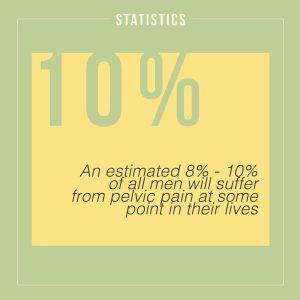
By Stephanie A. Prendergast, MPT, Cofounder, PHRC Los Angeles Erectile dysfunction (ED) is the leading cause of sexual dysfunction in men affecting one in five men. It is defined as the inability to achieve & maintain an erection satisfactory for sexual intercourse. There are several causes for ED. Vasculogenic, or due to an issue with blood supply, is the …
It’s National Men’s Health Week!
By Stephanie A. Prendergast, MPT, Cofounder, PHRC Los Angeles National Men’s Health Week is held each year from June 8-14, and it is a time to raise awareness about the health of men and boys. This year’s theme focuses on the importance of preventive care, early detection, and treatment of medical conditions. Men tend to avoid doctor visits, with …
A Kenyan Pelvic Health Physical and Occupational Therapy School Scholarship
By Elizabeth Akincilar, MSPT, Cofounder, PHRC Merrimack The Jackson Clinics Foundation was formed in 2012 to fund educational efforts in East Africa. To date the foundation has sent over 100 faculty members from their clinics and from around the country to teach in east and central Africa. Some of the best and brightest physical and occupational therapistss in the United …
Common Prepartum Symptoms and Their Treatments
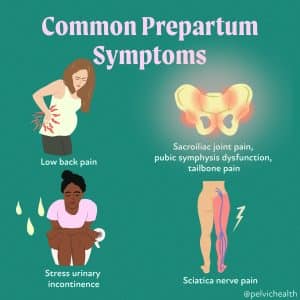
By Stephanie Prendergast, MPT, Cofounder, PHRC Los Angeles If you are expecting, plan to be in the future or know someone that is, here are some common Prepartum symptoms! Low back pain- Foot and back pain are due to hormonal and musculoskeletal changes. Studies have shown that 40% to 60% of women will experience back pain during pregnancy and …
Hormonal Prepartum Changes and Postpartum Complaints
By Stephanie Prendergast, MPT, Cofounder, PHRC Los Angeles Hormones play a vital role in day-to-day function. They allow for the organs to communicate with each other so that we can filter toxic waste, grow muscle, sleep well . . . . and even grow a human! Let’s take a look at what happens during pregnancy: Estrogen goes up, elevating …
Navigating Mental Health: Strategies for Managing Your Mental Well-Being
By Emily Tran, PHRC Admin, Westlake Village Pelvic pain can be a source of significant stress and anxiety for individuals. Living with chronic pelvic pain can often lead to feelings of hopelessness, sadness, and even depression. It’s important to recognize the impact pelvic pain can have on mental health. Here are a few ways mental health can affect pelvic …
Tight Lipped: You’re Not Alone; Patient-Led Communities
By Tight Lipped, guest blogger. “My doctor in college told me that my partner simply ‘didn’t know what he was doing’, and that’s why it felt like his penis was hitting a wall inside me.” “When I saw a doctor for my vaginal pain, he told me to use a cucumber to stretch out my vagina.” “So many doctors …
Obturator Internus: Anatomy, Dysfunction and Symptoms
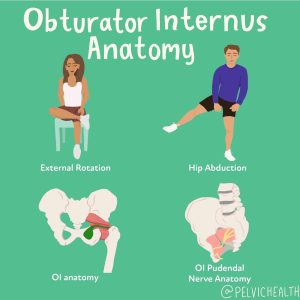
By Stephanie A. Prendergast, DPT, MPT, Cofounder, PHRC Los Angeles The Obturator Internus (OI) muscle is an external rotator and an abductor of the hip. It is also a pelvic floor muscle, with half of the muscle belly sitting right next to our Levator Ani muscles. The muscle also forms part of Alcokc’s Canal, which houses the perineal branch of …
Success Story: Constipation and Urinary Retention Resolved
By: Melinda Fontaine, DPT, PHRC Walnut Creek Darnell took a trip to Europe a few months ago with his spouse. They had planned a wonderful vacation, but what they didn’t plan for was Darnell not being able to urinate or have a bowel movement (BM) for nine days! He took magnesium citrate which helped him produce partial BMs. When …
March is Endometriosis Month; Current News and Updates
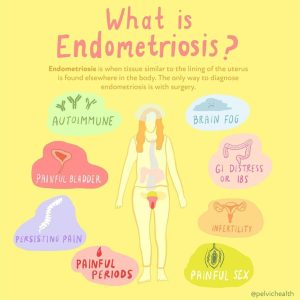
By Jandra Mueller, DPT, MS, PHRC Encinitas March is the month where we get to talk about all things Endometriosis. Endometriosis (‘endo’) is an estrogen mediated, inflammatory disease characterized by endometrial-like tissue found outside of the uterus. Most commonly it is found in the abdominal and pelvic cavity, but can be found elsewhere in the body as well. Endo …
The Case of the Mysterious Hip and Testicular Pain
By Molly Bachmann PT, DPT, Birth Doula, PHRC San Francisco, CA One of the most common questions I receive as a physical and occupational therapists is “But why does it hurt? How did I get this?” Sometimes, these questions are really challenging to answer. Other times, there is a distinct root cause. Let me tell you the story about a …
Ehlers Danlos Syndrome: Facts, Information and Myths Busted
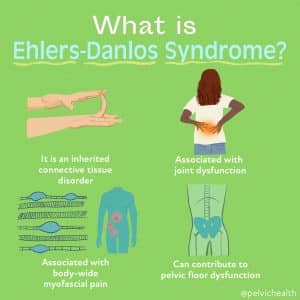
By Elizabeth Akincilar, MSPT, Cofounder, PHRC Merrimack Ehlers Danlos Syndrome is a rare inherited connective tissue disorder. It affects the skin, joints, and blood vessel walls. It causes joint hypermobility (joints that move too much!) which can result in joint dysfunction and pain. If many joints are affected, it can cause muscle dysfunction throughout the body, as the muscles …
Scar Facts: All You Need to Know
By Stephanie Prendergast, MPT, Cofounder, PHRC Los Angeles Let’s talk scars and facts: Scar tissue is of poorer quality than regular tissue; therefore it is more sensitive to UV light. Be sure to protect your scars with SPF! Don’t be surprised when hair doesn’t grow back in your scars. Hair follicles and sweat glands do not regenerate in …
What is Persistent Genital Arousal Disorder (PGAD/GPD)? Part 2
By Stephanie Prendergast, MPT, Cofounder, PHRC Los Angeles In 2021, a panel of experts published a consensus and management of care paper on Persistent Genital Arousal Disorder/Genito-Pelvic Dysesthesia (PGAD/GPD) in the Journal of Sexual Medicine. The paper describes a treatment algorithm involving five different therapeutic targets for PGAD/PGD! The paper describes how clinicians newer to treating this diagnosis can …
What is Persistent Genital Arousal Disorder (PGAD/GPD)? Part 1
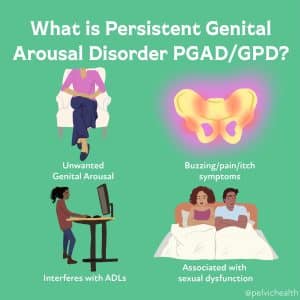
By Stephanie Prendergast, MPT, Cofounder, PHRC Los Angeles Persistent Genital Arousal Disorder (PGAD) is a syndrome characterized by unwanted genital arousal in nonsexual situations and was first described in 2001. The syndrome is being studied and in 2021 the International Society for the Study of Women’s Health (ISSWSH) published new guidelines about PGAD, broadening the term to genito-pelvic dysesthesia …
Myofascial Trigger Point: What They Cause + Treatments
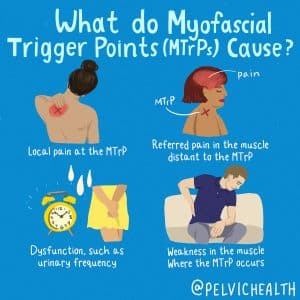
By Stephanie A. Prendergast, MPT, Cofounder, PHRC Los Angeles Trigger points can cause local pain at the site of the trigger point and/or they can cause referred pain in a location distant from the trigger point itself. Trigger points in each muscle have common referral patterns that have been well documented in the medical literature. Trigger points can …
Sleep Hygiene: The Do’s and Don’ts to Maximize Your Rest
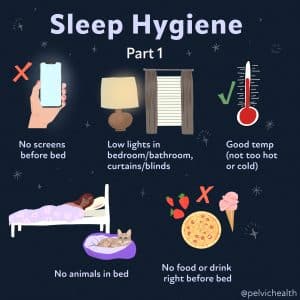
By Stephanie A. Prendergast, MPT, Cofounder, PHRC Los Angeles Getting enough restful sleep is paramount for a healthy body. The benefits are too many to name here. It can be a challenge to get a good night’s rest for many people. Here are some basic tips to improve the quality of your sleep! Stay away from screens before …
Ilioinguinal Neuralgia: Causes and Treatment
By Stephanie A. Prendergast, MPT, Cofounder, PHRC Los Angeles Ilioinguinal neuralgia is typically caused by a surgical procedure or an inguinal hernia. A hernia is when tissue pooches through the abdominal wall due to a weak point in the abdomen. An inguinal hernia, which is a hernia in the inguinal canal, can put pressure on the ilioinguinal nerve, …
2023: Year of the Rabbit, A (2022) Year in Review
By Stephanie A. Prendergast, MPT, Cofounder, PHRC Los Angeles Welcome 2023, goodbye 2022! It’s been another year full of changes for Pelvic Health and Rehabilitation Center. With the start of the new year, we would like to acknowledge all of the changes that have occurred both virtually and in person. Last year….. PHRC Pasadena opened in January 2022, …
How Pelvic Floor Physical and Occupational Therapy can help with Low Anterior Resection Surgery?
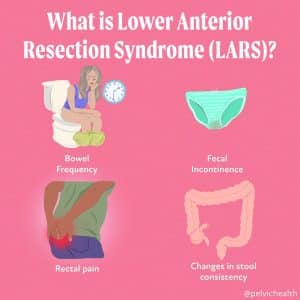
By Lauren Opatrny, PT, DPT San Francisco, CA What is Low Anterior Resection Surgery? Colorectal cancer is the second leading cause of cancer-related death in the United States (1), and low anterior resection (LAR) is the preferred surgical treatment for rectal cancer. During this procedure, the part of the rectum with cancer will be removed, and the remaining part …
Latchkey Incontinence; Why Does it Happen? Part 2
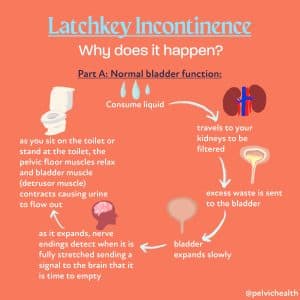
By Molly Bachmann PT, DPT, Birth Doula, PHRC San Francisco How does your brain know when it is time to empty the bladder? As the bladder begins to fill with liquid, receptors within the walls of the bladder perceive stretch. When the receptors perceive that the bladder is full with about two cups of fluid, the detrusor muscle (the …