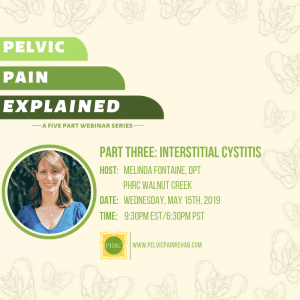
By Melinda Fontaine, DPT, PT, PHRC Walnut Creek May is Pelvic Pain Awareness Month and at PHRC we want to do our part to help people better understand pelvic pain syndromes and more importantly, help people suffering with these diagnoses get the help they need to recover. Since knowledge is power we created 5 videos and blog posts that we …
Pelvic Pain Explained: Vulvodynia + Resource List
May is Pelvic Pain Awareness Month At PHRC we want to do our part to help people better understand pelvic pain syndromes and more importantly, help people suffering with these diagnoses get the help they need to recover. Since knowledge is power, we created 5 videos and blog posts that we hope people find useful. This week, in our second …
Stress Urinary Incontinence in Athletes: Why You Leak When You Exercise
You may have heard murmurings at practice, the gym, in yoga, or maybe you’ve got your own experiences to share, of people describing incidences of urine loss while exercising. This is called Stress Urinary Incontinence (SUI) and is described as a loss of urine associated with a stress to the body causing increased intra-abdominal pressure, such as running, jumping, lifting, …
Gotta Go: Anatomy and Physiology of the Poop Chute
By: Kim Buonomo, PT, DPT, PHRC Lexington Everyone’s had that moment…You don’t have to go to the bathroom AT ALL and then suddenly you’re running to the toilet like there’s no tomorrow. How do things change so quickly? I’m going to teach you about the Rectoanal Inhibitory Reflex (RAIR) and what that means for fecal urgency and incontinence. In order …
Muscles Affecting Pelvic Health: It’s Not Just The Pelvic Floor
By: Shannon Pacella, DPT, PHRC Lexington As you may know, us pelvic floor physical and occupational therapistss tend to talk about the pelvic floor muscles quite a lot. However, we also assess and treat many other muscles surrounding the trunk, pelvis, hips, and thighs, that influence pelvic health and various pelvic floor muscle dysfunctions. If you’d like to learn about …
Visceral Pain: Notes from #IPPS2018
Asking patients about pain is a major component of an initial evaluation as well as with follow-up treatments. Monitoring changes in pain behavior, the intensity and the location can help gauge treatment success and progress. However, not a lot of people are aware of a major source of pain which is visceral pain. Kevin Hellman, PhD from NorthShore University Health …
Time to Cram for those Pap and Pelvic Exams!
Pelvic floor dysfunction can lead to symptoms like pain with sex or urinary incontinence, which can have a negative impact on someone’s quality of life. Many patients seen at The Pelvic Health and Rehabilitation Center report pain with gynecological visits, primarily pelvic exams and pap smears. While few people jump for joy at the idea of spending their lunch break …
Alternative Treatments for IBS: Can Hypnosis Help Heal Your Gut?
Irritable bowel syndrome (IBS) is considered a functional gastrointestinal disorder. The Rome Foundation defines IBS as when a person has chronic abdominal pain at least one day per week in the last three months combined with at least two of the following: abdominal pain related to having a bowel movement; abdominal pain onset is associated with change in stool frequency; …
Wait there’s a (secret) society for that?
In the age of social media and WebMD, often times I will have a patient who has gained information from all sorts of sources all over the internet. It takes a lot of effort to weed through the information that the patient has “learned” and separate fact from fiction. One of the best and most rewarding parts of my job …
Polycystic Ovary Syndrome: what everyone needs to know
Do you know what the most common cause of female infertility is? Polycystic ovary syndrome, also known as PCOS. It is estimated that 15-20% of women will be diagnosed with PCOS at some point in their lives.1 It is the most common endocrine (hormone) disorder for women of reproductive age.2 Approximately 90-95% of women with anovulation (not ovulating) who attend …
The Pelvic Health and Rehabilitation Center Turns 12!
By: Stephanie Prendergast On July 17th, 2006, Liz and Stephanie opened the doors to the Pelvic Health and Rehabilitation Center in San Francisco. Their mission was to improve the quality of life of their patients and to contribute to the dynamic growth of their employees and students. They aspired to educate the community and medical professionals about pelvic …
Vulvodynia, Vestibulodynia, and Vaginismus: what’s the difference and why does it matter?
By Stephanie Prendergast, PHRC Cofounder As many as 28% of women experience painful sex at some point during their reproductive years and that sucks. Knowledge is power and May is Pelvic Pain Awareness Month so we want to provide women with useful information about the three most common diagnoses associated with painful sex: vulvodynia, vaginismus, and vesitbulodynia. Differentiating …
A Biopsychosocial Approach to Vulvodynia
Throughout my years of practice I’ve treated many women with vulvodynia. I’ve noticed that it’s rare for women to return to 100% solely with physical and occupational therapy treatment; even though their musculoskeletal impairments may have returned to normal, some women continue to feel pain. In my experience, it takes a team of practitioners to treat vulvodynia, such as …
Mechanistic Interplay among Peripheral, Spinal and Brain Adaptions to Chronic Visceral Pain
For those of you following our journey through the 3rd World Congress on Abdominal and Pelvic Pain (#WCAPP17), here is another light-bulb lecture explaining the interconnections of chronic visceral pain. The presenter, Melissa A. Farmer, PhD, is a researcher at the Feinberg School of Medicine at Northwestern University with a long-standing relationship with the International Pelvic Pain Society (the …
This is Us: a look inside PHRC
By Stephanie Prendergast, Cofounder, PHRC Los Angeles January is often the time to reflect on the past year and set goals for the future. So, in that spirit, we thought it would be fun to dedicate this post to a few top Pelvic Health and Rehabilitation Center events of 2017….and a peak forward to 2018. In no particular …
Foul! What the Media Got Wrong about Women’s Health!
Over the last year, the media has come under increasing scrutiny: visit almost any website, and you’ll see that the terms “fake news” and “alternative facts” have taken over the headlines and the comments section. Now, I love the people who produce pieces that aim to educate the community, especially when the subject is women’s health and the author is …
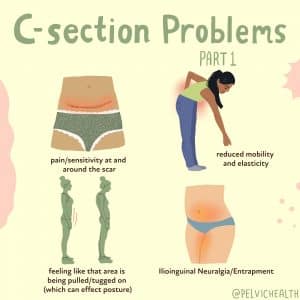
C-section Scar Problems and Solutions from a Pelvic Floor Physical and Occupational Therapists
By Shannon Pacella, DPT, PHRC Lexington If you’re reading this, you probably know what a Cesarean birth (C-section) is,* but what you may not know is what to do once you have had one. Most women post C-section are not given much information regarding their healing incision, except to “keep it clean in order to prevent infection.” …
Reducing perineal trauma during labor and delivery
By Stephanie Prendergast, Cofounder, PHRC Los Angeles Who doesn’t love a crowning baby cake? If our image didn’t catch your eye the title of this post probably did if you are pregnant or thinking about becoming pregnant. Last week we presented a pelvic health quiz about the role of the pelvic floor muscles play in childbirth. This week we …
What women do and don’t know about childbirth and their pelvic floor muscles
By Stephanie Prendergast, MPT, Cofounder, PHRC Los Angeles Recently, a number of studies were published on what women do and don’t know about their pelvic floor muscles, childbirth, and longer-term pelvic health. How much do you actually know? Take our quiz and find out! If you do not know the answers, don’t fret. You are amongst 93% of …
Beating the Odds: How one woman overcame a traumatic birth and had a successful second birth
Childbirth is no picnic: 85% of women who deliver vaginally experience perineal trauma and a third of those women in the USA and UK require stitches.2 The thought of having another baby after having gone through a traumatic birth can be daunting, to say the least. Returning to sex can also seem like a feat, especially when pain is involved. …
Fertility: The Other F Word
The older I get, the more I realize that there is another ‘F-word.’ For many people it is a harmless word, but for others it carries the same weight as any other profanity. I am talking about fertility. For a portion of people who are sexually active, fertility is a scary word. For some, fertility can mean a pregnancy that …