
Emerging data from a trusted colleague says: OH YES!
By Stephanie Prendergast, MPT, PHRC Pasadena
Vibrators—commercially available products traditionally associated with sexual pleasure—are showing meaningful therapeutic potential for women’s pelvic health.
At a time when so many women struggle to access effective care for bladder pain, urinary leakage, pelvic organ prolapse symptoms, painful intercourse, loss of sexual pleasure, mood changes, and difficulty achieving orgasm, we are encouraged when accessible, low-risk tools emerge that can support medical management and pelvic floor rehabilitation. Interventions that help reduce symptoms, restore pleasurable sexual function, and improve overall well-being deserve serious attention—and excitement.
Alexandra Dubinskaya, MD is a urogynecologist we are fortunate to work with here in Los Angeles. For those unfamiliar with the specialty, urogynecologists complete advanced fellowship training focused on the urinary and reproductive systems, equipping them to expertly manage conditions such as irritative bladder symptoms, pelvic organ prolapse, and complex pelvic floor disorders.
In addition to her urogynecologic expertise, Dr. Dubinskaya has a dedicated clinical and research interest in sexual medicine —area that, unfortunately, are not universally embraced within the specialty. Dr. Dubinskaya has led a compelling and innovative research effort exploring the role of vibratory devices in women’s pelvic health—work that clinicians and patients alike should know about.
In 2023 Dr. Dubinskya published Is it time for doctors to prescribe vibrators? A systematic review of pelvic floor outcomes. She notes in the introduction that there is limited knowledge on the health benefits of vibrator use. There were only 17 available studies to consider! The little research available shows vibrators to be an acceptable modality to enhance a woman’s sexual experience, improve pelvic floor muscle function, and facilitate treatment of vulvar pain.
In 2024 Dr. Dubinskya published The Role of Vibrators in Women’s Pelvic Health: An Alluring Tool to Improve Physical, Sexual, and Mental Health. Women between the ages of 18 and 80 years were recruited and instructed to use a vibrator according to a protocol for three months. It was specifically emphasized that the goal was to use the vibrator (applied externally to the genital area) for 5–10 minutes, and that having an orgasm was not required. The parameters studied are sexual function, pelvic floor function, and mental health. 79 participants enrolled and 66% completed the study. The outcomes are not surprising and exciting!
- Average age of participant: 57
- Majority were post-menopausal
- Majority were not on Hormone Therapy
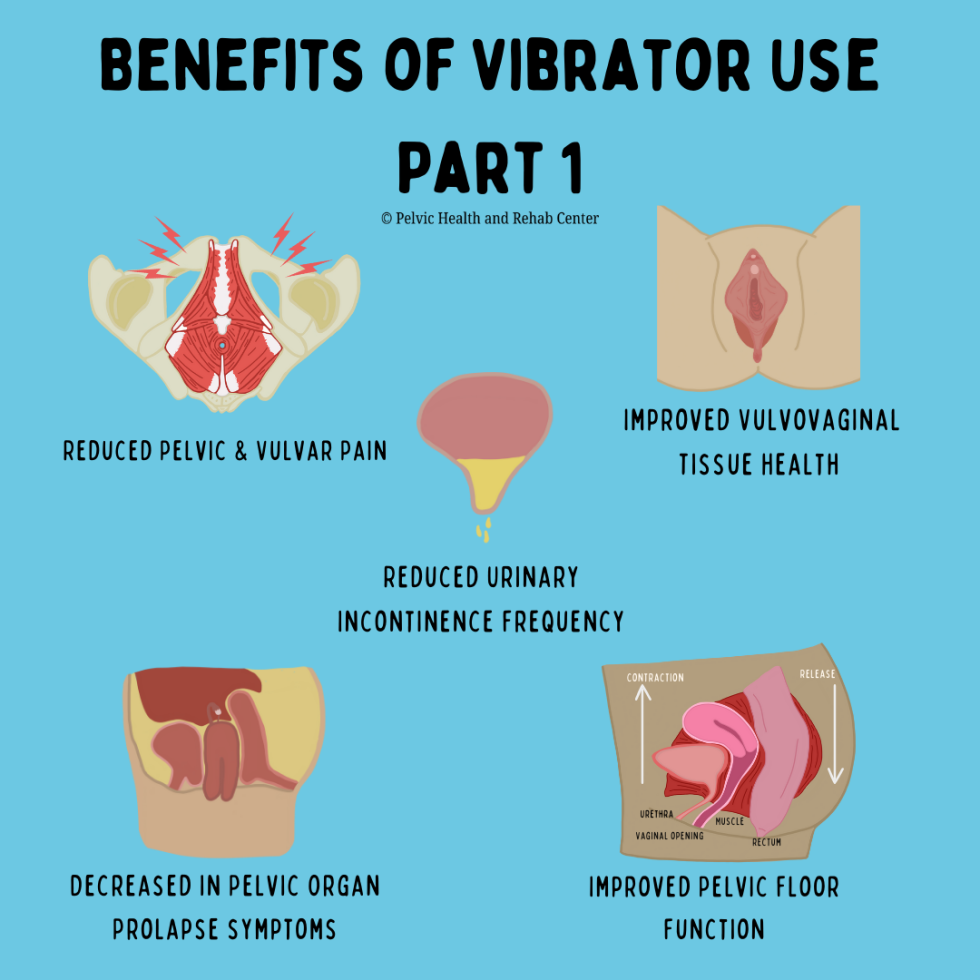
- Sexual function significantly improved!
- Pelvic Organ Prolapse bother significantly decreased!
- Pain Scores significantly decreased!
- Frequency of urinary incontinence decreased!
- Improvement in appearance of vulvar lichen sclerosis lesions! (please note improvement in appearance means the disease is still present, lifelong medical management is still required)
- Reduction in vaginal atrophy!
- Rates of depression significantly decreased!

Let’s Discuss.
I am a pelvic floor physical therapist with over 25 years of experience helping people restore their pelvic health. It comes as no surprise to me that vibration—with or without orgasm—engages the pelvic floor muscles in a way that is fundamentally different from traditional Kegels, core strengthening, or voluntary neuromuscular re-education.
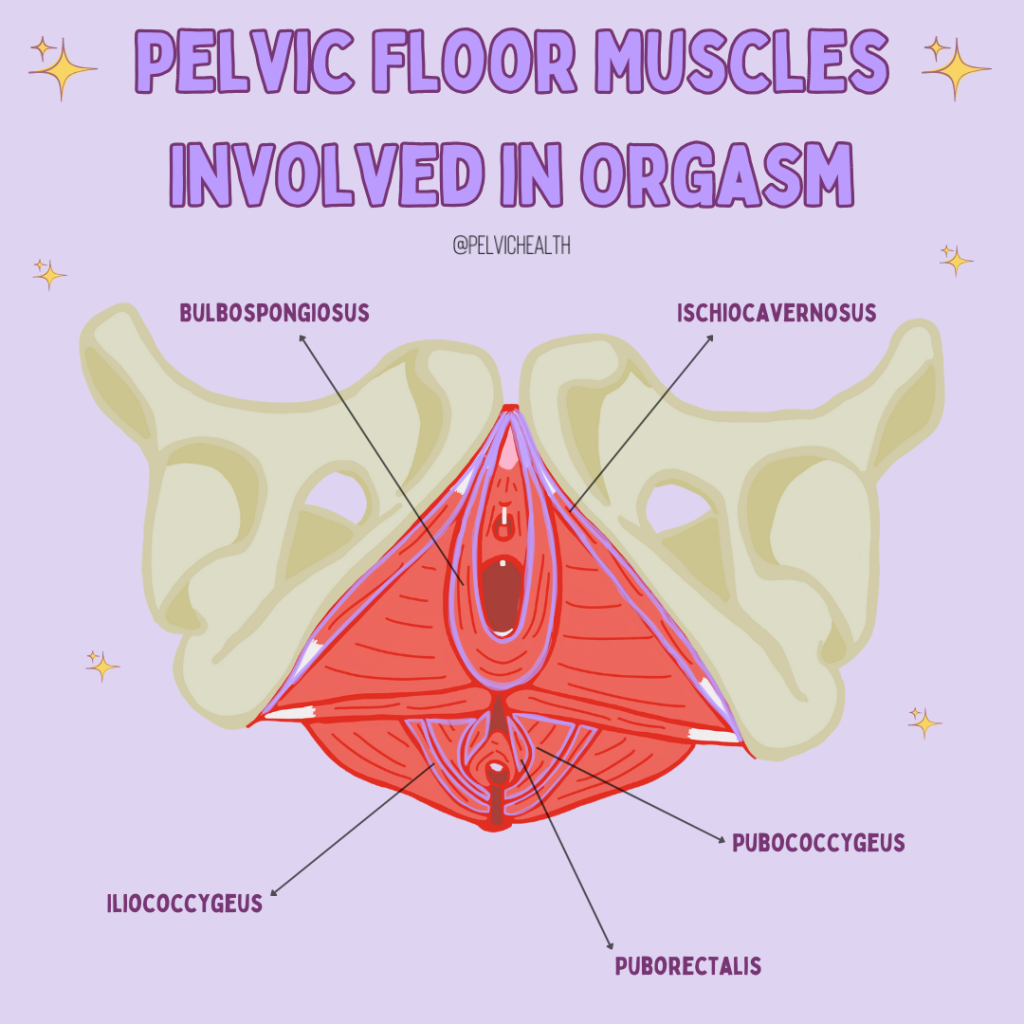
Vibration provides medical benefits on its own. It promotes vasodilation and increases blood flow to the area, and it also competes with pain receptors, which helps reduce pain.
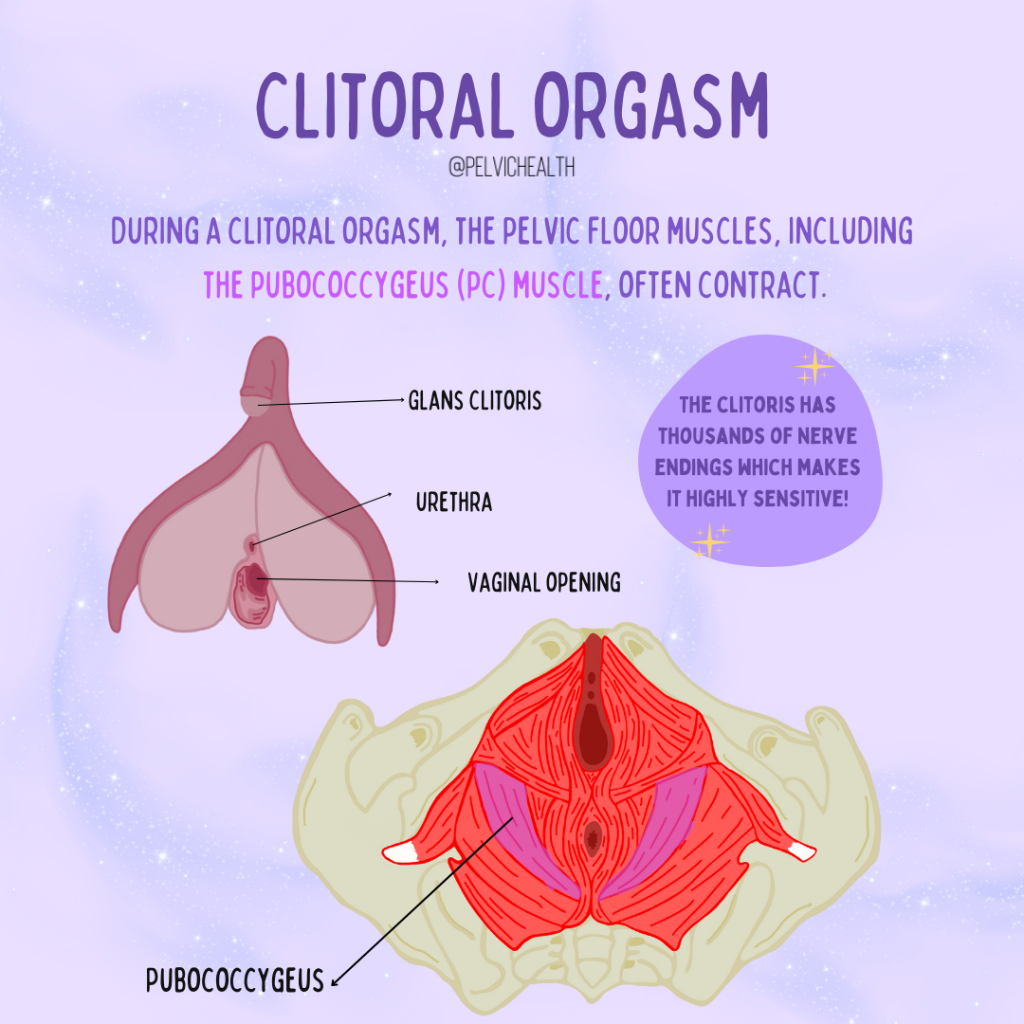
Pelvic floor muscles are unique in that they function under both voluntary and reflexive control. We can consciously contract them—for example, to delay urination until we reach a bathroom—but they also respond automatically to changes in pressure and bladder filling, increasing activity to help maintain continence without conscious input.
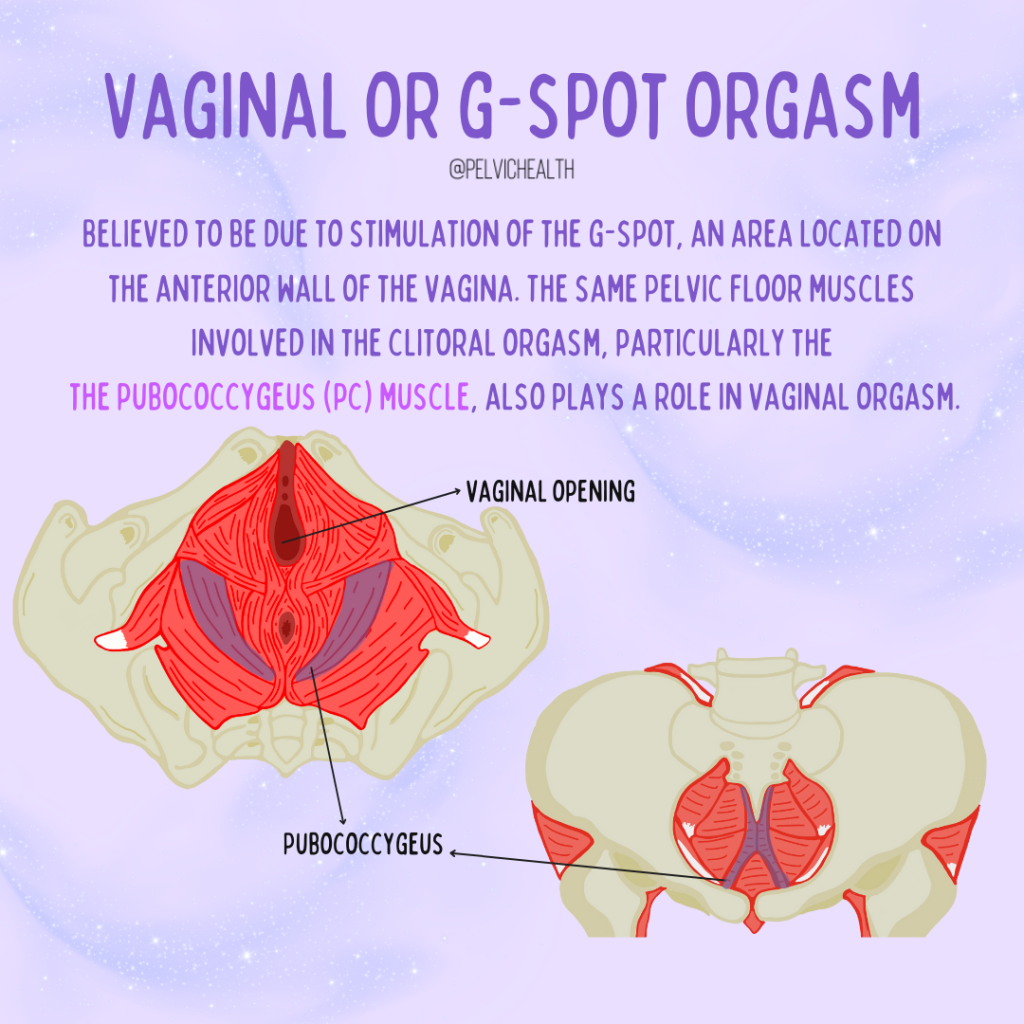
An orgasm involves rapid, reflexive, rhythmic pelvic floor muscle contractions. From a neuromuscular standpoint, this absolutely qualifies as exercise—but exercise that is qualitatively different from the typical “squeeze and relax” approach we teach in the clinic. Vibration provides yet another mechanism to stimulate these reflexive pathways, offering a novel way to train pelvic floor muscles. An added—and not insignificant—benefit is its positive impact on mental health and overall well-being.
Women experience disproportionately high rates of bladder dysfunction and pelvic pain, and there is also a well-documented gender gap in sexual pleasure and orgasm frequency. With advancing age, pelvic floor dysfunction becomes more common, and sexual pleasure often declines for a variety of biological, hormonal, neurologic, and psychosocial reasons.
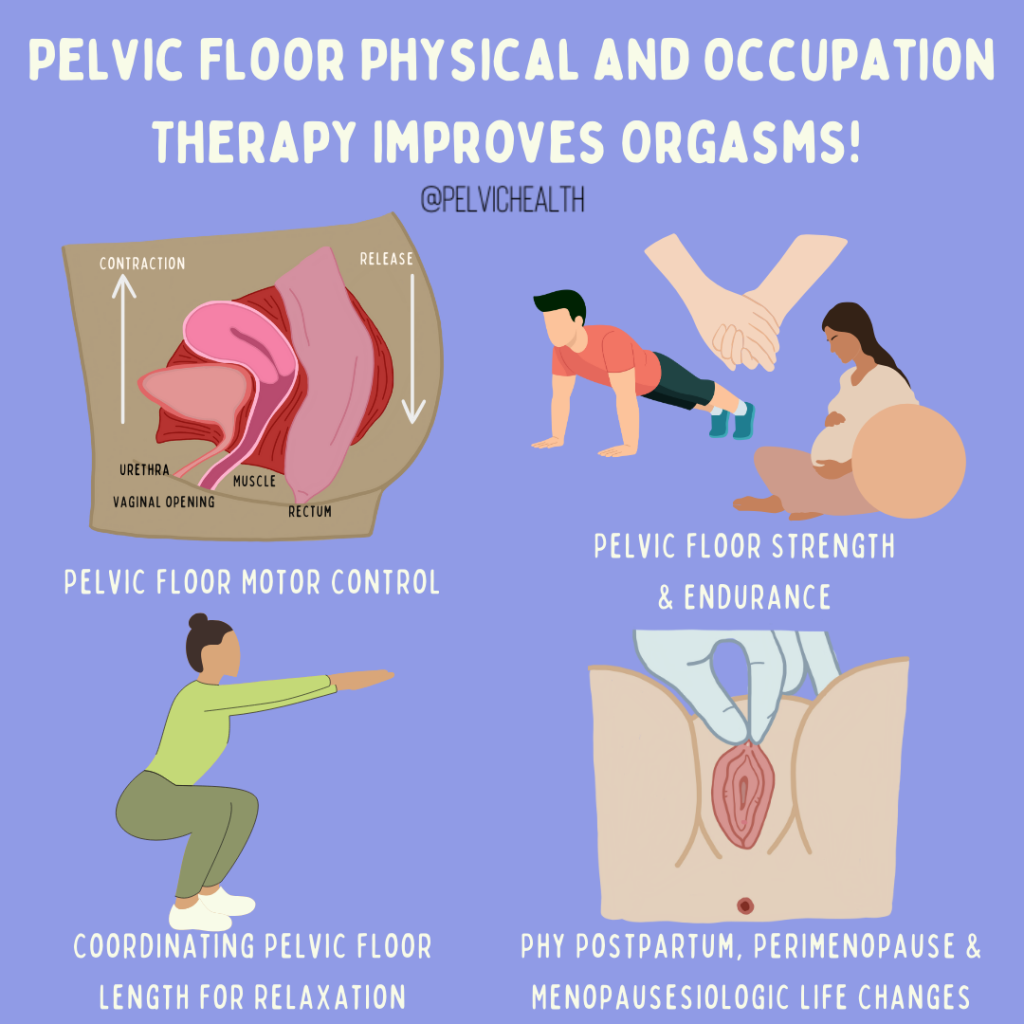
In Dr. Alexandra Dubinskaya’s research, participants shared powerful feedback—reporting not only improvement in bothersome pelvic symptoms, but also a return of pleasure and sexual satisfaction in their lives. What could be better than that?
Also, don’t forget to check out Dr. Dubinskaya’s social media, where she shares pelvic and sexual health information in a way that’s easy, approachable, and often pretty funny—so you finally learn the things you were too afraid to ask. I also highly recommend watching her interview with Dr. Kelly Casperson, where they dive deeper into this innovative work. And definitely give Dr. Casperson’s podcast a listen—it’s funny, evidence-based, and refreshingly honest about all the things we should have learned about our bodies and sex…but probably never did.
And for those feeling both curious and generous: Dr. Dubinskaya is currently recruiting for another research study—a quick survey that will help shape the future of vibrator technology. We’ve included the link for anyone interested in participating:
Help Women’s Health Science? Check out the Ongoing/registered study
- ClinicalTrials.gov registration involving vibrator use and pelvic/urinary outcomes (includes SUI as an outcome domain)
NCT06677541 (study listing). ClinicalTrials
Here are 3 Must-Listen Podcasts to hear more and get inspired from Trusted and Fun Sources!
- “Vibrators As Medicine” – You Are Not Broken (Dr. Kelly Casperson) Episode 346 Apple Podcasts+1
- Urology Times podcast interview (broader sexual dysfunction discussion; not SUI-specific, but useful background on her clinical focus) Urology Times
- “Vibrators for pelvic floor and sexual health” – Dr. Susie Gronski (In Your Pants / blog + episode) (features Dr. Dubinskaya discussing her vibrator research) drsusieg.com+1
PHRC Must Reads
Updates on the Process of Care for Orgasm Dysfunction
Great Sex and Orgasms After Prostate Cancer
______________________________________________________________________________________________________________________________________
Check out our recently published e-book titled “Vulvodynia, Vestibulodynia, and Vaginismus,” designed to empower and inform individuals on their journey towards healing and understanding.
Are you unable to come see us in person in the Bay Area, Southern California or New England? We offer virtual physical therapy appointments too!
Virtual sessions are available with PHRC pelvic floor physical therapists via our video platform, Zoom, or via phone. For more information and to schedule, please visit our digital healthcare page.
Do you enjoy or blog and want more content from PHRC? Please head over to social media!