

Bladder and bowel dysfunction can be debilitating and seriously impact your quality of life. From leaking and urgency to pain and other symptoms, many people struggle to find proper treatment, often because the pelvic floor gets overlooked. Instead, they’re given medications that only provide temporary relief from their discomfort.
However, pelvic floor therapy is one of the most effective treatments for people experiencing bladder and bowel dysfunction.
The pelvic floor is a group of muscles and connective tissues that support the bladder, bowel, and (in women) the uterus. Because both organs share the same muscles and nerve supply, when those muscles become tight, weak, or uncoordinated, it can affect both systems at once, leading to symptoms like urgency, leaking, pain, and difficulty fully emptying.
If you’re experiencing bladder or bowel dysfunction, working with a pelvic floor physical and occupational therapist can help you find relief.
The Reasons Bladder & Bowel Dysfunction Often Occur Together
There are several reasons why bladder and bowel dysfunction often occur at the same time. What makes this connection so significant is that the bladder and bowel share the same muscles, connective tissues, and nerve pathways. Oftentimes, whatever is disrupting one system is very likely disrupting the other, and treating them in isolation often leads to incomplete results.
Pelvic Floor Dysfunction
The most common reason bladder and bowel issues occur together is that both organs rely on the same muscles. When the pelvic floor is too tight, too weak, or uncoordinated, it affects bladder and bowel control at the same time. A weak pelvic floor may cause leaking from both — while an overly tight one can make it difficult to fully empty the bladder or bowel, or cause pain and urgency in both.
Shared Nerve Supply
The bladder and bowel are controlled by the same network of nerves, primarily the pudendal nerve and the sacral nerve roots. Injury, compression, or irritation of these nerves affects both organs simultaneously. This is why conditions like herniated discs, childbirth trauma, or surgeries in the pelvic region often produce both bladder and bowel symptoms at once.
The Constipation Connection
A full or impacted bowel can physically press against the bladder, reducing its capacity and triggering urgency, frequency, or leaking. Chronic straining from constipation can also put repeated stress on the pelvic floor, weakening the very muscles needed for both bladder and bowel control. In fact, chronic constipation is a leading cause of pelvic pain and pudendal neuralgia.
Shared Irritants
Caffeine, alcohol, and acidic foods irritate both the bladder and the bowel. Low fluid intake leads to concentrated urine that irritates the bladder, and hard stools that strain the bowel. What you eat and drink affects both systems.
Underlying Conditions
Certain conditions affect the bladder and bowel together by nature, including endometriosis, multiple sclerosis, Parkinson’s disease, and diabetes. Each of these can disrupt the muscles, nerves, or tissues that both organs depend on.
If you’re experiencing bladder and bowel dysfunction, contact us today for an evaluation.
Are You A Candidate For Pelvic Floor Therapy Treatment?
Pelvic floor physical and occupational therapy is the gold standard for bladder and bowel symptoms caused by pelvic floor dysfunction. You might be a candidate for treatment if you experience any of the below symptoms.
Bladder Symptoms
Bladder symptoms from pelvic floor dysfunction can vary from mild discomfort to significant disruptions in daily life.
- Stress Incontinence: Leaking urine when coughing, laughing, sneezing, or during exercise
- Bladder Pain: Discomfort or pain in the bladder region
- Urgency/Frequency: The feeling of needing to urinate urgently, even when the bladder isn’t full
- Leaking: Involuntary leakage of urine, either before reaching the bathroom or during activities
- Urethral Pain: Pain or burning in the urethra during or after urination
- Mixed Incontinence: A combination of both stress and urge incontinence
- Urinary Hesitancy: Difficulty starting the urine stream or having a slow flow
- Climacturia: Leaking urine with orgasm
Bladder Symptoms
Bowel dysfunction can cause significant discomfort and distress. The symptoms from pelvic floor issues can include:
- Straining to Evacuate Stool: Difficulty or pain when passing stool
- Constipation: Infrequent or difficult bowel movements
- Fecal or Gas Leakage: Involuntary leakage of stool or gas
- Hemorrhoids and Fissures: Painful, swollen veins in the rectum or tears in the anal lining
- Anal/Rectal Pain: Burning, itching, or pain before, during, or after bowel movements
How Does Pelvic Floor Therapy Work?
Pelvic floor physical and occupational therapy is often the first line of treatment for both bladder and bowel dysfunction. A trained physical and occupational therapist will assess your pelvic floor muscles, determining whether they are too tight, weak, or uncoordinated.
For bladder issues, this often means lengthening and releasing the muscles before strengthening them, alongside bladder retraining, manual therapy, and lifestyle changes.
For bowel dysfunction, treatment focuses on improving muscle coordination and control through guided exercises, manual therapy, and biofeedback to help retrain the muscles involved in bowel movements.

Are Bladder and Bowel Dysfunction Always Caused By Pelvic Floor Dysfunction?
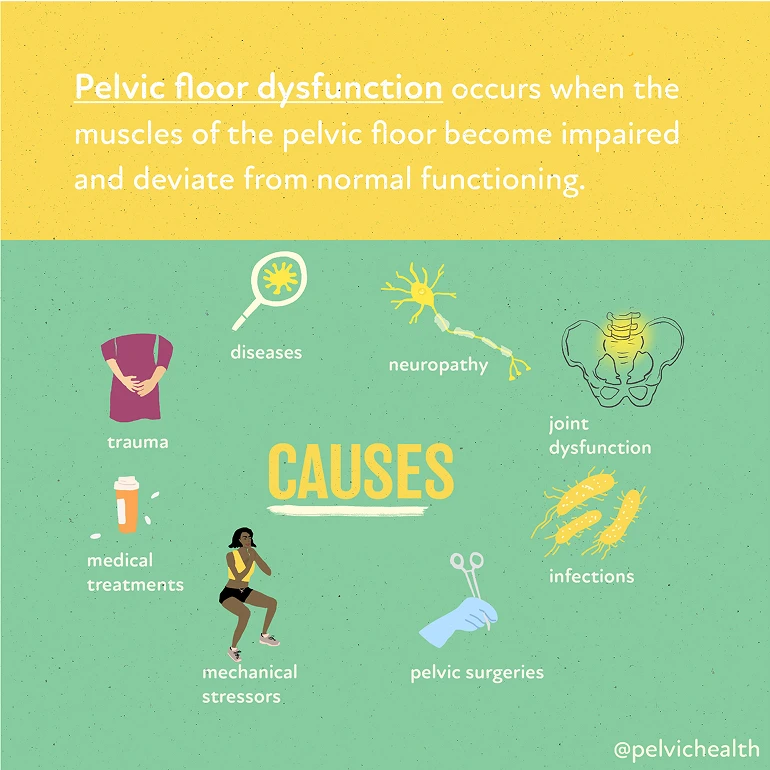
No. Pelvic floor dysfunction is one of the most common causes of bladder and bowel symptoms, but it isn’t the only one. Some people may have other contributing factors, and in many cases, multiple factors are at play at the same time.
Additional Causes of Urinary Issues/Bladder Dysfunction
Bladder dysfunction can stem from a variety of causes, including:
- UTIs: Repetitive urinary tract infections
- Hormonal Changes: Childbirth, breastfeeding, menopause
- Surgical Trauma: Post-prostatectomy complications or other surgeries
- Yeast Infections: Repeated yeast infections
- Use of Hormonal Suppressive Medications: Oral contraceptives, GnRH agonists, acne medications
- Biomechanical or Structural Dysfunction: Hip dysfunction, sacroiliac joint dysfunction, piriformis syndrome, scoliosis, leg length discrepancy
- Pelvic Organ Prolapse: Downward displacement of pelvic organs leading to bladder issues
- Constipation and Gastrointestinal Distress or Bloating: Increased pressure on the pelvic floor
Additional Causes of Bowel Issues
Bowel issues can result from:
- Medication-induced Constipation: Opiates, mood stabilizers, oral contraceptives
- Peripheral Nerve Injuries: Childbirth, chronic straining, or surgical trauma
- Visceral-somatic Consequences: Gastrointestinal issues such as IBS, Crohn’s disease, ulcerative colitis, SIBO (Small Intestinal Bacterial Overgrowth)
- Conditions like Anal Fissures and Hemorrhoids: Causing pain and contributing to pelvic floor dysfunction
It’s important to get an evaluation so you can find out the exact underlying causes of any symptoms you’re experiencing.

How We Can Help With Your Bladder And Bowel Dysfunction
During your evaluation at PHRC, your pelvic floor physical and occupational therapist reviews your history and symptoms with you, what you have been diagnosed with in the past, any treatments you have already undergone, and how helpful these treatments have been.
We always take the time to listen during your appointment so you feel heard. We know how exhausting the process can be in finding relief, and many of our patients have seen multiple doctors or specialists before finding us.
During your physical examination, your PHRC pelvic floor physical and occupational therapist examines muscles, tissues, joints, nerves, and your movement patterns. Once they complete the evaluation, they will review your findings with you and create an assessment that explains how you developed the pain and establish short- and long-term goals for your treatment plan.
Typically, the frequency of our pelvic floor physical and occupational therapy treatment is one to two times per week for roughly 12 weeks. You are given a home exercise program to complement your in-person sessions, and your PHRC pelvic floor physical and occupational therapist will help to coordinate your recovery with the other members of your treatment team (if applicable). We are here to help you recover and finally get long-lasting relief from your symptoms.