By: Stephanie Prendergast The Pelvic Health and Rehabilitation Center is excited to announce that Pelvic Pain Explained was released on January 13th! In honor of the book and the New Year, we are sharing stories from our patients that were kind enough to be interviewed for this book. Last week we spoke about Tommy’s recovery from pelvic pain. When Liz …
Male Pelvic Pain Explained: Tommy’s Success Story
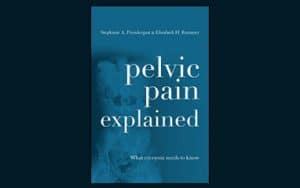
Happy New Year everyone! We are excited to announce that Liz and Stephanie’s book, Pelvic Pain Explained, is on sale here! If you are on the road to recovery from pelvic pain, or know someone who is, you need to read Pelvic Pain Explained. We wrote this book to help people with pelvic pain navigate …
Coached Pushing vs. Maternal Pushing
Last winter a patient of mine, who we’ll call Sarah, shared her birth story with me. She was in the hospital laboring with her first child and everything was progressing as planned. Sarah started to develop strong urges to push and instinctively started to bear-down. The nurse in the room noticed what she was doing and told her to stop. …
The Role of Emotions in Relieving Pelvic Pain
This week guest blogger Lorraine Faehndrich talks about the role emotional awareness plays in the healing process. Here’s what she has to say: By Lorraine Faehndrich Persistent pelvic pain can, and often does, have an emotional component. The pelvis is a part of the body that for many reasons tends to hold emotion, and when that emotional component is addressed alongside …
Why Get PT 1st? Here are the facts
By Stephanie Prendergast Vaginal pain. Burning with urination. Post-ejaculatory pain. Constipation. Genital pain following bowel movements. Pelvic pain that prevents sitting, exercising, wearing pants and having pleasurable intercourse. When a person develops these symptoms, physical and occupational therapy is not the first avenue of treatment they turn to for help. In fact, physical and occupational therapistss are not even …
Get the DL on L&D: What you really need to know about Labor and Delivery
By Melinda Fontaine Back By Popular Demand: Here is the sequel to my 8 Pregnancy Tips. This is what a Pelvic PT/Mom wants you to know about labor and delivery. First off, you have little to no control over it. This can seem scary, so it is important to be flexible. I am a supporter of birth “plans”; I even …
It’s National Bladder Health Week!
It’s National Bladder Health Week and we want to dedicate this blog post to our favorite (and only) urine collecting organ! The bladder is a vessel that sits on the pelvic floor and its primary function is to collect and hold our urine. It is made out of a hollow muscle called the detrusor which stretches to allow urine to …
Taking a Closer Look at IPPS 2015
By Gabriella Chavarin As you may have noticed, IPPS is a pretty big deal around here. Every year, our PHRC physical and occupational therapistss attend the International Pelvic Pain Society’s annual scientific conference. Additionally, Stephanie Prendergast has been on the IPPS Board of Directors since 2003, and was the first physical and occupational therapists to serve as president in …
Pudendal Neuralgia Series 1: Interdisciplinary Conversations from IPPS 2015
By Stephanie Prendergast Pudendal Neuralgia seems to be a diagnosis that is more polarized and controversial than other pelvic pain diagnoses. Why? Over a series of posts we will look at the evolution of this diagnosis, and why we need the perspective of a pelvic floor physical and occupational therapists, pain management specialist Dr. Sheldon Jordan, and gynecologist/pelvic …
A Second Look at Pudendal Neuralgia.
By Stephanie Prendergast, PHRC Cofounder I treated my first patient with Pudendal Neuralgia in 2002. As a young, excitable pelvic floor physical and occupational therapists, I was on a mission to help people suffering from pelvic pain and thought it would be just like what they said in PT school: stretch, strengthen, achieve goals, discharge. So when my patient began …
A Balm for Belly Blues: Maya Abdominal Massage & Gynecological Health
This week, our guest blogger Bria Larson, MS, LAc, FABORM will discuss The Arvigo Techniques of Maya Abdominal Therapy. By Bria Larson The abdomen and pelvis are the source of our creativity and nourishment. They are also vulnerable to injury from physical and emotional trauma, disease and dietary stressors. Based on the healing traditions of the Maya, as taught by Dr. …
Clitoral Woes? Say It Ain’t So
By Sara K. Sauder In preparing the curriculum for my class on vestibulodynia (yes I will start talking about this class over and over because I am discovering so much and learning a lot while in the process of creating and teaching the curriculum and this is a blog that I write using real life experiences so why wouldn’t I write …
New Classification System for Persistent Vulvar Pain
By Stephanie Prendergast In a previous blog post I described my experience while participating in an International Nomenclature Consensus Conference. As you may recall, the motivation for a consensus meeting originated because there was “an unmet medical need for a comprehensive, evidence-based set of vulvovaginal pain diagnoses that can be easily utilized by …
Foreskin or No Skin? Let’s Talk About Circumcision
By Rachel Gelman In my previous post I talked about the anatomy of the male pelvic floor. The blog stirred up a lot of conversation among readers, with many requesting a part two. So here we are! This time, we’ll take a look at a small part of the male anatomy that comes with a large amount of controversy: The foreskin. …
The Ultimate Solution To Help Mothers Reconnect With Their Bodies And Rebuild Post-Baby Foundations
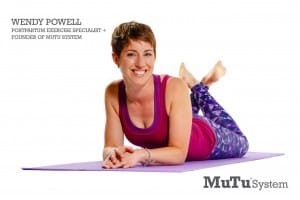
By Wendy Powell, Postpartum Exercise Expert, Founder + CEO of MuTu System This information relates to every woman who is having, has had, or will ever have a baby, who wants to regain full use and look of her beautiful pre-baby body (who doesn’t?). Whether she has just had a baby, has teenage children, or if she is about to give …
The Tailbone: A literal and figurative pain in the butt
The tailbone (also known as the coccyx) is often dismissed by some as a vestige of our prehistoric ancestors. Whether or not that is true, this is a bone that we need to examine further in order to appreciate. Not only is it a major attachment site for the pelvic floor muscles, but it can also become a huge source …
Off the Press! The Pink Pill and Other News
By Stephanie Prendergast It has been an eventful few weeks in pelvic health news! We’ve summarized the top stories and included our commentary. “Pelvic pain may be common among reproductive-age women, NIH study finds.” From the National Institute of Health Article summary: Pain reports were highest for women with endometriosis, however ⅓ of those without any pelvic condition also reported …
Real Patients, Real Stories: Amanda’s Journey
By Sara Stuart Pelvic pain can present itself in a number of ways. For Amanda* (name has been changed for anonymity), her symptoms began with her first menses. “I remember being on a cruise to Mexico with my mom and trying to learn how to put a tampon in for the first time. I spent the time either …
Pelvic Pain Explained: A Sneak Peak!
Earlier this year Liz and I completed our manuscript for our book, Pelvic Pain Explained. Writing it was a challenging process, to say the least. We are hopeful that this book will raise awareness about and help to demystify pelvic pain. By sharing our combined clinical experience we want to help people with pelvic pain and their providers …
8 Pregnancy Tips from a Pelvic Health Physical and Occupational Therapists /Mom
By Melinda Fontaine, DPT, PHRC Walnut Creek I recall being eight months pregnant treating other pregnant women or new moms. I would always hear, “How are you still working full time on your feet?” I still think the most honest answer is, “Pure luck”. Every pregnancy is different, and there are a lot of things that are out of …
Gwyneth’s Goop and the Pelvic Floor: What They Missed
By Stephanie Prendergast Last week, Gwyneth Paltrow’s popular newsletter featured an article on pelvic floor muscles, which prompted numerous emails and tweets in my direction. Apparently this is a topic that makes my friends and colleagues think of me. While pondering why everyone, except for me, seems to be reading Goop, I took a look. I am glad to see …